A tiny 3-millimeter beetle burrows into the heart of a centuries-old white oak in Oregon’s Willamette Valley, tunneling through bark while spreading a lethal fungus. What begins as subtle wilting branches signals a broader crisis, as this invader threatens ecosystems and communities across oak-rich landscapes.
The Mediterranean Oak Borer Invasion
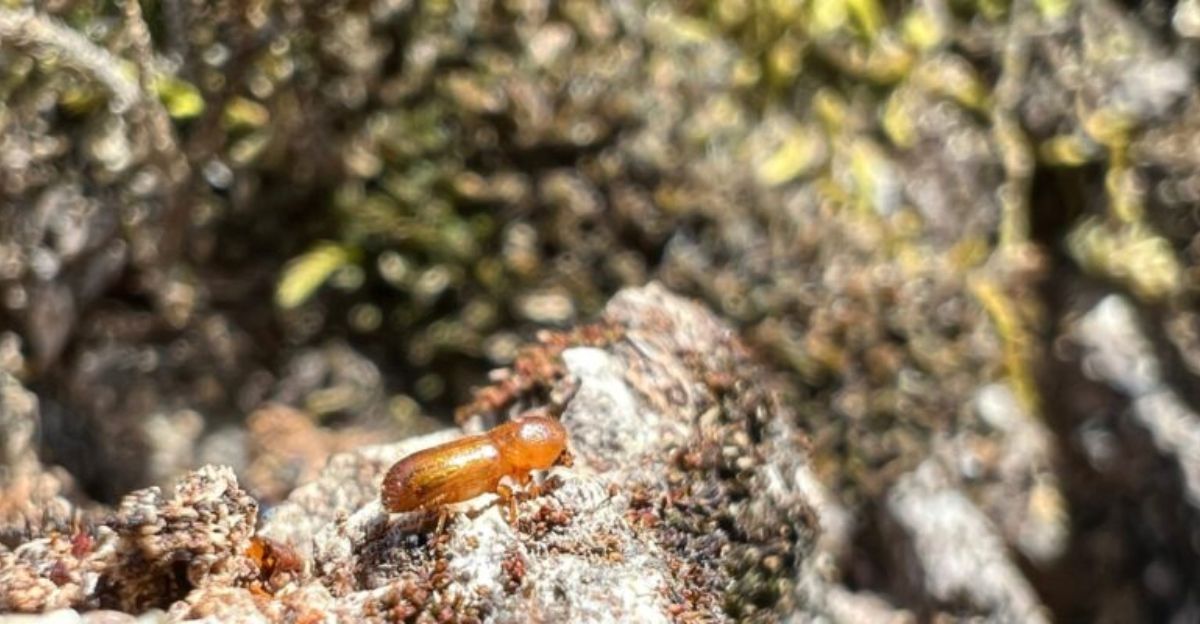
Over 500 Mediterranean oak borers have been trapped in more than 30 sites across Marion and Polk counties, confirming the pest’s foothold in the region. Millions of residents now live within its reach, where ancient oaks stand vulnerable. Officials note the full spread remains uncertain, heightening concerns for local forests.
Native to Europe and North Africa, the Mediterranean oak borer typically decomposes weakened trees in its home range. In the U.S., it arrived via international trade, likely in firewood or timber, first appearing in California during the 2010s. Here, it has shifted from benign recycler to aggressive killer of healthy trees.
How the Beetle Destroys Trees
Females bore into a single tree across generations, depositing eggs and disseminating fungus that clogs vascular tissues, leading to death. This behavioral change endangers Oregon’s white oaks, keystone species that anchor biodiversity, provide wildlife habitat, support pollinators, store carbon, and reduce wildfire risks through healthy canopies.
Current Status and Community Impact
By November 2025, Oregon authorities declared the beetle firmly established, closing the door on eradication. Strategies have pivoted to containment, including tree removal, safe wood disposal, and expanded trapping networks. The Oregon Department of Agriculture handles identification and regulations, while the Department of Forestry surveys forest health, aided by federal partners and volunteers.
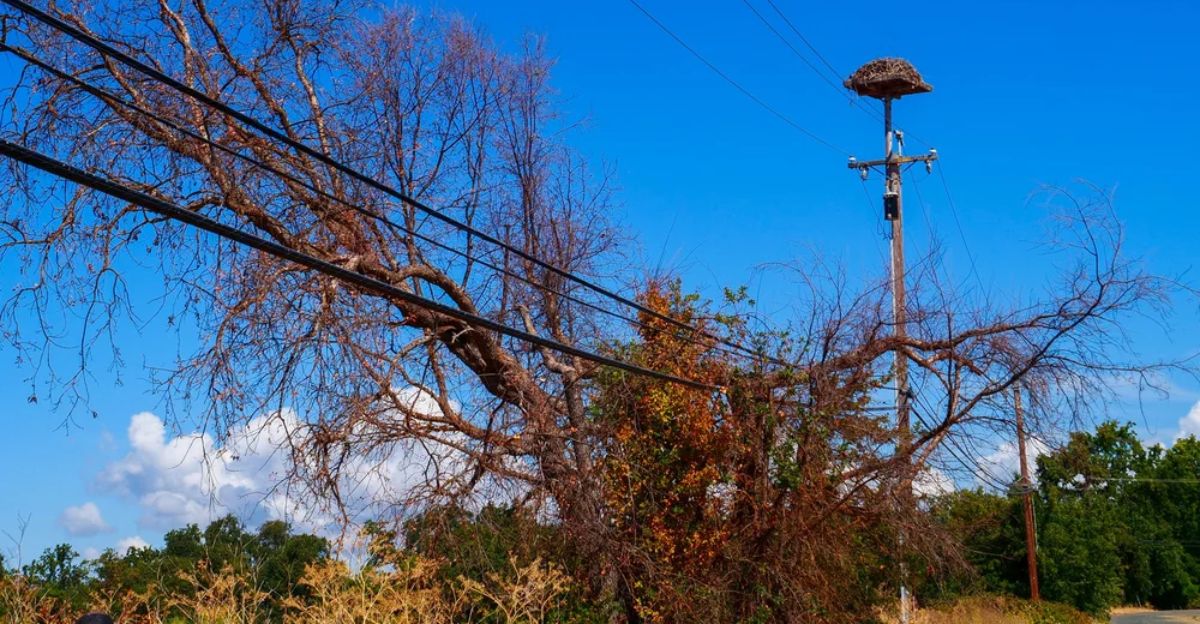
In areas like Salem, landowners report wilting branches, frass piles resembling sawdust, and mounting removal costs. These oaks offer shade, enhance property values, and serve as cultural landmarks tying generations to the land. Their decline risks habitat loss, diminished carbon sequestration, and increased fire hazards from dead wood.
Containment and Conservation Efforts
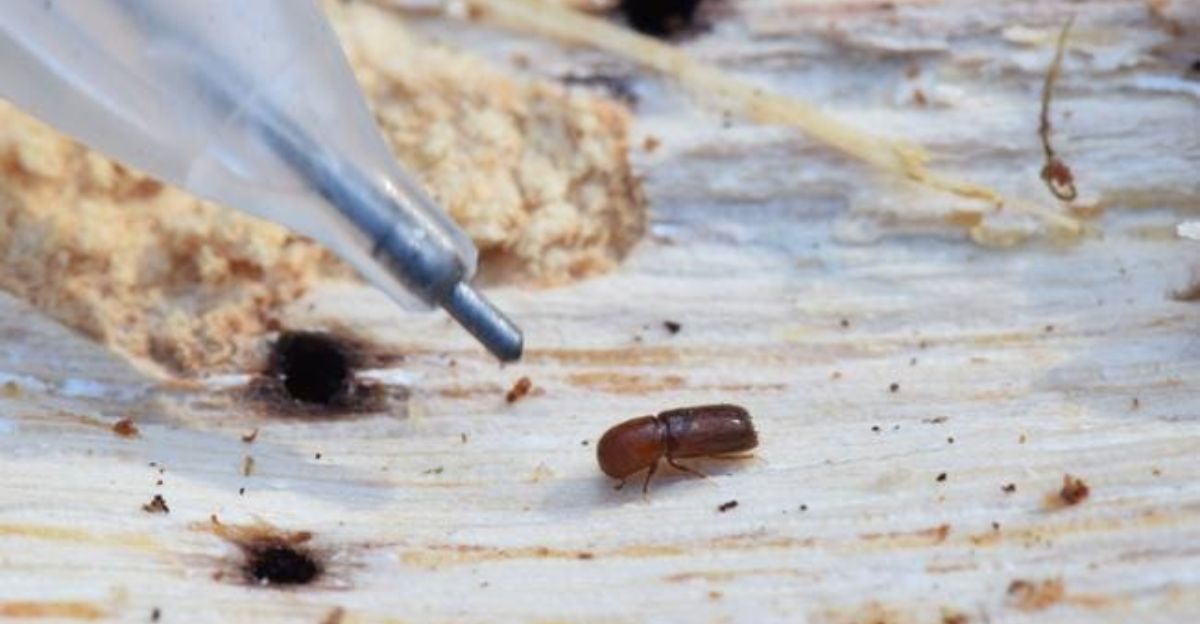
Conservation districts train residents to identify early signs—wilting, frass, or exit holes—and report them promptly. Public engagement aims to slow spread before infestations overwhelm resources. Neighboring states, including Washington with its at-risk oaks and ashes, monitor closely, sharing cross-border strategies.
Priorities include surveilling via traps, studying fungal impacts, and public reporting. The Interagency Task Force coordinates to map long-term effects. Success hinges on swift action, testing regional readiness against invasive pests.
Ongoing Threats and Uncertainties
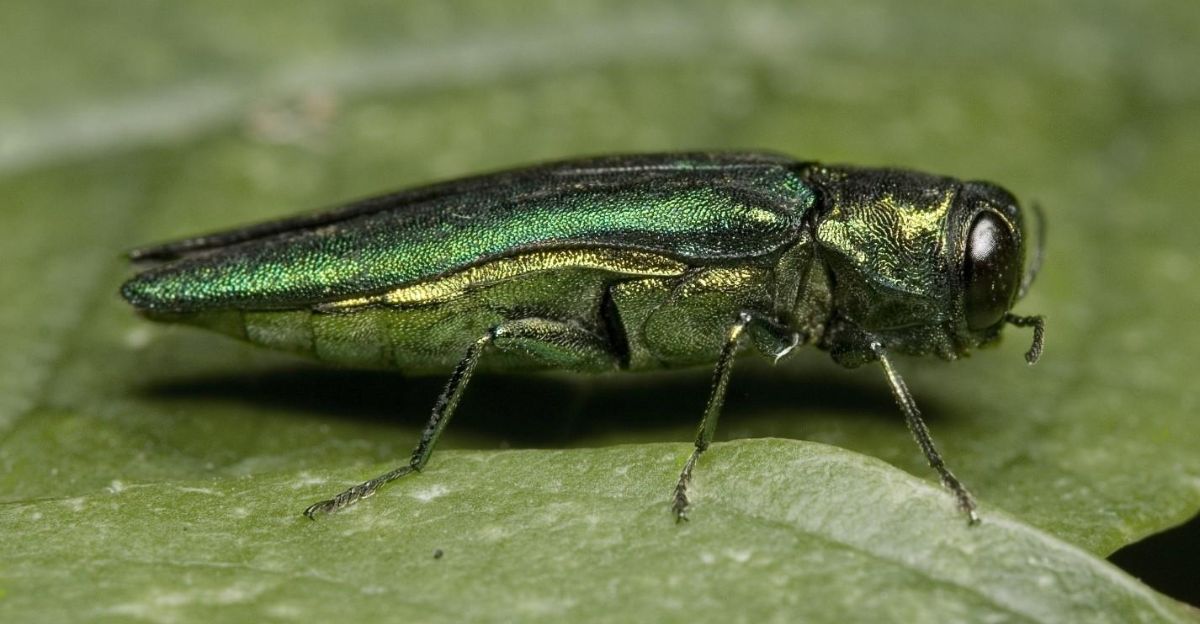
This beetle joins invaders like the emerald ash borer in reshaping Western forests. Its fungus persists post-beetle, prolonging damage as seen in California. Firewood movement poses a key risk; officials promote “buy it where you burn it” to halt transport across counties or states.
Uncertainties linger: will it spare healthy trees, or attack broadly? Spread speed and resistance factors remain unclear, with fears of rapid die-offs mirroring ash borer devastation. Research tracks behavior to inform resilient tree management.
White oak loss would cascade through ecosystems, eroding biodiversity and climate resilience while erasing living history from Willamette Valley communities. Containment offers a chance to safeguard these irreplaceable assets, but failure could amplify economic, environmental, and cultural tolls nationwide, underscoring the urgency of sustained vigilance.
Sources:
Oregon Department of Forestry Mediterranean Oak Borer Fact Sheet, October 2025; Oregon Department of Agriculture Interagency Task Force Monitoring Program
Oregon Tree Health Threats Bulletin, November 2025; Oregon Department of Forestry
UC Agriculture and Natural Resources Mediterranean Oak Borer Research Program; University of California Division of Agriculture and Natural Resources
Don’t Move Firewood Program; Invasive Species Prevention Resources and Forest Health Protection Guidelines, USDA Forest Service