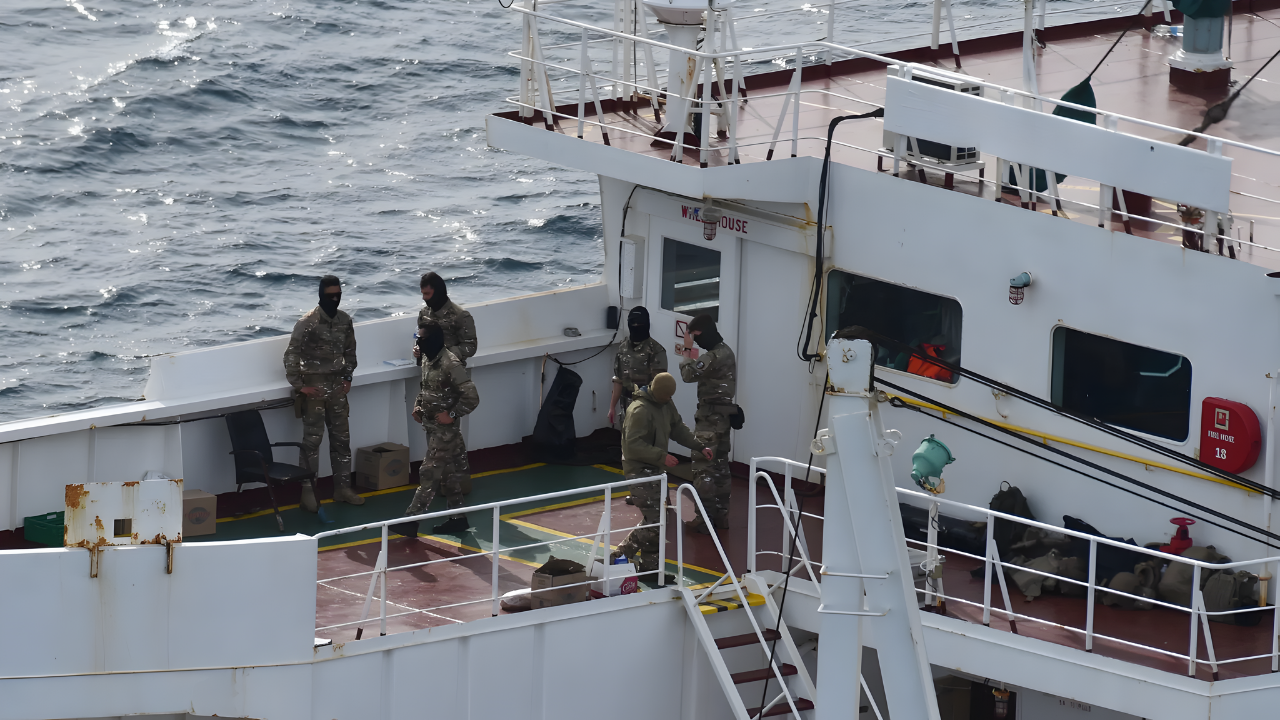
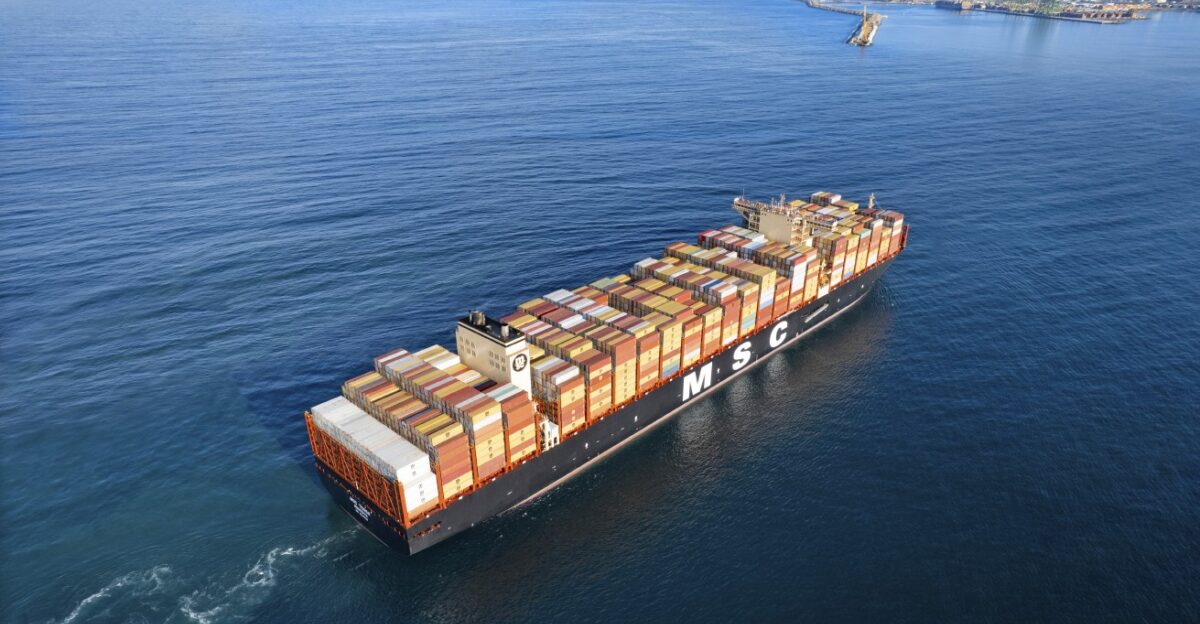
The quiet arrival of two suspected Russian intelligence operatives on commercial cargo ships in spring and summer 2025 has exposed a new weak point in Europe’s security architecture. Instead of crossing borders via embassies or specialist vessels, the men are believed to have blended into routine maritime trade, docking at Torquay, Middlesbrough, and Grangemouth before traveling to areas near British military sites and critical fuel infrastructure. Intelligence officials say the episodes highlight how the sheer volume and complexity of commercial shipping can conceal covert movements, even in closely monitored NATO waters.
The two suspected operatives reportedly entered the UK on separate voyages, one from Finland and the other from the Russian exclave of Kaliningrad. They passed through busy ports that handle thousands of workers, containers, and crew changes each month, making it difficult for authorities to distinguish ordinary seafarers from potential intelligence assets. Their subsequent movements around sensitive locations have prompted fresh scrutiny of how port checks are conducted and what type of risk assessments are applied to crew members working on legitimate cargo routes.
Sanctions, Shipping, and a New Intelligence Pipeline
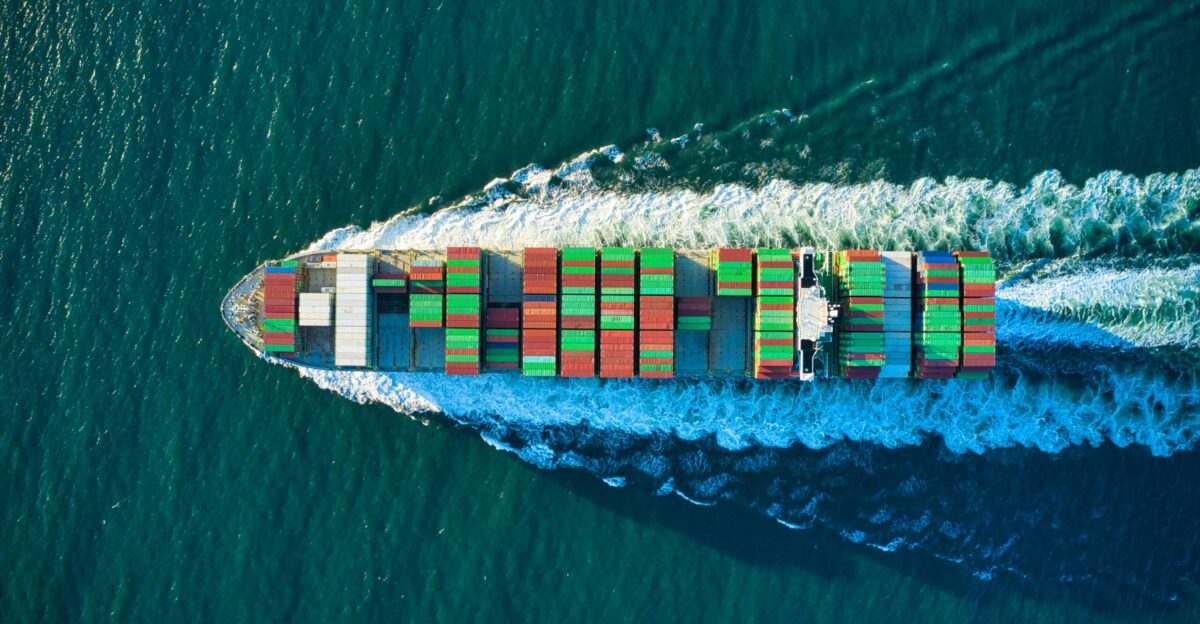
Russia’s reliance on commercial transport for intelligence activity is closely tied to the diplomatic fallout from its full-scale invasion of Ukraine in 2022. After the attack, the UK expelled 24 Russian officials and imposed sanctions on more than 2,900 individuals and entities, significantly reducing Moscow’s ability to operate under diplomatic cover on British soil. With embassy personnel under tighter watch and numbers reduced, Western assessments indicate that Russian services have shifted toward maritime logistics as an alternative channel for moving personnel and gathering information.
Russian-aligned interests occupy a notable share of segments of the global shipping business, from ownership stakes and chartering networks to intermediary firms. This influence, combined with the essential role of merchant vessels in global trade, allows operatives to move on ships that appear entirely legitimate on paper. Intelligence officials emphasize that the suspected agents in the 2025 cases did not travel on so-called “shadow fleet” tankers or on Russian-flagged vessels, but on conventional commercial ships operating in normal trade. That detail underlines the challenge now facing regulators, insurers, and shipping companies: how to distinguish high-risk connections without paralyzing routine commerce.
Ports, Trade Routes, and Maritime Gray Zones
The incidents in British ports are part of a wider pattern of Russian maritime activity stretching across the Baltic Sea and the North Sea. Intelligence services in NATO states have linked Russian-linked vessels and shadow fleets to the mapping of undersea data cables, monitoring of offshore energy infrastructure, and surveillance of naval facilities. Ordinary freighters, oil tankers operating outside sanctions rules, and specialized surveillance ships increasingly appear to function within a single layered strategy aimed at probing weaknesses below the threshold of open conflict.
Key trade corridors between the Baltic and North Sea carry energy supplies and goods vital to European economies. The same busy lanes now serve as high-volume cover for intelligence-gathering. European governments have responded with more naval patrols, escort missions for sensitive infrastructure, and investments in maritime domain awareness – including better tracking of vessel ownership, routes, and behavior. These measures, however, add costs for both states and private operators, while still leaving gaps that can be exploited in crowded shipping lanes.
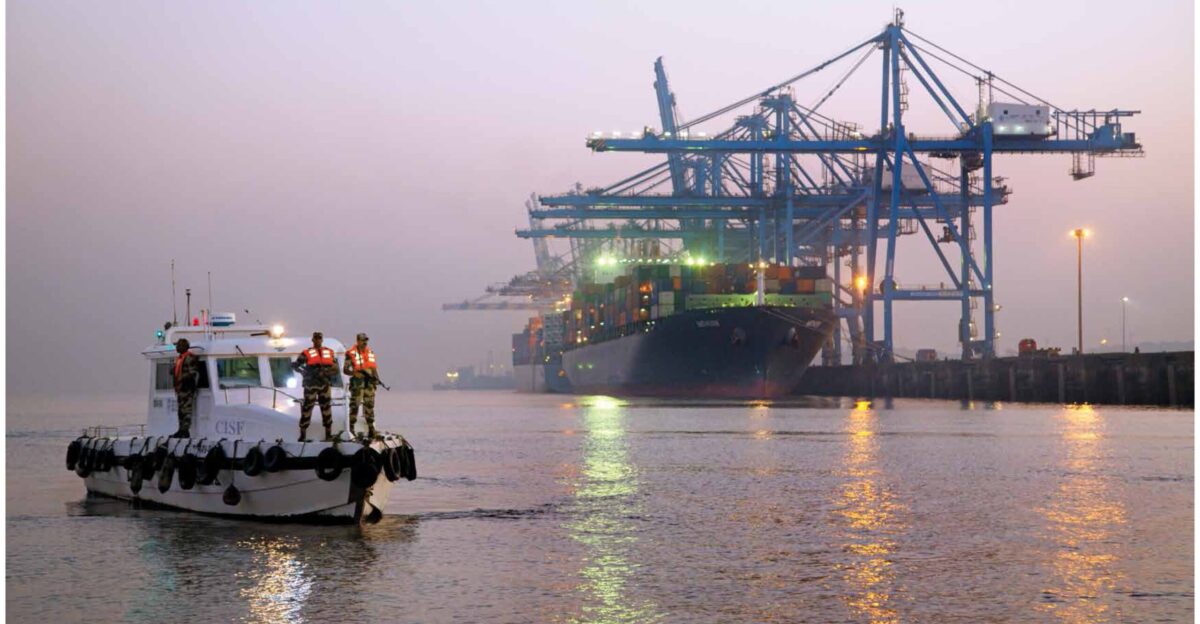
On shore, the suspected Russian operatives’ visits to critical fuel sites and areas near the Lulworth Firing Range in Dorset – where British forces train Ukrainian troops – have led to discreet security upgrades. Authorities have increased surveillance, tightened access controls, and expanded patrols around sensitive locations. For residents near ports and strategic facilities, the effects may be visible in the form of more frequent security checks and restricted zones, even as day-to-day economic activity continues.
Seafarers, NATO Responses, and Economic Fallout
The use of regular merchant ships as a platform for espionage places thousands of civilian seafarers at the center of an intensifying security effort. The suspected agents are believed to have traveled as ordinary crew members among multinational teams, making it harder for authorities to identify them without broad, intrusive checks. Maritime unions warn that enhanced vetting, repeated inspections, and longer port stays risk unfairly targeting crews and disrupting careers. Governments argue that, near military and energy assets, such measures are now unavoidable.
NATO, which has prioritized the protection of undersea infrastructure since 2023, has expanded coordination centers and naval missions dedicated to monitoring suspicious behavior around pipelines, power cables, and offshore platforms. These initiatives represent one of the most significant buildups of alliance maritime security since the Cold War, aiming to close the space that has allowed shadow fleets and covert operatives to maneuver between commercial and military spheres.
The financial impact is already visible. Espionage risk now influences port insurance, freight contracts, and investment in infrastructure. Higher premiums, additional checks, and advanced monitoring systems are raising operating costs across European shipping and energy sectors. Any successful sabotage of data cables or fuel terminals, analysts note, could cause rapid knock-on effects for internet connectivity, energy prices, and international payments, making early detection and deterrence a priority for both governments and markets.
Long-Term Contest in Everyday Commerce
Beyond immediate security responses, the cargo-ship infiltrations feed into a broader debate about “gray-zone” tactics – activities that blur the line between peace and conflict by mixing trade, infrastructure, cyber operations, and surveillance. Russia’s approach relies on keeping pressure just below the threshold that would trigger a conventional military response, forcing democratic states to reconsider how they define and deter hostile acts carried out through civilian systems.
Public attitudes are shifting as well. Reports linking routine shipping to covert surveillance are eroding assumptions that ports and sea lanes are purely commercial spaces. In Northern Europe, officials speak more openly about aggressive Russian intelligence activity, shaping domestic discussions about defense spending, port security, and NATO’s continued presence along major trade routes.
The response is already creating new industrial winners and losers. Demand is rising for naval drones, underwater sensors, and AI-enabled monitoring tools, benefiting defense and maritime-security firms. At the same time, shipping companies with Russian ties face tighter sanctions, more inspections, and route restrictions. Some ports designated higher-risk may lose business as carriers divert traffic to hubs with fewer delays and less political exposure.
For businesses and consumers, gray-zone maritime tensions are becoming a routine factor in planning. Companies are being urged to diversify transport options, strengthen data backups, and prepare for potential disruptions to energy or digital infrastructure. Households may feel the impact indirectly through fuel costs, the reliability of online services, or delays in deliveries.
The events of 2025 underline that Europe’s ports and shipping lanes are now enduring arenas of strategic competition. With traditional diplomatic cover reduced, Russian intelligence is tapping directly into the global supply chain for access and information. NATO governments must find ways to protect maritime commerce and undersea infrastructure without choking off the trade on which their economies depend. How they manage that balance will shape Europe’s security, energy resilience, and technological stability in the years ahead.
Sources
The i Paper (UK)
Fox News – “Russian spies infiltrate UK on cargo ships to scout military sites, find weaknesses”
Daily Express – “Suspected Russian agents ‘slip into UK on cargo ships’”
GB News – “Suspected Russian spies ‘snuck into Britain using cargo ships’ in major security blunder”
ACLED – report “Testing the waters: Suspected Russian activity challenges Europe’s support for Ukraine”
UK Government – “UK sanctions following Russia’s invasion of Ukraine” (sanctions overview)
Hudson Institute – “Deterrence on NATO’s Eastern Flank” / related testimony and analysis
U.S. Helsinki Commission / CSCE hearing material on “Deterrence on NATO’s Eastern Flank”