
Americans are spending thousands on car upgrades that promise style or speed—but often deliver financial disaster. From flashy rims to performance chips, these modifications can void $30,000+ in factory warranties, lower resale value, and trigger costly repairs.
Alex Black, Chief Marketing Officer of EpicVIN, warns that dealerships repeatedly see budgets explode after aftermarket installs. What seems like a smart upgrade can quickly become a wallet-draining trap.
The Hidden Cost Of The Upgrade Obsession
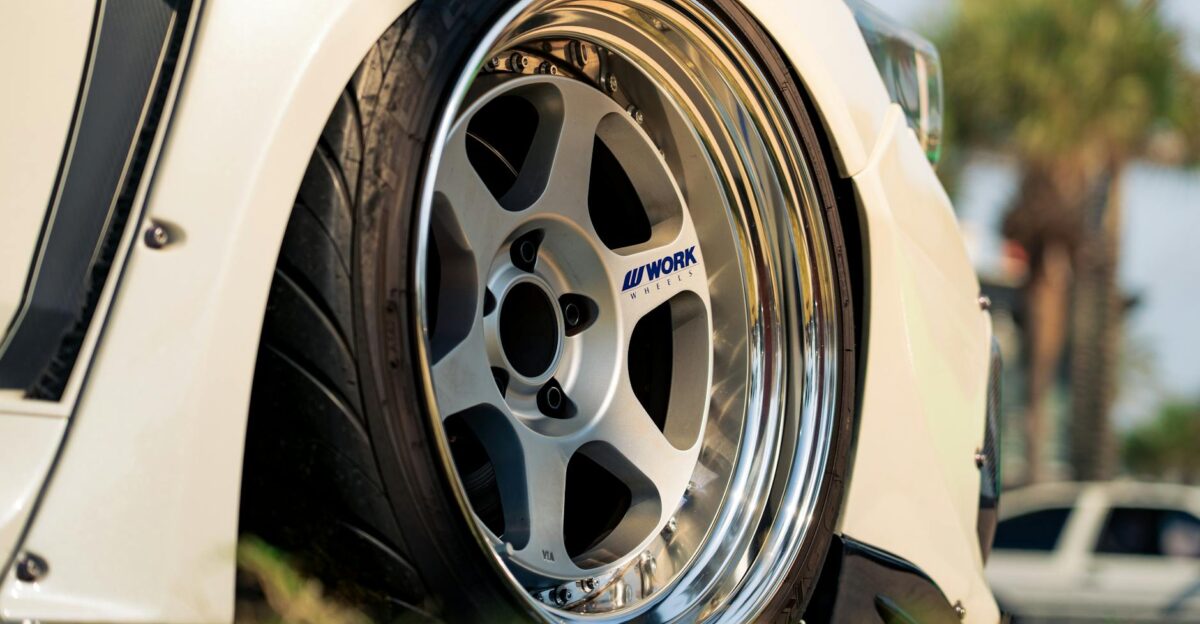
Aftermarket car parts generate billions annually, with enthusiasts spending $1,000–$3,000 per upgrade. Buyers often don’t realize upgrades can void warranties, trigger engine damage, or make repairs exponentially costlier.
Most buyers discover the damage too late. Transmission repairs of $3,000–$5,000, denied warranties, and lower resale values turn customization into a financial trap. The upgrade cycle often hides more risk than reward.
Why Dealerships Refuse To Touch Modified Cars

Dealerships avoid servicing modified cars because factory engineers optimize every system—engine timing, transmission response, suspension, and wiring. Swapping parts introduces unpredictable variables, creating liability nightmares. Melanie Musson of InsuranceProviders.com says refusals protect dealers from failures caused by modifications.
A single aftermarket part can compromise multiple systems. Service departments lose the ability to diagnose or honor warranties, leaving owners stranded. Even minor upgrades trigger cascading service complications.
The Warranty Voidance Trap

Factory warranties protect $30,000–$50,000 over three to five years. One aftermarket upgrade can void coverage instantly. Performance chips, exhaust systems, and suspension modifications are common culprits. Manufacturers aim to prevent liability when parts trigger failures.
Spending $500–$3,000 on a modification may cost far more if a $4,000 transmission repair arises. The upgrade price becomes negligible compared to potential financial catastrophe.
The Resale Value Reality Check

Used car buyers avoid modified vehicles. Aftermarket upgrades reduce resale by 5–25% or make cars hard to sell. A $2,000 upgrade may only recover $500–$1,000, if at all. Insurance premiums often rise with modifications, adding ongoing costs.
Stock vehicles with clean records always outperform customized cars. Your flashy modifications may impress friends but will haunt resale prospects for years.
Here’s What Experts Say You Should Never Upgrade

Industry insiders identify eight upgrades that routinely damage vehicles, drain wallets, and destroy long-term value. These are mainstream purchases, not niche track modifications, marketed as “performance boosters” or style statements. Everyday drivers fall prey, thinking they’re making smart choices.
From wheel packages to engine chips, each upgrade comes with hidden costs. Understanding the pitfalls is essential before installing any aftermarket part.
#1 – Aftermarket Rims
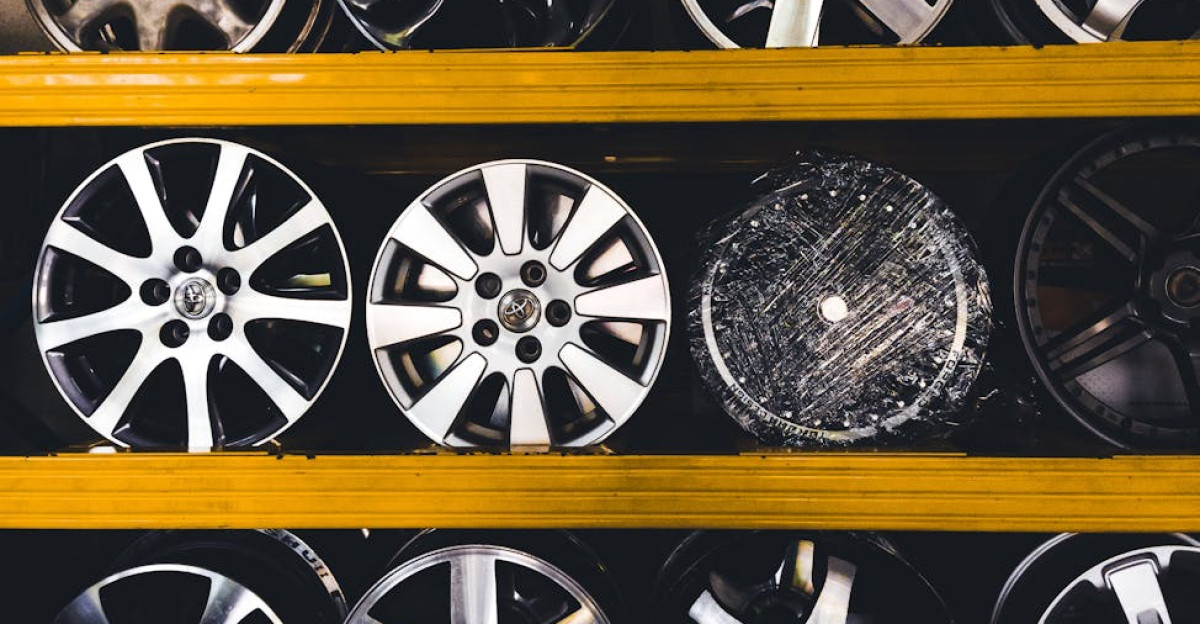
Aftermarket rims cost $1,000–$3,000 and promise sleek looks but worsen ride quality, accelerate tire wear, and increase unsprung weight. Specialty tires add $1,000–$2,500. Non-OEM wheels void suspension warranties and affect handling.
What seemed stylish quickly becomes expensive. Frequent tire replacements, maintenance, and resale concerns outweigh aesthetic appeal. The original equipment rims remain the safest, smartest choice.
#2 – Oversized Wheels And Low-Profile Tires

Upgrading from 17-inch to 20–22-inch wheels costs $1,500–$3,000, with replacement tires $1,000+. Larger wheels bend, blow out, and wear faster. Alex Black reports owners with oversized wheels face bent rims and blown tires more often than stock cars.
Suspension wears faster too. Alignment, shocks, and struts suffer. Owners can face $2,000–$4,000 in recurring tire-related costs annually. This upgrade often backfires on both safety and finances.
#3 – Aftermarket Exhaust Systems
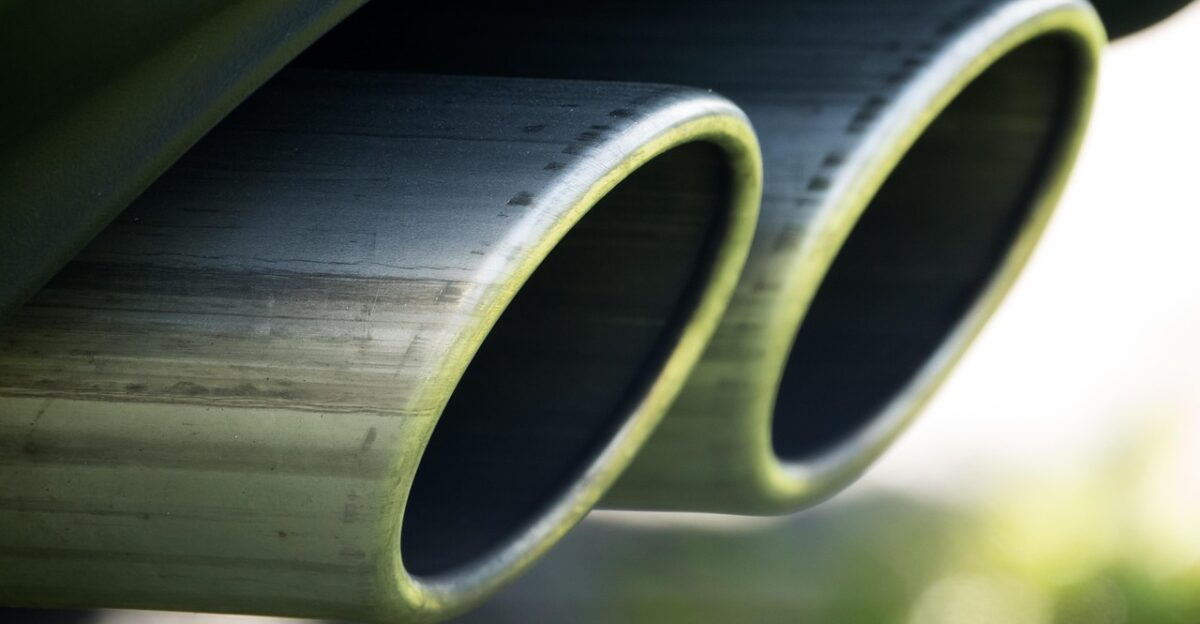
Aftermarket exhausts cost $2,000–$3,000 and promise performance and sound but create noise complaints, legal fines, and efficiency loss. Illegal catalytic modifications can trigger $500–$1,000 fines or criminal penalties.
Beyond money, expect neighborhood complaints and legal risk. Your dream growl may lead to expensive consequences, turning cool sound into costly headaches.
#4 – Infotainment Upgrades (CarPlay/Android Auto Retrofits)

Retrofitting older cars with CarPlay or Android Auto costs $1,000+, but factory wiring isn’t designed for aftermarket systems. Electrical issues and fire risks arise. Dealerships often refuse future service for safety reasons.
Your connectivity upgrade may leave you with an unusable warranty. That $1,000 investment becomes a barrier to resale and professional servicing.
#5 – Aftermarket Performance Chips (“Tune Boxes”)
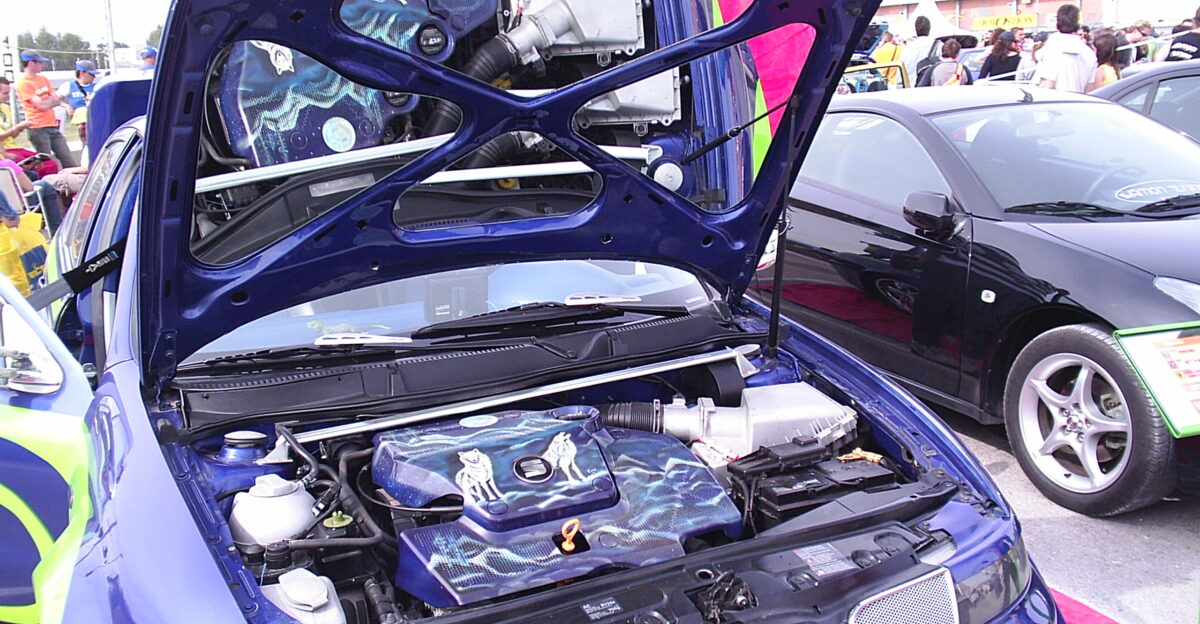
Performance chips promise horsepower gains but stress engines beyond design limits. Transmission damage occurs frequently, costing $3,000–$5,000. Warranties are voided immediately.
The $500–$1,000 chip pales compared to out-of-pocket transmission repairs. Modern engines are optimized by engineers; aftermarket chips trade longevity for momentary thrill.
#6 – Extended Warranties

Extended warranties cost $1,000–$3,000 with restrictive coverage. Modern vehicles are reliable, and most claims are denied for wear-and-tear. Dealers earn 100%+ profit, betting you won’t use it.
Building a personal repair fund is far smarter. Skipping expensive warranties saves money and ensures freedom to choose where and how your car gets serviced.
#7 – Nitrogen Tire Inflation

Nitrogen fills cost $100+, promising better pressure retention. Consumer Reports shows only 1.3 psi improvement over a year. Regular air is already 78% nitrogen.
When top-offs are needed, gas stations often can’t provide nitrogen. Paying more for negligible benefit leaves owners with inconvenience and extra cost, not performance gains.
#8 – Cold Air Intakes
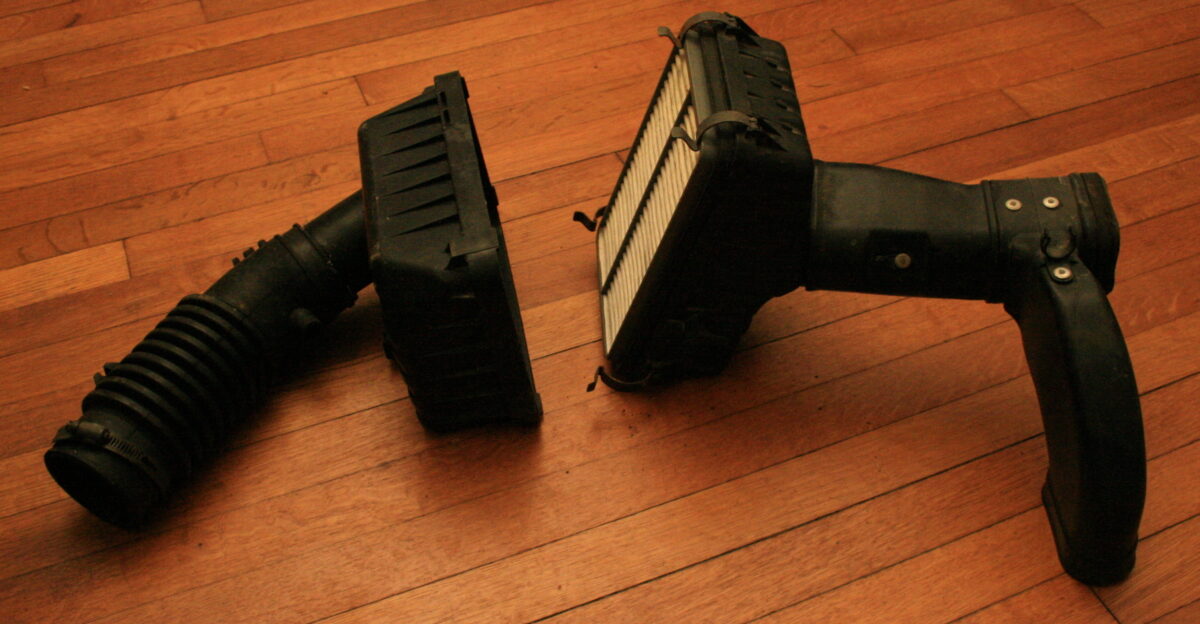
Cold air intakes cost $200–$500 but yield minimal gains of 5–10 horsepower. They can trigger check-engine lights and void warranties. Factory systems are already optimized.
Resale drops about $1,000, making installation a net loss. Minimal performance improvements don’t justify the cost, risk, or warranty loss.
The Warranty Voidance Domino Effect

A single aftermarket part can void coverage across linked systems—engine, transmission, electrical, and emissions. A $500 chip can erode $30,000–$50,000 in warranty protection.
Owners fight to prove modifications didn’t cause issues. Most lose. Financial and reliability impacts compound quickly after just one upgrade.
The Installation Quality Crisis
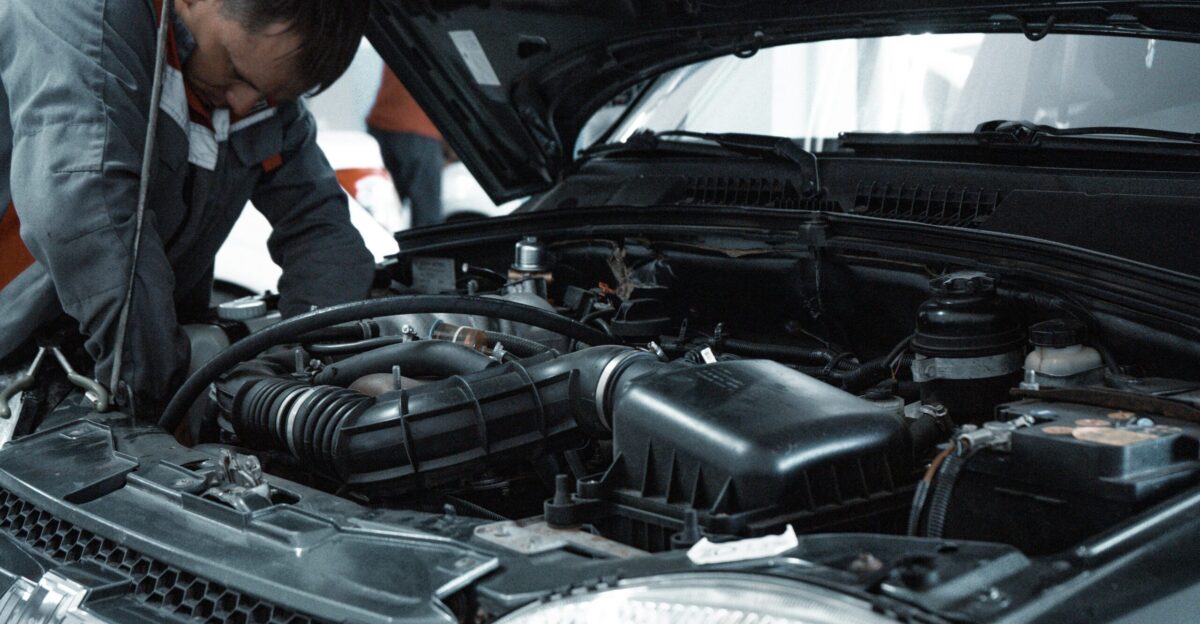
Even premium parts fail if installed poorly. Infotainment systems, exhausts, and performance chips often suffer due to inexperienced installers. Repairs may exceed $2,000 with no warranty support.
Factory installations come with quality control and documentation. Aftermarket installations rely on luck. When problems appear, owners carry full responsibility for errors they didn’t cause.
Smarter Alternatives To Expensive Upgrades
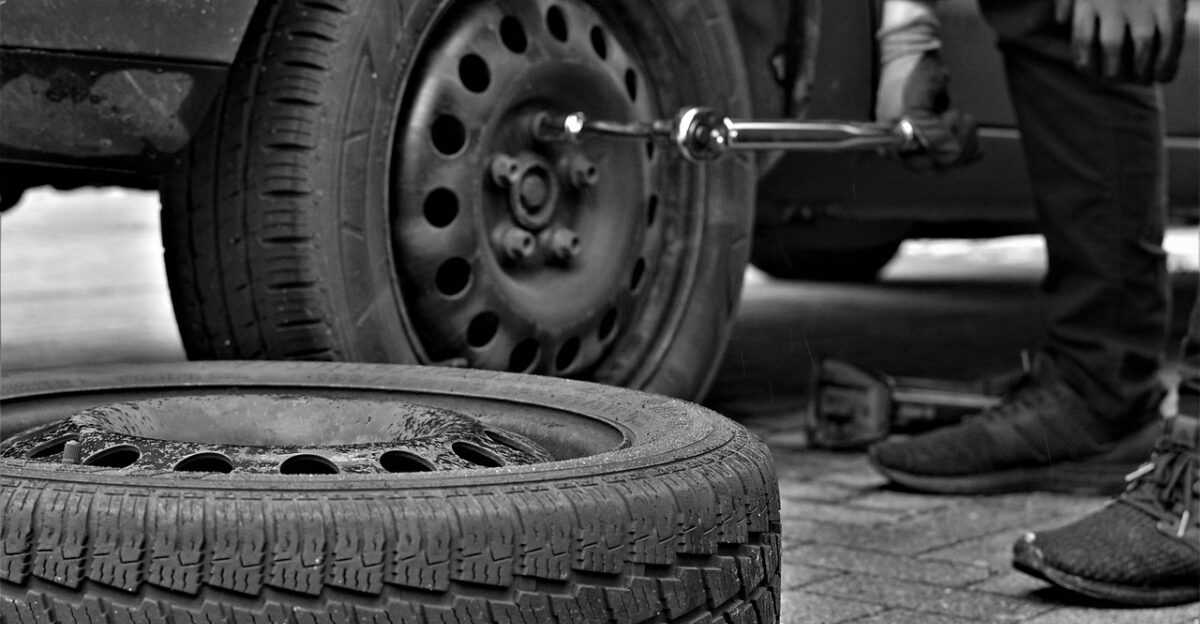
Invest in premium OEM tires ($1,000–$1,500), driver training courses ($300–$500), or genuine accessories. Avoid aftermarket electronics and performance chips that void warranties.
Affordable upgrades preserve value, improve safety, and deliver genuine performance. Smart car ownership focuses on modifications that enhance experience without financial or mechanical risk.
What Happens When Modifications Meet The Open Road

Oversized wheels blow tires, performance chips stress transmissions, and exhausts attract fines. Infotainment retrofits short-circuit unpredictably. Modern cars are engineered ecosystems.
Modifying one system risks reliability, safety, and repair costs. Factory designs remain optimal. Upgrades often turn daily driving into expensive uncertainty.
The Resale Moment Of Truth

An $8,500 investment in modifications can cut resale by $3,000–$5,000. Buyers discount for custom rims, aftermarket infotainment, or engine tweaks. Dealers and private buyers often refuse modified vehicles or demand steep discounts.
The upgrade premium you hoped to recover never appears. Your personal customization sacrifices financial return and complicates selling your car.
The Real Cost Of “Customization”

Upgrades hide real expenses: warranty voidance, resale loss, recurring maintenance, and catastrophic repairs. A $1,000 rim can cost $5,000 when factoring all consequences.
Trust factory engineering, prioritize maintenance, quality tires, and professional service. The best upgrade is smart ownership. Cool looks or horsepower gains don’t outweigh financial destruction and long-term risks.
SOURCES
I’m a Car Expert: 5 Car Upgrades That Aren’t Worth the Money. GOBankingRates, 2025.
Is an Extended Car Warranty Worth It? Pros and Cons to Consider. Cars.com, May 2025.
What Does a Cold-Air Intake Do, and Is It Worth It? Cars.com, March 2022.
You’ve Been Warned: Buying This Tire Upgrade Is A Waste of Money. Yahoo Lifestyle, November 2025.
12 Ways You’re Wasting Money on Your Car in 2025. Quote.com, September 2025.