
Two Russian Tu-95 nuclear-capable bombers rendezvous with two Chinese H-6 bombers over the East China Sea, escorted by fighter jets. Fifteen military aircraft cross Japanese airspace in perfect formation—the 10th time Russia and China have executed this exact maneuver together.
For 126 million Japanese citizens below, it’s a stark reminder that their country sits at the center of a deepening geopolitical crisis. Japan’s Defense Minister Shinjiro Koizumi declares this a calculated threat to Japan’s security.
When Targeting Systems Lock On
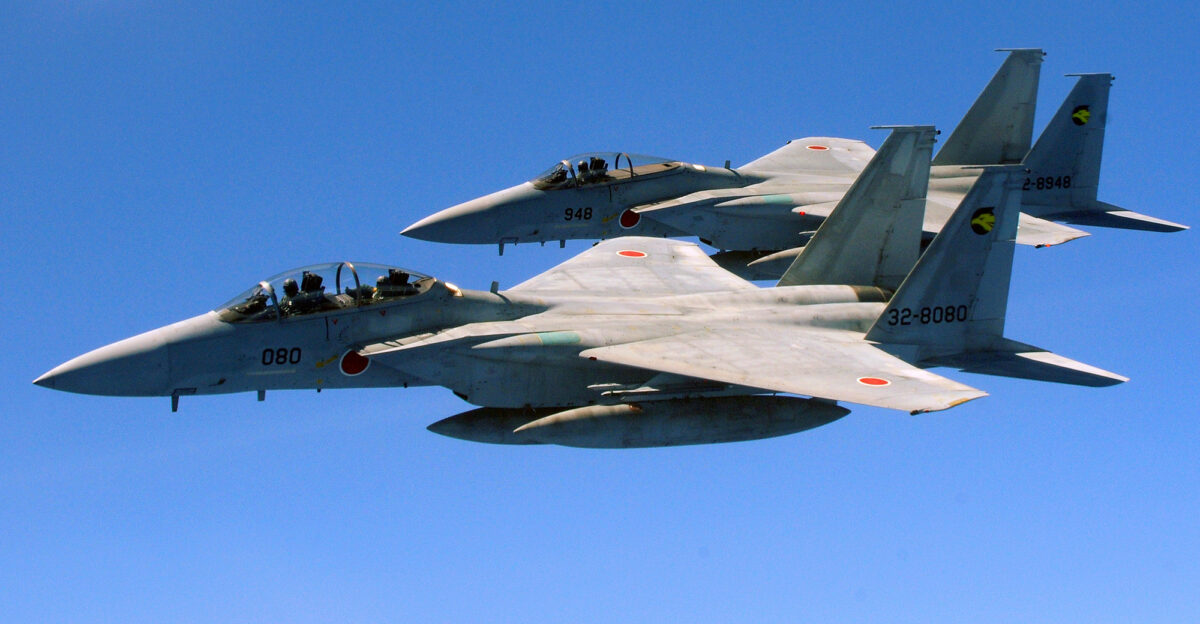
A Chinese J-15 fighter jet locks fire-control radar onto a Japanese F-15 for three minutes. Hours later, another Chinese jet holds radar lock for 30 minutes. This isn’t safe flying—it’s a weapon system being prepared. Defense Minister Koizumi states these actions “went beyond what is necessary for the safe flight of aircraft.”
One incident is alarming. Two in one day signals escalation. Australia’s Defense Minister, visiting Tokyo, expresses deep concern about China’s aggressive behavior.
The Carrier That Shouldn’t Be There
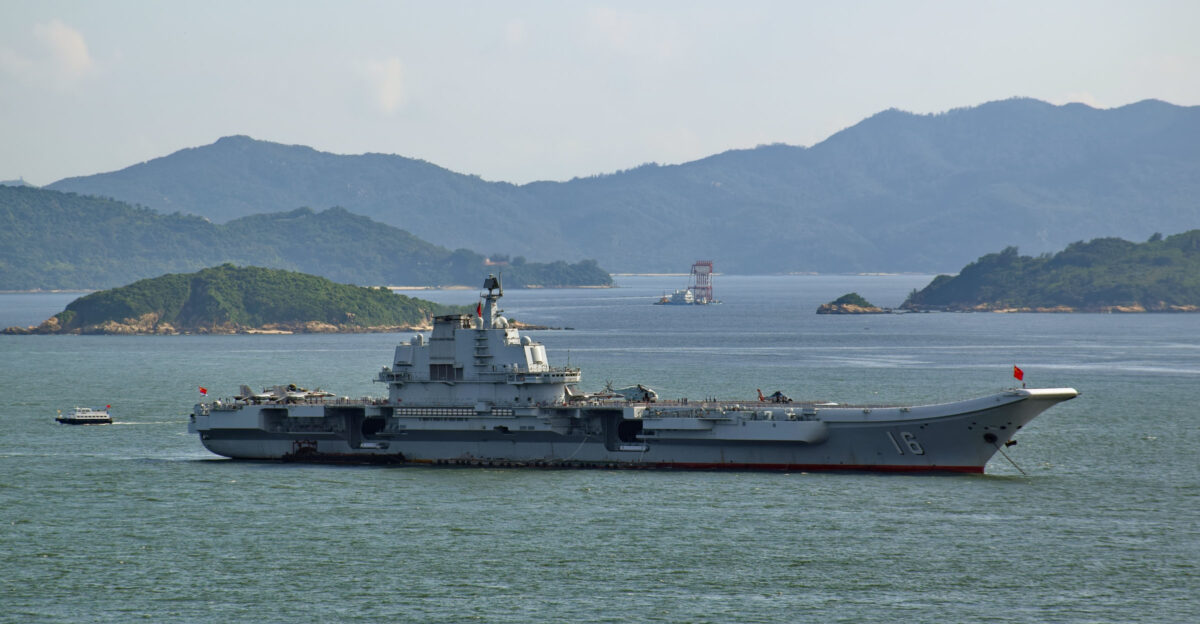
The Liaoning aircraft carrier operates just 223 miles east of Okinawa, between Japan’s main islands and the Pacific. Three guided-missile destroyers flank it protectively. Over a weekend, the carrier launched roughly 100 takeoffs and landings—sustained combat operations, not routine patrols.
Tokyo interpreted this as a deliberate move in waters traditionally controlled by U.S. and allied forces, thereby breaking decades-old geopolitical rules.
Pilots Living on Alert
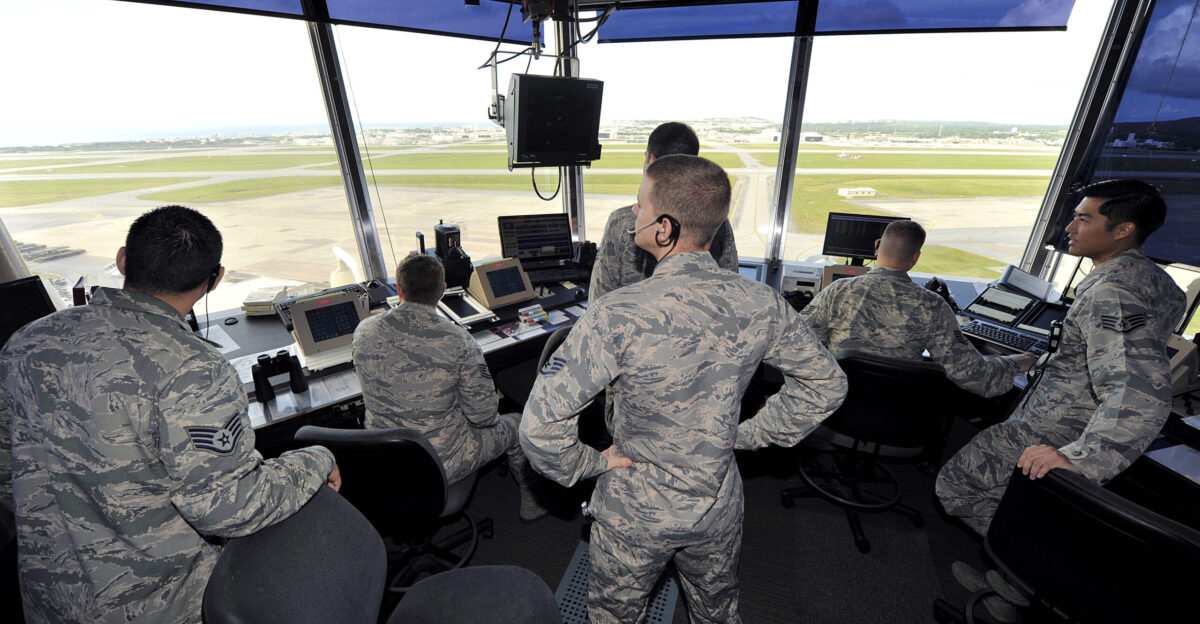
Japanese air traffic controllers spot Russian and Chinese bombers approaching and fighters scramble across the southwest. The Defense Ministry demands “complete preparedness 24 hours a day, 365 days a year”.Pilots sleep in ready rooms. Radar operators pull double shifts. Jets remain fueled and crewed every hour.
Japan’s air force is small and this operational tempo is crushing. This isn’t strategy—it’s exhaustion dressed as deterrence.
The Island That Became the Front Line
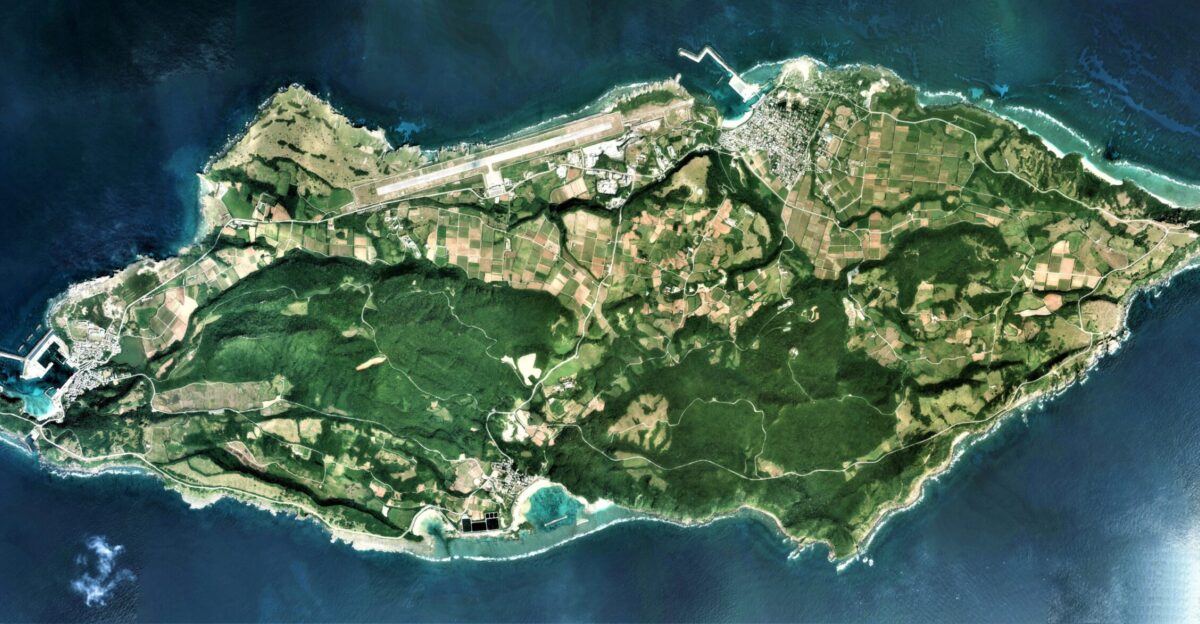
On December 4, Defense Minister Koizumi addressed 100 residents of Yonaguni Island, Japan’s closest point to Taiwan, at just 110 kilometers away. He announced that electronic warfare units and anti-aircraft missile systems are being deployed to their community.
Residents understood without being told that their home is now part of Japan’s frontline defense against a potential Chinese attack. Koizumi stated plainly: “This deployment can reduce the possibility of an armed attack on Japan.”
Why Taiwan Matters
Taiwan produces 65 percent of the world’s advanced semiconductors and over 95 percent of the most critical chips. Without Taiwan’s production, there are no smartphones, laptops, military weapons, or medical devices. Japan depends on chips flowing through waters near Taiwan.
Prime Minister Sanae Takaichi declared in November that a Chinese attack on Taiwan would be a “survival-threatening situation” for Japan requiring military response. If Taiwan falls, Japan’s economy collapses.
The Admission That Changed Everything
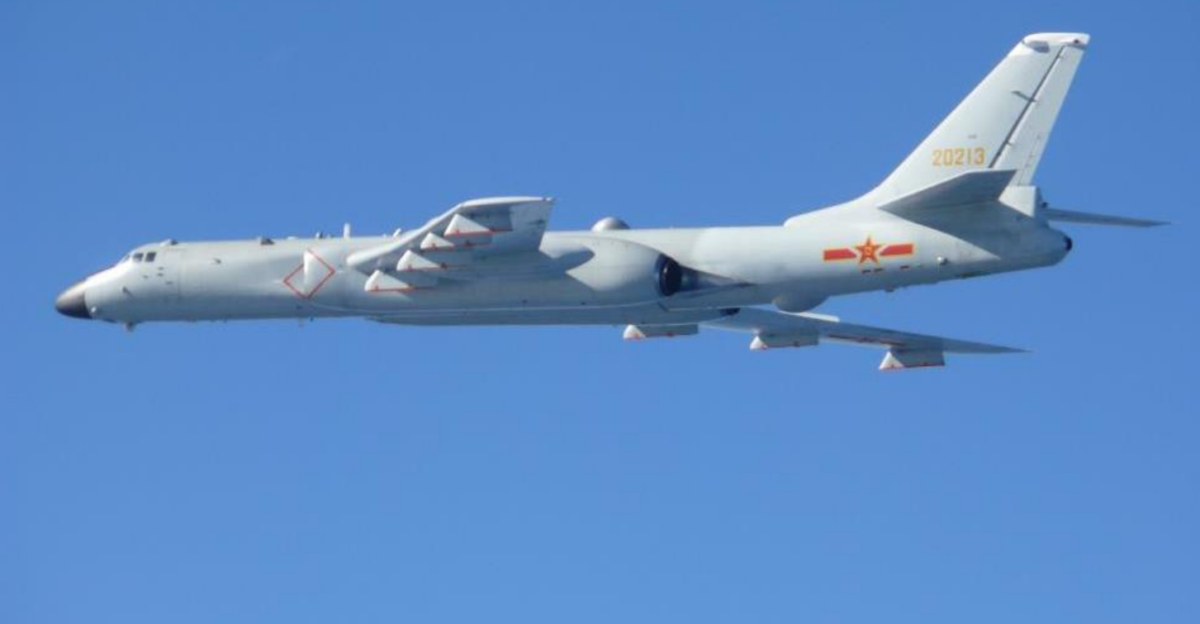
For the first time, Japan publicly admitted that Chinese military aircraft locked fire-control radar on Japanese jets. This probably isn’t the first time it happened, just the first time Tokyo decided the world needed to know. That decision signaled escalation.
Tokyo moves beyond quiet complaints to documented public warnings. Beijing claims Japan’s fighters intruded into exercise zones. Tokyo calls that a lie. Both sides understand what’s happening: China is demonstrating it can target Japan whenever it chooses.
America Shows Up With Bombers
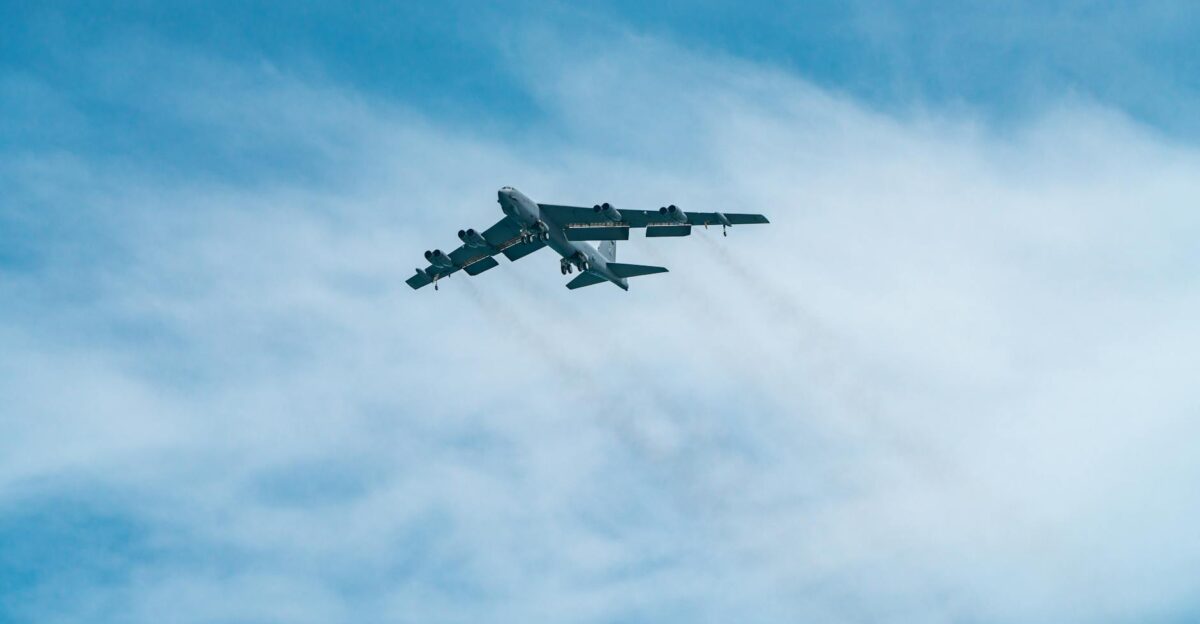
Within 48 hours of the joint Russian-Chinese patrol, two U.S. B-52 strategic bombers flew alongside Japanese F-35 stealth fighters and three F-15 jets over the Sea of Japan. Japan’s Joint Staff Office calls it a reaffirmation of “strong determination to reject any unilateral shifts to the status quo through force.”
The message is unmistakable: if China moves on Japan or Taiwan, American firepower responds immediately. Executing this plan requires unprecedented military coordination.
Russia and China Coordinate
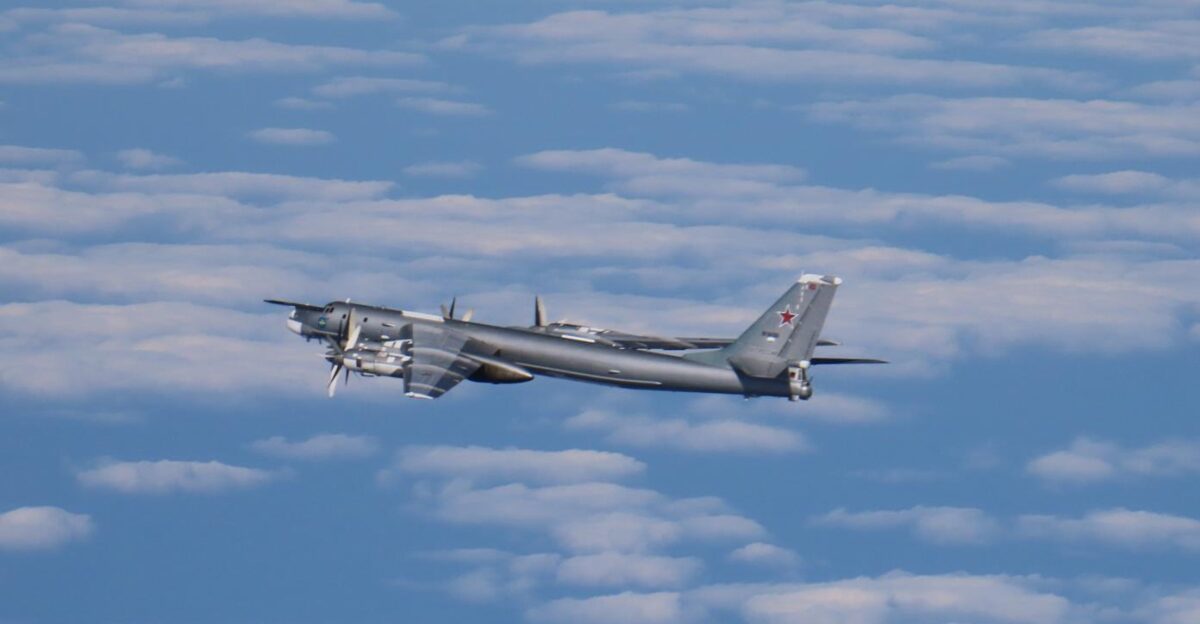
This 10th joint patrol is no coincidence—it’s a strategic coordination. When South Korea scrambles fighters on the same day to intercept seven Russian and two Chinese aircraft, the pattern becomes clear: Moscow and Beijing are simultaneously probing the defenses of Japan, South Korea, and the United States.
Each patrol pushes slightly further. Each radar lock lingers somewhat longer. Each carrier deployment ventures deeper into previously avoided waters. Incremental pressure eventually finds cracks in alliance structures.
Japan Is Building For War While Calling It Peace
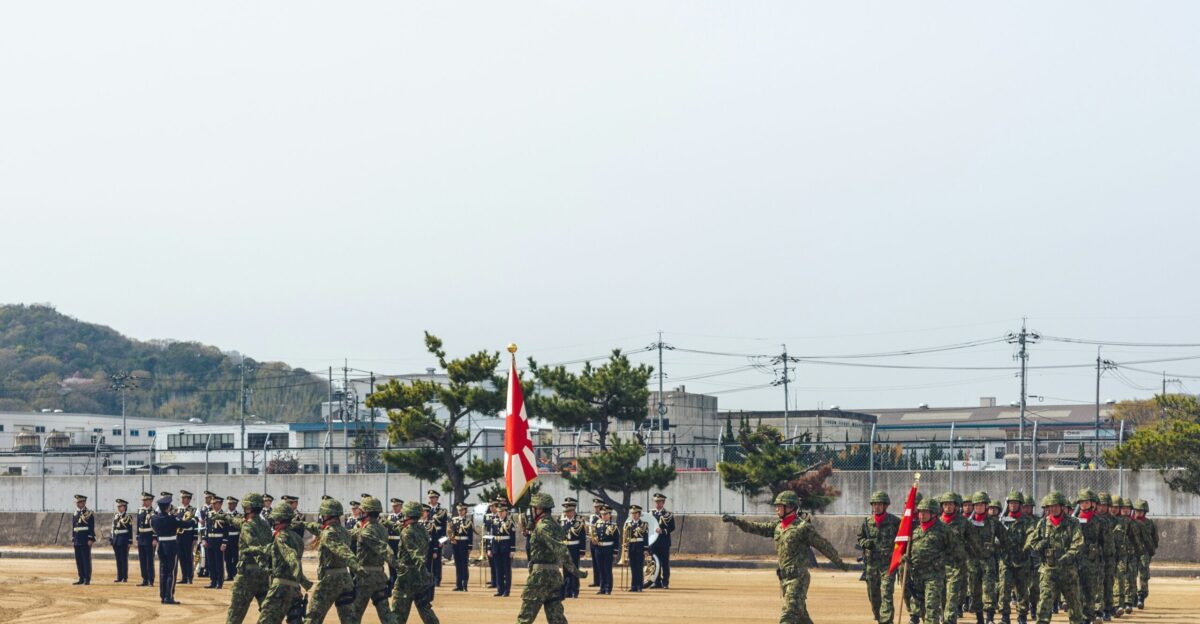
Japan is executing its largest buildup since WWII, spending $320 billion by 2027 to reach 2% GDP defense spending—becoming the world’s third-largest military spender. Yonaguni Island now hosts electronic warfare systems just 110 km from Taiwan; Mageshima is transforming into a U.S. carrier base. Fighter jets scrambled 704 times in fiscal 2024.
Japan’s calculation is stark: 32% of its imports flow through the Taiwan Strait. Chinese control would strangle energy and semiconductor access. Tokyo’s logic is inescapable—it cannot afford Chinese control of Taiwan without fighting
America Just Redefined Terrorism
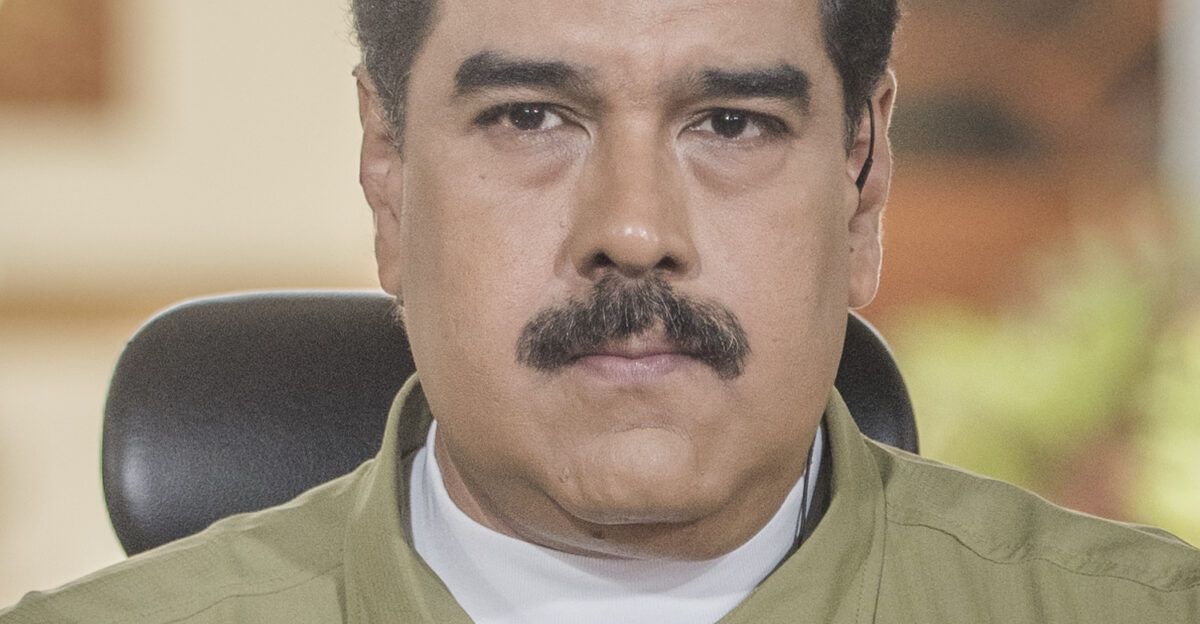
In November, the Trump administration designated Venezuela’s Cartel de los Soles—corrupt military officers allegedly led by President Nicolás Maduro— a foreign terrorist organization. This broke historical precedent as this designation typically applies to militant networks, not government corruption and drug trafficking.
The U.S. deployed more than a dozen warships and 15,000 personnel to the Caribbean under “Operation Southern Spear,” officially a counter-drug operation, but obviously a preparation for military intervention.
The Precedent That Changes Everything
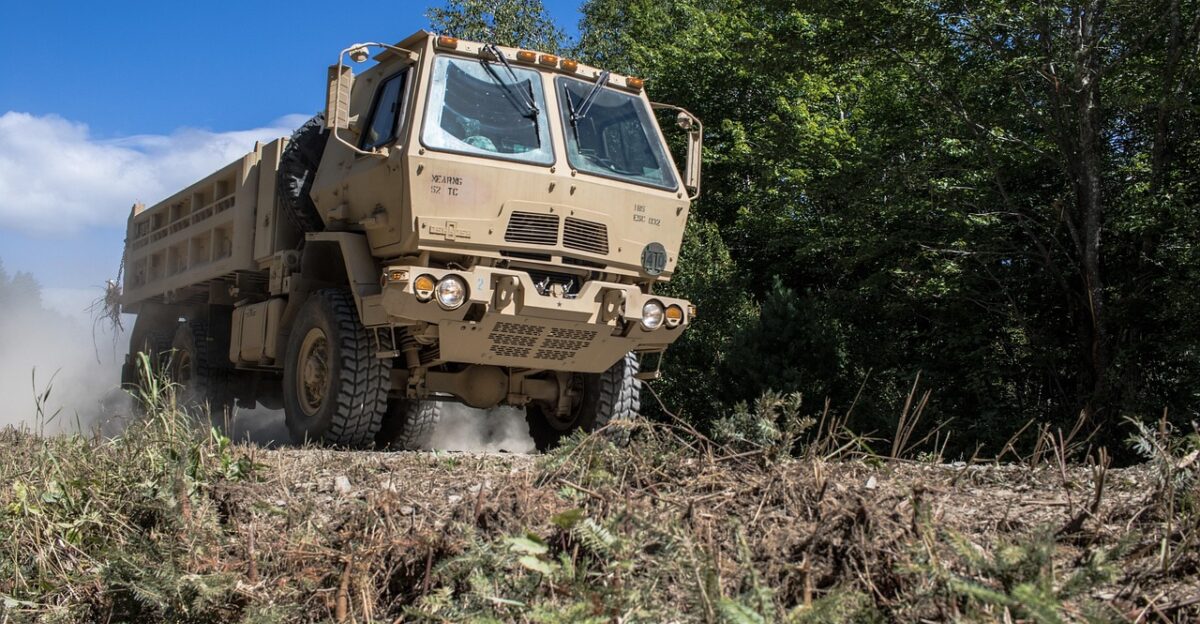
By stretching terrorism definitions to include government corruption, Washington created new legal justification for military intervention without congressional authorization. This framework could apply to any regime Washington opposes: North Korea, Iran’s Revolutionary Guard, and Russia’s leadership.
The Caribbean precedent has implications reaching across the Pacific, potentially redefining international military doctrine globally.
The Supply Chain That Holds the World Together
Together, Taiwan and Japan control the technological spine of modern civilization. Japan supplies 90% of the photoresist chemicals essential for advanced chip manufacturing—the chemical foundation of Taiwan’s semiconductor dominance.
If China invades Taiwan and Japan abstains, the East China Sea becomes a war zone—maritime trade halts, supply chains collapse globally. Taiwan isn’t geopolitical strategy. It’s critical infrastructure
Pressure Keeps Building
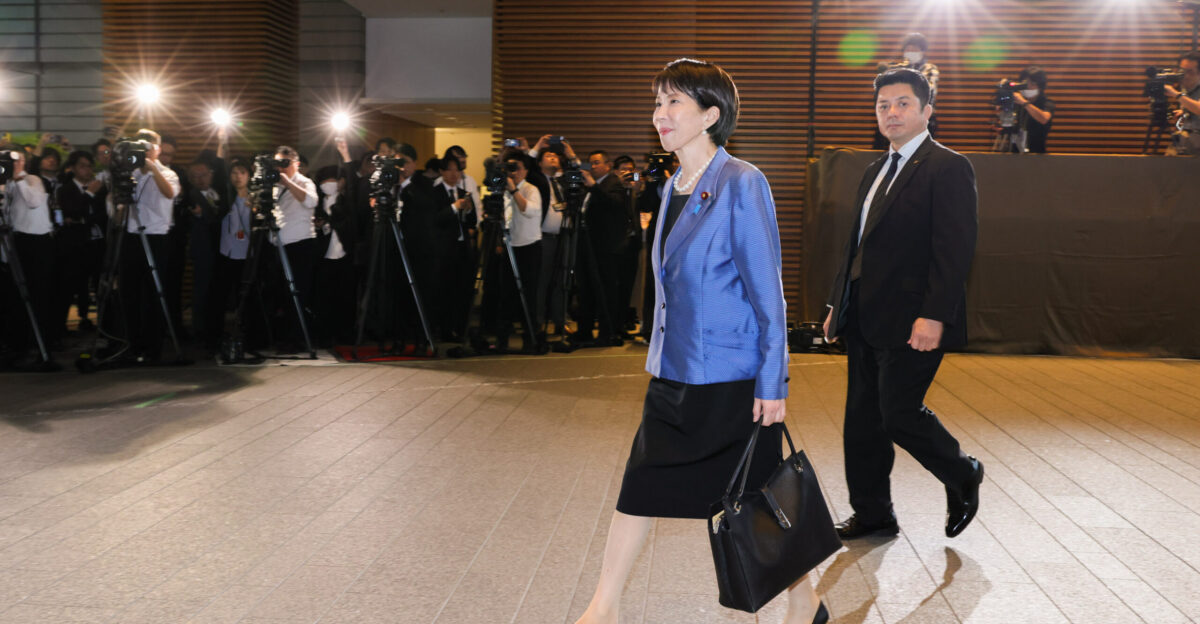
Russian-Chinese joint patrols are intensifying through 2025. More bombers arrive. More radar locks occur. More carriers deploy. Japan scrambles fighters constantly. The U.S. deploys B-52s regularly. Military pressure tightens like a rope approaching its breaking point.
Prime Minister Takaichi’s Taiwan comments have made Tokyo a target for Chinese messaging campaigns. Weekly incidents escalate into monthly crises. The pattern is relentless: each confrontation exceeds the last. The question is no longer if the next incident will be worse—it will be.
The Crisis With No Clear Exit
Russia and China deepen military integration while practicing Taiwan blockade operations. Taiwan’s semiconductor monopoly—its strategic strength—becomes its vulnerability as production remains concentrated and dependent on Chinese markets. The U.S. rewrites international law frameworks to justify intervention. Japan fortifies forward islands for sustained conflict.
All parties prepare for war they believe inevitable. No diplomatic mechanism exists to reverse escalation. Military clarity about intentions replaces negotiation. When all sides prepare for conflict, preparation becomes prophecy
Sources:
Russian bombers join Chinese air patrol near Japan as ties with Tokyo, Beijing fray – Reuters
Chinese jets point radar at Japanese aircraft, Japan says – Reuters
US backs Japan in dispute with China over radar incident – Reuters
China says it conducted air patrol with Russia in East China Sea, western Pacific – Reuters
Trump administration formally designates Venezuela’s Maduro as member of a foreign terrorist organization – CNN