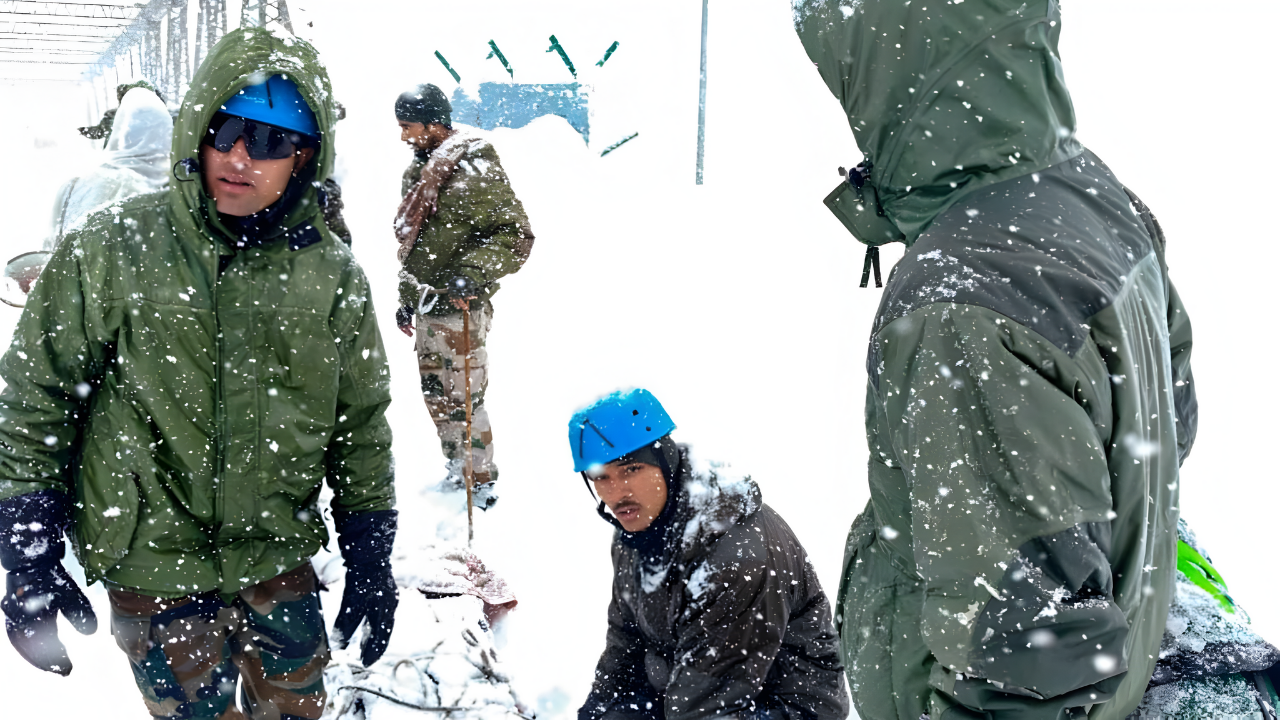
A major winter storm is bearing down on millions of Americans from the Rockies to the Northeast, and the stakes are real. The National Weather Service has issued storm warnings affecting seven states—New York, Ohio, Montana, Wyoming, Maine, Michigan, and Vermont—with the fiercest conditions expected to pummel mountain communities through Saturday.
For rural families, commuters, and outdoor enthusiasts, the next 72 hours could mean the difference between a manageable inconvenience and a genuine survival situation.
When 80 MPH Winds Meet Mountain Passes

Picture yourself driving toward the Teton Pass in the dark. The wind is howling so violently that your vehicle rocks in its lane. That’s not exaggeration—it’s the reality facing travelers in Wyoming’s high peaks. The National Weather Service is forecasting gusts up to 80 mph in the Teton and Gros Ventre Mountains, winds powerful enough to flip trucks and snap tree limbs.
These aren’t just inconvenient; they’re life-threatening velocities that transform a routine drive into a white-knuckle ordeal.
Montana’s Crazy Mountains

In Montana, the Crazy Mountains are bracing for up to 20 inches of snow—the heaviest accumulation across the entire system. For the small communities nestled in these ranges, that’s not just a winter day; it’s a multi-day siege.
Road crews will be working around the clock, and residents know that getting stranded is always a possibility. The combination of heavy, wet snow and intense winds means that even freshly plowed roads could become impassable within hours.
The Avalanche Threat

Here’s what keeps mountain residents and rangers awake at night: unstable snow. With fresh powder piling up rapidly on wind-loaded slopes, avalanche danger is spiking across the Montana and Wyoming backcountry. The National Weather Service has issued stark warnings that backcountry travel is “not advised” in the Teton and Gros Ventre Mountains.
For hunters, hikers, and snowmobilers who might be tempted to venture out despite the warning, the NWS cautions that they “may become disoriented and lost due to low visibility in falling and blowing snow.”
16 Inches in the Lake Ontario Corridor

While the mountains face wind and altitude challenges, New York residents along eastern Lake Ontario are staring down a different monster: lake-effect snow. Forecasts call for up to 16 inches to pile up, driven by 30 to 35 mph winds.
For families in this region, the storm means morning commutes that could take triple their normal time, schools wrestling with closure decisions, and kids hoping this turns into a snow day they won’t forget.
Whiteout Conditions Turn Roads Into Death Traps

Meteorologists are using a term that captures the sheer danger: “whiteout conditions.” In Montana and Wyoming, the combination of falling snow and 50 to 80 mph winds creates a wall of white so thick that drivers literally cannot see the road ahead.
According to transportation officials, an estimated thousands of travelers could face delays or dangerous strandings on highways like the I-90 corridor and mountain passes.
The Midwest Catches Its Breath

Ohio isn’t getting off easy, even if the numbers look modest compared to the mountains. Southern Erie County is facing 8 to 14 inches of snow with 35 mph winds through the storm window. For the morning and evening commute crowd, that’s enough to turn highways into skating rinks and turn a 30-minute drive into an hour-and-a-half ordeal.
In northern Michigan, similar conditions mean rural schools and remote workers are on high alert.
New England Gets Its Wake-Up Call

Maine and Vermont are also in the system’s path. Northern Maine counties are expecting up to 8 inches of snow through Thursday afternoon, while Vermont is forecasted to receive 3 to 7 inches across multiple counties.
The timing—hitting during both morning and evening rush hours—adds another layer of disruption.
Even Iconic Parks Aren’t Safe

Visitors to one of America’s most treasured landscapes are facing genuinely hazardous conditions. Yellowstone National Park’s ridgelines are forecast to see 70 mph winds alongside 8 inches of new snow.
The park’s famous scenic overlooks, which draw millions annually, will be completely inaccessible. Park officials are essentially locking down the high country—not as a suggestion, but as a hard necessity.
The Hidden Infrastructure Crisis

While snowfall and wind dominate the headlines, there’s a quieter crisis unfolding: the power grid. In Montana and Wyoming mountain communities, analysts estimate that many homes are at risk of losing electricity. Sixty to 80 mph winds combined with the weight of snow on power lines create a perfect recipe for outages.
For families without heat during a winter storm, that’s not just uncomfortable—it’s dangerous. Repair crews, facing their own treacherous conditions, may take days to restore service.
High-Altitude Passes Become Impassable War Zones

The Sierra Madre and Snowy Ranges above 9,000 feet are facing 75 mph winds and a foot of snow. These aren’t just scenic byways; they’re critical transportation arteries.
Freight companies rerouting trucks, tourists canceling trips, and families stranded on the wrong side of the pass—these are the human consequences of extreme mountain weather.
The Sierra Madre’s Punishing Wind-Snow Combination

When wind and snow team up at high elevations, the results are brutal. In the Sierra Madre specifically, conditions will remain hostile throughout the event. The fine powder gets picked up and funneled through passes, creating visibility so poor that even experienced drivers lose their bearings.
It’s a reminder that nature, in its full fury, doesn’t care about human schedules or holiday plans.
Absaroka and Beartooth Mountains

The Absaroka and Beartooth Mountains are expected to receive up to 15 inches of snow with 50 mph winds through Wednesday evening. Local communities in these ranges have weathered countless winters, but the intensity and duration of this system set it apart.
Residents are securing livestock, topping off fuel tanks, and settling in for what could be a long siege.
The Storm’s Relentless Timeline

From Wednesday through Saturday morning, depending on location, this system will pound the affected regions. It’s not a quick hit—it’s a prolonged assault that prevents roads from being cleared before the next round of precipitation arrives.
For schools, hospitals, and emergency services, the multi-day nature of the event is a logistical nightmare.
The Human Toll of Winter’s Fury

Approximately 2 to 5 million people across the affected states are under winter storm warnings. That’s not a statistic; it’s families wondering if they should venture out, businesses calculating lost productivity, and workers calling in to say they can’t make it safely.
The storm forces real choices: Do you risk the drive? Do you cancel the appointment? Do you hunker down and hope your heat stays on?
Respect the System

As the National Weather Service emphasizes, conditions can change rapidly. A passable road can become impassable in minutes. A manageable commute can turn life-threatening.
The message from forecasters is unambiguous: monitor conditions closely, delay non-essential travel, and respect road closures. For the next three days, winter holds the upper hand—and millions of Americans are holding their breath.
Sources:
National Weather Service Winter Storm Warnings — December 2025 | weather.gov
NOAA Sudden Stratospheric Warming Analysis & Winter Outlook 2025-26 | NOAA Climate Prediction Center
Yellowstone National Park Winter Season Operations & Safety Alerts | National Park Service
Montana Department of Transportation Winter Storm Warnings | MDT Official Reports
Wyoming Department of Transportation Winter Advisories — Teton & Gros Ventre Mountains | WYDOT
U.S. Winter Weather Outlook 2025-2026 | NOAA Climate Prediction Center