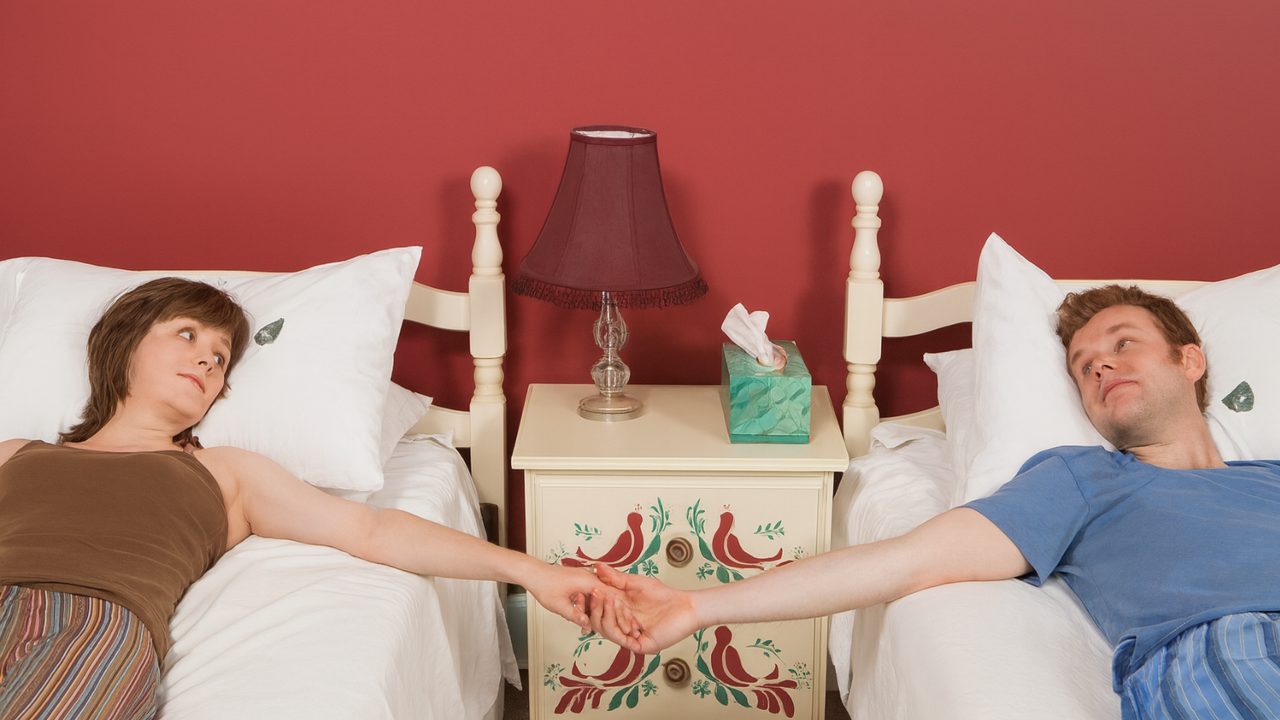
At 2 a.m., the bed rocked as snoring reverberated through the room. You jolted awake, heart racing. You tried to roll over, but the covers were gone—again. For months, this had been the routine: disrupted sleep, tension, and frustration. The fight for comfort was more than physical; it was emotional. But it wasn’t just about the bed. The real issue? Sleep deprivation, the silent force slowly undermining your relationship.
But what happens when one partner decides to make a change? Could separate sleep spaces really be the answer?
1. Why Separate Beds Are Becoming More Popular

What used to be seen as a sign of relationship failure—sleeping separately—has gained new credibility. Research shows that poor sleep quality is a major relationship disruptor.
From snoring to different schedules, these disruptions cause irritability, miscommunication, and escalating conflict. Separate beds eliminate these issues, allowing couples to rest and recharge more effectively.
Restorative Sleep Leads to Healthier Marriages

The real benefit of separate beds lies in the quality of sleep each partner can achieve. Studies show that couples who sleep separately often experience better rest, gaining an average of 37 minutes more sleep each night.
This seemingly small amount can lead to significant improvements in cognitive function, emotional regulation, and physical health.
2. Emotional Regulation: The Key to a Happy Relationship

Sleep deprivation wreaks havoc on emotional regulation. When tired, individuals are more likely to misinterpret neutral expressions and react negatively.
Research from UC Berkeley reveals that couples suffering from sleep deprivation experience more conflicts and struggle to resolve disagreements. Better sleep means better emotional control and a healthier dynamic.
Sleep-Related Friction Is a Major Stressor
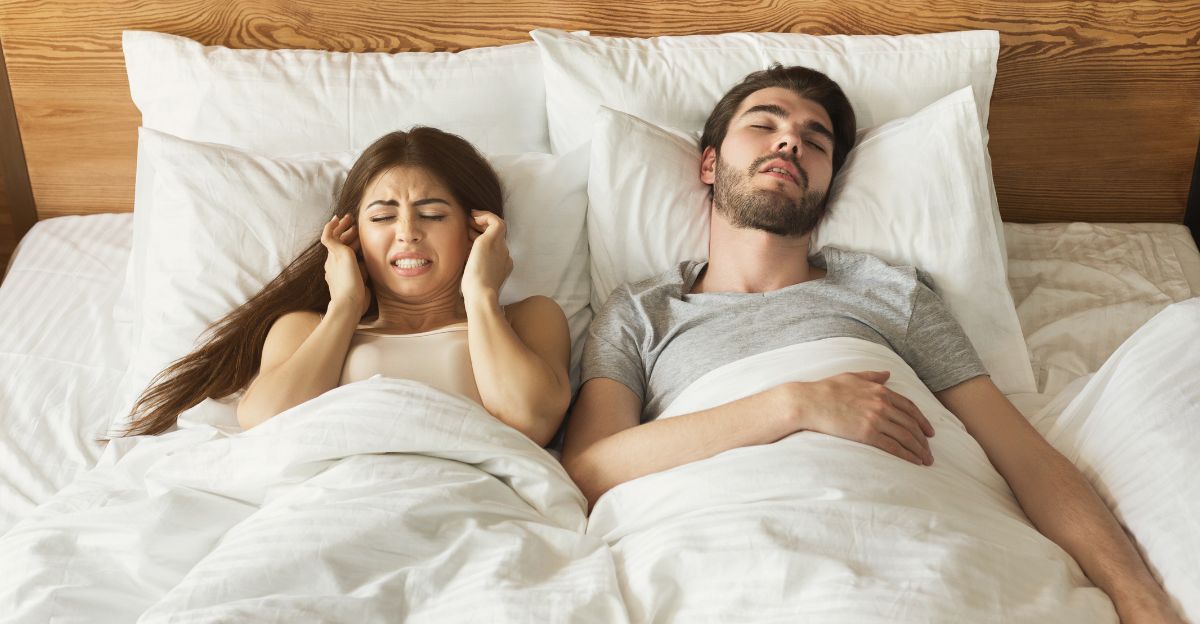
For many couples, shared sleeping brings constant disruptions—snoring, tossing, turning, and restless legs. These nightly disturbances lead to frustration and increased stress.
Research confirms that eliminating sleep disruptions, whether through separate beds or other adjustments, results in calmer, more patient interactions, reducing relationship strain.
3. Rested Partners Are More Present Emotionally

When well-rested, couples are more likely to respond empathetically and patiently during stressful situations. Emotional presence is vital for maintaining a strong connection.
By removing sleep-related stressors, couples often find that they’re better equipped to support each other emotionally, fostering deeper affection and understanding.
Finding Balance: The Role of Autonomy in Relationships

Healthy relationships require both togetherness and autonomy. Sleeping separately allows couples to maintain their individuality, which is essential for long-term satisfaction.
When each partner has their own space to decompress and sleep without disturbance, it reinforces their sense of self, making them more engaged and present during shared moments.
4. Individual Space Increases Attraction

Interestingly, maintaining individuality through separate sleep spaces can actually increase physical attraction.
When partners aren’t constantly in each other’s space, they’re reminded of each other’s unique qualities, which can reignite attraction. The psychological concept of “differentiation” shows that maintaining personal space within a relationship is key to sustaining long-term closeness.
Intimacy Redefined: More Connection, Less Obligation
Contrary to common belief, separate sleeping doesn’t decrease intimacy—it often enhances it. When physical connection becomes a conscious choice rather than a nightly obligation, it feels more meaningful.
Couples who sleep separately often report more intentional intimacy, as they are not physically forced together every night.
5. Novelty and Energy Revitalize Relationships

When couples sleep apart, they often find that they have more energy and enthusiasm for physical intimacy.
There’s a novelty factor in missing each other, which can reignite passion. Additionally, when partners aren’t exhausted from poor sleep, they can engage with each other in a more energized and affectionate way.
Eliminating Conflict: The Silent Benefits of Separate Sleep

Small annoyances, like a partner’s phone light or snoring, can escalate into major conflicts when sleep-deprived.
Research shows that 75% of people who share a bed with a snorer say the snoring impacts their sleep and well-being. Separate sleeping removes these recurring friction points, allowing couples to focus on more important aspects of their relationship.
6. How Separate Sleep Spaces Reduce Resentment
Removing nightly irritants can eliminate ongoing resentment between couples. This isn’t about avoiding conflict but strategically addressing sleep issues.
When the environment is optimized for better rest, emotional energy is freed up for more meaningful interactions, rather than fighting over trivial matters.
Communication: The Foundation of Healthy Relationships

The decision to sleep separately requires an honest, vulnerable conversation about each partner’s needs. This type of communication strengthens relationships by fostering trust and openness.
Research indicates that couples who are able to talk openly about sleep issues are better at navigating other sensitive topics, like finances or parenting.
7. Better Communication Leads to Stronger Connections
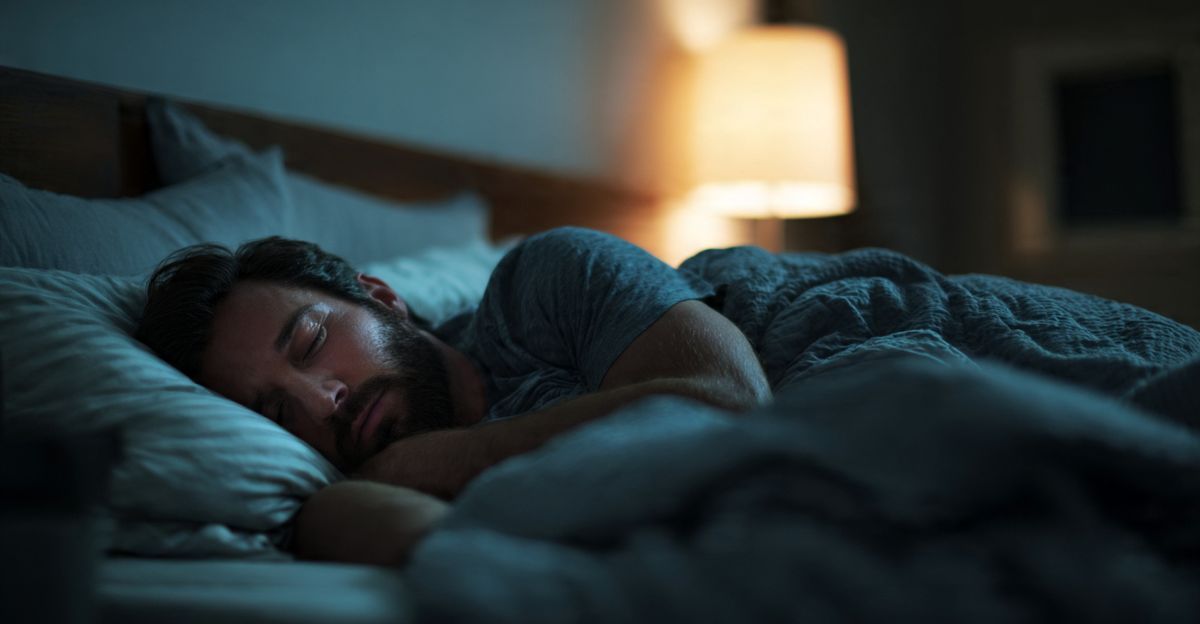
The act of discussing sleep arrangements is itself an exercise in mature communication. Couples who navigate this conversation with understanding and care develop stronger communication skills overall.
These skills translate to other areas of the relationship, allowing couples to handle difficult discussions with empathy and respect.
The Health Benefits of Better Sleep
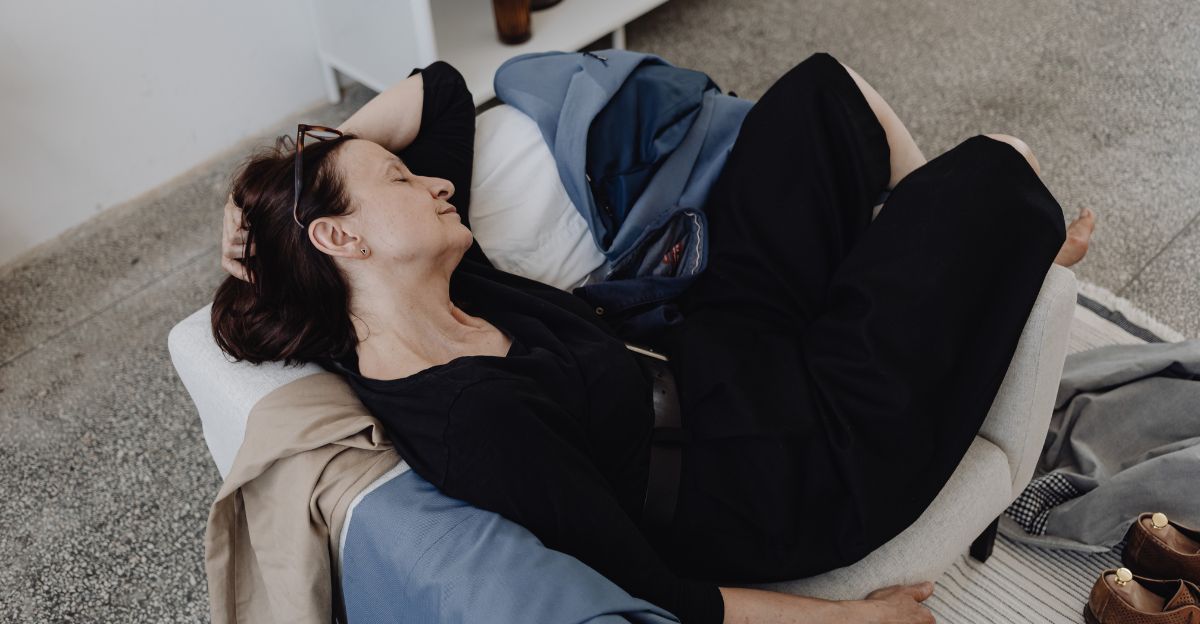
Chronic sleep disruption doesn’t just make you tired—it has serious health consequences, including increased stress, anxiety, and risk for cardiovascular disease.
By sleeping separately, couples reduce these health risks, leading to better overall wellbeing. Studies show that 60% of people who maintain a sleep divorce report that it improved their sleep quality.
8. Sleep Deprivation as a Silent Relationship Killer

The long-term effects of poor sleep are insidious. Sleep deprivation leads to mood swings, irritability, and diminished emotional connection.
Research shows that couples who struggle with sleep deprivation experience higher levels of conflict and dissatisfaction. By prioritizing sleep, couples safeguard their emotional and physical health, ensuring a healthier relationship.
Resentment Turns to Appreciation

Over time, sleep deprivation builds resentment—whether it’s frustration with snoring or anger over interrupted sleep. Sleeping separately gives couples the space to miss each other and appreciate the time they do spend together.
Research shows that couples who sleep apart report increased appreciation for their partner, reinforcing their emotional bond.
9. Relationship Satisfaction Improves with Better Sleep

Studies show that couples who sleep separately often experience improvements in their relationship satisfaction.
While separate sleep arrangements aren’t a one-size-fits-all solution, they can offer significant benefits for couples who face sleep challenges. Couples who sleep separately often report experiencing these benefits firsthand.
Cultural Shifts: Breaking Free from Tradition

For decades, separate beds were viewed as a sign of marital failure. Today, sleep experts are challenging this outdated cultural stigma.
Research now recognizes that separate sleep arrangements can improve a relationship, especially when sleep disruption is a primary concern. Couples choosing separate beds are not failing—they are making thoughtful choices for their health and happiness.
The Ultimate Relationship Choice: Prioritize Sleep and Wellbeing
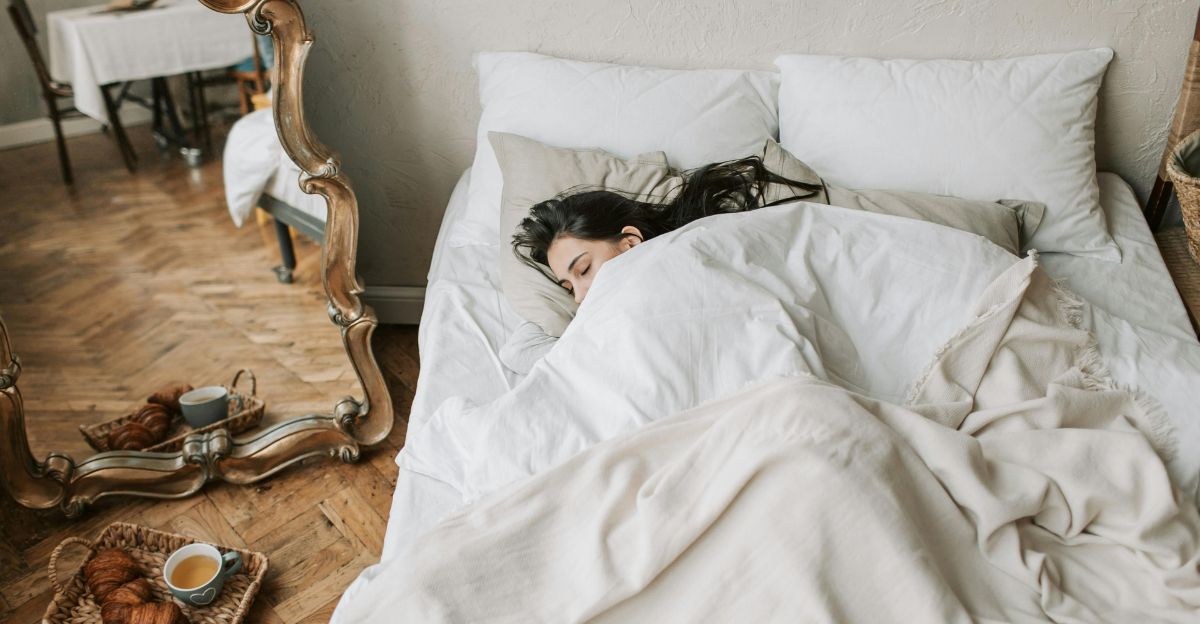
Ultimately, the choice to sleep separately is about prioritizing both partners’ wellbeing. It’s about being honest, vulnerable, and open to finding solutions that work for both individuals. About 25.7% of couples who start sleeping separately eventually return to shared sleeping.
Those who recouple often report doing so because they missed each other (34.9% of respondents), while others find that sleeping apart no longer meets their needs. Choose what’s best for both partners—whether that means separate or shared sleeping arrangements.