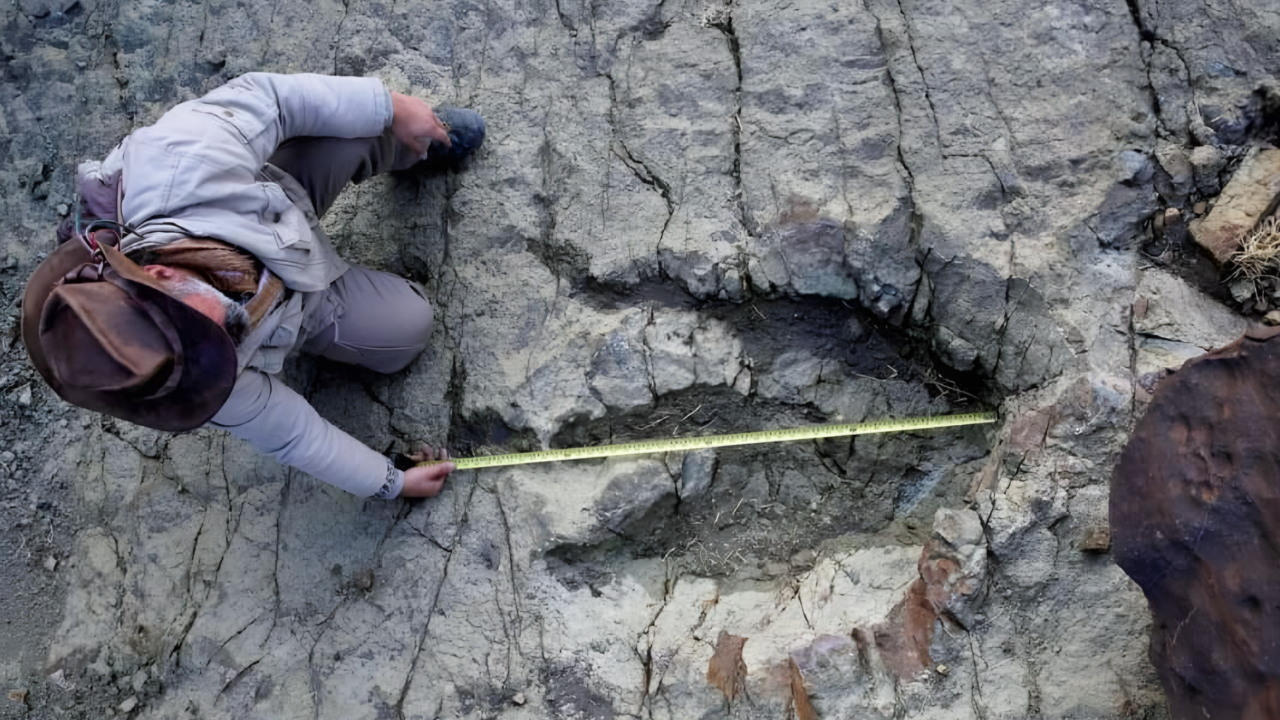
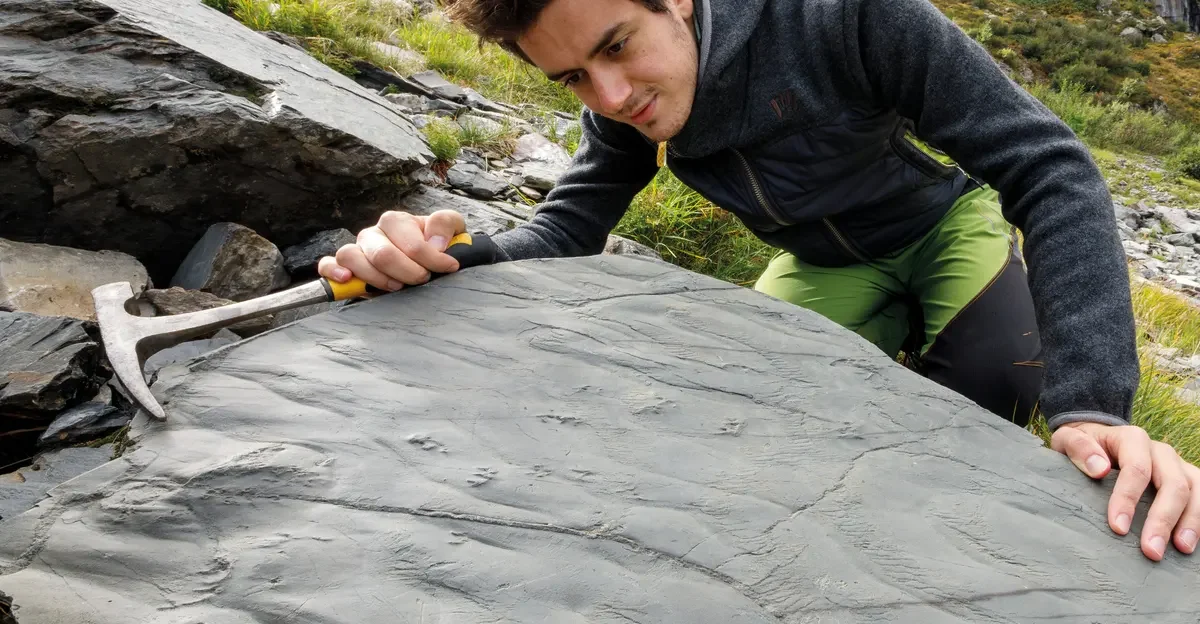
During a summer hike in the Italian Alps, Claudia Steffensen stumbled upon a breathtaking find: fossilized footprints perfectly imprinted in stone. These ancient tracks revealed details of creatures that existed long before dinosaurs roamed the Earth. Recognizing the importance of her find, Steffensen quickly contacted research authorities.
What unfolded next was confirmation from scientists that these tracks belonged to an entire pre-dinosaur ecosystem, preserved for millions of years. Steffensen’s discovery provides a rare glimpse into a prehistoric world, raising questions about the life forms that once thrived in these mountainous regions.
Unearthing the Past
The urgency to document ancient finds has escalated due to climate change. Alpine glaciers are retreating at unprecedented rates, revealing geological layers that have remained hidden for thousands of years. Between 2022 and 2025, Switzerland experienced a significant loss of nearly 6% of its glacier ice.
The World Meteorological Organization reported a staggering 450 billion tons of glacier melt globally in 2024. As climate-driven ice retreat serves as an archaeological time machine, the melting ice reveals ancient ecosystems, allowing scientists to study remnants of a world lost in time.
Understanding the Permian Period
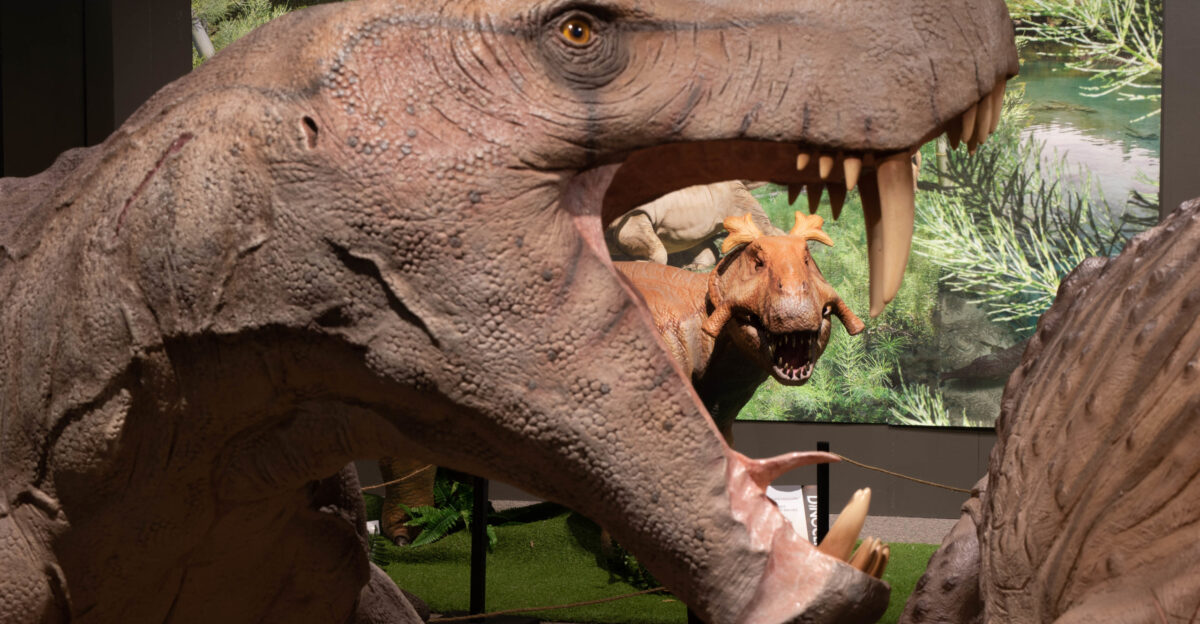
Before the reign of dinosaurs, the Earth was a vastly different place. The Permian period, which occurred between 299 and 251 million years ago, was a time when diverse reptiles and amphibians flourished across the supercontinent Pangaea. Surrounded by the ancient ocean Panthalassa, this unified landmass supported a wide variety of life.
However, fossil records from this period are sparse and fragmented, making each discovery invaluable for paleontologists. The tracks discovered by Steffensen provide a rare opportunity to gain a deeper understanding of life in this long-gone era, shedding light on the evolution of prehistoric creatures.
A Race Against Time
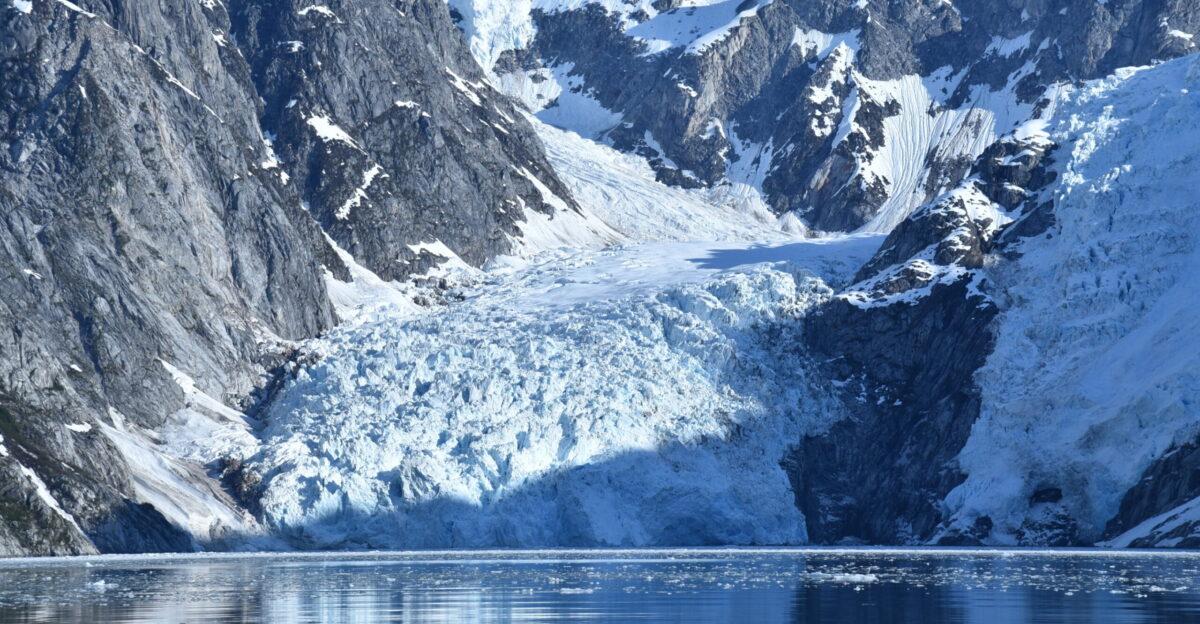
As glaciers retreat, the window for uncovering fossilized evidence is closing rapidly. Weathering and erosion commence as soon as the ice recedes, posing a significant threat to exposed geological formations. Scientists are racing to explore these newly revealed sites, striving to document their findings before environmental degradation erases the evidence forever.
The paradox of climate change becomes evident: while the warming climate reveals ancient treasures, it simultaneously threatens existing ecosystems. Paleontologists urge immediate action to study these Vital fossils from the Permian period, as they risk being lost to time yet again.
280-Million-Year-Old Tracks Revealed
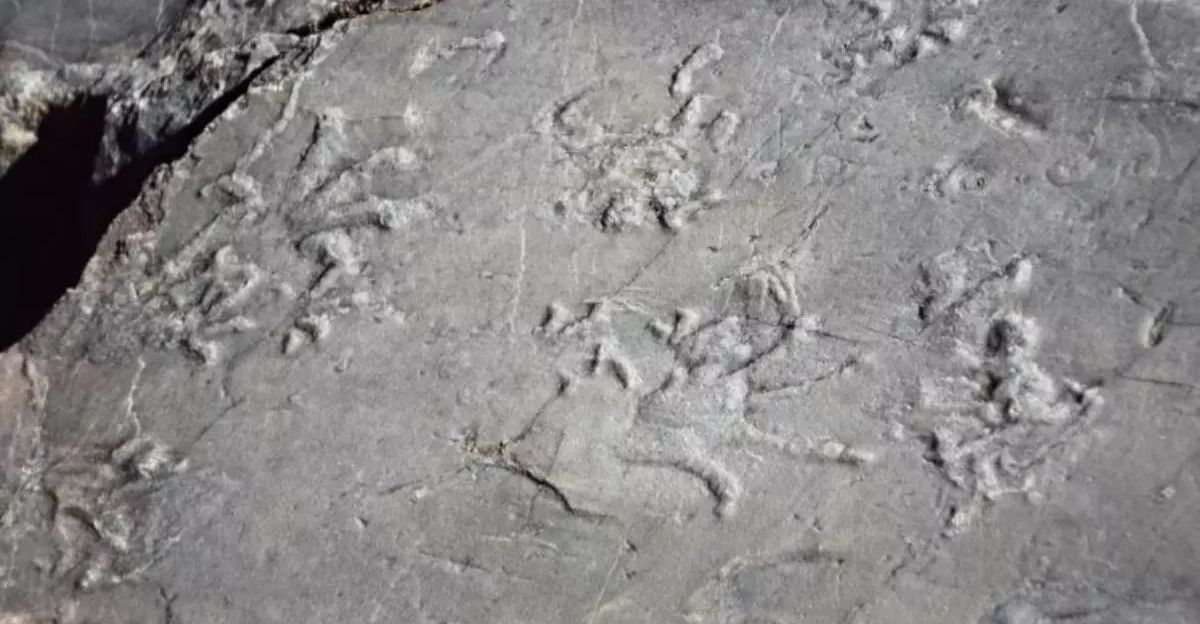
Steffensen’s discovery of fossilized tracks proved to be groundbreaking. Scientific analysis dated the tracks to approximately 280 million years ago, during the Middle Permian period, well before the appearance of dinosaurs. Located in the Orobie Valtellinesi mountains of Lombardy, the site was deemed one of the “most abundant and well-preserved Permian sites” that paleontologist Lorenzo Marchetti had ever encountered.
Hundreds of tracks from at least five distinct species have been documented, including creatures measuring 2-3 meters long. This significant find not only enriches our understanding of the Permian ecosystem but also highlights the area’s geological importance.
The Geological Context
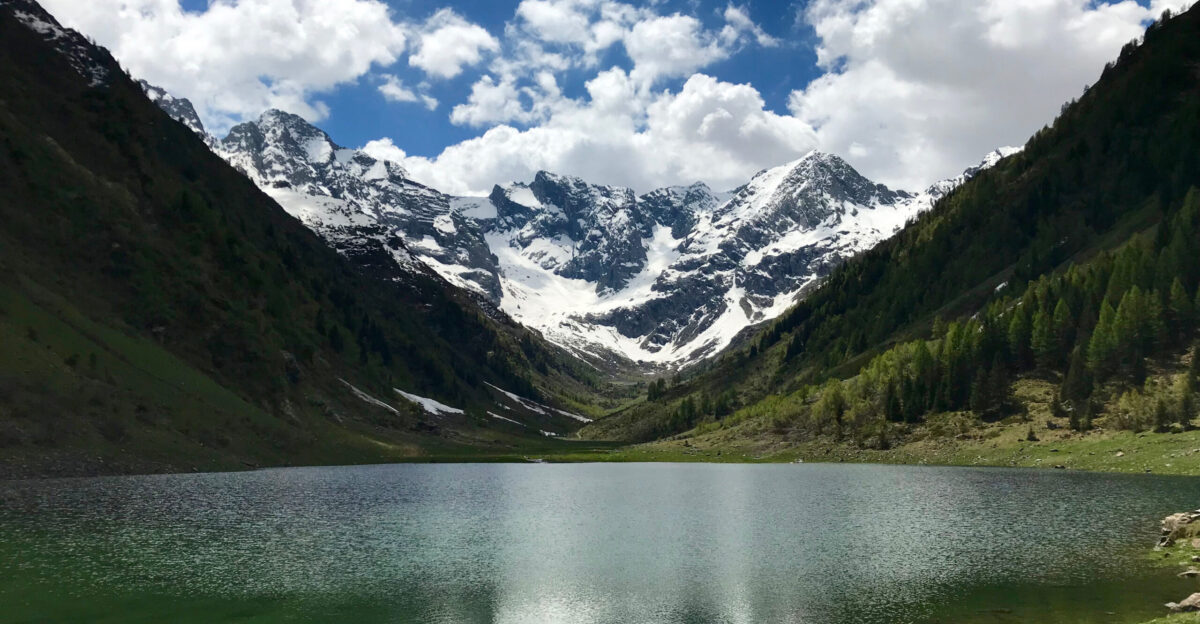
The discovery site is located within the Valtellina Orobica Alps Regional Park, a protected area in the Sondrio Province, renowned for its stunning mountainous terrain. This park spans over 44,000 hectares and features peaks exceeding 3,000 meters.
Its unique geology consists of gneiss, mica, phyllite, sandstone, dolomite, and limestone types of rock that are conducive to preserving ancient impressions when sediments harden. Interestingly, the high-altitude location and isolation have safeguarded these fossils for approximately 280 million years, allowing them to be discovered only now as climate change reveals hidden treasures.
Clarity Amid Chaos
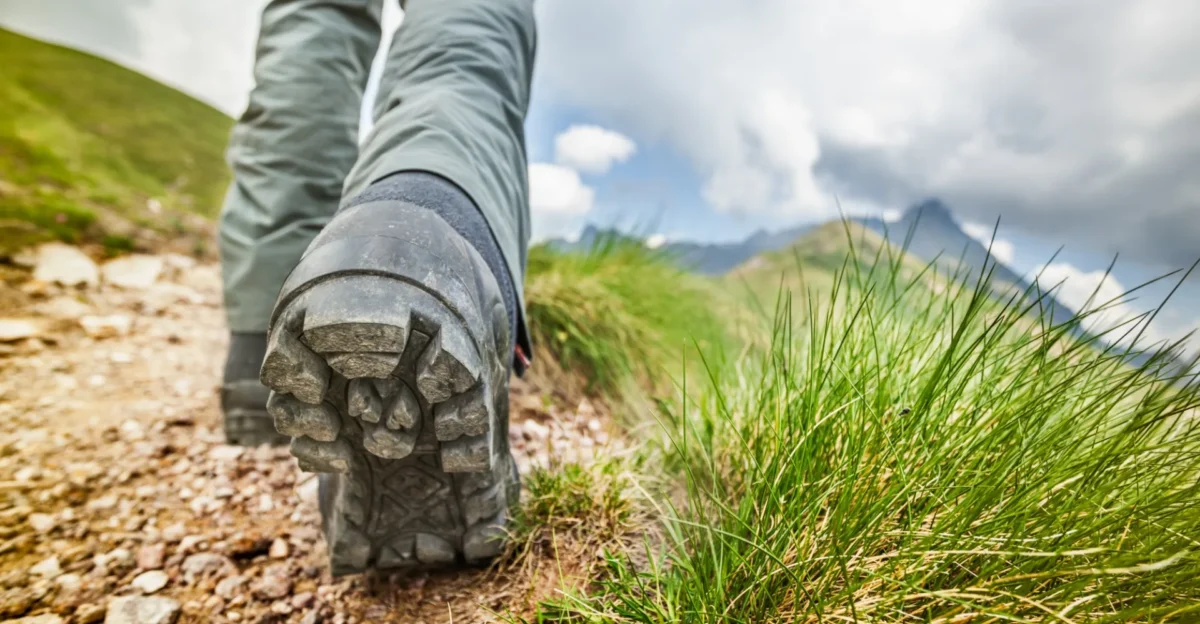
Claudia Steffensen’s momentous discovery occurred during a summer hike in 2023. Seeking refuge from the heat, she stumbled upon a rock with unusual markings. Intrigued, she examined the stone closely and revealed circular designs interspersed with wavy patterns distinctly resembling footprints.
Capturing the site’s essence, she photographed the evidence and shared her findings with her friend, Elio Della Ferrera, a nature photographer. The significance of the images prompted Della Ferrera to contact paleontological authorities, triggering an official investigation into this extraordinary finding. A simple hike transformed into a monumental scientific breakthrough.
The Power of Citizen Science
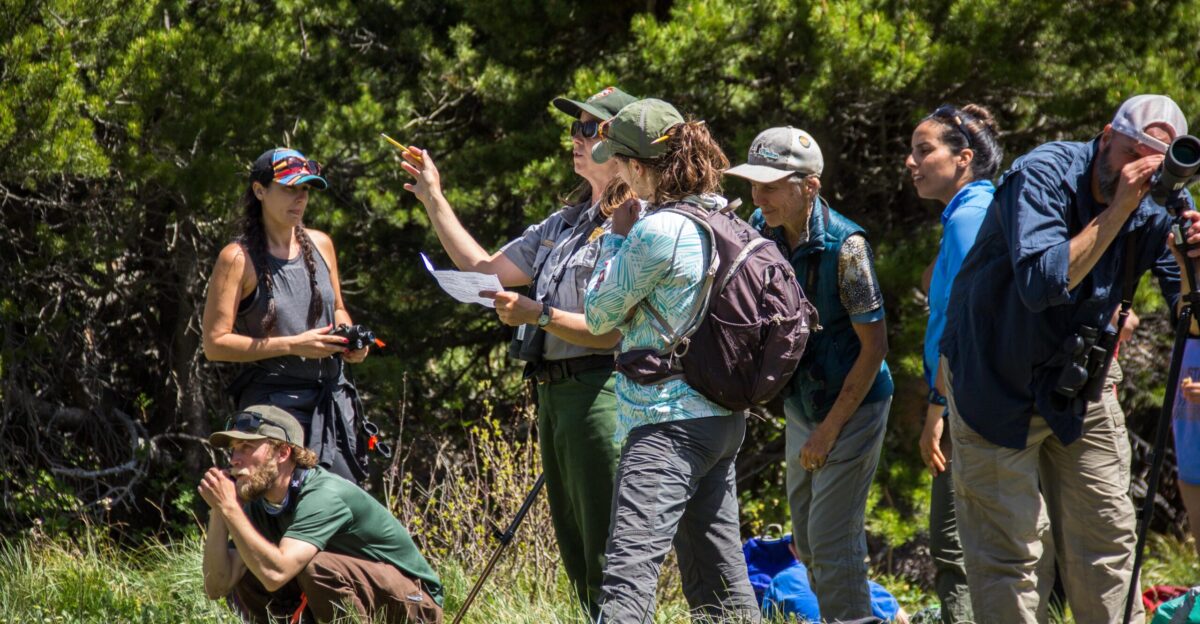
Steffensen’s discovery highlights the crucial role of informed citizen scientists in uncovering significant scientific findings. Many groundbreaking paleontological discoveries have stemmed from casual encounters with nature enthusiasts who, like Steffensen, recognize the importance of their observations.
This synergy between the general public and professional scientists has become increasingly vital, especially in times when climate change threatens to erase evidence of ancient life. It serves as a reminder of our collective responsibility to pay attention to the natural world and report unusual findings, enabling the preservation of our planet’s history.
The Research Team’s Expertise
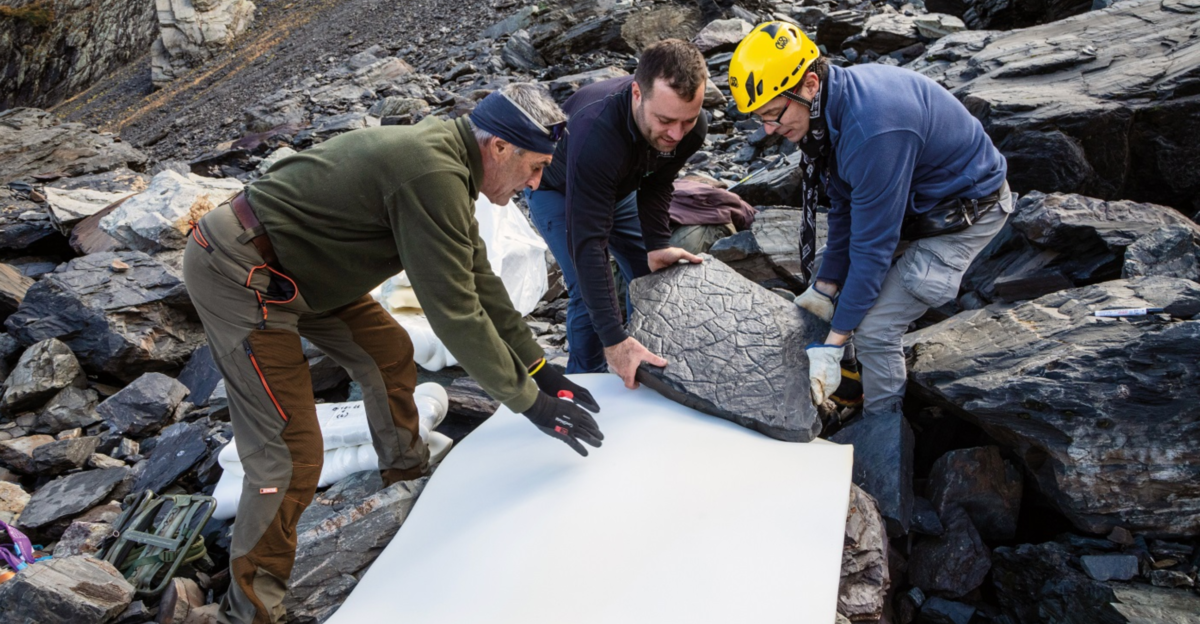
A team of three credentialed paleontologists led the analysis of the fossilized tracks. Lorenzo Marchetti from the Museum of Natural History in Berlin directed the examination, leveraging the museum’s expansive collection of over 30 million specimens.
Cristiano Dal Sasso, curator of fossil reptiles at Milan’s Natural History Museum, and Ausonio Ronchi from the University of Pavia, who specializes in Permian continental sediments, contributed valuable insights. The collaboration among these distinguished institutions has lent authoritative credence to the findings, which were subsequently published in November 2024.
The Historical Implications
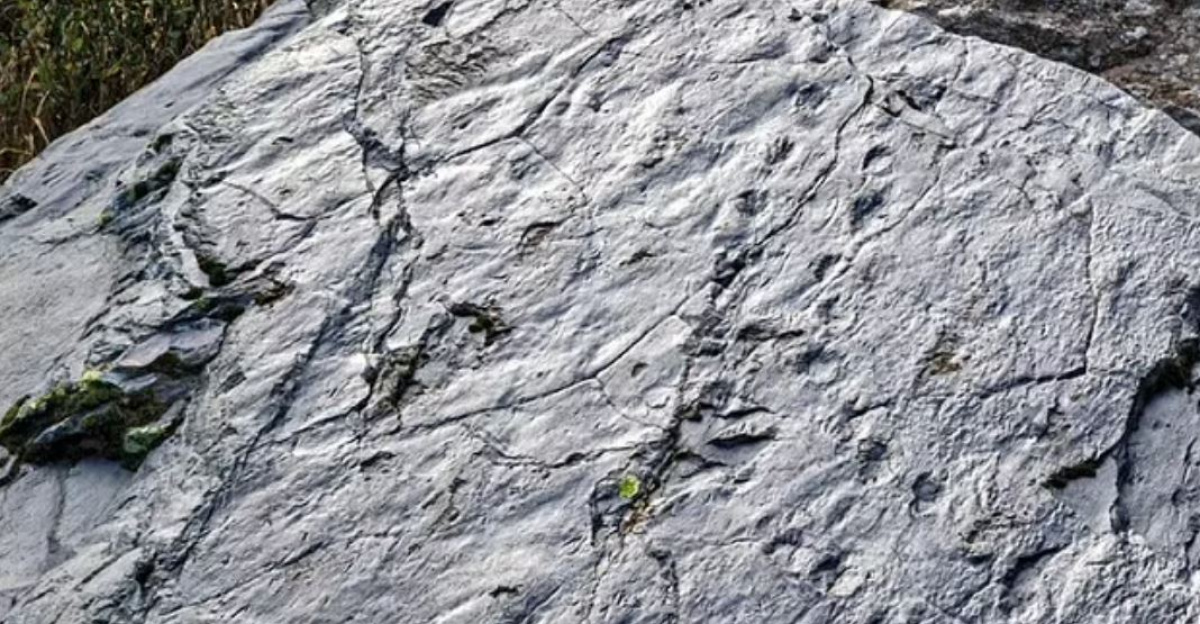
Steffensen’s remarkable find raises numerous questions about the life forms that inhabited the Earth before the dinosaurs. Fossilized tracks of varying sizes suggest a diverse ecosystem where multiple species coexisted, potentially influencing researchers’ understanding of evolutionary pathways.
Each print offers vital clues to physical characteristics, movement patterns, and environmental adaptations that occurred during the Middle Permian period. As scientists delve deeper into this pre-dinosaur world, the implications of these findings extend beyond fossil records, allowing for a refined understanding of prehistoric life, environmental conditions, and evolutionary history.
The Significance of the Permian
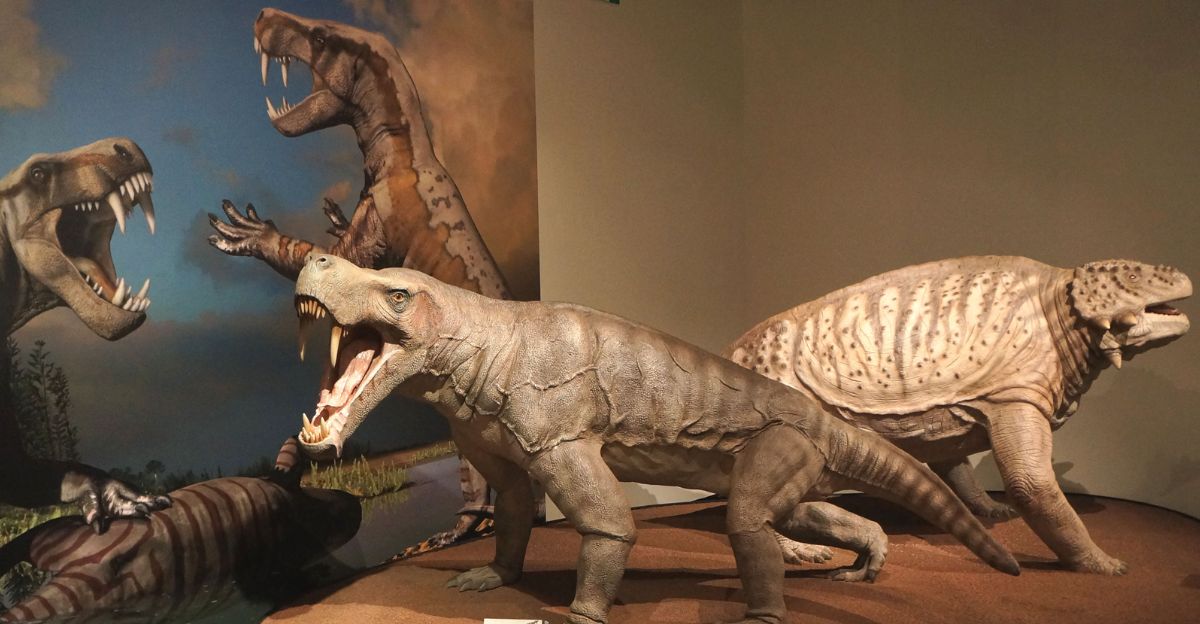
The Permian period is a critical time in Earth’s history, marking a period of significant climatic and biological evolution. It witnessed the emergence of diverse synapsids and theropods, which would eventually evolve into mammals and birds, respectively. Understanding this transitional period is vital for reconstructing the evolutionary tree of life.
The fossilized tracks discovered in the Italian Alps not only contribute to our understanding of the ecological dynamics of this period but also help to illuminate the trajectory of life following the Permian-Triassic extinction event, one of the most significant mass extinctions in history.
Addressing Climate Change
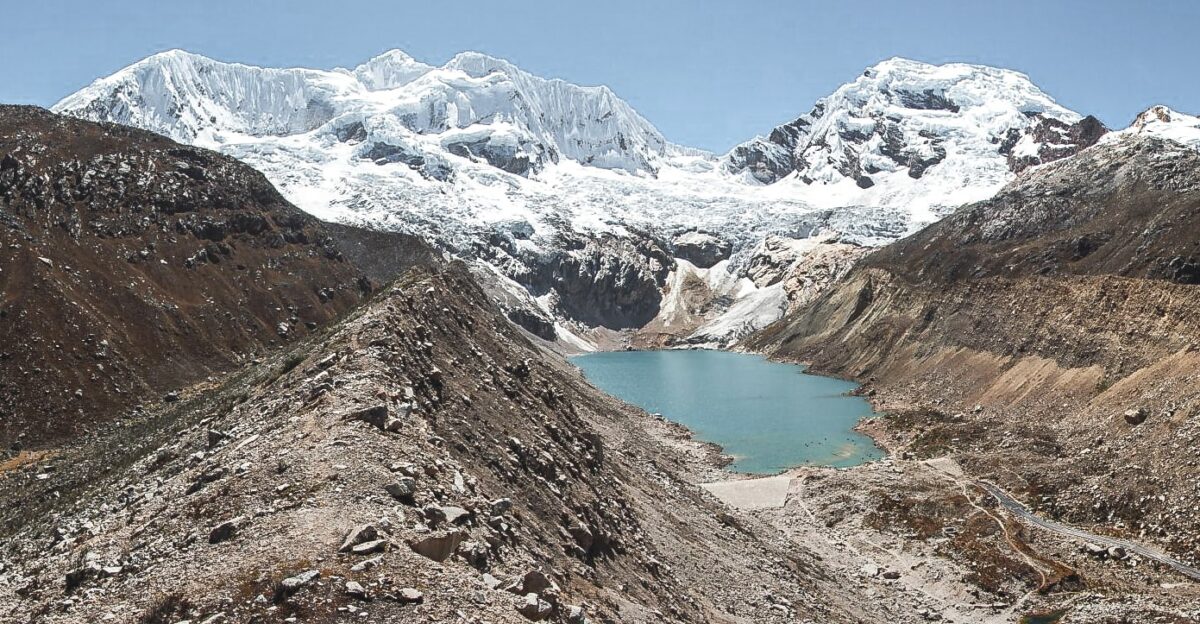
The ongoing climate crisis presents stark challenges for paleontological research. While the retreating glaciers expose ancient ecosystems, they also heighten the risk of erosion and degradation. A report by the Wilderness Society highlights this unfolding climate crisis, urging researchers to act swiftly to document the newly discovered fossils.
Paleontologists note, “The warming climate that reveals these treasures also threatens our current ecosystems,” emphasizing the urgent need for a balance between exploration and preservation in a rapidly changing world.
The Value of Public Awareness

Steffensen’s discovery emphasizes the crucial role of public awareness in scientific research. Citizens who are knowledgeable about natural history can make significant contributions to discoveries, providing essential leads and observations that professionals may not easily encounter.
Programs aimed at educating the public can foster a deeper appreciation of paleontology and paleoclimate science, inspiring a new generation of explorers and researchers. This collaborative effort between professionals and the community can help safeguard our planet’s history while promoting environmental stewardship.
The Future of Paleontological Research
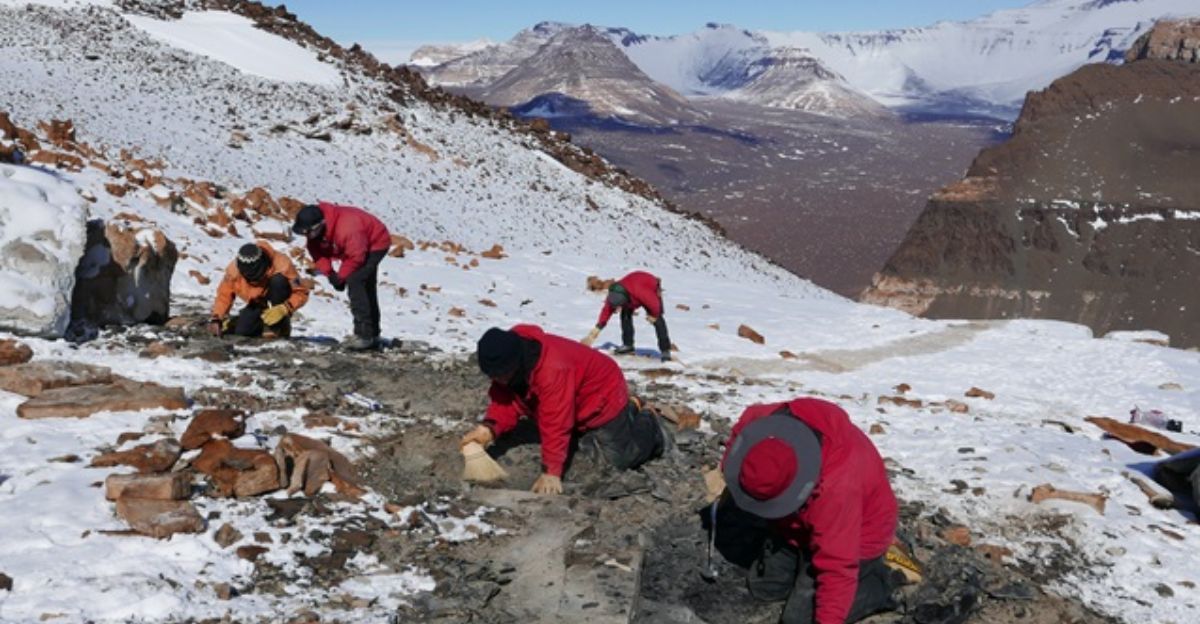
As climate change continues to reshape our environment, the potential for discoveries remains high. Ongoing research in areas like the Italian Alps is critical, ensuring that fossil evidence is documented and understood before it is irreversibly lost.
The momentum generated by Steffensen’s find may encourage additional field studies in other glacier-receding regions globally, shining a light on ancient ecosystems that offer invaluable insights into Earth’s biological past. This urgency could reshape protocols for paleontological research in the face of an ever-evolving climate.
Educational Opportunities

Claudia Steffensen’s discovery highlights the importance of integrating real-world findings into educational curricula. As students learn about ancient ecosystems and the complexities of evolution, there exists an opportunity to foster critical thinking about climate change and its ramifications.
Engaging narratives about discoveries like Steffensen’s can inspire students in earth sciences and encourage them to consider careers in paleontology and related fields. Amplifying educational efforts can highlight the interconnectedness of climate, geological changes, and biological evolution, thereby preparing future generations to address ongoing environmental challenges.
A Call to Action
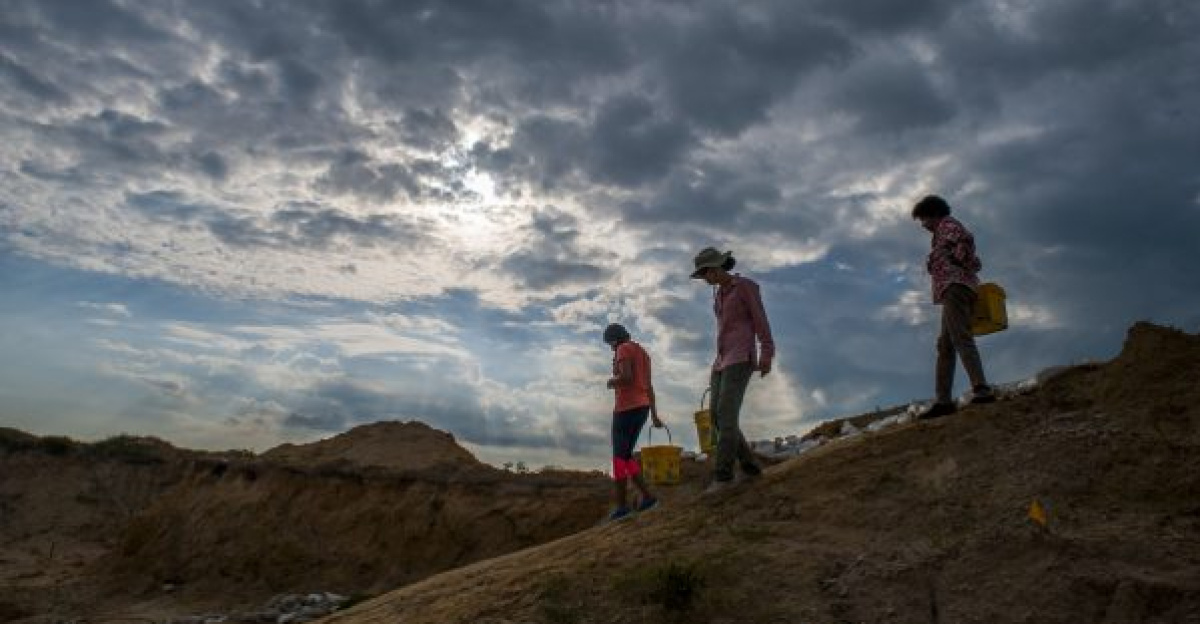
The urgency surrounding climate-induced discoveries calls for a consolidated effort in research and conservation. As citizens, scientists, and policymakers come together, we must prioritize funding for paleontological initiatives that document and analyze the fossil record before it is lost.
Collaborative projects involving local communities can also foster greater engagement and support for scientific findings. Recognizing the value of these ancient records may inspire greater action towards implementing policies that combat climate change and safeguard our planet’s fragile ecosystems.
Celebrating Scientific Collaboration
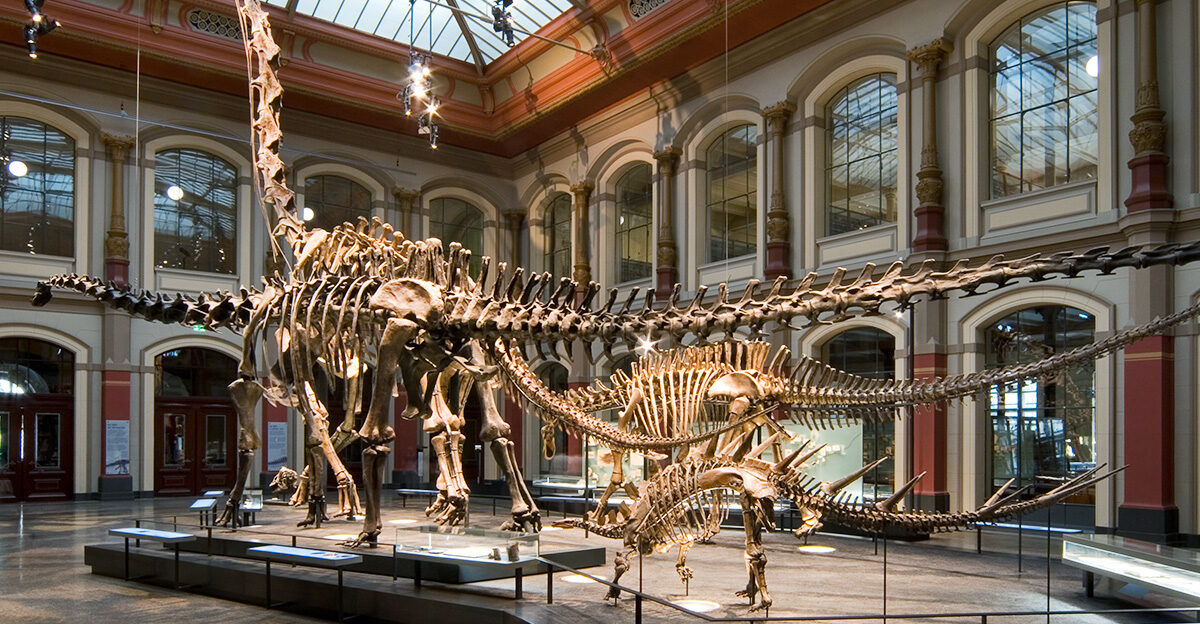
The successful verification of Steffensen’s find is a testament to the power of collaborative science. International partnerships between institutions, such as the Museum of Natural History in Berlin and Milan’s Natural History Museum, demonstrate how shared knowledge and expertise can lead to groundbreaking discoveries.
Celebrating such collaborations not only highlights the diversity of scientific inquiry but also encourages multidisciplinary approaches to research, ultimately enhancing our understanding of complex ecological histories and the interconnectedness of all life forms.
Continuing the Journey
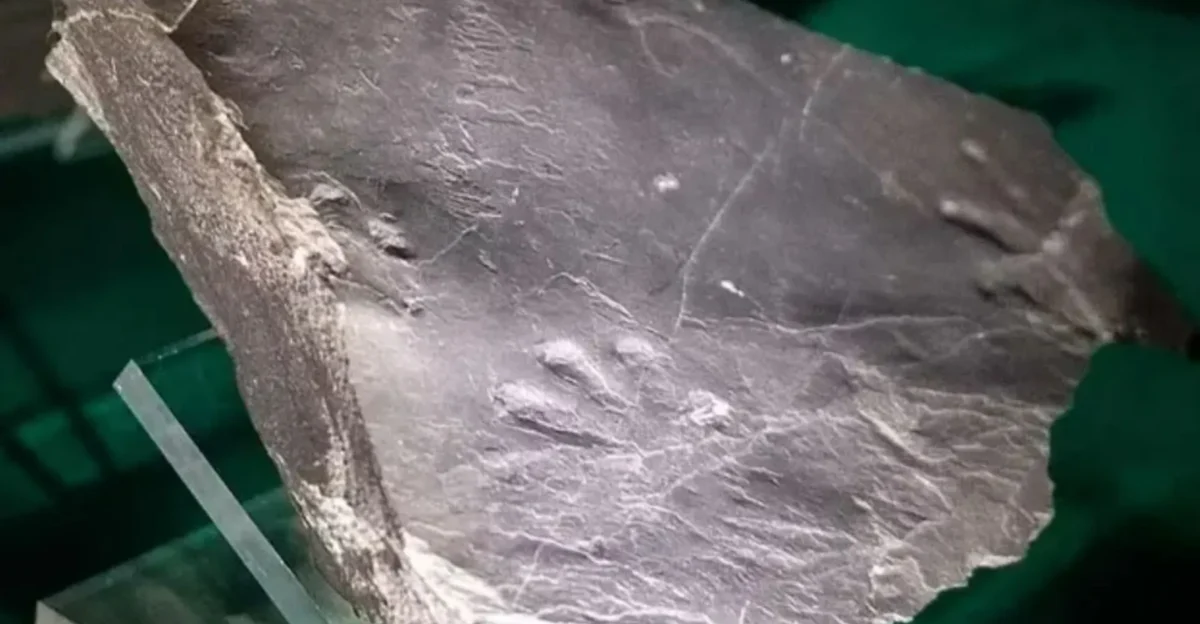
As researchers continue to analyze the fossil tracks unearthed by climate change, there is much to be learned about the Earth’s ancient environments. The discoveries remind us that our planet’s history is not static; it is continuously being revealed and rewritten as our climate reshapes the landscape.
The urgency to study these ancient ecosystems has never been greater. As we uncover more about our environmental past, we must align these findings with contemporary challenges to enrich our understanding of life and prepare for the future.
Inspirational Legacy
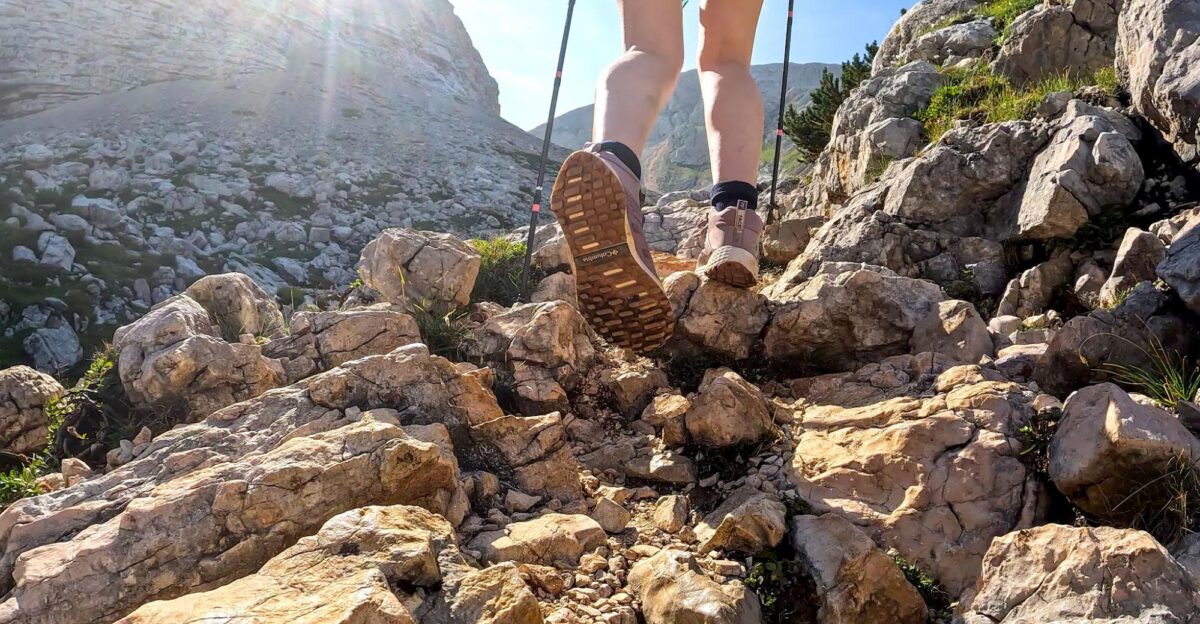
Claudia Steffensen’s story is an incredible reminder of how one individual’s curiosity and attention to nature can lead to significant scientific discoveries. Her journey epitomizes the spirit of exploration that drives many researchers and nature enthusiasts alike.
By fostering a passion for the natural world, we can motivate future generations to observe, question, and explore their surroundings, potentially leading to the discovery of the next significant scientific breakthrough. Steffensen’s legacy extends beyond her discovery, inspiring a culture of engagement with our environment and its rich history.
Join the Exploration
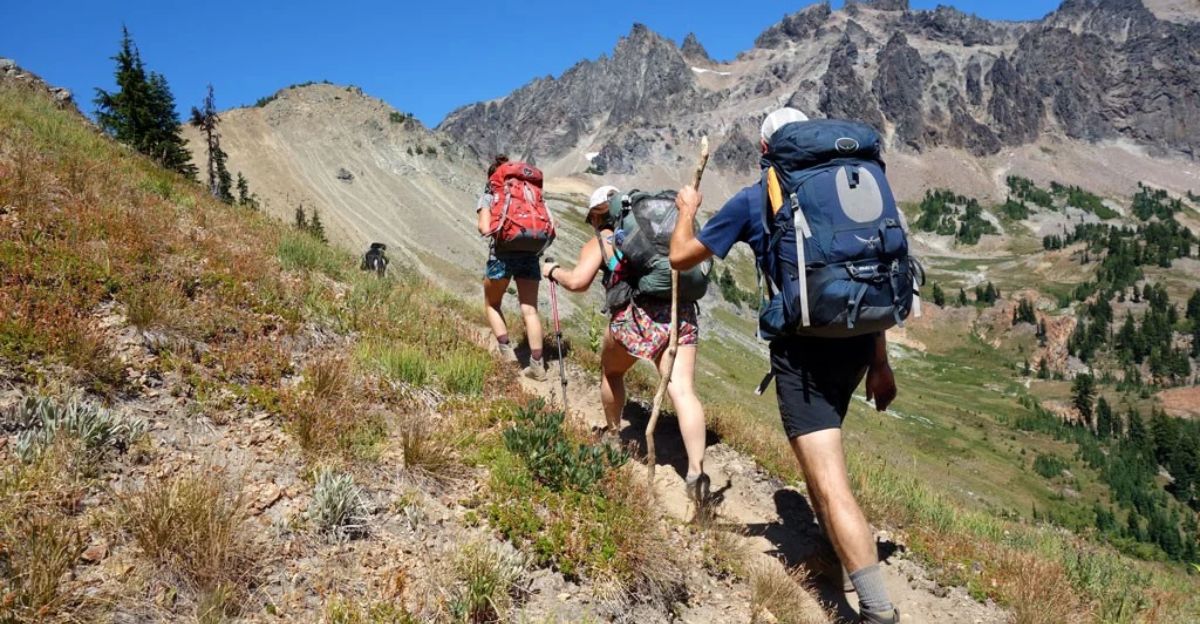
The story of the fossilized tracks, which predate the dinosaurs, encourages us all to explore and connect with our natural surroundings. Each hike or outdoor adventure presents an opportunity to discover something new, reminding us that the journey of inquiry does not end with scientific research.
As citizens, we play a critical role in sharing findings, supporting research initiatives, and advocating for environmental protection. By engaging with our ecosystems collaboratively, we not only contribute to scientific knowledge but also ensure that the history of our planet remains preserved for generations to come.
Sources:
NBC News – Ecosystem that predates the dinosaurs uncovered in the Alps by melting snow
Smithsonian Magazine – Italian Hiker Discovers Animal Tracks From a Time Before Dinosaurs
Popular Mechanics – Hiker Steps into 280-Million-Year-Old Fossilized World in the Italian Alps
Explorers Web – Hiker Discovers 280-Million-Year-Old Lost World
Anadolu Agency – Alpine ice in retreat: Switzerland’s glaciers shrink rapidly amid global warming
Wilderness Society – Melting Glaciers in the Alps: A Climate Crisis Unfolding