
Conservation technology is rapidly evolving, combining a groundbreaking combination of cutting-edge technology and ecological conservation. From bioacoustic monitoring to AI-based analytics, these technologies are transforming how we preserve our planet’s biodiversity.
So, let’s take a look at the top nine conservation technologies being used in 2025 that will significantly impact wildlife and the environment. With these technologies, we can glimpse the future of conservation and how we will safeguard the natural world.
1. AI-Powered Conservation: Balancing Efficiency and Ethics

Artificial intelligence (AI) revolutionizes wildlife conservation by allowing groups to track species and analyze collected data. Further, AI-operated drones and camera traps allow species to be counted quickly and aid in discovering new species.
For example, researchers have used AI to analyze vast datasets quickly, offering insights into species interactions and population health. While AI holds incredible potential, its application must be balanced with responsible use and ethical considerations.
2. Drones: Conservation Eyes in the Sky
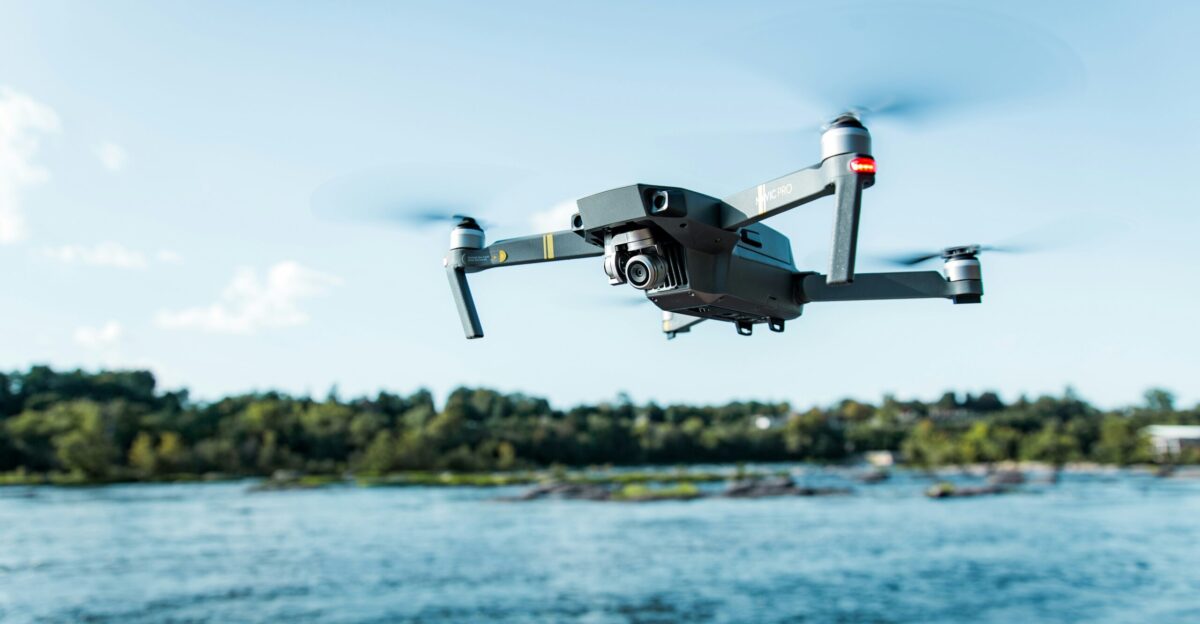
Drones have proven to be an asset to conservation. They monitor coral reef health, track how the climate impacts ecosystems, and research migration patterns while ensuring that monitoring methods are less disruptive.
Further, deploying drones to remote areas allows for real-time data collection and analysis. Conservationists employ drones to monitor wildlife in waterholes, providing intimate details of animal behavior.
3. Bioacoustic Monitoring: Tuning into Nature’s Symphony
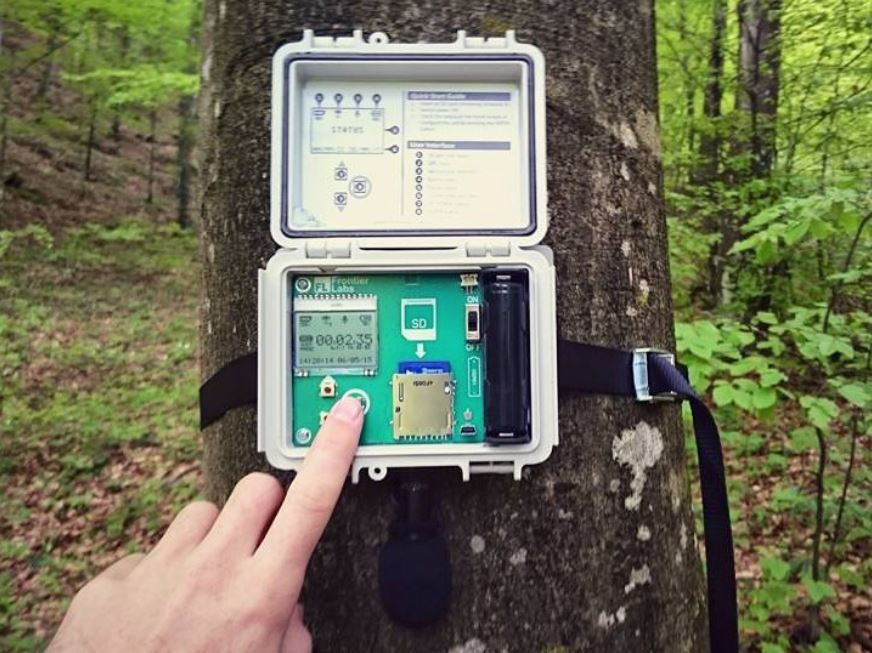
Bioacoustics is increasingly becoming a key tool in assessing biodiversity, particularly in remote regions and monitoring elusive species. Scientists can determine species’ health and richness by recording and interpreting ecosystem soundscapes.
Acoustic monitoring technology, as a non-invasive method, has advanced to the point where species and behavior can be accurately identified, providing hints of ecosystem response to environmental change.
4. Environmental DNA (eDNA): Detecting Life through Genetic Spoor
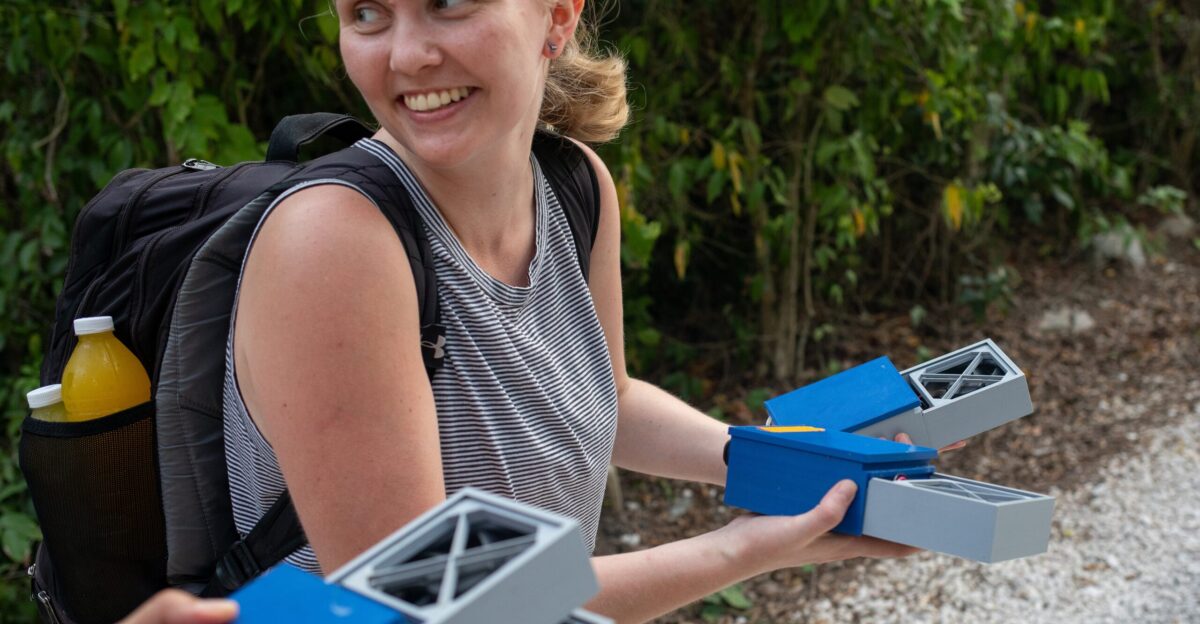
Environmental DNA (eDNA) analysis has now moved from the laboratory into the field, providing new methods to track wildlife and ecosystems.
Using this technology, conservationists can detect the presence of species without actually observing them through soil and water samples.
The method is especially ideal for tracking elusive or endangered species to better understand ecosystem processes, such as diet, genetics, and interactions, at a molecular level.
5. Conservation Bots: Autonomous Aerial Wildlife Trackers
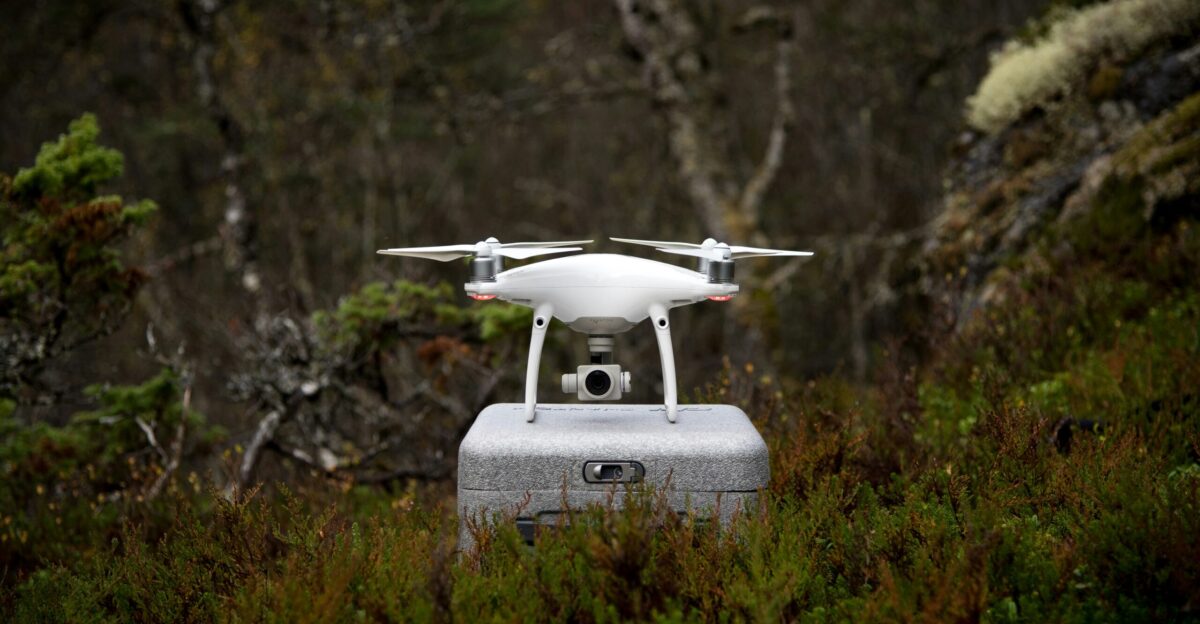
Conservation Bots, such as Georgia Tech’s “SlothBot”, are small air robots that track multiple, dynamic, radio-tagged animals.
Slow-moving and solar-powered, they overcome technical challenges by optimally selecting measurements to facilitate faster localization and robust tracking performance.
Field trials with animals like wombats have validated their effectiveness, demonstrating significant improvement over manual tracking.
6. Genetic Rescue: Cloning and De-Extinction Initiatives

Biotechnology is also making important contributions to conservation through genetic rescue programs. Revive & Restore is an organization that helps promote biodiversity through the genetic rescue of extinct and endangered species.
They use methods like biobanking, genetic sequencing, and cloning. These efforts are meant to alleviate inbreeding depression and restore lost genetic variation, holding hope for extinction-prone species.
7. IoT in Agriculture: Precision Farming for Sustainability
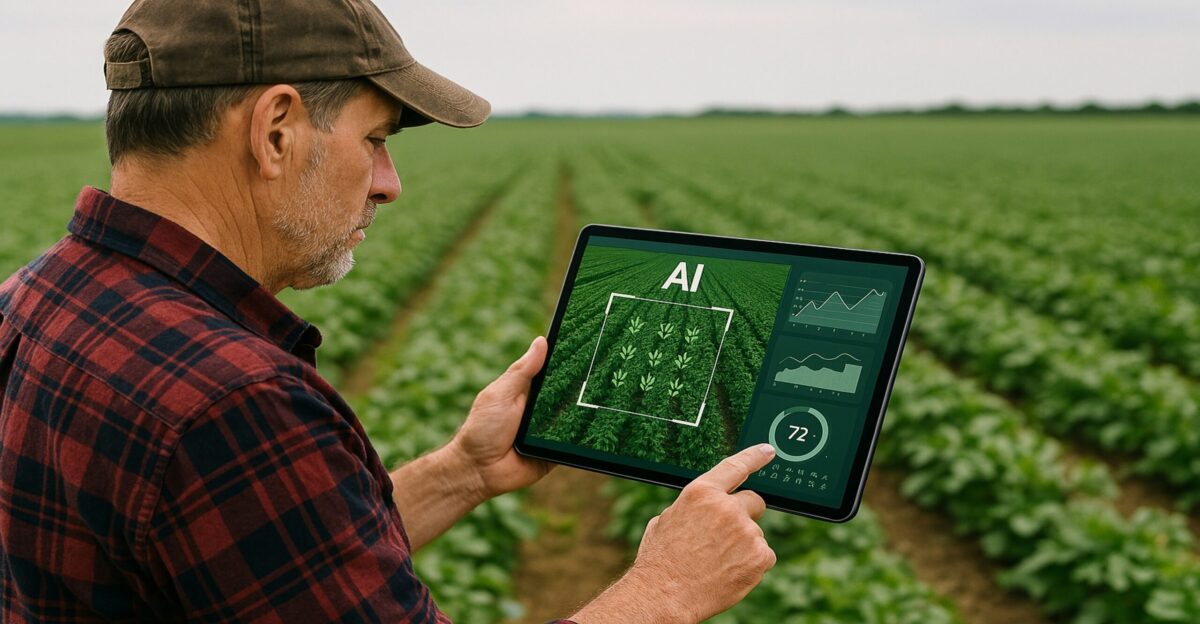
The Internet of Things (IoT) is changing agricultural activities and monitoring through enhanced efficiency and sustainability.
Farmers are beginning to embrace IoT technologies to make informed decisions, save costs, and efficiently use resources amidst growing global food demands.
For example, using real-time data from IoT sensors, farmers can monitor soil moisture, nutrient levels, and environmental conditions.
8. TinyML: Edge Intelligence for Real-Time Wildlife Monitoring

Tiny Machine Learning (TinyML) enables real-time device data analysis that is effectively transforming wildlife monitoring. For example, scientists have developed systems to identify and classify hornbill calls using TinyML.
Conservationists can monitor species in real-time without relying on cloud computing by running models on boards like the Arduino Nano 33 BLE. This allows for timely and accurate population tracking, which is crucial for species threatened by habitat loss and poaching.
9. Macroalgae: Green Source of Rare Earth Elements
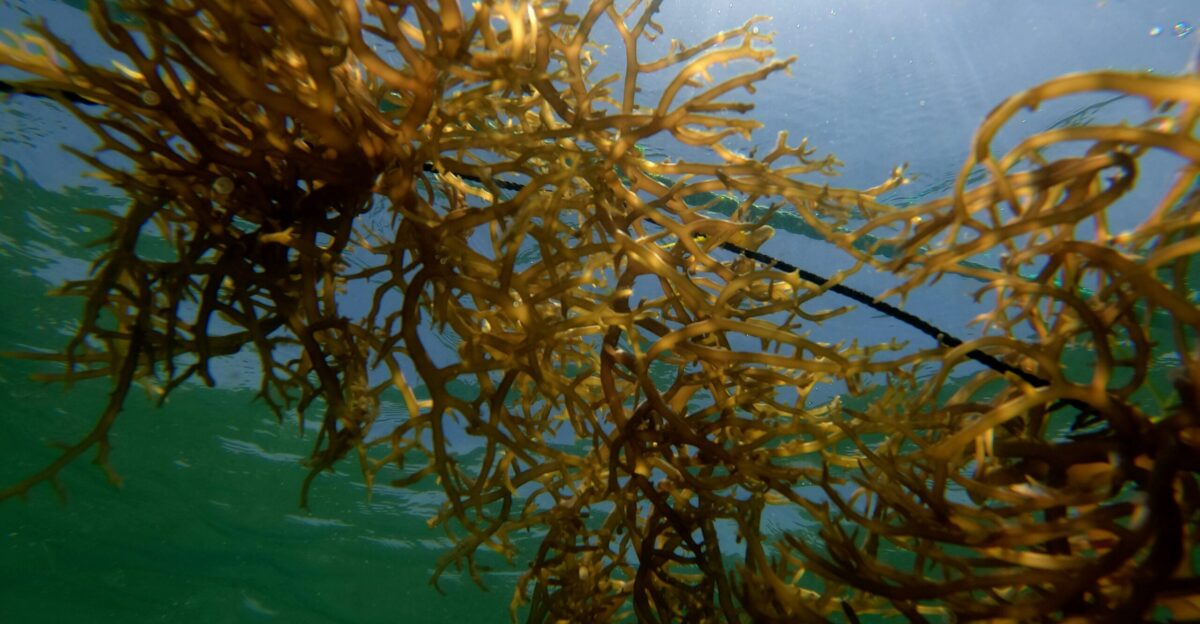
Macroalgae, or seaweed, have emerged as a sustainable source of rare earth elements, essential for products like cellphones and solar panels. Some species of macroalgae have been discovered to absorb minerals from their environment in high concentrations.
Scientists are working on extracting these minerals as a possible solution to destructive environmental mining activities. If scalable, this approach would make the ocean a renewable source of rare earth metals, combining conservation and technological advancement.