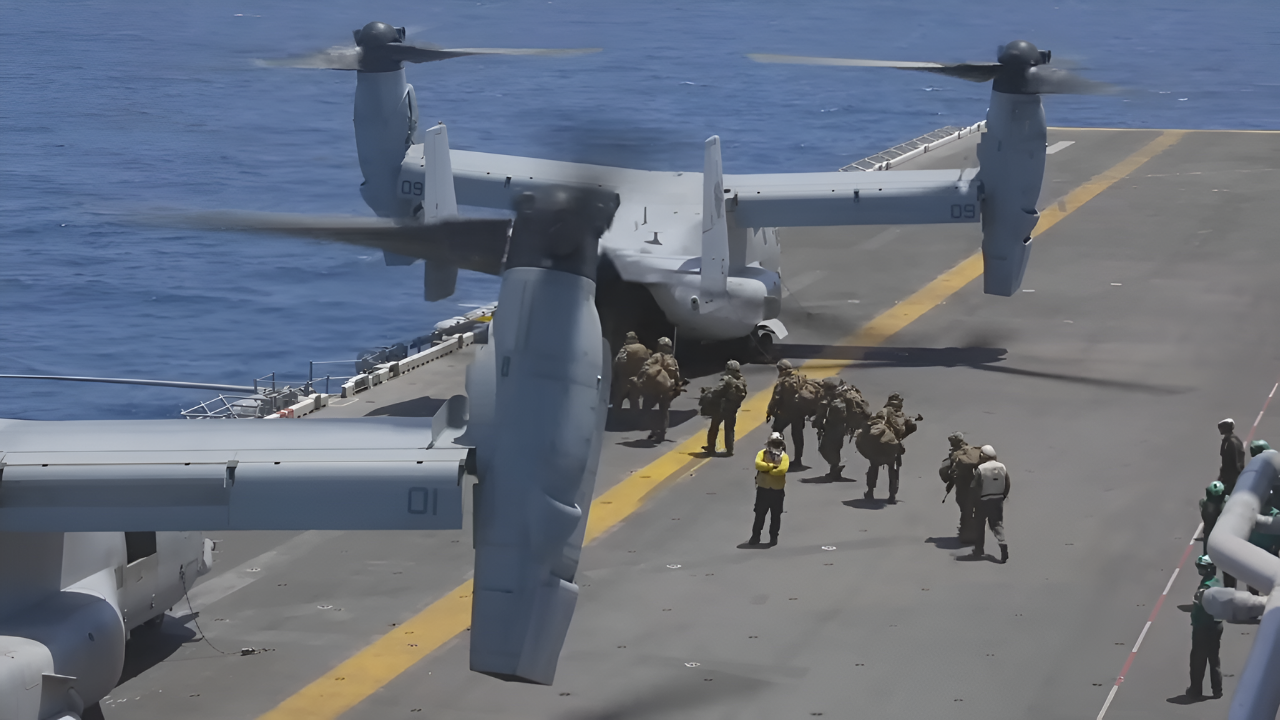
Two U.S. amphibious warships—the USS Iwo Jima and USS San Antonio—have approached Venezuela’s coastline, joining the USS Gerald R. Ford carrier strike group already operating in the southern Caribbean.
The deployment forms part of the largest U.S. military presence in the region in decades, now involving roughly 15,000–16,000 personnel across nearly a dozen major vessels. U.S. officials acknowledge that the forces are positioned for immediate action as regional tensions intensify.
Why the Buildup? Drugs, Deterrence, and Maduro
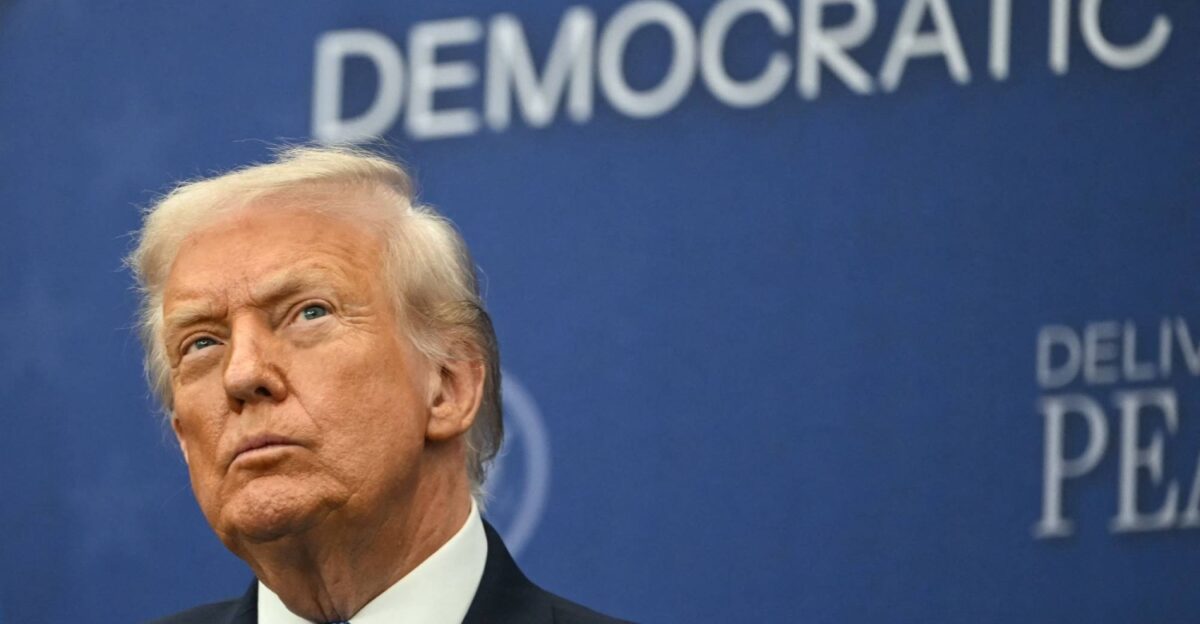
The Trump administration frames the expanded presence as part of Operation Southern Spear, a counter-narcotics mission active since September 2, 2025. The U.S. has conducted over 20 precision strikes on suspected drug boats, killing about 80 people.
Trump also doubled the reward for information leading to the capture of Venezuelan President Nicolás Maduro to $50 million. Washington’s dual pressure—military and political—raises uncertainty about whether counter-narcotics or regime pressure is the primary objective.
Impact on Caribbean Consumers and Travelers
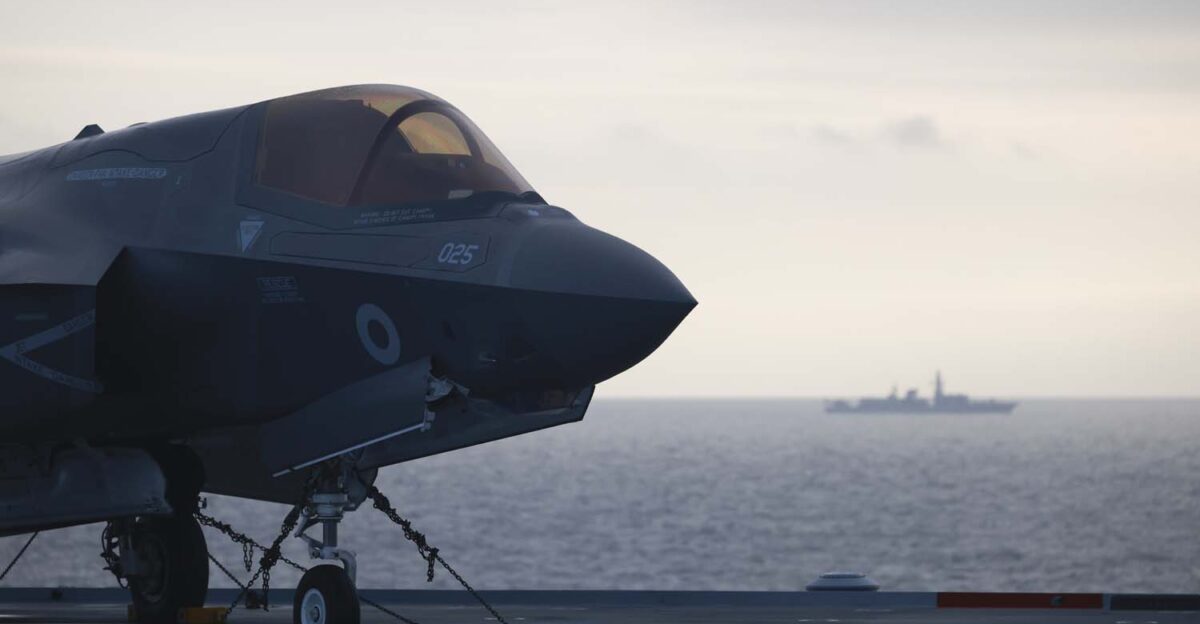
Puerto Rico and surrounding islands are adjusting to the presence of forward-deployed F-35Bs, P-8 patrol aircraft flying from Puerto Rico, and MQ-9 Reaper drones supporting Operation Southern Spear. Tourism businesses fear that visible military activity—combined with increased airspace restrictions—may dampen visitor confidence during peak travel season.
Shipping routes serving these islands also face potential delays as regional traffic adapts to U.S. operations maneuvering near Venezuelan waters.
Defense and Shipping Industry Responses
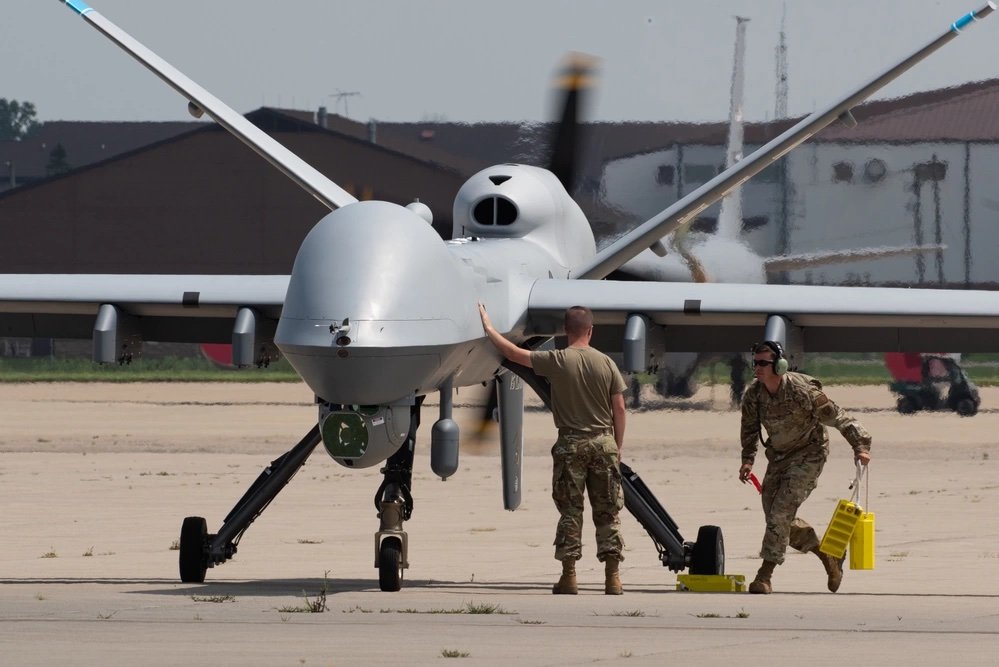
The U.S. buildup sustains demand for platforms such as F-35Bs, MQ-9 Reapers, Ospreys, CH-53 helicopters, and Arleigh Burke-class destroyers. Defense contractors supplying these systems anticipate continued orders as maritime surveillance expands.
Meanwhile, shipping companies and insurers are modifying routes to avoid areas where U.S. forces have targeted small boats, raising operating costs for exporters across the region. These adjustments reflect growing concern about misidentification during ongoing strike operations.
Energy and Commodity Market Concerns
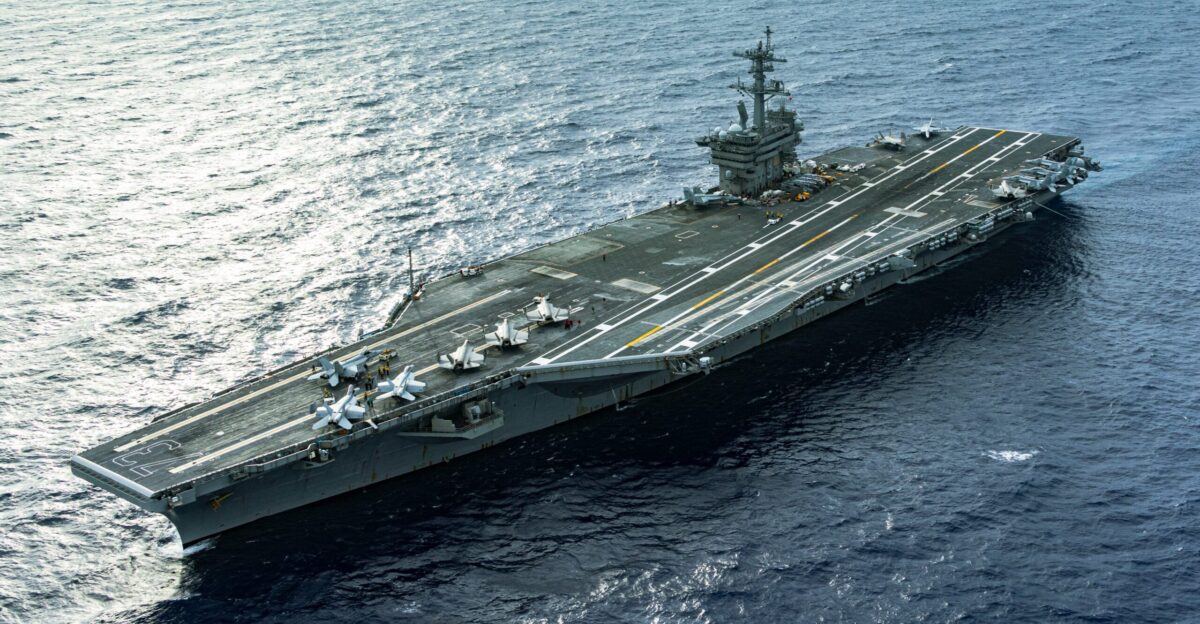
Venezuelan oil exports, already constrained by sanctions, now share waters with U.S. carrier-borne aircraft and naval patrols. Defense Minister Vladimir Padrino López has vowed to defend maritime approaches vital to Venezuela’s energy sector.
Any disruption—whether from clashes, route closures, or additional sanctions—would further restrict heavy-crude supplies globally. This has potential downstream effects on refineries in the U.S. Gulf Coast and Asian markets that rely on Venezuela’s distinctive blends.
Pressure on International Trade Corridors

The Caribbean functions as a central route for global container shipping and energy transit. U.S. military strikes as far as the eastern Pacific—combined with the declared “armed conflict” against cartels—are prompting shipping firms to reroute to avoid zones of active interdiction.
Even modest detours can increase freight times and insurance premiums. These stresses compound broader holiday-season supply chain pressures, amplifying shipping volatility from Latin America to North America.
Venezuelan Military Mobilization
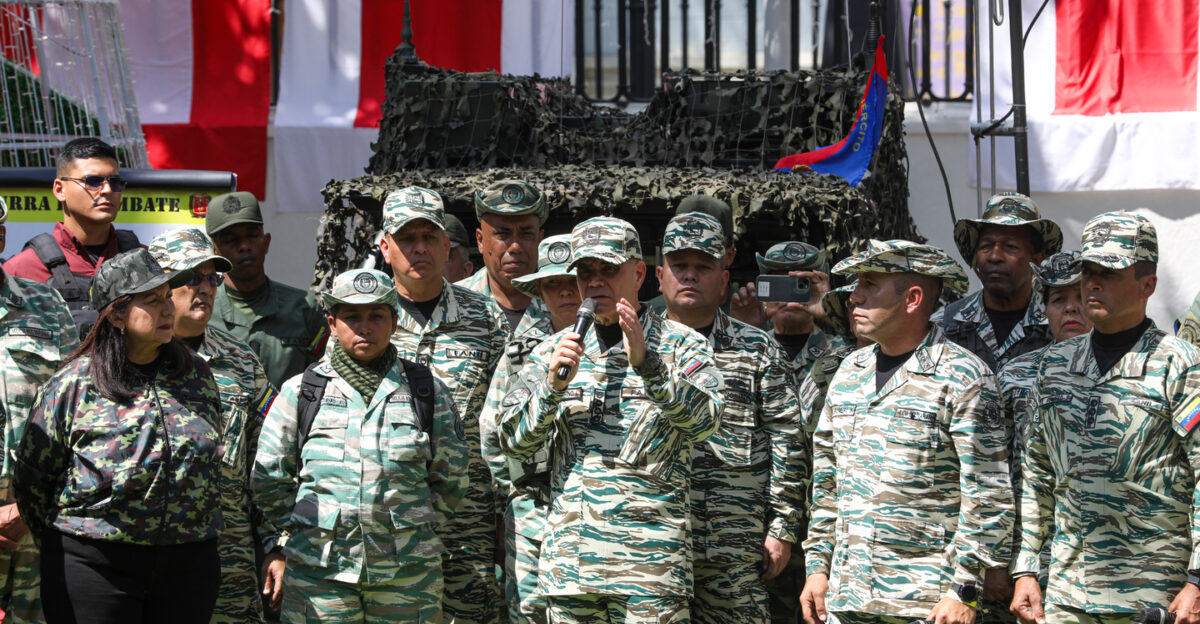
Caracas has activated more than 200,000 troops and militia under Plan Independencia 200, its largest mobilization in years.
Venezuelan forces have reinforced coastal air defenses—potentially including Russian-made S-300 systems—while conducting nationwide military drills. For civilians along the coast, heightened security brings checkpoints, movement restrictions, and fear of miscalculation as U.S. amphibious ships reportedly operate within miles of Venezuelan territorial waters. Daily routines are increasingly shaped by militarization.
Legal and Political Debates in Washington
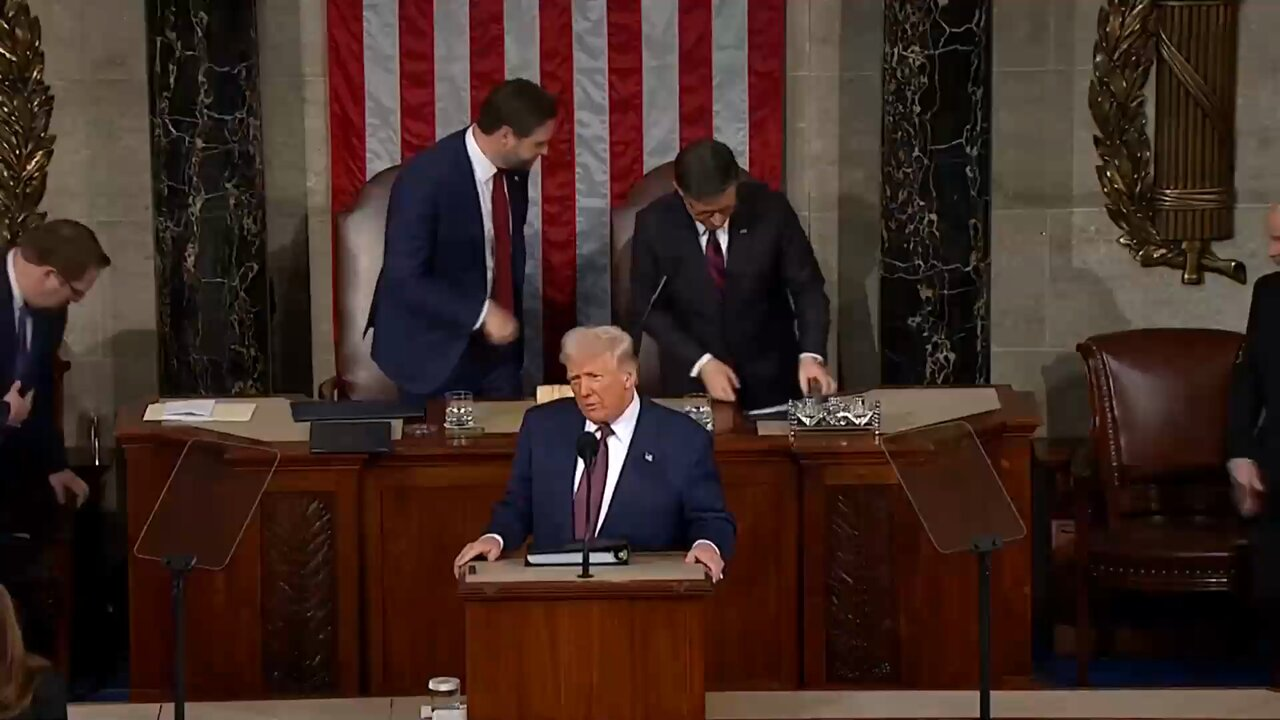
Throughout October and November 2025, U.S. lawmakers debated whether President Trump requires congressional authorization for ongoing strikes and potential ground operations related to Operation Southern Spear.
Twice, efforts to restrict presidential authority were blocked in the Senate. Critics—including human rights groups—question the legality of lethal strikes that have killed around 80 people without transparent evidence reviews. The lack of public oversight has intensified demands for clearer legal justification.
Economic and Inflation Concerns
Caribbean and Latin American nations—already strained by inflation and debt—are tracking rising fuel costs and shipping prices as U.S.–Venezuela tensions escalate. Any disruption to Venezuelan exports, coastal shipping, or maritime insurance markets could increase consumer prices for island nations heavily reliant on imported food and energy.
For Venezuela, deeper isolation or expanded sanctions risk worsening shortages, accelerating currency instability, and intensifying an already severe economic crisis.
Lifestyle and Security in Puerto Rico
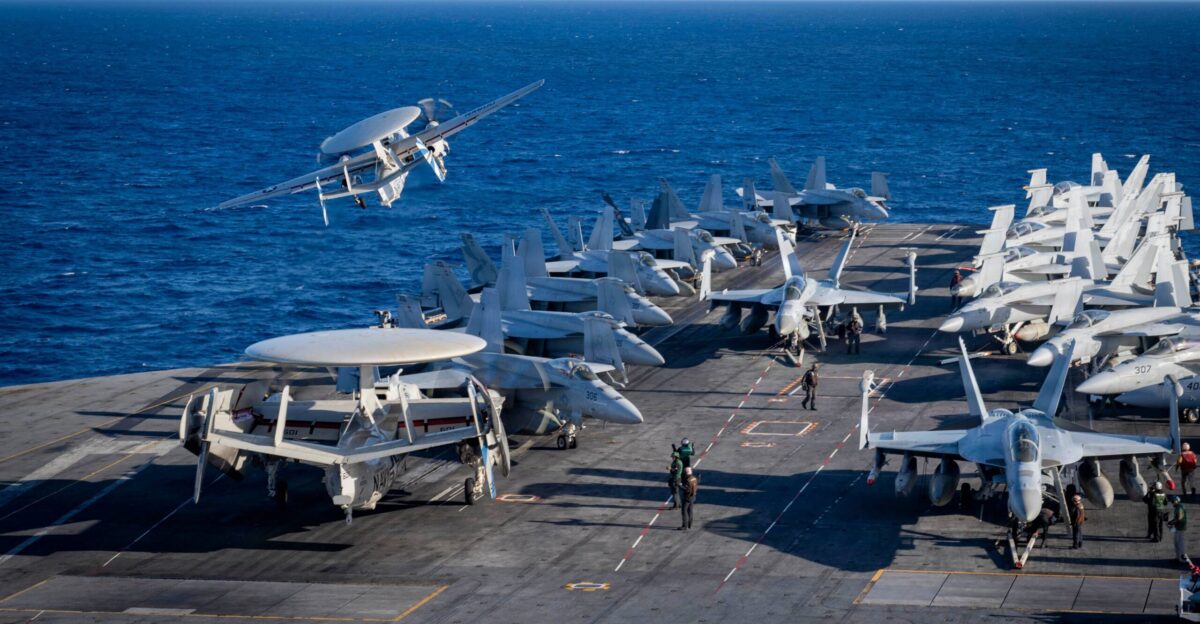
The expansion of military facilities at Roosevelt Roads and use of civilian airports for surveillance flights have brought construction jobs and economic activity to Puerto Rico. Yet residents increasingly notice jet noise, rerouted flights, and elevated security restrictions.
Many worry that their territory could serve as a launch platform—or potential target—if tensions escalate. The daily presence of U.S. aircraft supporting the carrier strike group underscores Puerto Rico’s central role in the operation.
Human Rights and Environmental Risks
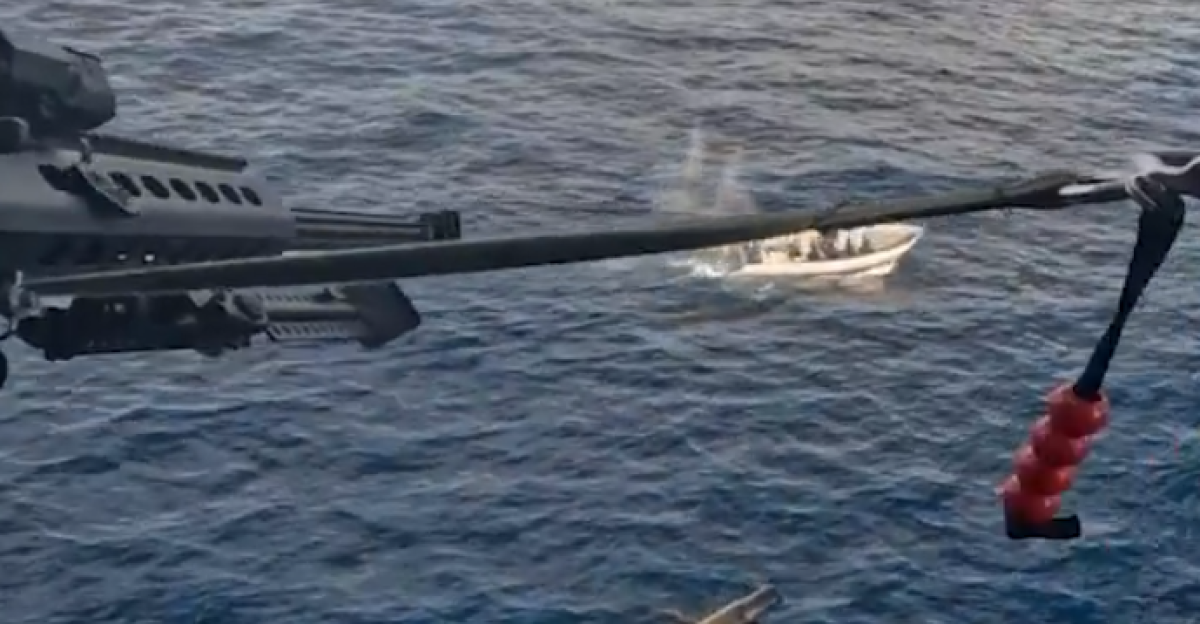
Human rights advocates warn that sinking unidentified “drug boats” under wartime rules risks bypassing legal standards for evidence and accountability, raising concerns of extrajudicial killings.
Environmental groups highlight the danger of repeated explosions in ecologically sensitive waters. Debris, fuel spills, and the destruction of vessels could damage fisheries and marine ecosystems vital to tourism, coastal food security, and small-scale livelihoods throughout the Caribbean Sea.
Global Perceptions of U.S. Military Power
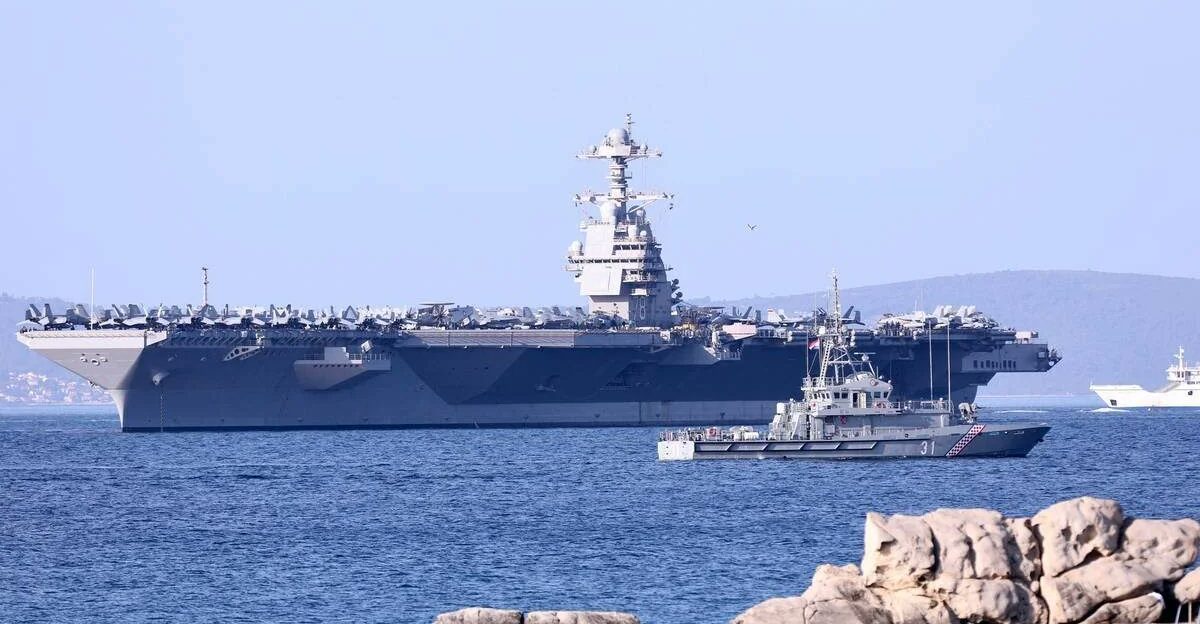
The presence of the USS Gerald R. Ford—the world’s largest aircraft carrier—alongside seven Arleigh Burke-class destroyers, a submarine, amphibious ships, and special-operations platforms projects overwhelming U.S. force.
Allies frame the deployment as a sign of determination against transnational criminal networks. Critics argue the scale is disproportionate to counter-narcotics missions, casting doubt on Washington’s political intentions and complicating its ability to claim moral leadership on democratic norms.
Beneficiaries and Risks
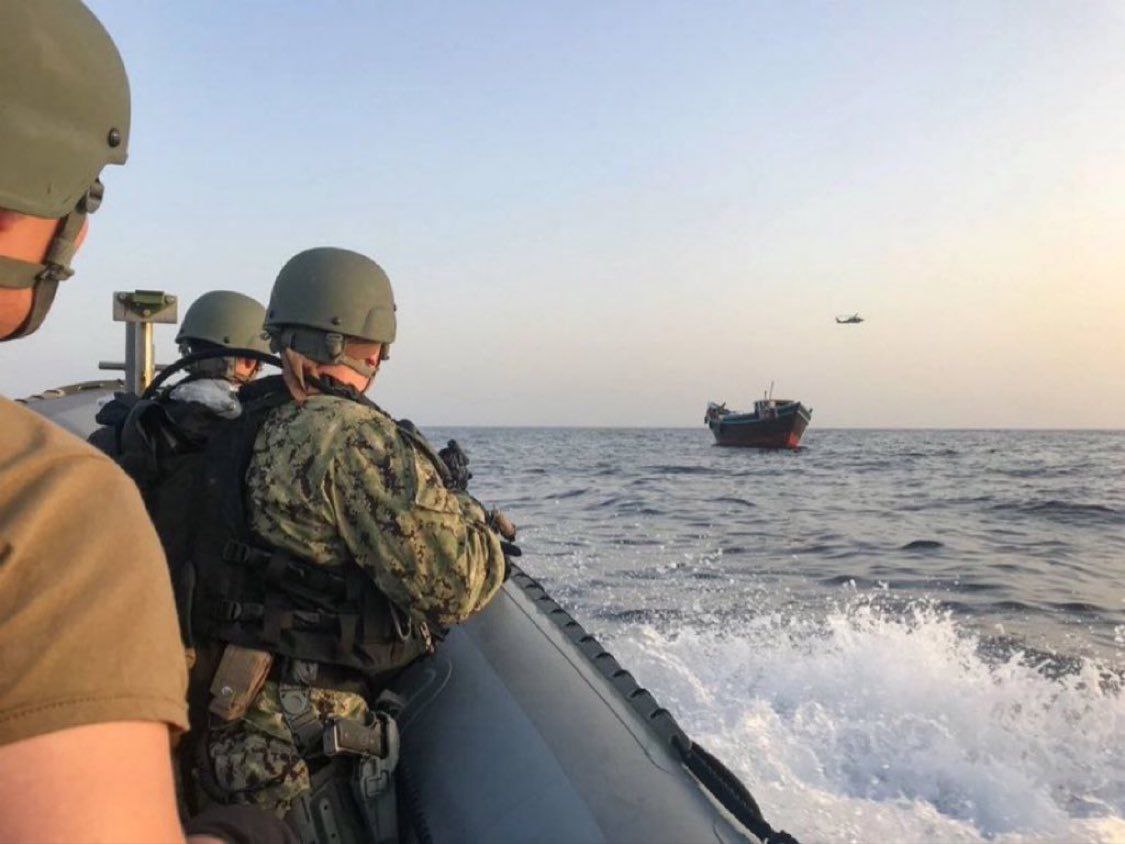
Defense contractors, private security firms, and construction companies supporting expanded bases in Puerto Rico and the U.S. Virgin Islands stand to benefit from sustained operations. Meanwhile, small Venezuelan fishing communities face potential misidentification as U.S. forces target fast-moving vessels. Legal experts and NGOs gain visibility challenging the strikes’ legality.
Caribbean tourism agencies work to reassure visitors, emphasizing that beaches and resorts remain open despite heightened regional tension.
Market Watch and Consumer Advice

Investors are monitoring defense, energy, and shipping stocks tied to events off Venezuela’s coast. Consumers across the Americas may face fuel price fluctuations, altered cruise routes, and travel advisory updates.
Analysts recommend travelers remain alert to airline or cruise-line policy changes and budget for potential fuel surcharges. Observers also track congressional oversight debates that could shape future U.S. military actions and influence market volatility.
What’s Next in the Caribbean Standoff?
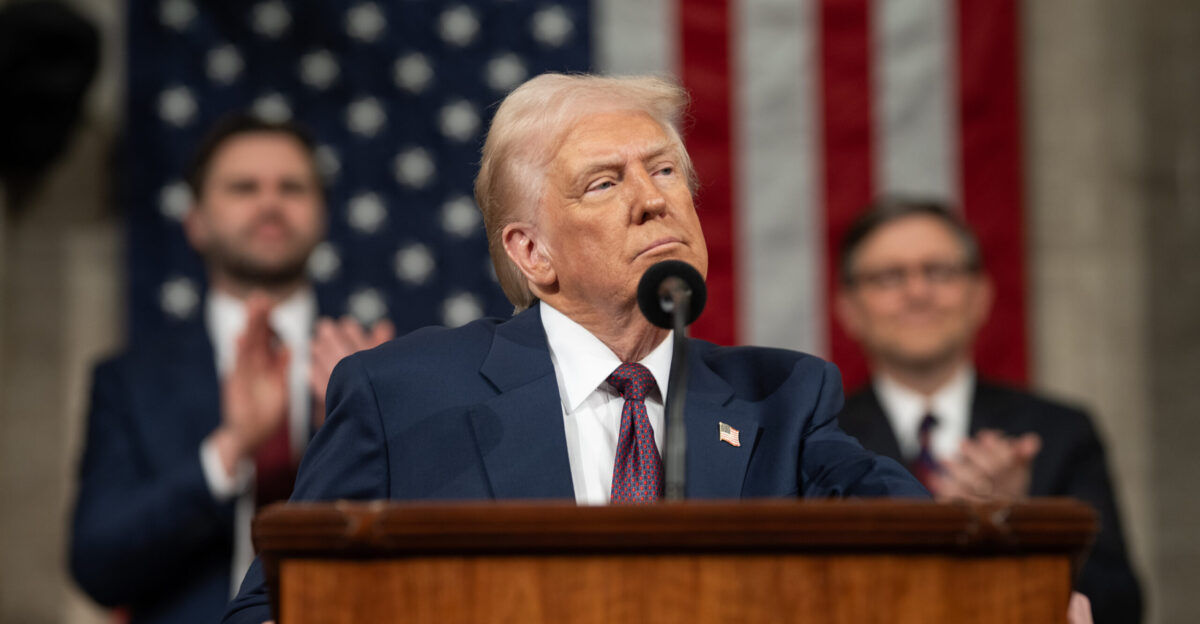
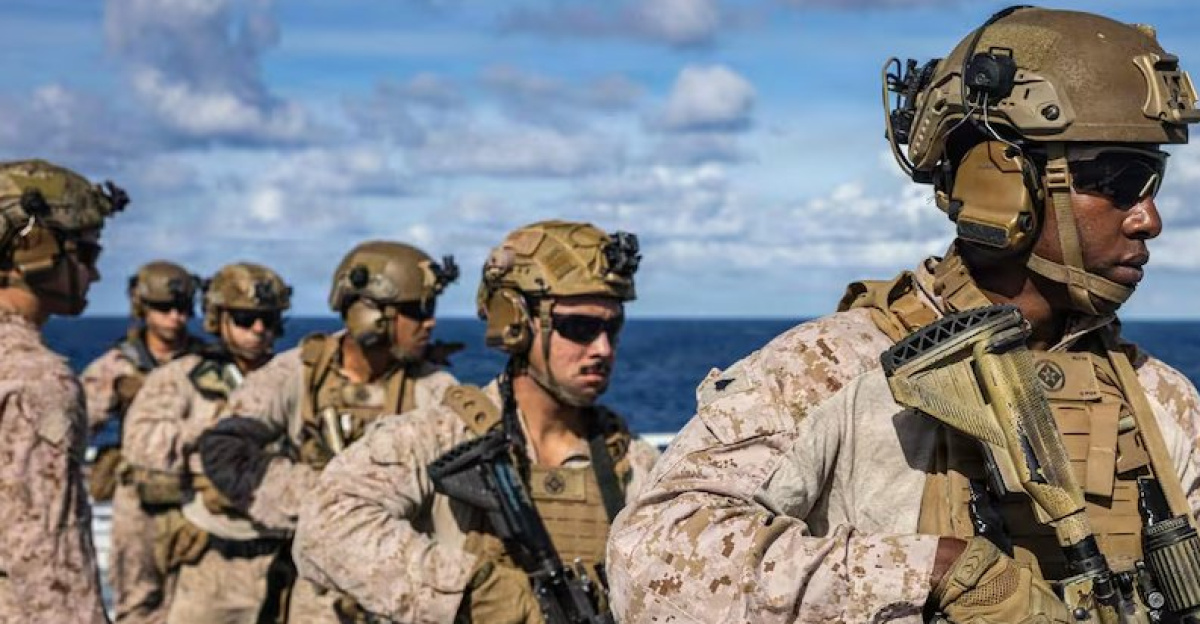
President Trump has signaled privately that he has “made up [his] mind” regarding next steps, though no details have been disclosed. U.S. forces—15,000 to 16,000 personnel including the 22nd Marine Expeditionary Unit—are positioned for continued maritime and air operations.
Analysts note, however, that these forces remain insufficient for a full-scale invasion. The coming months could bring limited strikes, sustained pressure, or potential negotiation, shaping regional stability into 2026.
Sources:
- Council on Foreign Relations (CFR): No direct Nov 2025 article found; related analyses appear in timelines from AP.
- Atlantic Council: General 2025 references; no specific 26 Mar or undated article with “Operation Southern Spear” confirmed.
- Firstpost: No 12 Nov 2025 article verified; coverage aligns with broader regional reports.
- Military.com/AP equivalents: “What U.S. Forces Face as Venezuela Puts Russian-Armed Militia on Alert” (Military.com, 19 Oct 2025); “A Timeline of the US Military’s Buildup Near Venezuela” (AP via USNews, 5 Dec 2025).