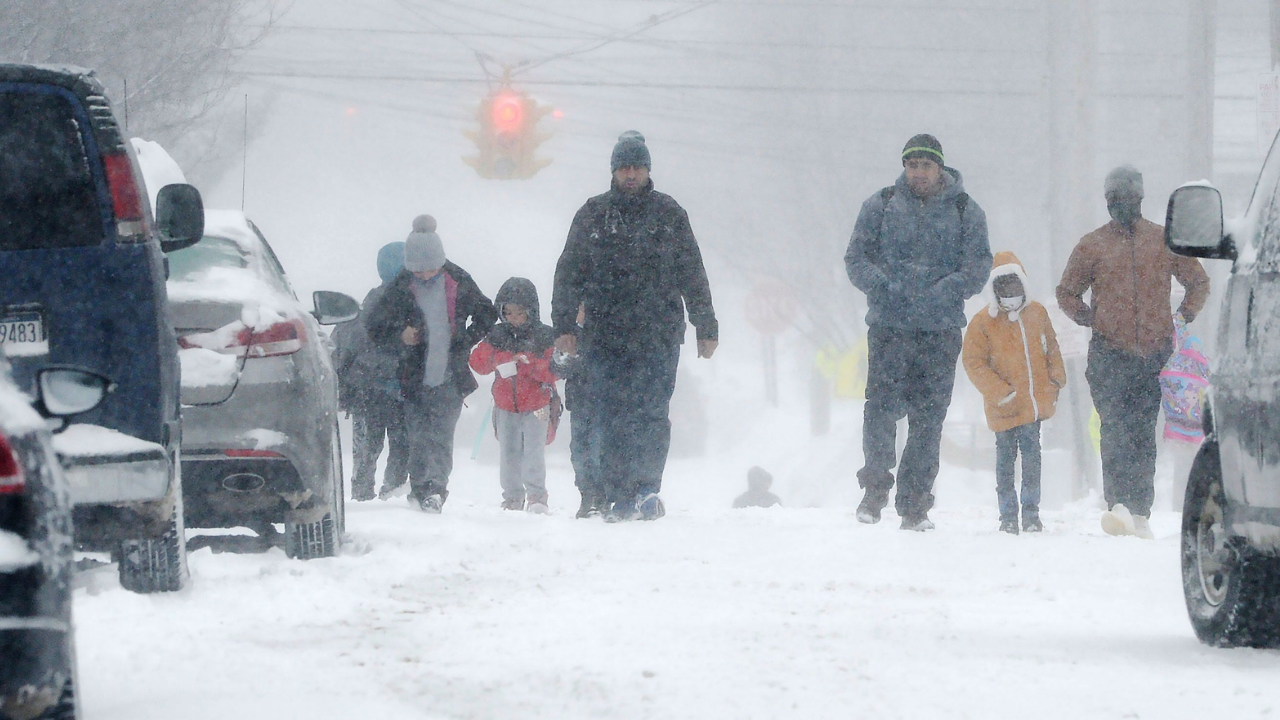
The first shock of Arctic air arrived before dawn Saturday, driving temperatures in the northern Plains down to about –45°F and triggering whiteout conditions on key highways. Emergency alerts lit up phones and televisions across 17 states, as cities from Minneapolis to Chicago scrambled to respond to a cold wave forecasters say could be among the most intense in decades. With the frigid air still pushing east and south, tens of millions are preparing for several days of life-threatening conditions, strained power systems, and widespread disruption to travel and commerce.
Arctic Air Locks In
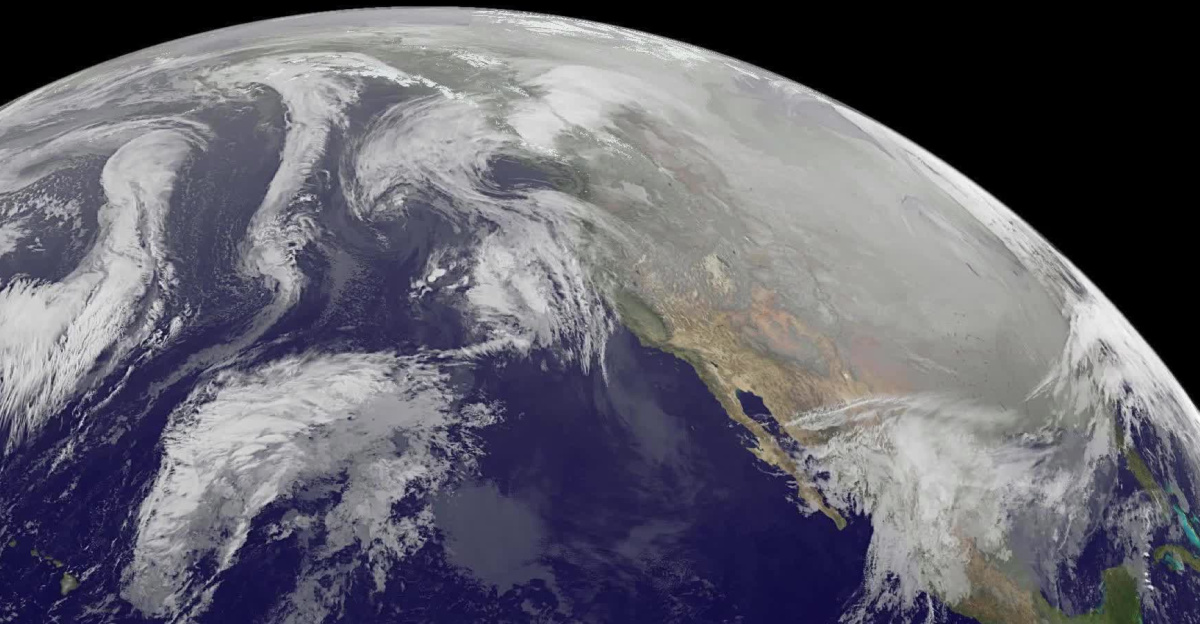
Meteorologists attribute the outbreak to a disruption in the polar vortex, the band of strong winds that usually keeps the coldest air locked over the Arctic. When that circulation weakens or shifts, frigid air can spill southward into North America. In this case, forecasters at the National Weather Service point to a strong high-pressure system over the Arctic and a deep trough in the jet stream over the continent, steering bitter air directly into the Midwest and Northeast.
This pattern is driving persistent, not just brief, cold. Many locations from the Dakotas through the Great Lakes and into the interior Northeast are expecting wind chills between –20°F and –45°F, creating conditions in which exposed skin can freeze in minutes. Authorities are warning residents to limit time outdoors, secure backup heat sources where possible, and prepare for the possibility that extreme conditions could linger beyond the weekend.
Power, Fuel, and Freight Under Stress
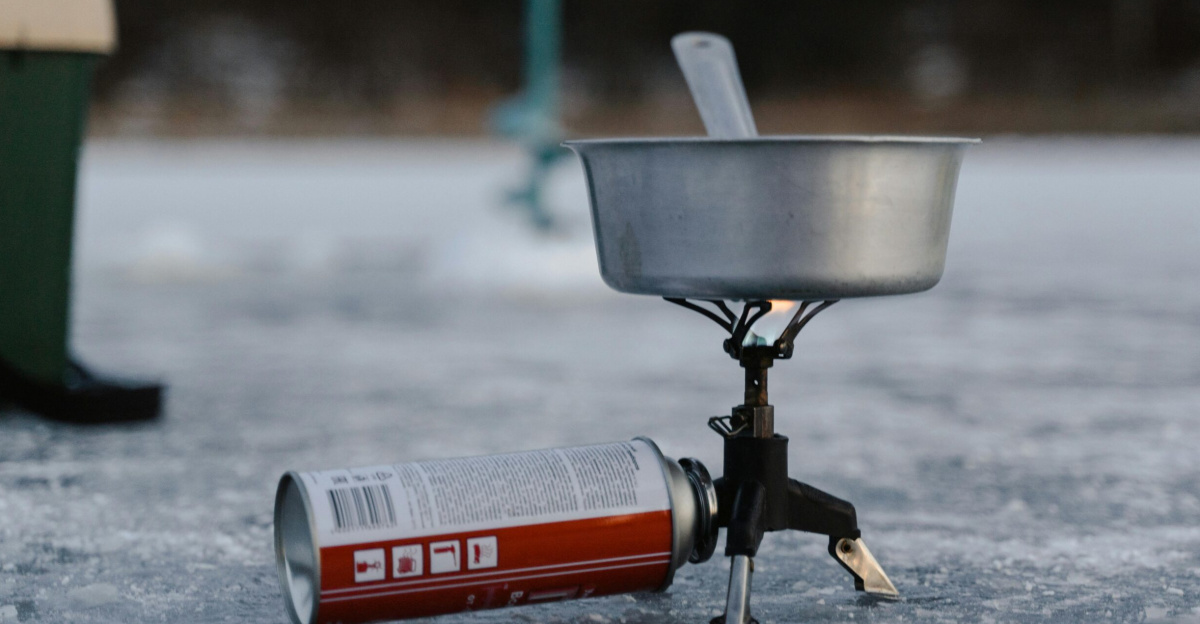
As temperatures plunge, heating demand is rising sharply across major population centers, putting regional power systems under pressure. Grid operators in areas such as PJM and MISO have issued cold-weather alerts and are preparing for the possibility of conservation measures to keep supply and demand in balance. In past severe outbreaks, similar conditions have tested the reliability of generation units, fuel delivery systems, and transmission lines just as households and businesses most needed heat.
Use of natural gas, heating oil, and propane is climbing quickly, and analysts expect short‑term increases in energy prices as furnaces, boilers, and heat pumps run near capacity. Federal energy assessments of previous Arctic blasts show that such surges can temporarily upset fuel markets and logistics. Energy traders are watching this episode closely, since cold snaps of this magnitude often drive volatility in natural gas and electricity prices, particularly in regions heavily dependent on heating demand.
The storm is also hampering freight movement. Snow squalls combined with subzero wind chills are disrupting major trucking corridors through North Dakota, Minnesota, Wisconsin, and neighboring states. The Federal Highway Administration warns that low visibility, drifting snow, and icy pavement will create hazardous driving conditions and likely delays. Any prolonged shutdowns on these routes could ripple through national supply chains, affecting delivery times and inventories far from the core of the cold.
Communities, Workers, and Health Risks
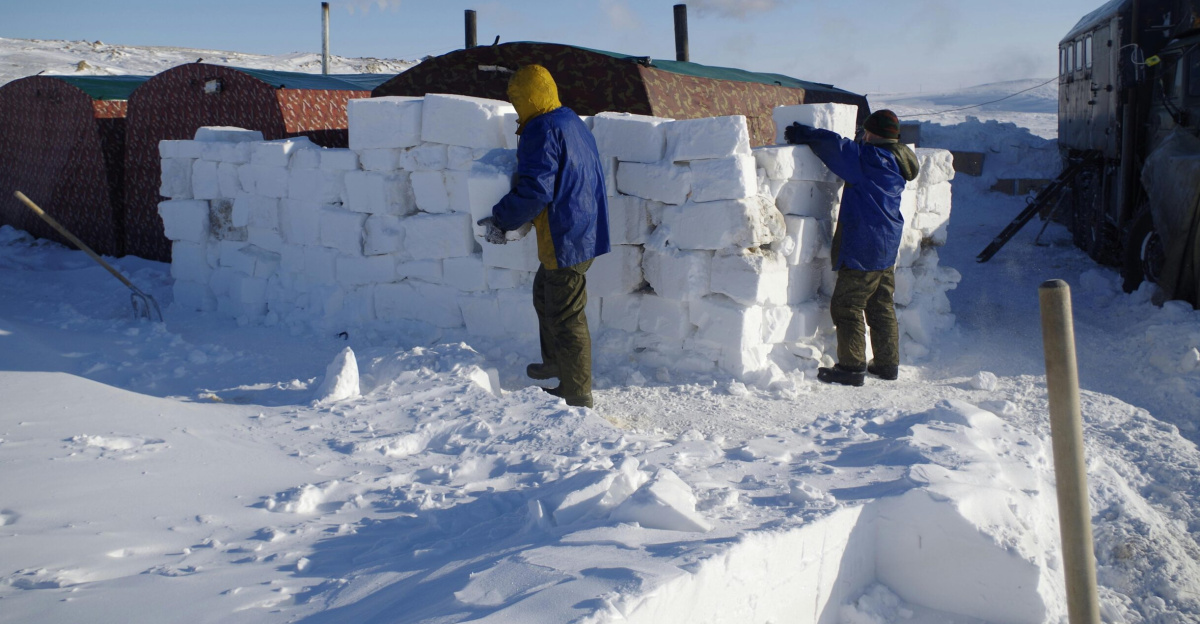
State and local officials across the affected region are activating emergency cold-weather plans. Warming centers are opening, some school districts are canceling or shifting classes, and public-works crews are preparing for continuous operations. Governors in states such as Minnesota and Illinois have taken similar steps during past severe cold waves, including emergency declarations, expanded shelter capacity, and coordination with utilities to prioritize critical services.
Outdoor workers face particular danger. Those in delivery services, construction, utilities, agriculture, and transportation will contend with wind chills that can drop to –45°F in some locations. The Occupational Safety and Health Administration urges employers to provide frequent warm-up breaks, insulated clothing, and training on recognizing signs of frostbite and hypothermia. Farmers in the northern tier states are working to protect livestock, stored crops, and winter wheat, following guidance from the U.S. Department of Agriculture that emphasizes shelter, adequate feed, and unfrozen water supplies during extended cold.
Hospitals and clinics are preparing for a rise in cold-related emergencies, including frostbite, hypothermia, and injuries from slips and falls on ice. Health officials, including the Centers for Disease Control and Prevention, advise residents to dress in multiple layers, cover exposed skin, avoid alcohol before going outdoors, and check regularly on older adults, people without stable housing, and others who may be especially vulnerable if heat or power fails.
Broader Economic and Climate Context
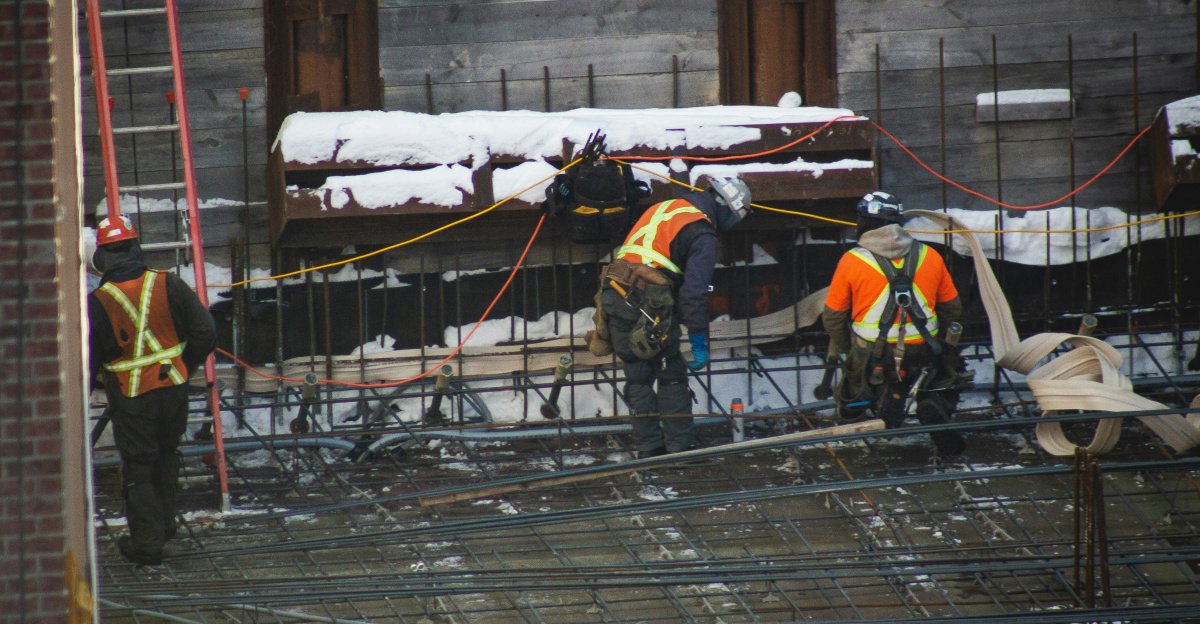
Economists expect the deep freeze to temporarily slow activity in sectors that depend on movement and outdoor work. Construction projects may be paused, transportation networks disrupted, and in-person shopping reduced as people stay home. Some retailers are adjusting by emphasizing winter essentials and expanding remote ordering and pickup options to meet demand while foot traffic declines. Travel and hospitality businesses, including airlines, hotels, and restaurants, are bracing for cancellations and reduced bookings as winter storms ground flights and make driving hazardous.
Not all businesses are losing ground. Energy firms, heating fuel distributors, and manufacturers of winter clothing and equipment are seeing an uptick in orders as households and companies respond to the cold. At the same time, the scale and recurrence of such Arctic intrusions remain the subject of scientific study. While a single event does not contradict the broader trend of global warming, some researchers, including climatologist Judah Cohen, are examining whether changes in Arctic snow cover and sea ice are affecting jet stream behavior and contributing to more frequent or intense cold outbreaks in mid‑latitudes.
The current blast is also spilling across the border into Canada, where cities from Winnipeg to Toronto are enduring similarly dangerous wind chills and transportation problems. On both sides of the border, authorities are urging residents to prepare by insulating pipes, checking heating systems, keeping several days’ worth of food and medications on hand, and planning for potential short‑term disruptions to power or travel.
Forecasters expect the coldest air to peak over the weekend before temperatures gradually moderate early next week. However, with the jet stream remaining active and the polar vortex still unsettled, additional cold waves later in the season remain possible. For now, officials and residents across the region are focused on getting through the coming days safely, even as governments, utilities, and businesses look ahead at what this event reveals about the resilience of energy systems, transportation networks, and communities facing increasingly volatile winter weather.
Sources:
National Weather Service Winter Weather Forecasts and Arctic Blast Briefings; NOAA Climate Prediction Center Winter 2025-26 Outlook
NERC Winter Reliability Assessment 2025-2026; EIA Natural Gas Market Outlook Winter 2025-26
CDC Cold Weather Safety Guidance; National Weather Service Extreme Cold Exposure Guidelines
USDA Cold Weather Livestock Care Guidelines; FHWA Winter Road Safety Standards; U.S. Travel Industry Winter Disruption Reports