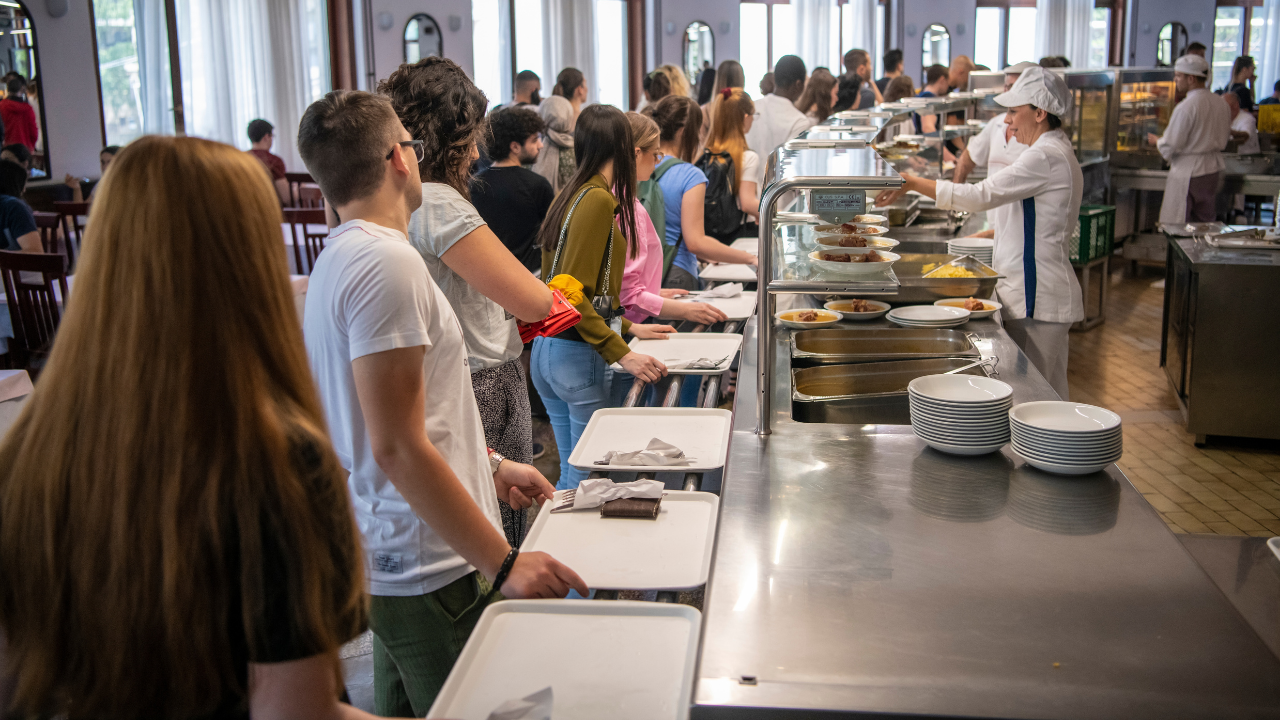
The doors of a beloved Southern chain were locked on December 1, 2025, with no warning. Customers, eager for one last taste of comfort food they had enjoyed for decades, found only a hastily posted notice and a message on social media: the restaurant had closed permanently. The announcement, shared just hours before the evening rush, left both patrons and employees stunned. What happened in those final hours to bring this 88-year-old institution to a sudden end? And what does it mean for the generations of families who considered it their gathering place?
This sudden closure marks the end of an era.
Sudden Silence

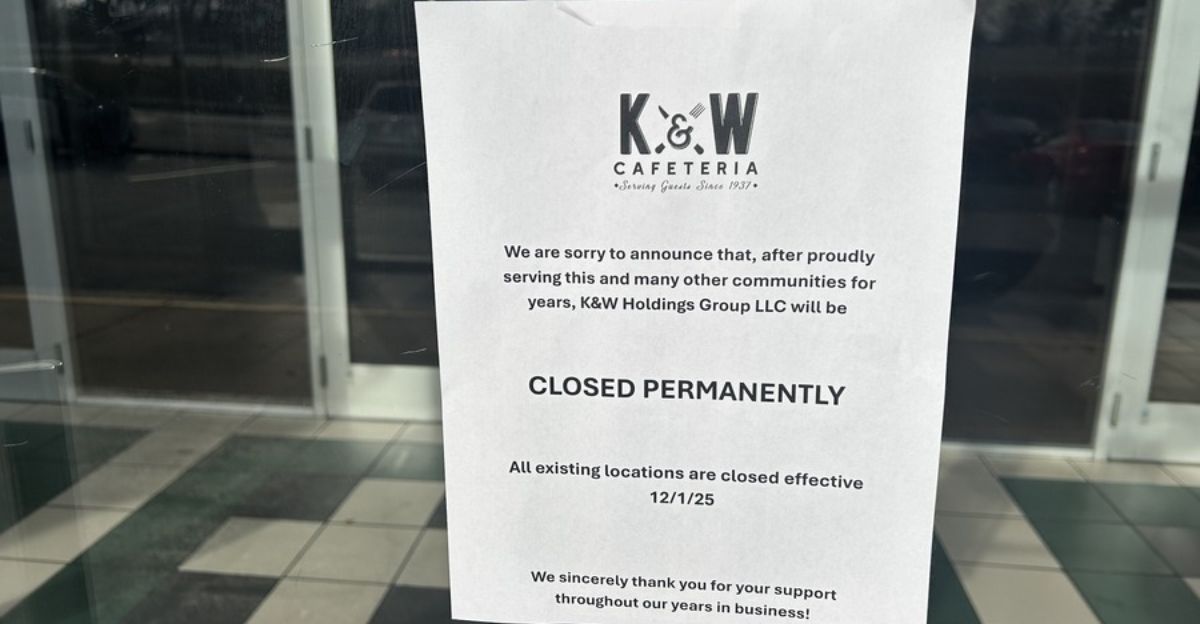
On December 1, 2025, a beloved cafeteria chain made an unexpected announcement on Facebook: all nine locations were closed permanently, effective immediately.
The message thanked loyal customers but offered no specific reason for the closure, leaving many surprised and saddened. The sudden shutdown happened just hours before the evening dinner rush and weeks before the holiday season, leaving both employees and patrons blindsided.
Southern Roots
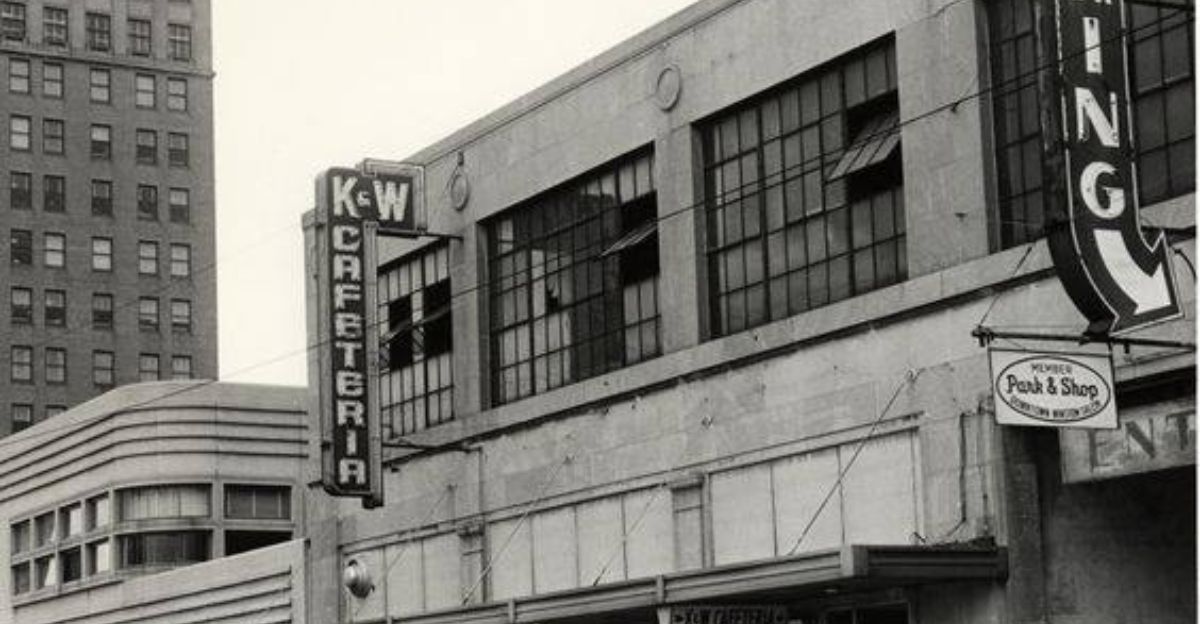
Founded in Winston-Salem, North Carolina, in 1937, this cafeteria chain offered affordable, home-style Southern dining. Over the years, it grew into a regional institution, with locations across the Southeast.
The cafeteria became a gathering place for families on Sundays, serving classic dishes such as fried chicken, roast beef, and homemade desserts. Its Southern identity made it a staple in the local community, serving millions of families across generations.
Years of Strain
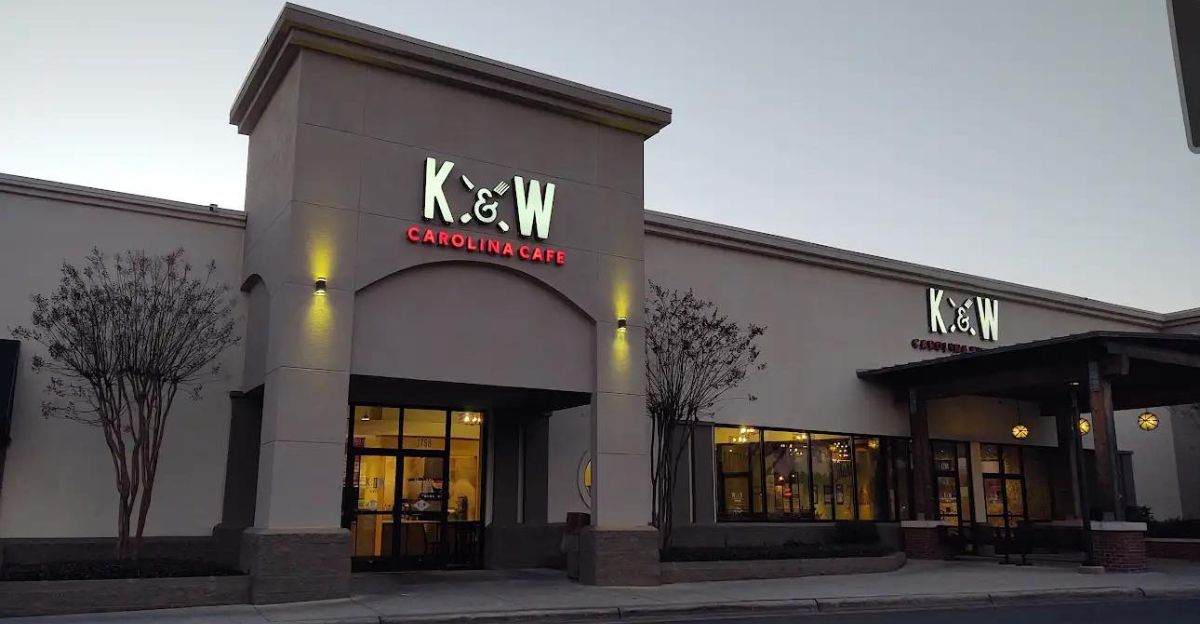
Even before its closure, the chain had been facing financial challenges. The shift in consumer dining habits, combined with the effects of the COVID-19 pandemic, took a toll on the business.
The chain filed for Chapter 11 bankruptcy in September 2020, closing several locations in the process. Despite efforts to recover, sales declined significantly over recent years, forcing the company to scale back its footprint and close many of its branches.
Final Shutdown
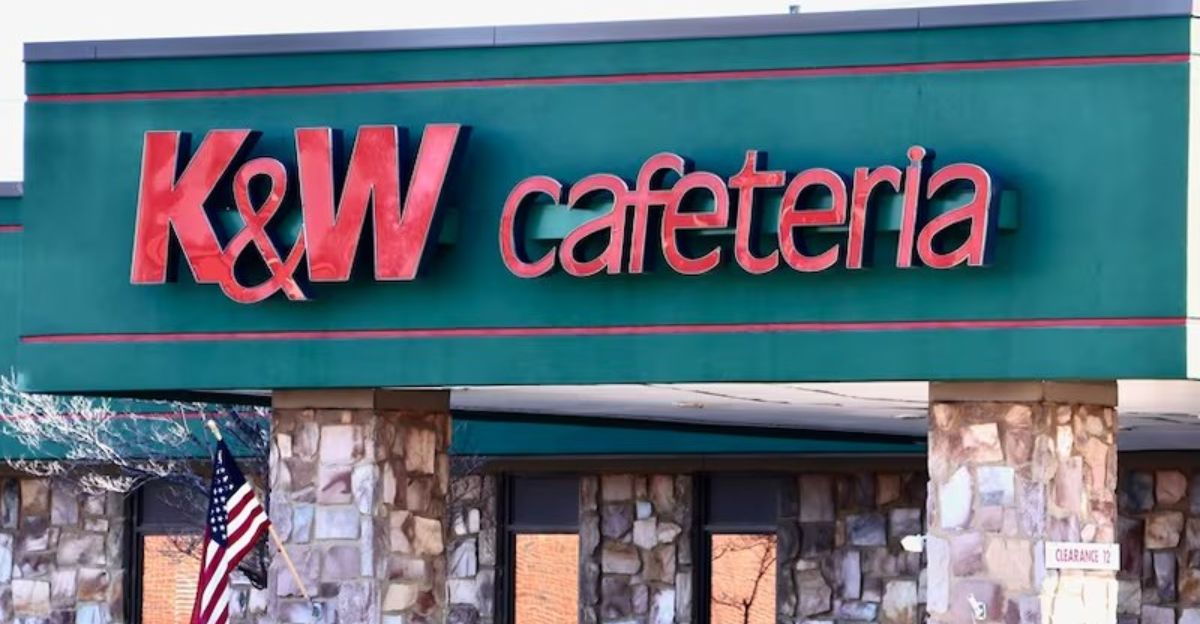
On December 1, 2025, K&W Cafeteria confirmed that it had closed all of its remaining locations permanently. Nine cafeterias—eight in North Carolina and one in Virginia—ceased operations, marking the end of an 88-year history.
The company’s announcement was brief, stating that the closure was final and that there would be no reopening in the future. The abrupt end left many long-time customers and employees in disbelief.
Regional Void
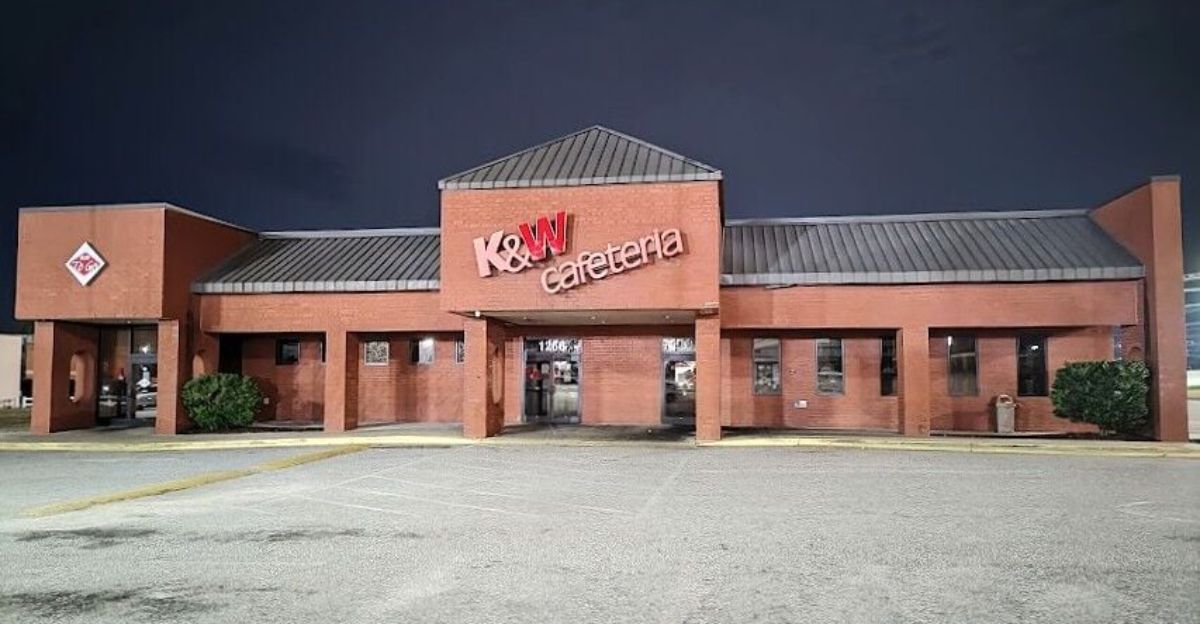
The closure of K&W’s last nine locations had a significant impact on local communities, particularly in North Carolina. Cities like Greensboro, Winston-Salem, and Burlington lost a staple dining option.
For many, K&W was more than just a restaurant; it was a part of daily life, offering a familiar, comforting experience. In Virginia, the lone remaining cafeteria’s closure marked the end of the chain’s presence in the state, affecting hundreds of loyal customers.
Personal Loss
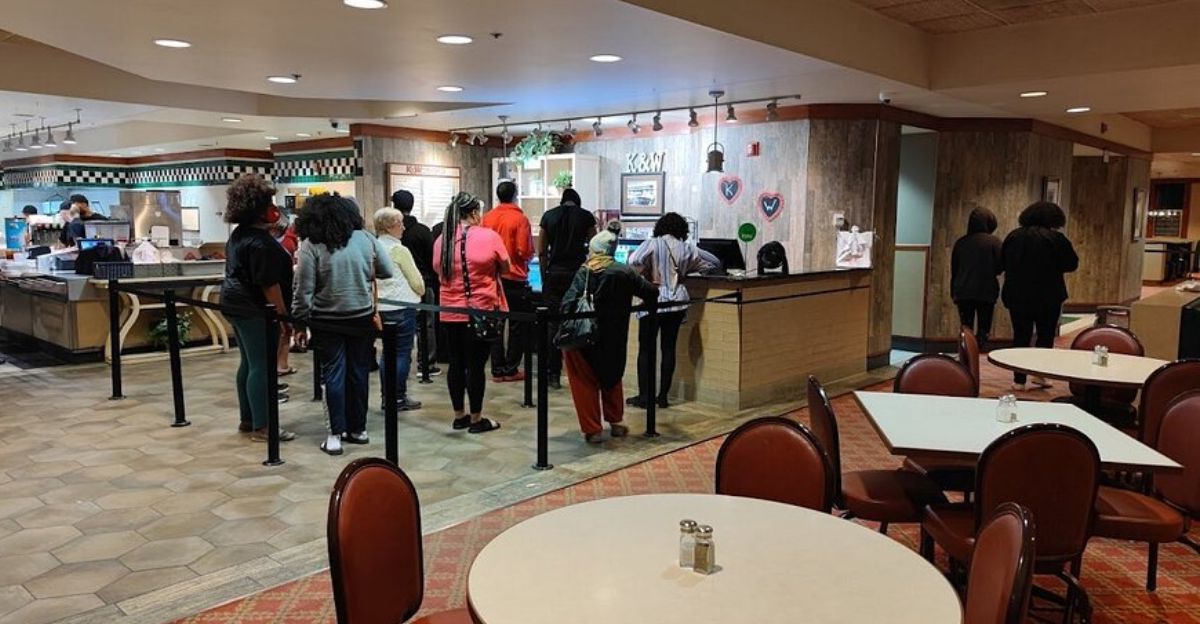
The closure of K&W Cafeteria felt like a personal loss to many long-time diners. Some shared their memories on social media, recalling decades of visits to the restaurant. One customer from Charlotte reminisced about visiting K&W after every Thanksgiving parade with her family, writing: “Thank you for all the memories and I need the recipe to the chocolate pudding!”
Others reminisced about holiday meals and family gatherings, emphasizing how K&W had been part of their lives for generations. The sudden closure left many people heartbroken and nostalgic for the meals and memories they had made there.
Industry Headwinds
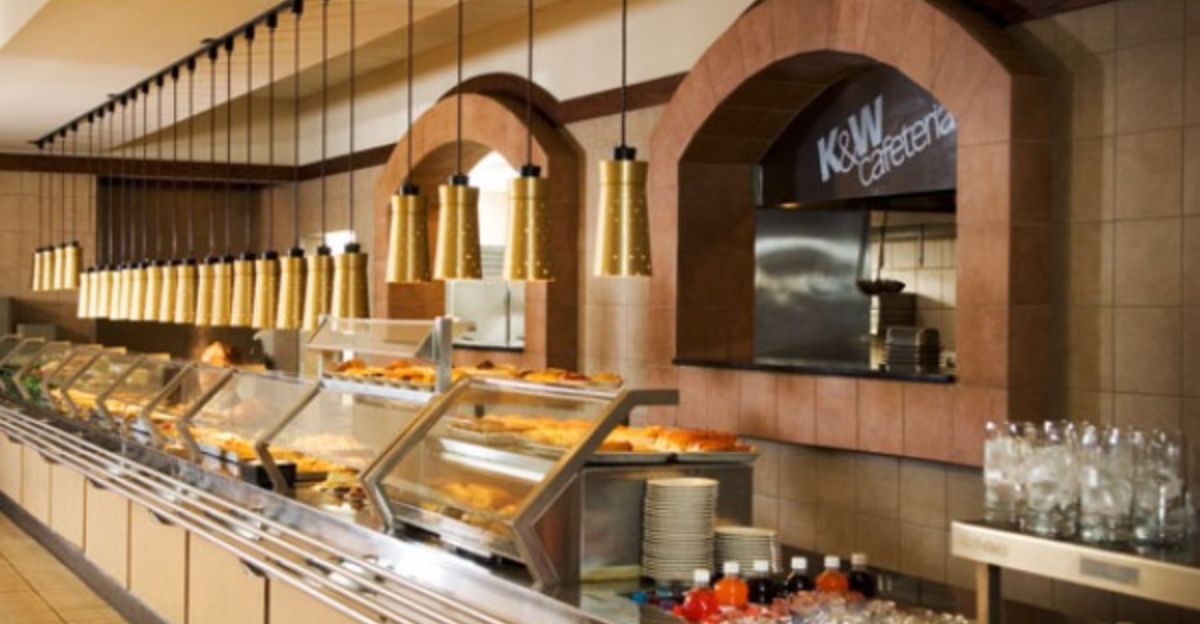
K&W’s closure is part of a broader trend in the restaurant industry. Cafeteria-style dining, once a popular choice, has struggled in recent years. The shift towards fast-casual dining, takeout, and delivery services has left traditional family dining models, like K&W, struggling to compete.
The pandemic accelerated these changes, as in-person dining became less appealing to customers. As a result, many cafeteria chains, including K&W, faced declining sales and increased operating costs, leading to their eventual closure.
Numbers Tell a Story
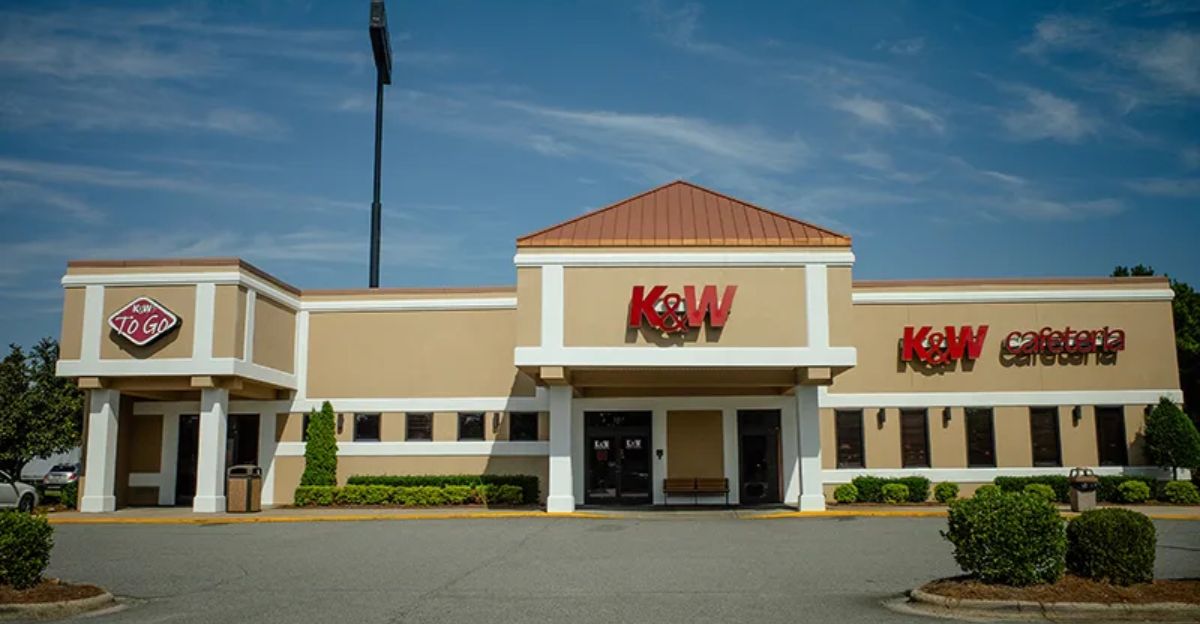
Industry data paints a clear picture of K&W’s decline. At its peak, the chain operated 28 locations by 2020 before the pandemic and initial bankruptcy filing. The company had emerged from bankruptcy in September 2021 with a reduced footprint.
By August 2022, the chain was acquired by Falcon Holdings, which also owns the Piccadilly restaurant chain. At the time of its closure on December 1, 2025, K&W operated nine locations with significantly reduced revenue compared to earlier decades.
Jobs Vanish
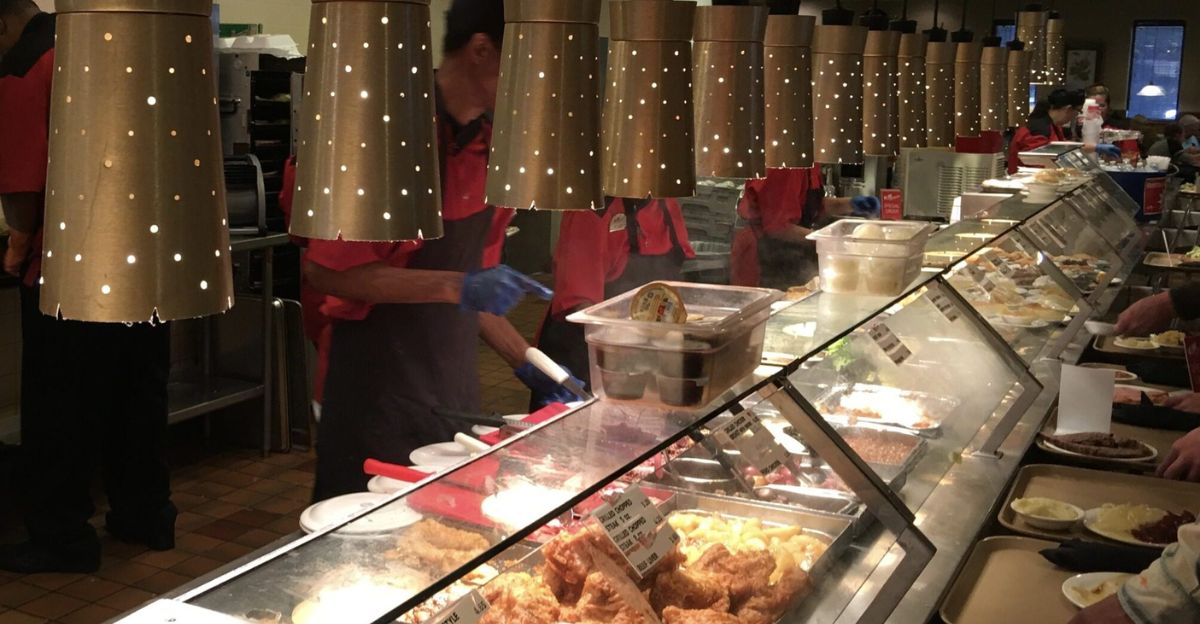
The sudden closure left hundreds of employees without jobs. K&W’s nine locations employed a large number of staff, from front-of-house workers to kitchen crews. A former employee reported that more than 300 K&W workers were left jobless. Local reports indicate that many workers learned of the shutdown the same day as customers, with no advance notice.
The lack of support for laid-off employees added to the frustration and confusion, as many had devoted years of service to the company.
Inside the Break
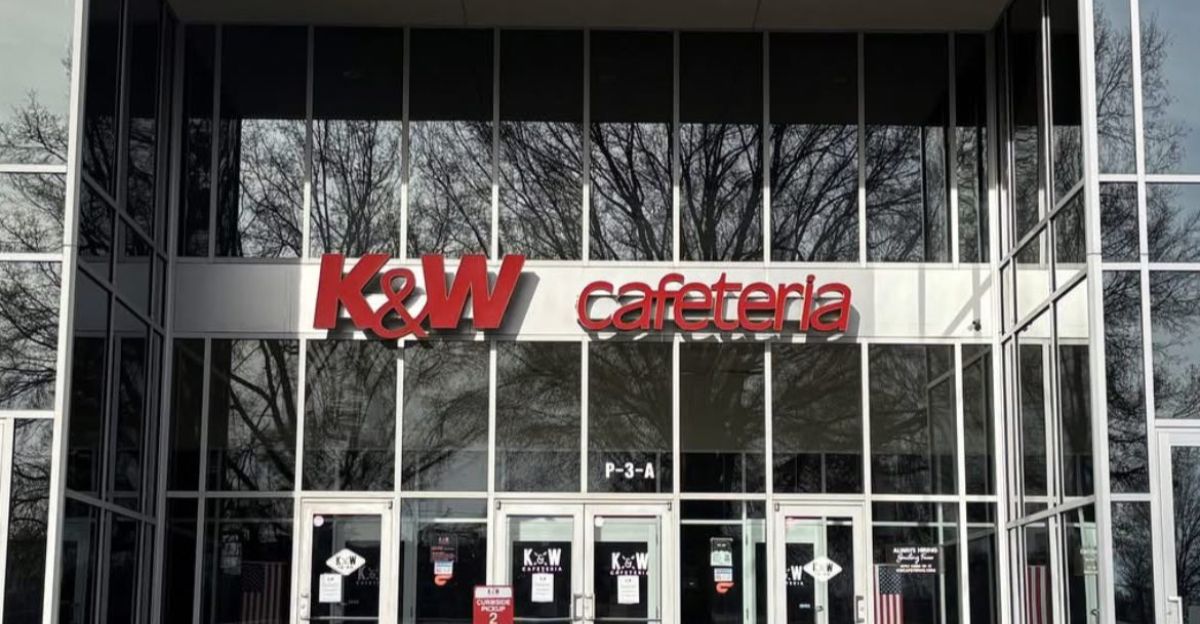
K&W’s official explanation for the closure was brief and lacked details. In a statement to FOX8 WGHP, the company noted that “like many restaurant companies across the country, we have struggled to navigate an extremely challenging operating environment.”
The lack of transparency and advance warning fueled anger among both employees and regular customers, who had supported the company for decades. The closure felt like a sudden break rather than a well-prepared decision, leaving many wondering what could have been done differently.
Nearly Nine Decades
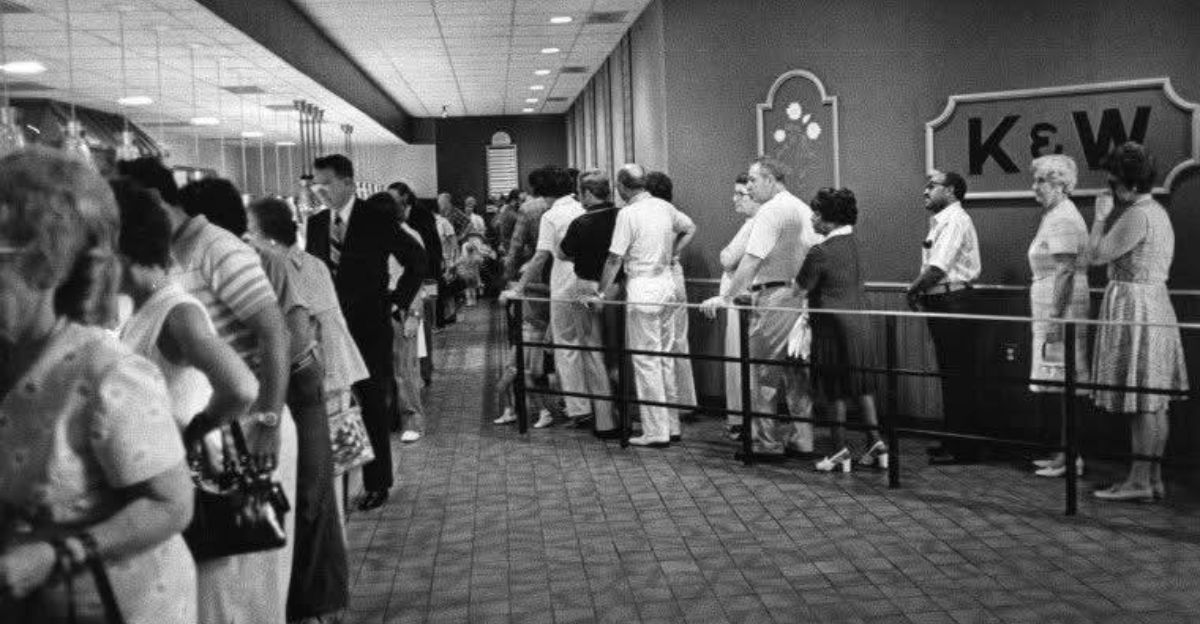
After 88 years of serving families, K&W Cafeteria’s closure marks the end of an era. The chain’s history was rich with stories of loyal customers, multi-generational traditions, and community events.
From its early days in Winston-Salem to its expansion across the Southeast, K&W became an integral part of Southern dining culture. Its closure on December 1, 2025, symbolizes the end of a once-popular dining model and a generational shift in how people eat.
Attempted Turnarounds
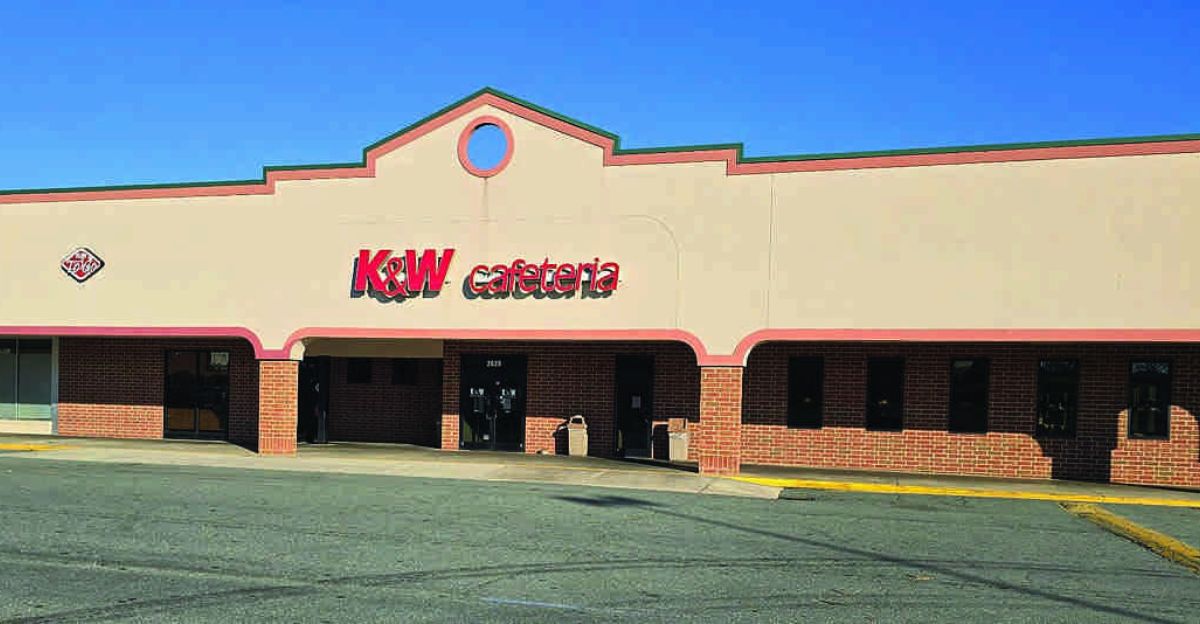
In the wake of its September 2020 bankruptcy filing, K&W attempted to rebuild by reducing locations from 18 to 14 and employees from 1,035 to 834. The company emerged from bankruptcy in September 2021 and was subsequently acquired by Falcon Holdings in August 2022.
Despite this financial restructuring and new ownership, the chain struggled with persistent industry headwinds. By December 2025, K&W closed its doors for good. This failure highlights the challenges traditional dining models face in a rapidly changing market.
Experts Unsure
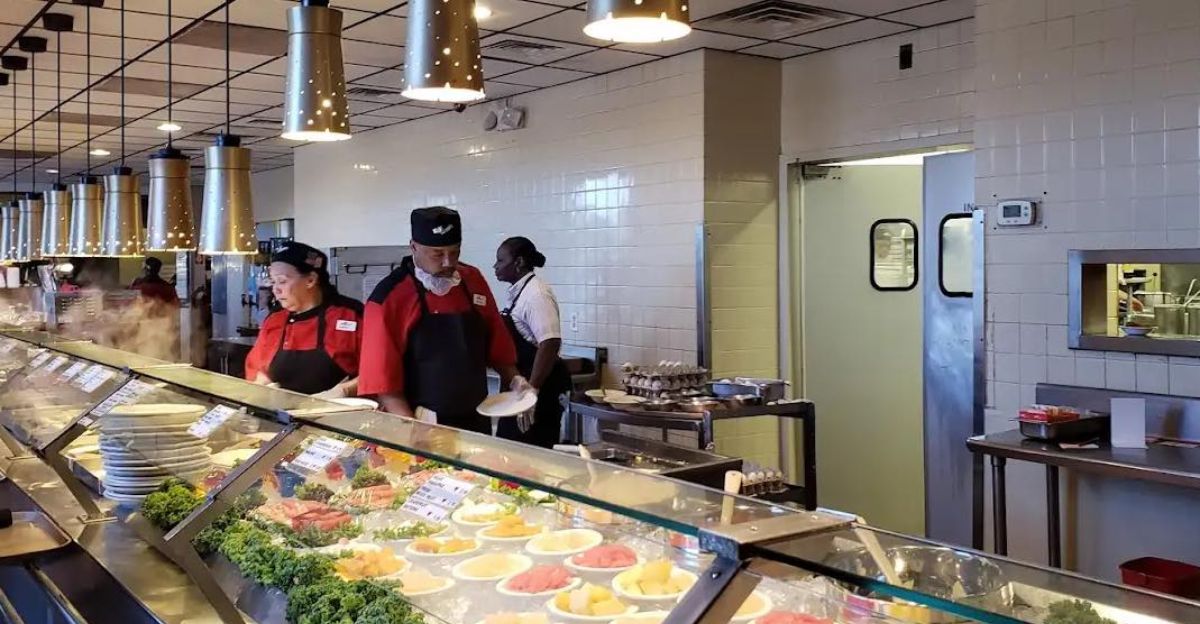
Restaurant analysts have struggled to pinpoint the exact reasons for K&W’s collapse. Some suggest that the cafeteria-style model, reliant on large dining rooms and in-person service, became outdated in an era of takeout and delivery. Others argue that K&W’s failure to adapt to modern dining trends, such as digital ordering and catering, contributed to its downfall. Without a post-mortem analysis, the exact cause remains unclear, but the chain’s demise raises questions about the future of traditional family-style restaurants.
What Fills the Gap?
As K&W Cafeteria closes its doors, the question remains: what will replace the Southern cafeteria model? While national chains and local diners may fill some of the void, they won’t replicate the unique communal experience that K&W offered.
As dining habits continue to evolve, it’s unclear whether there’s room for slow, sit-down dining formats in an increasingly fast-paced, app-driven restaurant world. The closure of K&W signals the end of an era, leaving a gap in the Southern dining landscape.
Sources:
Business Insider K&W Cafeteria closure report (Dec. 2, 2025)
The Independent K&W Cafeterias closure report (Dec. 1, 2025)
Economic Times K&W Cafeteria immediate shutdown report
Restaurant Business bankruptcy coverage (Sept. 2020)