Netflix is breaking its own rules. For 20 years, Netflix built original shows and technology—not bought old companies. But on December 5, 2025, Netflix announced a deal to buy Warner Bros. Discovery’s studios, HBO Max, and streaming business for $82.7 billion.
This is the biggest streaming deal ever. Each Warner Bros. Discovery shareholder will receive $27.75 per share, representing a 121% increase over the stock price prior to the deal. Netflix co-CEO Ted Sarandos said, “This is an exceptional chance to fulfill our mission to entertain audiences globally.” Regulators immediately raised concerns.
The Competitive Bidding War
Netflix beat other bidders. CEO David Ellison’s Paramount Skydance offered $30 per share in cash, a higher price per share than Netflix. Comcast also bid. But Netflix won. Netflix offered $23.25 cash plus $4.50 Netflix stock per share ($27.75 total).
The deal values the company at $72 billion in equity, or $82.7 billion including debt. Netflix’s bid won because it combined cash and stock, and aligned with the world’s largest streaming company. The bidding process highlighted the importance of owning content libraries and studios for streaming success.
Hollywood’s Generational Shift
Why is Netflix buying Warner Bros. Discovery now? The company was formed in 2022 through the merger of WarnerMedia and Discovery Inc. It owns famous studios—Warner Bros., New Line Cinema, DC Studios—and cable channels (CNN, HGTV, TLC, TNT, Food Network, Cartoon Network). HBO Max has about 50 million U.S. subscribers and 117-122 million globally as of early 2025.
Cable TV viewership is falling. Streaming is taking over. Warner Bros. Discovery CEO David Zaslav stated that the sale marks a “generational change in how stories are financed, produced, and discovered.” Cable is now a liability.
The Cable Networks Collapse
Cable networks built Warner Bros. Discovery’s value. CNN started 24-hour news. TNT Sports aired NBA games for decades. HGTV and Food Network dominated lifestyle channels. But by 2024-2025, cable faced a crisis. Young people abandoned cable for streaming. Ad revenue fell.
Most damaging: TNT Sports lost NBA rights in July 2024 to a separate $76 billion, 11-year deal. NBC, Amazon Prime Video, and ESPN/Disney now show NBA games. This loss crushed TNT’s audience. Warner Bros. Discovery’s board had to choose between investing heavily in cable digital transformation or separating the cable business and focusing on streaming.
The Spinoff Catalyst
Here is the key fact: Warner Bros. Discovery is splitting into two companies. On June 8-9, 2025—months before Netflix’s offer—Warner Bros. Discovery announced it would separate cable networks into a new company called Discovery Global. Netflix’s deal depends on this spinoff.
Netflix is not buying CNN, HGTV, TLC, TNT, Food Network, Cartoon Network, TNT Sports, or Discovery Channel. Netflix is acquiring only Warner Bros. Studios (including Warner Bros., New Line Cinema, and DC Studios), HBO Max, and HBO. The 12 cable networks stay separate under Discovery Global. The spinoff closes in Q3 2026. The Netflix deal closes after that.
What Netflix Gets (And Doesn’t Get)
Netflix acquires Warner Bros.’ top assets, including Harry Potter, The Matrix, The Wizard of Oz, DC Comics films, and the Dune franchise. It offers HBO Max shows, including Game of Thrones, Succession, True Detective, Mare of Easttown, The Last of Us, and The White Lotus. This gets HBO’s prestige brand and ad-supported streaming tier.
It gets Warner Bros. animation studio (but not the Cartoon Network cable channel—that goes to Discovery Global). Warner Bros. Discovery had 128 million global subscribers as of September 30, 2024. Netflix has 300 million. Together: roughly 450 million users. But CNN, HGTV, Food Network, and Cartoon Network stay separate from Discovery Global.
The Deal Structure and Financing
Netflix is paying with cash and stock. Each Warner Bros. Discovery shareholder gets $23.25 cash plus $4.50 Netflix stock per share ($27.75 total). Netflix’s stock price can move between $97.91 and $119.67. If it falls outside that range, the number of shares changes to maintain the same value.
Total deal value: $82.7 billion, including Warner Bros. Discovery’s $10.7 billion in debt. Equity value: $72 billion. Netflix pays $5.8 billion if regulators block the deal. Warner Bros. Discovery pays Netflix $2.8 billion if it walks away. Deal closes in 12-18 months, by March 4, 2027 (or September 4, 2027 if regulators need more time).
Trump’s Antitrust Warning
The deal faces its biggest obstacle: Trump’s administration. On Sunday, December 8, 2025—three days after the announcement—Trump told reporters at the Kennedy Center that Netflix’s deal “could be a problem.” Netflix already has “very big market share,” Trump said, and this deal pushes it “up a lot.”
Trump added: “I’ll be involved in that decision, too.” Trump met with Netflix co-CEO Ted Sarandos at the White House on November 24, 2025, to discuss the deal. A senior Trump official told CNBC the administration has “heavy skepticism.” Senator Elizabeth Warren (D-Massachusetts) called it “an anti-monopoly nightmare.”
Opposition from Hollywood’s Power Base
Hollywood itself opposes the deal. The Writers Guild of America released a statement stating that the merger “must be blocked.” They warn it will cut jobs, lower wages, and shrink content diversity. The Directors Guild said it has “significant concerns.”
The Producers Guild raised alarms about creative talent and competition. Cinema United (movie theaters) called Netflix’s deal “an unprecedented threat” to theatrical releases. They fear Netflix will skip theaters or limit release windows. Director Christopher Nolan, who has just become the president of the Directors Guild, has criticized Netflix for avoiding theatrical releases or limiting them to short windows.
Paramount’s Hostile Counterattack

Three days after Netflix’s deal, Paramount Skydance launched a surprise. CEO David Ellison announced a hostile tender offer: $30 per share in all cash. This values the entire company at $108.4 billion—roughly $26 billion more than Netflix’s offer for just studios and HBO Max.
Paramount’s bid is backed by Affinity Partners (led by Jared Kushner) plus sovereign wealth funds from Saudi Arabia, Abu Dhabi, and Qatar. Paramount wants Netflix’s streaming assets AND the cable networks going to Discovery Global. Paramount argues Netflix faces “protracted regulatory clearance with uncertain outcome.” Paramount’s all-cash offer is simpler with fewer antitrust red flags. Tender offer deadline: January 8, 2026.
Netflix’s Confidence vs. Regulatory Risk
Netflix’s leaders stay confident. Co-CEO Ted Sarandos told investors he is “super-confident” about getting regulatory approval. He calls the deal “pro-consumer, pro-innovation, pro-worker, pro-creator, pro-growth.”
Netflix cites YouTube and TikTok as evidence that the streaming market is larger than people think. If regulators count those platforms, Netflix’s market share drops below monopoly thresholds. Netflix promises to keep HBO Max separate (for now) and release Warner Bros. films in theaters, though with shorter windows. However, the math is challenging: Netflix and Warner Bros.
Discovery combined would control approximately 43% of the global streaming subscriber base. Regulators often scrutinize deals above 30%. Polymarket (a prediction market) shows just 23% odds that the deal closes by the end of 2026 after Trump’s warning.
The Cost-Cutting Promise
Netflix projects it will save $2-3 billion per year by year 3 from consolidating studios, cutting duplicate corporate jobs, and optimizing distribution. Netflix expects the deal to boost earnings per share by year 2—a strong message to Wall Street. However, the Writers Guild and unions view this as a code for layoffs. The industry was impacted by the 2023 writers’ and actors’ strikes.
Paramount counters that it could save $6 billion through “technology, optimizing networks, and cutting real estate reduction”—a larger target that also raises labor concerns. Netflix’s promise to create and protect jobs faces skepticism in an industry already consolidating rapidly.
Regulatory Hurdles at Home and Abroad
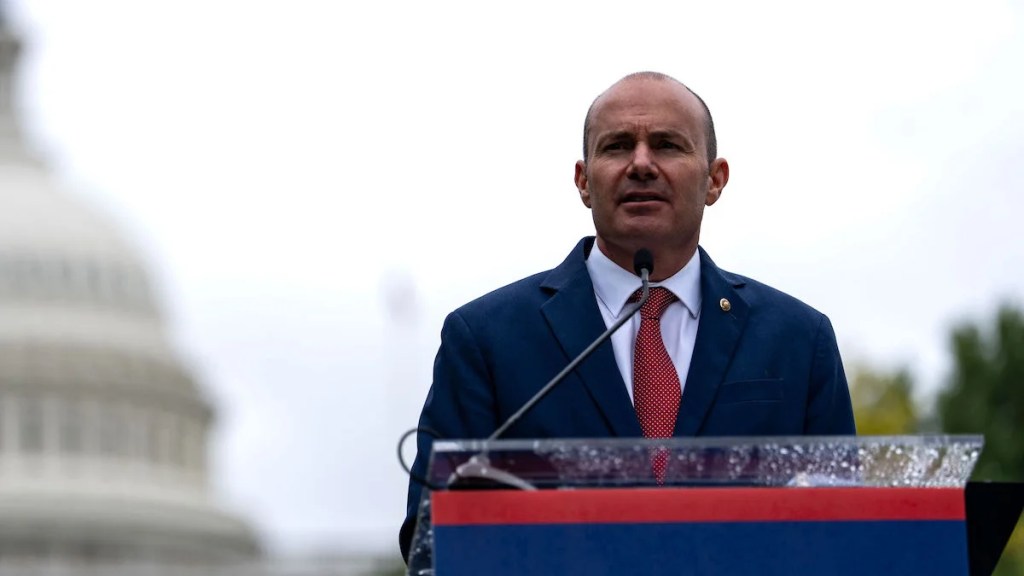
The U.S. Department of Justice’s Antitrust Division will lead the American review. Senator Mike Lee (R-Utah), chair of the Senate Judiciary Subcommittee on Antitrust, announced he will hold a hearing. He cited “a lot of antitrust red flags.” Trump’s role is unclear: he signaled skepticism but has not explicitly opposed the deal. International regulators pose equal challenges.
The European Commission plans an intensive review. The United Kingdom, through House of Lords member Baroness Luciana Berger, is scrutinizing the deal. Paramount warned in a letter to Warner Bros. Discovery’s board that Netflix’s deal will face major regulatory obstacles. Netflix has until March 4, 2027 (with an extension to September 4, 2027 if needed)—roughly 15 months—to obtain approval.
The WBD Shareholder Dilemma
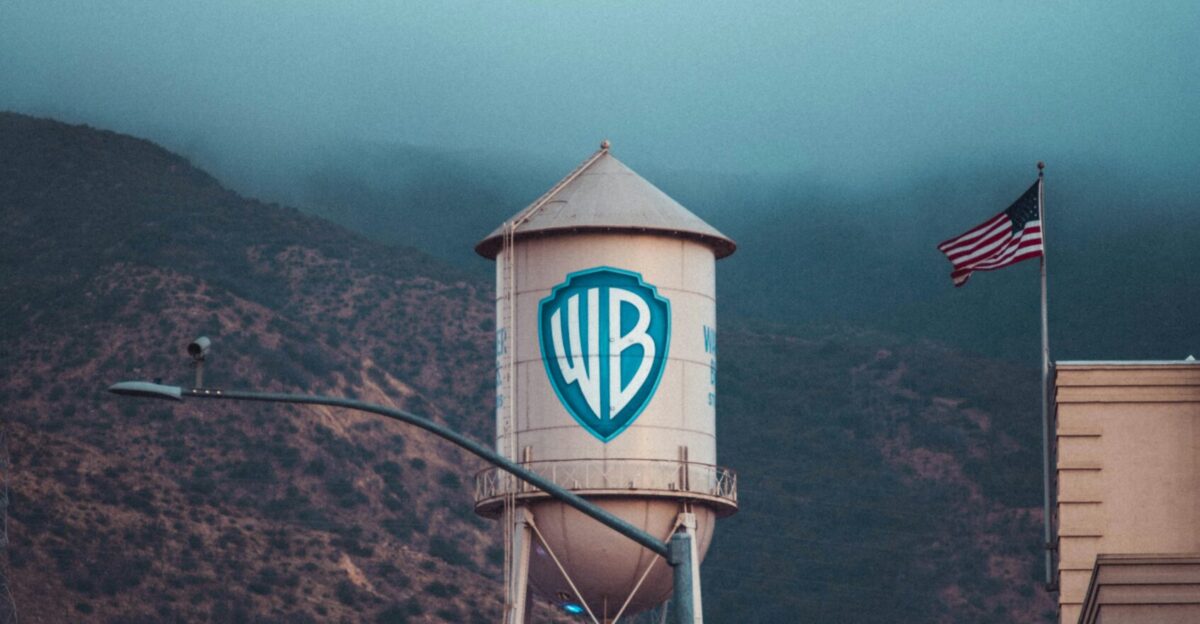
Warner Bros. Discovery shareholders face a tough choice. Netflix offers $27.75 per share. Paramount offers $30 per share. Netflix’s deal has the board’s backing and is negotiated. Paramount’s bid is unsolicited. The board plans to recommend Netflix to shareholders. The vote is expected in early 2026. But Paramount’s offer is all cash—no stock price risk.
Netflix’s offer includes stock. If Netflix’s stock price drops before the close, shareholders receive less. Both deals face regulatory uncertainty. Paramount’s all-cash offer has fewer antitrust red flags. Netflix has stronger relationships with regulators and politicians. Shareholders must weigh price, certainty, and risk. The outcome is genuinely uncertain.
What Happens to Cable?
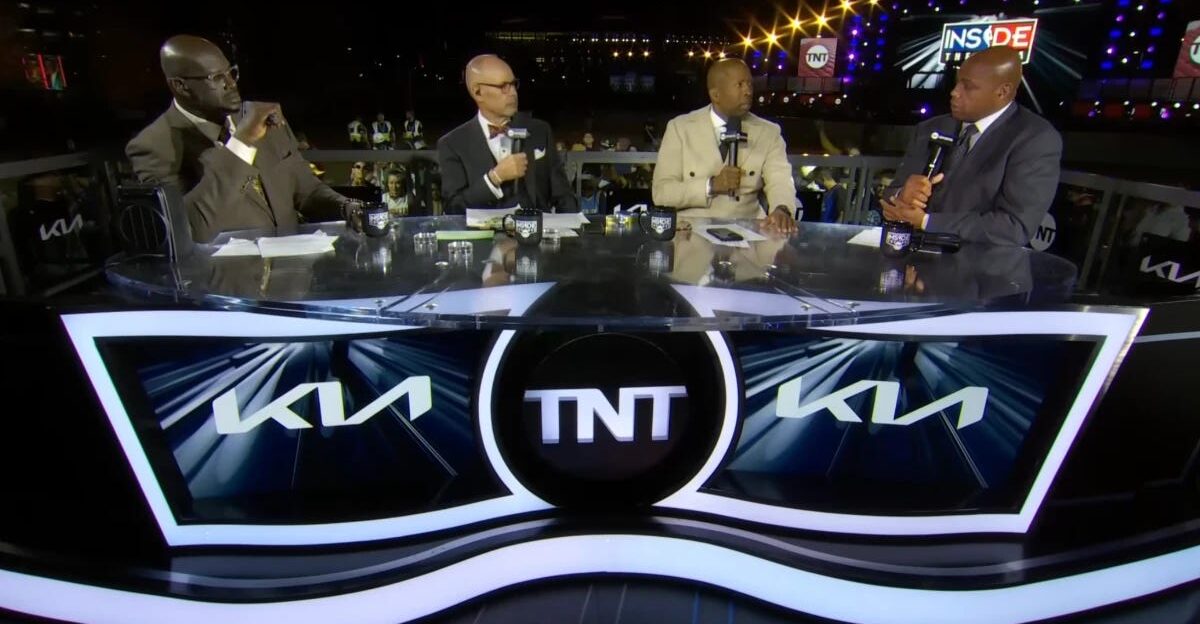
The biggest unresolved question: What happens to Discovery Global? This new company will house CNN, HGTV, Food Network, TLC, TNT, Cartoon Network, TNT Sports, and seven other networks. Even if Netflix closes its deal, Discovery Global becomes a separate public company facing existential challenges.
Cable viewership keeps declining. Ad revenue is under pressure. The NBA’s departure from TNT Sports removed a guaranteed prime-time audience. CNN CEO Mark Thompson is driving digital transformation. CNN launched a subscription news service. Discovery Global approved a 2026 budget for digital investment.
However, analysts doubt that Discovery Global can survive in the long term alone. Some think Paramount might pursue Discovery Global later if it loses the Netflix bid. Cable is a legacy business in structural decline. Netflix’s separation allows Netflix to focus on streaming, while Discovery Global faces the future of cable. The real story may not be who wins Warner Bros., but what happens to the networks left behind.
Sources:
Reuters, December 5, 2025
PBS NewsHour, December 9, 2025
Netflix official announcement, December 5, 2025
CNBC, December 5, 2025
TheWrap, December 10, 2025
Deadline, December 8, 2025