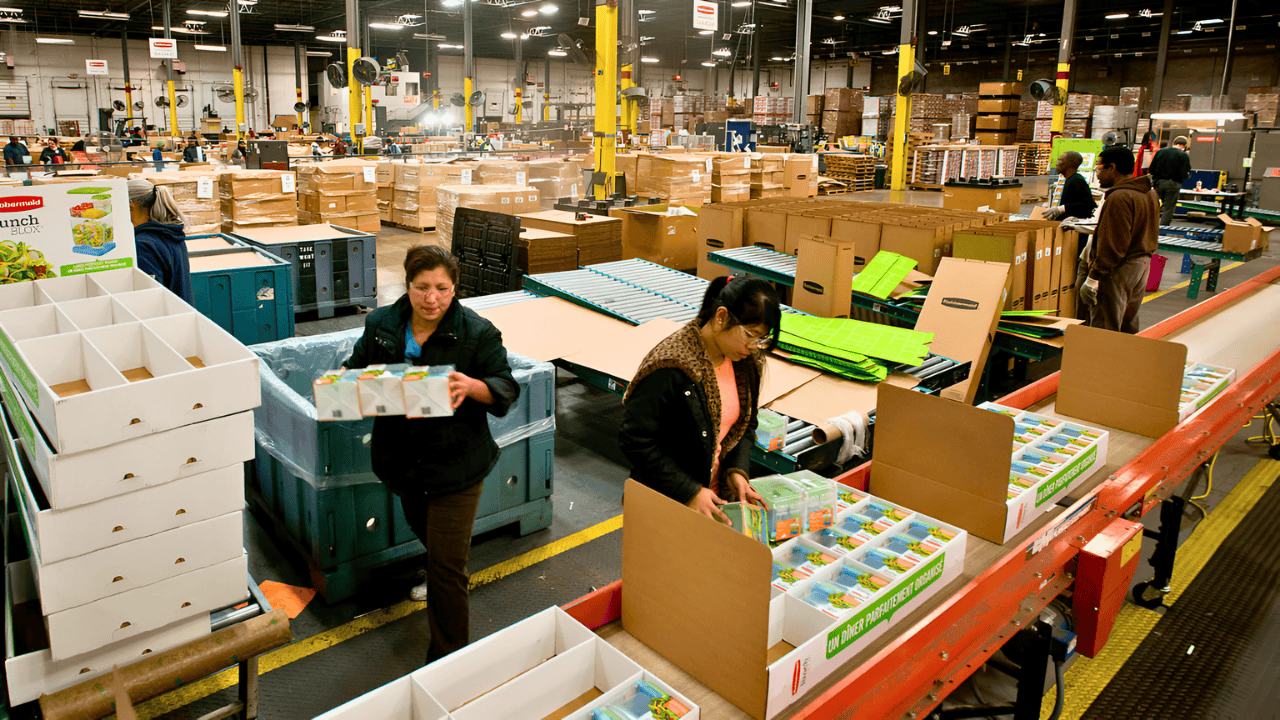
As 2025 draws to a close, Newell Brands is launching a sweeping restructuring effort after a difficult year marked by weaker sales, higher costs, and mounting debt. The Atlanta-based maker of Sharpie markers, Yankee Candle, Rubbermaid containers, and Coleman outdoor gear has seen its share price fall as investors grow concerned about profit pressures and slowing demand.
In the quarter ended September 30, 2025, Newell’s sales fell more than 7% from a year earlier to roughly $1.8 billion. Profit margins have narrowed, leaving the company more vulnerable to shocks such as elevated tariffs and persistent inflation. The burden is heavier because Newell is carrying about $4.8 billion in debt, limiting its financial flexibility and increasing the urgency for cost savings.
Tariffs alone are expected to reduce earnings by about $180 million in 2025. At the same time, retailers have been cautious about restocking, and consumers have become more selective, especially on discretionary goods like premium candles and branded drinkware. These pressures have combined to force management into another round of tough decisions.
Restructuring Plan Targets Office Jobs and Stores
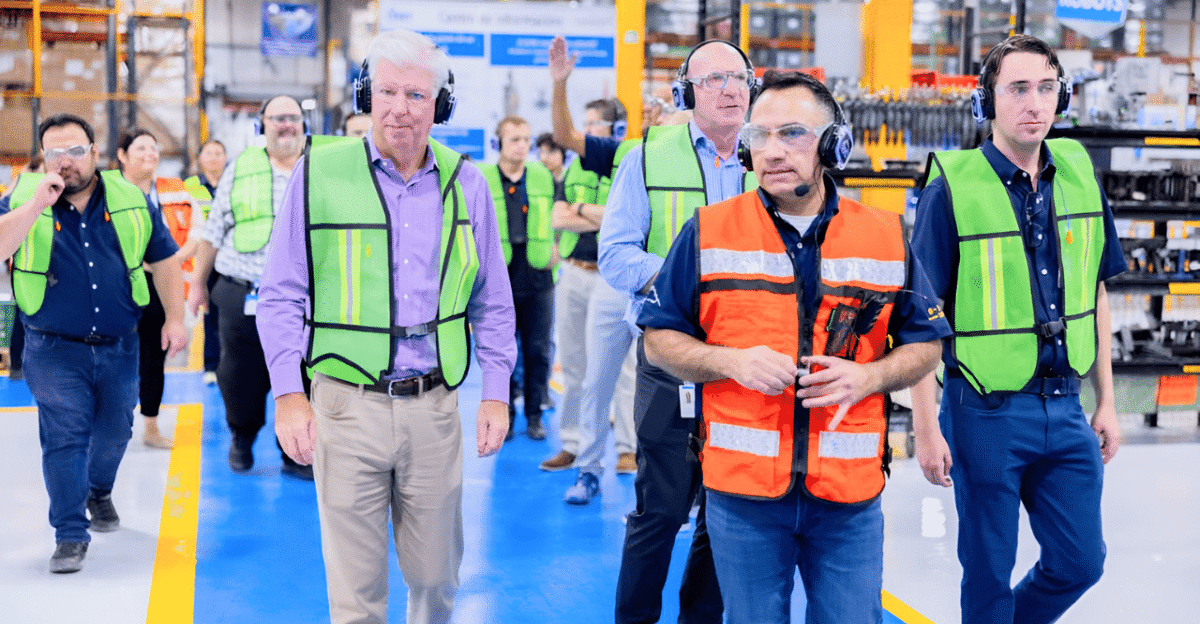
On December 1, 2025, Newell announced a global productivity plan that will cut more than 900 professional and clerical roles worldwide, representing around 10% of its office staff and about 3.8% of its total global workforce. The company expects to record between $75 million and $90 million in pre-tax restructuring charges, driven largely by severance and related employee costs, with most of those expenses recognized by the end of 2026.
The job reductions will begin in the United States, with many office and clerical layoffs taking effect in December 2025, then continue into 2026 in other countries in line with local labor rules. Manufacturing and supply chain positions are largely being preserved as Newell focuses its cuts on back-office functions.
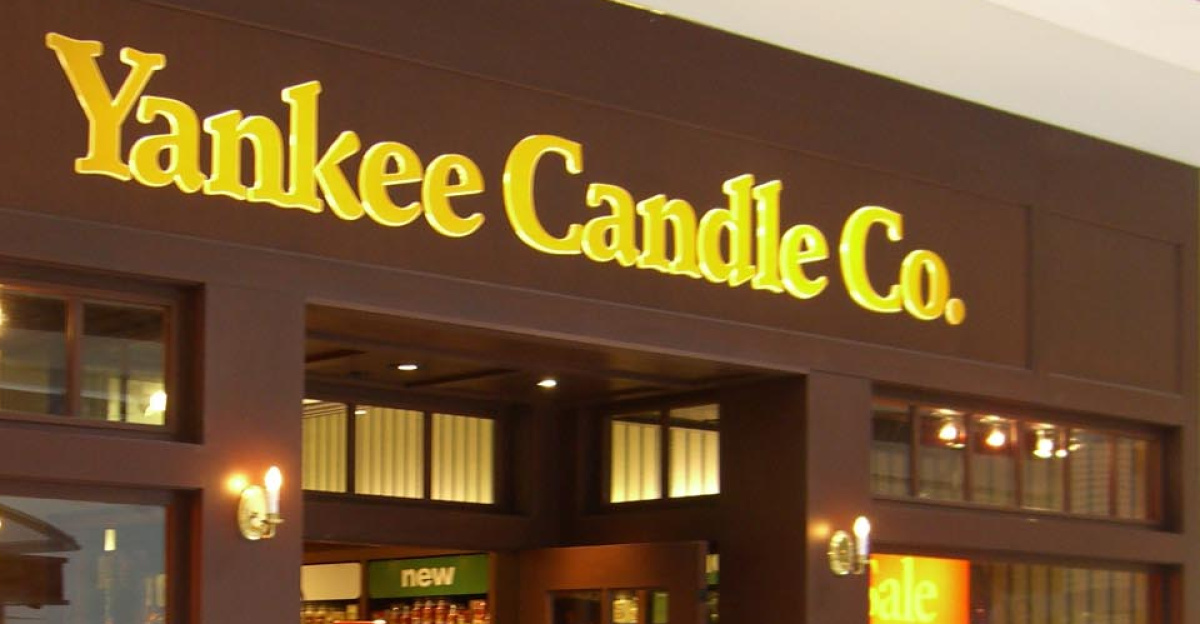
The plan also includes closing about 20 Yankee Candle retail locations across the U.S. and Canada by January 2026. These stores account for roughly 1% of Yankee Candle’s total sales, meaning the closures will have limited revenue impact but will be visible to shoppers in malls and shopping centers where the brand has long maintained a presence. Most of the shuttered outlets are leased sites, enabling Newell to quickly reduce operating costs while keeping wholesale and online channels intact.
Savings Goals and Technology Investments

Newell projects the restructuring will generate between $110 million and $130 million in annual pre-tax cost savings once fully implemented. Those savings are central to management’s plan to stabilize margins and offset tariff and inflation pressures. The company has told investors that the productivity program is designed to simplify how it operates, sharpen its focus on core strategic priorities, and support a broader turnaround launched in 2023.
As part of that strategy, Newell is investing in automation and artificial intelligence tools for back-office and clerical work. The goal is to streamline administrative tasks and support a leaner organization without significantly disrupting manufacturing lines or product development teams that underpin its broad portfolio of brands, from Sharpie and Rubbermaid to Contigo and Coleman.
This is the second significant cut to office staffing in two years. An earlier phase reduced about 7% of office roles, raising concerns about morale and the potential loss of institutional knowledge. Management maintains that performance standards and operational discipline must rise further to match changing market conditions.
Worker Rights and Legal Considerations
The job cuts span multiple countries and legal systems, producing uneven experiences for employees depending on where they work. In Canada, employment lawyers note that non-unionized staff may be entitled to more generous severance packages than initially offered, especially those with long service or senior positions. They are advising affected workers to seek legal guidance to understand what statutory and common-law protections may apply.
In the United States, federal rules such as the WARN Act require advance notice for certain large-scale plant closures and mass layoffs, but those thresholds may be harder to trigger when reductions are spread across many white-collar locations. Newell’s anticipated restructuring charges of $75 million to $90 million reflect both legal and contractual obligations to departing employees in all affected jurisdictions.
Beyond the immediate financial impact, closures of Canadian Yankee Candle stores in early 2026 and the loss of office roles across borders underscore broader economic changes. More shoppers are turning to e-commerce and big-box chains, reducing foot traffic for specialty retailers. Newell has said that aligning its physical footprint with “modern consumer shopping patterns” is now a key element of its strategy.
Industry Context and Outlook

Newell’s overhaul is part of a wider pattern among consumer goods and manufacturing companies recalibrating after the pandemic surge in demand. Many are trimming white-collar ranks, increasing automation, and reassessing retail networks to protect profits under the strain of higher borrowing costs, tariffs, and shifting shopping habits. While U.S. regulators have not singled out Newell’s plan for additional review, the case illustrates how trade policies can reshape corporate cost structures and employment.
The company has kept its fourth-quarter targets for normalized operating margin, earnings per share, and operating cash flow, but now expects net and core sales to come in toward the lower end of its previous forecast range. That guidance reflects ongoing fragility in consumer spending, especially on nonessential items.
Chief Executive Officer Chris Peterson and Chief Financial Officer Mark Erceg are scheduled to present the restructuring and outlook to investors at a major industry conference in New York on December 2, 2025. Analysts and shareholders will be looking for details on how the projected savings, technology investments, and portfolio focus can counteract weak demand and high leverage.
With tariffs anticipated to erode earnings by $180 million in 2025 and debt near $4.8 billion, some financial observers question whether cost reductions alone can restore durable growth. How effectively Newell executes these cuts, maintains innovation, and serves retailers and consumers will be an important signal for other global manufacturers weighing similar steps in an uncertain economic environment.
Sources
Manufacturing Dive – “Sharpie maker Newell Brands among recent holiday layoffs”
Nasdaq / RTTNews – “Newell Brands To Reduce Global Workforce”
OICOMPASS – “Newell to cut 900 office jobs in global overhaul”
Atlanta Business Chronicle – “Newell Brands cutting hundreds of jobs, closing 20 stores”