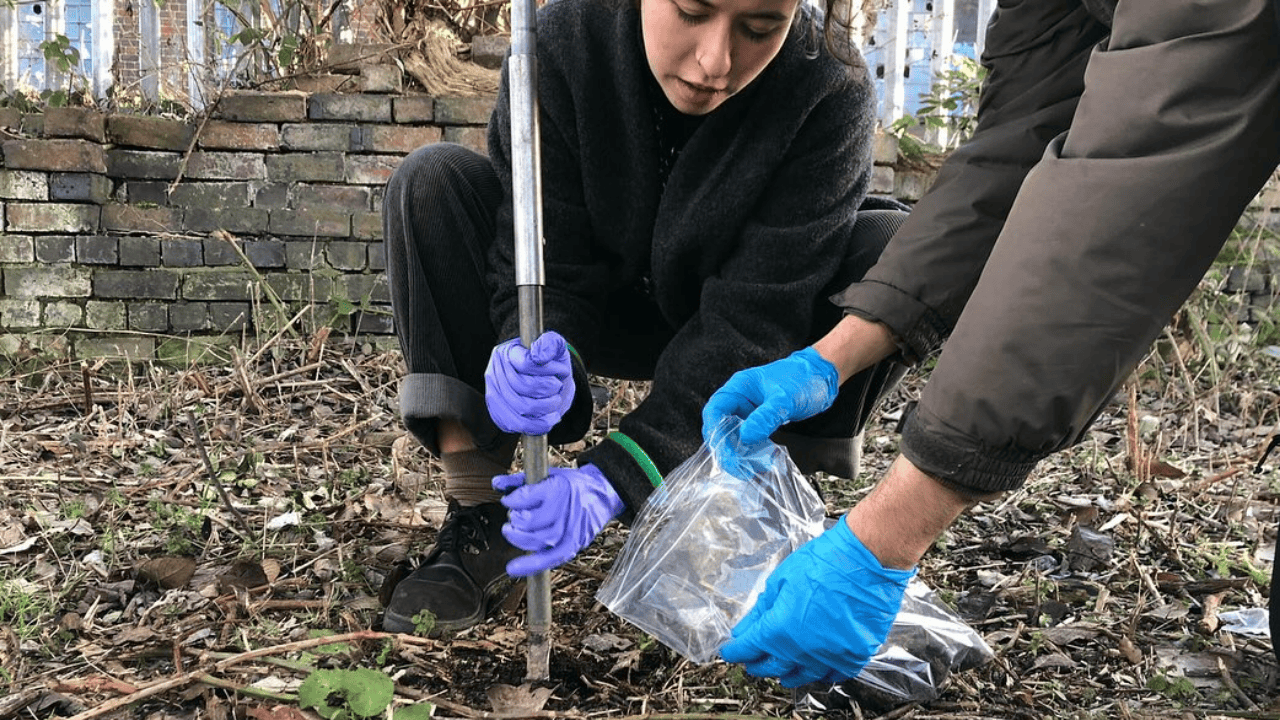
Deep in Michigan’s Huron Mountains, scientists quietly discovered something surprising: non-native earthworms now cover about 70% of this forest. These worms didn’t exist here before, and their presence is changing the soil in ways most hikers don’t notice. Because the soil evolved without earthworms, their arrival quietly shifts how nutrients move through the forest.
This matters because the soil helps plants and animals survive. These hidden visitors are transforming the forest slowly but steadily, and we are only beginning to see the effects.
The Great Lakes Forests in Danger
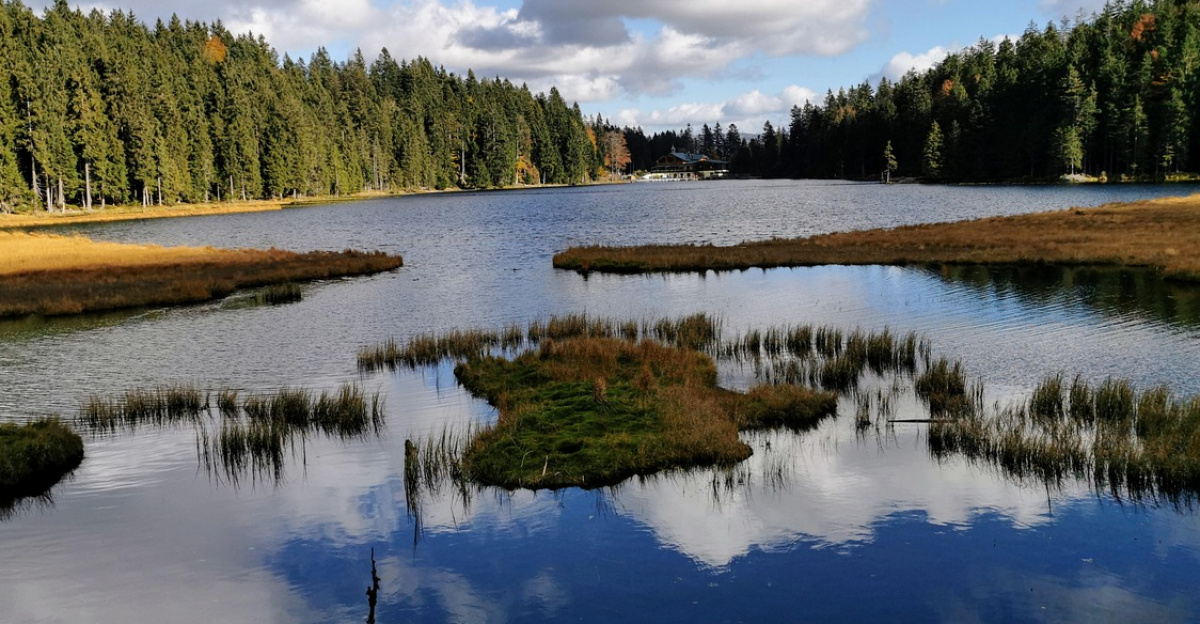
The Great Lakes region is home to millions of acres of mixed forests stretching across Michigan, Wisconsin, Minnesota, and Ontario. These forests are vital habitats for many species but are under attack from invasive species like the emerald ash borer and zebra mussels.
Now, invasive earthworms join this list of threats, causing problems for soil health, tree growth, and wildlife food. Experts warn that these worms could change food chains and make it harder for forests to recover from other stresses.
How Earthworms Came Here
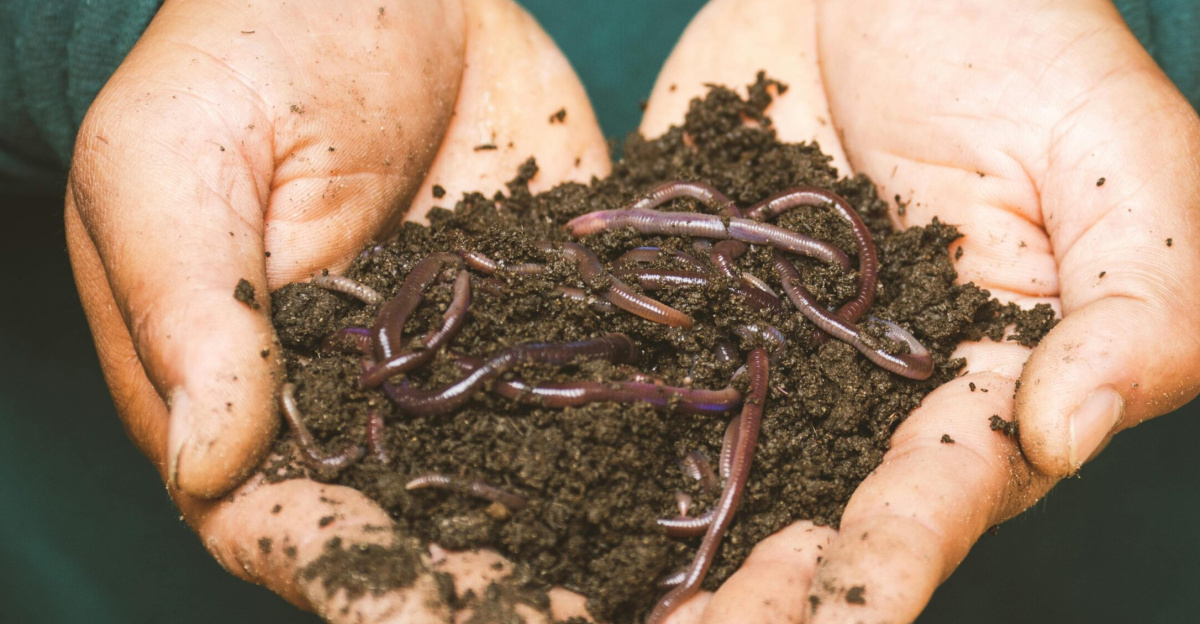
After the last Ice Age, many northern U.S. forests had no earthworms. Plants and soils adapted to this condition over thousands of years. The earthworms we now see in these forests mostly came from Europe and Asia. They arrived over the last few centuries in soil carried by ships or plants.
Many of these earthworms are now considered invasive here because they change forest environments that never evolved with them. University researchers remind us that not all earthworms are good neighbors, especially when they invade places where they never lived before.
Worms Slowly Take Over
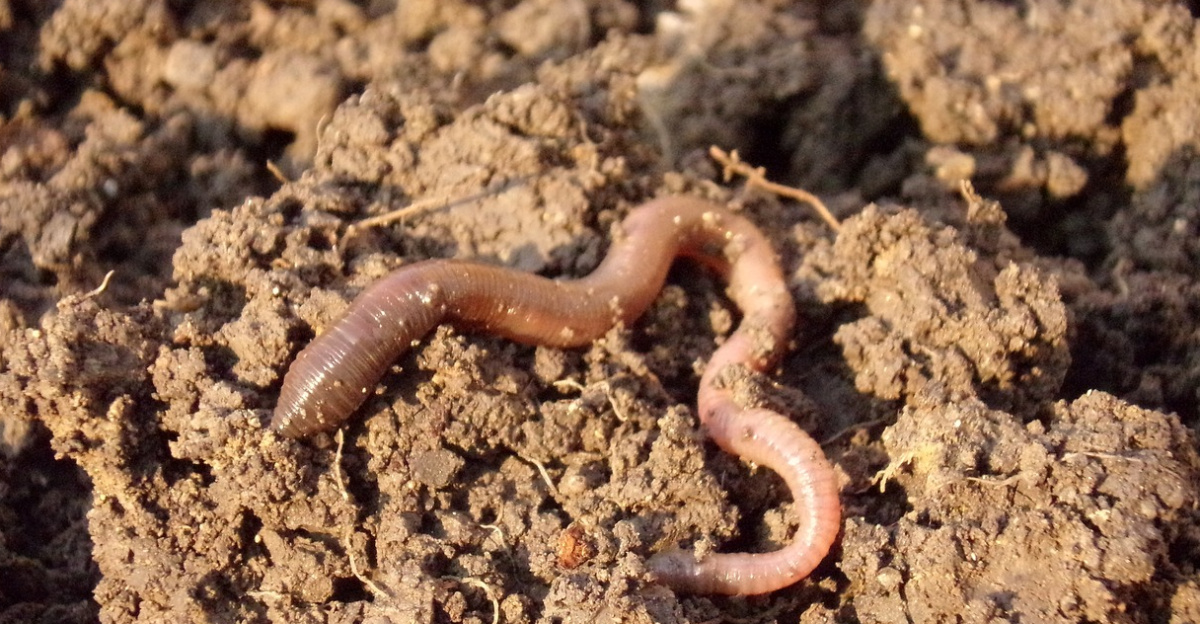
For many years, invasive earthworms spread quietly through fishing bait, garden plants, mulch, and even soil moved by people. Forest managers initially focused on deer browsing and climate change but now see signs of heavy worm activity: thinner leaf litter and grainy soils.
These changes make it tough for young plants to grow and harm animals that nest on the ground. This slow build-up of worms adds to mounting environmental problems threatening these forests.
Different Worms, Different Effects
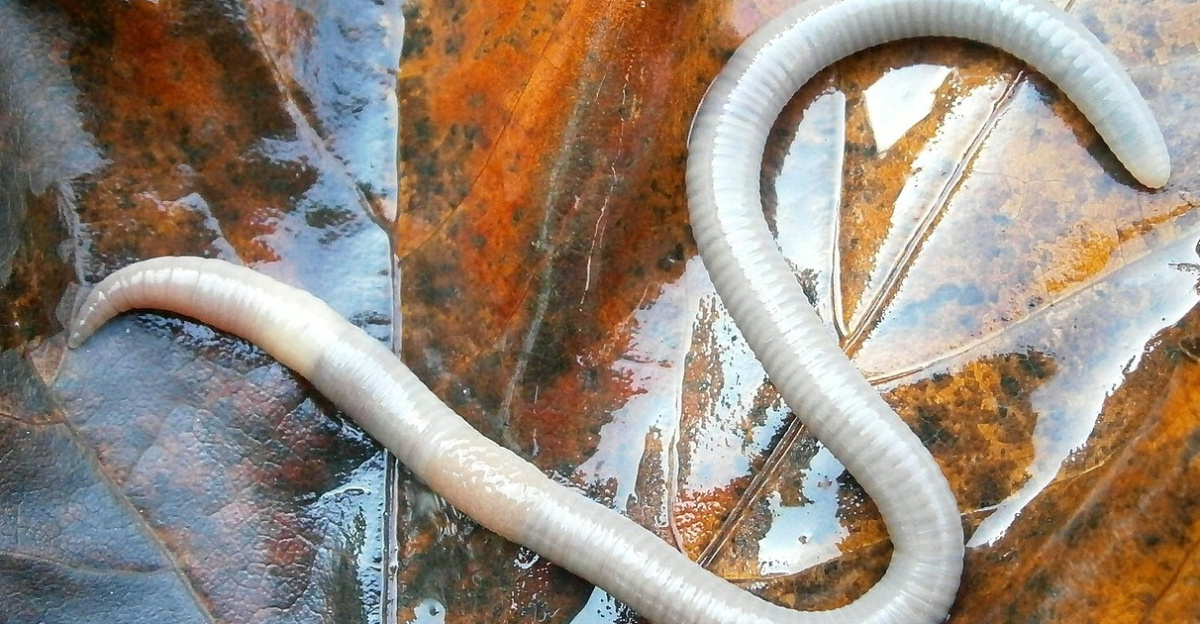
In 2025, Xiaoyong Chen’s team studied three invasive earthworm species in Michigan’s Huron Mountains. They learned each worm affects the soil differently based on size. Small worms speed up the decay of leaf litter, medium ones mix soil layers, and large worms dig deeply, changing nutrients underground.
Together, these worms have invaded 70% of the area and dramatically altered soil health. Knowing how each worm species works helps scientists understand and hopefully manage their spread.
Worm Invasion Center
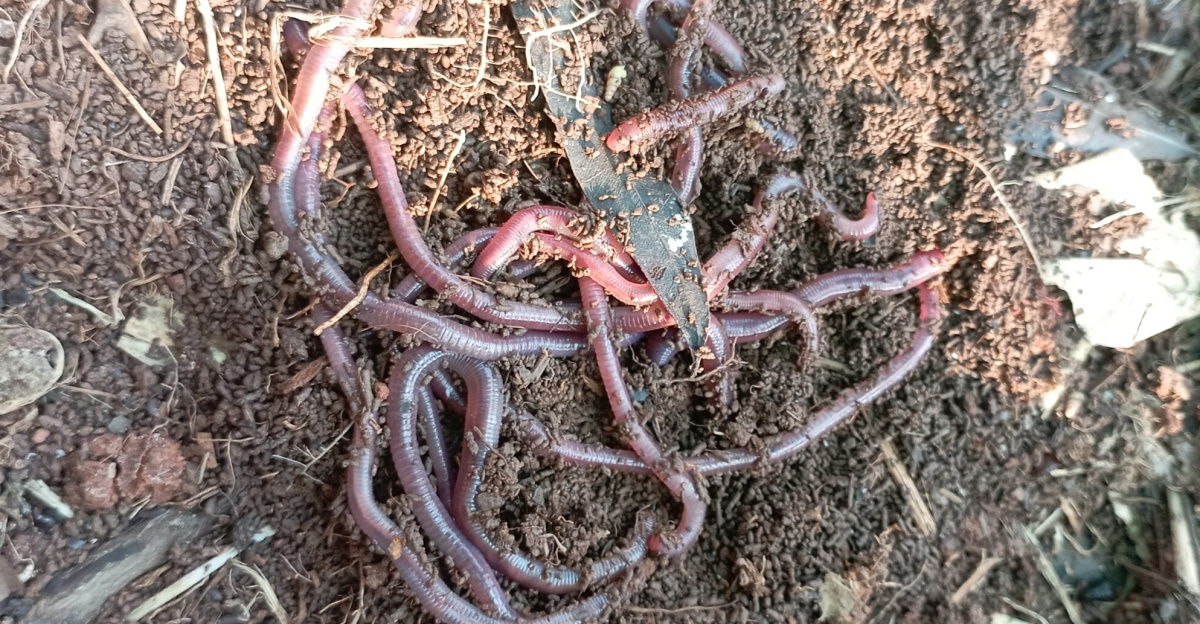
Chen’s team worked near Lake Superior’s Huron Mountains, a forest that’s still mostly natural and untouched. Their surveys found invasive worms on nearly 70% of the land, with only a small area by a lake free from worms.
This shows the Great Lakes region is a key battleground where non-native worms are reshaping forest soils more than in other places. Recognizing this hotspot helps steer conservation efforts where they are most needed.
Surprising Science vs. Common Beliefs
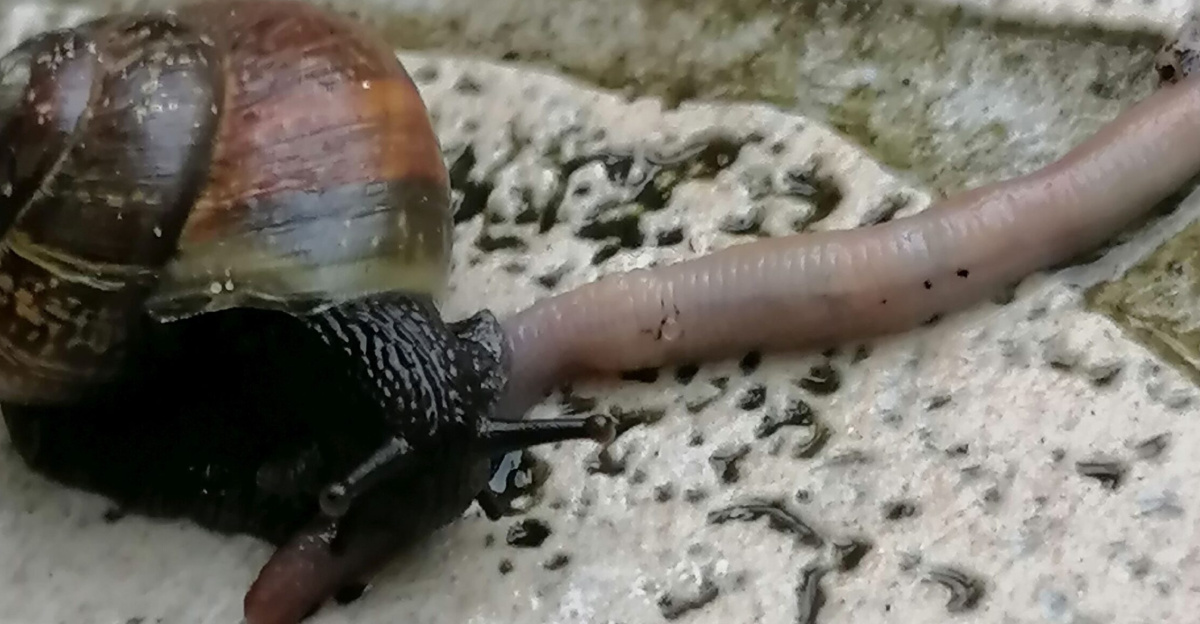
Many people think earthworms are always good for soil and plants, thanks to what we learn in school or from gardening. But microbiologist Tim Gsell points out that in forests invaded by too many worms, nutrients like carbon and nitrogen get lost quickly.
More worms do not always mean better soil. This loss of nutrients affects everything from plants to the animals that feed on insects living in the soil. Understanding these unexpected effects challenges the old idea that earthworms are always helpful.
Shifts in the Forest Food Chain
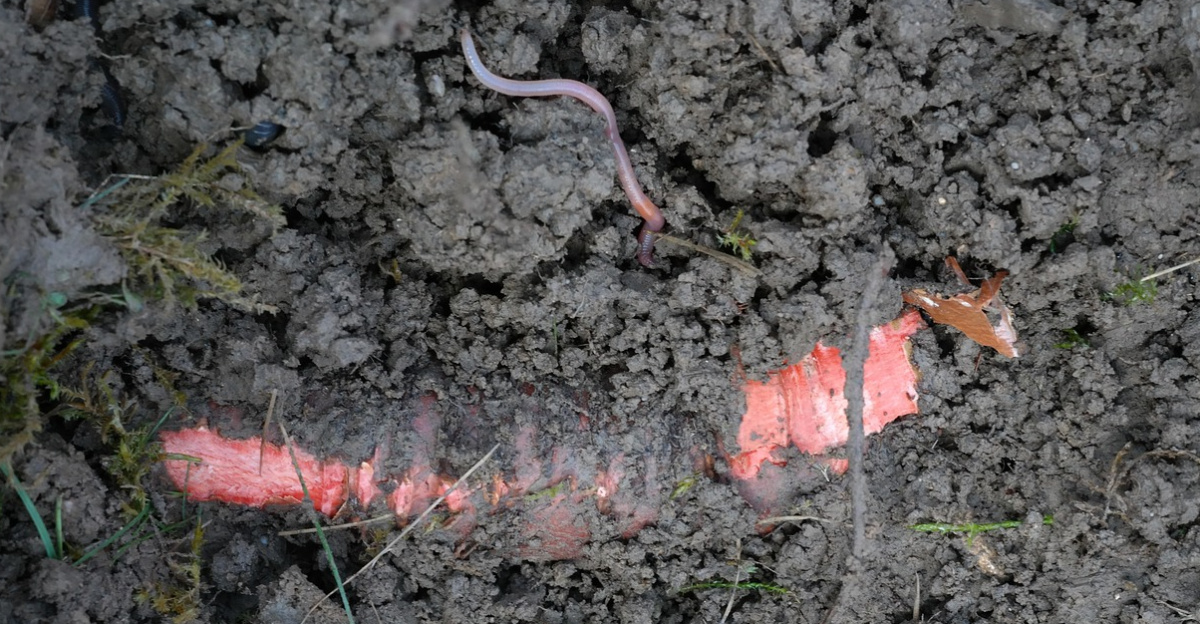
Forest floors depend on leaf litter to feed tiny fungi and insects, which in turn feed birds, amphibians, and mammals. Invasive worms gobble this litter rapidly, leaving behind soil that looks like coffee grounds and exposing bare earth.
Scientists note that as the litter disappears, so do native wildflowers and young trees, while some invasive plants spread. This replacement changes food and habitat availability for wildlife.
Worms Speed Up Carbon Loss
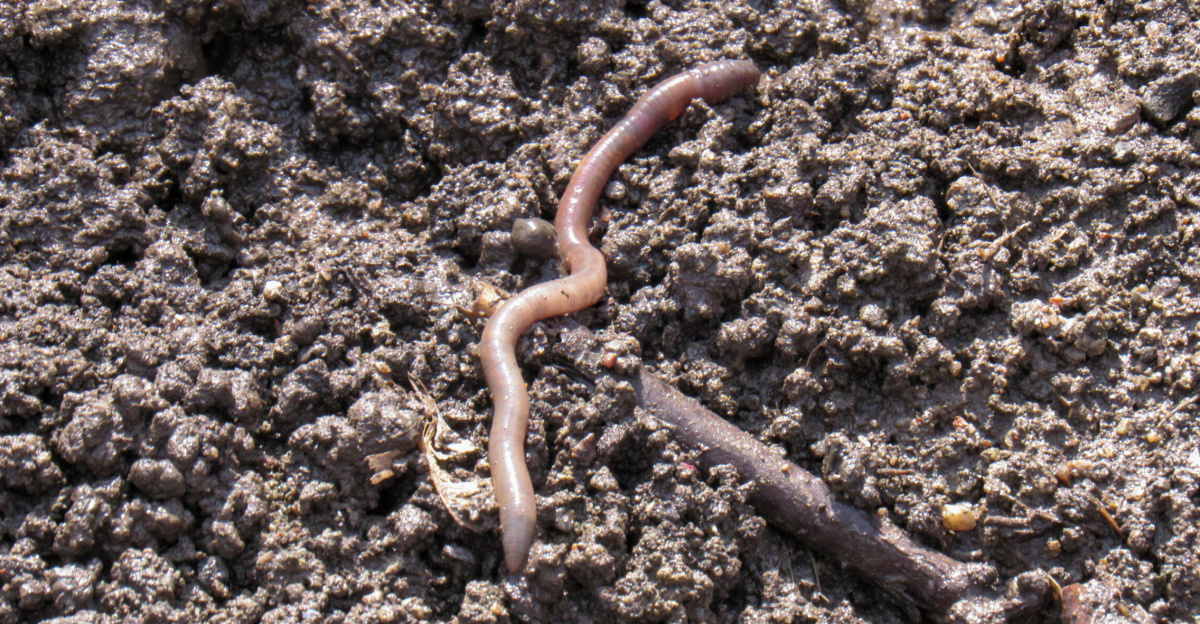
Worms accelerate the breakdown of dead leaves and organic materials, causing soils to lose carbon and nitrogen more quickly. This speeds up the release of carbon dioxide and other greenhouse gases into the air.
In Michigan’s Huron Mountains, forest soils that once stored carbon are now releasing it faster, contributing to climate change. This shift complicates efforts to reduce greenhouse gases in the region and beyond.
No Easy Fix for Worms
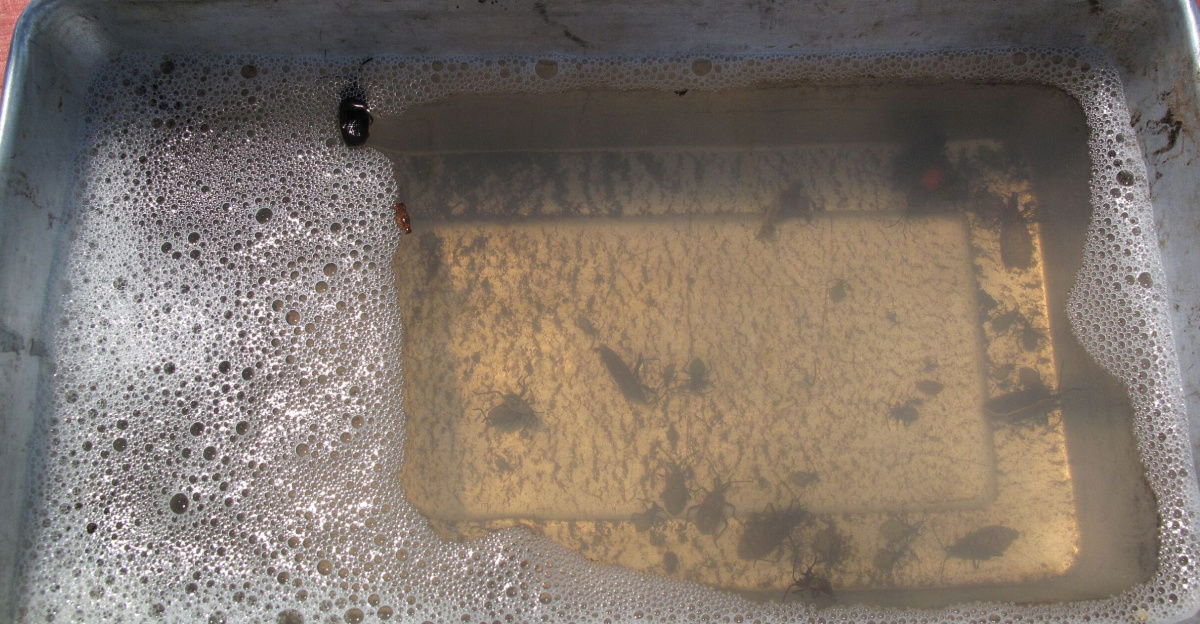
Gardeners may kill invasive worms by hand or use soapy water, but scientists say there is no proven way to remove these worms from forests once they take hold.
Chen’s team uses a mix of mustard and water to bring worms to the surface for study, but this method isn’t practical on large scales. For now, prevention and careful monitoring are the best tools available.
Landowners Feel Helpless
Forest owners and conservationists in the Upper Midwest see changes in soil texture and disappearing leaf layers but have few options to fight back. Scientists and agencies recommend cleaning equipment and avoiding soil movement, but offer no direct control methods.
This leaves many stakeholders frustrated and worried as they watch their land change. The search for effective management continues.
Leading Worm Research

Governors State University in Illinois leads research on invasive worms, with Xiaoyong Chen’s team connecting worm body size to soil changes.
They work with programs like Great Lakes Worm Watch at the University of Minnesota Duluth, tracking where worms spread. Together, these efforts aim to provide land managers with better maps and risk tools to protect forests.
Tracking and Testing Solutions
Most efforts focus on tracking worm invasions and studying plant responses. Researchers map invaded areas, test how plants grow, and improve sampling with methods like mustard extraction. Programs advise gardeners and landowners to avoid buying or moving infested mulch, soil, or worms for bait.
By slowing human spread, they hope to protect remaining worm-free areas, such as the small patch near the lake in the Huron Mountains. Prevention remains the frontline defense.
Hope and Caution
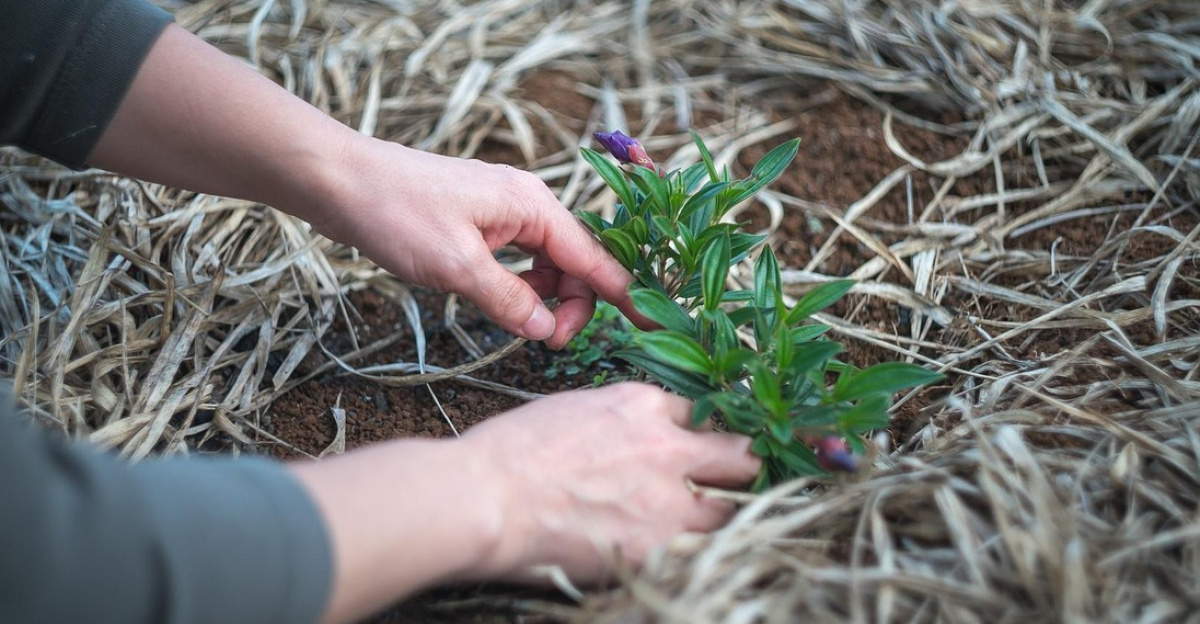
Experts say forests with invasive worms can still survive but often with changes. Gardens may still grow plants despite worms, though mulch disappears faster and some native species suffer.
Scientists worry that nutrient loss and soil changes in northern forests could reduce biodiversity over time. With no large-scale solutions yet, they expect these forests to adjust slowly, not bounce back quickly.
What the Future Holds
Looking ahead, ecologists ask what northern forests will look like in 20 to 50 years with worms spreading and the climate warming. Faster decay may change tree species favorability, wildfire risk, and how carbon is stored.
Chen and Gsell stress that understanding worms’ current impacts helps predict which forests and management methods can survive future challenges.
Gaps in Policies

Current rules about invasive species focus mostly on visible pests like insects and plants, ignoring soil creatures like earthworms. Some states, including New Hampshire, warn against moving jumping worms in plants or mulch, but laws are inconsistent.
Scientists say clearer and stronger regulations on soil movement, bait disposal, and horticulture are needed to slow worm spread into unaffected forests.
Worms Spread Beyond Great Lakes
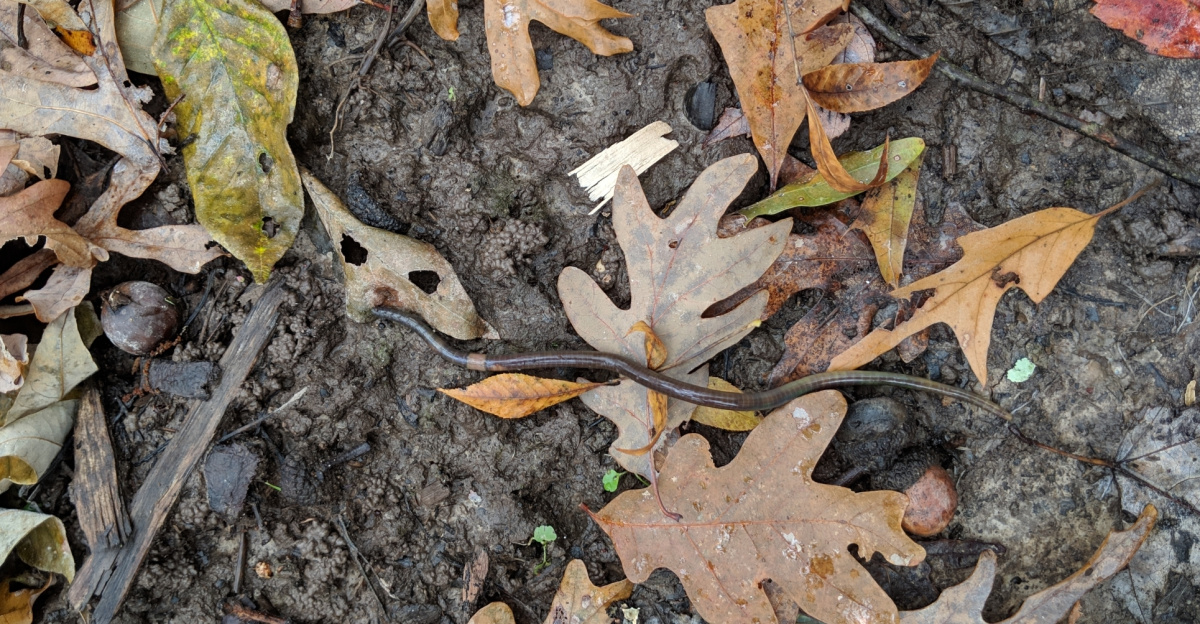
Invasive worms aren’t just a Great Lakes issue. Jumping worms and European species also appear in New England, the Mid-Atlantic, South, and West. Extension services from New Hampshire to Wisconsin share guides to identify and manage these worms.
Scientists warn that other regions risk similar problems, with leaf litter and nutrient cycling disrupted, affecting local wildlife and plants. This growing invasion needs attention nationwide.
Big Environmental Consequences
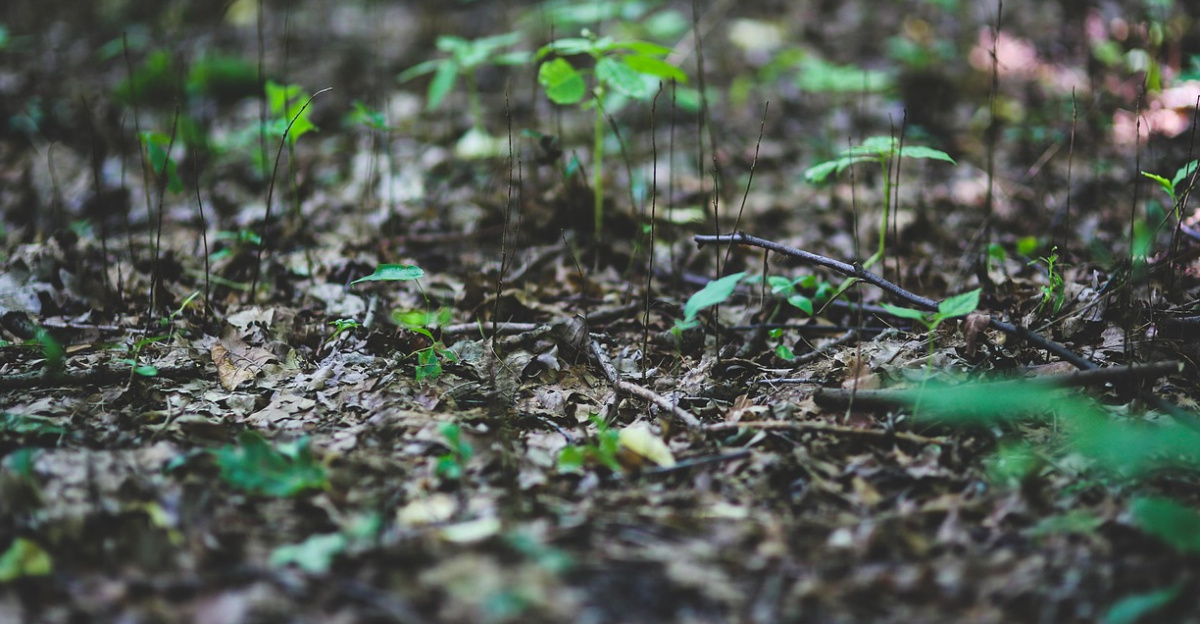
Because invasive worms eat the forest floor quickly, they can increase erosion, harm seedlings, and affect water quality. Without leaf litter, runoff worsens during heavy rains, and some invasive plants may take over disturbed soils.
Plus, faster decomposition releases more greenhouse gases, linking worm invasion to climate concerns. These subtle soil changes have large impacts, tying a tiny creature to major environmental challenges we face today.
Changing How We See Earthworms
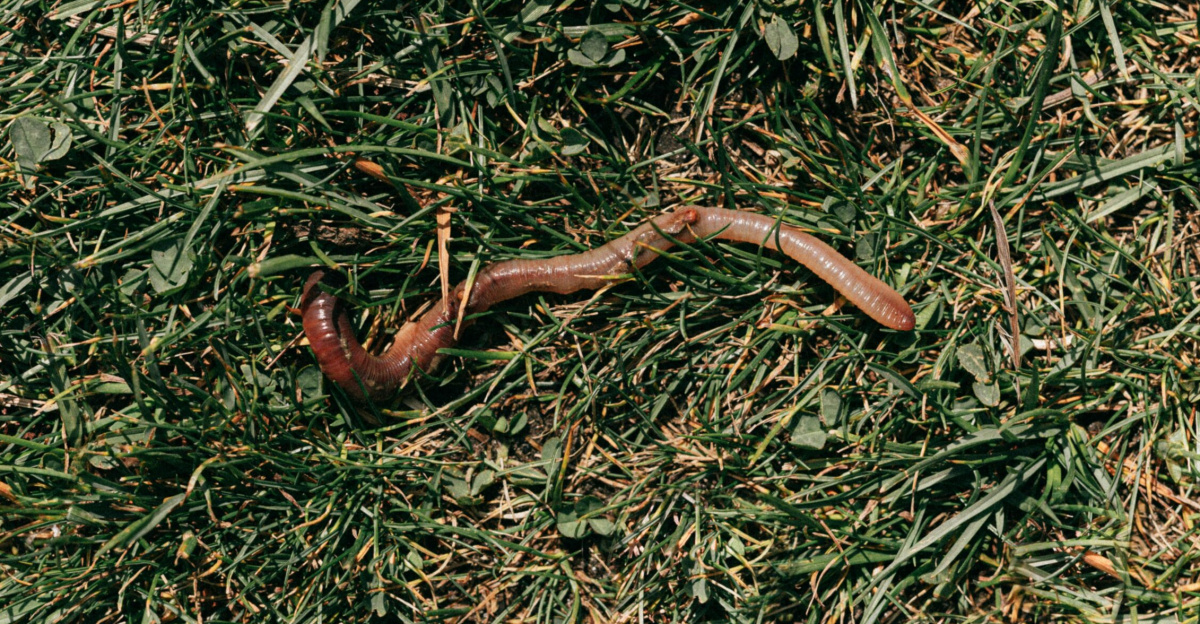
Most Americans learned that earthworms are friends to gardeners and soil health. These new findings show that in forests that never had worms, many invasive species actually cause harm.
What helps a vegetable garden might hurt a northern forest, challenging simple ideas about “good” and “bad” earthworms.
Why This Matters
The Great Lakes worm invasion shows how tiny, hidden creatures can change entire forests and food chains. Since many North American earthworms are not originally from here, managing future forests means looking closely at what’s happening underground as much as above.
The research in the Huron Mountains is an early warning, helping us learn how to respond to unseen but powerful ecological changes before it’s too late.
Sources:
Great Lakes Echo – “New research in Michigan’s Upper Peninsula shows how invasive earthworms are changing forest soils”
The Cool Down – “Researchers make concerning discovery about harmful creatures hiding in our soil”
UNH Extension – “Invasive in the Spotlight: Jumping Worms”
NHBugs (University of New Hampshire) – “Jumping Worms” PDF