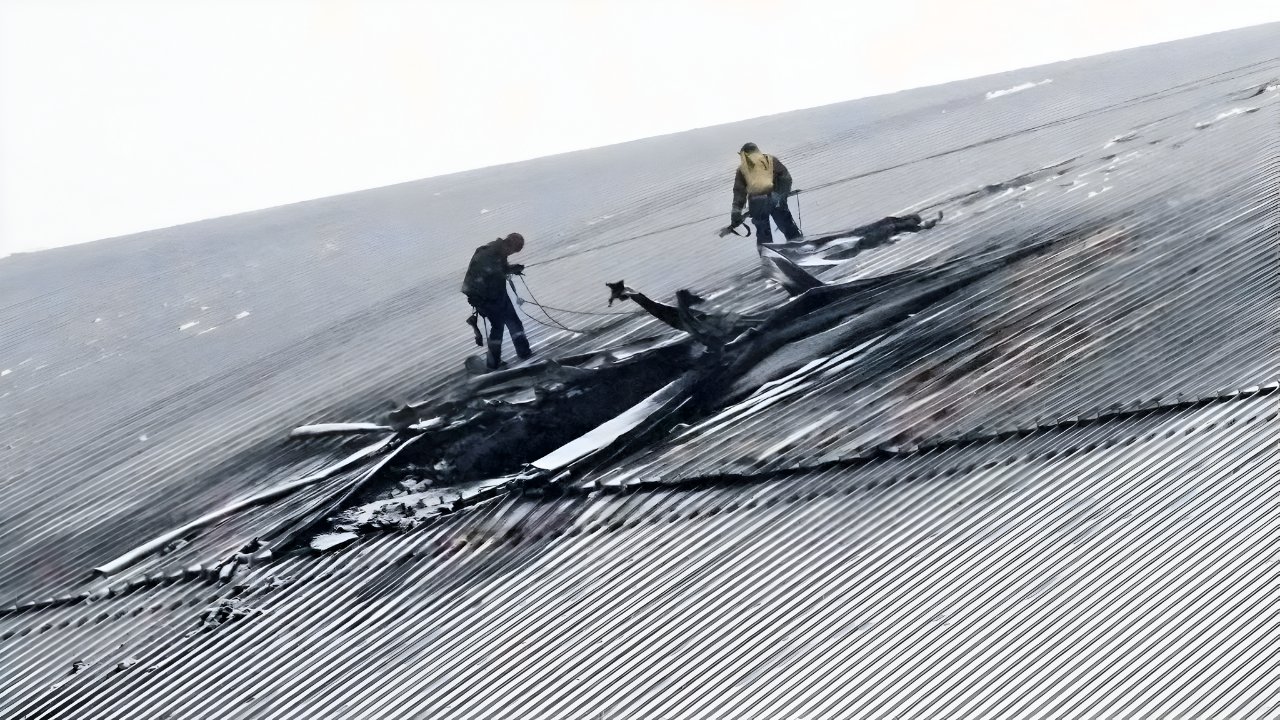
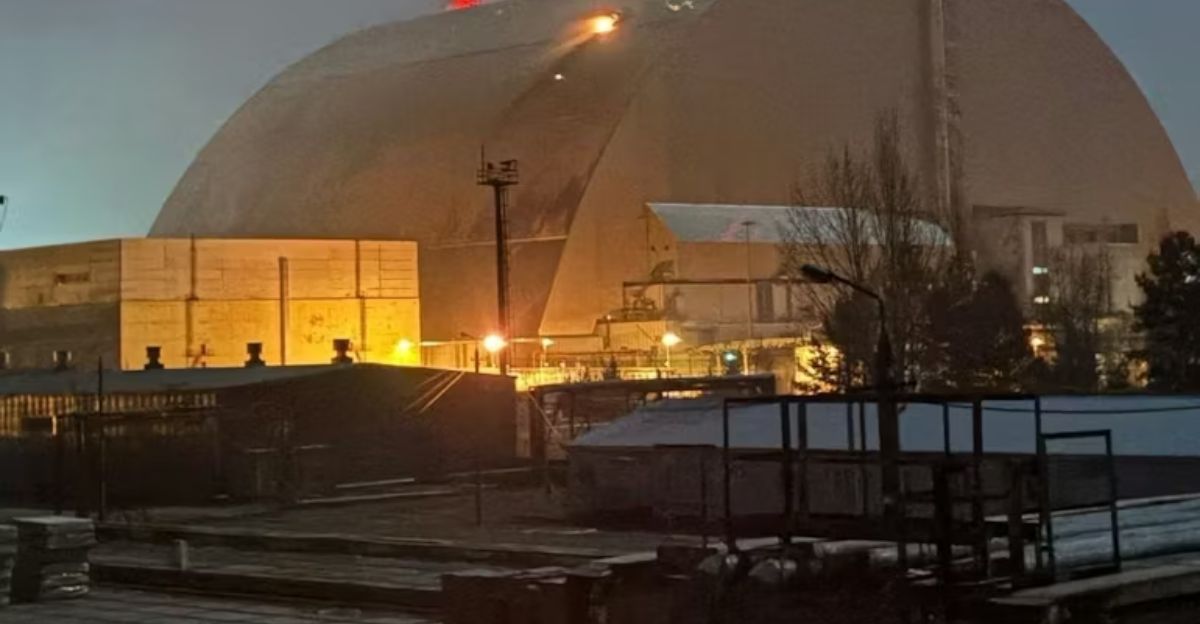
In a chilling escalation confirmed on Friday, December 6, 2025, the International Atomic Energy Agency (IAEA) revealed that a Russian drone strike had compromised the Chernobyl New Safe Confinement (NSC). The attack, which struck the site in February 2025, sparked a “major fire” in the structure’s outer cladding.
According to IAEA Director General Rafael Grossi, the massive shield has now “lost its primary safety functions,” leaving the site of the world’s worst nuclear disaster dangerously exposed to the elements.
$2.3 Billion Shield “Lost Primary Safety Functions”
The International Atomic Energy Agency’s Friday assessment marks the first official confirmation of the catastrophic damage. While monitoring systems remain operational, the physical barrier designed to contain radioactive dust is failing. “The shield has lost its primary safety functions, including the confinement capability,” the IAEA report stated.
This $2.3 billion structure, funded by over 40 nations, was the only thing standing between the decaying Reactor 4 and the outside world, a protection now effectively nullified.
“Major Fire” Ravaged Cladding During Attack
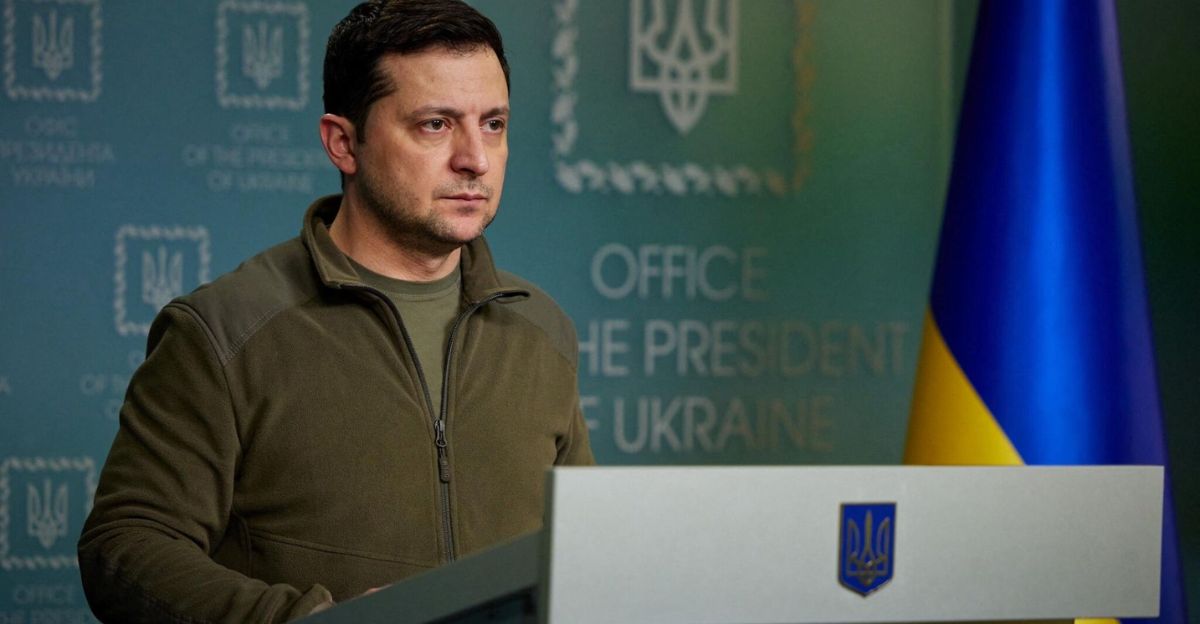
Details of the February 2025 strike have only now been fully corroborated by international inspectors. According to Ukrainian President Volodymyr Zelensky’s initial February statement, the drone attack caused a “major fire” in the NSC’s protective outer layer.
Although emergency crews “quickly extinguished” the blaze, the structural integrity of the confinement was sacrificed.
Moscow Denies Targeting Chernobyl Exclusion Zone
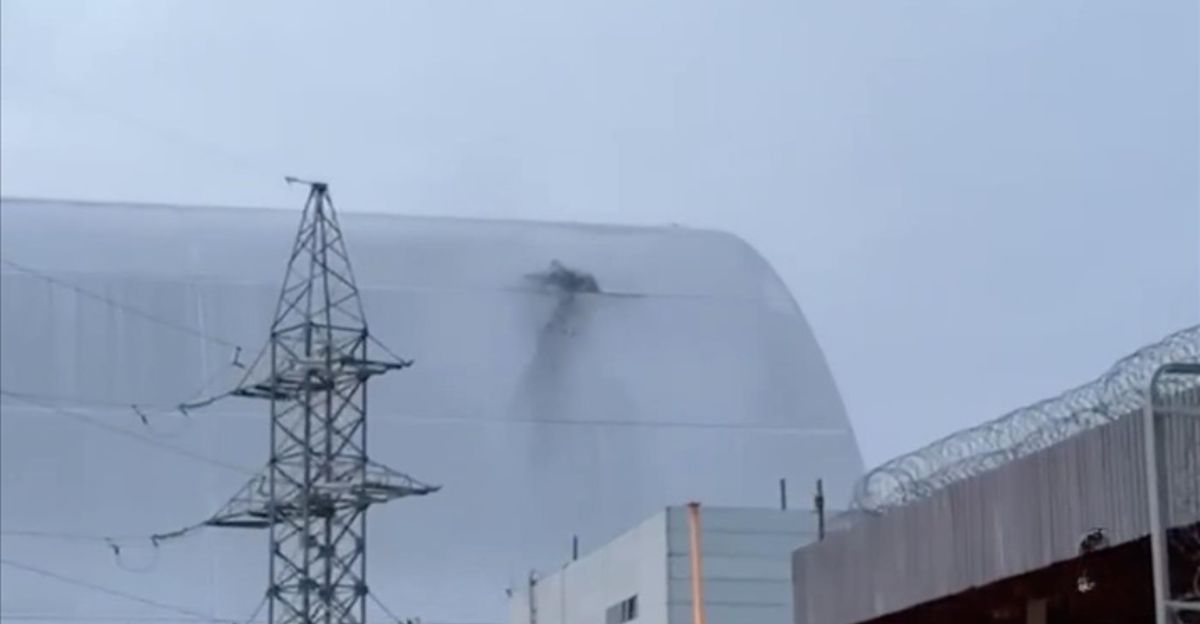
Despite physical evidence of the strike, the Kremlin has consistently denied intentionally targeting the Chernobyl site. In February, following Ukraine’s initial reports of the attack, Russian officials dismissed the claims as propaganda.
However, the IAEA’s December confirmation of “severely damaged” infrastructure directly contradicts Moscow’s narrative.
Structure Taller Than Statue of Liberty
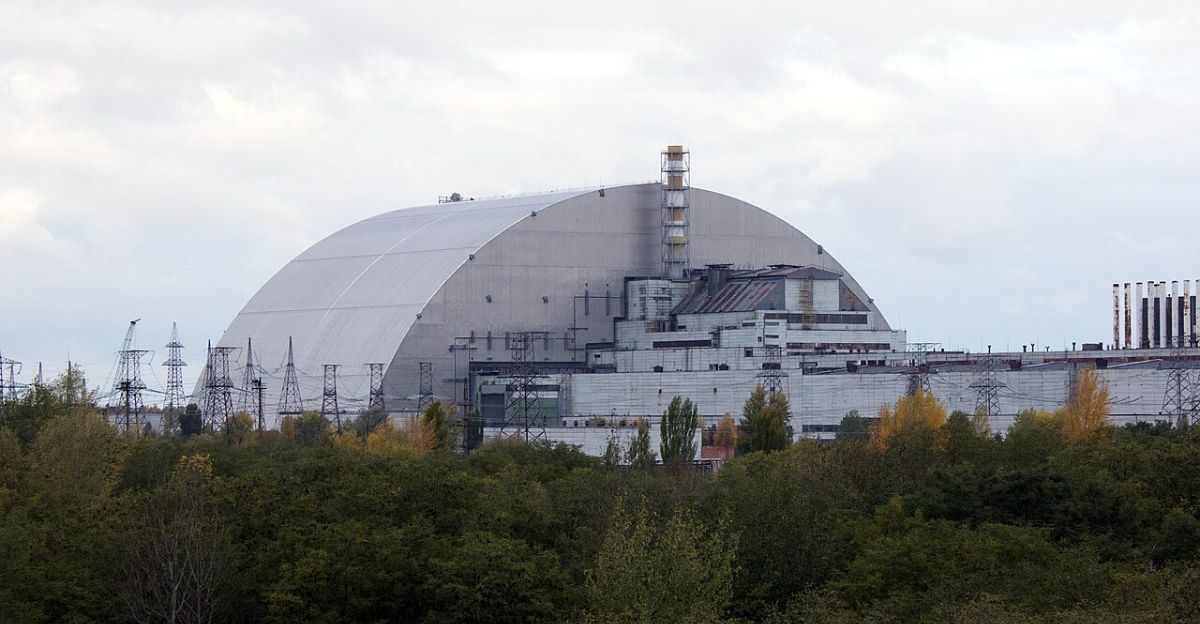
The New Safe Confinement is an engineering marvel, standing taller than the Statue of Liberty and spanning a width that could house the Notre Dame Cathedral. Weighing three times more than the Eiffel Tower, it was slid into place in 2016 to seal off the radioactive ruins.
Now, this titan of safety has been breached, turning a symbol of international cooperation into a casualty of war.
Shield Was Designed to Last 100 Years
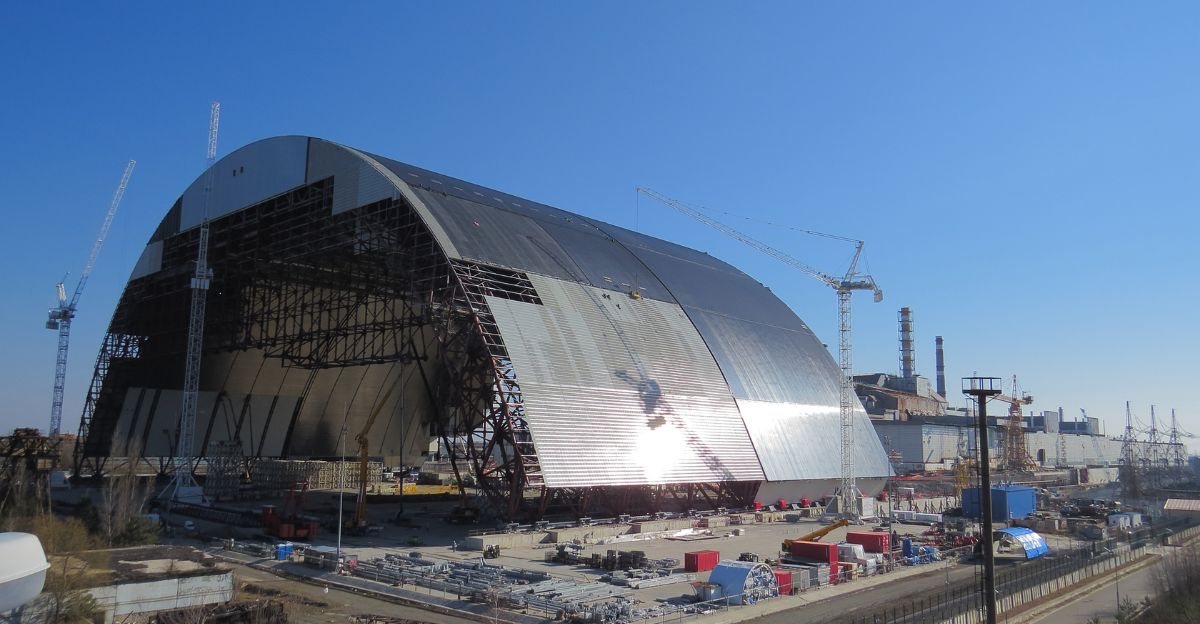
When completed in 2016, the NSC was hailed as a permanent solution, designed to last for at least a century. It was meant to buy time for future generations to dismantle the highly radioactive Soviet-era sarcophagus beneath it. Instead, after less than a decade of operation, its lifespan has been jeopardized.
The IAEA report confirms that what was built to survive 100 years of weather and decay could not withstand a single moment of modern warfare.
The Ghost Behind the Wall
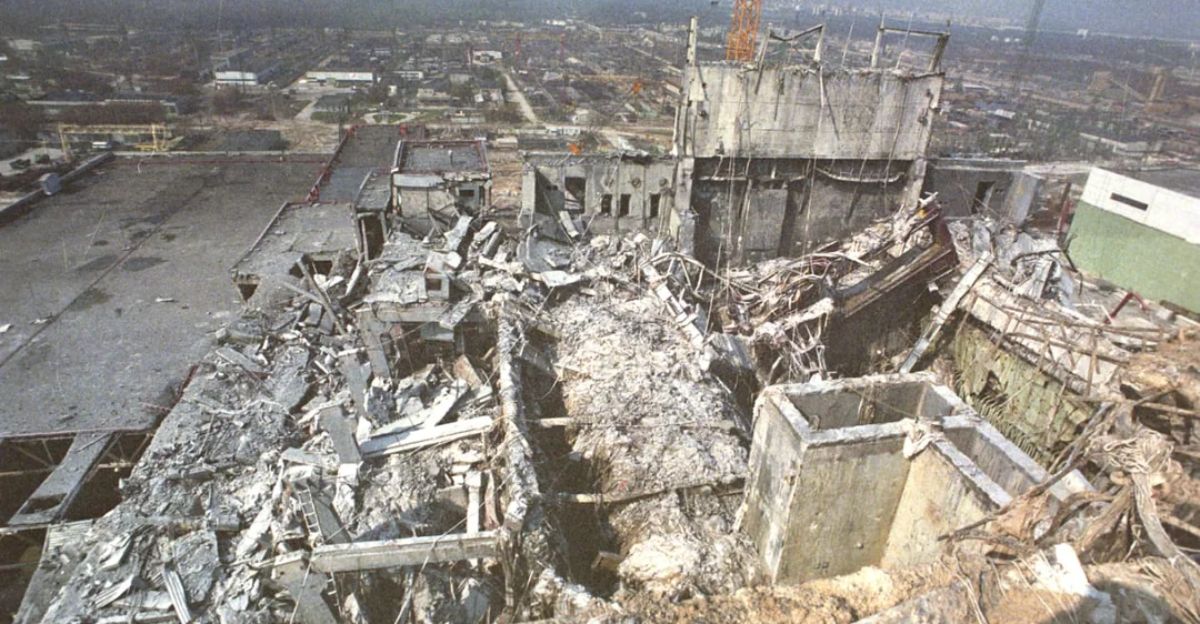
The stakes of this breach are rooted in history. The 1986 Chernobyl disaster killed at least 30 people immediately and exposed millions to dangerous radiation levels across Europe. The NSC was built to prevent a repeat of that nightmare by locking in the remaining radioactive dust and debris.
With the confinement capability now lost, the “ghost” of 1986—tons of radioactive cesium and plutonium—is no longer securely sealed away from the environment.
Radiation Containment Now “Severely Damaged”
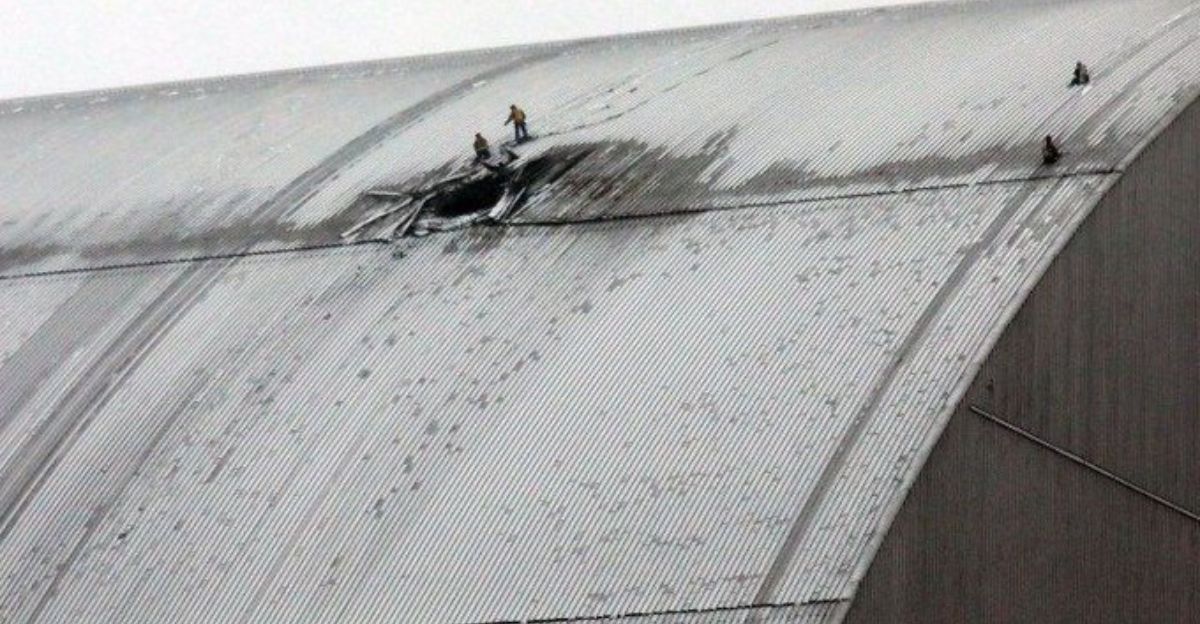
The IAEA described the shield as “severely damaged,” specifically noting the loss of its ability to confine radioactive particles. While the underlying Soviet-era sarcophagus remains, it is crumbling and leaky—precisely why the NSC was built.
Without the outer shield’s confinement capability, any collapse or dust kick-up inside the reactor ruins could potentially release isotopes into the atmosphere, bypassing the compromised filtration systems.
IAEA Experts Stationed Permanently at Ground Zero
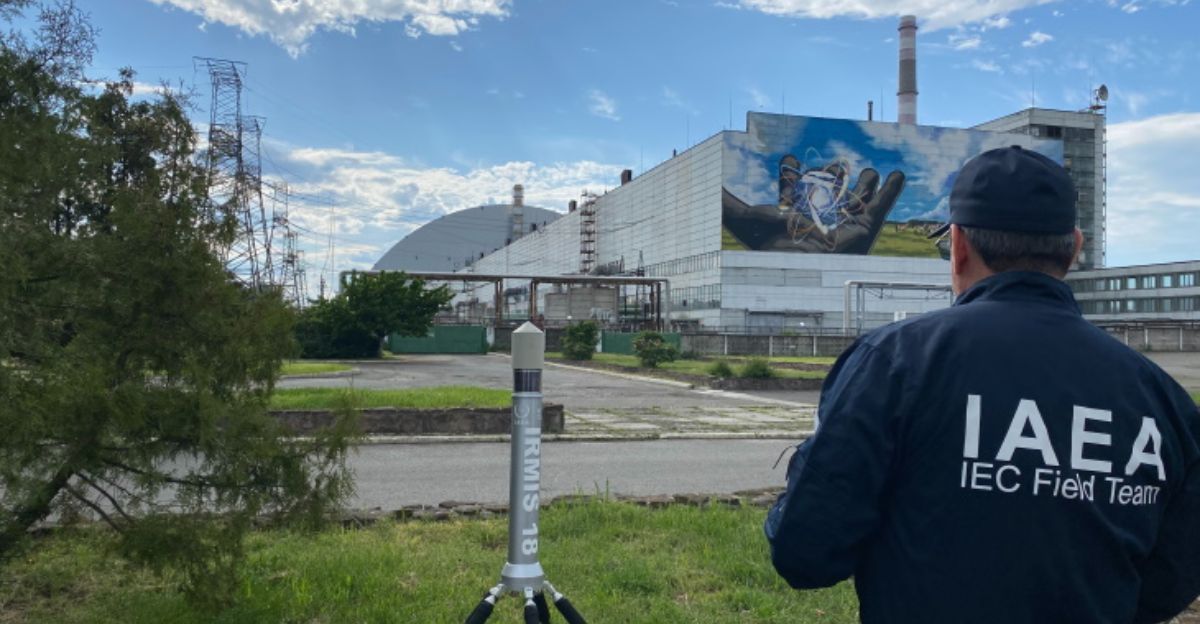
The gravity of the situation is underscored by the presence of international observers. The IAEA has a team stationed permanently at the Chernobyl site, living and working in the shadow of the damaged shield.
Their reports provide the “eyes on the ground” that confirmed the December findings. These experts are currently the world’s only real-time alarm system, monitoring radiation levels that could change instantly if the damaged structure deteriorates further under winter conditions.
Temporary Repairs Holding… For Now
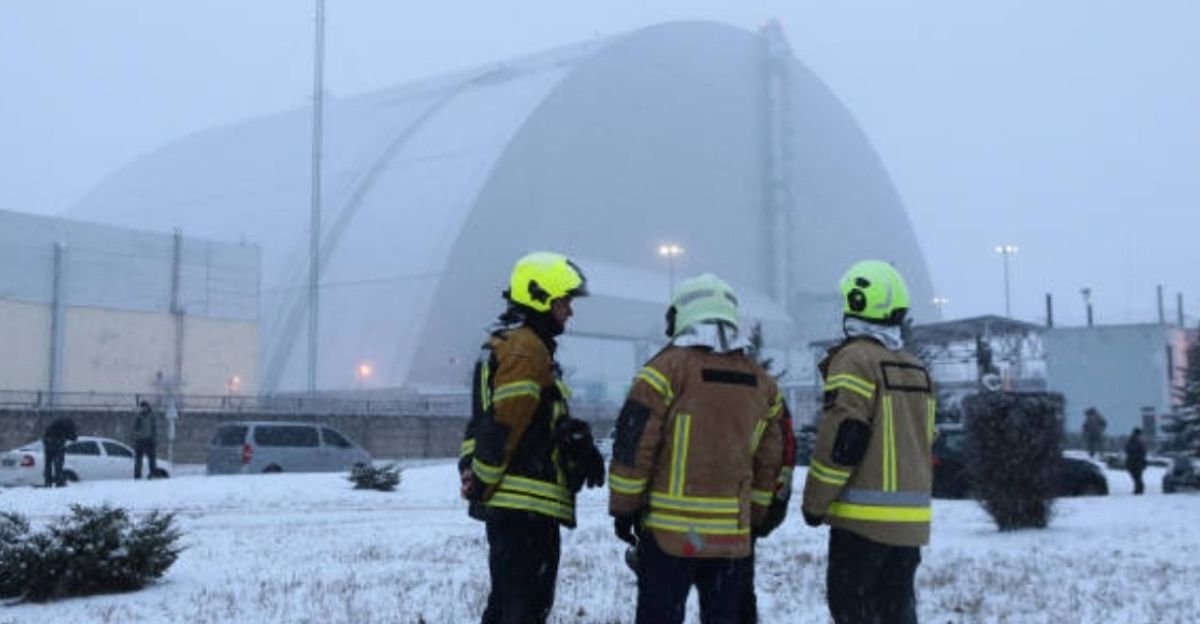
In a race against time, Ukrainian engineers have attempted to patch the breach. “Limited temporary repairs have been carried out on the roof,” the IAEA noted in its Friday update. However, these are stopgap measures on a structure that requires hermetic sealing.
Director General Grossi emphasized that while these patches help, they are insufficient, stating that “timely and comprehensive restoration remains essential” to prevent the situation from spiraling into a second radiological crisis.
Full Repairs Delayed Until War Ends
The tragedy of the situation is the timeline for a fix. According to officials, “full restoration” is planned only when the war ends, with significant repairs tentatively scheduled for “next year.” This delay leaves the site vulnerable to another harsh winter and the ongoing conflict.
With no end to hostilities in sight, the promise of restoration hangs in limbo, while the damaged shield continues to face the very threats that compromised it.
Zaporizhzhia Plant Loses Power for 11th Time
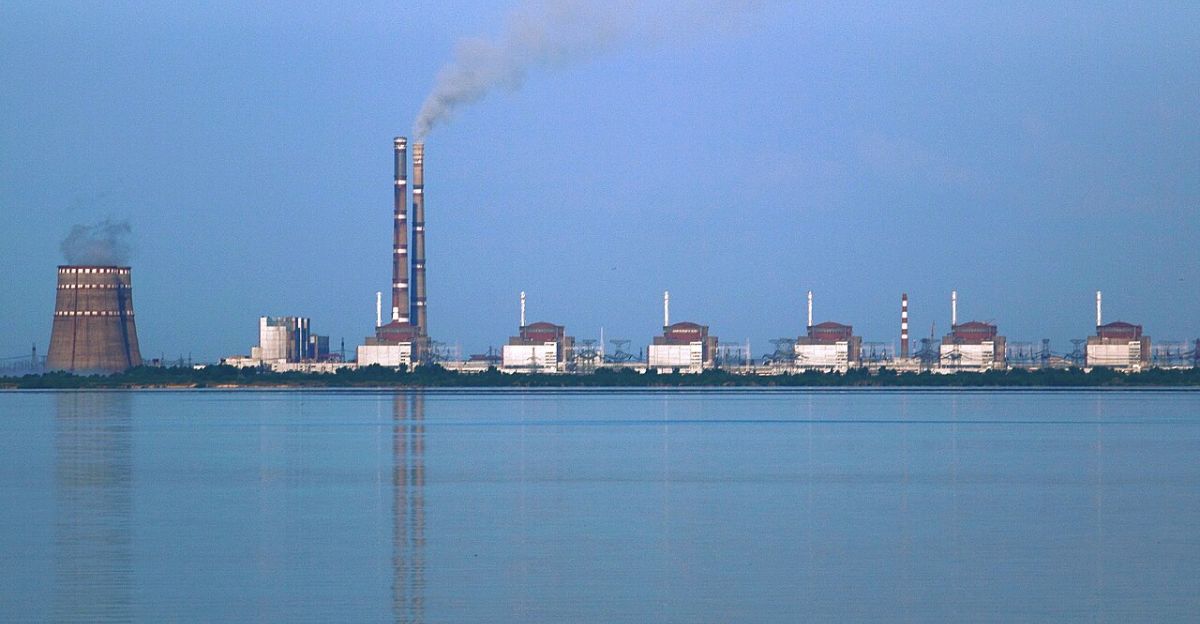
Chernobyl is not the only nuclear hostage. On Saturday, the IAEA reported that the Zaporizhzhia nuclear power plant “temporarily lost all off-site power overnight.” This marks the 11th blackout at the facility since Russia took control in early 2022.
Each power loss forces the plant to rely on backup diesel generators—a precarious “last line of defense” to keep reactors cool. “We are playing with fire,” Grossi has warned repeatedly, as the frequency of these blackouts increases.
“Massive Combined Attack” Hits Energy Grid
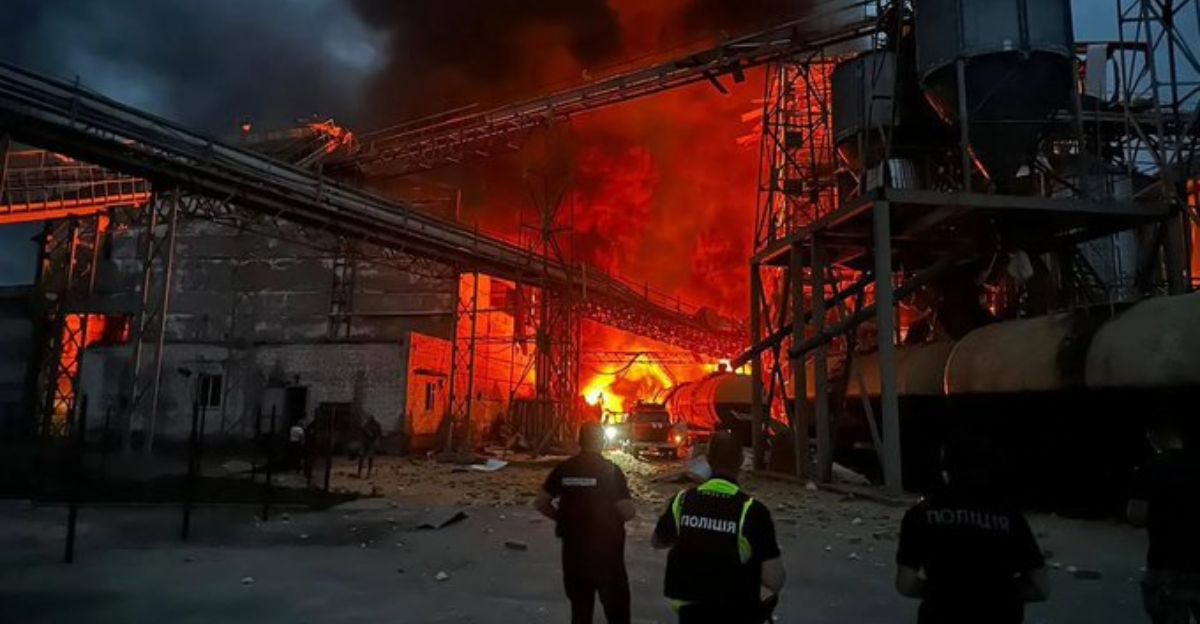
Broader assaults on Ukraine’s infrastructure compound the threats to nuclear safety. Overnight Sunday, Ukraine’s state emergency service reported a “massive combined attack” by Russian forces on industrial and energy sites in the Poltava region. These strikes are part of a calculated campaign to cripple the energy grid that nuclear plants rely on.
The Energy Ministry confirmed that these relentless bombardments forced operating nuclear plants to reduce power generation, further straining an already critical system.
Winter Offensive Targets Vital Substations
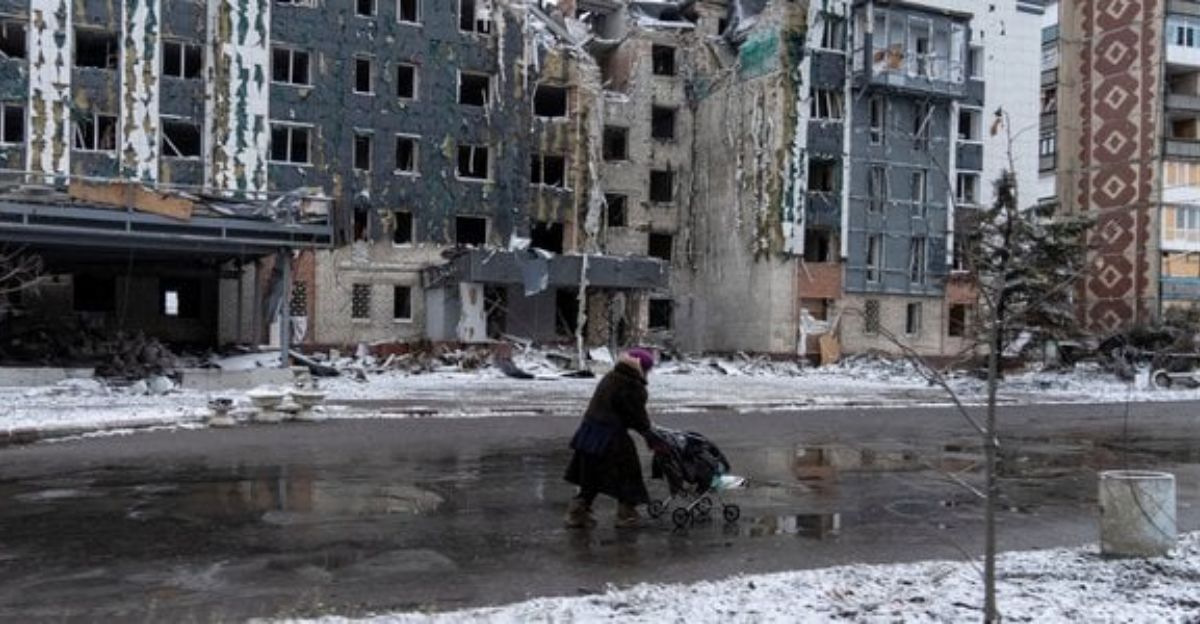
As freezing temperatures set in, Russia has “ramped up attacks” specifically targeting energy infrastructure. The strategy appears to be weaponizing winter itself. By hitting substations, the attacks threaten to cut the “off-site power” essential for cooling nuclear reactors.
The IAEA is acutely aware of this tactic; their teams are currently traveling across Ukraine to inspect “more than 10 electrical substations” that are vital lifelines for the country’s remaining operational nuclear power plants.
IAEA Inspects Grid as Blackouts Loom
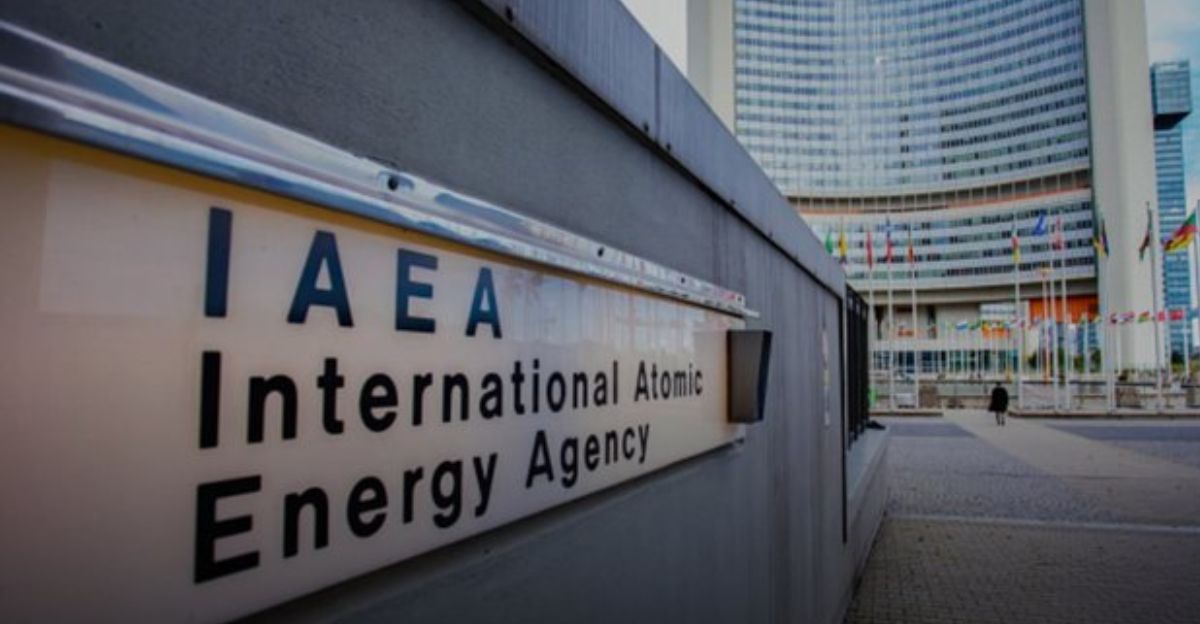
Recognizing the grid’s fragility, IAEA experts are conducting urgent inspections “early to mid-December.” Their mission is to assess the damage to the electrical substations that feed the nuclear plants. This proactive measure highlights the terrifying reality: a nuclear accident could be caused not by a missile hitting a reactor, but by the collapse of the distant power grid that keeps it safe.
The inspectors are racing to verify stability before deep winter maximizes the grid’s load.
Millions at Risk in Contaminated Zones
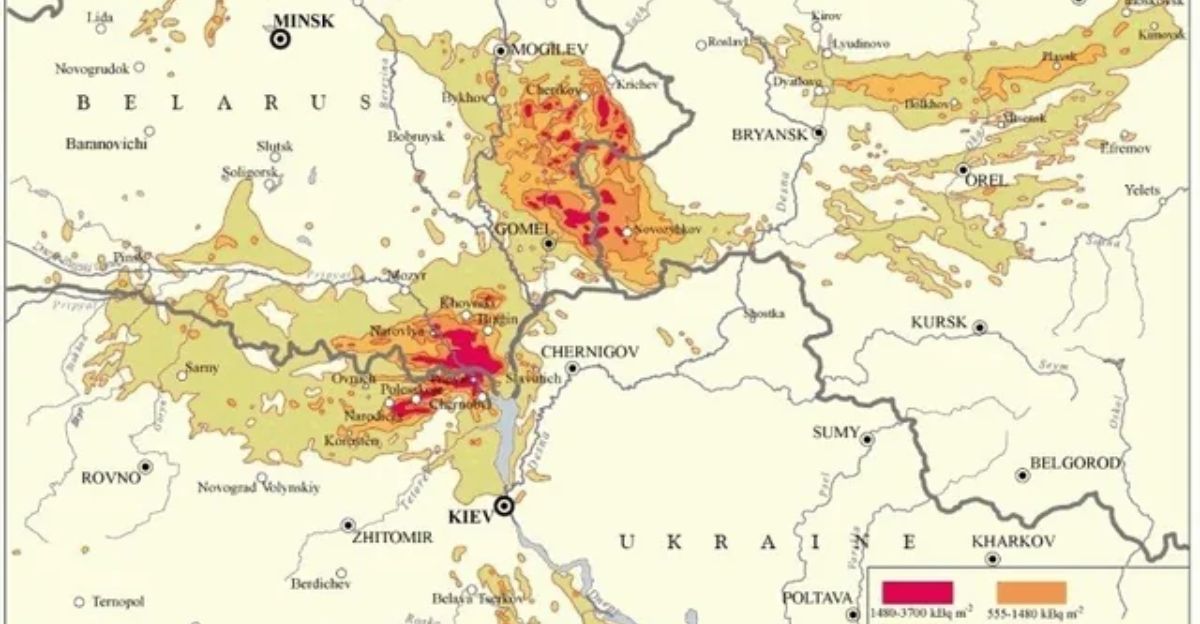
The human cost of these failures is potentially staggering. Approximately 5 million people still live in areas across Ukraine, Belarus, and Russia that were contaminated by the 1986 disaster. If the NSC fails completely or a meltdown occurs at Zaporizhzhia due to power loss, these populations would face a second wave of radioactive fallout.
The “safety” provided by the exclusion zones and the NSC is evaporating, leaving millions in the path of an invisible, drifting enemy.
“Deeply Concerning”: Grossi Sounds Alarm
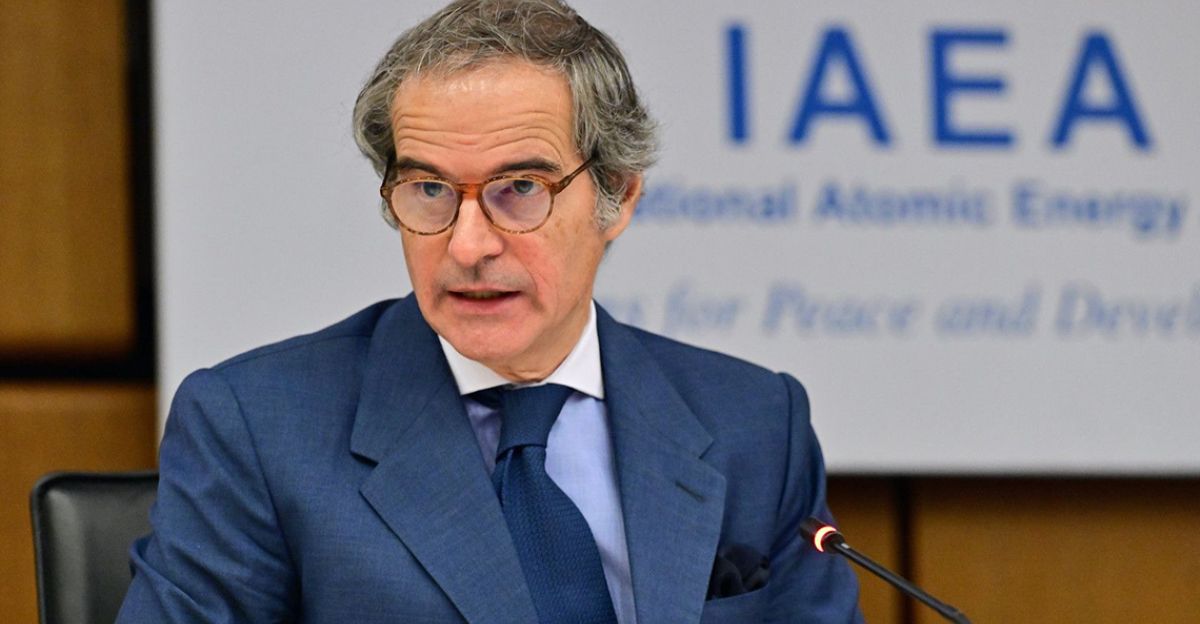
The language from top officials is becoming increasingly urgent. IAEA Director General Rafael Grossi called the situation “deeply concerning,” a diplomatic phrase that masks a dire warning. In his December 6 statement, he stressed that “timely and comprehensive restoration remains essential to prevent further degradation.”
His words reflect the anxiety of the international community: the safeguards built over decades are crumbling, and the political will to fix them is held hostage by war.
A War Fought in a Nuclear Graveyard
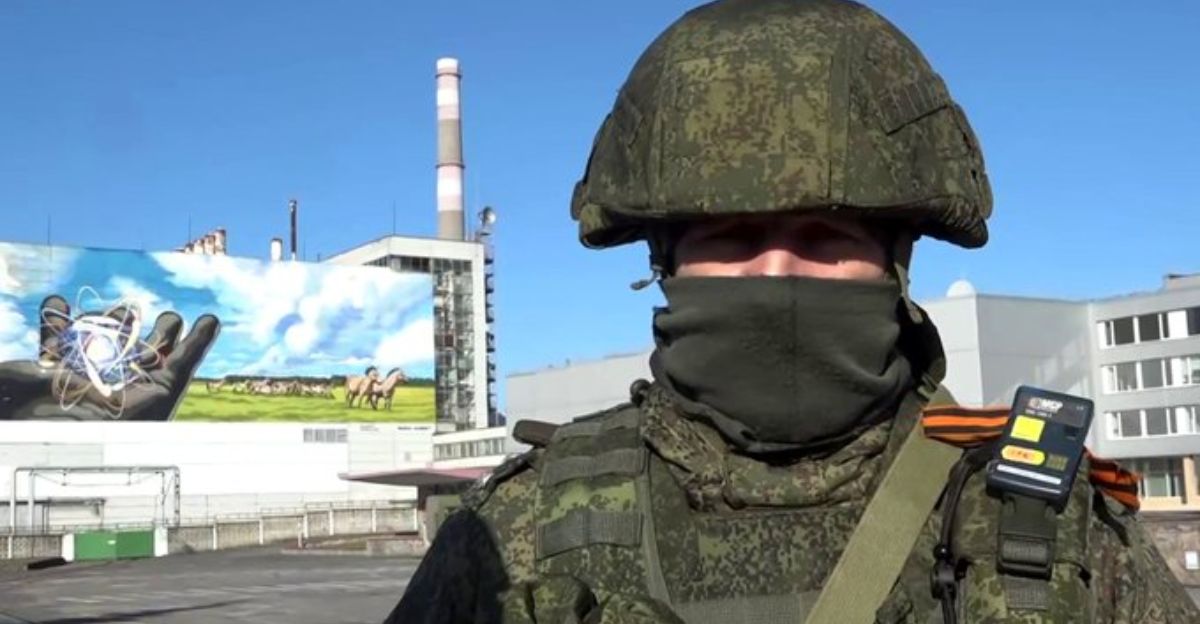
The conflict in Ukraine has created a horrifying historical anomaly: it is the only active war zone effectively fought inside a nuclear graveyard. Russian forces captured the Chernobyl site in the war’s opening days, churning up radioactive dust with tanks.
Now, with the drone strike on the NSC, the war has physically scarred the containment architecture itself. This is no longer just a territorial dispute; it is a battle being waged on ground that remains poisonous for 20,000 years.
Radiation Knows No Borders
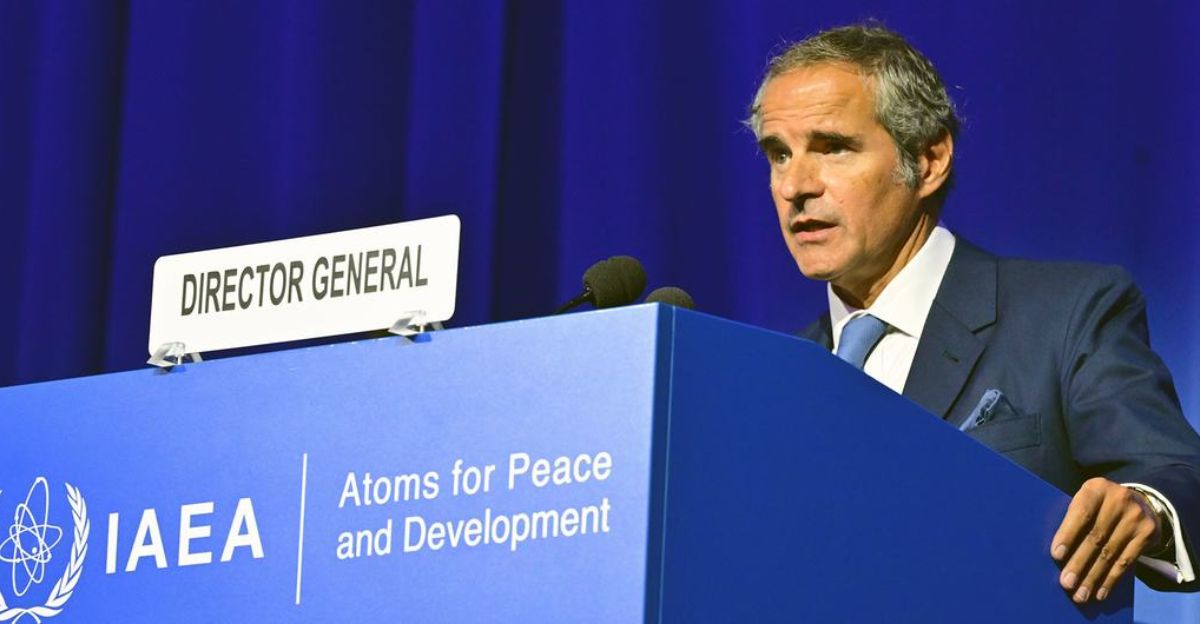
The ultimate fear driving the IAEA’s urgency is that radiation respects no national boundaries. Just as the 1986 cloud drifted over Sweden and Western Europe, a failure at Chernobyl or Zaporizhzhia today would be a continental crisis.
The “confinement capability” lost in the drone strike was not just for Ukraine’s protection but for the world’s. With that barrier compromised, the “invisible enemy” is once again a potential combatant in the European theater.
Countdown to Catastrophe?
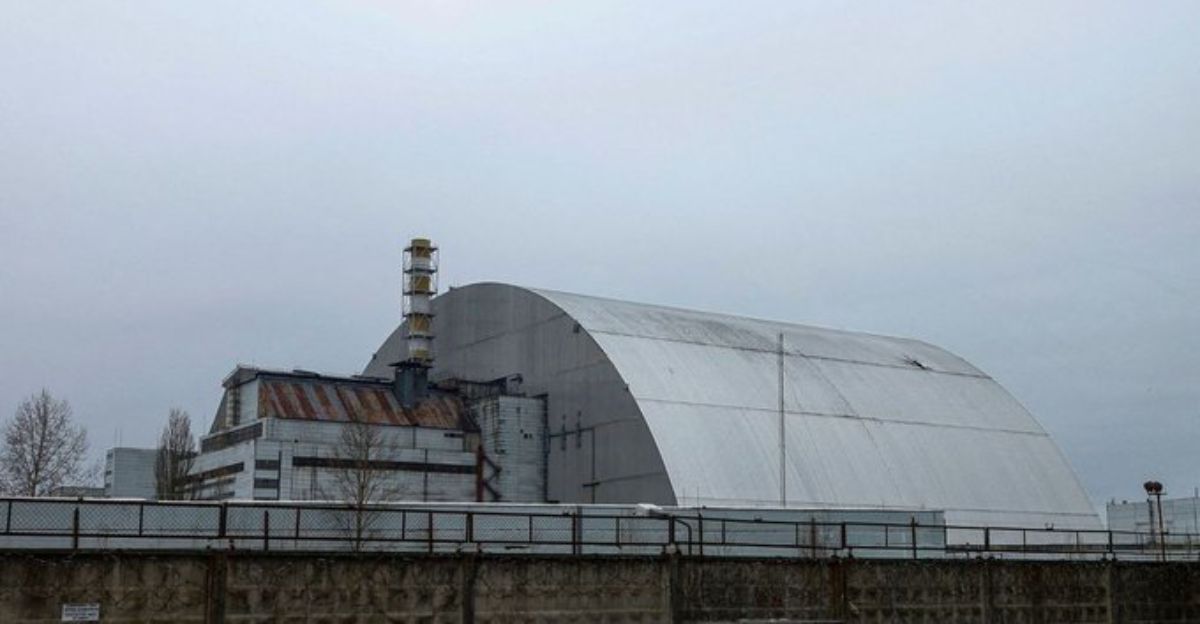
As inspections continue through mid-December, the world watches a dangerous countdown. With the NSC “severely damaged,” repairs delayed until “next year,” and the Zaporizhzhia plant facing its 11th blackout, the safety margins are razor-thin.
The drone strike in February started a slow-motion crisis that has now been confirmed. The question remains: can temporary patches and diesel generators hold out longer than the war, or is a new disaster inevitable?
Sources
International Atomic Energy Agency (IAEA) Director General Statement, December 6, 2025
IAEA Briefing on New Safe Confinement Damage Assessment, December 2025
Ukrainian President Volodymyr Zelensky Statement on Chernobyl Drone Strike, February 2025
IAEA Reports on Zaporizhzhia Nuclear Power Plant Power Outages, 2022–2025
Ukraine Energy Ministry Infrastructure Strike Reports, December 2025
IAEA Permanent On-Site Monitoring Team, Chernobyl Exclusion Zone