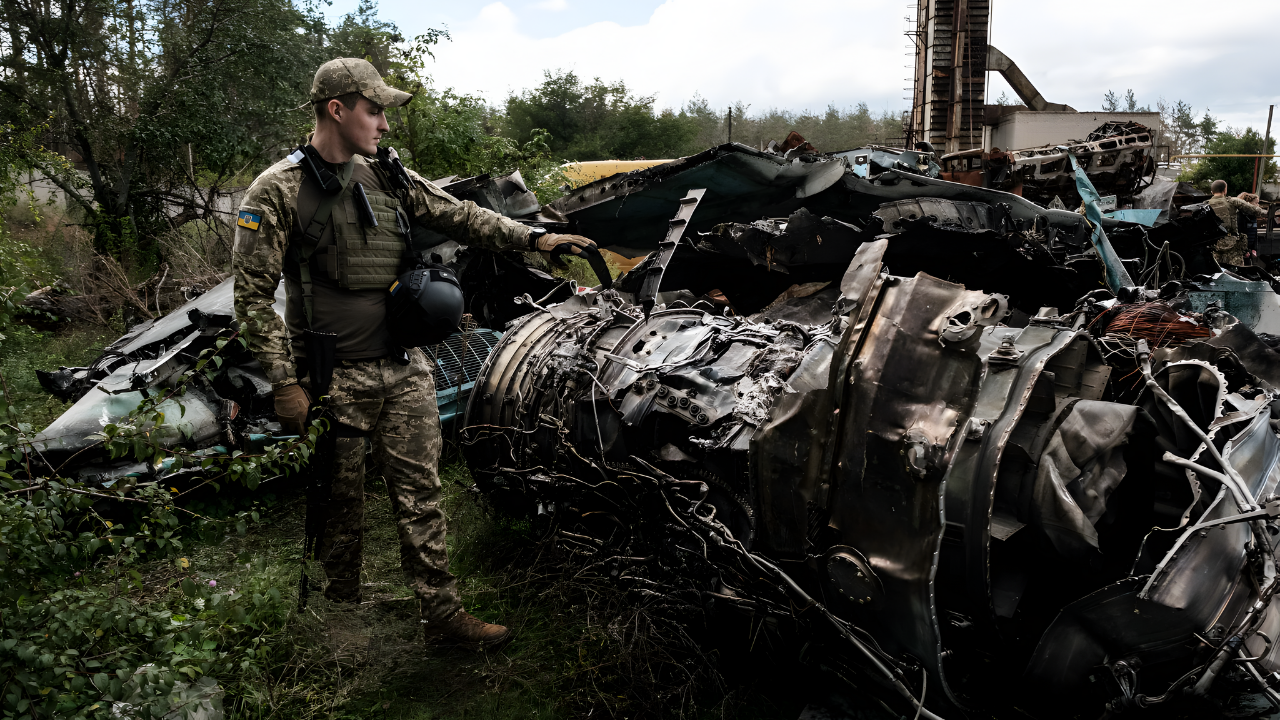
On November 27, 2025, Ukraine dealt a significant blow to Russia’s military in Crimea, striking a key airbase used for reconnaissance. A precision strike destroyed Russia’s flagship fleet of Orion drones, valued at $15 million. This attack crippled Moscow’s surveillance capabilities over the Black Sea and southern Ukraine, creating a strategic advantage for Ukraine.
The attack not only disrupted Russia’s immediate operations but raised questions about how long this tactical advantage will last for Ukraine.
Eyes Dimmed
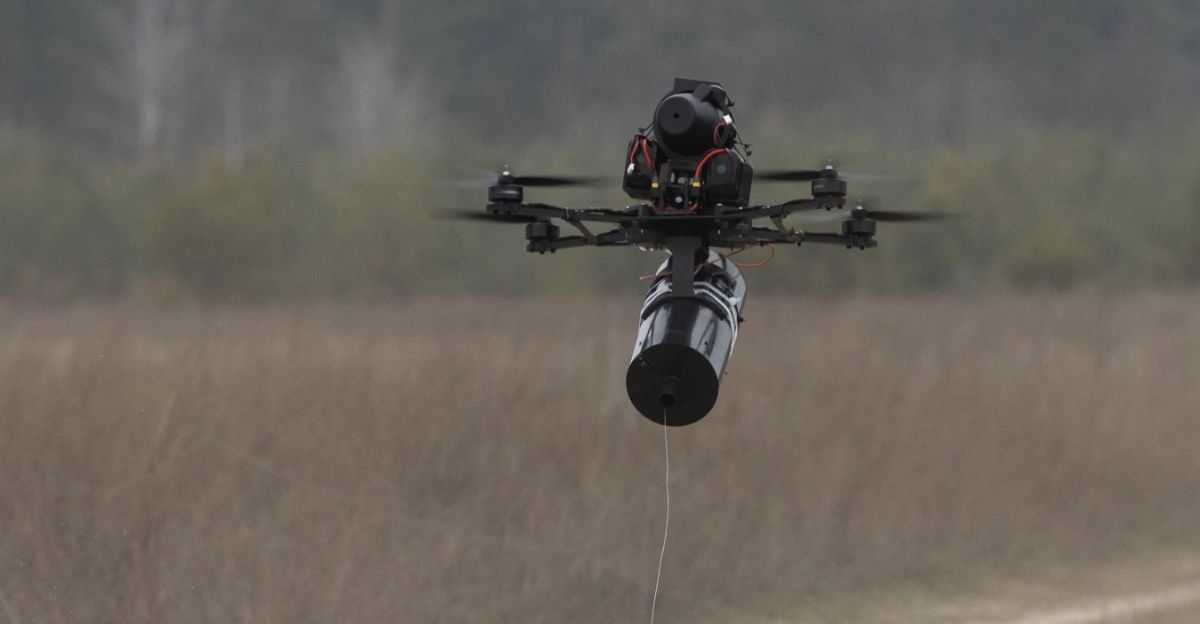
Saky airfield in western Crimea has long been a cornerstone of Russia’s reconnaissance operations, with drones monitoring Ukrainian movements and Black Sea activity. Ukraine’s recent strike not only took out critical hardware but also weakened Russia’s ability to monitor naval and missile activities in real-time.
This major loss narrows Russia’s view of key battlefronts, leaving significant gaps in their surveillance network. The effect will reverberate across the Black Sea theater, reducing Russia’s situational awareness.
Strategic Airfield
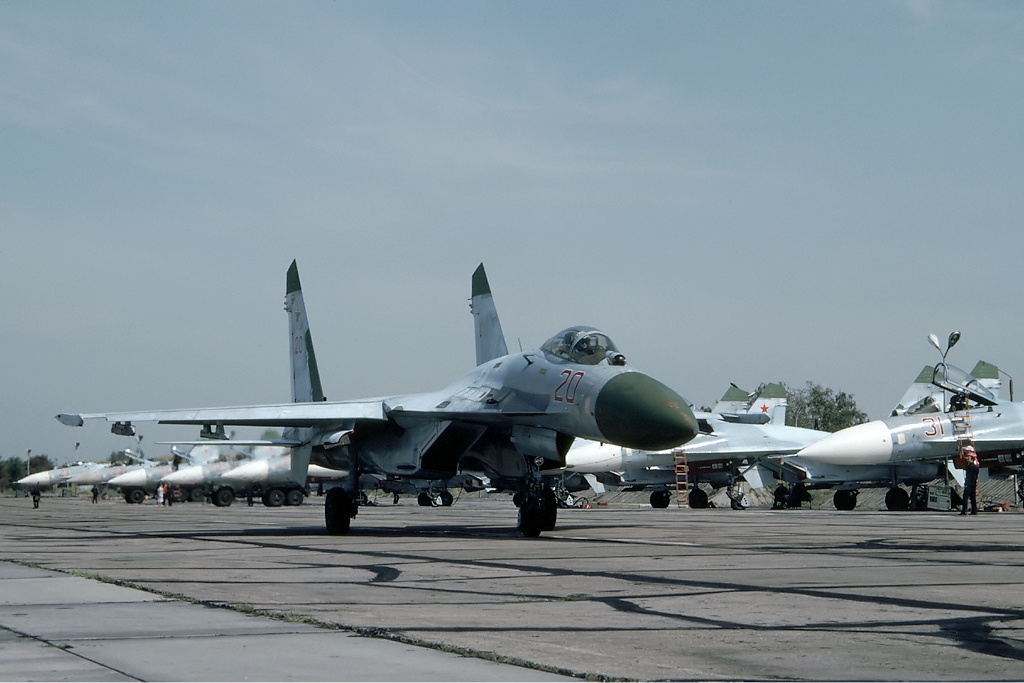
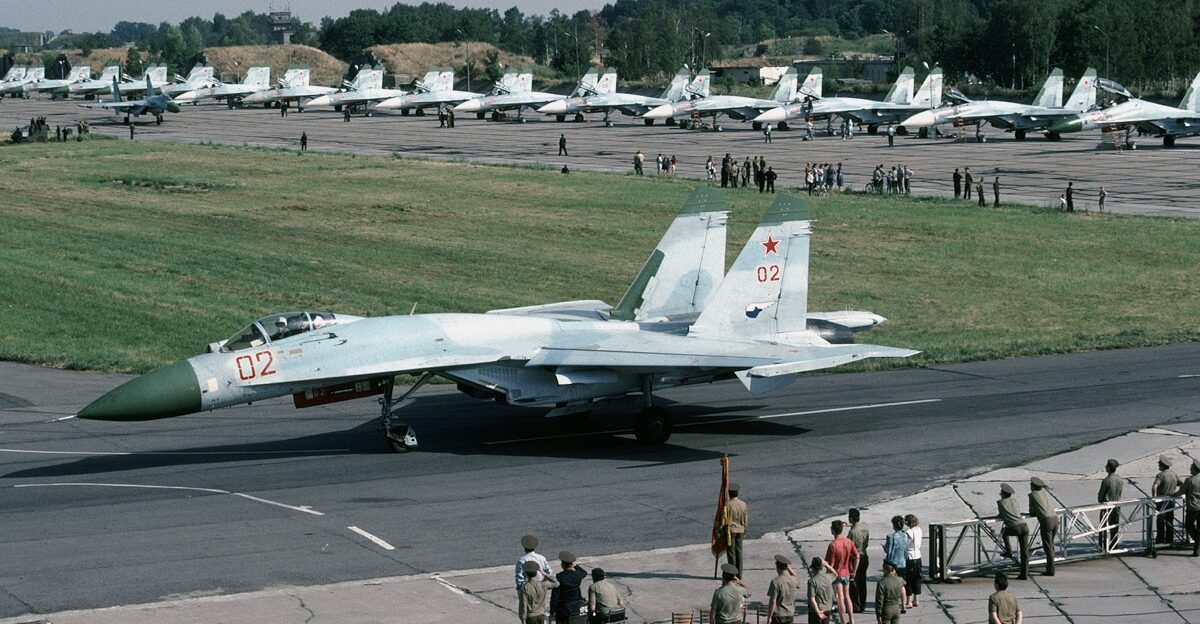
Strategically located near Novofedorivka, Saky airfield became a key hub for Russian reconnaissance after the 2014 occupation of Crimea. Hosting combat aircraft, UAVs, and electronic warfare systems, it was vital for monitoring Ukraine and the Black Sea. Multiple strikes since 2022 have forced Russia to divert air defenses and repair teams to maintain its operations.
But Ukraine’s recent hit delivered a critical blow to one of Russia’s most valuable assets in Crimea, threatening to disrupt their military operations further.
Mounting Pressure
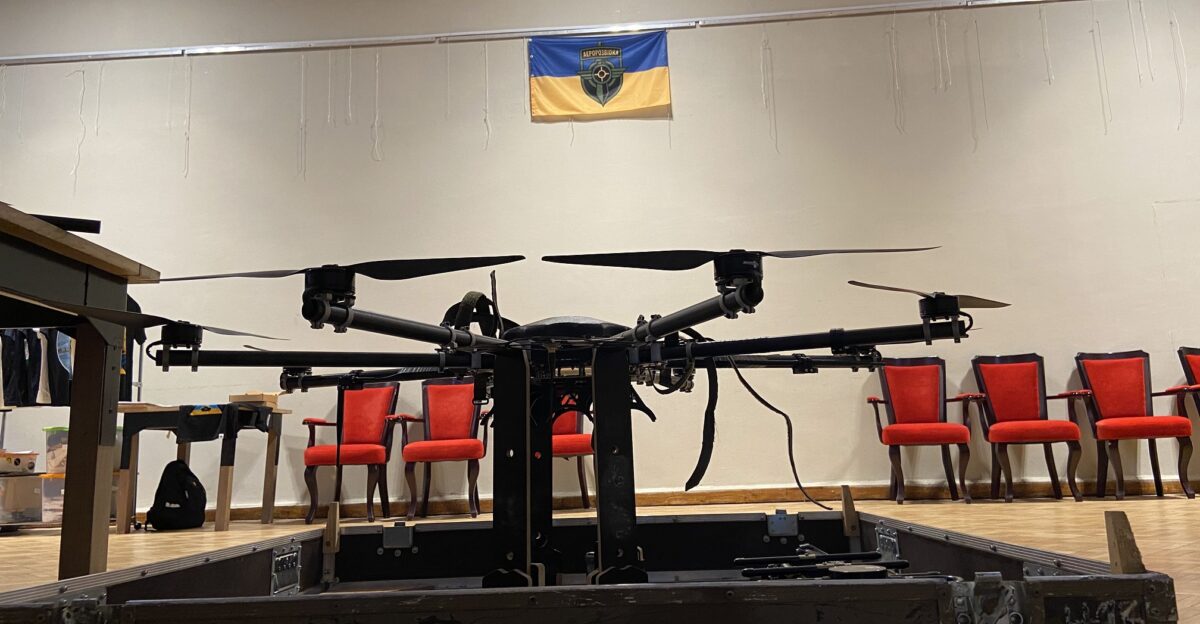
Ukraine’s ongoing strikes are part of a broader strategy to weaken Russian logistics and reconnaissance infrastructure. By targeting key hubs like Saky, Ukraine has systematically dismantled Russia’s integrated air defenses and drone depots. Each successful attack on such critical infrastructure makes it harder for Russia to maintain effective surveillance.
This constant pressure is tightening Ukraine’s control over the operational tempo, limiting Russia’s ability to respond to developments on the front lines.
Flagship Hit
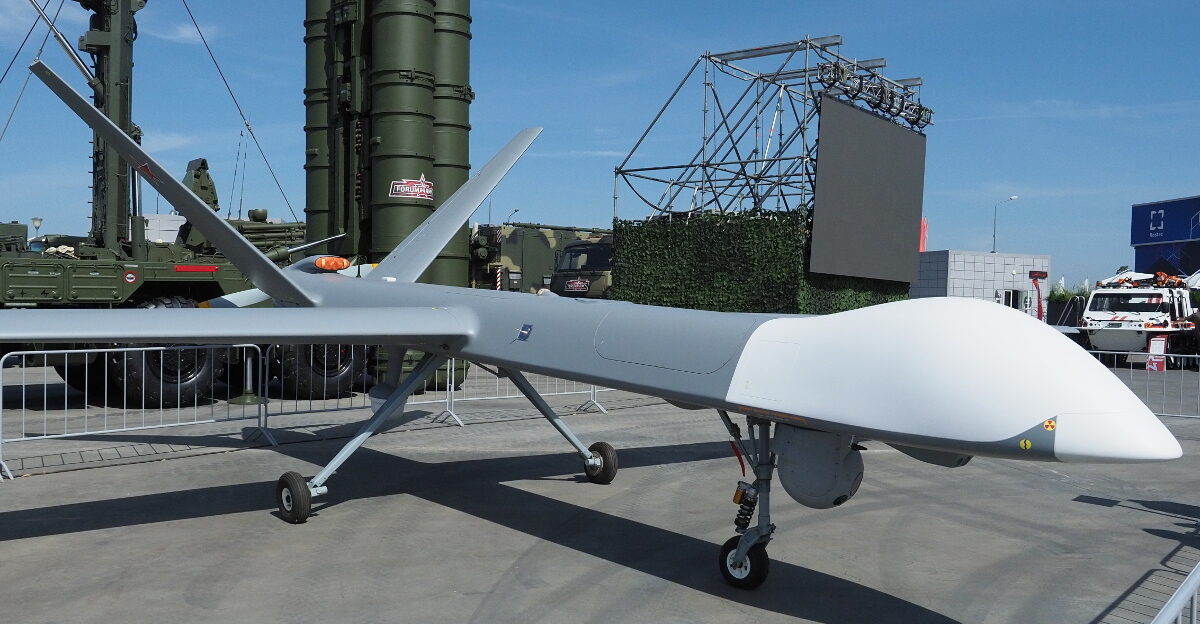
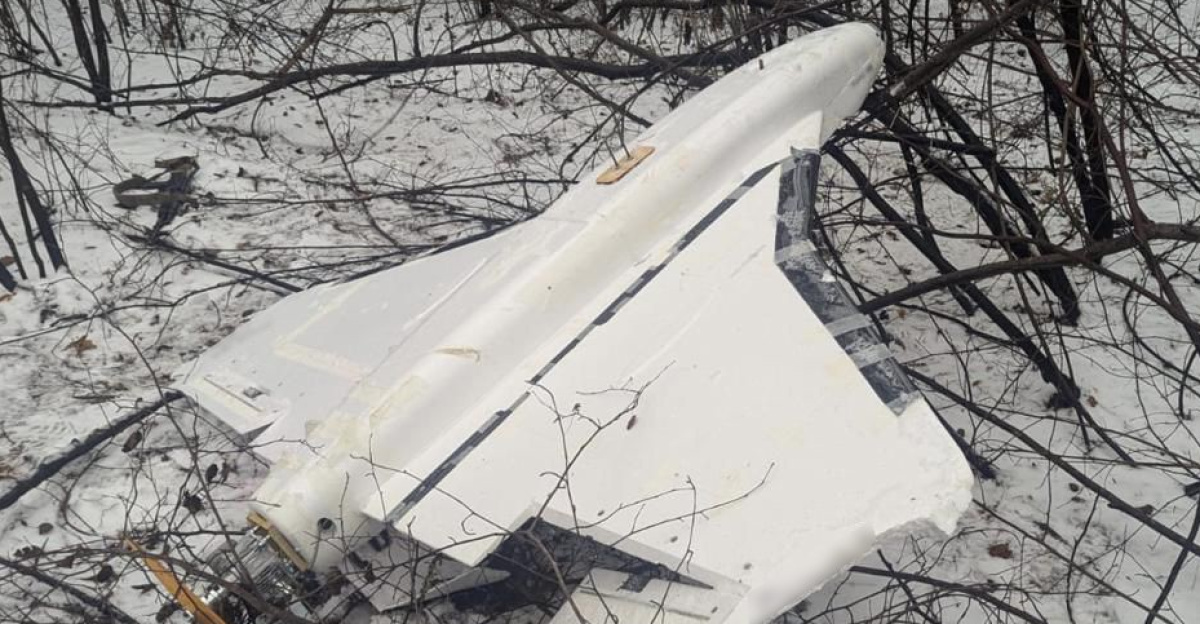
The destruction of a hangar at Saky airfield marks a significant blow to Russia’s fleet of long-range Orion and Forpost drones. These drones were crucial to Russia’s ability to surveil Crimea and the Black Sea. Estimated at $5 million each, the loss of these high-tech reconnaissance assets will have a profound impact on Russia’s military operations in the region.
The loss of these drones is not just an equipment hit—it is a major loss of capability in a region crucial to both sides’ military strategies.
Regional Blind Spot
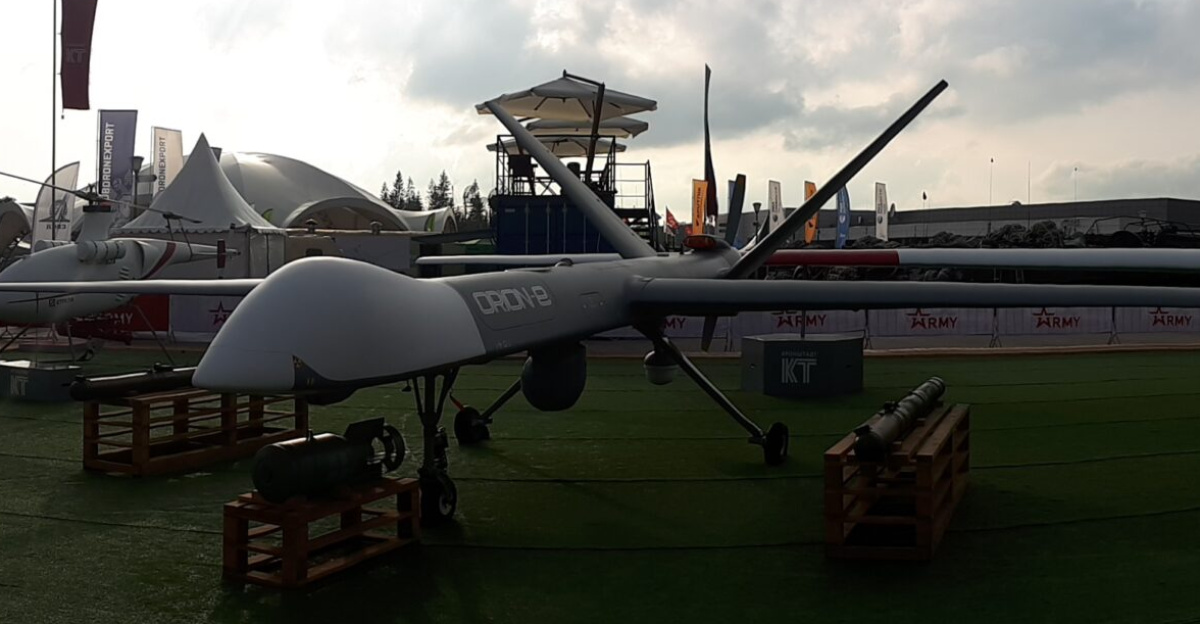
The loss of the Orion drones significantly impacts Russia’s ability to monitor activities across the Black Sea and southern Ukraine. Analysts suggest that the drones’ destruction creates a temporary gap in Russia’s surveillance network, making it harder to track Ukrainian naval movements, missile launches, and covert operations.
This provides Ukraine with an advantage while Russia scrambles to restore its capabilities, potentially allowing Kyiv to exploit this window for strategic advances.
Crews Under Fire
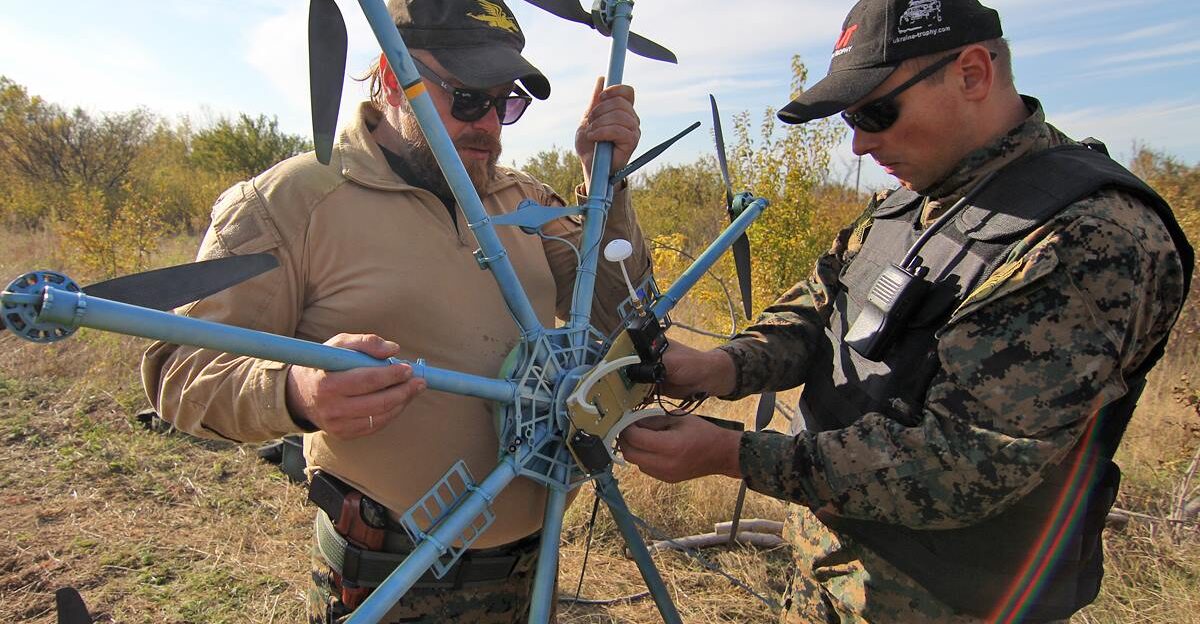
Behind every drone strike is a team of skilled operators, engineers, and analysts. While Russia can eventually replace the drones, the loss of experienced personnel, coupled with the destruction of infrastructure, will disrupt operations for a long time. Maintaining continuity at Saky’s damaged hub will require significant effort and time.
This disruption not only affects equipment but strains Russia’s personnel and command structure, weakening its ability to rapidly redeploy and restore full operational capacity.
Air Defenses Gutted
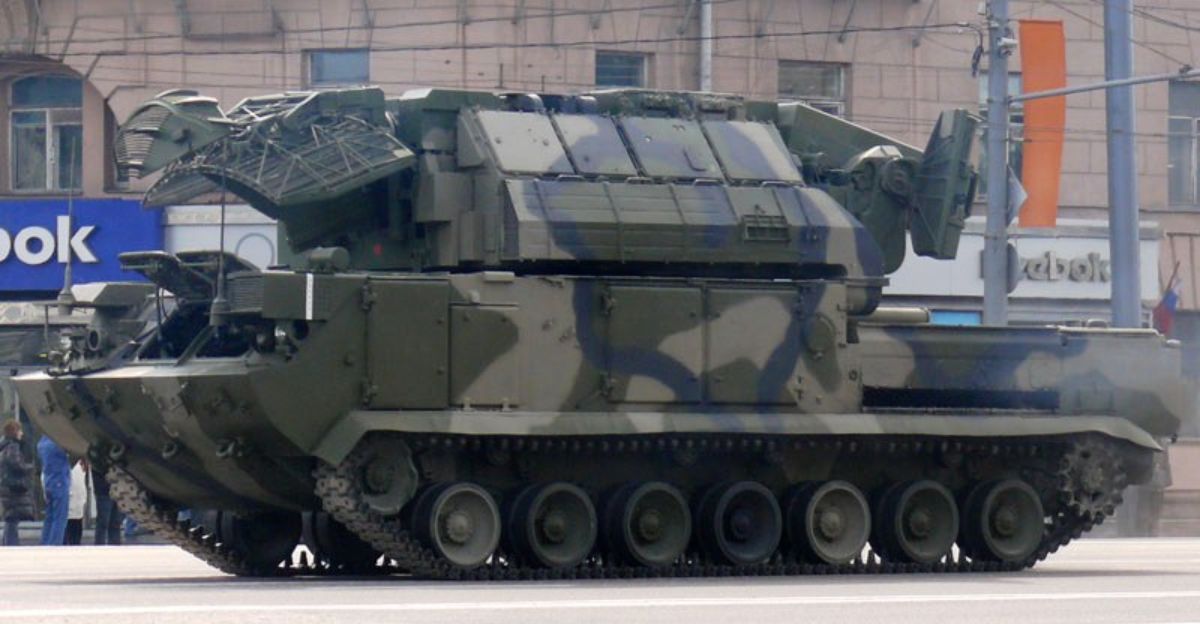
Before targeting the drone fleet, Ukrainian forces neutralized several of Saky’s air-defense assets, including the Pantsir-S1 and Tor-M2 systems. This weakened Russia’s defensive capabilities, allowing the follow-up strike on the drone hangar. The destruction of these air defenses opens up the western Crimea region to further attacks.
By exposing critical infrastructure, the loss of these defenses leaves Russia vulnerable to more strikes, creating a fragile defense network across its occupied territories.
Network Under Strain
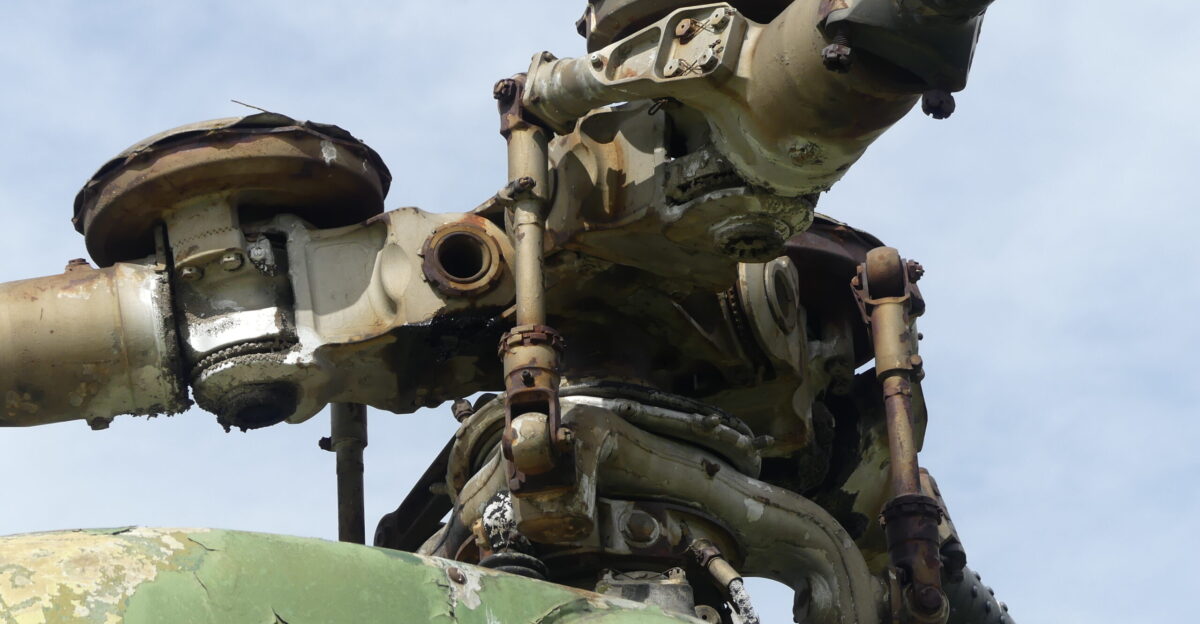
Russia’s surveillance network, while extensive, is under increasing strain as a result of Ukraine’s targeted strikes. Previous attacks on radar systems and helicopters have already reduced Russia’s redundancy. The latest strike on Saky, a core hub, stretches Russia’s remaining drones and surveillance assets thin.
This has the potential to create exploitable gaps elsewhere along the front, further eroding Russia’s ability to track Ukrainian activities effectively in the region.
Hidden Costs
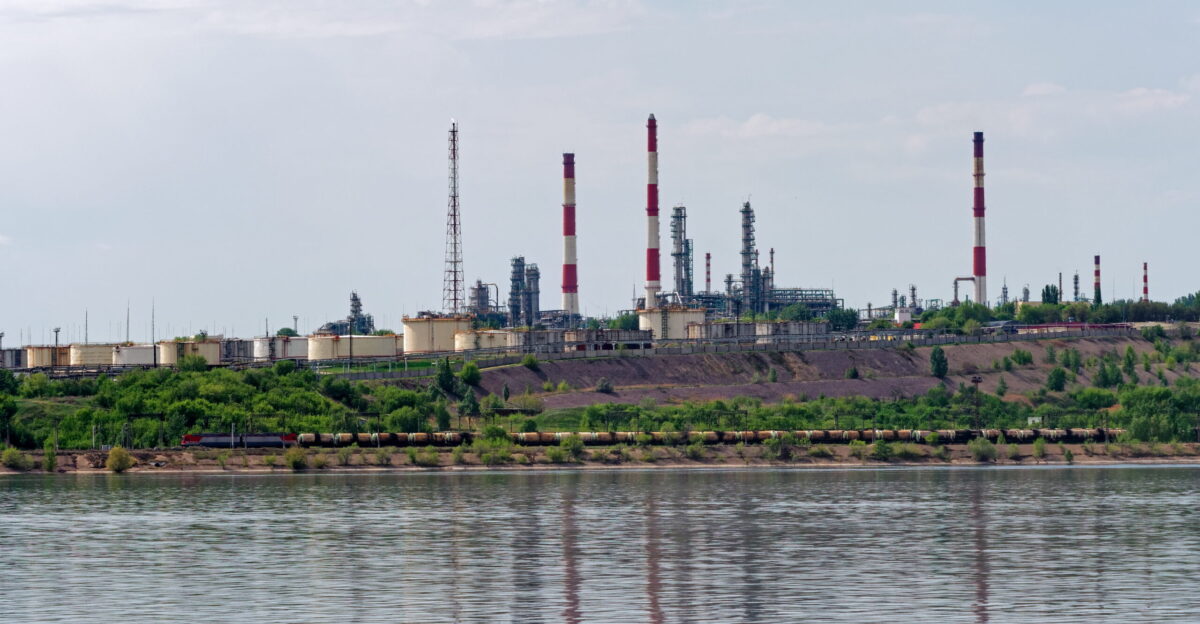
The attack on Saky was part of a wider Ukrainian operation that also hit Russia’s Saratov oil refinery and military infrastructure. By targeting both reconnaissance hubs and vital logistics, Ukraine compounds the operational disruption. The destruction of fuel supplies alongside surveillance assets reduces Russia’s ability to keep its military operations running smoothly.
The cumulative effect of these attacks creates a much larger operational bottleneck, limiting Russia’s ability to continue its military campaigns with the same effectiveness.
Russian Friction

The growing frequency of Ukrainian strikes in Crimea has led to significant frustration within Russia’s military ranks. Military bloggers and unofficial sources have criticized gaps in air defense, with each new attack fueling discontent. As Russia faces increasing internal pressure to address these vulnerabilities, tensions rise between field units tasked with protecting strategic assets and higher command.
This internal frustration could worsen, affecting Russia’s cohesion and ability to respond rapidly to threats from Ukraine, further complicating their efforts in the region.
Command Under Scrutiny
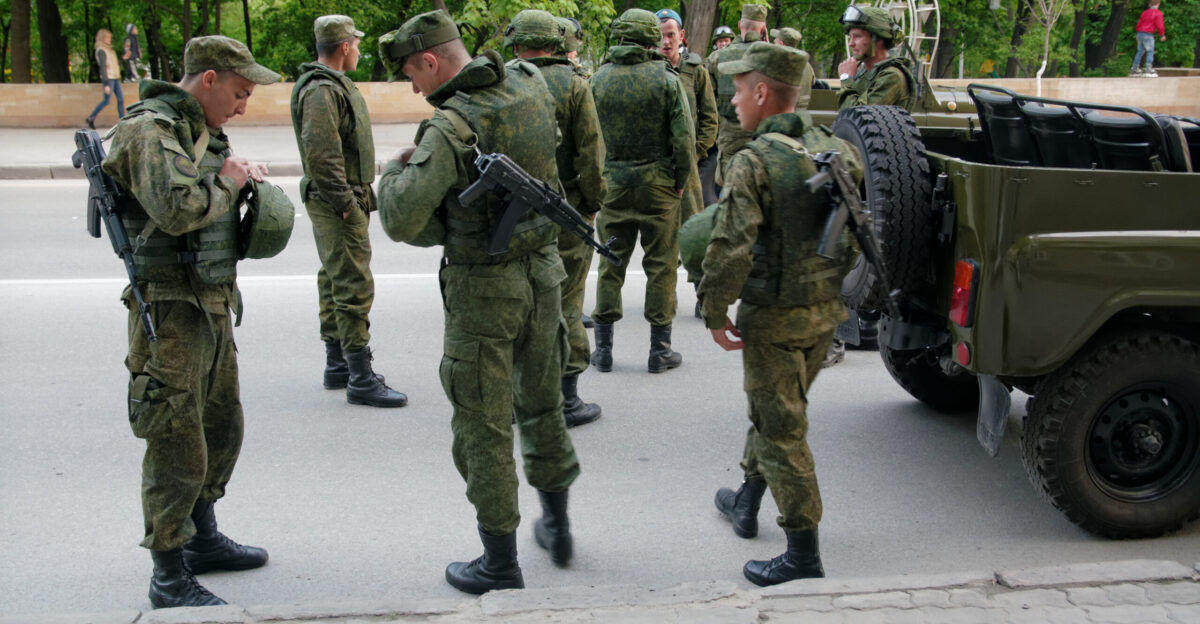
Repeated setbacks in Crimea, including the strike on Saky, have prompted shifts within Russia’s military command structure. While Moscow rarely confirms personnel changes, there have been reports of disciplinary actions and rotations within air-defense and drone command units. These changes reflect the internal scrutiny following significant losses.
The ongoing pressure highlights the strategic importance of Crimea and the need for effective command and control to restore lost capabilities quickly, which is easier said than done under these circumstances.
Ukrainian Momentum
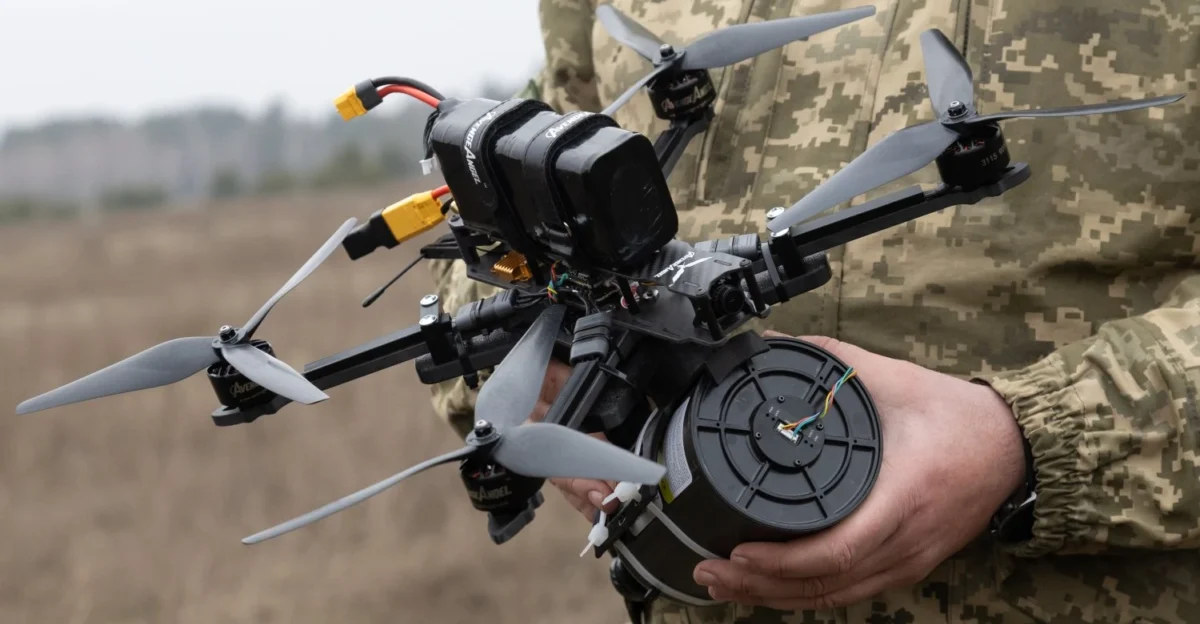
Ukraine’s successful operation at Saky underscores its growing strike capabilities, particularly in long-range operations. The attack was a coordinated effort involving Ukrainian Naval and Special Operations Forces, marking a significant milestone for Kyiv’s ability to target high-value Russian assets deep behind enemy lines.
This operation not only disrupts Russia’s surveillance network but also boosts Ukrainian morale and validates its investment in precision strike technologies, creating a powerful momentum for future strikes.
Legal and Ethical Lens
Under international law, military airfields and reconnaissance hubs are considered legitimate targets during wartime if they are used for combat operations. Ukraine’s strike on Saky aligns with these legal frameworks, as it targeted a critical military asset. No credible reports have indicated civilian casualties from the attack, suggesting that it adhered to the principles of distinction and proportionality under international humanitarian law.
This adherence to international law provides a legal justification for Ukraine’s actions, demonstrating that the strikes were aimed at degrading military capabilities without causing undue harm to civilians.
What Comes Next
In the aftermath of the strike, Russia will likely rush to restore its drone capabilities and air defenses in Crimea. However, Ukraine may capitalize on this temporary disruption, exploiting gaps in Russia’s reconnaissance network to advance operations. The central question remains whether Ukraine can maintain this operational momentum and continue to degrade Russia’s surveillance capabilities over the Black Sea.
As the situation unfolds, the battle for control of Crimea’s skies may be far from over, with both sides maneuvering for an upper hand.
Sources:
Ukrainska Pravda — November 28, 2025
General Staff confirms attack on Russia’s Saratov oil refinery and Saky airfield in Crimea
Ukrainska Pravda — December 3, 2025
Ukraine hits oil depot in Russia, technical observation post in Black Sea and three Orion UAVs in Crimea – General Staff
Caliber.Az — November 28, 2025
Ukraine strikes key Russian targets in Crimea
United24Media — November 28, 2025
Ukraine Strikes Russian Saky Airbase in Crimea, Hits Drone Storage and Air Defenses
Institute for Study of War — July-October 2025
Russian military command assessments and Crimea air defense analysis