
A stylist in suburban Minneapolis checked her email on a Tuesday morning in 2025. Her Supercuts location, where she’d worked seven years building clientele, was permanently closing in 30 days. No severance mentioned.
Just a closure notice delivered digitally to franchisees and shocked employees across America. By the final bell, Regis Corporation had dismantled 443 Supercuts franchise locations—erasing an estimated 2,600 to 3,100 jobs in a single fiscal year.
A Chain That Built the American Dream Now Crumbles It
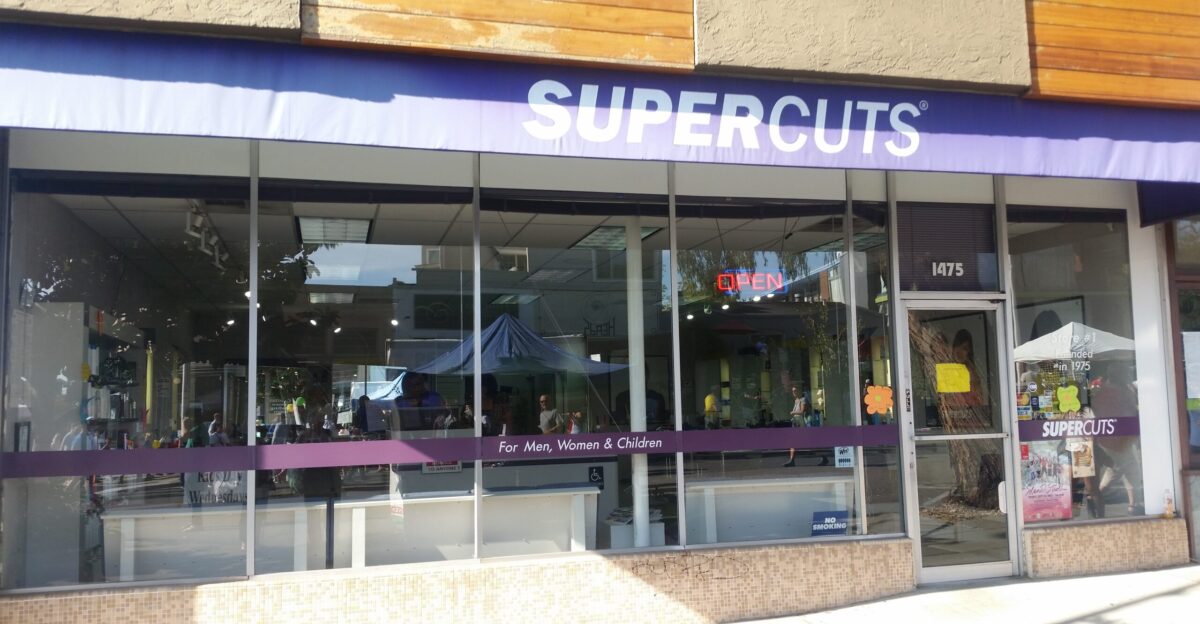
Founded in 1975 in Albany, California, Supercuts revolutionized American hair care. It pioneered walk-in salons with no appointments, unisex haircuts at affordable prices. By 2025, the chain operated roughly 2,070 franchise locations nationwide.
Yet parent company Regis Corporation initiated dramatic transformation devastating franchisees and workers. The salon chain that symbolized accessible grooming services now symbolizes corporate consolidation’s human cost.
Corporate Profit Masks a Bloodbath Below

During Regis Corporation’s Q1 2025 earnings call in September, CFO Kersten Zupfer disclosed 443 franchised Supercuts locations had been shuttered despite $59 million in revenue—a 28 percent increase year-over-year.
High-performing and struggling salons showed stark differences: a $350,000 revenue gap separated closed locations from thriving ones. For Regis executives, this meant an opportunity to maximize profits. For franchisees and workers, it meant devastation.
The Franchise Trap Exposed
Prospective Supercuts owners face daunting barriers: $185,000 to $318,000 initial investment plus $39,500 franchise fee. Franchisees pay six percent royalties, five percent advertising fees, and absorb all lease and labor costs. Net annual profit? Between $39,700 and $51,100—so thin that modest revenue declines trigger collapse.
“It’s easier getting divorced than escaping a franchise agreement,” noted Gary Robins, owning 60 locations. The franchise model locks owners into binding contracts that corporations eliminate unilaterally.
Workers Caught in Corporate Restructuring

Budget salon chains operate on razor-thin margins, with compensation consuming 60 percent of expenses. Typical locations employ five to seven staff members—stylists, receptionists, and managers—who earn $10 to $22 hourly, supplemented by tips. When 443 locations shut down simultaneously, an estimated 2,215 to 3,101 employees faced unemployment with minimal notice and no severance pay.
Many invested decades building customer bases that vanished overnight. Displaced workers reported sudden email closures, missing paychecks, and lawsuits against corporations.
A Systematic Pattern of Closures Since 2020
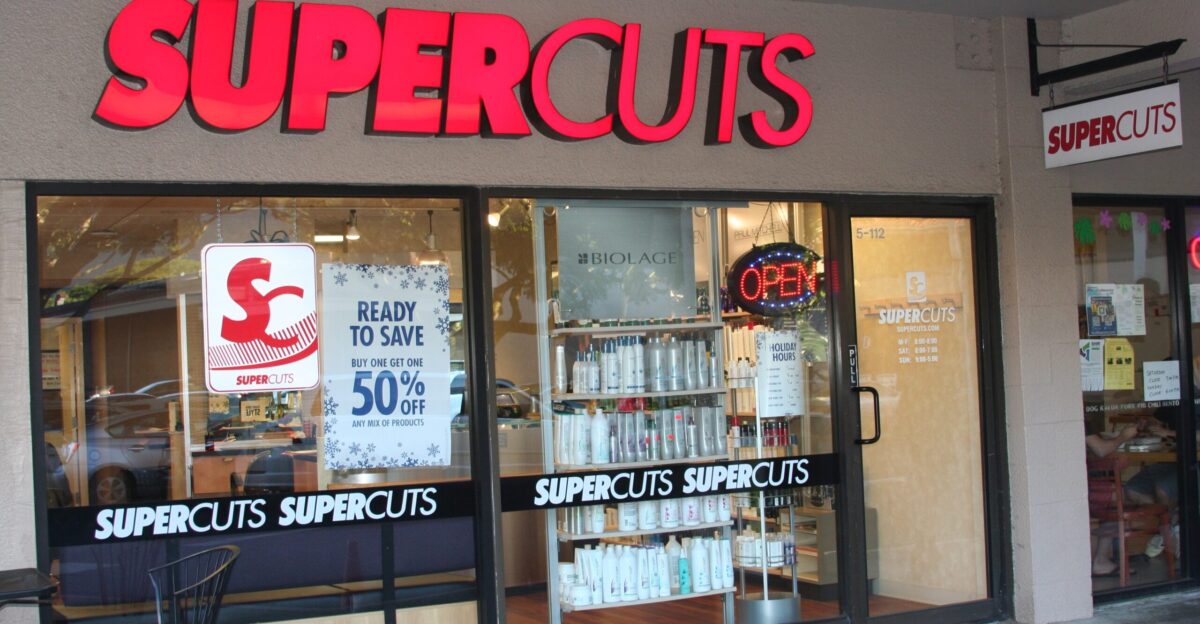
The 2025 closure wave represents escalation, not aberration. Supercuts shuttered: 102 locations in 2020, 273 in 2021, 156 in 2022, 196 in 2023, and a record-breaking 443 in 2025. Franchised locations plummeted from 2,264 in fiscal 2023 to fewer than 1,800 by mid-2025. Yet Regis repeatedly insisted closures had peaked.
“Fiscal year 2025 was the last year of closures in this order of magnitude,” CFO Zupfer claimed. Five consecutive years of contraction rendered such assurances meaningless.
The Bigger Retail Apocalypse

Supercuts represents one brutal chapter in 2025’s unprecedented retail collapse. The U.S. retail sector eliminated 76,000 jobs in the first five months—a 274 percent increase over 2024. Coresight Research projects 15,000 total store closures by year-end 2025, more than double the 7,325 closures in 2024.
Party City liquidated 700 stores and 16,000 jobs. Joann Fabrics closed 800 locations and 19,000 positions. Walgreens eliminated 450 pharmacies. The Supercuts collapse ranks as a mid-tier catastrophe within the larger employment bloodbath.
Beauty Industry Faces Structural Collapse

Beyond Supercuts, the beauty sector hemorrhages locations and workers. The UK’s National Hair & Beauty Federation reported 16,500 job losses in 2023-24, with 21% of salons operating at a loss. Rising minimum wages, increased insurance contributions, inflation, and declining discretionary spending create an impossible economic situation.
Only eight percent of salon businesses plan to hire; five percent commit to apprenticeships. Luxury beauty companies, including Estée Lauder and Unilever, announced hundreds of combined job cuts through restructuring and layoffs.
Consumer Spending Evaporates Amid Economic Uncertainty

Salon closures accelerate when customers tighten spending. GDP contracted 0.2 percent in Q1 2025, while tariffs increased operational costs. Consumers reduced their discretionary spending on haircuts and facials amid fears of layoffs.
NYC aesthetics coach Genevieve Santos-Bann reported 80 percent of beauty professionals she mentored experienced measurable business declines. “Customers feel the impact of layoffs or the looming threat, prompting proactive measures to cut back on non-essential services,” she explained. This vicious economic cycle accelerated throughout 2025.
The Franchise Model’s Fatal Flaw
The Supercuts collapse exposes fundamental vulnerabilities in the American franchise system. While franchisors advertise brand recognition, training, and support, franchisees absorb individual location losses, while corporate profits are generated from the success of high-performing locations.
When Regis eliminated 443 underperforming franchises, corporate revenue actually increased through the December 2024 Align acquisition and same-store sales growth. Franchisees experienced financial devastation. This misalignment of incentives—corporate incentivized to shed marginal units, franchisees trapped in binding contracts—transforms franchise models from opportunity into vulnerability.
Regis Pivots Toward “Asset-Light” Model at Worker Expense

Regis Corporation’s pivot toward an “asset-light franchising model”—maintaining profitable locations while divesting underperformers—prioritizes shareholder returns over franchisee welfare and worker stability.
The company acquired over 300 Align company-owned salons in December 2024, converting them to corporate ownership while simultaneously closing hundreds of franchised locations. Interim CEO Jim Lane emphasized “transformation,” a vague corporate-speak term that obscures the brutal reality: thousands of workers lost their livelihoods while executing corporate strategy. This increasingly common approach prioritizes per-unit profitability over employment stability.
Displaced Workers Face Limited Alternatives

Supercuts employees—stylists, managers, receptionists—possess specialized skills with minimal transferability beyond the beauty industry. Most earned service-industry wages with limited savings. State-specific licensing restrictions, relocation challenges, and depressed local salon markets compound obstacles.
Workers in their 40s, 50s, and beyond invested decades building client relationships now permanently severed. “When it’s dead I’m barely surviving financially,” one salon employee shared. Another described psychological toll: “I’m finding myself crying while preparing for work” due to brutal scheduling and absent compensation.
Industry Transformation Accelerates Permanently

UBS analysts project U.S. retail closures could reach 45,000 stores by 2029, driven by e-commerce competition, automation, and changing consumer behavior. Supercuts exemplifies this pattern: as corporations consolidated toward profitable locations, marginal stores shuttered.
The closure model—targeting underperforming units while scaling profitable ones—repeats across retail sectors. Beauty salon networks contract nationwide while smaller independent operators compete against corporate chains and digital alternatives.
The Question No One’s Answering

As 2025 progressed, a critical question haunted displaced beauty workers, franchise owners, and industry observers: How many more Supercuts locations will close before Regis’s promised stabilization materializes? The company’s repeated assurances that closures peaked ring hollow after five consecutive years of contraction.
For workers already unemployed and franchisees holding depreciating lease agreements, promises offer no consolation. The Supercuts collapse represents not aberration but acceleration—a preview of retail’s restructured future where efficiency trumps employment.
What Comes Next: A Cautionary Tale for All Franchisees

The Supercuts collapse sends a chilling message to prospective franchise owners: brand recognition and corporate support offer limited protection during downturns. Corporate franchisors can eliminate locations, leaving individual owners contractually bound yet operationally abandoned.
For beauty workers, employment in franchise systems largely depends on corporate profitability calculations, rather than tenure, skill, or customer relationships. As retail consolidation accelerates, the franchise model’s promise of entrepreneurial opportunity increasingly rings hollow for those caught in contraction phases.
Sources:
Regis Corporation Q1 2025 Earnings Call Transcript, September 3, 2025
TheStreet.com: “Popular Mall, Strip Mall Chain Quietly Closed 443 Locations in 2025,” November 30, 2025
Coresight Research: U.S. Retail Store Closures Forecast 2025
U.S. Bureau of Labor Statistics: Retail Employment and Job Losses Report, 2025
National Hair & Beauty Federation: Salon Employment and Industry Analysis Report, 2024-2025