
In early December 2024, a single comment sparked a storm across one of the world’s largest streaming platforms. Voice actor Daman Mills warned that “using AI for a dub… just spits in our faces,” reacting to Amazon Prime Video quietly rolling out synthetic voice tracks on popular anime titles.
Within 72 hours, coordinated pressure from fans, actors, unions, and Japanese rights holders forced Amazon to pull the experiment. The controversy highlights the growing tension between automation and artistry in the entertainment industry.
Silent Rollout, Sudden Storm
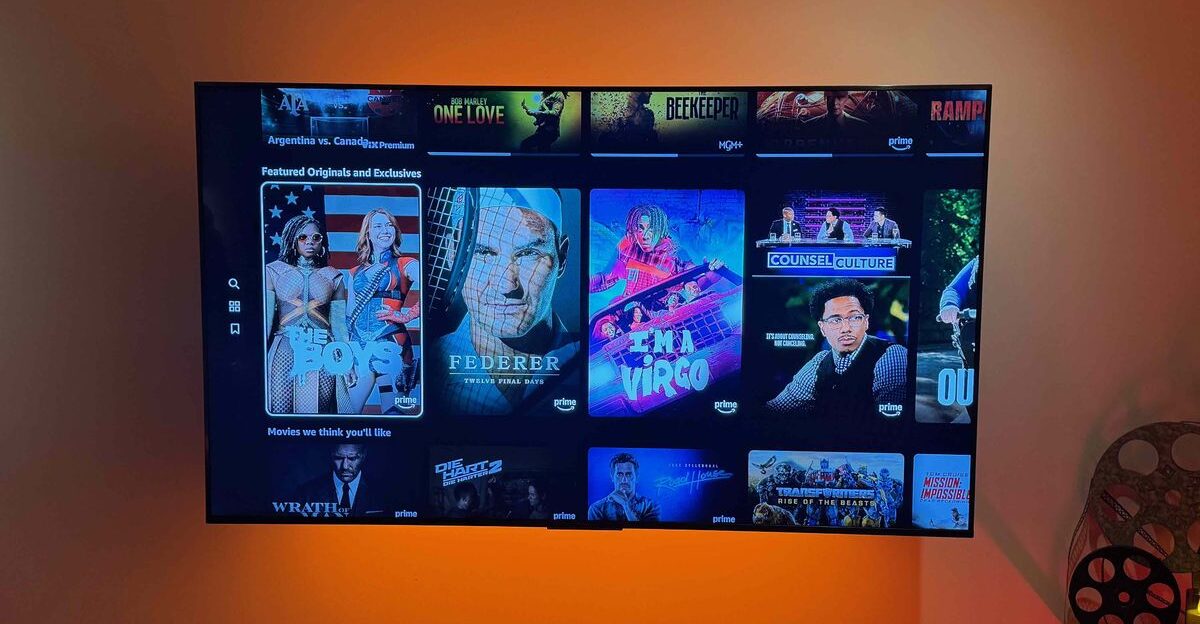
In March 2024, Amazon launched an “AI-aided dubbing pilot,” adding synthetic English and Latin American Spanish tracks to 12 anime series and films. Labels such as “AI beta” appeared on titles including Banana Fish, No Game, No Life: Zero, Vinland Saga, and Pet, alongside traditional subtitles and human dubs.
The initiative promised cost savings. Professional dubbing can cost $10,000 per episode, with full 12-episode seasons reaching $150,000 to $300,000. Anime, a key driver of Prime Video subscriptions, gave Amazon an incentive to expand quickly. The project flew under the radar until late November 2024, when fans and actors noticed AI tracks on older titles, signaling a potential replacement of human talent rather than an experimental necessity.
Voice Actors Push Back

Daman Mills, known for Dragon Ball Super and One Piece, was among the first to speak out. On X (formerly Twitter), he criticized the use of AI on shows “that released nearly 8 years ago and had no rushed schedule,” calling it a deliberate sidestep of human performers.
Mills highlighted pay concerns: non-union voice actors earn $75–$130 per hour, while union rates start at $142.50, still below live-action standards. He emphasized that performers “deserve the same level of respect as on-camera performers,” especially in anime, where emotional nuance is vital. Clips of AI-generated dubs spread online, with fans noting flat, mechanical delivery that turns serious scenes into unintentional comedy, fueling widespread criticism within 48 hours.
Unions and Licensors Draw a Line

On December 1, 2024, the National Association of Voice Actors condemned the trial, calling the tracks “AI slop” and stressing that voice performance relies on human timing and interpretation. Voices like Kara Edwards and Dawn M. Bennett quickly joined the outcry.
Japanese rights holders soon added pressure. On December 3, Kadokawa stated it “had not approved an AI dub of the movie in any form,” highlighting potential contract violations. Other licensors, including Sentai Filmworks, reported being blindsided. Some listings still credited original actors, confusing who was performing. The backlash merged ethical, legal, and fan-driven concerns, escalating Amazon’s crisis rapidly.
Rapid Retreat and Partial Rollback
By December 2, Amazon had removed English AI dubs from affected titles, a 72-hour turnaround unusually swift for a significant platform. Some Spanish tracks lingered temporarily, reflecting the initial focus on English-speaking communities. By December 4, all AI anime dubs were withdrawn.
The broader AI-aided dubbing program continues elsewhere, including AI-generated “Video Recaps” for series like Fallout and Tom Clancy’s Jack Ryan. The anime rollback was narrowly targeted, reflecting the emotional complexity and dedicated fanbase that made synthetic voices especially controversial. Amazon’s approach signals caution, not abandonment, in using AI where performance nuance is critical.
High-Value Audience, Global Market
Anime viewers in the U.S. number roughly 56 million adults, with Gen Z weekly viewing rates at 42 percent and Millennials at 25 percent. This audience is vocal online and highly engaged with specific performers.
The global anime market reached $34.26 billion in 2024 and is projected to reach $60.27 billion by 2030. North America alone accounted for $13.39 billion. Missteps, such as the AI dub rollout, risk eroding subscriber trust and fan loyalty. Mills’ vow to “not work with you as an actor EVER AGAIN” underscored the threat to talent relationships, highlighting the delicate balance between innovation and maintaining a committed creative workforce.
An Unresolved Test for Creative Work and AI
The anime controversy reflects a broader concern over automation in entertainment. Surveys of executives identify voice actors, sound editors, and digital artists as roles most exposed to generative AI. While competitors like Netflix rely on unionized dubbing and Crunchyroll avoids AI entirely, Amazon continues to experiment with generative tools.
For performers, the episode demonstrates that quality gaps, fan alignment, and licensing leverage can significantly impact the deployment of AI. Future experiments may target genres with lower emotional stakes or less organized opposition. Anime, however, stands as a vivid example of how creative communities can shape technological adoption without stopping innovation altogether.
Conclusion
Amazon’s brief AI anime experiment underscores the clash between cost-saving technology and the human artistry behind beloved shows. A rapid backlash from fans, actors, unions, and licensors led to a near-immediate rollback, signaling that automation alone cannot replace nuanced performance when audiences are deeply invested.
The episode highlights the broader implications for streaming platforms: balancing creative trust with the exploration of AI-driven efficiencies. For voice actors and fans alike, the incident underscores the importance of human craft in media, while demonstrating that technological advancements will necessitate careful and transparent integration to succeed in global entertainment markets.
Sources:
Gizmodo (December 2, 2024) – Amazon AI anime dub removal reporting
Slator (March 5, 2025) – Amazon Prime Video AI dubbing pilot announcement
Reuters (March 5, 2025) – Amazon AI dubbing program launch verification
Anime News Network (December 2-3, 2024) – Kadokawa and Sentai Filmworks official statements
Grand View Research (October 31, 2024) – Global anime market size and projections report
National Association of Voice Actors (NAVA) LinkedIn statement (December 1, 2024) – “AI slop” condemnation