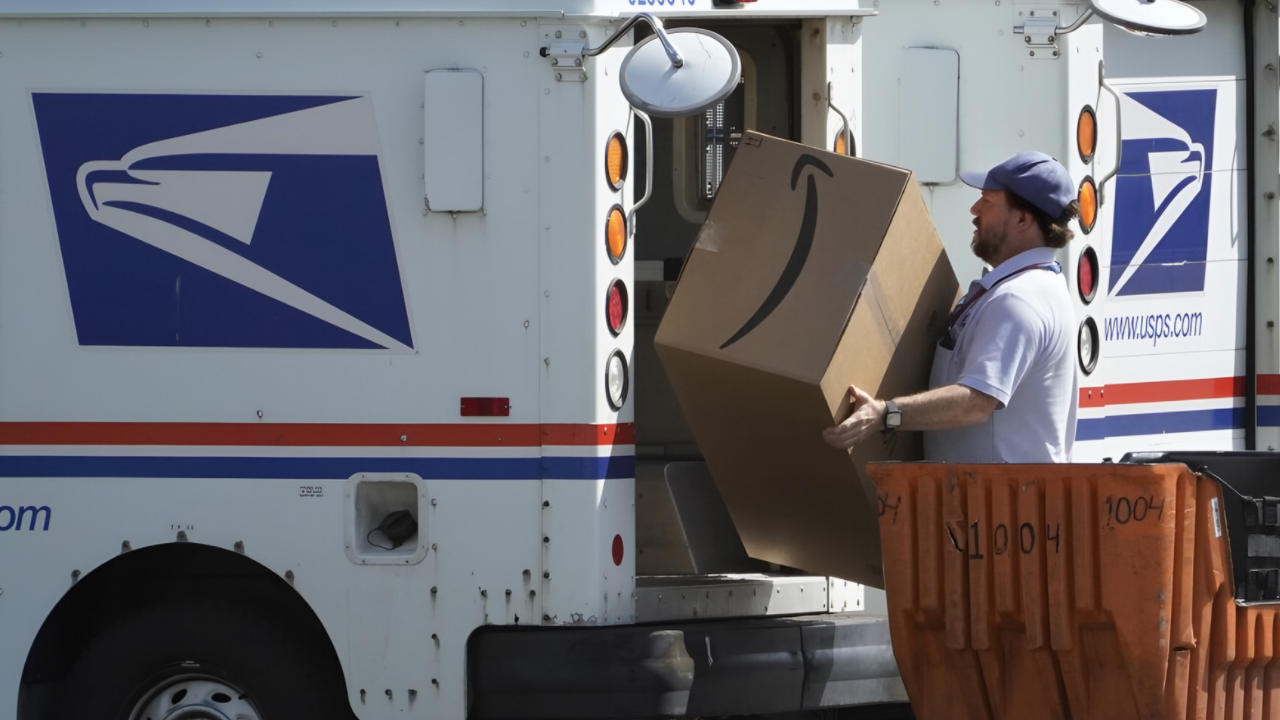
In just over a year, a 30-year partnership that underpins a large share of America’s package delivery system could be fundamentally reshaped. Amazon, which brings in more than $6 billion a year for the U.S. Postal Service (USPS) and accounts for roughly 7.5% of its total revenue, is signaling it may walk away after the Postal Service announced plans to open that business to competitive bidding. For an agency already losing $9 billion annually and dependent on parcels to offset an 80% collapse in traditional mail, the potential break raises urgent questions about jobs, rural service, and who will control the country’s delivery infrastructure.
Amazon, USPS, and a High-Stakes Contract Clash
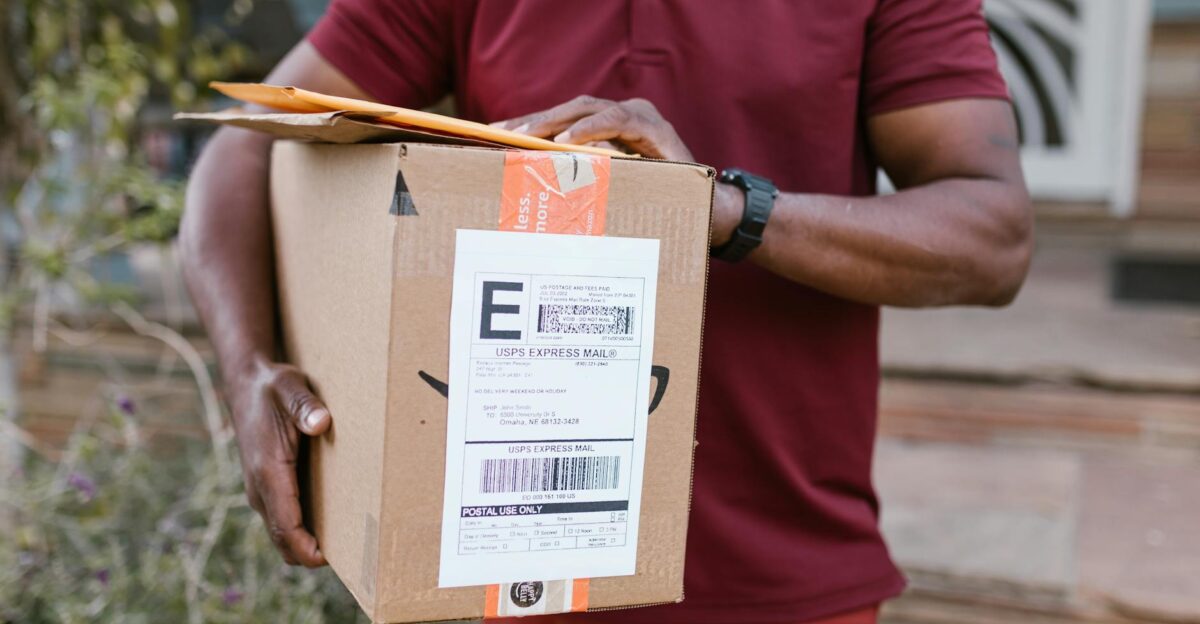
For three decades, Amazon has leaned on USPS’s national reach, especially as letter mail steadily declined. That arrangement was thrown into doubt after a virtual meeting on November 14, 2025, between Amazon CEO Andy Jassy and new Postmaster General David Steiner failed to produce a new long-term deal. Weeks later, USPS disclosed plans to run a reverse auction in early 2026, requiring Amazon to compete with other major shippers for access to postal facilities and networks.
Amazon said on December 4 that it was surprised by the auction announcement after nearly a year of talks, and indicated it had been exploring ways to expand, not shrink, its business with USPS. At the same time, Amazon has been investing heavily in its own infrastructure, including a $4 billion rural expansion aimed at 4,000 communities and 100,000 new jobs by year-end. The parallel timelines — Amazon’s build-out, the auction in early 2026, and the contract expiration on October 1, 2026 — suggest both sides are preparing for the possibility of a split, even as negotiations continue.
USPS’s Financial Strain and Its Dependence on Amazon
The financial pressure driving USPS’s strategy is severe. The Postal Service reported a $9.0 billion net loss for fiscal 2025, and cumulative losses since 2007 now top $100 billion. Parcel revenue, especially from large shippers like Amazon, has become crucial to offset the steep fall in first-class mail, which has dropped 80% since 1997 as billing and communication moved online.
USPS’s Shipping and Packages business generated $32.58 billion in revenue in fiscal 2025. Amazon accounts for about 6.3 billion parcels annually and an estimated $6 billion of that revenue, representing 18–20% of USPS’s parcel income. Losing that volume would force deep cost cuts, including potential facility closures and accelerated workforce reductions, underscoring how central Amazon has become to keeping USPS’s parcel operations viable.
Leadership Shift, Reverse Auctions, and Union Concerns
David Steiner’s arrival as Postmaster General in July 2025 marked a strategic shift. Previously a board member at FedEx, one of USPS’s main private competitors, Steiner has moved quickly to unwind what critics called “sweetheart deals” and to impose more commercial discipline through competitive bidding.
Building on a consolidation and downsizing plan initiated under former Postmaster General Louis DeJoy, Steiner has advanced a 50,000-position reduction program. The National Association of Letter Carriers has warned that his corporate background reflects a broader push to steer the national mail system toward private interests, pointing to the growing role of parcel contracts and the move to auction access to postal infrastructure.
The reverse auction set for early 2026 is designed to diversify USPS’s revenue by opening its network to multiple large customers. But no other company matches Amazon’s current $6 billion contribution, and logistics experts say there is no single shipper capable of filling that gap. Critics argue the auction risks destabilizing USPS’s largest revenue stream at a time when the agency can least afford it.
Rural Communities, Small Retailers, and Jobs at Risk
The stakes are especially high in rural America. About 51.5 million people in rural areas are effectively dependent on USPS, which is required to deliver six days a week to every address at regulated rates. Private carriers such as UPS and FedEx often find the most remote routes uneconomical, and analysts note that Amazon’s own rural expansion is aimed at 4,000 communities but is unlikely to cover the most costly, low-density areas.
If USPS loses Amazon’s parcel business, the impact could ripple through its 650,000-person workforce. The agency already planned to cut about 50,000 jobs through consolidations. Analysts estimate that a full Amazon exit could force an additional 25,000–50,000 reductions, for a total loss of 75,000–100,000 positions — roughly 11–15% of the workforce. Service slowdowns and facility closures could follow, particularly in regions that depend on USPS for basic commerce and prescription deliveries.
Small businesses also stand exposed. Many rely on USPS’s relatively low, uniform rates to ship goods nationwide. If USPS must shrink service or raise prices while Amazon pulls more traffic onto its own network, smaller retailers may face higher costs from UPS and FedEx or become more dependent on Amazon’s marketplace and logistics, potentially strengthening the company’s influence over retail distribution.
Scenarios for USPS’s Future and the Broader Delivery Landscape
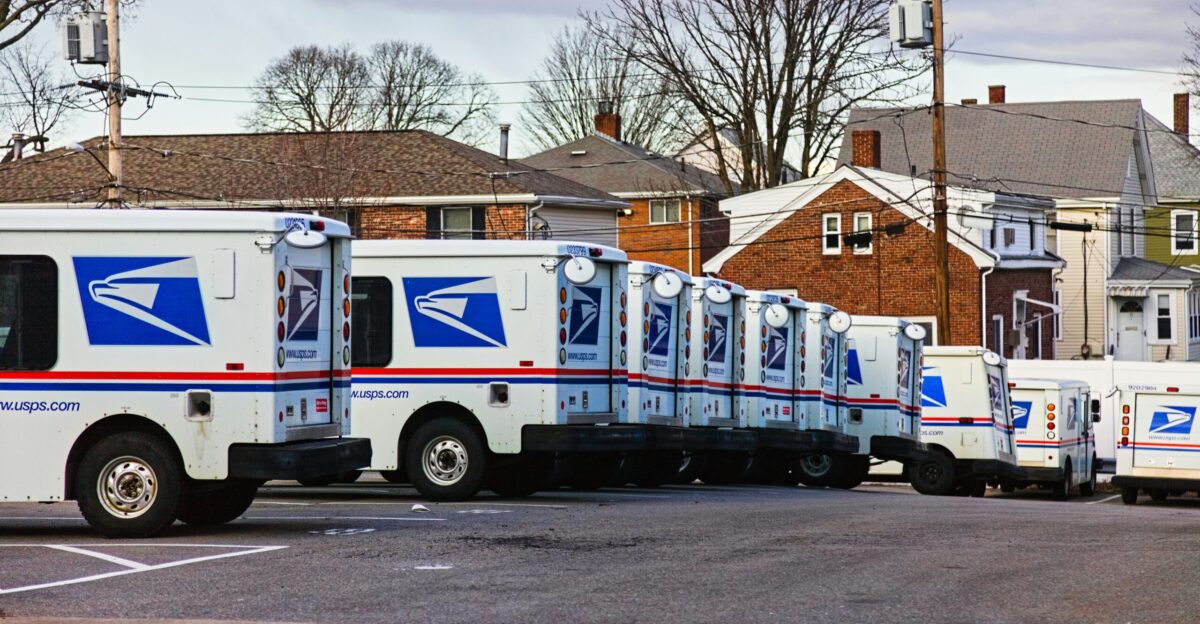
Analysts outline several paths for the next 14 months. One outcome is a renewed, modified contract that preserves a substantial share of Amazon’s business, keeping $5–6 billion in annual revenue and limiting job cuts. Another is a partial pullback, with Amazon shifting some volume to its own logistics network or other carriers, leaving USPS with perhaps half its current Amazon revenue and prompting tens of thousands of additional job losses.
A third scenario is complete separation: USPS loses the entire $6 billion in revenue—representing nearly one-fifth of its parcel income and billions of packages—forcing 75,000–100,000 job cuts and thousands of facility closures. Under that scenario, USPS’s cumulative losses over several years could reach $15–20 billion and require a federal bailout estimated between $50 billion and $100 billion to maintain universal service. A less likely option would be direct congressional intervention to stabilize USPS’s finances and shape any renewed partnership with Amazon.
Layered on top of these possibilities is an ongoing political debate. Earlier in the year, President Trump floated merging USPS into the Commerce Department and labeled the agency a major financial burden, intensifying discussion of partial or full privatization. Those pressures have encouraged USPS leaders to pursue more market-oriented approaches like reverse auctions, in hopes of demonstrating financial discipline — even as such moves risk driving away its largest customer.
Over the coming year, the auction process, Amazon’s network expansion, and any political response will determine whether USPS can sustain its universal service model or whether parcel delivery fragments among private carriers. The outcome will shape shipping costs, job security, and access to delivery across the United States, from dense cities to remote rural routes.
Sources
U.S. Postal Service Fiscal Year 2025 Results announcement (November 14, 2025)
Reuters reporting on Amazon-USPS negotiations (December 4, 2025)
Government Executive article on USPS workforce reduction plans (August 3, 2022)
Newsweek coverage of David Steiner appointment and union concerns (March 14, 2025)
Pitney Bowes Parcel Shipping Index data on Amazon Logistics volumes
Save the Postoffice analysis of USPS Delivering for America consolidations
Quartz investigative reporting on rural delivery implications (August 5, 2025)