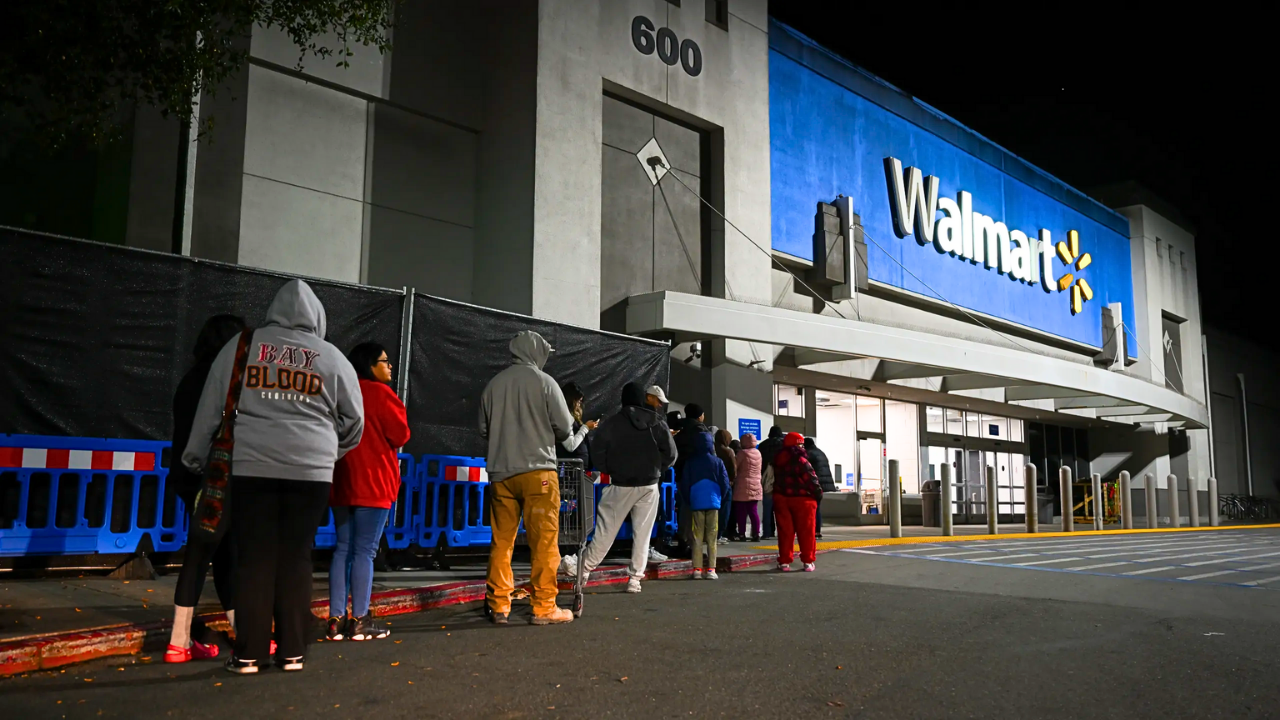
The Shrewsbury Walmart’s self-checkout kiosks stood silent for the first time in years. It was April 2024, and the sudden removal of these machines would soon ripple across the community. Within months, the local police force would see a staggering 64% drop in calls. What was once a constant stream of theft and confrontation had suddenly stopped—why? The decision, now public, would change the landscape of crime, automation, and policing forever.
What happened inside this one Walmart that led to such a dramatic shift? Keep reading to discover the surprising truth.
Why Shrewsbury’s Walmart Pulled the Plug on Self-Checkout
Walmart’s Shrewsbury location was grappling with an alarming rise in theft. Shoppers exploited self-checkout machines, bypassing payment for items.
In response, the store reverted to traditional cashier lanes in April 2024, reasoning that the cost of theft and its consequences on public safety outweighed the benefits of automation. The goal was straightforward: to restore security without compromising efficiency.
Police Calls Plummet 64% in Five Months
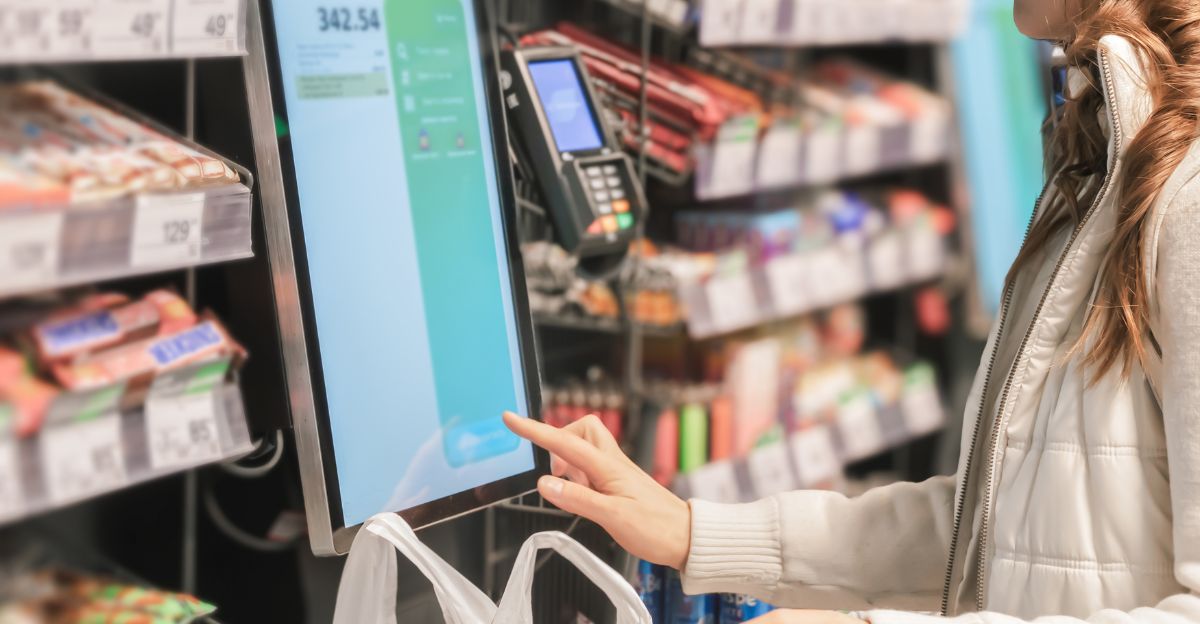
In just five months, the decision to remove self-checkouts had a massive impact. Shrewsbury police received 64% fewer calls from Walmart, dropping from 509 in January–May 2024 to just 183 in the same period of 2025. Arrests at the store also dropped 55%, from 108 to 49.
Police Chief Lisa Vargas described the change as “huge,” emphasizing the significant reduction in both crime and police workload.
How One Store Skewed a City’s Crime Picture
Before the change, Walmart accounted for more than a quarter of all Shrewsbury police calls—26% of 1,915 calls. By early 2025, that share had dropped to just 11%, as the city’s total calls decreased to 1,662.
Walmart’s influence on the city’s policing had been disproportionate, but its removal of self-checkouts transformed the crime landscape, relieving pressure on local law enforcement.
Inside the Store: From DIY Kiosks to More Cashiers
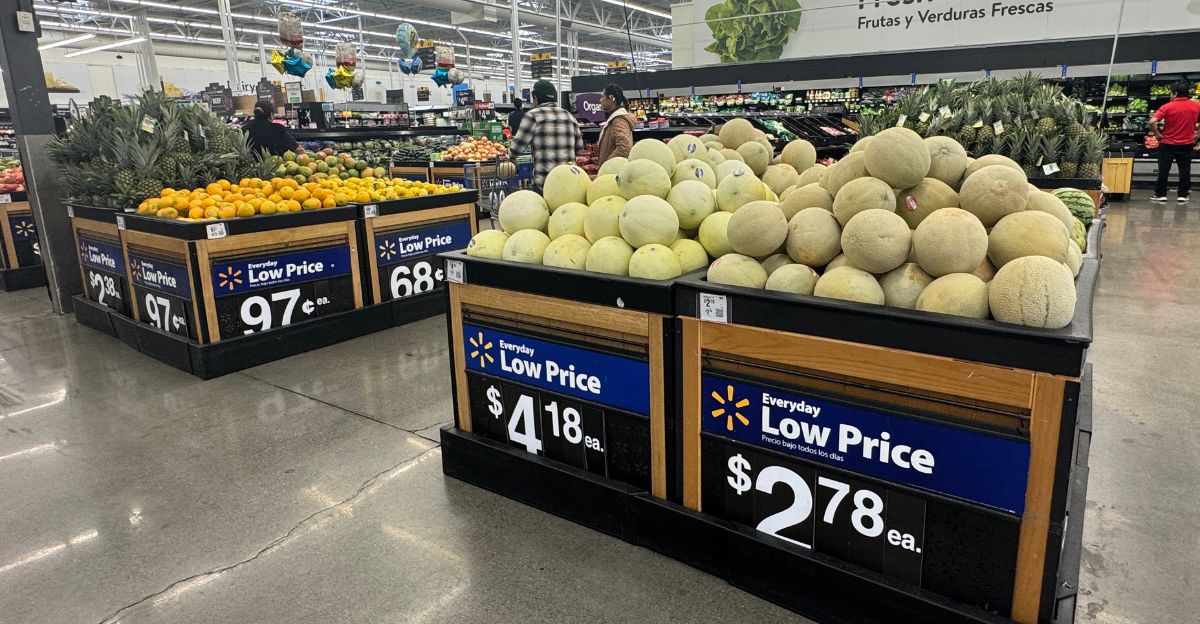
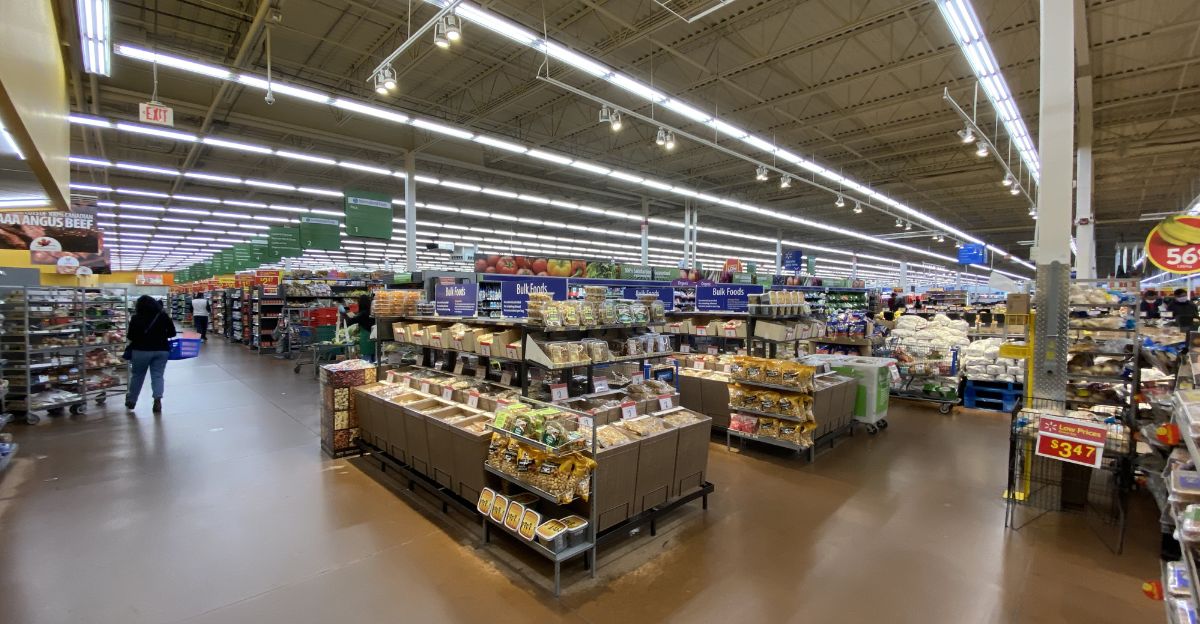
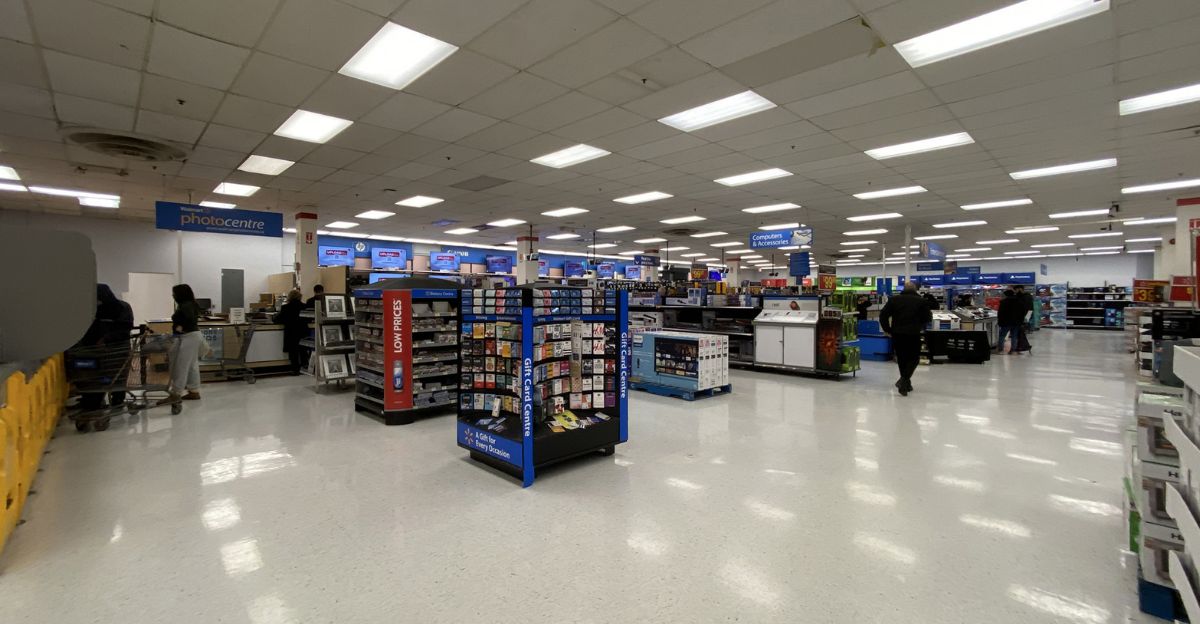
Inside Walmart, the shift away from automated kiosks meant more employees behind the registers. The removal of self-checkouts brought more human interaction at the front end of the store, where cashiers replaced machines.
This move was part of a strategy tailored to high-theft locations, while most of Walmart’s stores nationwide continue to rely on self-checkouts.
A Test Case for Walmart’s Broader Strategy
Though Walmart continues to roll out self-checkout machines in over 3,800 stores, Shrewsbury is a rare exception.
With AI, RFID, and invisible barcodes being added to enhance security, Walmart is using data from Shrewsbury to guide its decisions. The company is testing store-by-store changes in high-theft areas, adjusting its approach based on specific crime patterns.
Spillover to Other Retailers and Sectors
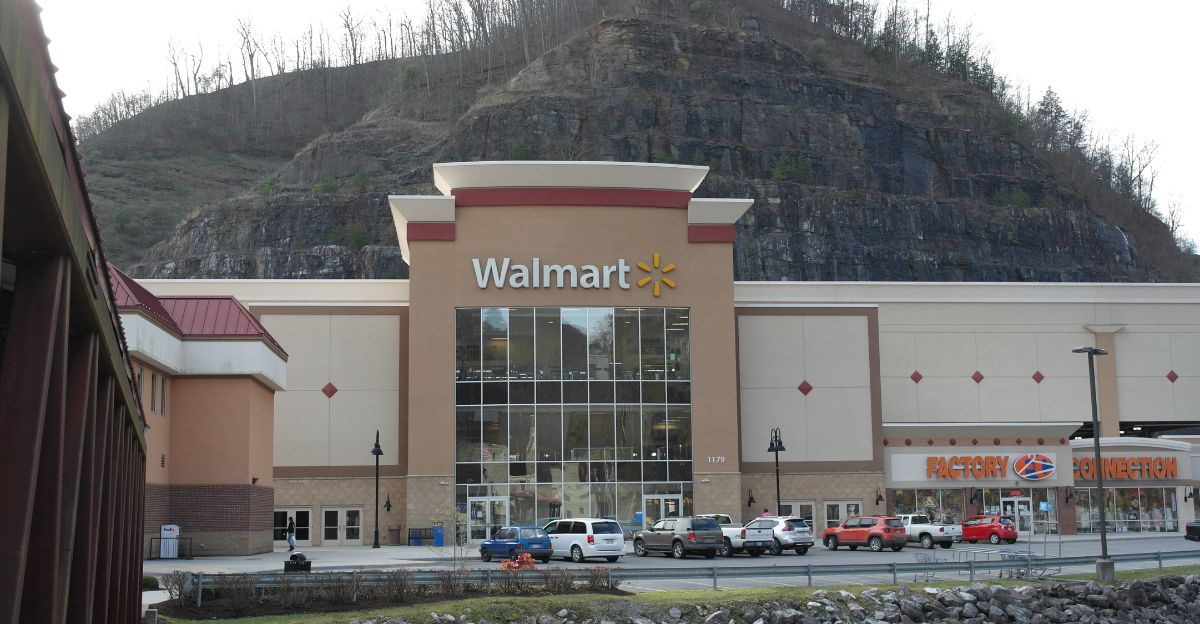
Walmart’s experience in Shrewsbury is not unique. Other retailers are taking note. Target has imposed limits on self-checkout items, and other chains are making similar adjustments, either by locking up high-theft items or assigning more staff to monitor these areas.
While the trend favors technology, it’s clear that some places require a blend of both automation and human labor to reduce crime.
The International and Trade Angle
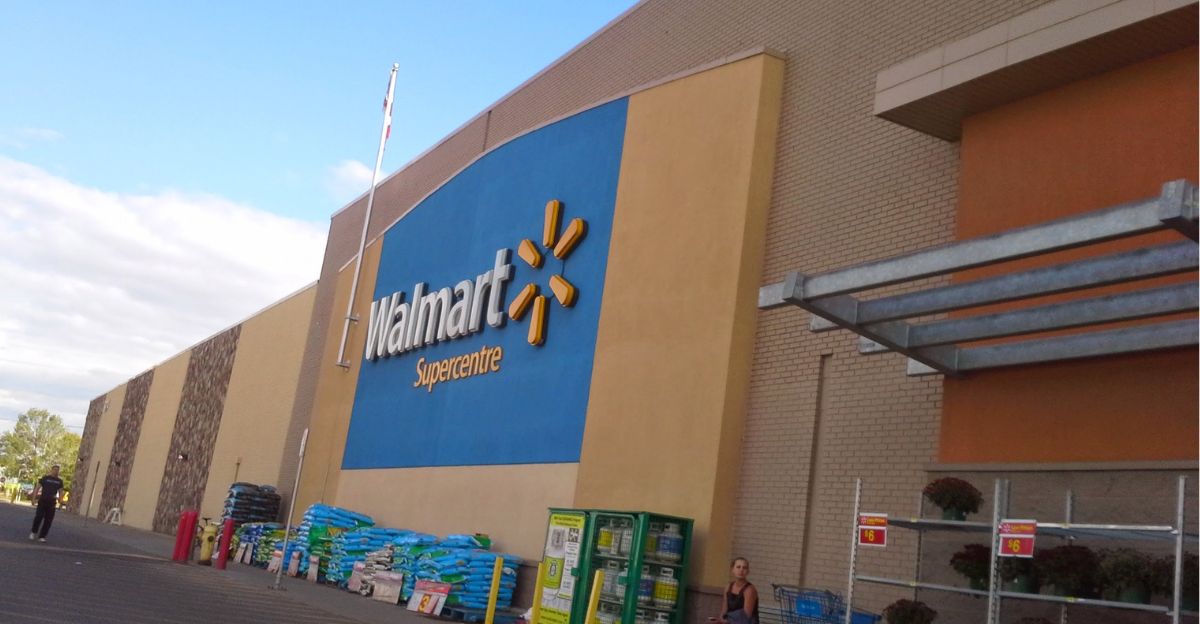
Globally, Walmart continues to expand its self-checkout presence in Canada, Mexico, and other markets. However, U.S. locations like Shrewsbury are scaling back.
This divergence in strategy affects suppliers of point-of-sale hardware, security tech, and packaging, as retailers adjust their needs based on loss rates, labor costs, and regulatory environments.
Human Impact: Police, Workers and Shoppers
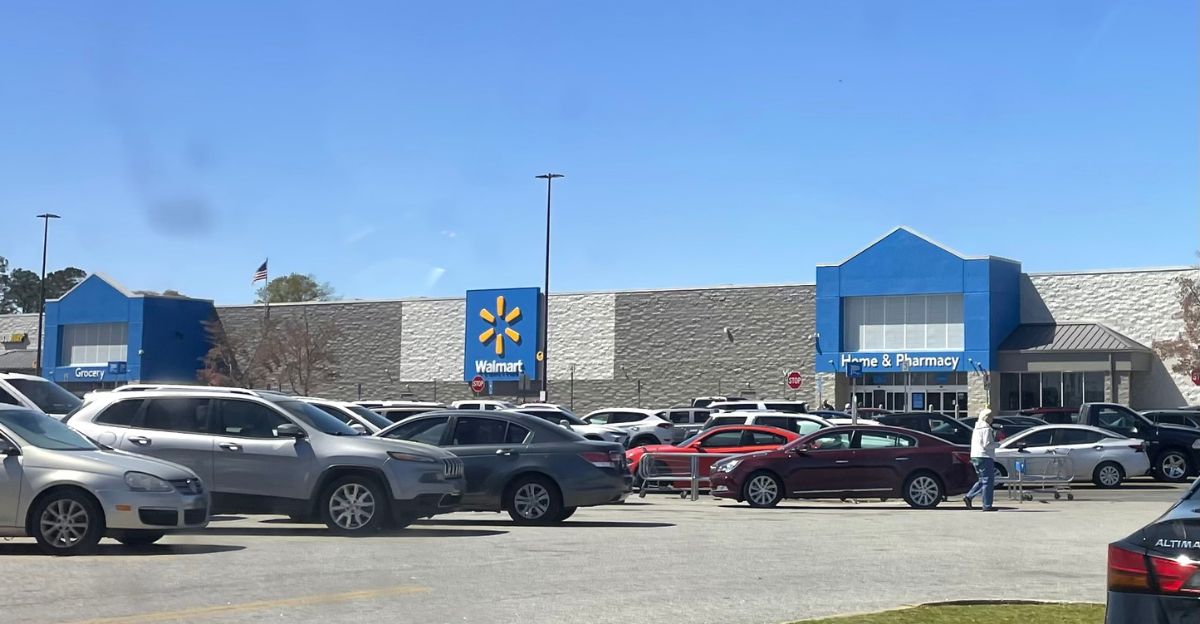
For Shrewsbury’s police officers, the decrease in calls meant more time for other community-focused work.
Meanwhile, store employees faced fewer confrontations over theft but were busier at checkout. Shoppers saw faster service and less disruption, though some missed the speed and convenience of self-checkout.
Lawmakers Target Self-Checkout Losses
The self-checkout theft issue has sparked discussions among lawmakers. In response to rising shrink rates—3.5–4% of sales compared to less than 1% at staffed lanes—states and municipalities are considering new laws to limit self-checkout items, enforce employee oversight, and cap kiosk access.
Retailers like Walmart and Target are fighting these measures, claiming they would raise costs and slow down service.
From Store Shrink to Local Economics
The theft problem associated with self-checkouts has real-world financial consequences. Retailers often absorb losses or raise prices to cover the gap.
By reducing theft-related calls and arrests, Walmart in Shrewsbury not only saved money on security and labor but also eased pressure on the city’s budget, potentially benefiting local taxpayers.
Lifestyle and Shopping Experience Shifts
For shoppers in Shrewsbury, the shift from self-checkout to staffed lanes meant fewer kiosks and longer lines. While some customers appreciated the personal service and fewer scanning glitches, others missed the speed of self-checkout.
Surveys show that traditional checkout often provides higher satisfaction and loyalty, especially for larger purchases.
Cultural Debate: Automation, Trust and Fairness
Walmart’s decision sparked a wider debate about automation, trust, and fairness. Industry surveys show that over 20 million Americans have admitted to stealing at self-checkout.
Critics argue that retailers trust too much in the honor system, turning stores into surveillance-heavy spaces. Communities are grappling with how much automation they’re willing to accept in retail environments.
Winners, Losers and What Shoppers Can Do
Security tech vendors and job-seekers may benefit as retailers reverse their reliance on kiosks. Consumers are advised to be vigilant, choosing staffed lanes when possible, especially to avoid scanning errors and support a service model.
Retailers will continue to weigh the balance between automation and human labor as they adjust to changing shopping patterns.
What Shrewsbury Signals About Retail’s Future
Shrewsbury’s dramatic drop in police calls after removing self-checkout has turned one local Walmart into a case study for how small retail decisions can reshape a city’s public safety.
As the future of automation in retail remains uncertain, the balance between technology and human interaction will play a crucial role in shaping the shopping experience and reducing crime.
Sources:
Shrewsbury Police Department / Police Chief Statement
Grabango / Progressive Grocer
LendingTree / Capital One Shopping