
A customer approaches the checkout lane with power tools and building supplies. The shelf tags promised competitive prices. But as each item scans—beep, beep, beep—the register displays higher amounts. Sometimes fifty cents more. Sometimes five dollars more. By the time the receipt prints, that customer has paid more than advertised, unaware of the difference.
Home Depot’s $2 Million Settlement for Scanner Violations
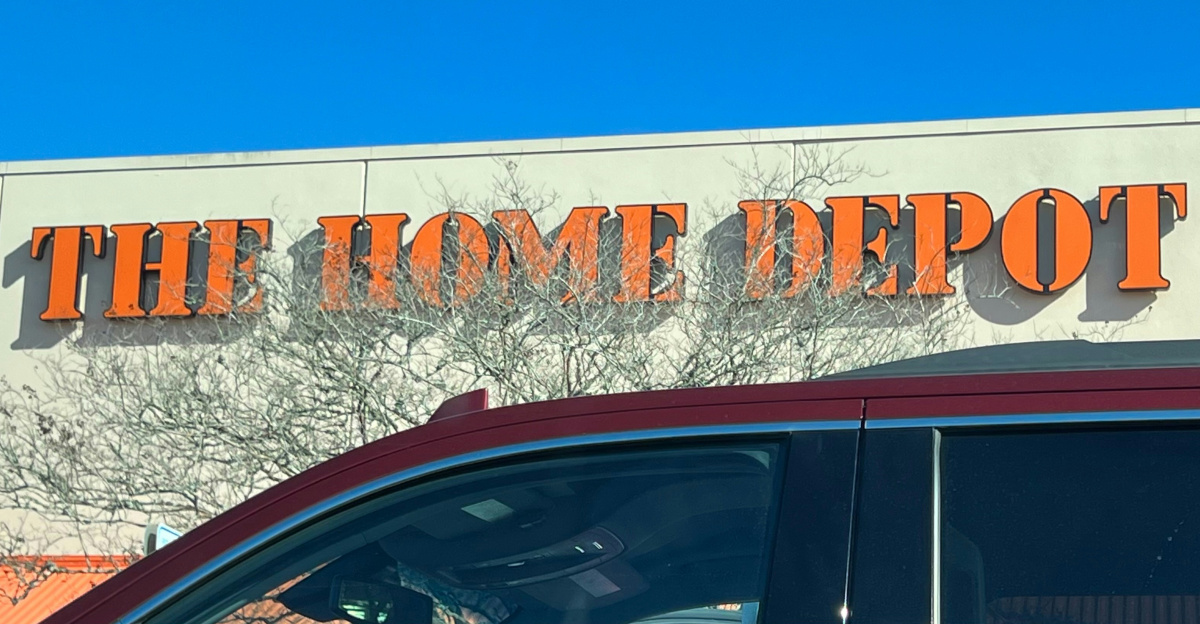
Home Depot, America’s fifth-largest retailer, has agreed to pay nearly $2 million to California prosecutors who discovered the company was systematically overcharging customers through what regulators call “scanner violations.” These occur when the price displayed on a shelf tag doesn’t match the price scanned at the register—a gap that silently transfers thousands of dollars from customer wallets to corporate revenue.
County Weights and Measures departments launched investigations across multiple Home Depot locations. What they discovered was systemic: pricing discrepancies weren’t random errors but widespread violations of California’s strict consumer protection laws. Los Angeles County District Attorney George Gascón emphasized the seriousness of the findings, noting that the company’s conduct “undermines consumer trust and distorts the marketplace” by giving Home Depot an unfair competitive advantage over honest retailers.
The settlement allocates $1.7 million in civil penalties to be divided among six prosecuting counties’ district attorney offices, with an additional $277,251 covering investigation costs and future consumer protection enforcement efforts. Though Home Depot admitted no wrongdoing—a standard clause in many corporate settlements—the company cooperated fully with the investigation.
Court-Ordered Changes: Weekend Pricing Ban and Compliance Programs

One of the most revealing terms of the settlement is its most unusual: Home Depot is now prohibited from changing prices on weekends. This restriction exists because many pricing errors occurred when computer systems updated prices overnight or during weekend hours when skeleton crews worked the sales floor. Without adequate staffing to physically update thousands of shelf tags to match the database, discrepancies multiplied.
The judgment mandates that Home Depot establish a comprehensive “Price Accuracy Program” across all California locations. This includes more frequent internal audits, enhanced employee training on pricing procedures, and appointment of a high-level internal compliance officer specifically responsible for overseeing price accuracy. Each California store must designate managers accountable for their location’s pricing integrity. These aren’t optional suggestions—they’re enforceable court orders.
Perhaps most significantly, the settlement explicitly prohibits Home Depot from charging more than the lowest advertised price for any item. If a shelf tag says $19.99 and the register says $24.99, Home Depot must charge $19.99. The company must also maintain detailed price accuracy records that prosecutors can review at any time.
A Retail Industry-Wide Problem
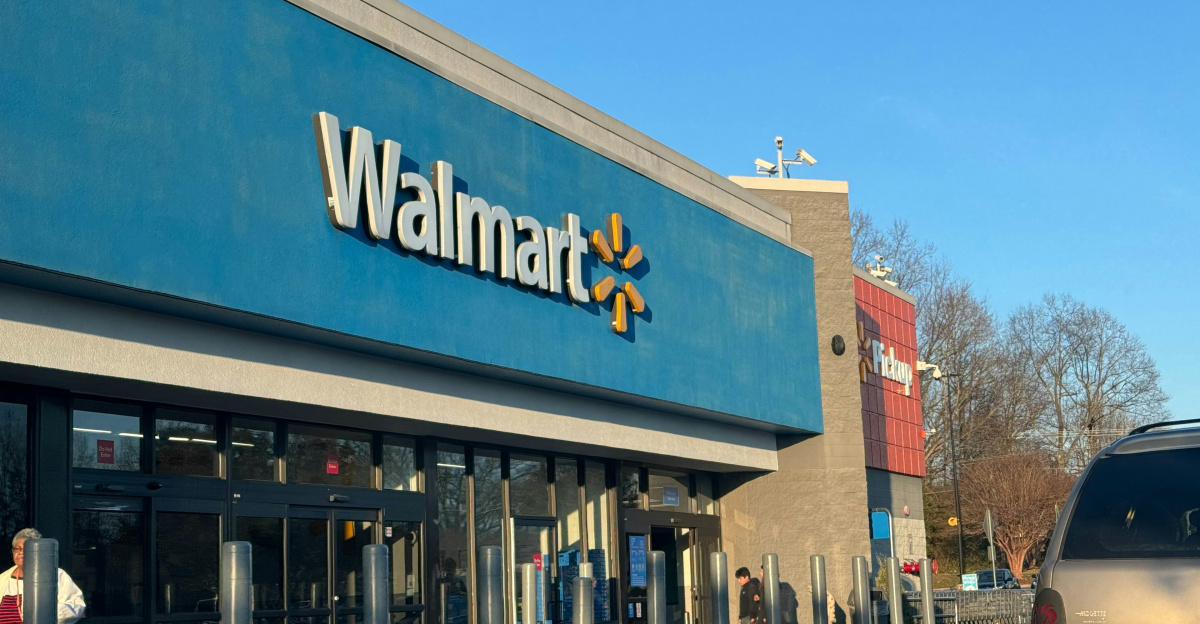
Home Depot’s settlement is part of a troubling trend sweeping the American retail landscape. Walmart agreed to pay $5.6 million in August 2025 for similar scanner violations and false advertising claims in California. Albertsons, which owns Safeway and Vons, paid nearly $4 million in October 2024 for the same offense. Lowe’s also settled scanner violation cases. These aren’t coincidences—they reveal systemic vulnerabilities in how modern retail balances computerized pricing systems with physical shelf operations.
The root cause of these widespread violations lies in operational asymmetry. Corporate headquarters can update prices across entire chains instantaneously through central databases. But physically changing thousands of shelf tags to match those digital updates requires human labor—labor that’s increasingly scarce and expensive in modern retail. When staffing levels drop or price changes accelerate beyond what floor crews can manage, the disconnect between what customers see and what they pay grows.
California’s consumer protection framework is among the nation’s strictest. State law requires that advertised prices match checkout prices, that false advertising claims result in meaningful penalties, and that unfair competition be prosecuted vigorously. Gascón stated bluntly: “When companies engage in deceptive practices, they not only cheat consumers but also gain an unjust advantage over businesses that operate ethically and transparently.”
The investigation wasn’t limited to a handful of stores. Weights and Measures departments across six California counties examined pricing practices at multiple Home Depot locations, uncovering a pattern of violations rather than isolated incidents. This geographic breadth strengthens the legal case, as it demonstrates that the problem was systemic, not accidental.
What This Means for Shoppers

For everyday consumers, the Home Depot scandal underscores a critical principle: trust, but verify. Prices can change between shelf and register through human error, system glitches, or systemic neglect of price accuracy procedures. Shoppers are advised to review receipts carefully, pay attention to prices as items are scanned, and speak up immediately if discrepancies appear. If a store refuses to honor the lower advertised price, customers can file complaints with their county’s Department of Weights and Measures.
The settlement includes a critical enforcement mechanism: prosecutors retain the right to conduct spot inspections and audits of Home Depot’s California stores indefinitely. Home Depot now operates under enhanced regulatory scrutiny, with authorities empowered to monitor compliance with the price accuracy program and injunctions against false advertising. The Home Depot settlement represents more than a single corporation’s misconduct. It reveals how the gap between digital pricing systems and physical store reality creates opportunities for overcharging. As retail technology accelerates and staffing pressures mount, these gaps will persist unless companies invest in solutions that ensure price consistency across all touchpoints. Consumers deserve the price they see on the shelf.
Sources
San Diego Superior Court Settlement, August 26, 2024
Los Angeles County District Attorney Office; Consumer Protection Division
CNN Business Report, September 14, 2024
California Weights and Measures Investigation Records; Multi-County Enforcement Action (Los Angeles, San Diego, Orange, Alameda, San Bernardino, Sonoma Counties)
Walmart Settlement Report; Sonoma County District Attorney, August 2025