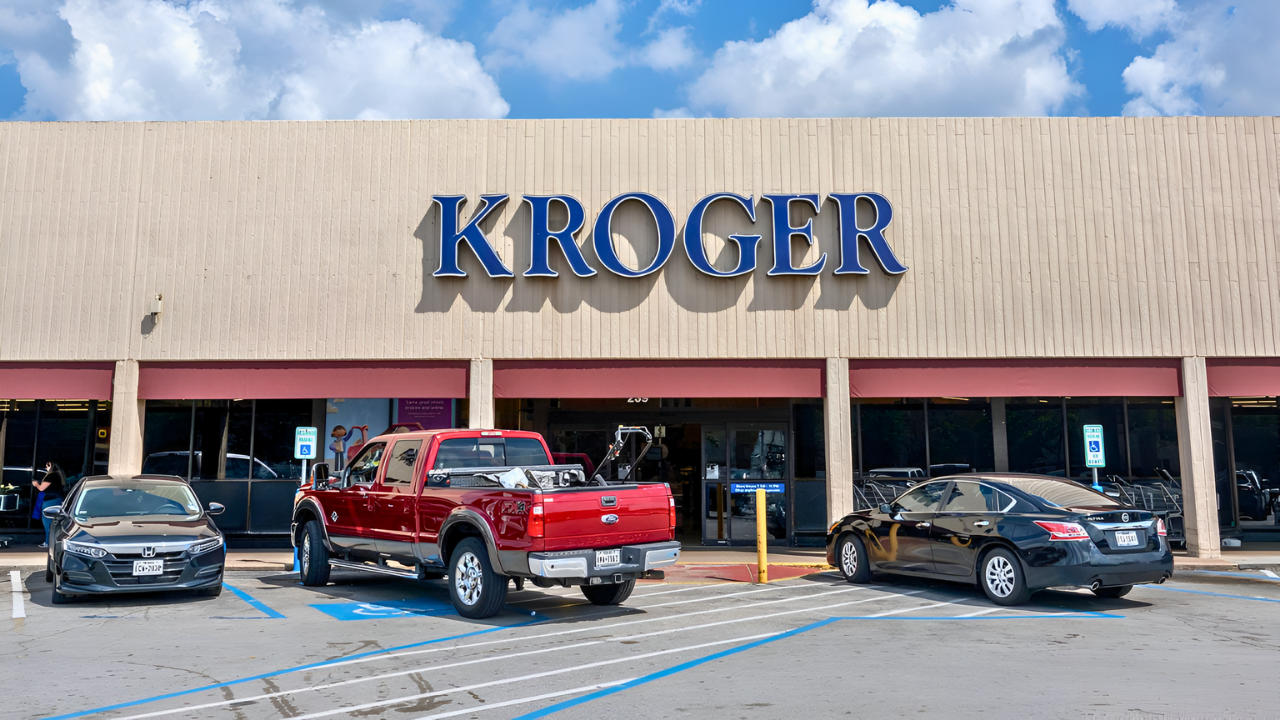
On a Wednesday morning in early December, Kroger reported a $1.32 billion quarterly loss—a stunning reversal that sent shockwaves through America’s grocery aisles. The nation’s largest traditional supermarket chain, thriving for 142 years, is now losing customers to Walmart, ALDI, and Costco while burning cash on failed tech bets.
Neil Saunders, Managing Director of GlobalData, warned: “Kroger should be producing punchier numbers. These numbers show the chain is losing shoppers, and the bleeding needs to stop.” Yet the crisis runs deeper: a $2.6 billion automated warehouse collapse, a nine-month leadership vacuum, a $2.6+ billion lawsuit from a blocked merger, and 4,500+ jobs at risk. Six disasters converge—reshaping grocery retail forever.
What went catastrophically wrong at a company once thought untouchable?
The Calm Before the Collapse
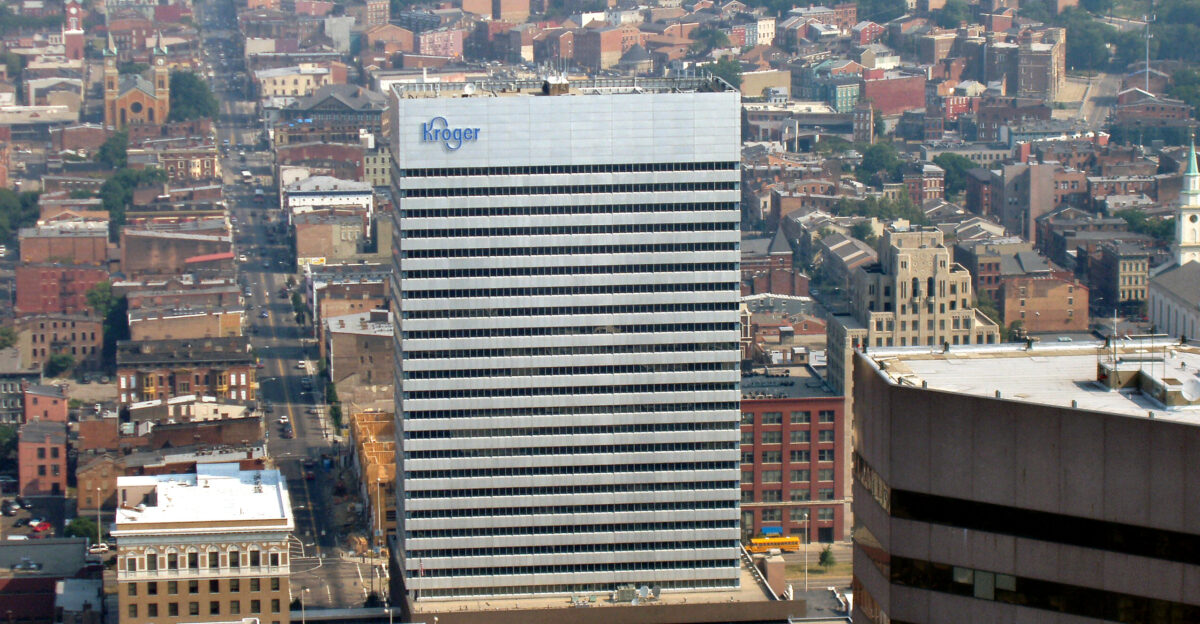
In October 2022, Kroger announced a $24.6 billion merger with Albertsons, promising scale advantages and competitive strength. Investors celebrated potential synergies worth billions.
Shareholders envisioned a retail powerhouse capable of challenging Walmart. However, this optimism masked deeper operational cracks that few were willing to acknowledge.
When Two Federal Judges Said No
On December 10, 2024, two federal courts blocked the merger, citing antitrust concerns. Albertsons immediately terminated the deal and filed suit seeking $600 million, with claims totaling $2-5 billion, per Delaware Court filings from January 20, 2025.
Kroger countersued in March, alleging sabotage. The litigation remains unresolved, leaving a cloud over future strategic moves.
The Real Problem Emerges
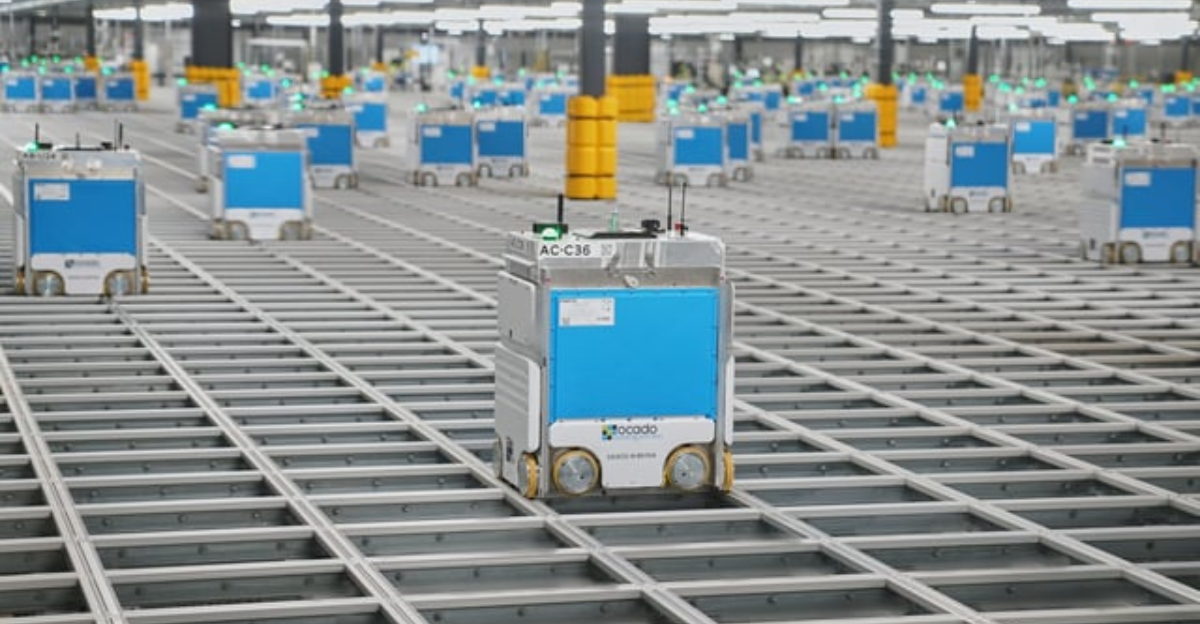
While the merger battled regulators, Kroger’s Ocado partnership quietly faltered. Signed in 2018, it had built only 8 of 20 planned automated warehouses by June 2025.
Each facility needed 5,000-8,000 daily orders to break even. Kroger managed only 2,000-3,000, revealing a fundamental flaw in its fulfillment strategy.
A $2.6 Billion Lesson in Overconfidence
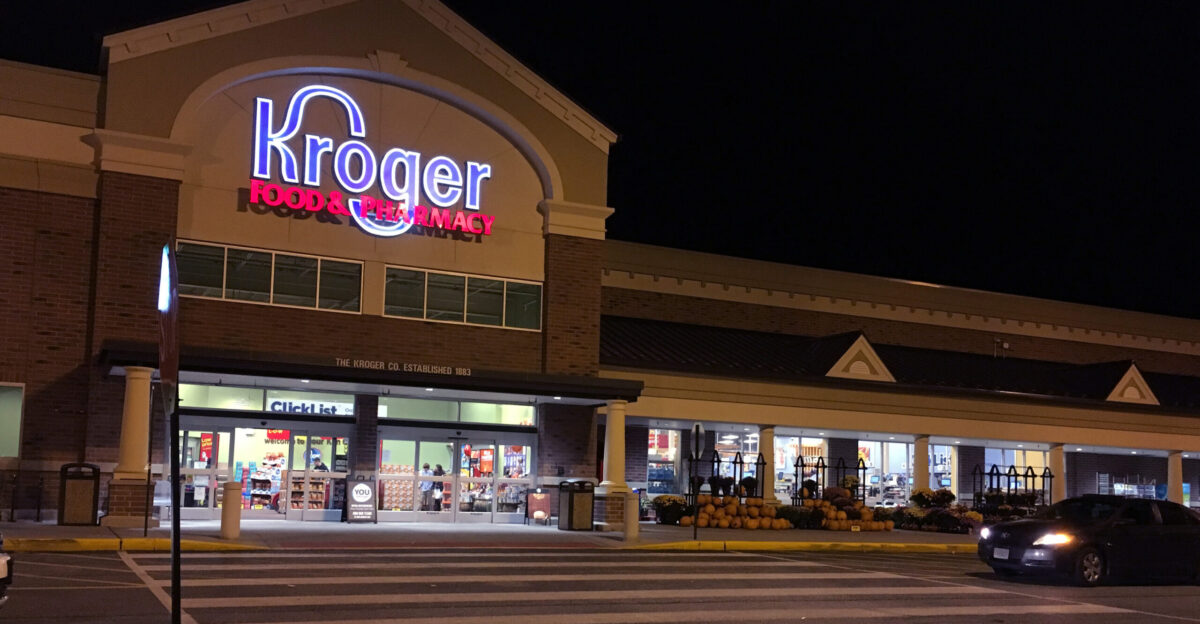
In Q3 ending November 30, 2025, Kroger took a $2.6 billion impairment charge, writing off failed warehouse investments. The company also paid Ocado $350 million to settle the partnership, wiping out years of shareholder value.
One failed strategy destroyed a decade of growth. What went so catastrophically wrong in leadership oversight?
The Architect of the Disaster Steps Down
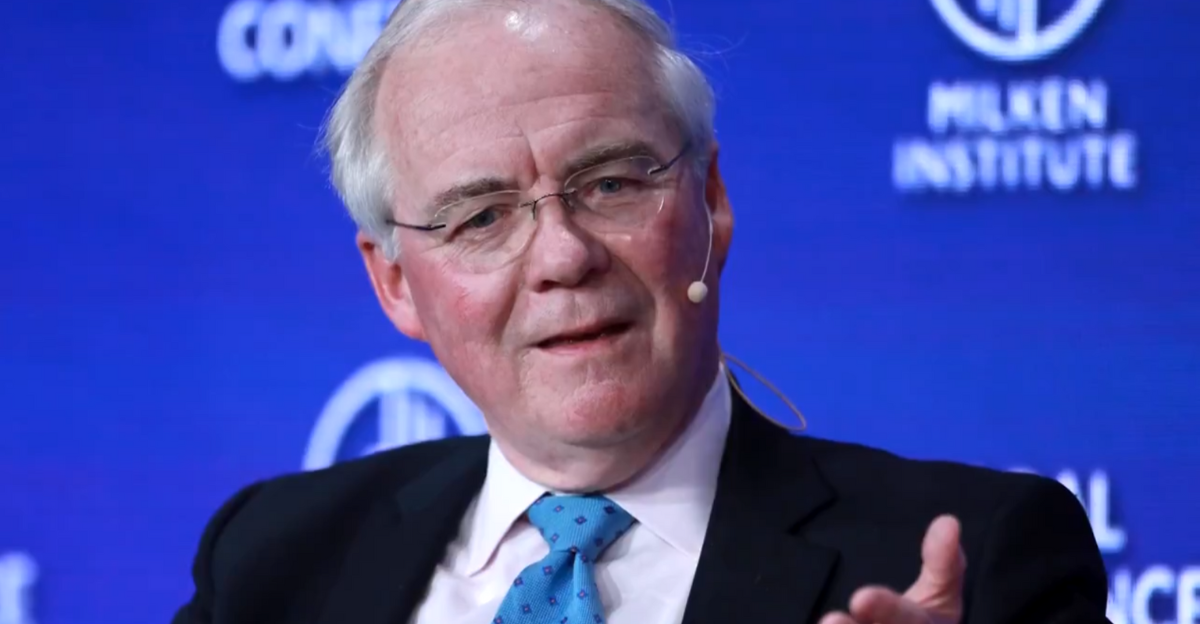
On March 3, 2025, CEO Rodney McMullen resigned after a board ethics investigation revealed personal conduct violations, CNN reported. He had overseen the Ocado partnership from start to finish.
Interim CEO Ron Sargent stepped in, inheriting a crisis that demanded decisive leadership. Stability was needed exactly when the company had none.
Nine Months Without a Captain
Kroger announced on December 4, 2025, that a permanent CEO would be hired from outside, likely in Q1 2026. The interim period left nine months without decisive leadership during the worst operational crisis in decades.
While cost cuts continued, transformative strategy stalled, further weakening Kroger’s competitive positioning.
“The Bleeding Needs to Stop”
Neil Saunders, Managing Director of GlobalData, said on December 4, 2025: “Kroger should be producing punchier numbers. These numbers show the chain is losing shoppers, and the bleeding needs to stop.”
The blunt assessment captured the market’s judgment: Kroger’s operational missteps were reaching a critical breaking point.
The Margin Math Doesn’t Add Up
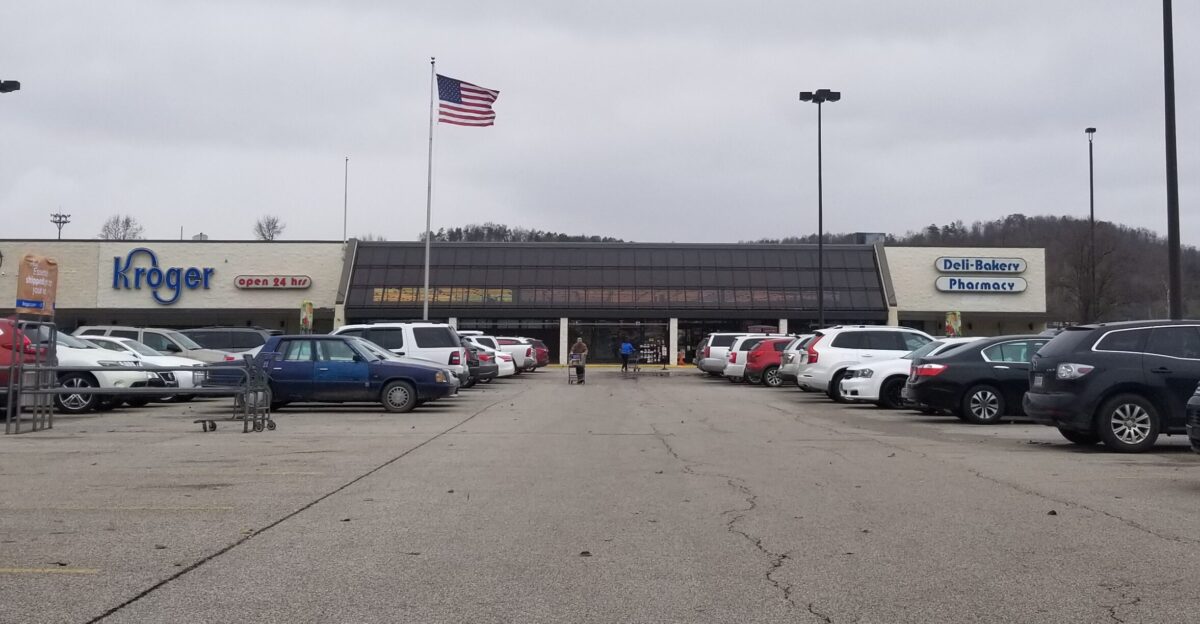
Kroger reported Q3 identical sales growth of 2.6% excluding fuel, but U.S. core inflation ran 3.2-4.0% during the same period, per LendingTree 2025 analysis.
Adjusted for inflation, Kroger’s real sales actually fell. Customers were buying fewer items, highlighting the widening gap between revenue and operational costs.
Losing to Everyone at Once
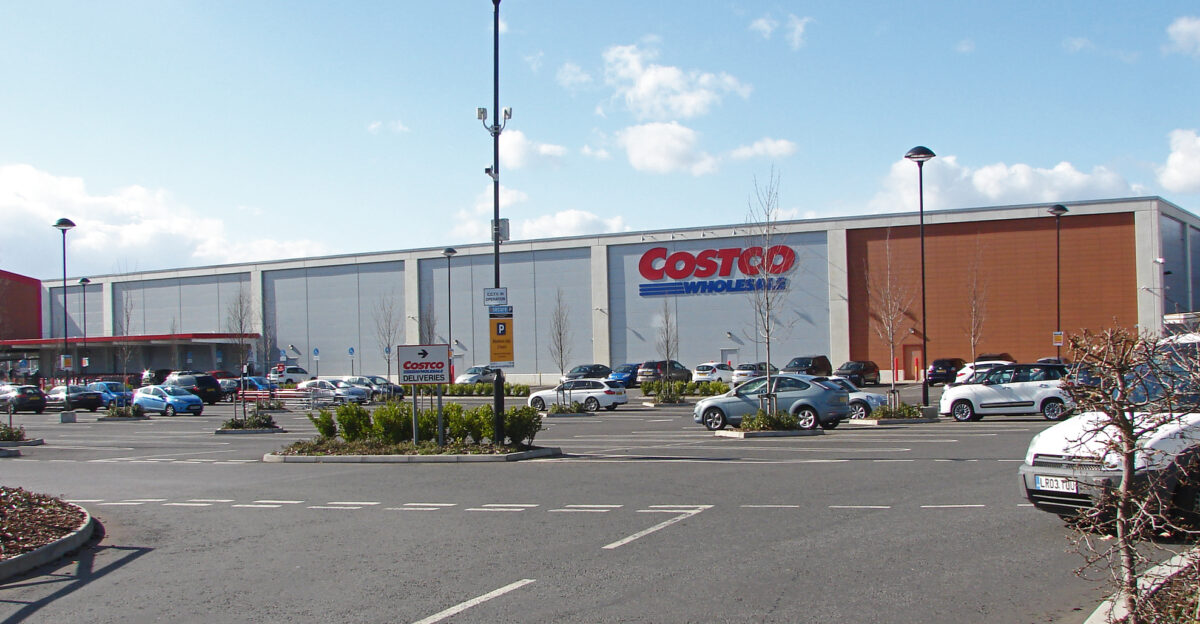
Over five years, Kroger’s U.S. market share fell from 9.8% to 8.5%, a loss worth roughly $9-10 billion annually, per Numerator Q3 2025 data.
Meanwhile, Costco gained 1.4 points to reach 8.4%, and Walmart held 21% dominance. Kroger is steadily ceding its ground across multiple competitors.
Where Consumers Are Actually Shopping
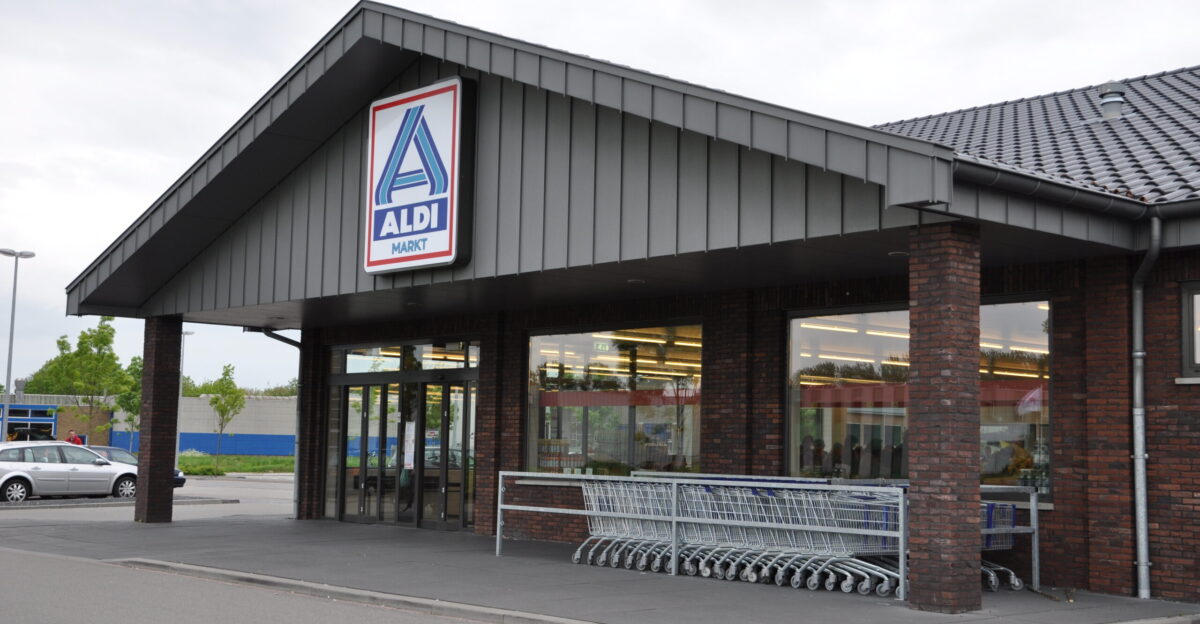
YouGov’s 2025 grocery rankings place Kroger 5th in consumer consideration at 23.9%, compared to Walmart’s 63.3%. Value perception also lags: Kroger at 17.5 versus ALDI’s 38.6.
Consumers no longer see Kroger as the cheapest or best option, a striking reversal for a legacy grocer.
Why Customers Are Abandoning Ship
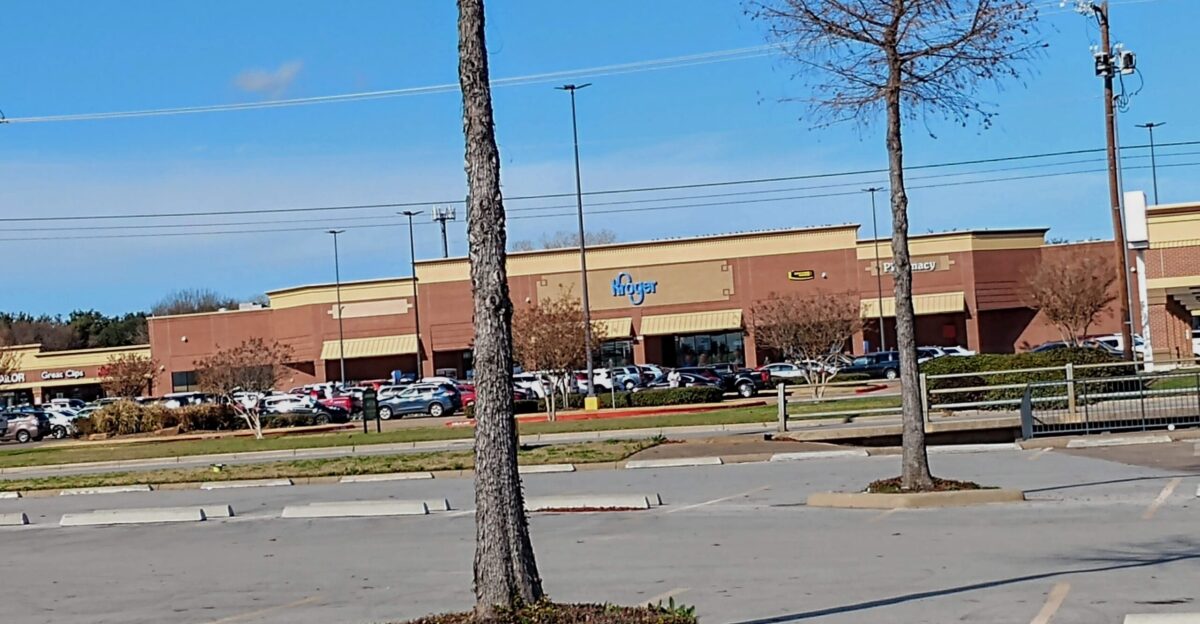
“Customers are managing their budgets carefully. They’re making more trips, smaller trips,” interim CEO Ron Sargent said during the December 4, 2025 earnings call.
Lower-income shoppers pull back aggressively, while middle-income consumers chase value. Grocery price stress affects 61% of Americans, per LendingTree’s 2025 survey.
The Casualties: Job Losses Mount
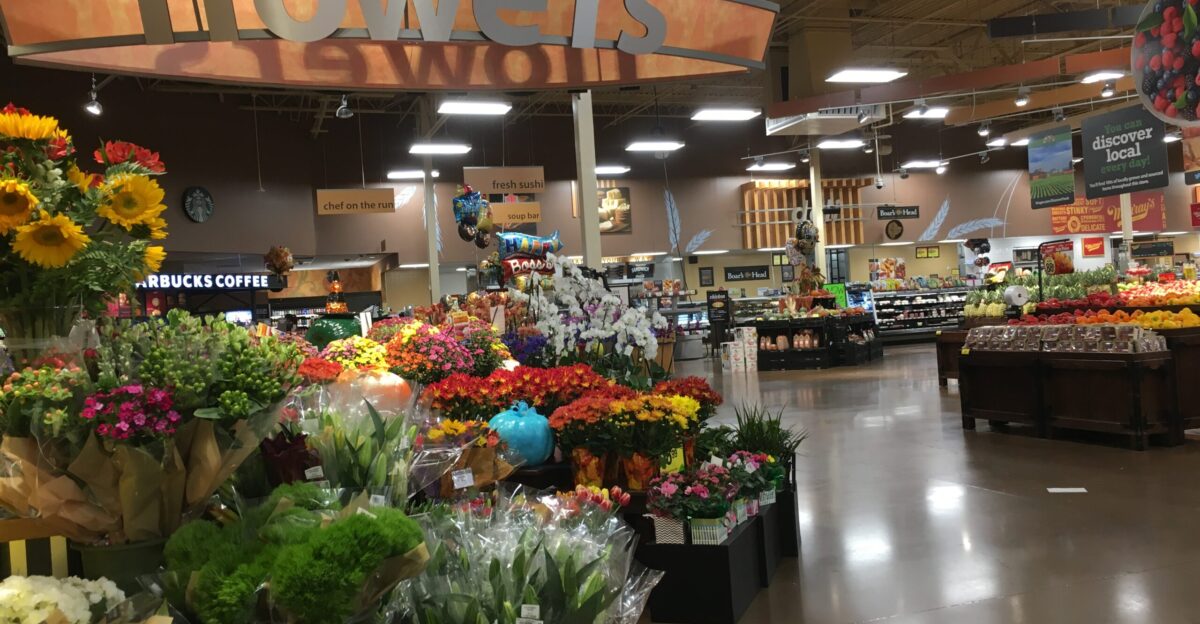
Kroger announced 60 store closures through mid-2026 across Georgia, Texas, Virginia, West Virginia, Kentucky, and Illinois, eliminating roughly 1,500-2,100 store-level positions.
Corporate layoffs of under 1,000 employees also hit in August 2025, compounding the human cost of Kroger’s operational decline.
The Fulfillment Center Bloodbath
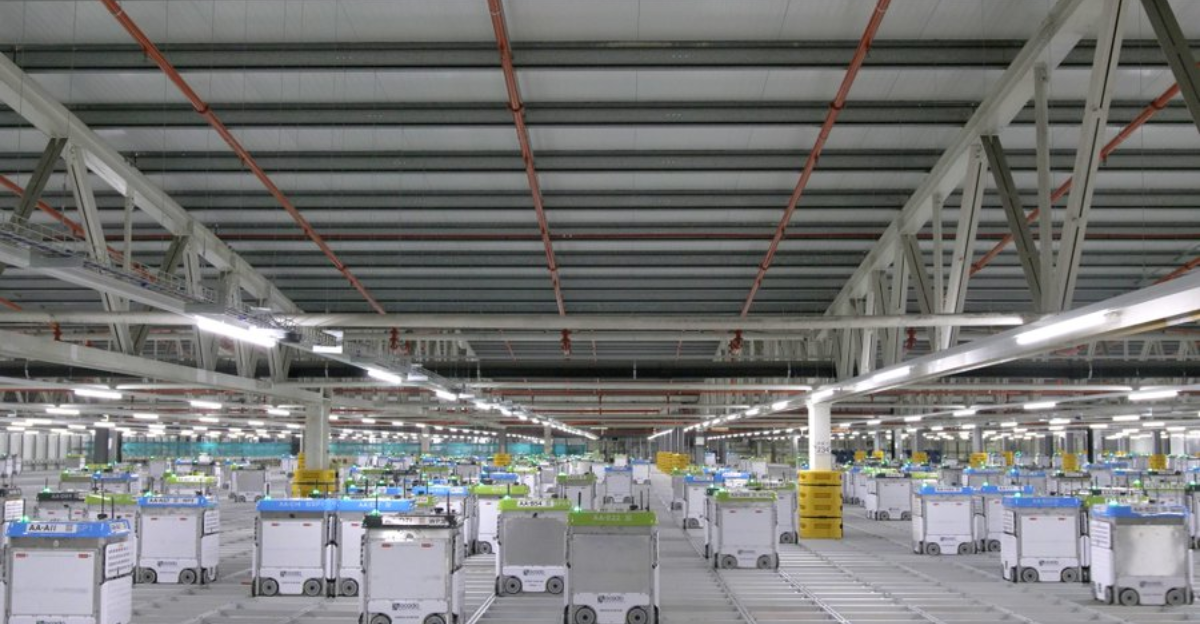
On November 17, 2025, Kroger announced three automated fulfillment center closures effective January-February 2026, per WARN notices.
Confirmed job losses exceed 2,000: 935 in Florida, 211 in Wisconsin, 468 in Maryland. The division that represented Kroger’s digital future is now its largest source of layoffs.
Workers Face Brutal Uncertainty
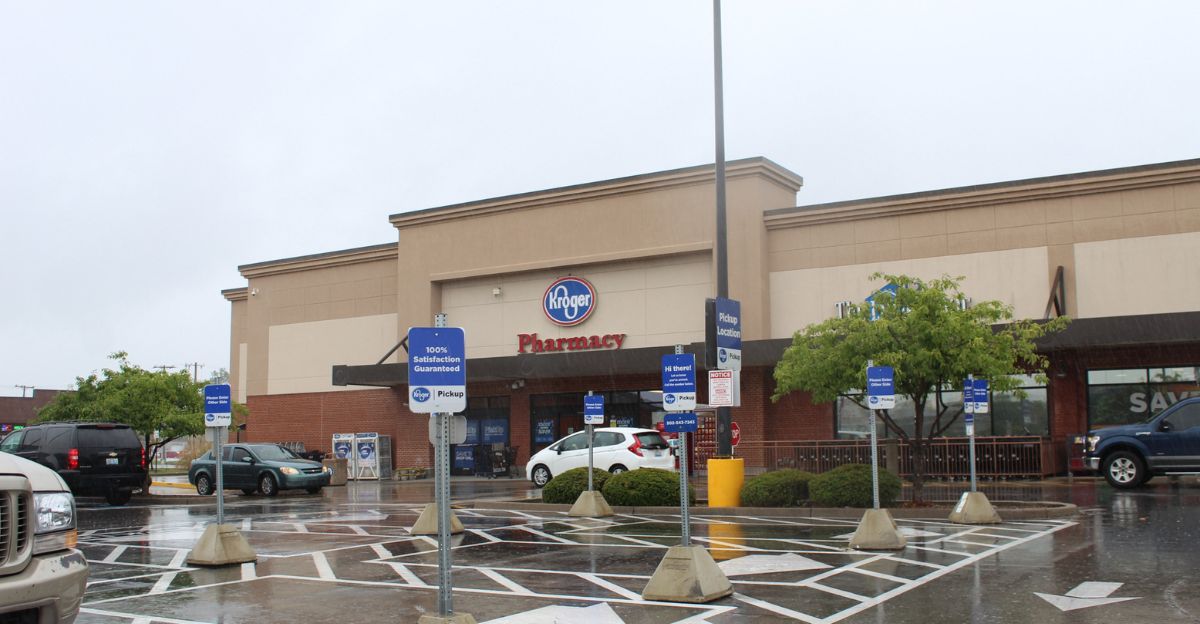
Fulfillment center employees earned $18-24/hour and received WARN notices in November 2025. Many had relocated specifically for these future-focused roles.
The division designed to propel Kroger digitally became a symbol of instability, leaving staff uncertain about their careers and futures.
Even the Tech Division Gets Cut
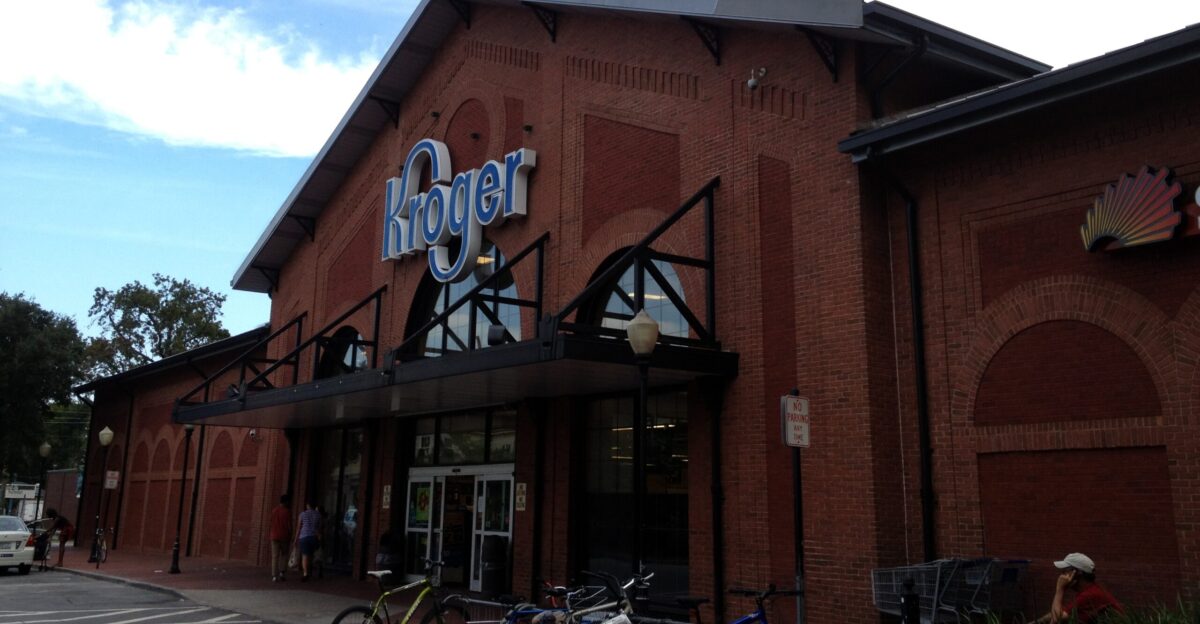
August 2025 layoffs hit Kroger’s tech and digital teams, responsible for 17% e-commerce sales growth in Q3 2025, per earnings released December 4, 2025.
Cost-cutting decisions are now disconnected from strategy, undermining Kroger’s only bright spot: digital grocery expansion.
The Supplier Squeeze
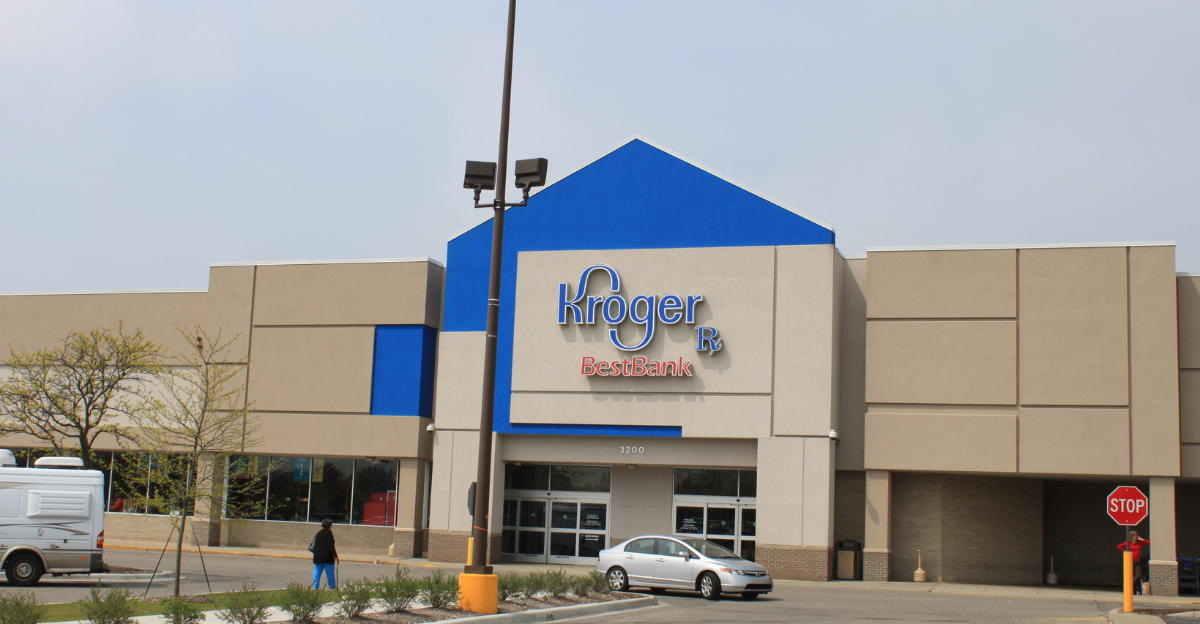
Kroger’s Supplier Hub works with small vendors on tight 3-5% margins. Proposed 25% tariffs on Mexican/Canadian goods and 10% on Chinese imports added stress, per March 6, 2025 analysis.
Compliance costs of $5,000-15,000 annually threaten small farmers, showing how supplier pressure compounds Kroger’s operational challenges.
A Private Label Paradox
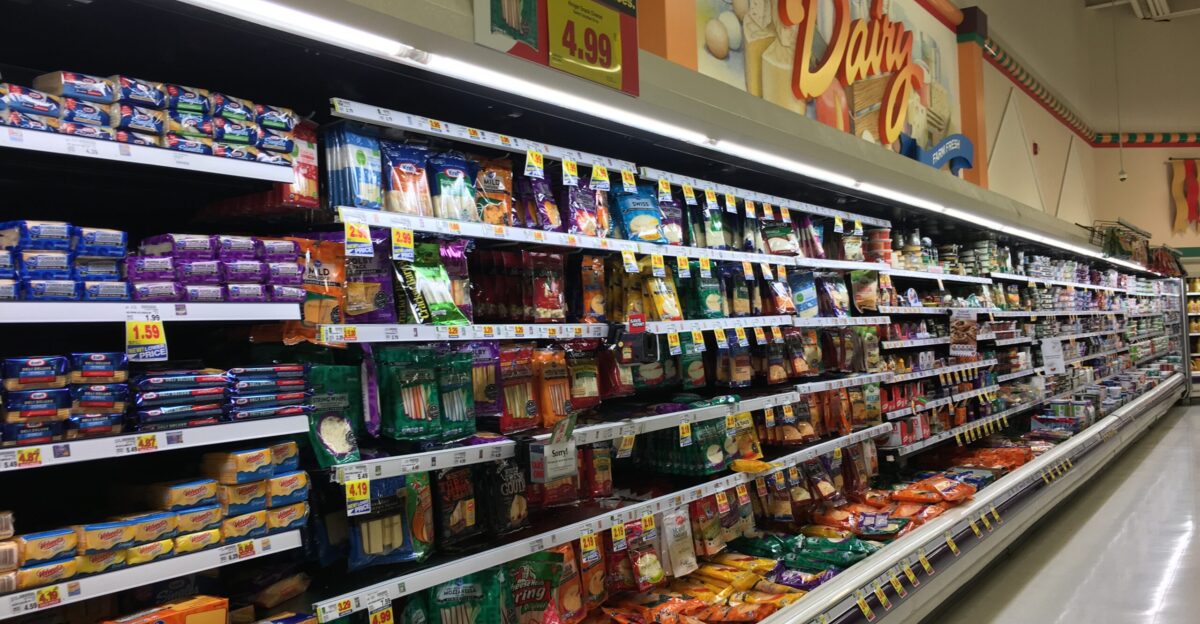
Kroger’s “Our Brands” private label generates $30 billion annually, roughly 20% of total revenue, per March 10, 2025 earnings. Half is company-produced, half outsourced.
Store closures reduce orders, immediately disrupting supplier cash flows. Kroger’s strongest brand becomes vulnerable to its own operational missteps.
The Albertsons Lawsuit Ticking Time Bomb
Albertsons alleges Kroger breached the merger agreement and failed to exercise “best efforts,” according to Delaware Court filings from January 21, 2025.
Kroger faces at least $600 million in termination fees, potentially billions more. Litigation distracts management while the company struggles to maintain competitiveness.
What Happens Next?
By Q1 2026, Kroger will appoint an external permanent CEO. The company forecasts $400 million in e-commerce profit improvement after Ocado closures, per Q3 2025 guidance.
Yet market share losses to Walmart, ALDI, and Costco continue. Stabilizing the business remains a monumental challenge for new leadership.
The Perfect Storm Remains
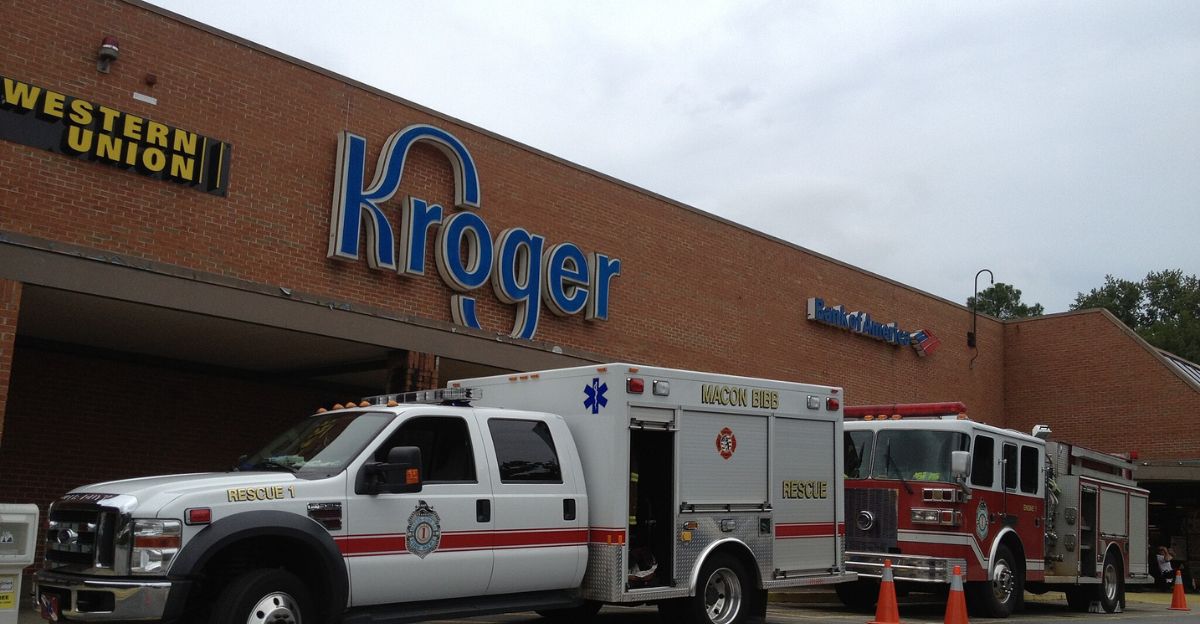
Kroger faces six simultaneous crises: failed Ocado operations, leadership vacuum, market share losses, $1.32 billion operating loss, $2.6-5.6 billion in litigation exposure, and 4,500+ job losses.
The question is no longer if Kroger will recover, but whether the new CEO can stabilize the ship before irrelevance deepens.
Sources
Reuters Q3 2025 earnings analysis, November 30, 2025
Numerator market share tracking, Q3 2025 release
CNN business reporting on CEO departure, March 3, 2025
Delaware Court of Chancery Albertsons v. Kroger litigation filings, ongoing 2025
YouGov US Grocery Stores Rankings Report, March 2025
LendingTree consumer sentiment analysis, 2025 survey
WARN Act notices (Groveland, Wisconsin, Maryland fulfillment centers), November 2025