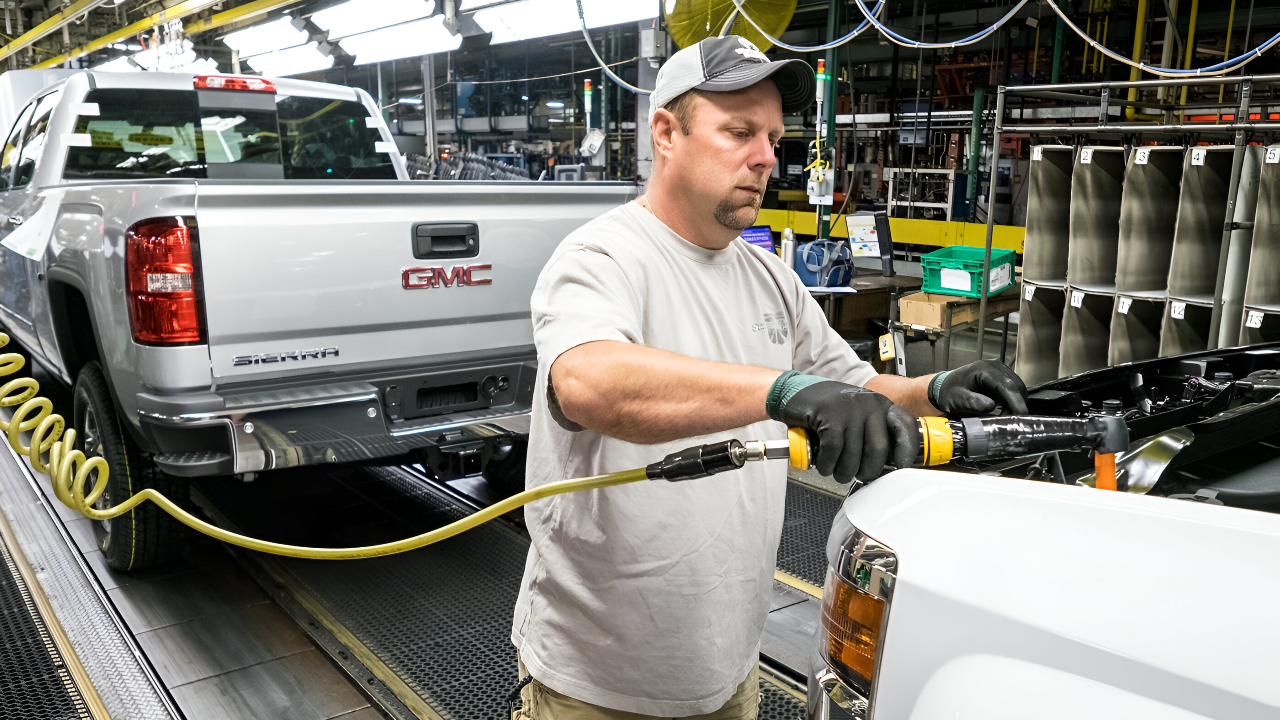
In late October 2025, General Motors (GM) workers in Michigan and Ohio were met with unsettling news as job cuts loomed just days following earlier layoffs. Rumors of a significant restructuring spread through Detroit and Warren, creating a tense environment as employees awaited official communication from the company and union leaders.
Many felt a semblance of hope that the worst was behind them, yet additional uncertainties lay on the horizon. The disquiet among workers illustrated the growing anxiety over the company’s direction and the implications for their livelihoods. GM’s challenges in the evolving automotive landscape were becoming increasingly evident.
Third Wave

On October 29, 2025, GM confirmed its third round of layoffs within a week, affecting approximately 1,700 workers across Michigan and Ohio. This announcement followed job reductions at a Georgia IT center and GM’s Warren Tech Center, highlighting a widespread downsizing of its U.S. workforce.
Local communities, already feeling the pressure of earlier cuts, now braced for more profound uncertainty. Workers concerned about their futures contemplated the impact these layoffs could have on their families and local economies. The consistent flow of layoffs served as a stark reminder of the turbulent times facing one of America’s automakers.
EV Bet
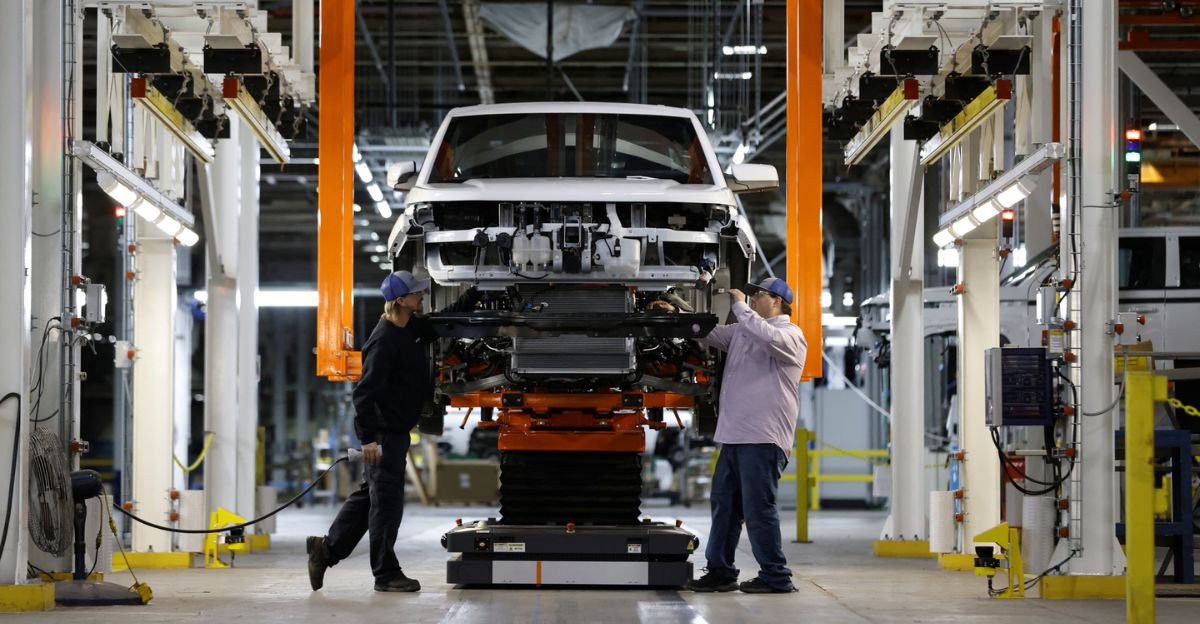
The latest layoffs at GM are directly linked to the company’s ambitious yet underperforming investment in electric vehicles (EVs). Since 2020, GM has been advocating for an “all-electric future,” allocating billions to facilities like Detroit’s Factory Zero and its Ultium battery joint ventures with LG.
However, as the promise of EVs proved slower to materialize than executives anticipated, these vital production sites now face substantial scaling back. What was once considered a forward-thinking strategy now raises questions about the viability of the transition amid fluctuating demand, leaving many employees and local economies in doubt.
Policy Whiplash

The latest layoffs also come on the heels of significant policy shifts in Washington. In June 2025, Congress and President Trump enacted a crucial tax and spending bill that terminated federal EV tax credits, which had previously offered incentives of up to $7,500 for new electric vehicles and $4,000 for used ones.
GM subsequently warned its investors that eliminating these credits would reduce near-term demand for EVs in the U.S., jeopardizing sales forecasts. This swift policy change has left both consumers and manufacturers grappling with potential repercussions in the evolving automotive sector.
[Source: NBC News, 29 Oct 2025]
1,700 Jobs Layoff
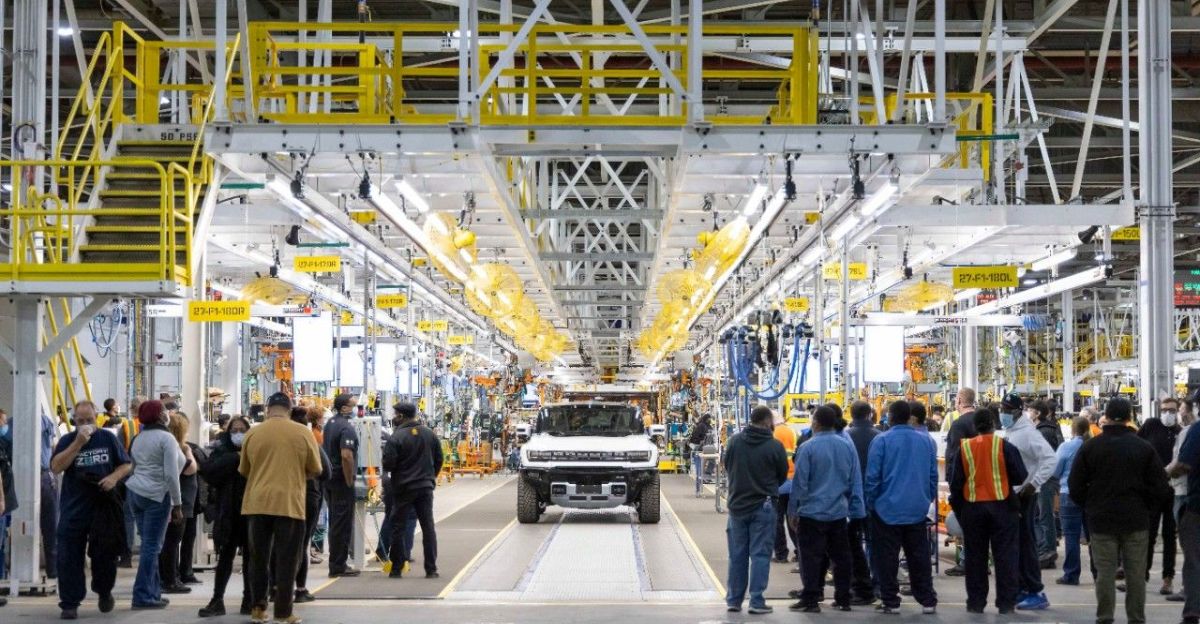
On October 29, 2025, GM announced that it would lay off approximately 1,700 workers at its facilities, including Detroit’s Factory Zero and the Ultium Cells battery plant in Warren, Ohio. Approximately 1,200 positions were cut at Factory Zero, with an additional 550 jobs eliminated at the Ultium plant.
This marked the most significant single-week reduction in GM’s ongoing restructuring efforts throughout 2025. As the impact of these layoffs rippled through the community, it became evident that the ramifications would extend far beyond the factory gates, affecting countless families and local economies.
Midwest Hit
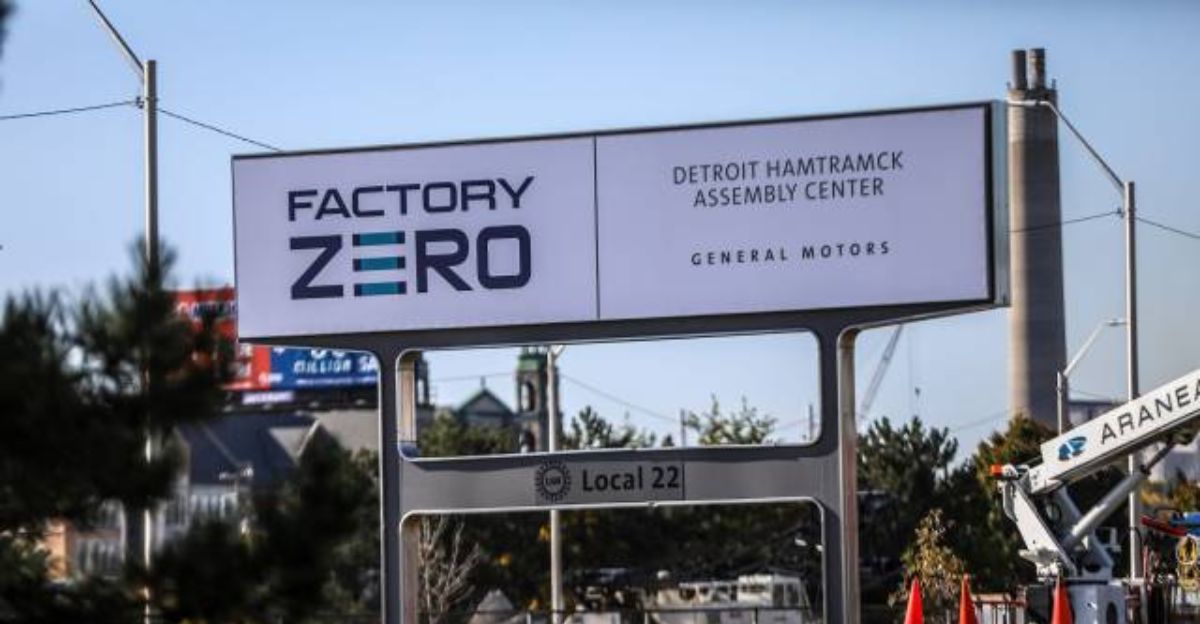
These layoffs have a significant impact on core communities in the Midwest, which are heavily reliant on the auto manufacturing industry. Factory Zero sits straddling the border of Detroit and Hamtramck, while the Ultium battery plant is located in Warren, Ohio.
Local officials decried the layoffs, noting that they would have far-reaching consequences for suppliers, diners, and small businesses reliant on GM paychecks. For towns still recovering from prior plant closures, the news was a painful reminder of economic vulnerability, reigniting fears of instability in an essential industry that many have depended on for generations.
Lives Disrupted
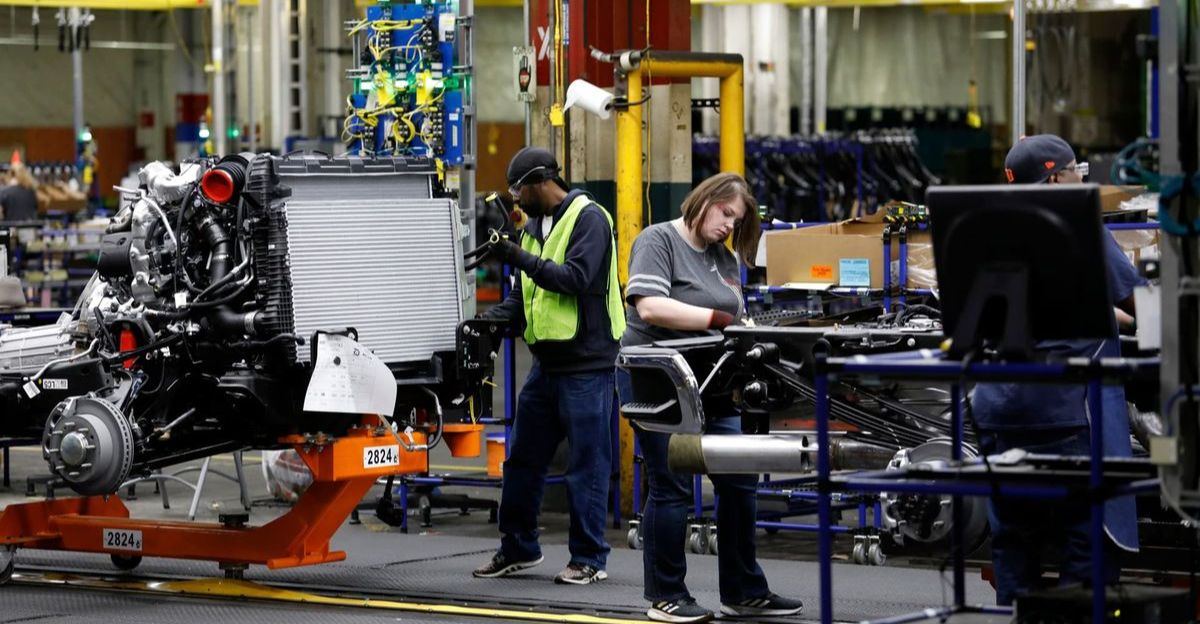
The decision to cut jobs has left workers at Factory Zero and the Warren Ultium plant facing challenging decisions. For many, the options include accepting transfers to different GM facilities, often located in varying states, or staying behind with the specter of long-term unemployment looming.
Workers highlighted complications, such as spouses with local jobs and children attending nearby schools, which made relocation difficult. One worker poignantly noted, “It’s not easy to uproot a whole family for a job,” emphasizing the emotional toll these layoffs inflict on individuals and families alike as they navigate uncertain futures.
GM’s Explanation

GM’s management attributes these layoffs to sluggish demand for electric vehicles and evolving regulatory frameworks. In an SEC filing on October 14, 2025, the company announced a $1.6 billion writedown linked to underutilized EV production equipment. It cautioned investors about “slower near-term EV adoption” following the discontinuation of tax credits.
The automaker reassured stakeholders that it is not abandoning its electrification strategy; instead, it is focusing on “realigning EV capacity” to meet emerging market dynamics while adapting to the realities of a post-tax credit environment.
Larger Restructuring
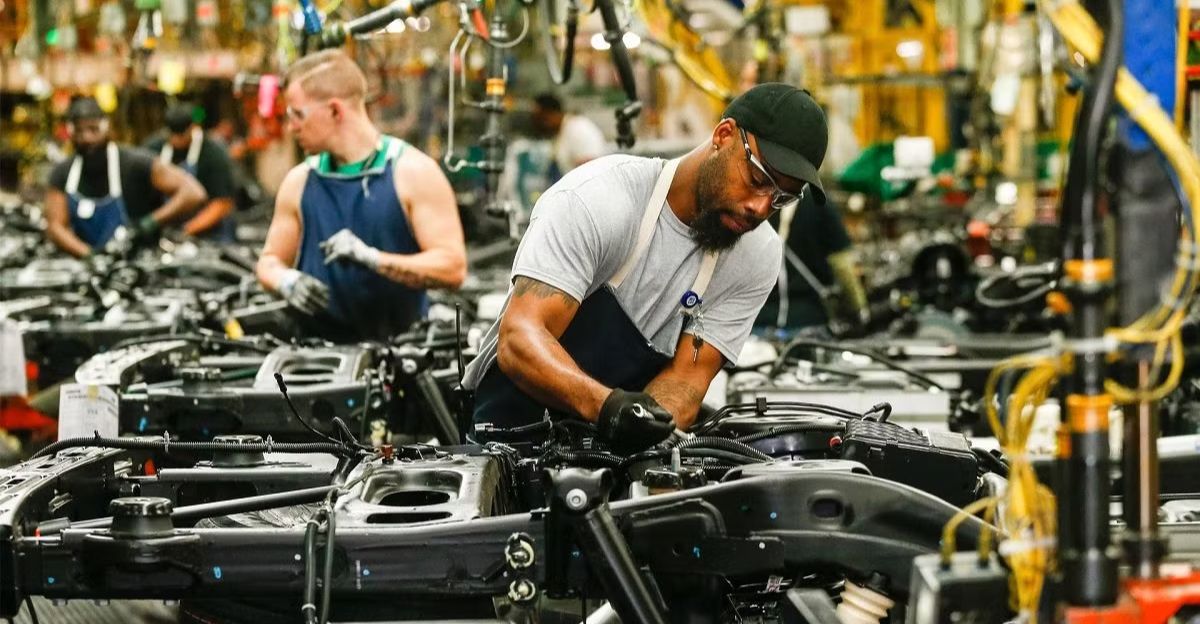
The layoffs at GM are the latest in a series of strategic cuts made earlier in the month. These include about 200 salaried engineering roles eliminated at GM’s Warren Tech Center and roughly 300 layoffs associated with the closure of the IT Innovation Center in Georgia.
Collectively, these decisions reflect GM’s efforts to trim both white-collar and technical staff while simultaneously scaling back its EV manufacturing initiatives in North America. The response underscores the automaker’s recognition of the need to adapt to a rapidly changing automotive landscape amidst economic pressures.
Temporary Pauses
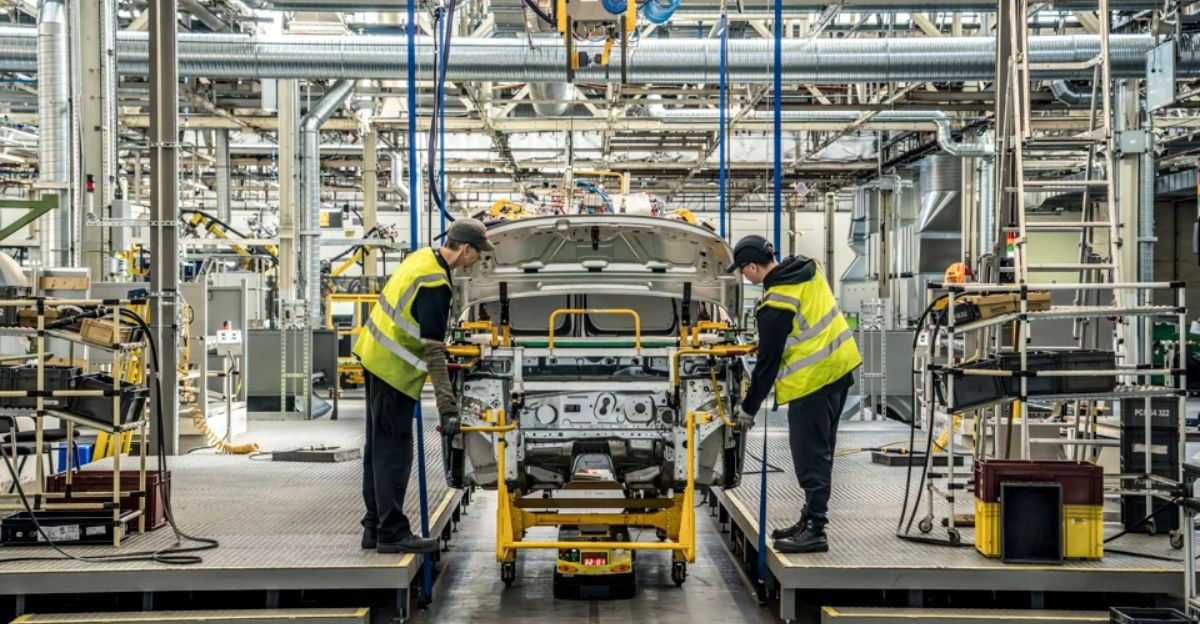
In addition to job cuts, GM has announced it will temporarily halt production at several key EV and battery facilities. Factory Zero was idled in October, with plans to resume operations on January 5, 2026. Simultaneously, Ultium battery production at facilities in Warren, Ohio, and Spring Hill, Tennessee, will pause early in 2026, with a mid-year restart anticipated.
GM stated that this downtime will be spent on equipment upgrades and adjusting production capacity, reinforcing the company’s focus on optimizing its operations in response to the current market conditions.
Community Impact

The layoffs and production halts are poised to affect not only the laid-off workers directly but also entire communities intertwined with GM’s operations. Local businesses that cater to GM employees, from gas stations to restaurants, may see decreased foot traffic and revenue.
As families tighten their budgets in response to job losses, the cascading effect on local economies could be widespread. Community leaders and economic analysts are now focused on predicting how these layoffs will lead to further financial challenges in an area still grappling with the remnants of past recessions and industrial shifts.
Economic Ripple Effects
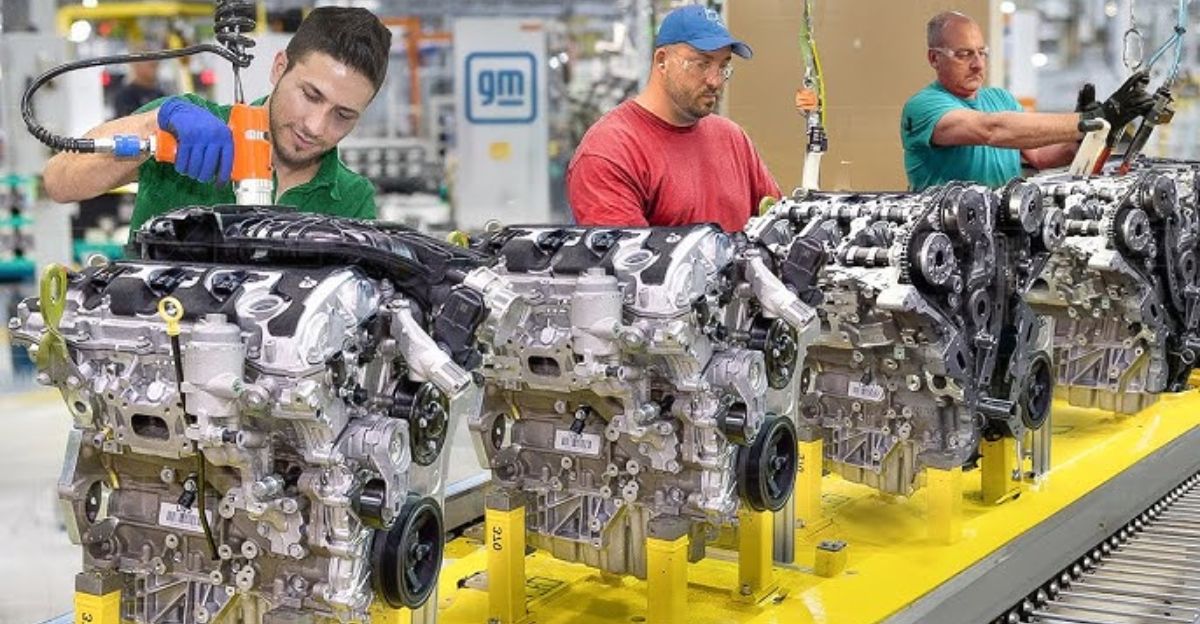
The series of layoffs marks a significant moment of economic strain on the Midwest, an area historically reliant on the auto industry. Economists caution that these job losses could trigger a ripple effect, resulting in higher unemployment rates and lower consumer spending.
Small businesses, often the backbone of local economies, may struggle to survive amid the reduced financial influx from affected families. Experts predict that without substantial intervention or adaptive strategies, entire communities risk falling into prolonged economic distress, echoing patterns observed during previous automotive downturns.
Workers in Transition
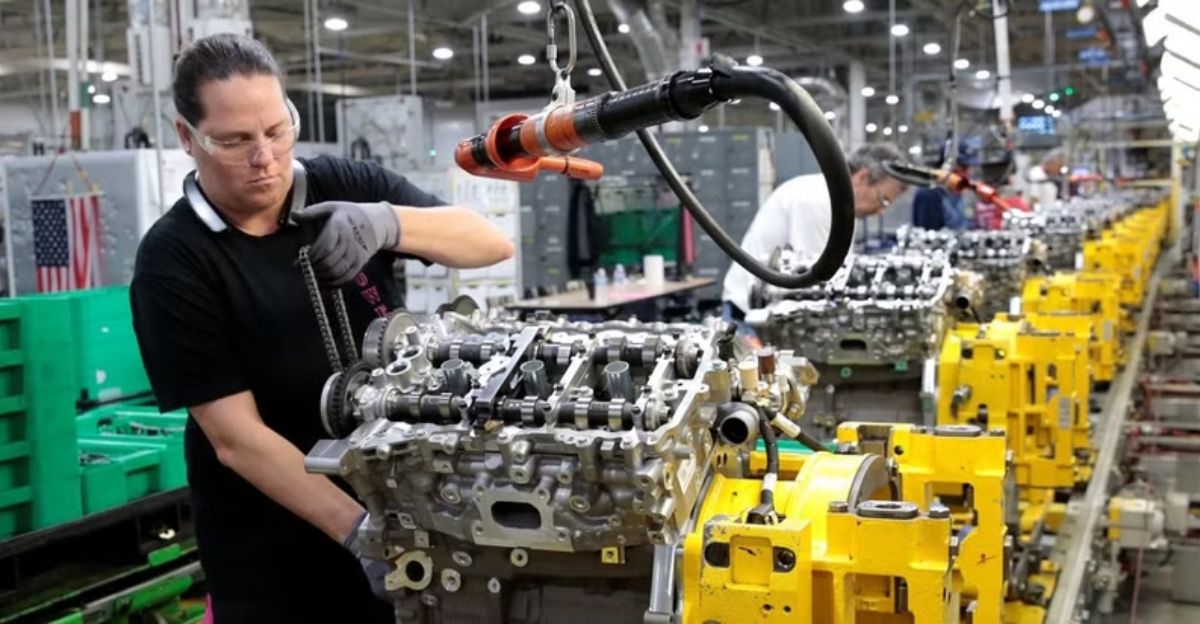
For the affected GM workers, the immediate concern shifts to job placement and career transition. Many have begun exploring other employment opportunities, while others seek additional training to enhance their employability in an evolving job market.
Regional workforce development agencies have mobilized resources to support displaced workers in their job search, providing workshops and career guidance. The shift not only highlights the individual challenges faced by each worker but also reflects broader shifts in the automotive industry’s labor needs as it pivots toward electrification and sustainable technologies.
Psychological Toll

Beyond financial implications, the layoffs exact a psychological toll on the employees and their families. Fear of job loss, relocation stress, and uncertainty about the future are common concerns among displaced workers. Mental health professionals emphasize the need for support systems to assist those grappling with job-related anxiety.
“The emotional upheaval caused by layoffs can be just as debilitating as the financial,” shared a local counselor, underscoring the importance of mental wellness in navigating these tough transitions. Families must therefore prioritize emotional support alongside practical steps in their career journey ahead.
The Role of Unions
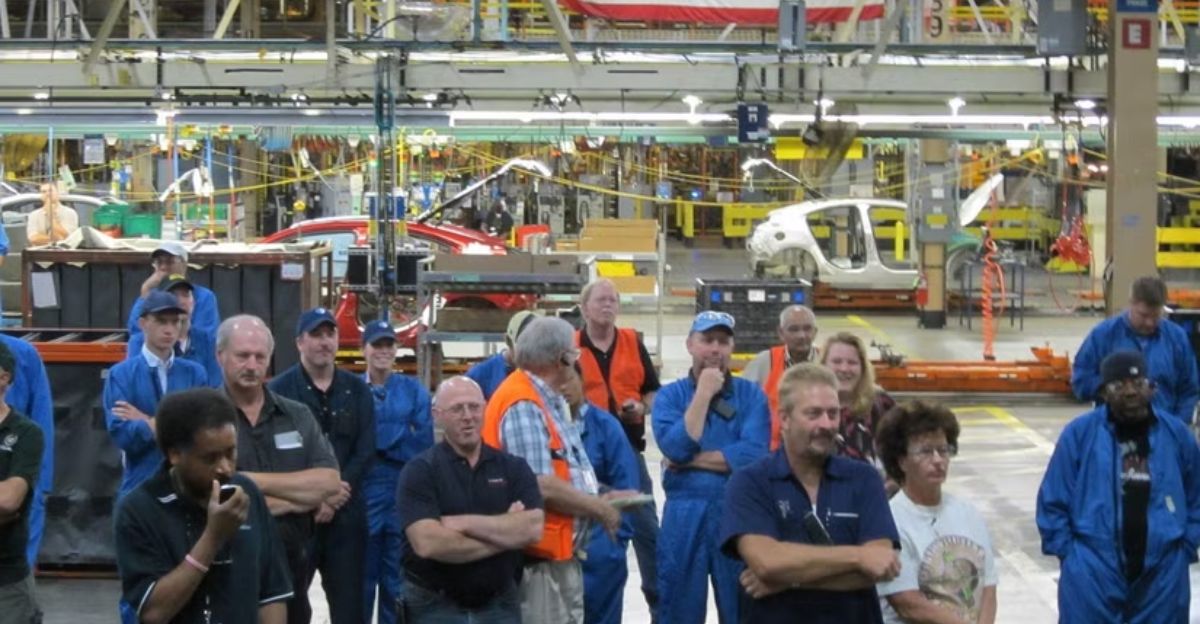
Unions play a critical role in representing the interests of affected workers during these layoffs. As negotiations unfold, union leaders advocate for better job placement services and severance packages to cushion the impact on their members.
They seek to ensure that workers have access to retraining programs and other resources that may facilitate their transition to new roles. Union representatives voice their dedication, emphasizing solidarity among workers: “We are committed to fighting for our members and ensuring they have the support they need through this challenging period.”
Looking Ahead: Industry Trends
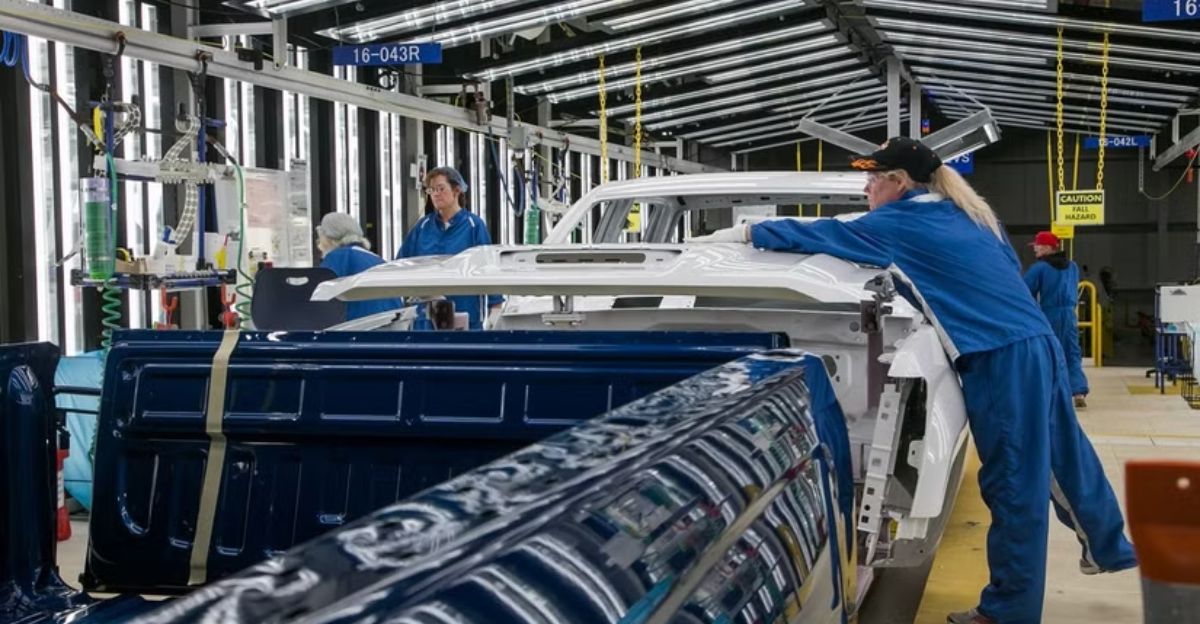
The automotive industry as a whole is navigating an era of profound transition, primarily driven by the demands of electrification and sustainability. As consumers increasingly embrace electric vehicles, manufacturers like GM face the dual challenge of managing legacy operations while evolving to meet new market expectations.
Future strategies require deeper collaboration with tech firms and innovation in production techniques, ensuring the workforce is equipped to handle advanced technologies. Observers anticipate that GM’s restructuring may serve as a crucial case study for adaptation within the broader industry landscape in the years to come.
Market Reactions

Stock market responses to GM’s announcements reflect investor sentiment about the company’s future. Following the announcement of layoffs, shares experienced volatility as analysts assessed the long-term implications of the restructuring.
While some industry experts view the cuts as necessary for financial health, others caution that the moves may signal deeper trouble within the automaker’s electric vehicle strategy amid shifting consumer preferences. The scrutiny from investors highlights the heightened stakes GM faces during this pivotal moment in the automotive sector. Investors are keenly watching for any signs of recovery or further decline in key market metrics.
Long-term Strategies

To regain stability amidst the layoffs and restructuring, GM must pivot toward developing long-term strategies that ensure sustainable growth. Investment in workforce development, enhancing employee skill sets, and fostering innovation will be crucial components of any recovery plan.
Maintaining open lines of communication between management and employees will also be vital in rebuilding trust and morale. As the auto industry evolves, so too must GM’s approach to garnering support from both its workforce and the broader community, as it strives to navigate this challenging transition period effectively.
Navigating Change

As GM navigates these tumultuous waters, it becomes increasingly essential for the company to actively engage with stakeholders, workers, communities, and investors alike. By honoring their commitments and demonstrating responsiveness to worker needs, GM can lay the groundwork for a more resilient future.
The path forward will involve embracing change, cultivating adaptability, and striking a balance between innovation, reliability, and the well-being of people’s livelihoods. The supportive collective efforts can carve out a blueprint for thriving amidst inevitable change in the automotive landscape.
An Uncertain Future
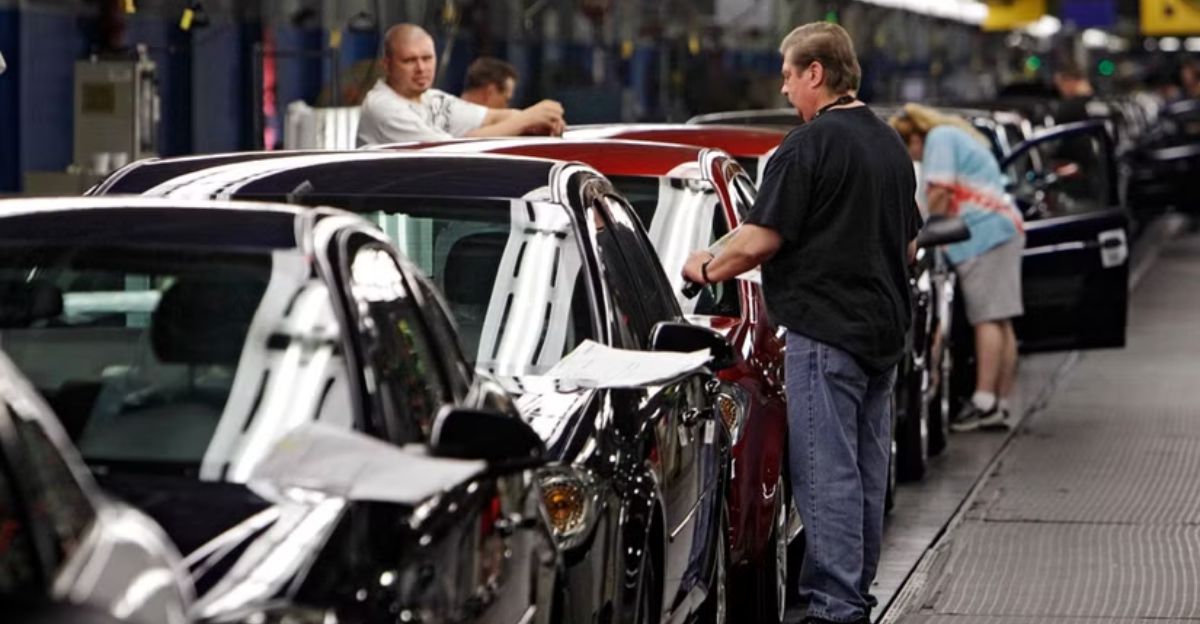
In conclusion, GM’s decision to lay off 1,700 workers during this period of transition sheds light on the complexities facing the automotive industry. As electric vehicle demand fluctuates and policy landscapes shift, companies must adjust their strategies accordingly.
The repercussions of these layoffs are felt far beyond the factories, affecting families, communities, and the broader economy. Moving forward, GM’s ability to navigate the challenges ahead will play a crucial role in shaping its future and the wider automotive narrative in a rapidly evolving market, underscoring the need for support and adaptability in uncertain times.
Sources
BC News – GM will cut thousands of jobs in Michigan, Tennessee and Ohio as EV demand slows
LinkedIn News – GM cuts 1,700 jobs in third round of layoffs in under a week
CNBC – GM lays off more than 1,700 at sites in Michigan, Ohio
ABC News – GM lays off 1,700 workers at plants in Michigan and Ohio amid slower EV demand
Detroit Free Press – GM temporarily idles Factory Zero as automaker braces for slower EV demand
New York Times – G.M. Will Cut 1,750 Jobs in Electric Vehicle Business