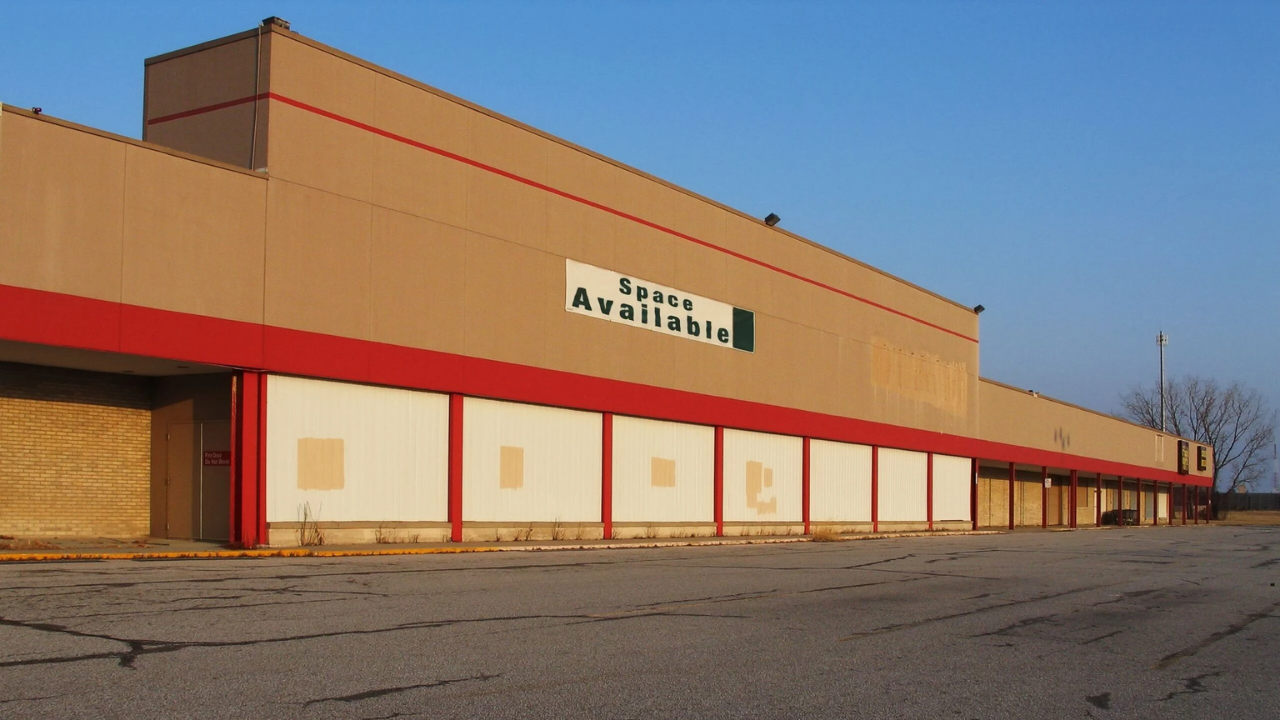
In 2025, the retail world in America is changing faster than ever before. Over 6,000 stores have closed, leaving more than 123 million square feet of empty shopping space. Famous chains and local favorites alike are disappearing, some after decades of serving communities.
Experts say this is due to a mix of reasons: stores going bankrupt, rising costs, shoppers changing how they buy things, and online shopping growing strongly. This collapse means more than closed shops with lost jobs and fewer places for communities to gather.
1. Rite Aid

Rite Aid, a pharmacy many of us knew well for over 60 years, filed for bankruptcy in 2025 and is closing 489 stores. This is the largest number of closures from a single retailer this year, freeing up 6.7 million square feet of space.
The company faced steep challenges: higher drug costs, fierce competition from bigger chains, and shoppers buying medicine differently. For many neighborhoods, losing Rite Aid means losing a dependable health and beauty stop.
2. At Home
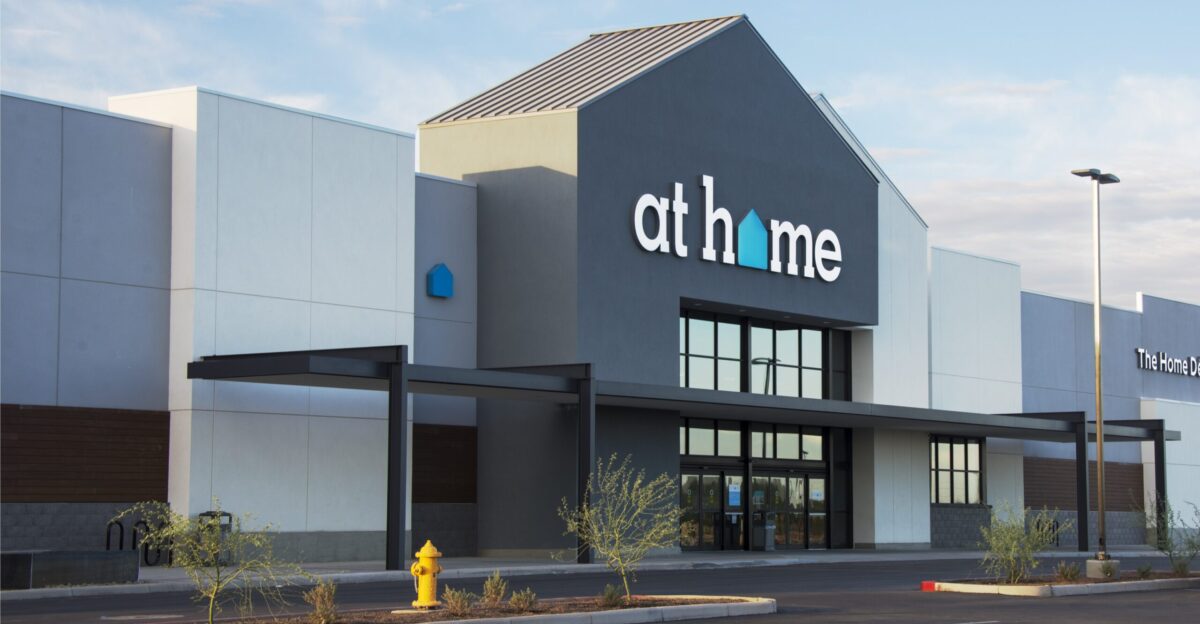
At Home, known for affordable home décor and furniture, is closing 27 stores and filing for bankruptcy in 2025. Based in Texas, it covered 2.7 million square feet of retail space but couldn’t survive rising prices, high interest rates, and people spending less on non-essential items.
For many, At Home was an affordable way to refresh their living spaces. Its collapse reminds us how economic slowdowns hit home goods retailers hard.
3. Joann
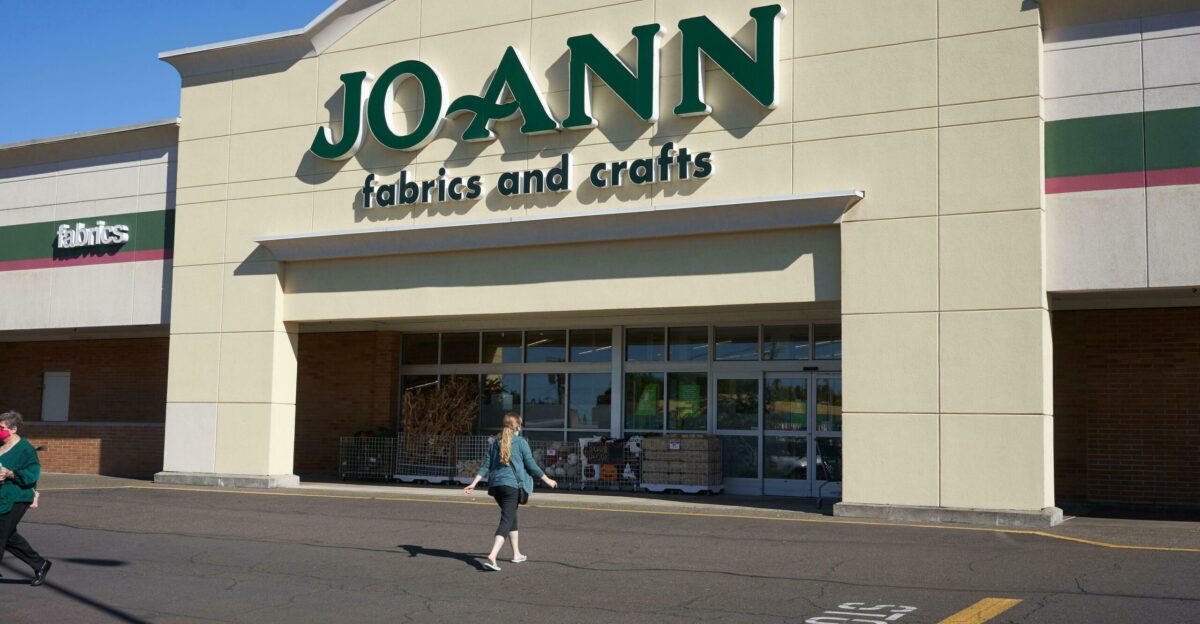
Joann, the go-to store for fabrics, crafts, and DIY lovers, filed for bankruptcy in 2024 and is closing hundreds of its 850 stores. Loved by quilters and creative types, it was challenged by new online communities, rising wages, and supply problems.
As crafting changed online, Joann couldn’t keep pace. For millions who grew up shopping there for school and hobbies, it marks the end of a special era.
4. Party City
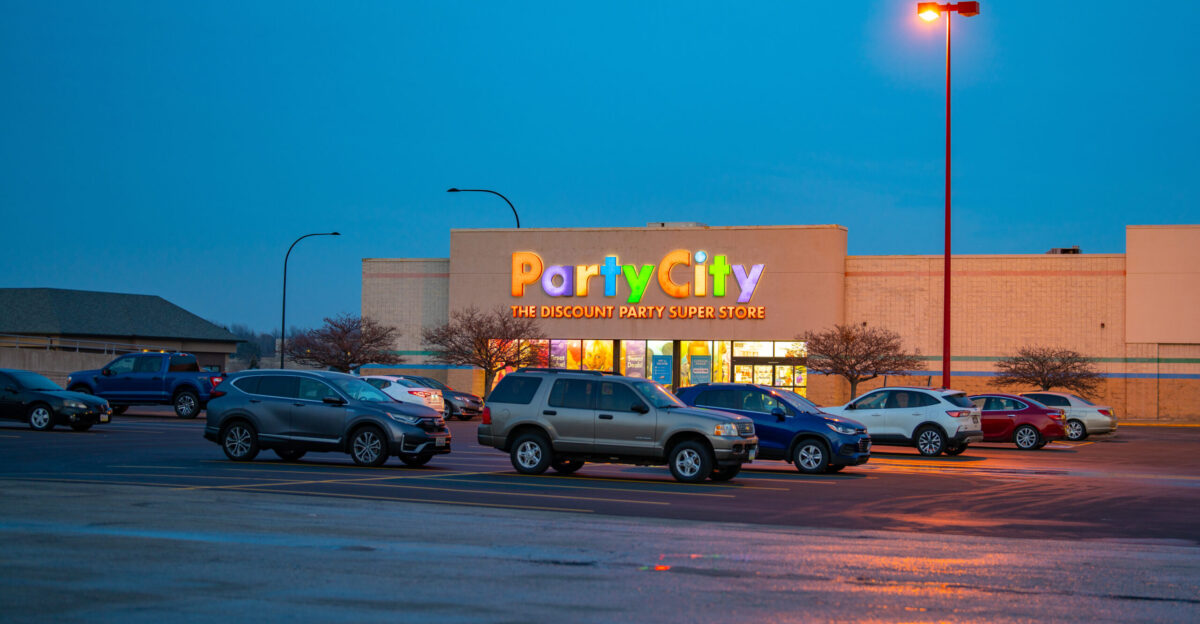
Party City, the big name in party supplies, closed all 700 stores between 2023 and 2024. It couldn’t match online sellers or big-box stores that sold similar decorations and costumes. This meant thousands lost jobs, and communities lost a special place to plan celebrations.
For many, Party City was the easy stop for birthdays and holidays—now replaced by digital convenience.
5. Toys “R” Us
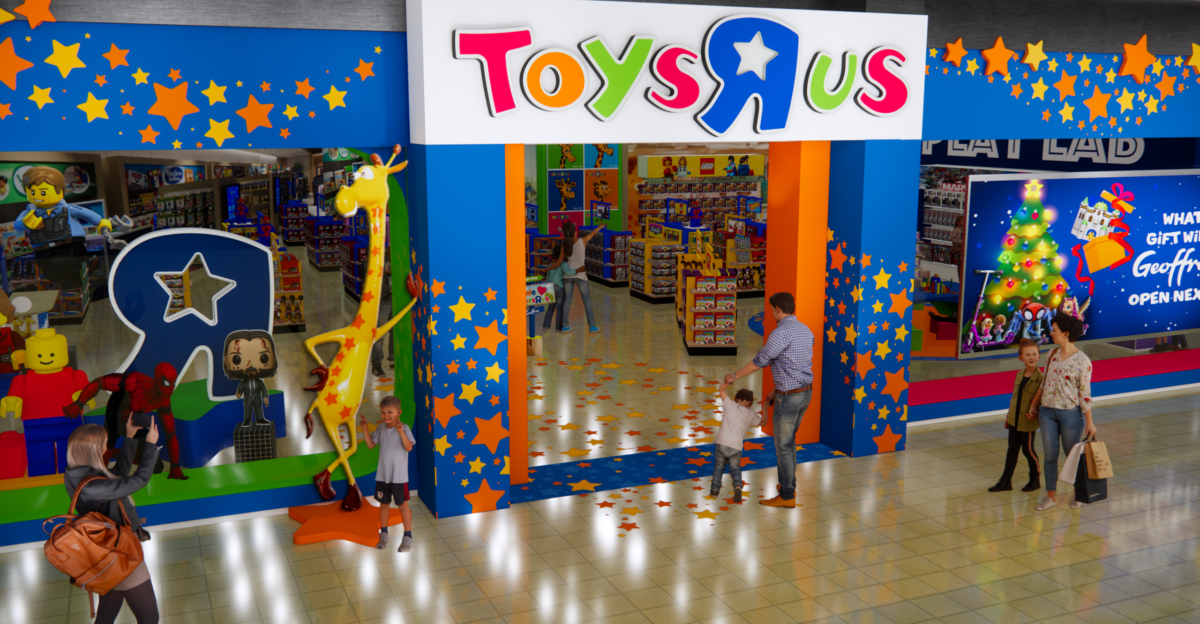
Toys “R” Us, the store where kids dreamed big about toys, closed all US locations by 2018 after filing for bankruptcy in 2017. Once boasting over 700 stores, it couldn’t compete with Amazon’s fast delivery or Walmart’s low prices.
Families lost a store that made toy shopping magical. Today, Toys “R” Us lives on only through memories and limited stores abroad, showing how online shopping changed childhood retail forever.
6. Big Lots
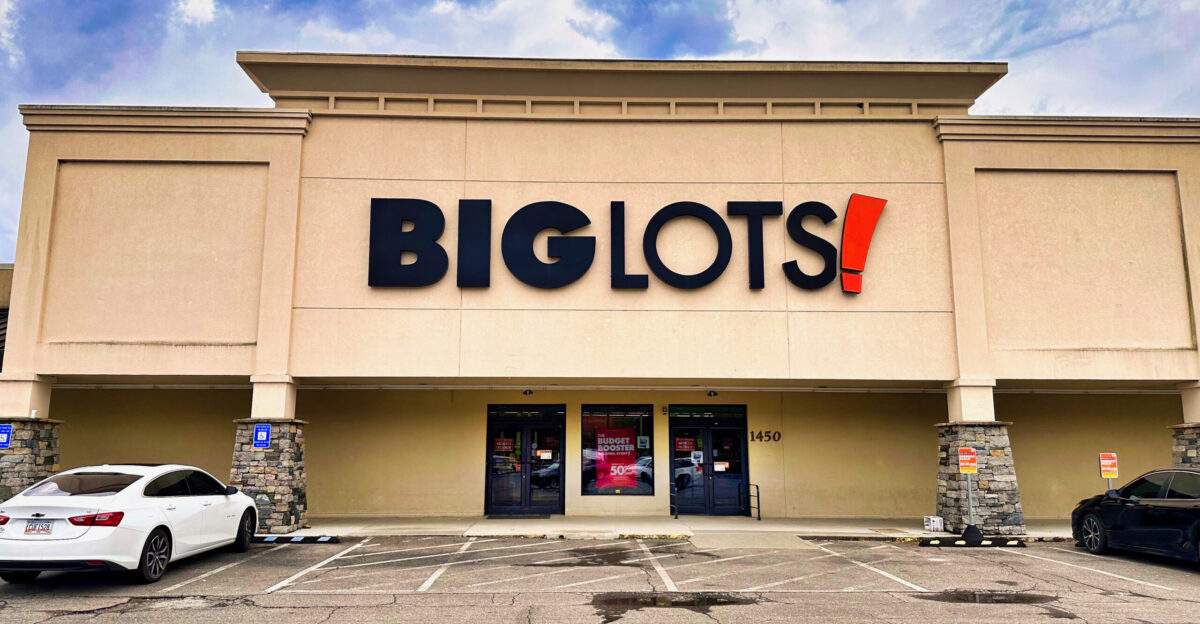
Big Lots, a discount store helping budget shoppers for 40 years, filed for bankruptcy in 2024 and is closing around 480 stores. This retailer, known for affordable furniture and home items, was hurt by inflation and changing buying habits.
Its shutdown means fewer places for affordable shopping, making it harder for people to find bargains during tough economic times.
7. Bed Bath & Beyond
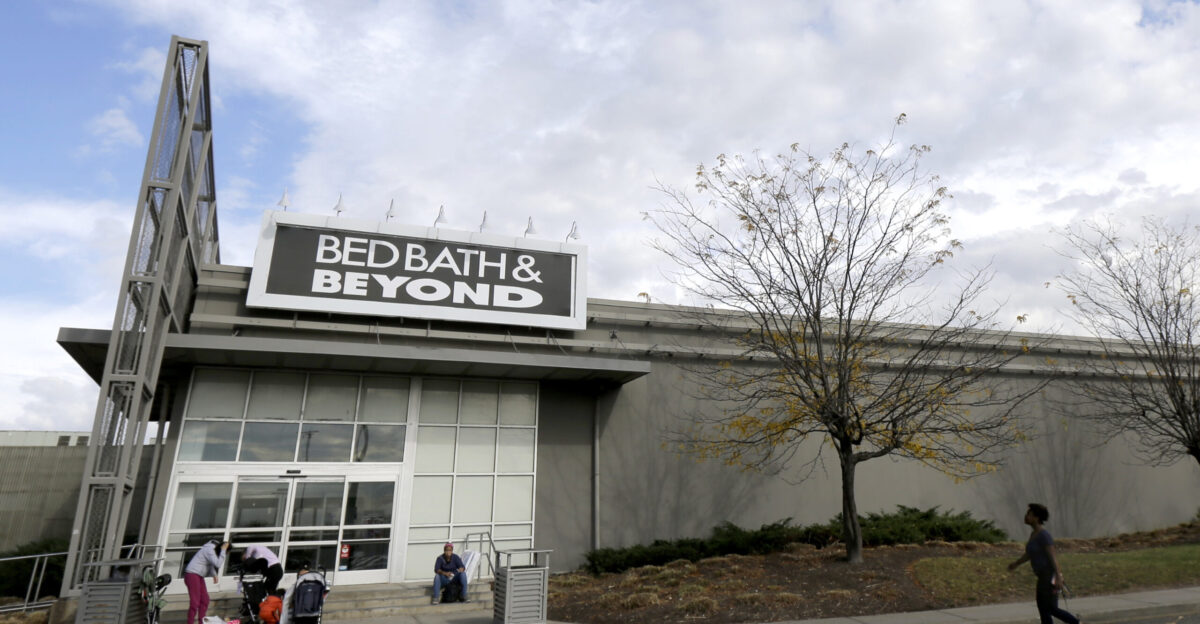
Bed Bath & Beyond, famous for bedding and home goods, shut down all 896 stores after a 2023 bankruptcy. Its debt and competition from online giants caused its downfall.
“This shows that no brand is safe if it ignores evolving shopping habits,” says retail analyst Mark Johnson. The closure shocked shoppers who had relied on it for decades. Bed Bath & Beyond’s fall highlights the pressure on traditional stores as online shopping grows stronger.
8. Blockbuster
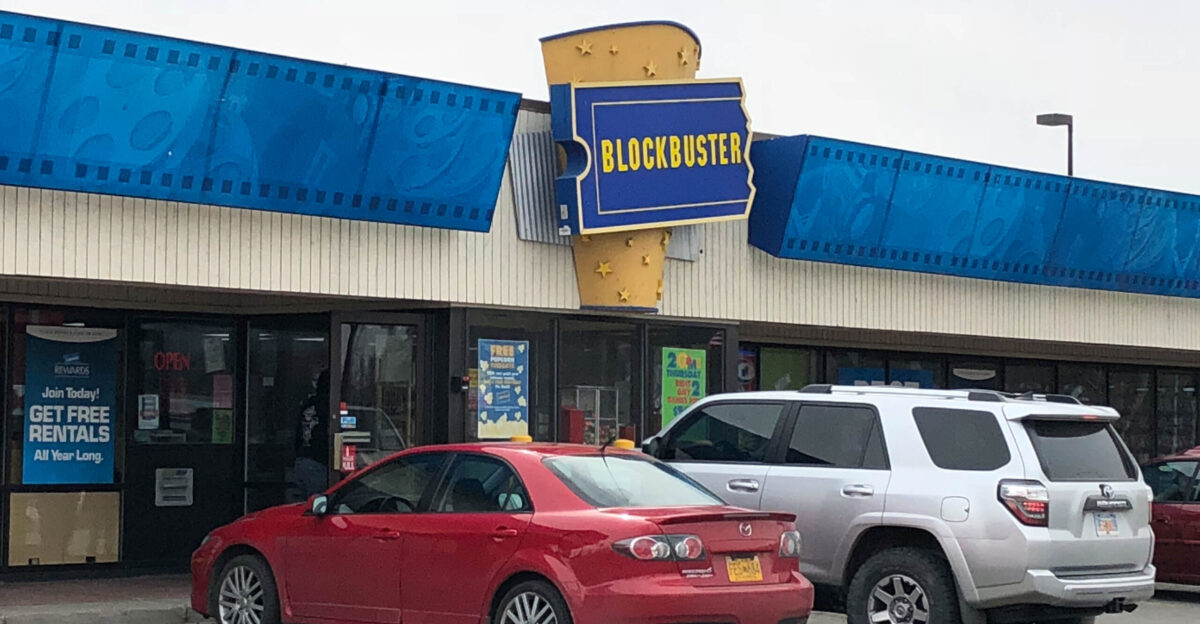
Blockbuster was the king of video rentals with 9,000 stores worldwide but is now nearly extinct in the U.S., with just one location left. Streaming services like Netflix changed how we watch movies almost overnight, ending the need to rent videos in stores.
For many, going to Blockbuster was a social Friday night tradition now replaced by clicking play at home.
9. RadioShack
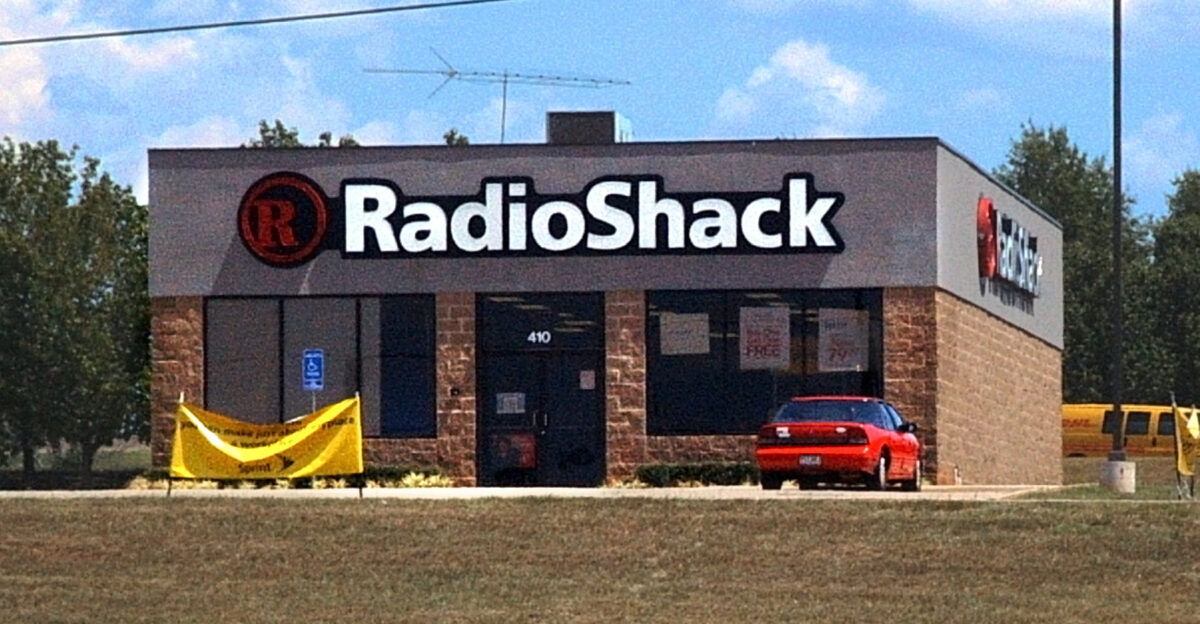
RadioShack, once the go-to for electronics lovers and hobbyists, has shrunk dramatically with only a few stores left. It struggled as big retailers and online shops sold cheaper electronics.
“RadioShack’s decline means losing a special place where many first learned about technology,” notes electronics historian Tom Harris. The store’s expertise couldn’t compete with cheaper mass-market electronics, showing how the tech market left some retailers behind.
10. Walgreens
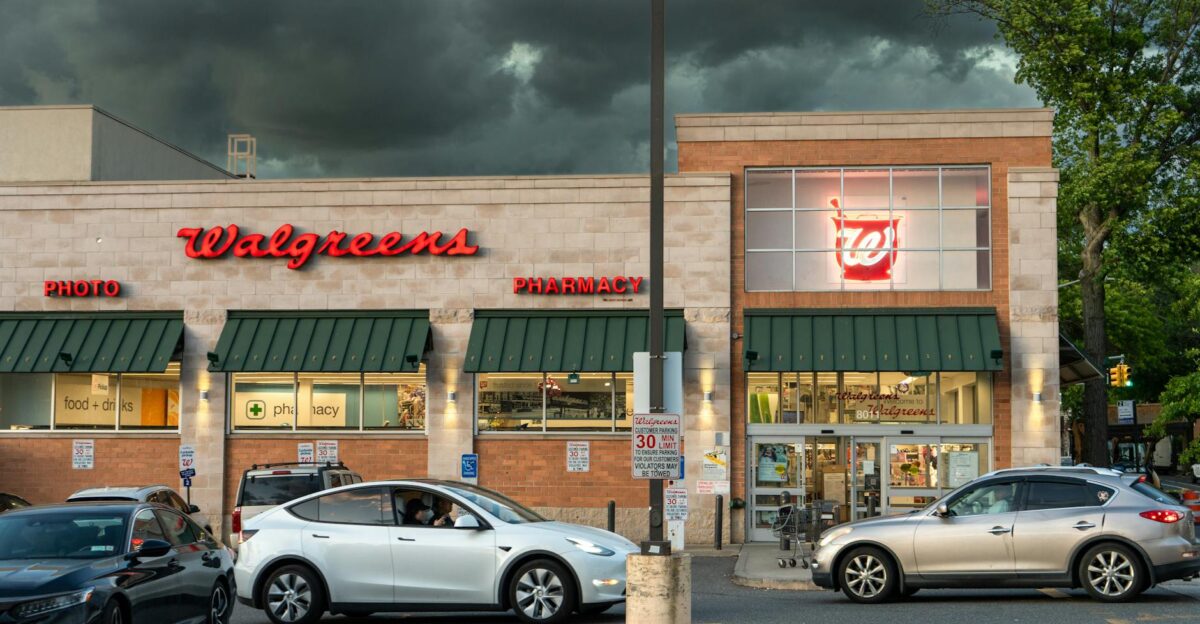
Walgreens is closing 450 stores, including 271 in 2025, not because of bankruptcy but to focus on successful locations. This move shows how even strong pharmacy chains face pressure from Amazon Pharmacy and tighter profits.
This closure is concerning in rural areas where pharmacists are scarce, affecting access to medicine for many people.
11. Family Dollar
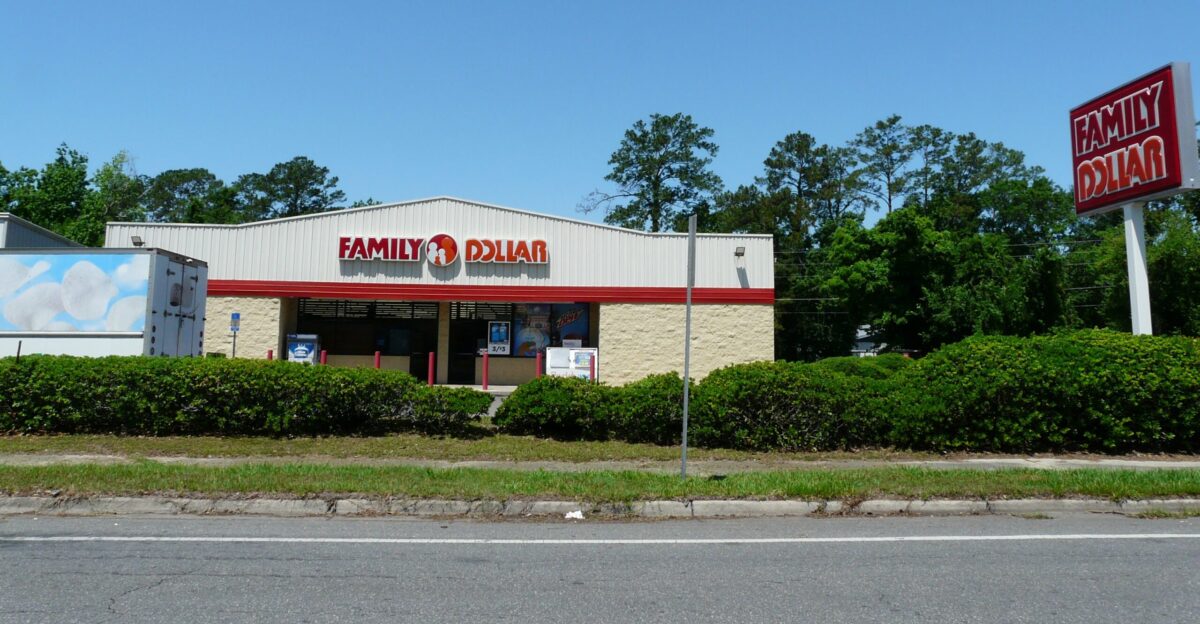
Family Dollar, owned by Dollar Tree, plans to close 370 stores to improve profits. It serves many low-income shoppers who rely on affordable essentials, so closures impact vulnerable communities most.
Retail expert Steve Thomson warns, “Dollar stores were once seen as recession-proof; now margin pressures are catching up.” For those who count on Family Dollar, these closures mean fewer budget shopping options where they live, highlighting ongoing retail struggles in poorer neighborhoods.
12. Foot Locker & Champs Sports
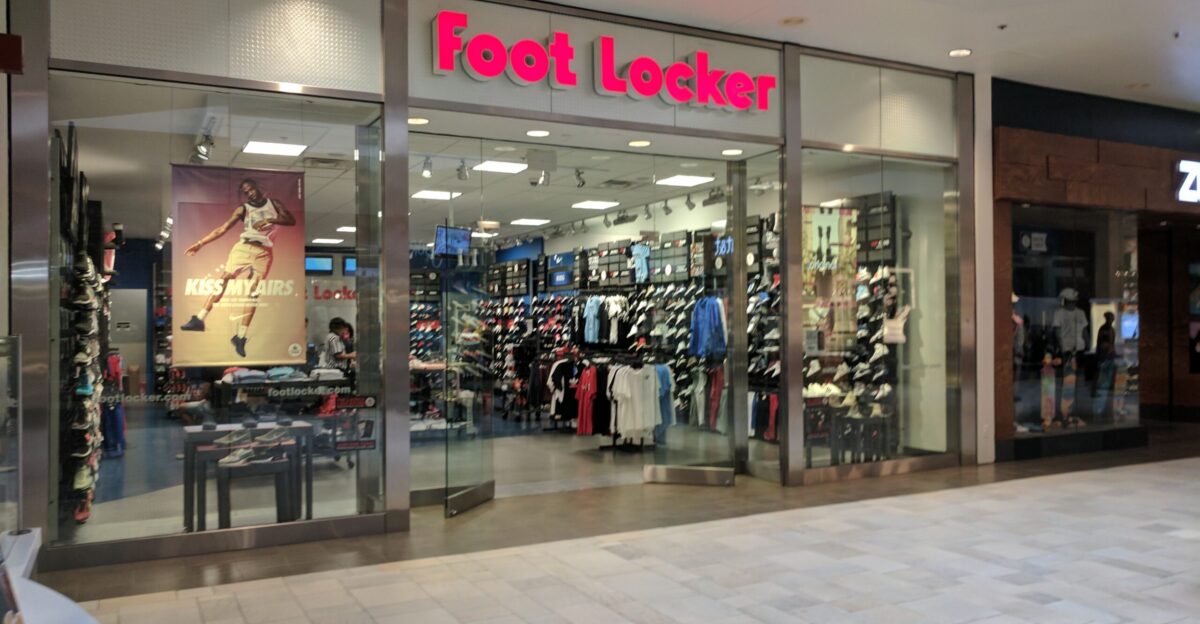
Foot Locker and Champs Sports will close about 400 stores by 2026, losing ground in athletic footwear and apparel. These chains once ruled sneaker fans but now face tough competition from brands selling directly to consumers and big retailers online.
The stores closing mean the end of a place many sneaker enthusiasts saw as a cultural hotspot.
13. Macy’s
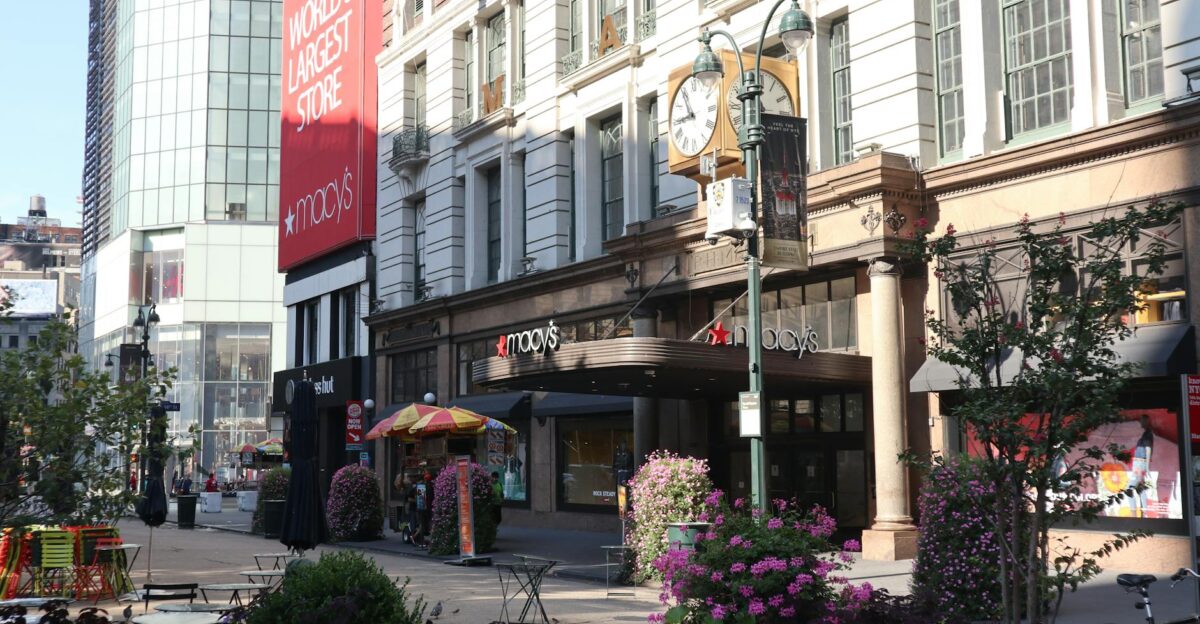
Macy’s is closing 66 stores in 2025, part of a longer trend of shrinking department stores. Once a mall centerpiece for American shoppers, Macy’s has lost ground to online shopping and specialty shops.
Macy’s closures symbolize a shift away from traditional big department stores that were once retail giants.
14. Kohl’s
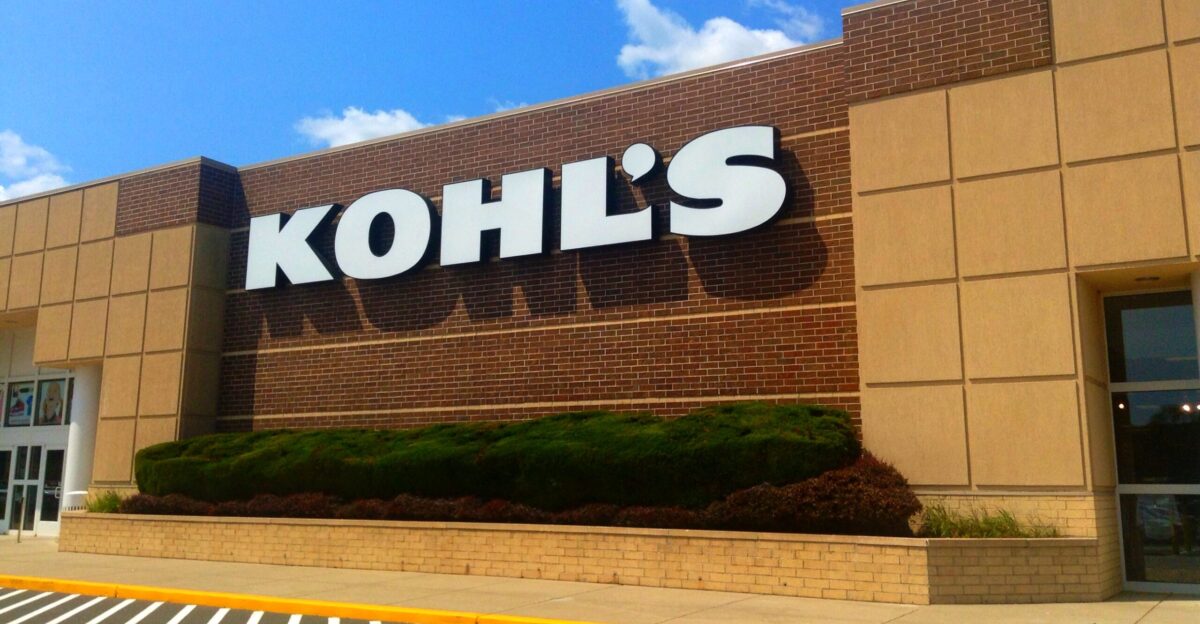
Kohl’s will shut down 27 stores in early 2025, aiming to focus on its most profitable locations. Known for value shopping, Kohl’s struggles with consumers choosing online and specialized retailers over mid-tier department stores.
“Kohl’s highlights the challenge retailers face when they’re caught between luxury brands and discount stores,” explains market expert Emily Parker. This move shows how middle-market stores are especially vulnerable in today’s retail world.
15. CVS
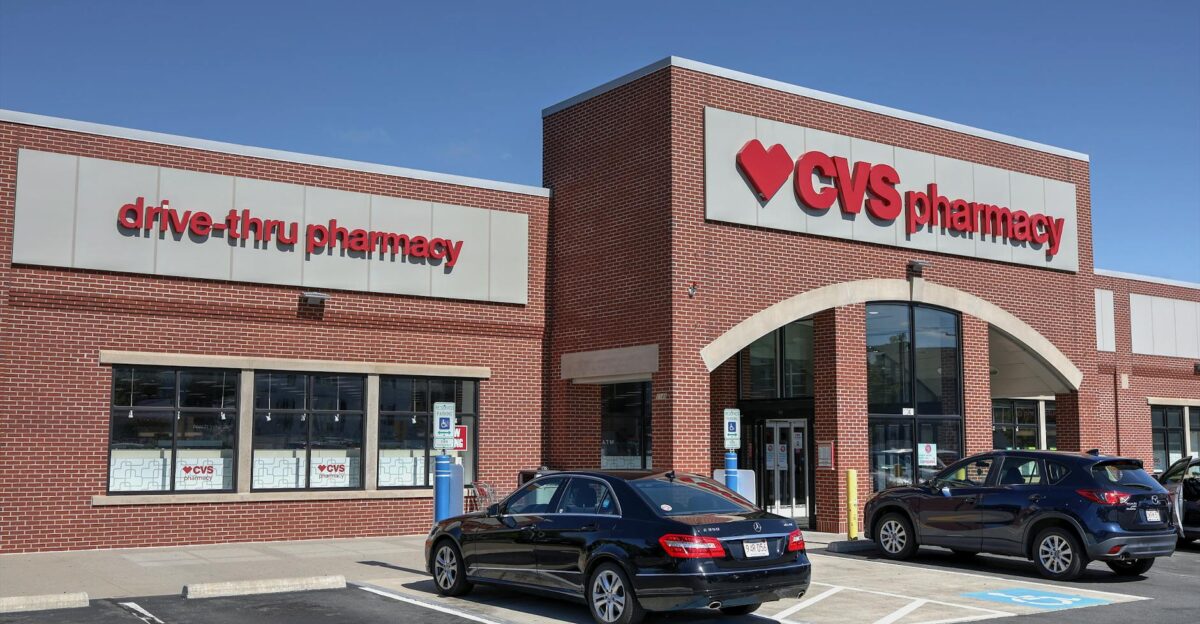
CVS, one of the largest pharmacy and health-focused retailers in the United States, has also been shrinking its store footprint in recent years, adding to the sense of a retail reset in the drugstore sector. The company has announced waves of closures targeting underperforming locations as it pivots more heavily into healthcare services, digital prescriptions, and in-store clinics.
Industry analysts note that CVS faces the same pressures as other chains: tight prescription margins, competition from online pharmacies, and changing shopper expectations for convenience and telehealth.
Sources:
Coresight Research – Store Tracker Extra: US Store Openings and Closures 2024 Review and 2025 Outlook
CoStar – Rising US Store Closings on Pace for Record Year
eMarketer – Retail Faces a Reckoning as Store Closures Outpace Openings in 2025
Capital One Shopping – Shopping Mall Closure Statistics (2025): Are Malls Dying?