Your body starts stealing from you—quietly. After the age of 50, muscle mass declines at a rate of 1-2 percent per year, while strength decreases even faster, at a rate of 1.5-5 percent per year. By age 80, you could lose 8 percent of muscle per decade.
Here’s what nobody tells you: this doesn’t have to be your story. Daily bodyweight exercises have shown real effectiveness at reversing this process for adults over 50.
Why This Matters Right Now
You’re not alone. Over 124 million Americans are 50 or older. Between 10 and 40 percent experience sarcopenia—age-related muscle loss. Tens of millions find stairs harder, groceries heavier, and independence slipping away.
The epidemic is quiet. It starts at 50, and nobody makes a big deal about it. But around 60, you notice: chairs require actual effort to stand from. Most assume they need expensive gyms. What if the answer was simpler?
Bodyweight Might Be Exactly What Your Body Needs

Research surprises people: daily bodyweight exercises can be particularly effective for adults over 50. Not flashy—genuinely effective. Bodyweight strengthens stabilizing muscles, controlling balance and coordination.
It mimics real life: standing from chairs, pushing doors, and climbing stairs. No recovery days. No equipment needed. Consistency is more important than intensity.
Simple Movements That Change Everything
Forget complicated routines. Four foundational exercises hit exactly what you actually need. Chair squats rebuild standing ability. Incline pushups build upper-body strength without destroying joints. Split squats help correct strength imbalances between the two sides of the body.
Single-leg Romanian deadlifts teach real balance. Daily: 3 sets of 8-12 reps each. That’s 96-144 total reps. Takes just 15-25 minutes. No gym. No weights. No excuses.
Consistency Beats Intensity
Research repeatedly demonstrates that combining regular resistance exercise with consistency yields significant improvements in strength. Adding intensity or heavier weights didn’t dramatically improve results over moderate, consistent effort.
Your body over 50 responds to consistent daily stimulation, not occasional heroic efforts. Studies show that modest daily resistance triggers measurable muscle protein synthesis—the biological process that rebuilds muscles.
What Actually Happens in Your First Month

Research participants report improvements within weeks. Joints feel more stable when standing. Walking feels smoother. Stairs stop being obstacles. The mental shift hits equally hard. Your nervous system remembers what strength feels like.
Daily bodyweight practice rewires neuromuscular pathways. Confidence returns. Why not try these as you read further?
1: Chair Squats—How You Reclaim Independence
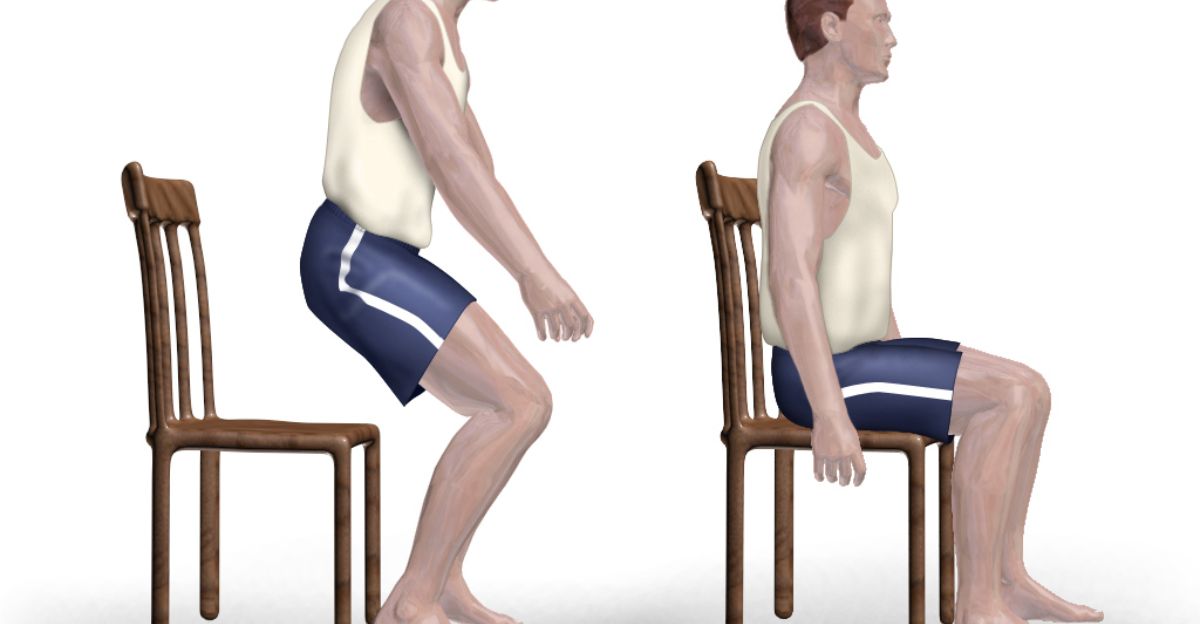
Standing from a chair is one of the most functional tasks your aging body needs. Your quadriceps, hamstrings, and glutes are the largest muscles—first to fade with inactivity.
Stand before a sturdy chair, with your feet hip-width apart and your arms extended. Lower slowly, as if sitting, with weight in your heels and chest up. Touch lightly, press through heels to stand. Three sets of 8-12 reps daily. This single movement means independence.
2: Incline Pushups—Strength Without Joint Damage
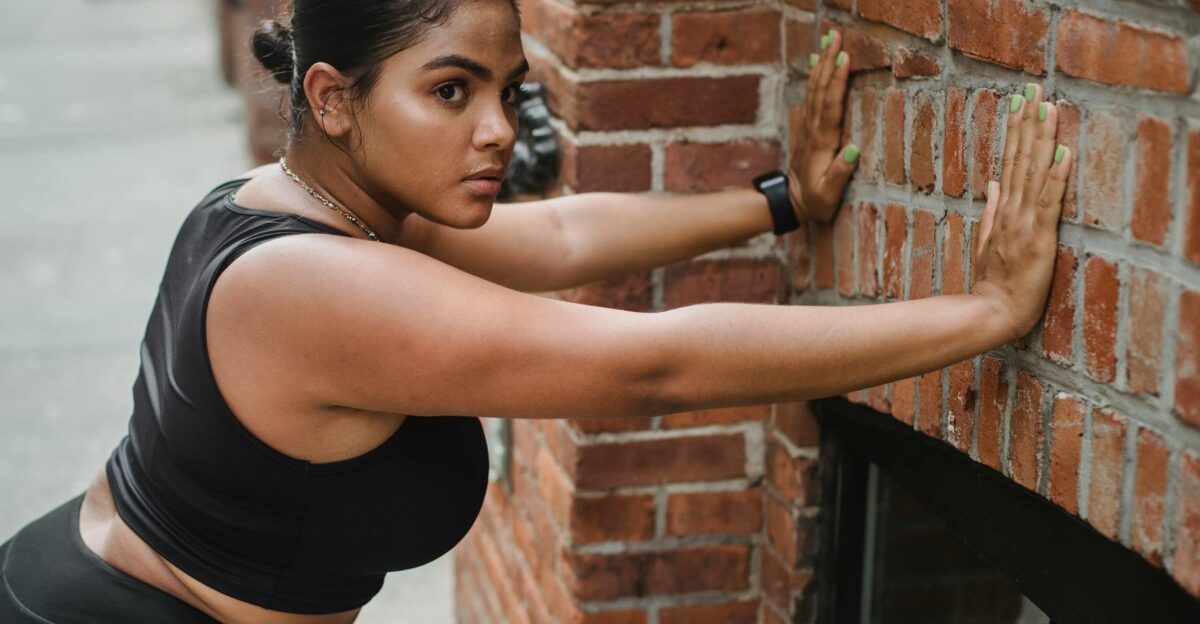
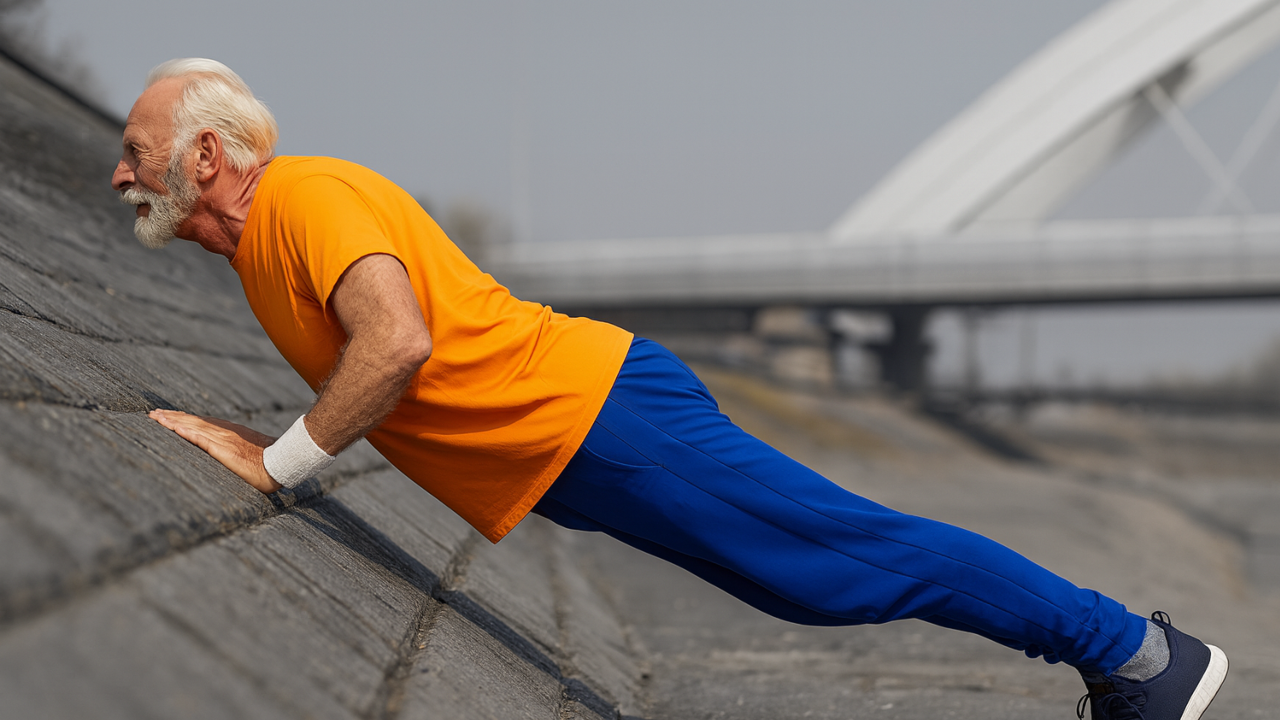
Regular pushups hurt when older. Wrists scream. Shoulders complain. Incline pushups deliver the same strength benefit without joint punishment. Hands on chair, countertop, or wall. A higher surface means more effortless movement. Builds pushing strength you actually use: opening doors, moving furniture, catching yourself.
Hands wider than shoulders. Walk feet back into a straight line. Lower chest, press back. Three sets of 8-12 reps.
3: Split Squats—Finding Hidden Strength Imbalances
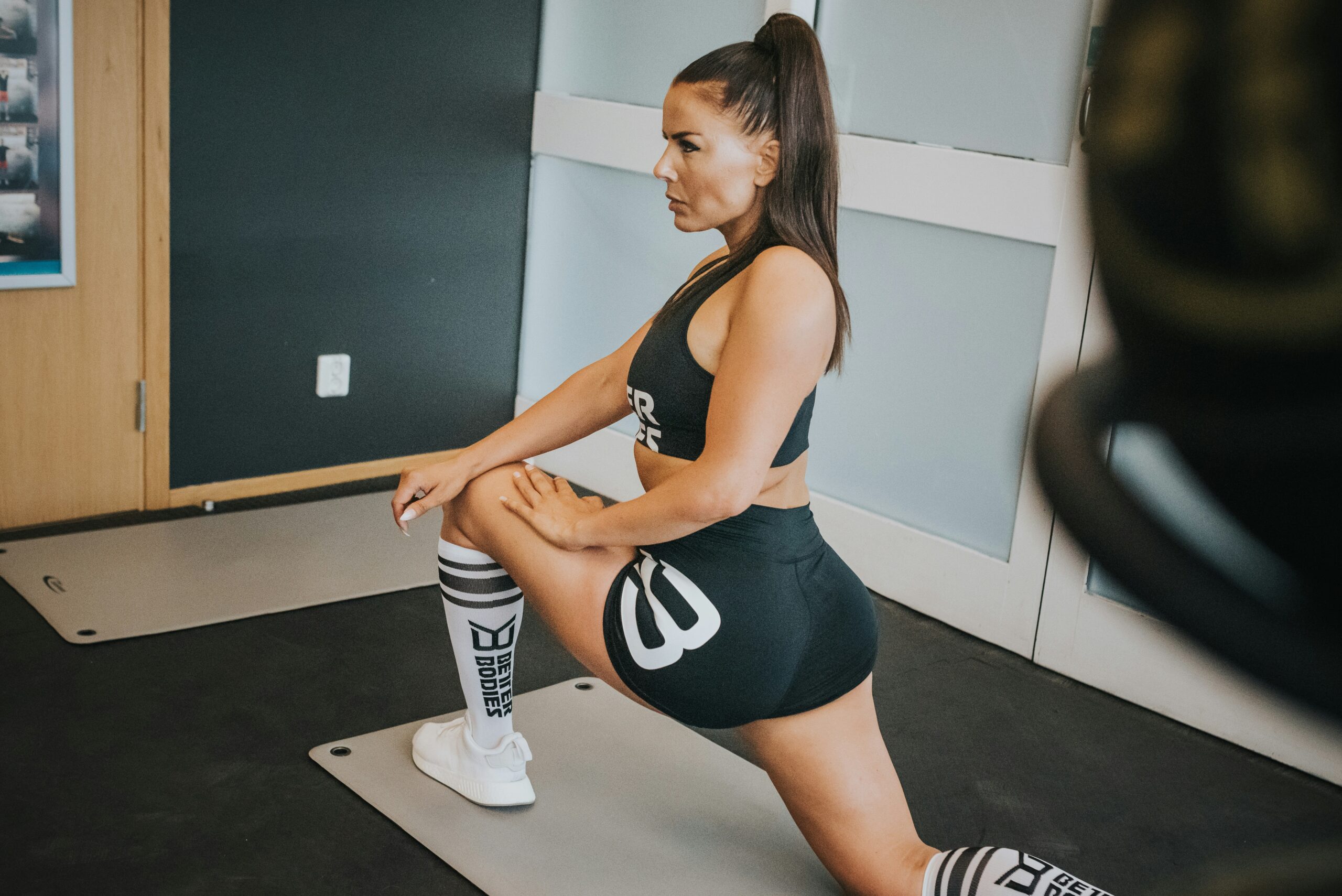
Most people never learn this: your left and right legs probably differ significantly in strength. This imbalance increases the risk of falls and injuries. Split squats reveal it. One leg at a time. Stand with your hands on your hips.
Step one foot forward 2-3 feet. Bend both knees, lower toward the floor. Press through the front heel to rise. Three sets of 8-12 reps per leg. Fixes problems you didn’t know you had.
4: Single-Leg Romanian Deadlifts—The Balance Master
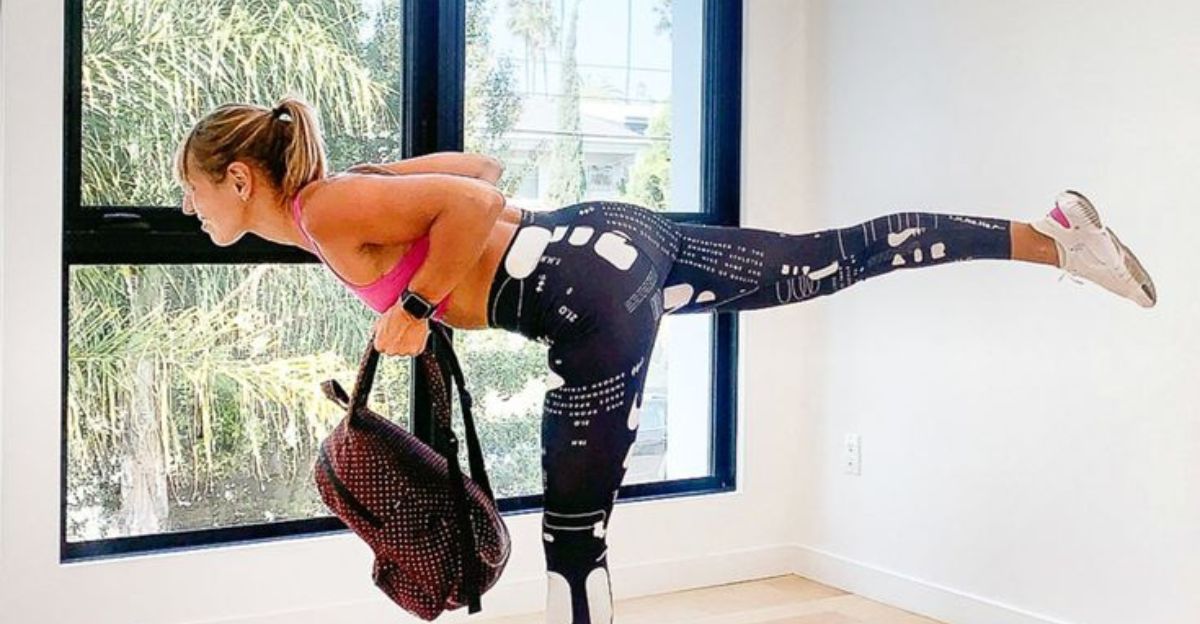
This looks simple. It’s deceptively powerful. Stand tall, arms at sides. Shift weight to one leg with a slight knee bend. Hinge at the hips, extend the opposite leg straight behind while reaching toward the floor. Keep a straight line through the lower back, hips, and shoulders.
Three sets of 8-12 reps per leg. You train three systems: glute and hamstring strength, proprioception and balance, and eccentric strength to prevent falls. Single-leg work creates more hamstring activation.
5: Step‑Ups: Turning Stairs into Strength Training
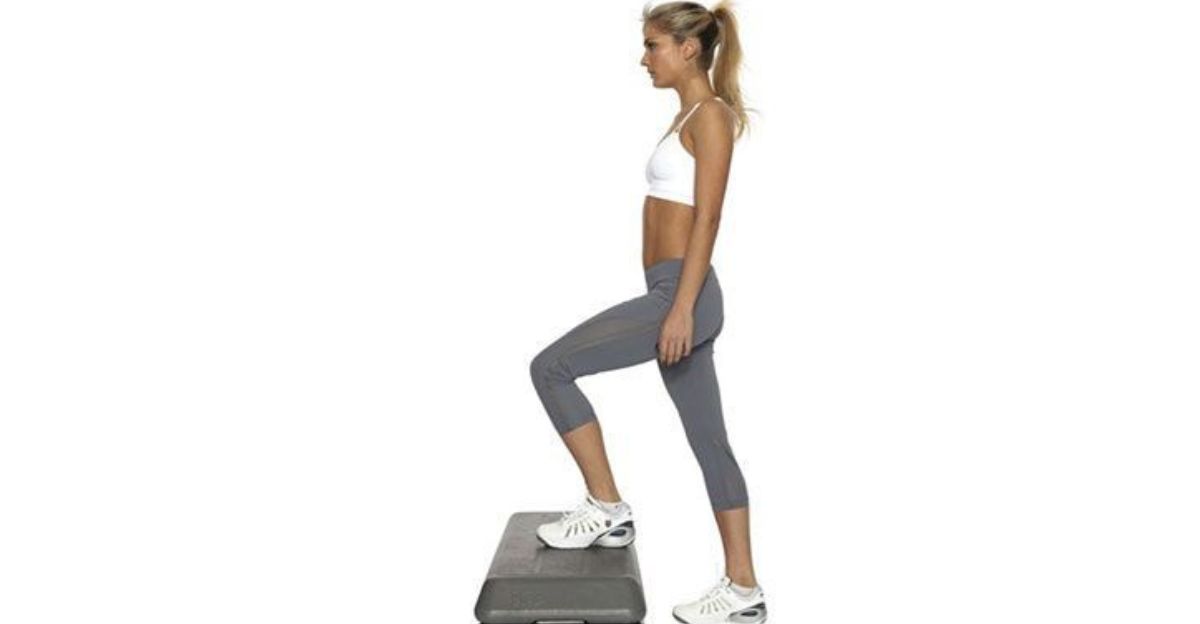
Instead of dreading stairs, use them to your advantage. Step onto a low step or bottom stair with control, then step back down and switch legs. This simple pattern builds powerful legs, hip stability, and confidence with every climb.
The key is slow, deliberate movement—no rushing, no bouncing. Over time, you’ll feel steadier on actual staircases, curbs, and hills, which makes the world outside your front door feel more accessible.
6: Planks: Teaching Your Core to Do Its Job Again
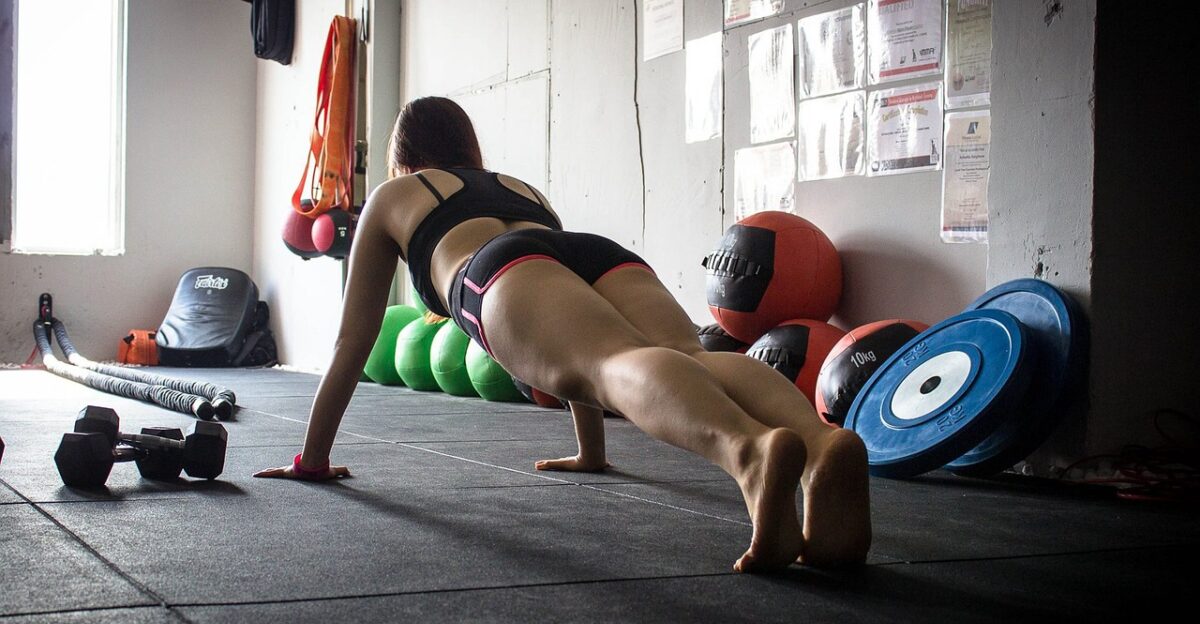
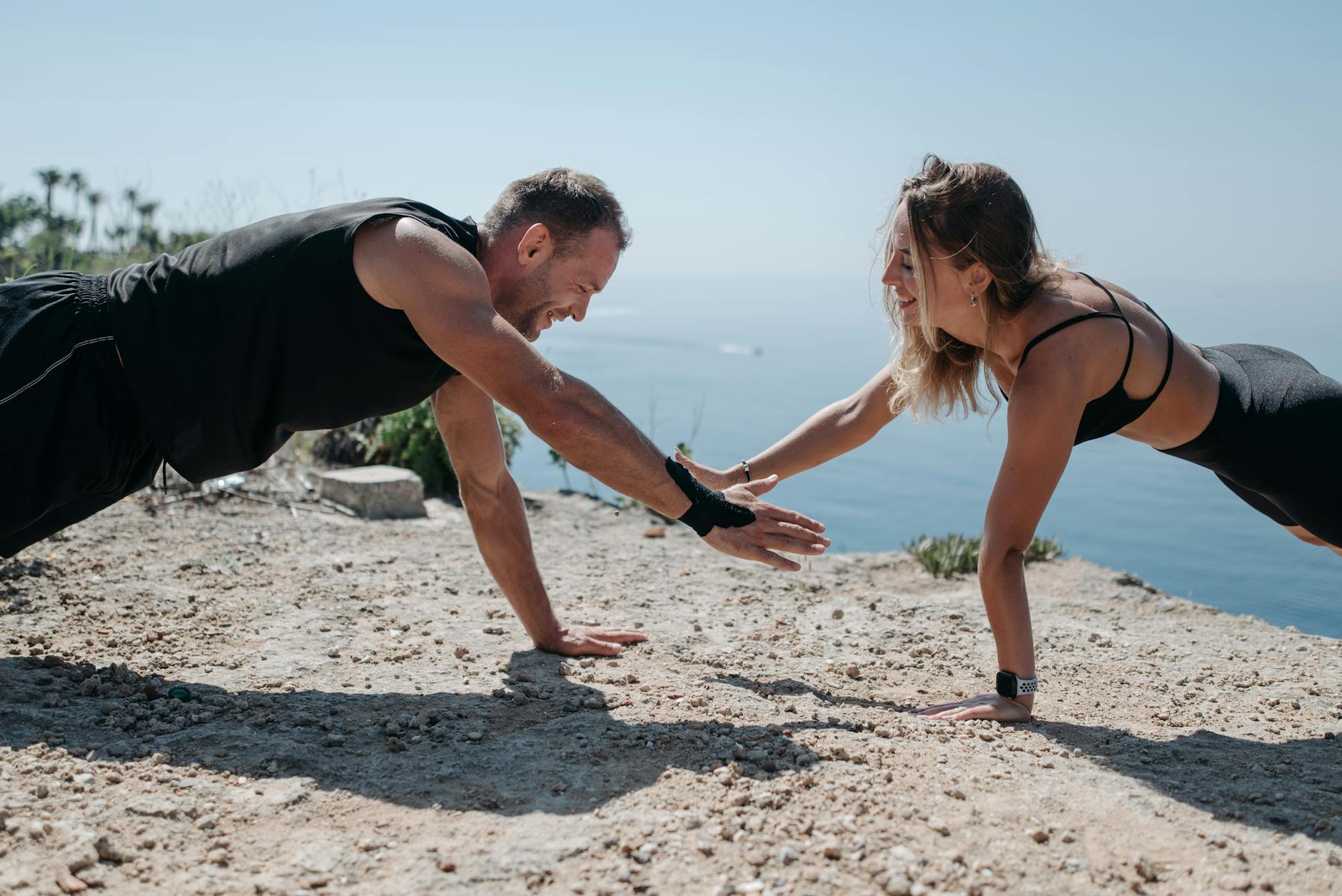
A plank doesn’t have to be on the floor. You can hold onto a counter, bench, or wall and lean into a straight line from head to heels. The goal isn’t suffering; it’s teaching your deep core muscles to fire together.
A stronger core means better posture, fewer wobbles when turning or reaching, and increased confidence every time you step off a curb or navigate a crowd.
7: Heel‑Toe Raises: Bulletproofing Ankles and Calves
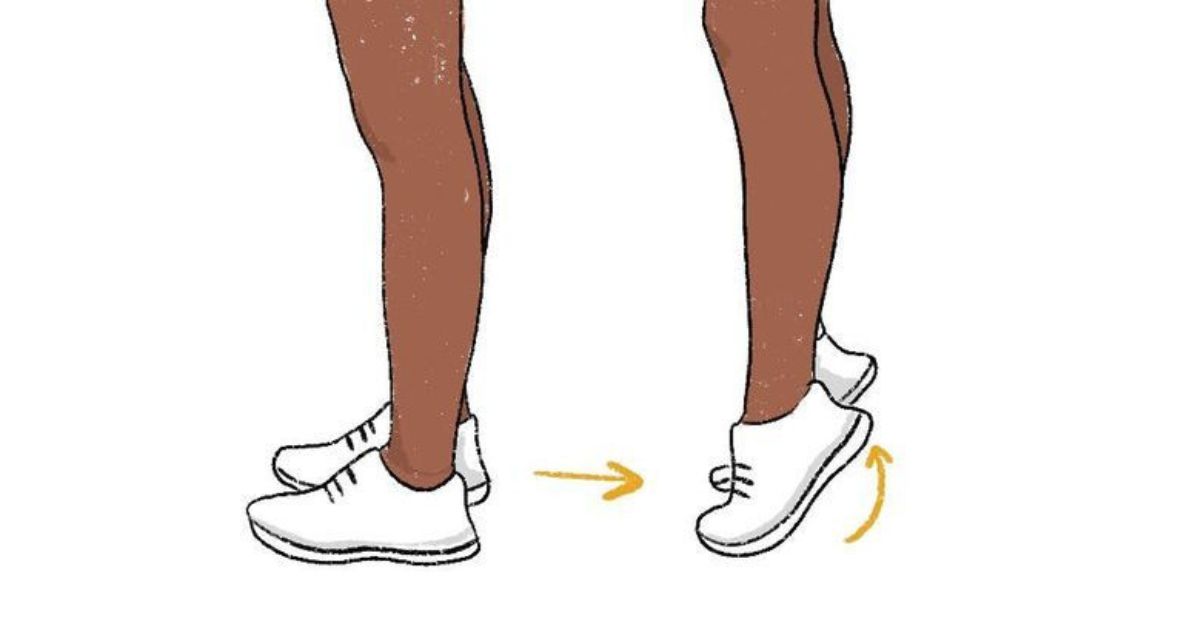
Holding a counter or chair for balance, slowly rise onto your toes, then rock back onto your heels so your toes lift slightly. It’s a slight motion with a big payoff. Strong calves and shins act like shock absorbers and brakes when you walk, helping you clear obstacles and recover from stumbles.
Three sets of 8-12 reps. These tiny reps teach your lower legs to react quickly when the ground isn’t perfectly flat.
8: Back Leg Raises: Strength Where You Don’t See It

Face a chair or counter, hold lightly, and lift one straight leg behind you without arching your back. You’ll feel your glutes and lower back wake up. These “invisible” muscles are crucial for standing upright and walking with an easy, confident stride.
Strengthening them reduces that tired, slumped feeling at the end of the day and helps you maintain a taller, more open posture without forcing it.
The Hidden Benefit: Bones Getting Stronger Too
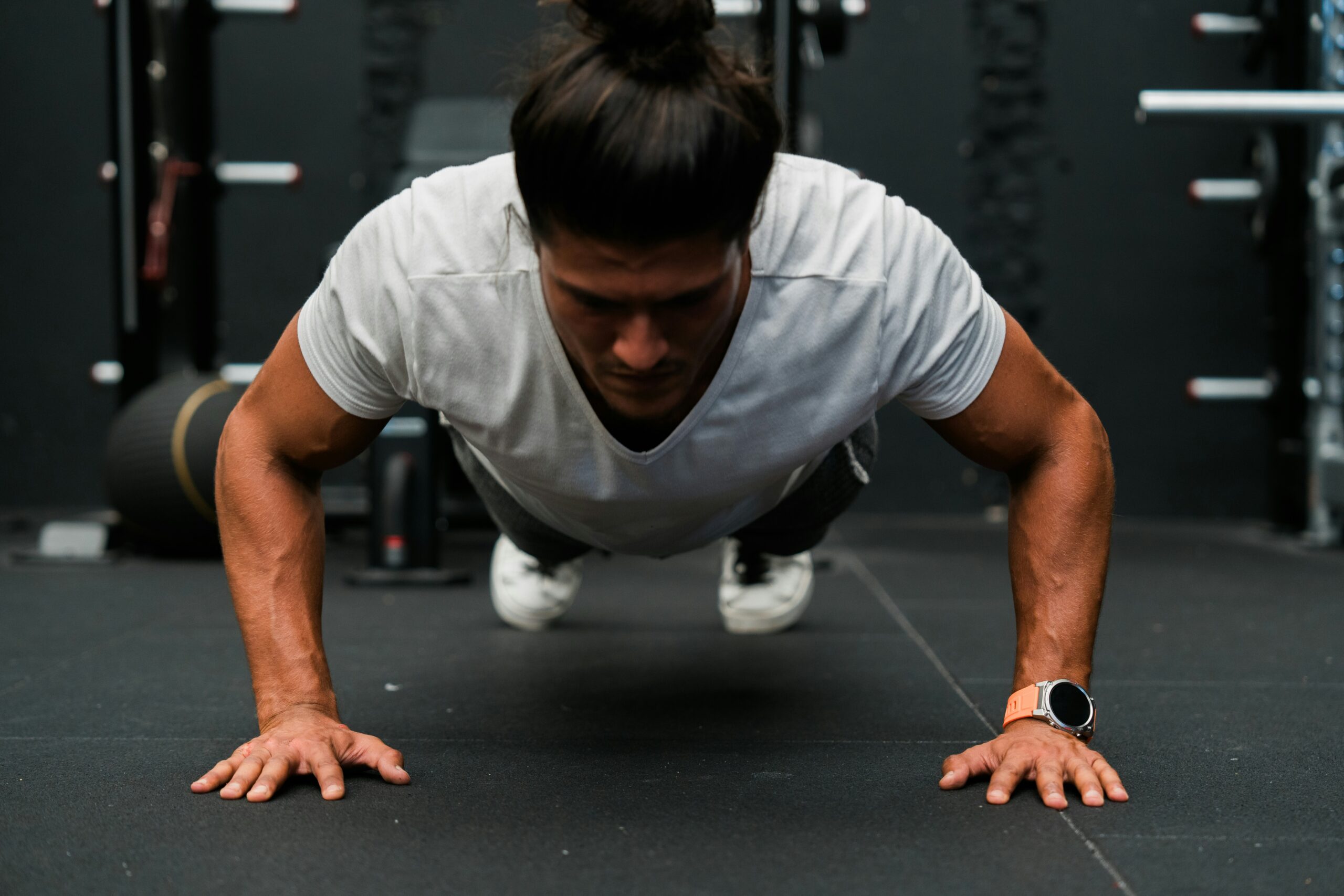
Nobody talks about this part. Weight-bearing and resistance exercise build bone density. Osteoporosis develops silently, especially in postmenopausal women and adults over 70. Every squat and pushup signals your bones: get stronger. Your skeleton adapts by becoming denser when challenged.
When falls happen, and statistically they will—you’re fracture-resistant. Research has documented significant improvements in hip bone density.
Fall Prevention: The Number That Actually Matters

Three million older Americans visit emergency rooms each year due to falls. Strength training reduces fall rates by approximately 23 percent and prevents first-time falls in about 15 percent of cases. These exercises target every fall-risk mechanism.
Lower-body strength improves walking. Single-leg work improves balance. Upper-body strength helps you catch yourself. Core engagement maintains posture and rapid recovery. This isn’t abstract. This means independence versus care facilities.
This Is Why Strength Actually Matters: Real Independence
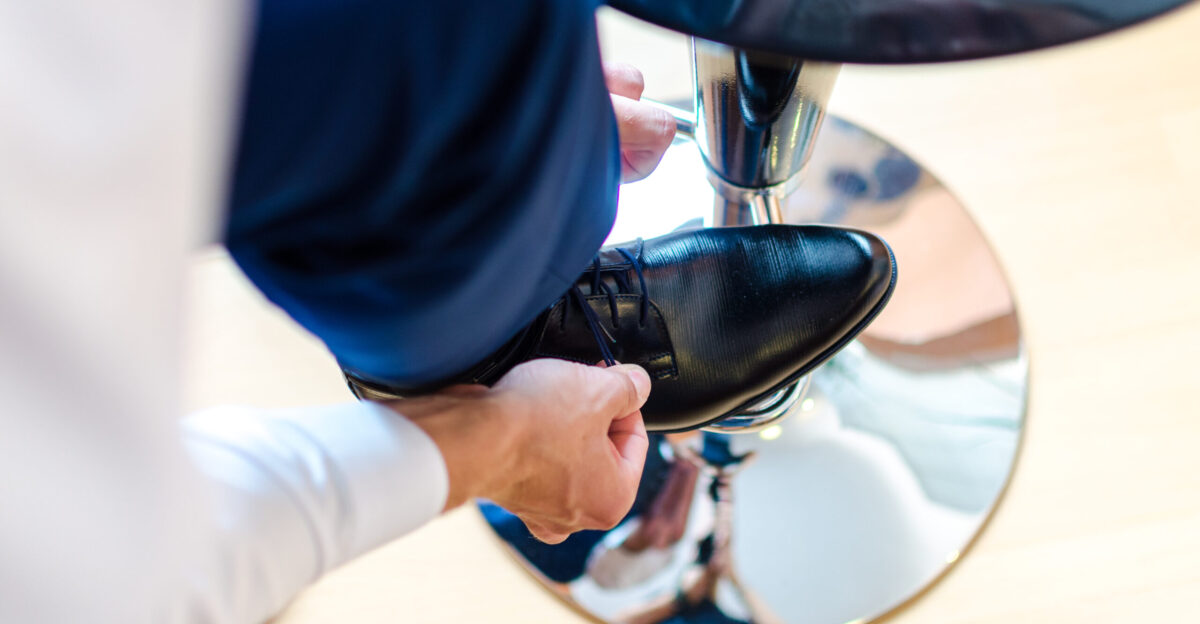
Forget strength metrics. Real strength means being able to tie your shoes without losing your balance and reaching overhead for dishes. Standing through conversations without legs tiring and playing actively with grandchildren. Exercises train these exact patterns.
Chair squats prepare for sit-stand transitions. Pushups strengthen door-pushing. Split squats train balanced walking. Romanian deadlifts teach proper bending. After sustained practice, your daily life changes. You’re living independently.
The Metabolism Secret: Why Muscle Changes Everything
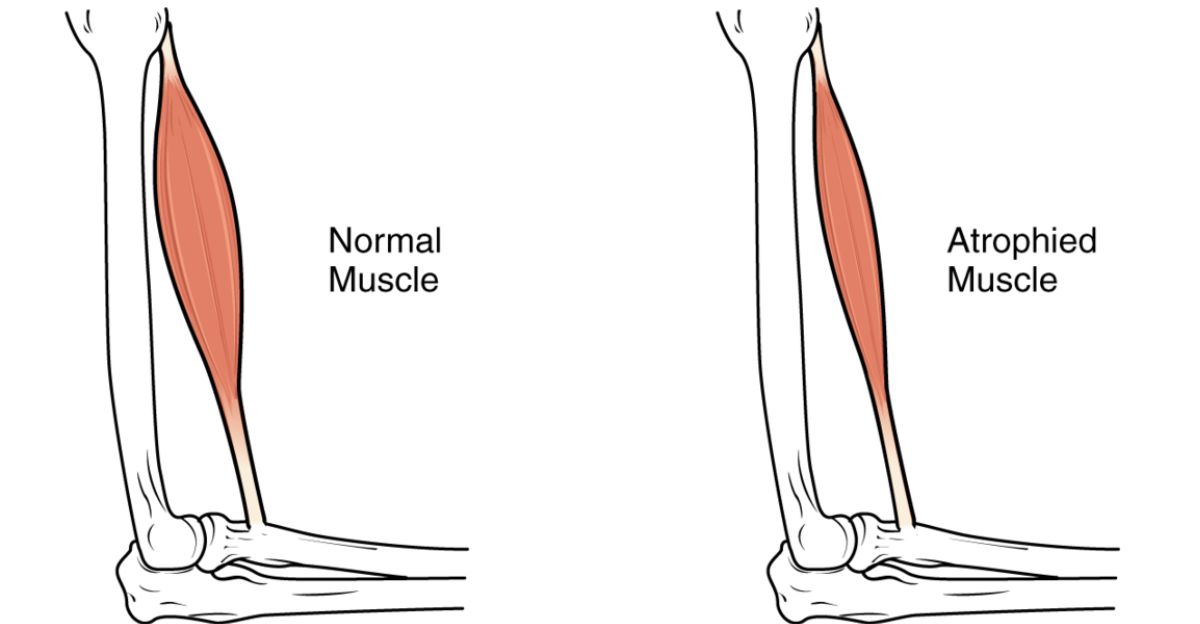
Muscle burns calories even at rest. When sarcopenia steals muscle, resting metabolic rate drops. Portions keep you slim at 40, expand your waistline at 60. Daily bodyweight routines stimulate muscle protein synthesis—the biological process that builds muscle. More muscle equals higher metabolism. Better weight management.
Studies show that resistance training increases lean muscle and improves metabolic health, including glucose control and energy levels. Rebuild muscle. Watch everything shift.
The Part That Surprises People
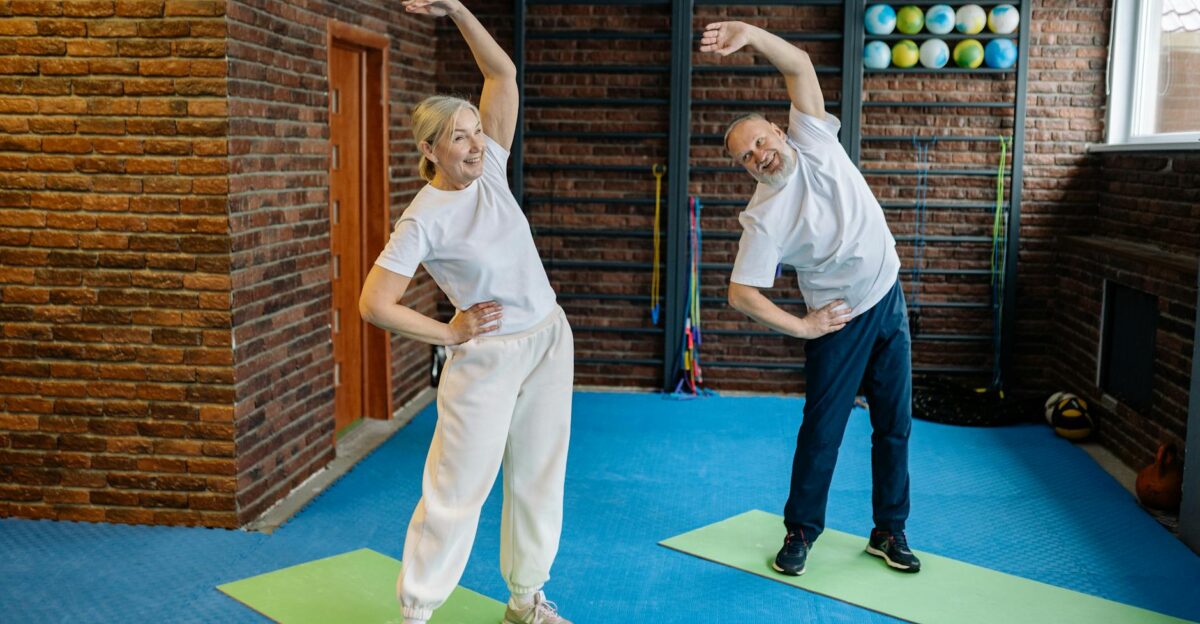
The psychological shift might matter more than the physical one. Exercises requiring balance engage your nervous system comprehensively. Mental focus stimulates neural plasticity. That engagement supports executive function and cognitive health.
You move differently through the world. You catch yourself before stumbling. That psychological shift—from “aging and weakening” to “strong and capable”—might be most valuable.
Today Is the Day Everything Changes—If You Choose It

The most important day is today. Second-most important is tomorrow. You have everything: bodyweight, a chair, and knowledge. Try these eight exercises, three sets of 8-12 reps, daily. Fifteen to 25 minutes. With sustained practice, your body can rebuild itself.
Strength returns. Confidence grows. Independence solidifies. Research consistently shows that consistency beats intensity; daily training beats sporadic; and bodyweight training is sustainable at your age. Will you start today?