Just after 2 a.m. on September 15, 2024, a private investigator walked through a gate at a quiet home in Leawood, Kansas, looking for Taylor Swift. Within minutes, the suburban property where Kansas City Chiefs tight end Travis Kelce lives was at the center of a global discussion about how far legal tactics and criminal opportunists will go to reach the world’s most visible celebrities.
Immediate Trespass And Legal Motive
According to court records, the man was Justin Lee Fisher, a licensed private investigator working as a professional process server. His assignment was to deliver a subpoena to Swift, whose close friendship with actor Blake Lively had drawn her into a legal dispute involving Lively and filmmaker Justin Baldoni over the film adaptation of Colleen Hoover’s bestselling novel It Ends With Us.
Fisher stated in a court filing that he “entered through the gate as it opened” and attempted to speak with on-site security to hand over the documents. He wrote that “no one told me to leave or spoke to me” before police arrived and arrested him on a trespass complaint. His actions turned Kelce’s address into an example of how legal discovery efforts in high-profile entertainment lawsuits can collide with privacy and security at private homes.
The legal case behind Fisher’s visit involved allegations of sexual harassment, workplace misconduct, and unfair labor practices connected to the It Ends With Us production. Baldoni’s legal team sought testimony and records from multiple people they believed might have relevant information. By late 2024, that strategy included a push to subpoena Swift, who was in the middle of her record-setting Eras Tour and in a public relationship with Kelce.
A federal judge ultimately rejected Baldoni’s broader attempt to depose Swift, ruling that his legal team had not acted diligently enough to schedule her testimony before the discovery deadline. In that context, Fisher’s 2 a.m. appearance at the Leawood property became a minor but highly visible chapter in a larger court setback for Baldoni’s side.
Fisher’s Deal With Prosecutors And Career Fallout

Nearly three months after his arrest, Fisher moved to protect his future in the investigative field. On December 2, 2024, he entered a one-year diversion program that allows him to avoid a permanent criminal conviction if he complies with strict conditions.
Under the agreement, Fisher must pay a $1,000 fine, follow all laws, stay away from everyone connected to the original complaint, and complete the year without further incidents. For a licensed investigator, the outcome is critical: a criminal conviction could have cost him his professional license and livelihood. The diversion arrangement offers a path to preserve his career but also places him under close supervision, with the threat of revived charges if he violates the terms.
For legal professionals and process servers, the case carries a broader warning. Fisher’s arrest underscored that entering a gated property in the middle of the night, even while carrying valid court papers, can trigger criminal charges if there is no clear permission or coordination. Attorneys and process servers are now weighing more carefully how to approach private residences associated with celebrities, particularly when security teams and law enforcement are already on high alert.
Organized Burglary Follows Within Weeks
Less than a month after Fisher’s arrest, the same Leawood property was struck again—this time by a criminal crew with different motives. On October 7, 2024, police responded to a burglary call at Kelce’s home. Investigators say a suspect forced entry through a back door, causing about $1,000 in damage.
The timing of the break-in appeared calculated. That night, Swift was attending a Chiefs game at Arrowhead Stadium, making it likely that no one would be inside to confront an intruder. The burglar—or burglars—left with approximately $20,000 in cash, jewelry worth around $100,000, and personal memorabilia, including Kelce’s first Super Bowl jersey and other prized collectibles.
The incident was part of a wider pattern. The day before, on October 6, a nearby home belonging to Chiefs quarterback Patrick Mahomes in Belton, Missouri, was also burglarized. Investigators viewed the back-to-back crimes as linked, pointing to an organized group that had studied both properties, identified weaknesses, and timed the entries around the players’ public schedules.
Security Overhaul And Industry Ripple Effects

Within four weeks, Kelce’s household had experienced a pre-dawn trespass by a process server and a major burglary, all under the glare of intense media attention. The twin breaches prompted a rapid and costly response.
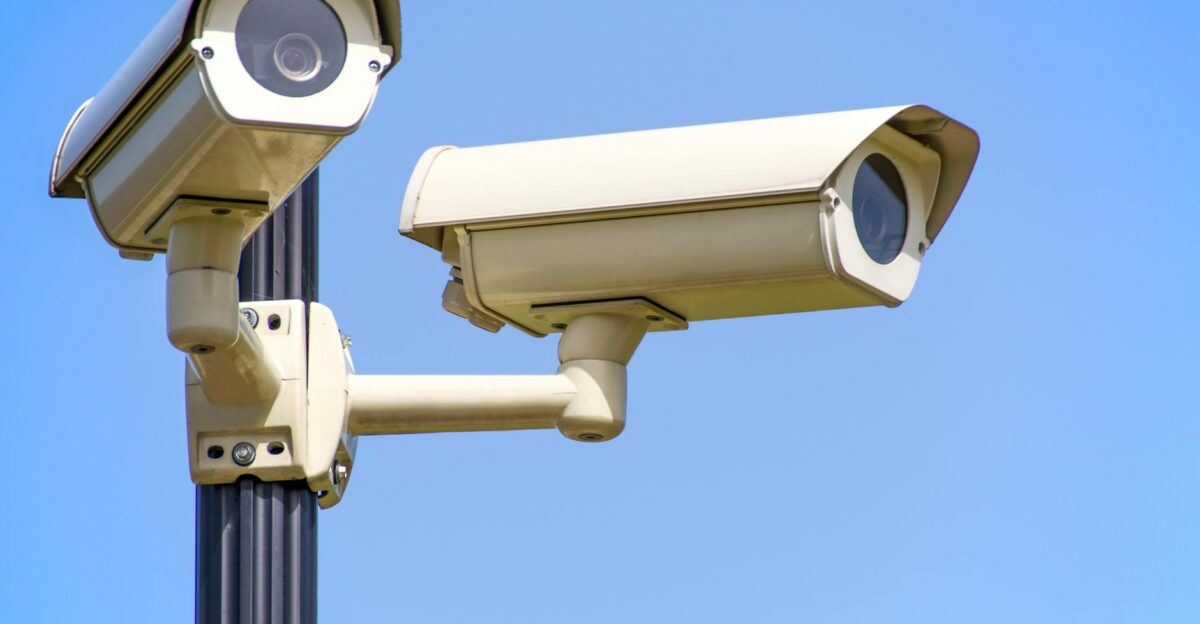
According to multiple reports, Kelce invested about $40,000 in new protective measures. The upgrades included enhanced surveillance systems, expanded motion-activated lighting, and more robust on-site security staffing and training. Specialists describe this approach as a “layered defense” strategy, in which multiple overlapping systems—physical barriers, cameras, lighting, personnel, and technology—work together so that a failure at one point does not expose the entire property.
The impact reached well beyond a single address. Security companies, alarm installers, and cybersecurity firms around Kansas City saw increased interest from other NFL players and high-net-worth residents worried they might be targeted next. Luxury real-estate agents and property managers also began reassessing how they present and protect high-profile homes, emphasizing more discreet designs and stronger built-in security.
Insurers, too, tend to take notice when a high-value property suffers multiple incidents in a short span. While Kelce’s insurance providers have not disclosed changes to his premiums or coverage, industry practice suggests that a combination of trespass and organized burglary typically triggers a fresh review of risk, possible rate adjustments, and, in some cases, new conditions for continued coverage.
Lasting Questions About Privacy And Access

The chain of events that began with a 2 a.m. gate entry and a subpoena delivery attempt highlighted the growing overlap between celebrity, litigation, fandom, and property crime. For lawyers, it raised questions about where the line lies between aggressive discovery and intrusion on private life. For process servers, it set a practical boundary: legitimate court papers do not guarantee safe passage into a gated residence at night.
For athletes and entertainers whose addresses are widely known or easily discovered, the Leawood incidents offered a real-time lesson in how quickly legal disputes, public schedules, and targeted theft can converge. The subsequent security overhaul reflects a broader shift toward more sophisticated, layered protections at the homes of public figures, as they and the industries around them adapt to rising expectations about both access and privacy.
Sources
NBC News
E! Online
CNN
Entertainment Weekly
CBS News
Times of India
Yahoo Entertainment
Variety
The Independent
Rolling Stone
USA Today
The Guardian
ABC News
Hindustan Times
Realtor.com
Hello! Magazine