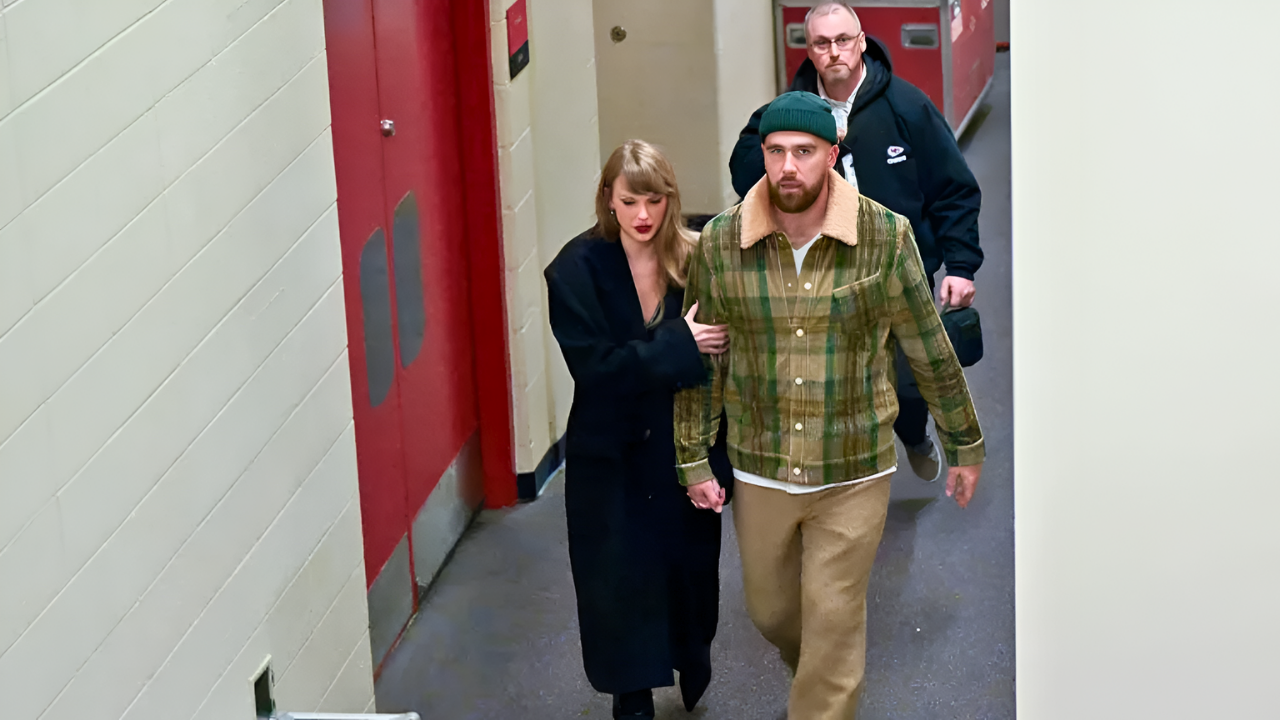
Blue-and-red patrol lights cut across the quiet Leawood cul-de-sac as officers moved toward the gates of Travis Kelce’s Kansas home just after 2 a.m.
A private investigator, subpoena folder in hand, stood accused of slipping past security while Taylor Swift was inside the residence. Minutes later, he was in handcuffs—yet he insisted he was just doing his job.
How a Process Server Ended Up in Handcuffs
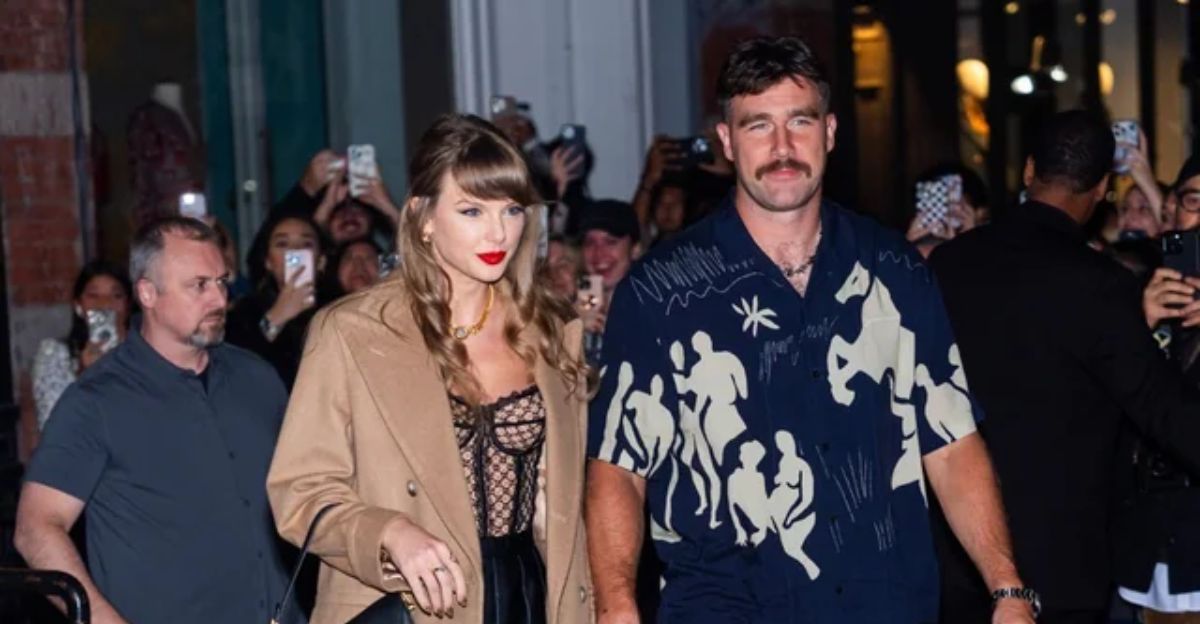
Police in Leawood, Kansas, say 48-year-old private investigator and former police officer Justin Lee Fisher entered Kelce’s gated property in the early hours of September 15, 2025.
Officers arrested him on a misdemeanor criminal trespass charge. According to authorities, Fisher had no permission to be on the property, even though he said he was there on official legal business.
Why Taylor Swift Was Drawn Into the Drama
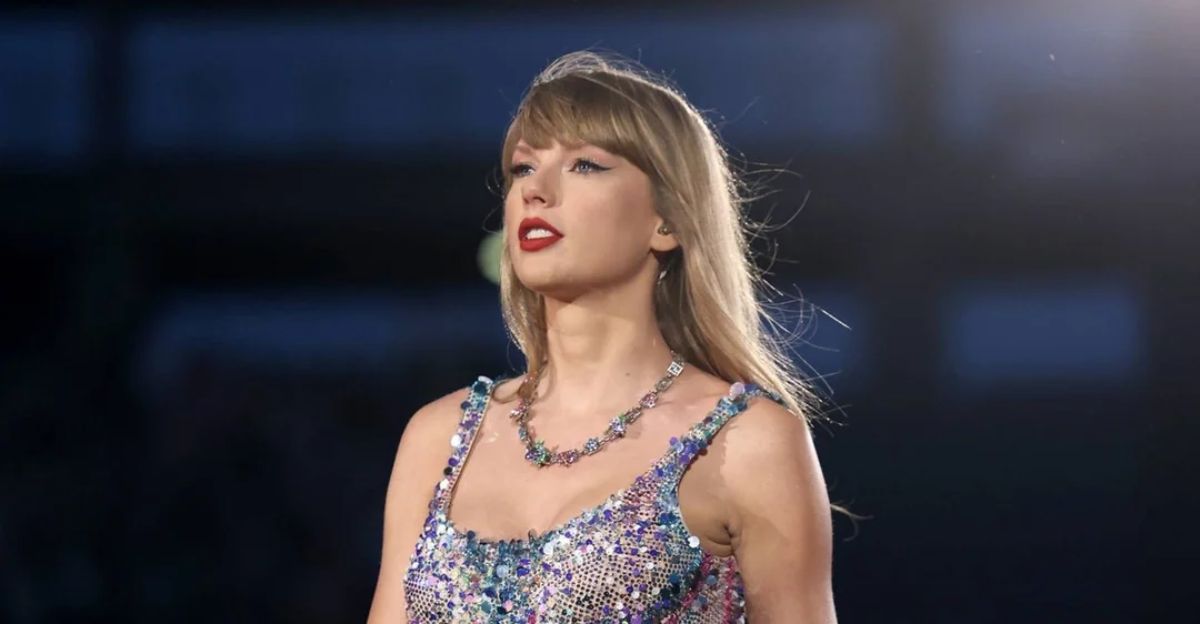
Fisher told the court he was attempting to serve Taylor Swift with a subpoena linked to a high-profile civil case involving actress Blake Lively and actor-director Justin Baldoni.
Swift, who has been dating Kelce, was reportedly at the house that night. The subpoena sought her testimony and communications as part of the increasingly contentious “It Ends With Us” legal battle.
Inside Fisher’s Version of the Night

In court documents, Fisher said he followed another vehicle through the opening gate and attempted to speak with on-site security. He claimed he was never told to leave, never warned he was trespassing, and never directly addressed before police arrived.
From his perspective, he was a process server performing a routine—if high-stakes—job at a celebrity residence.
Police and Prosecutors Saw It Differently

Leawood police reports indicate that a member of Swift’s security team called authorities after Fisher was seen inside the secured area of the property.
Officers responded and took him into custody on suspicion of trespassing. Prosecutors later charged him with a misdemeanor, arguing that entering a gated, private residence in the middle of the night crossed a clear legal line.
The Subpoena That Started It All
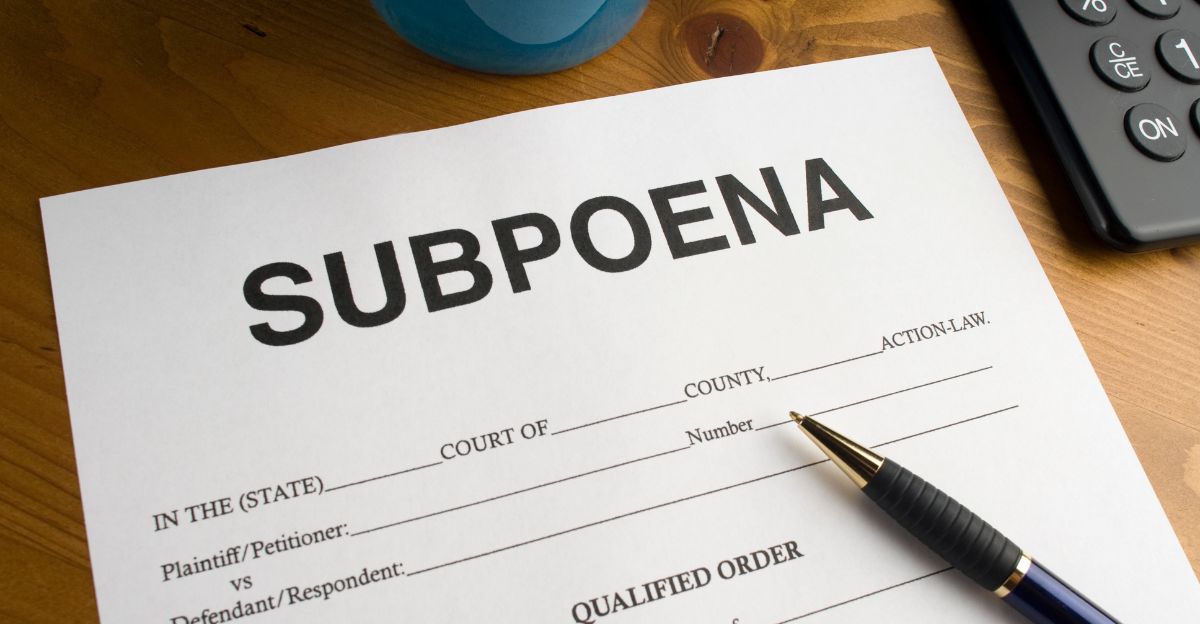
The subpoena Fisher carried was part of Justin Baldoni’s effort to compel Taylor Swift to sit for a deposition and turn over messages with Blake Lively.
Baldoni’s team claimed those communications could shed light on Lively’s allegations and strategy. Swift’s representatives, however, blasted the demand as unnecessary and publicity-driven, stressing her lack of involvement in the film’s production.
Swift’s Camp Pushes Back
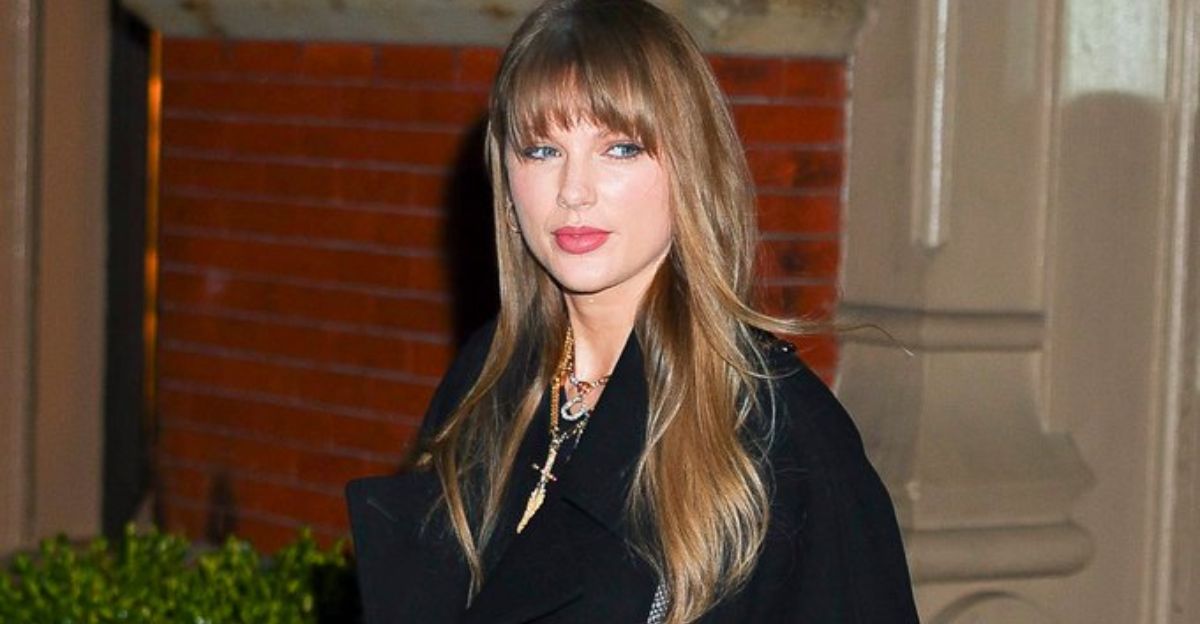
Swift’s representatives stated that she never visited the “It Ends With Us” set, took no part in casting or creative decisions, did not score the film, and never viewed or gave notes on any edit.
They argued the subpoena was an attempt to leverage her global profile for attention, insisting she was a peripheral friend, not a key witness. For them, Baldoni’s move blurred the line between discovery and spectacle.
Subpoena Withdrawn, But Fallout Continued
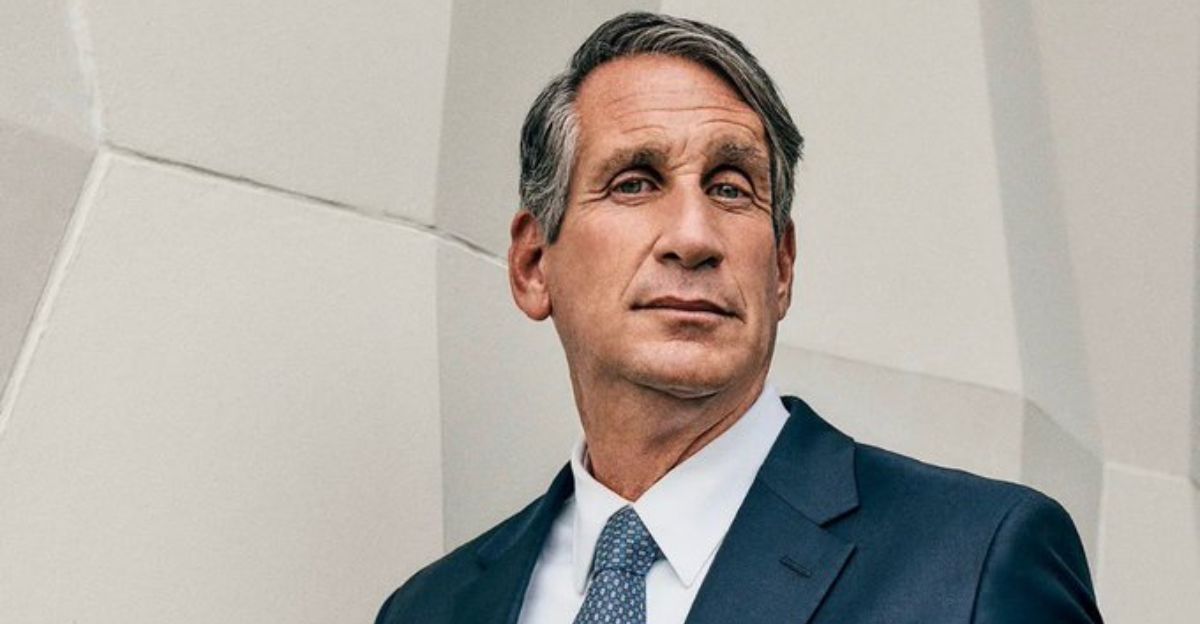
On 22 May 2025, Baldoni’s lawyers formally withdrew the subpoena seeking Swift’s testimony and records. Lively’s team called it a victory against what they described as a “harassing” effort to drag a third party into an already painful dispute.
While Swift was no longer legally entangled, the attempted service at Kelce’s home—and Fisher’s arrest—kept her name in the center of the storm.
Inside the Blake Lively vs. Justin Baldoni Case
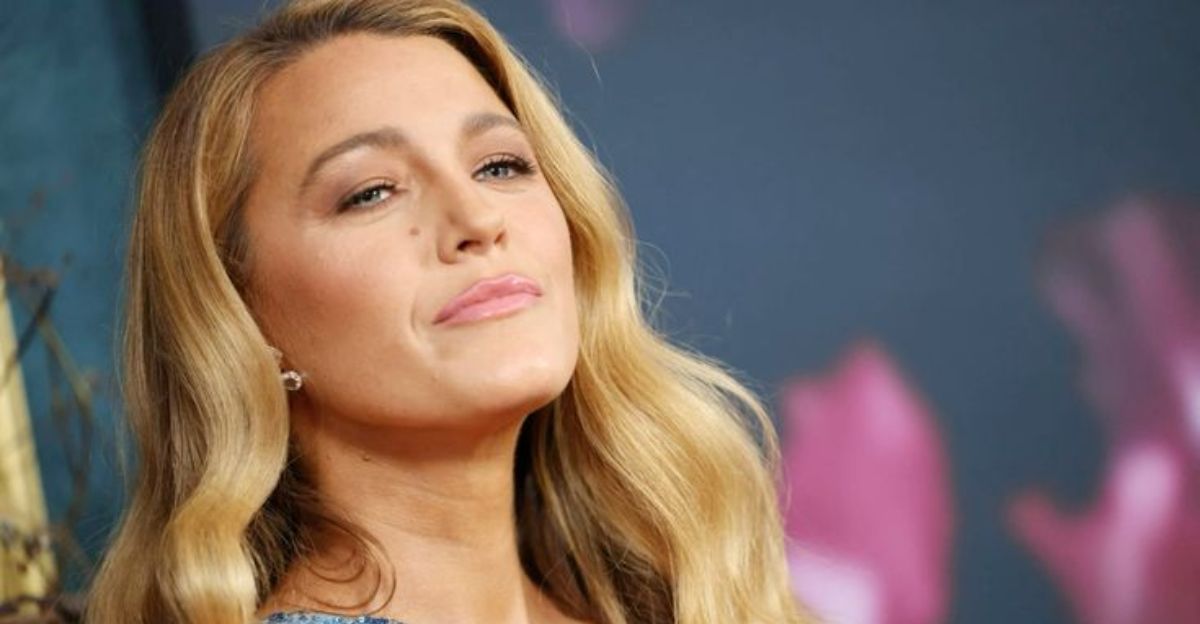
The legal battle began in December 2024, when Blake Lively sued Baldoni and his company Wayfarer Studios, alleging sexual harassment, a hostile work environment, and retaliation on the “It Ends With Us” set.
Lively described inappropriate comments, alleged boundary-crossing physical behavior, and what she called a coordinated smear campaign after she raised concerns. The suit quickly became one of Hollywood’s most closely watched conflicts.
Baldoni’s Massive Countersuit
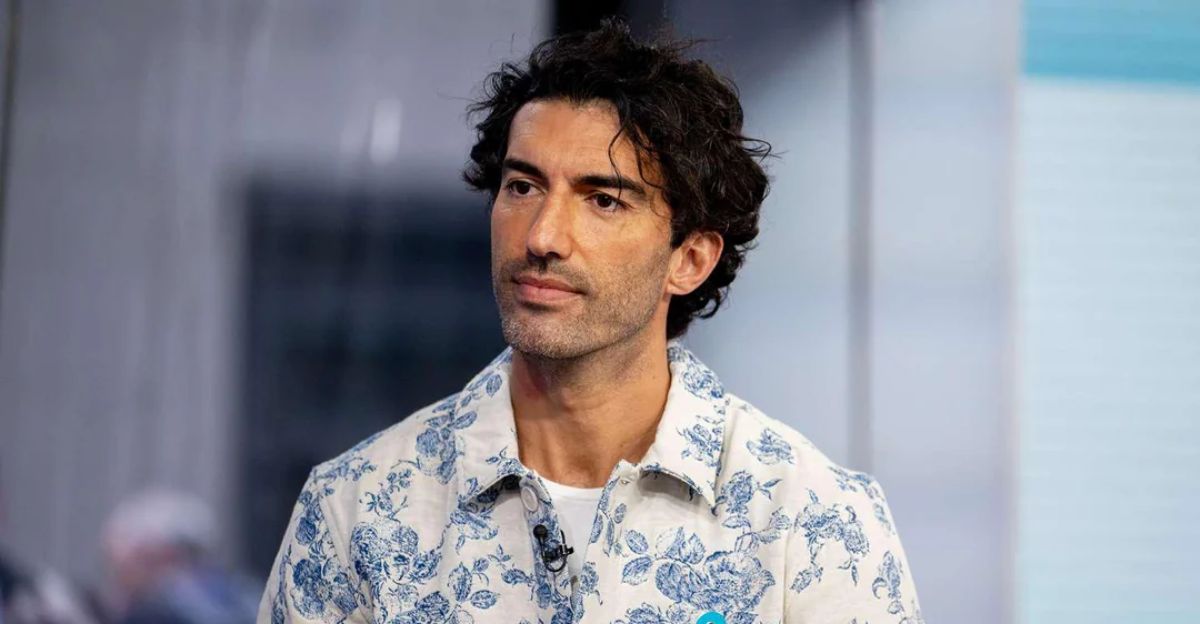
Baldoni responded with a four-hundred-million-dollar countersuit accusing Lively, her husband Ryan Reynolds, and others of defamation, civil extortion, and invasion of privacy. He claimed Lively’s allegations destroyed his reputation and torpedoed future opportunities. The countersuit sought staggering damages, framing the dispute as not just a workplace case but a career-ending attack.
Judge Tosses Baldoni’s Countersuit
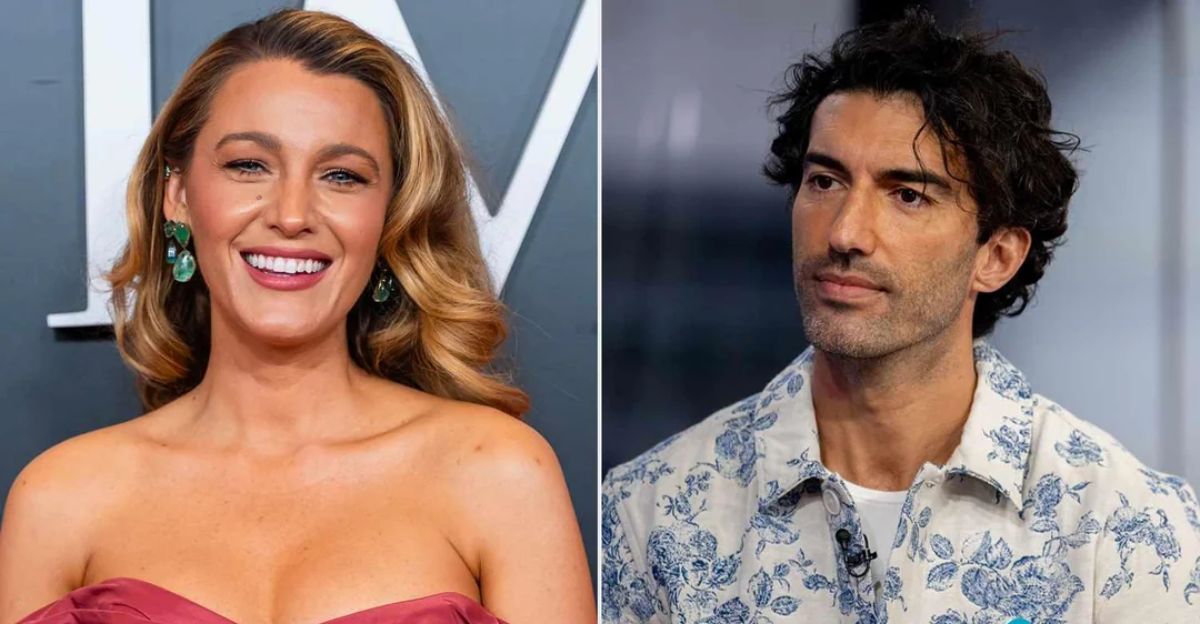
In June 2025, U.S. District Judge Lewis Liman dismissed Baldoni’s entire countersuit, ruling that statements Lively made in legal filings were protected and did not meet the legal standard for defamation or unlawful extortion. Baldoni was given an opportunity to amend his claims but missed the deadline.
By November 2025, the court entered final judgment ending his countersuit, leaving Lively’s original claims to proceed.
Expert Take: Process Serving in a Celebrity World

Legal experts note that serving process on high-profile figures is increasingly fraught. Gated communities, private security, and heightened safety concerns raise the risk that a routine service attempt can be perceived as a threat.
Attorneys say Fisher’s arrest underscores how process servers must balance persistence with strict adherence to property and trespass laws—especially when celebrities and tight security perimeters are involved.
How This Reflects Hollywood’s #MeToo Aftershocks
Industry analysts view the Lively–Baldoni case as part of Hollywood’s ongoing reckoning over power dynamics and workplace behavior. Even years after the height of #MeToo, major stars and producers continue to face litigation over alleged harassment and retaliation.
The fact that a process server was arrested while trying to serve a witness in such a case shows how far-reaching—and disruptive—these disputes can become.
Stakeholder Reactions Across the Industry

Advocates for safer sets say Lively’s decision to press forward, even after a high-profile countersuit, could encourage other performers to pursue claims despite potential reputational blowback. Meanwhile, some producers worry about expanded liability and escalating conflicts spilling into public view.
Talent representatives are watching closely, mindful that any precedent around communications, subpoenas, and reputational battles could reshape negotiation tactics.
Fisher’s Deal: No Jail, But High Stakes
In early December 2025, Fisher entered a one-year diversion program in Leawood Municipal Court. Under the agreement, he avoids a criminal conviction if he stays out of legal trouble, pays required fees, and complies with all conditions.
For Fisher, the stakes are high: he told the court that a conviction could cost him his private investigator license, effectively ending the career that supports his family.
Defense Framing: A Job Gone Wrong

Fisher’s attorney, Christopher Scott, described the case as an unfortunate misunderstanding, arguing that his client was simply executing a lawful subpoena on behalf of attorneys.
Scott welcomed the diversion as an “amicable resolution,” while insisting Fisher had no intent to menace Swift, Kelce, or anyone else. The outcome highlights how lower-level legal workers can become collateral players in celebrity conflicts.
What’s Next in the Lively–Baldoni Trial
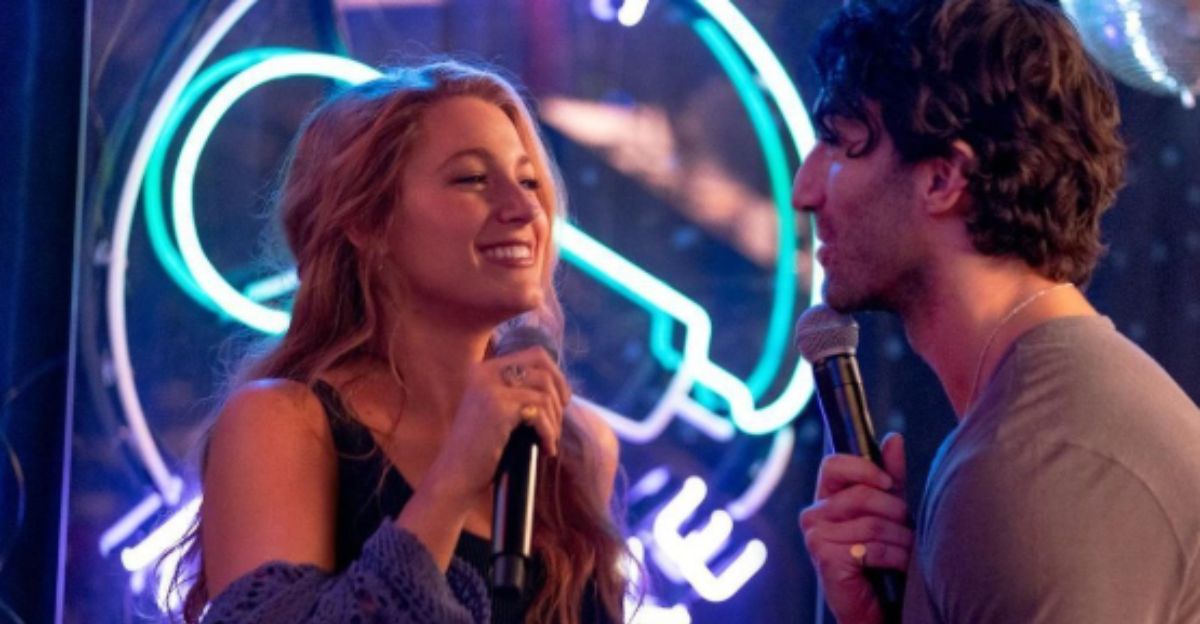
Lively’s lawsuit against Baldoni and Wayfarer Studios is scheduled for trial on 9 March 2026 in the Southern District of New York. She is seeking roughly five hundred million dollars in damages.
Recent filings suggest little appetite for settlement: Lively’s lawyers have opposed Baldoni’s latest dismissal efforts, accusing him of trying to avoid a full public accounting of his alleged conduct on set.
Broader Lessons for Celebrity Litigation
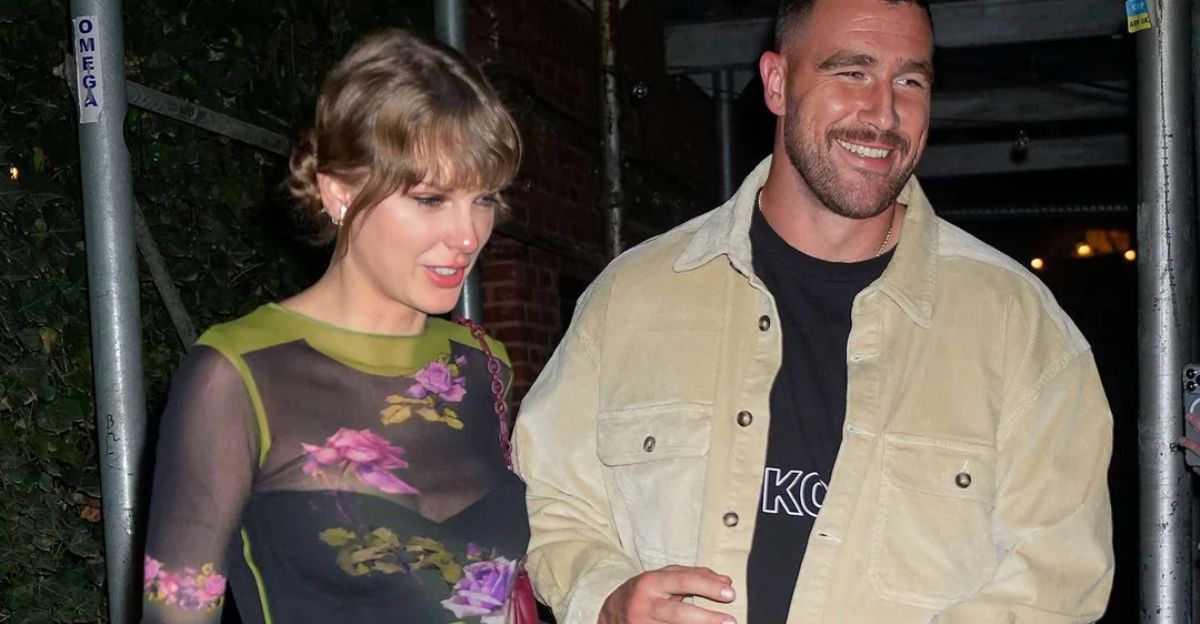
The convergence of Taylor Swift, Travis Kelce, Blake Lively, and Justin Baldoni in a single legal storyline shows how interconnected modern celebrity ecosystems have become. From private homes and gated streets to federal courtrooms, disputes no longer stay confined to studios.
For brands, studios, and talent, the message is clear: crisis planning now has to account for legal, security, and reputational risks colliding in real time.
The Curiosity Continues: What This Means Going Forward

The arrest outside Kelce’s home is likely to be just one chapter in a broader narrative about power, privacy, and accountability in entertainment. As the March 2026 trial approaches, more subpoenas, filings, and revelations are expected.
For fans, industry insiders, and legal observers alike, the question now is not whether this case will reshape careers—but how far its ripples will reach.
Key Players: Who’s Who in the Case
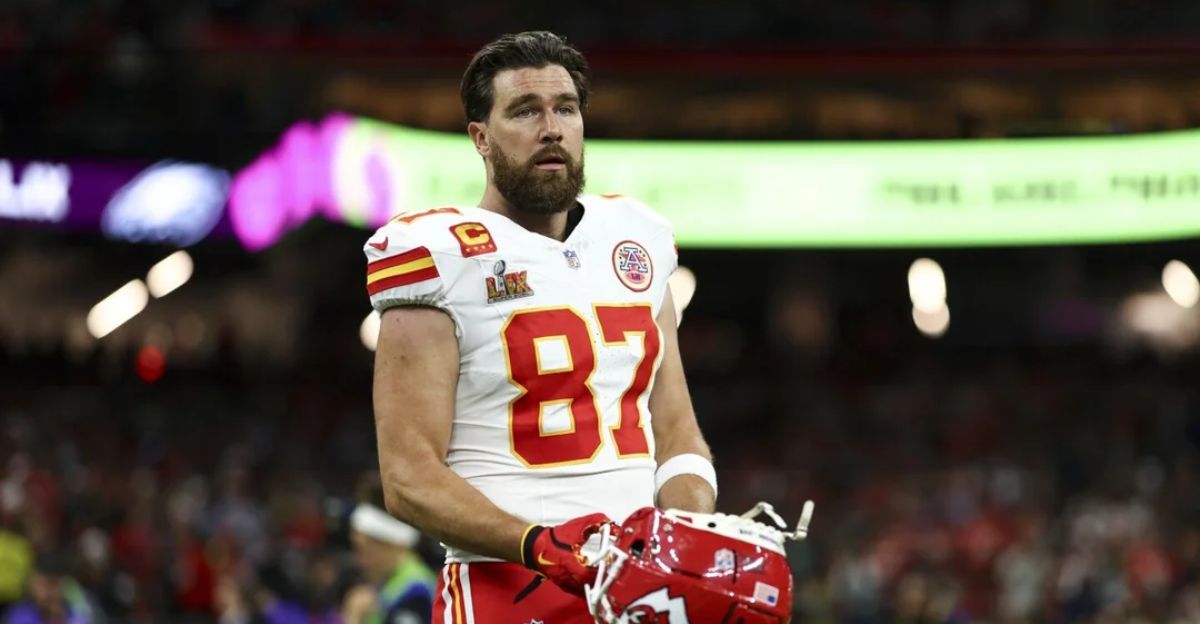
Travis Kelce is an NFL tight end for the Kansas City Chiefs whose Leawood, Kansas home became the scene of the arrest. Taylor Swift is a Grammy-winning singer and Kelce’s partner, initially subpoenaed but later removed from the case.
Blake Lively is the plaintiff alleging harassment and retaliation, while Justin Baldoni is the actor-director and producer she accuses, formerly pursuing a dismissed four-hundred-million-dollar countersuit.
Sources:
NBC News, “Man charged with trespassing at Travis Kelce’s house was trying to serve Taylor Swift”
Rolling Stone, “Man Delivering Taylor Swift Deposition Papers From Justin Baldoni Case Arrested at Travis Kelce’s Home”
Variety, “Man Arrested for Trespassing at Travis Kelce’s Home While Allegedly Attempting to Serve Taylor Swift With Deposition in Justin Baldoni-Blake Lively Case”
BBC News, “Blake Lively and Taylor Swift messages can be included in Justin Baldoni legal case, judge rules”
U.S. District Court Southern District of New York, Federal Court Records (Justin Baldoni countersuit dismissal, June 2025)