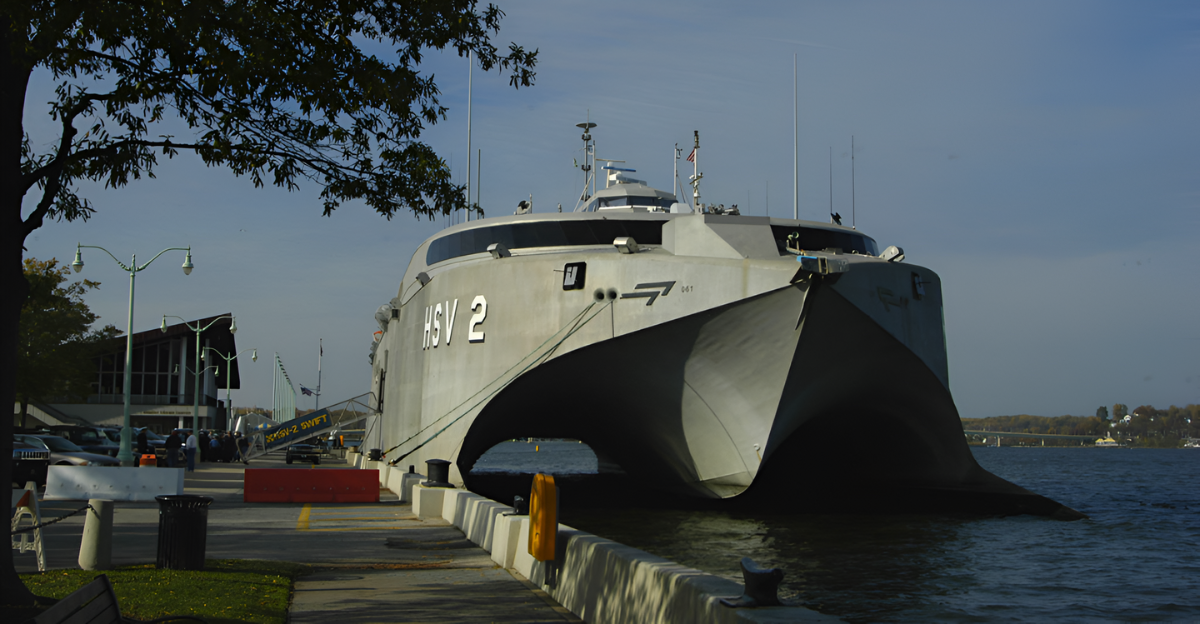
From the 47-knot Freedom-class to the methodical 14-knot mine hunters, each U.S. Navy ship balances speed with strict mission requirements. Speed has benefits, providing rapid deployment, tactical flexibility, and survivability.
The Navy’s diverse fleet combines raw velocity with sophisticated technology, ensuring global reach and decisive capability across all maritime domains in an increasingly contested world.
Freedom-Class Littoral Combat Ship (47 knots)
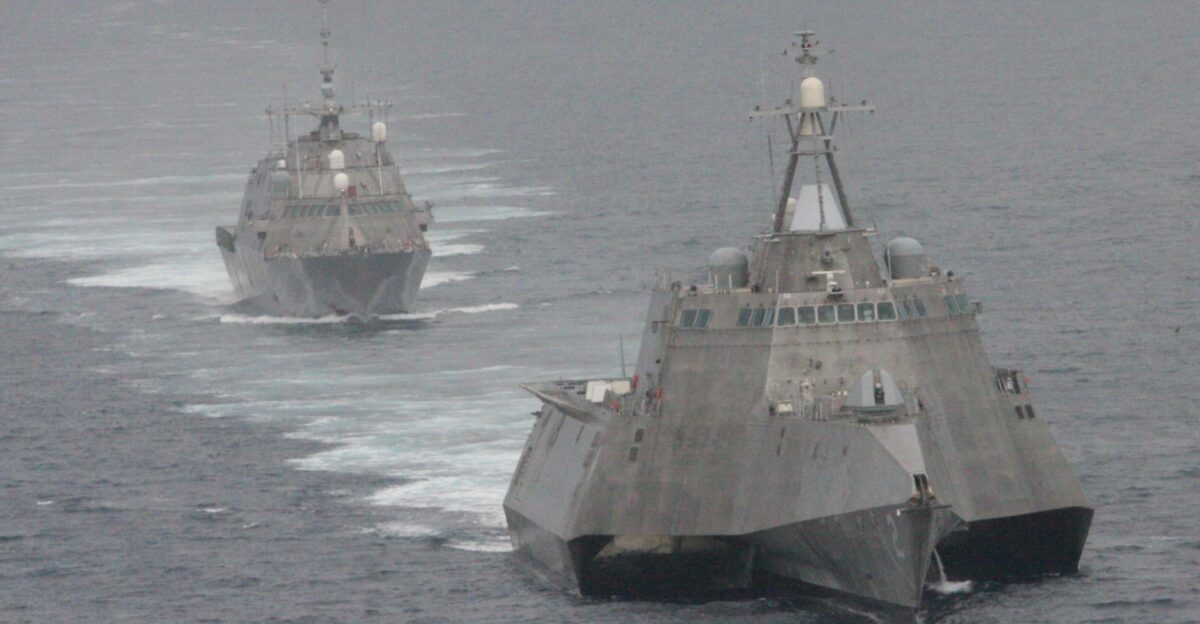
This combat ship class is often likened to the Navy’s sports cars, with an official speed rating of over 40 knots. According to reports from the National Interest, these vessels can achieve speeds of up to 47 knots, or 54 mph. Built by Lockheed Martin, they are designed for speed and coastal operations.
However, the fleet has encountered significant mechanical issues. As noted by Defense News, the ships are experiencing challenges due to “a material defect” in their combining gear transmission system, which has raised concerns about their reliability.
Independence-Class Littoral Combat Ship (44+ knots)
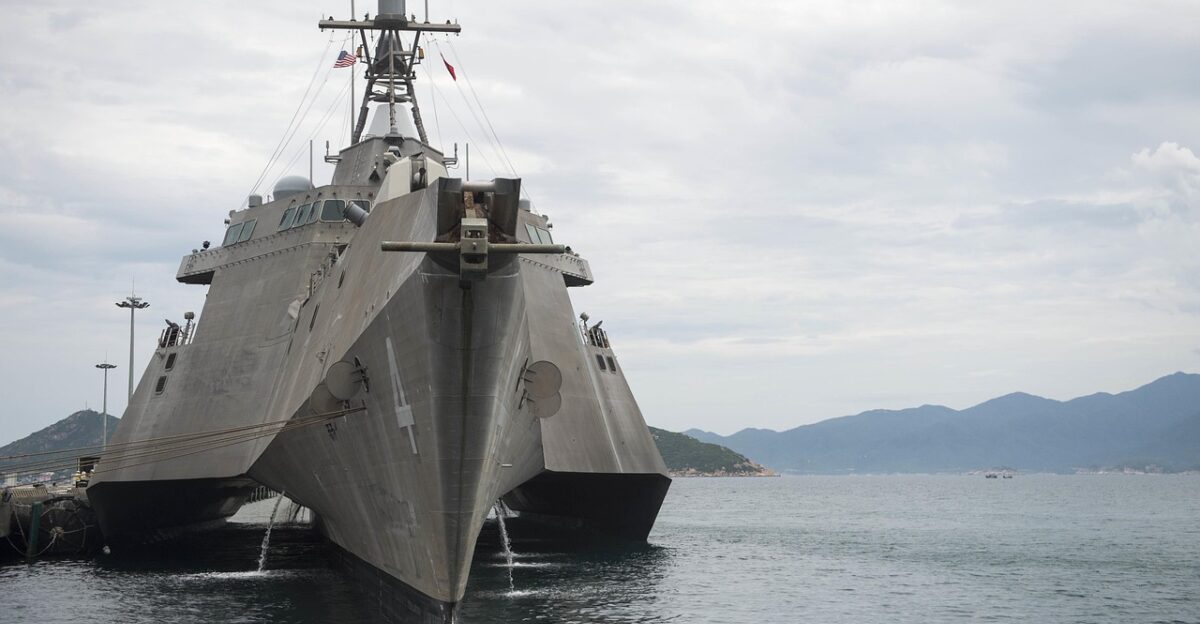
These unique three-hulled ships were the Freedom-class’s competition. The National Interest reported they can hit speeds of 44 knots. The trimaran design provided exceptional stability at high speeds.
Several ships of this class remain in active service, though the USS Independence was decommissioned in July 2021 after 11 years of service, falling significantly short of its anticipated 25-year lifespan.
Cyclone-Class Patrol Coastal Ships (35 knots)
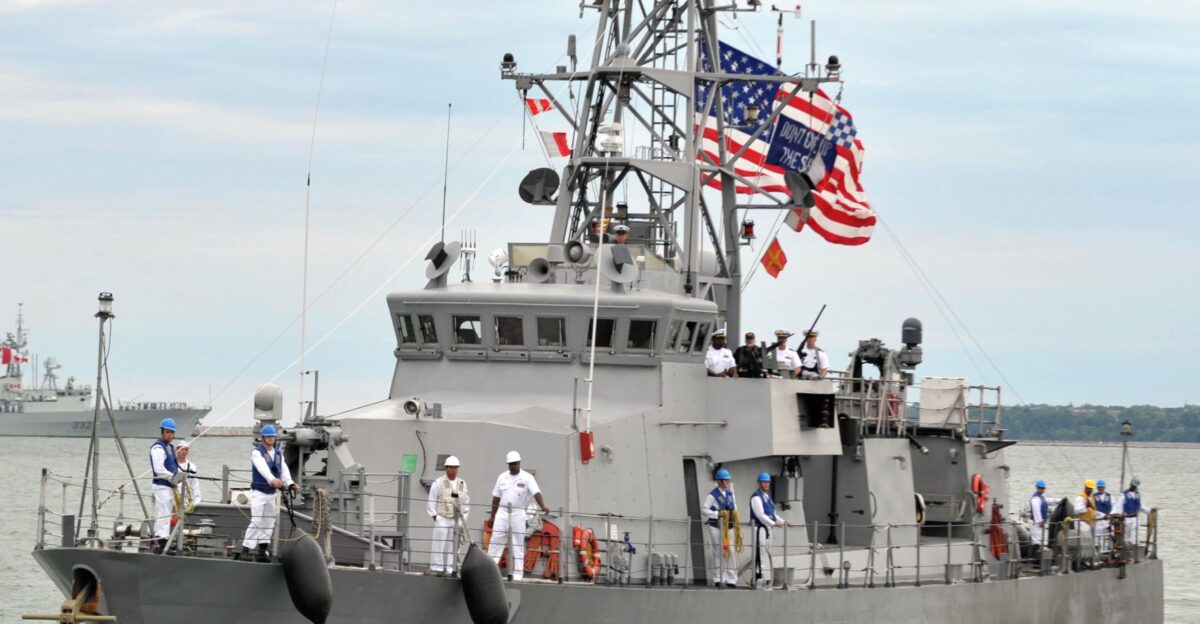
These patrol boats are 170 feet long and powered by diesel engines, enabling them to achieve impressive speeds of up to 35 knots. Initially designed for special operations, they serve a crucial role similar to speedboats within the Navy, specifically tailored for shallow water missions.
Seawolf-Class Attack Submarines (35+ knots submerged)
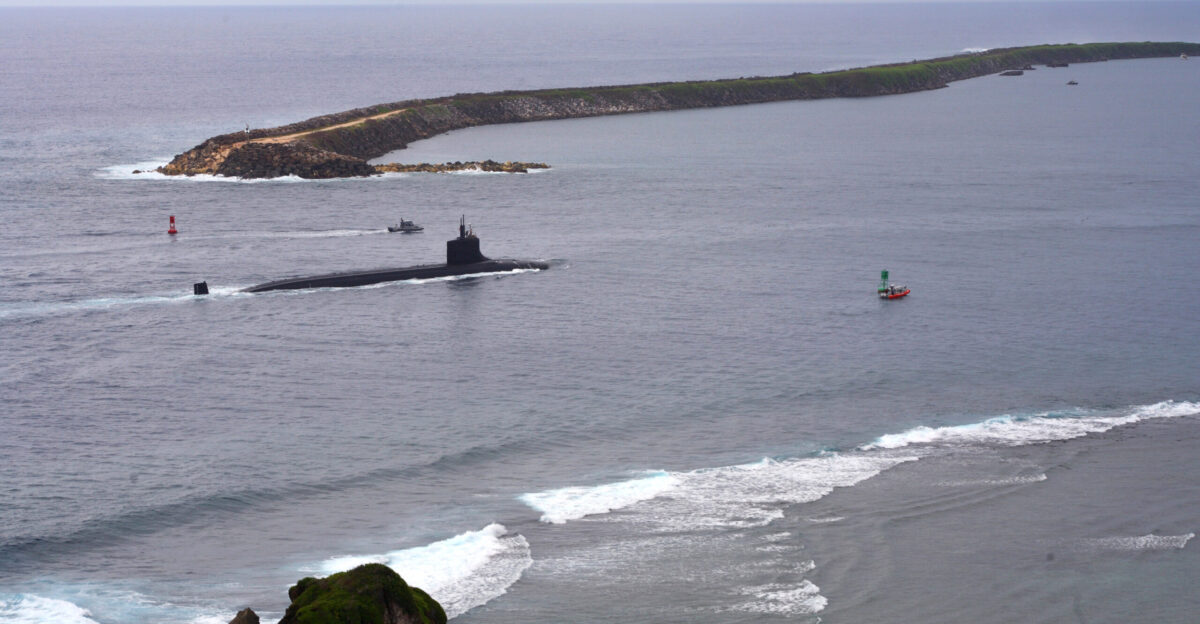
The Navy’s elite submarines are renowned for their ability to exceed speeds of 35 knots underwater, making them faster than the majority of surface vessels. These submarines are powered by advanced S6W nuclear reactors, which produce an impressive 52,000 shaft horsepower.
Only three units of this class were constructed, primarily due to their high production costs. Nonetheless, they stand out for their unparalleled speed, stealth capabilities, and formidable firepower, positioning them as leaders among attack submarines globally.
Los Angeles-Class Attack Submarines (33+ knots submerged)
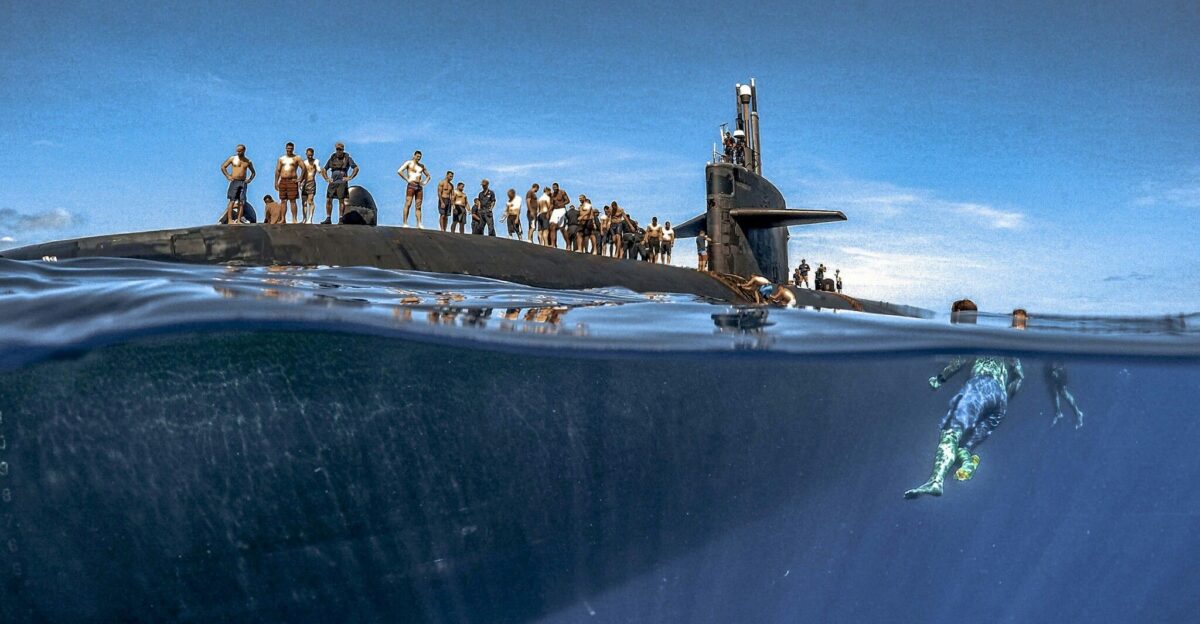
This submarine is the fleet’s primary vessel, with many still in active service. While submerged, it is estimated to achieve speeds exceeding 33 knots. These reliable platforms have demonstrated their effectiveness in various combat roles over several decades.
Equipped with nuclear propulsion, they possess the capability for unlimited underwater endurance at high speeds. This makes them particularly well-suited for long-range patrol and surveillance missions on a global scale.
Ticonderoga-Class Guided Missile Cruisers (32+ knots)
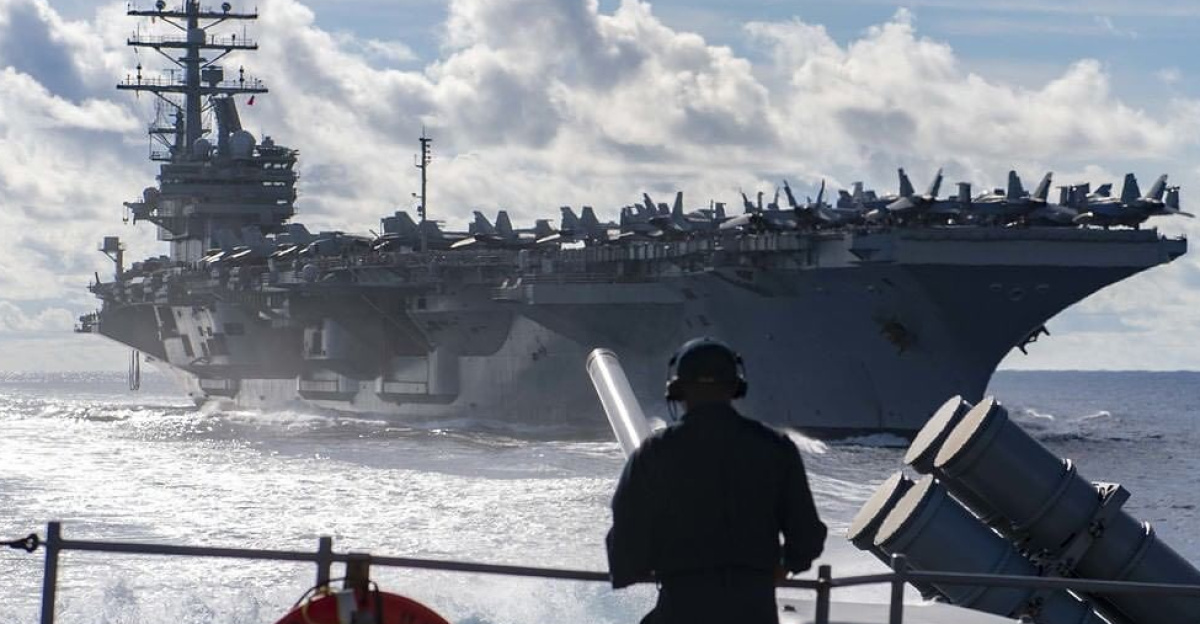
These advanced warships are equipped to reach speeds exceeding 32 knots and feature formidable firepower through their vertical missile launchers. Multiple vessels of this class are actively serving and primarily tasked with providing air defense for aircraft carrier groups.
The ships are powered by gas turbine engines, enabling quick acceleration. Additionally, they are outfitted with cutting-edge Aegis radar systems, which can track and engage hundreds of incoming threats concurrently during combat operations.
Arleigh Burke-Class Guided Missile Destroyers (31+ knots)
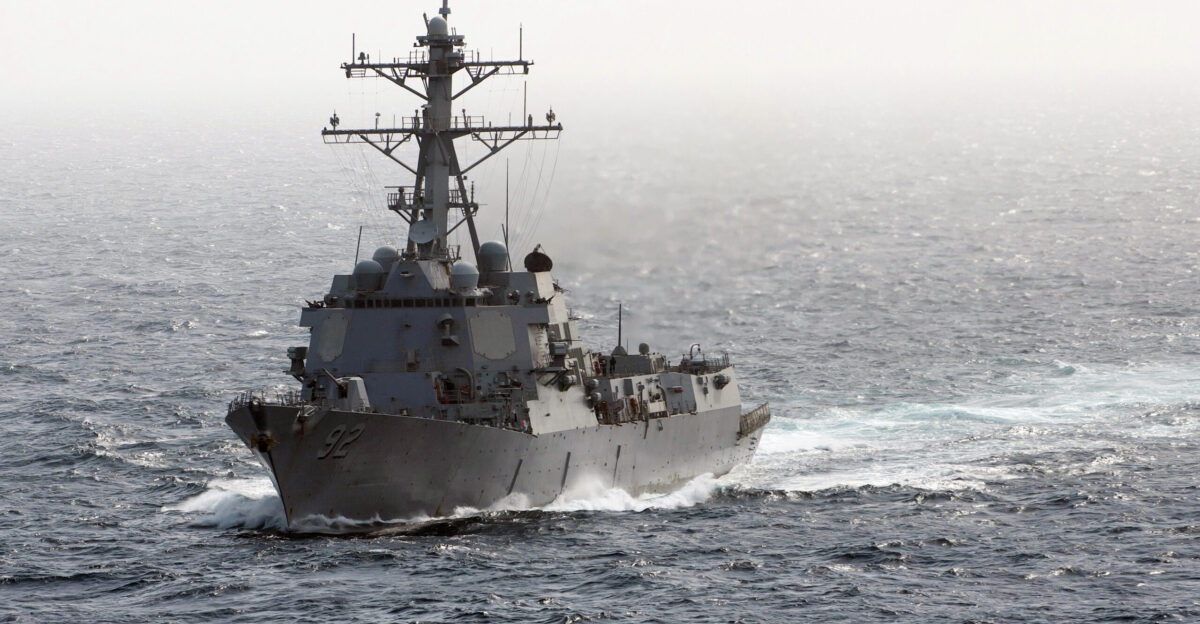
The Navy’s most numerous surface combatant, with over 70 active ships exceeding 31 knots. Four General Electric gas turbines provide 100,000 total shaft horsepower.
These destroyers form the backbone of carrier strike groups, providing escort duties and missile defense while maintaining high speeds for tactical flexibility.
Nimitz-Class Aircraft Carriers (31.5+ knots)
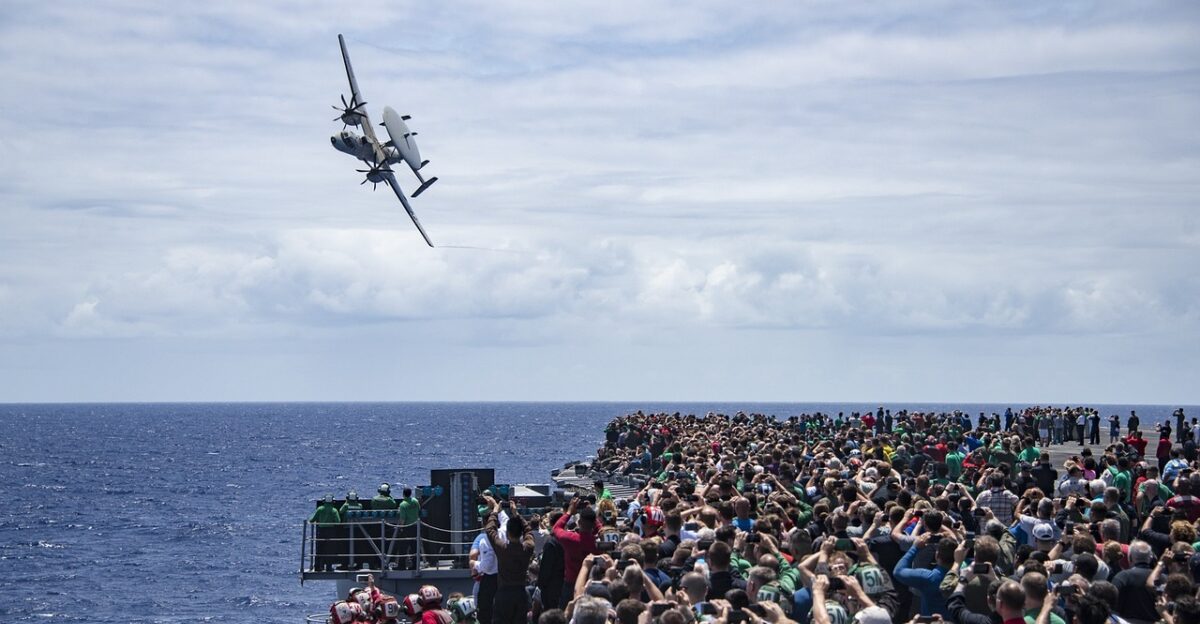
Despite weighing 97,000 tons, these nuclear-powered giants can sustain speeds of over 30 knots. Two massive A4W reactors generate enormous power for rapid transit.
According to the National Interest, these carriers can cover 700 square miles at maximum speed within 30 minutes, demonstrating their strategic mobility.
Ford-Class Aircraft Carriers (30+ knots)
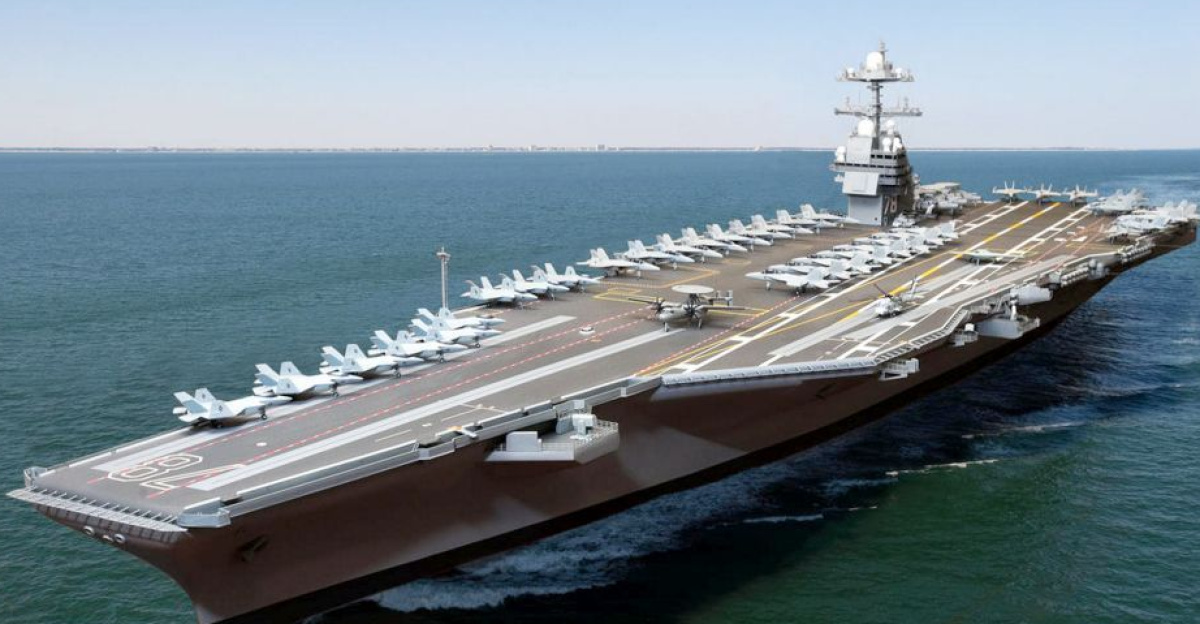
The Navy’s newest and most advanced carriers exceed 30 knots using revolutionary A1B nuclear reactors. Enhanced efficiency represents generational improvements over previous designs.
USS Gerald R. Ford leads this class with reduced crew requirements and increased aircraft sortie generation rates while maintaining impressive speed capabilities.
Zumwalt-Class Guided Missile Destroyers (30+ knots)
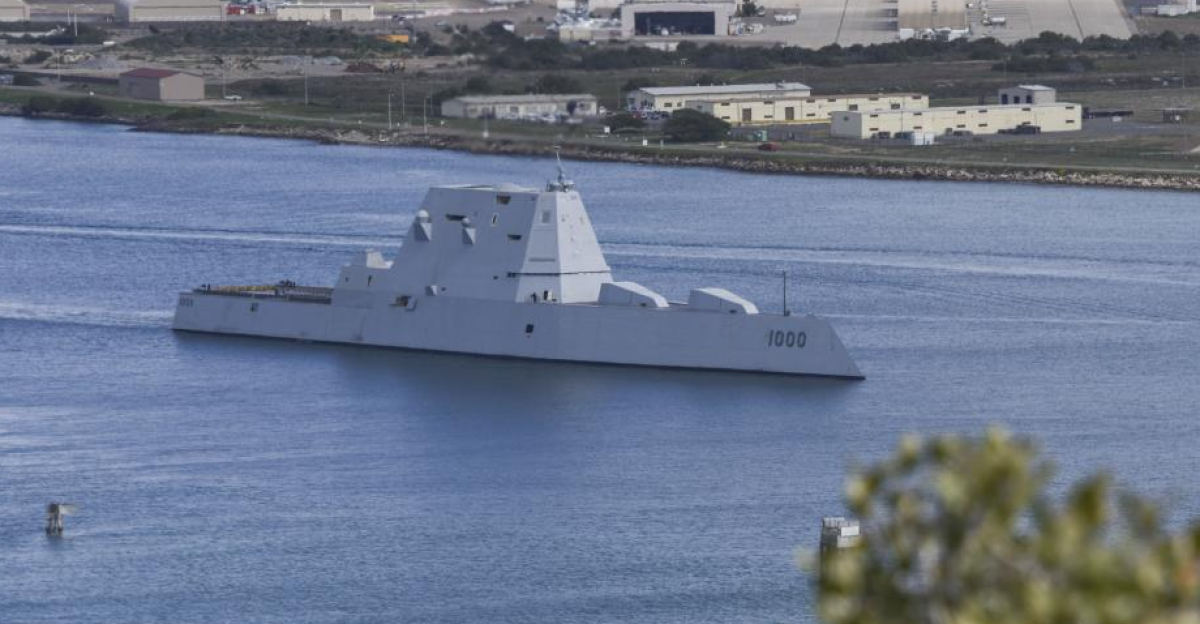
These futuristic stealth destroyers achieve 30+ knots despite their radical angular hull design. Electric drive propulsion provides unprecedented power generation and efficiency.
The Independent reports that these ships have stealth features that make them appear “like fishing boats on enemy radar” despite their massive size.
Virginia-Class Attack Submarines (25+ knots estimated)
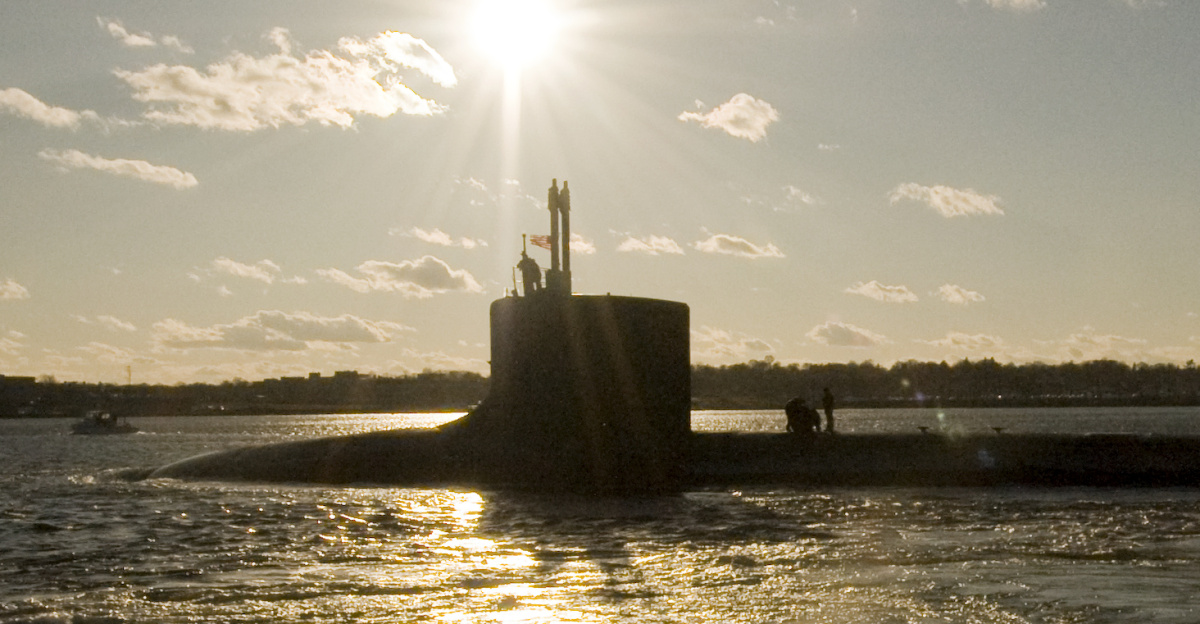
The Navy’s newest attack submarines, powered by advanced S9G nuclear reactors, will likely exceed 25 knots underwater. These boats represent the future of undersea warfare.
Block V variants add Virginia Payload Modules, dramatically increasing Tomahawk cruise missile capacity from 12 to 40 missiles per submarine.
Ohio-Class Strategic Submarines (25+ knots)
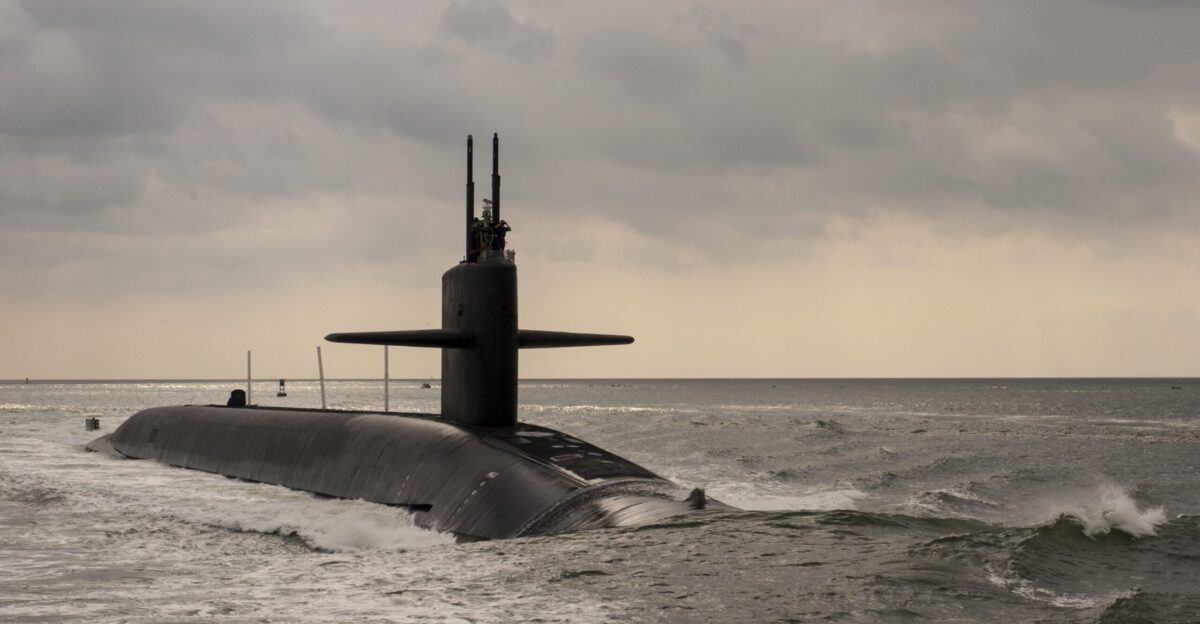
These massive ballistic and cruise missile submarines achieve 25+ knots despite their 560-foot length. Eighteen remain active in strategic deterrent and conventional strike roles.
Four converted SSGN variants carry 154 Tomahawk missiles each, providing enormous conventional firepower for regional conflicts while maintaining nuclear deterrent capability.
Harpers Ferry-Class Dock Landing Ships (24.5 knots)
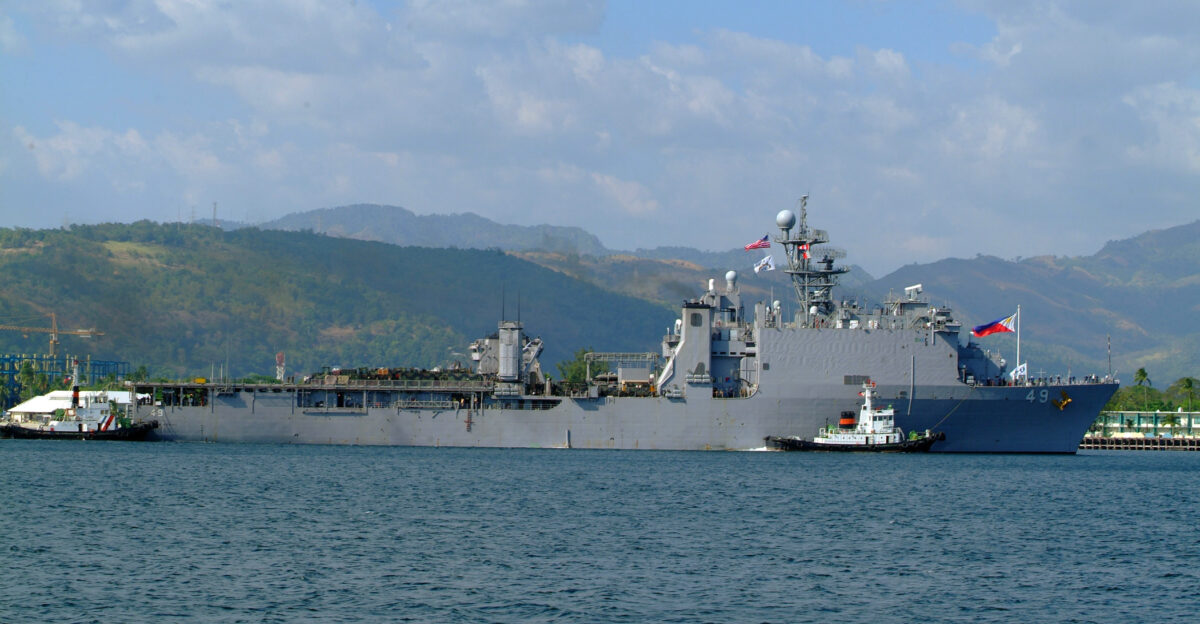
The cargo-optimized variant of dock landing ships reaches 24.5 knots while carrying substantial Marine equipment. Four ships serve specialized logistical roles.
Their design sacrifices some well deck space for increased cargo capacity, making them ideal for sustained amphibious operations requiring extensive supply support.
Blue Ridge-Class Command Ships (23 knots)
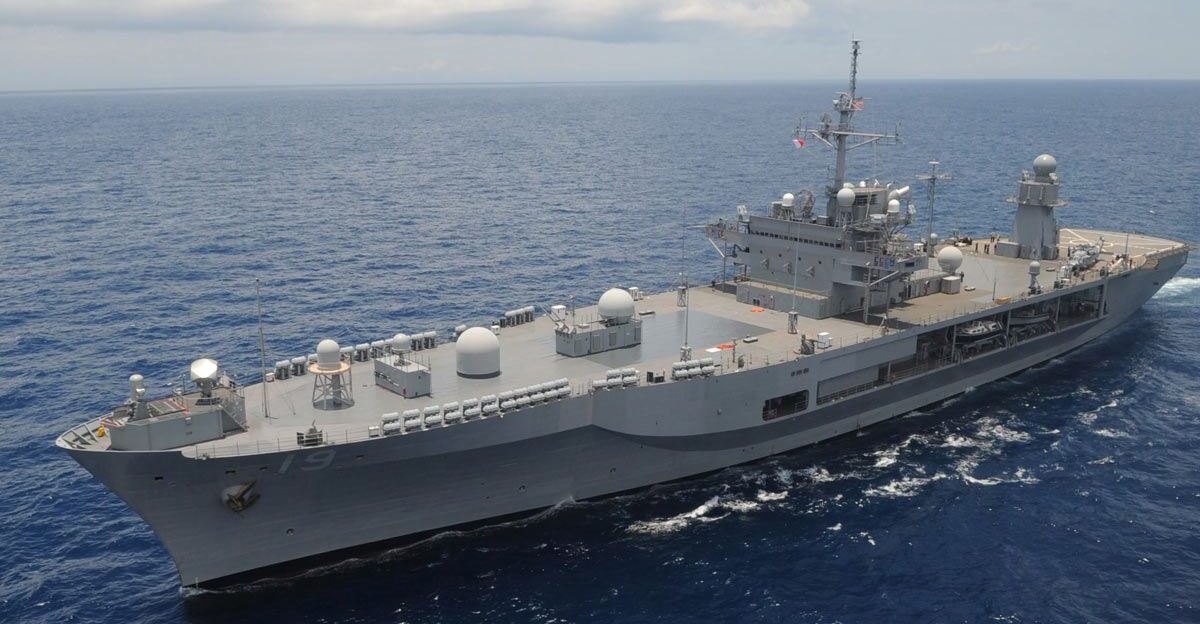
These unique floating headquarters achieve 23 knots while serving as flagships for major fleet commanders. USS Blue Ridge and USS Mount Whitney provide sophisticated facilities.
Built specifically for command roles, they feature extensive communications equipment and staff facilities and essentially serve as floating command centers for naval operations.
Wasp-Class Amphibious Assault Ships (22+ knots)
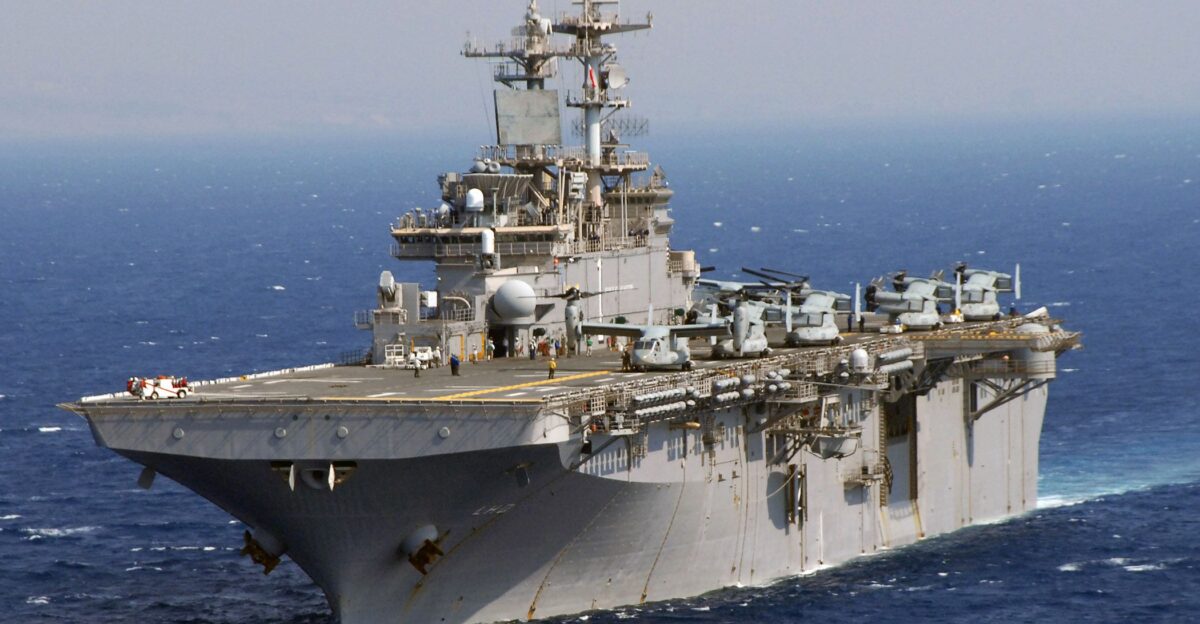
Seven helicopter carriers remain active, reaching 22+ knots while transporting Marine Expeditionary Units. They serve as mobile airbases for Marine aviation.
Their well decks accommodate Landing Craft Air Cushion hovercraft for rapid shore assault, making them versatile platforms for amphibious operations.
San Antonio-Class Amphibious Transport Docks (22+ knots)
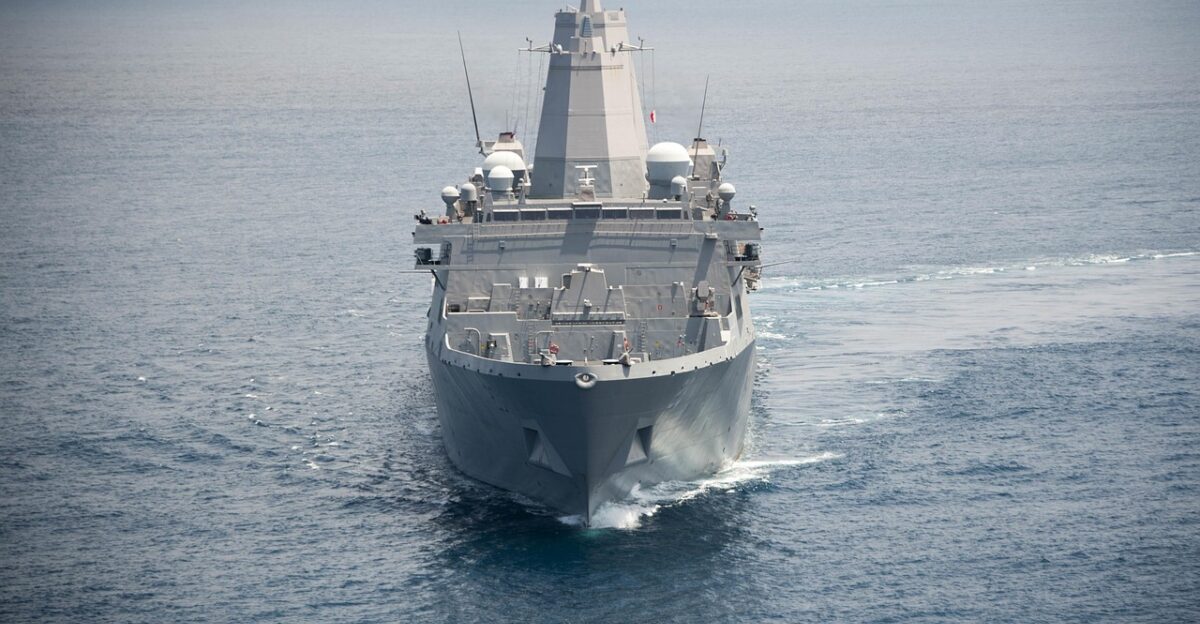
Eleven modern amphibious ships exceed 22 knots using four diesel engines generating 41,600 shaft horsepower. They transport Marines and equipment for global missions.
Flight II variants incorporate 200 design improvements and cost-effective components while maintaining the class’s proven amphibious assault capabilities.
Whidbey Island-Class Dock Landing Ships (22+ knots)
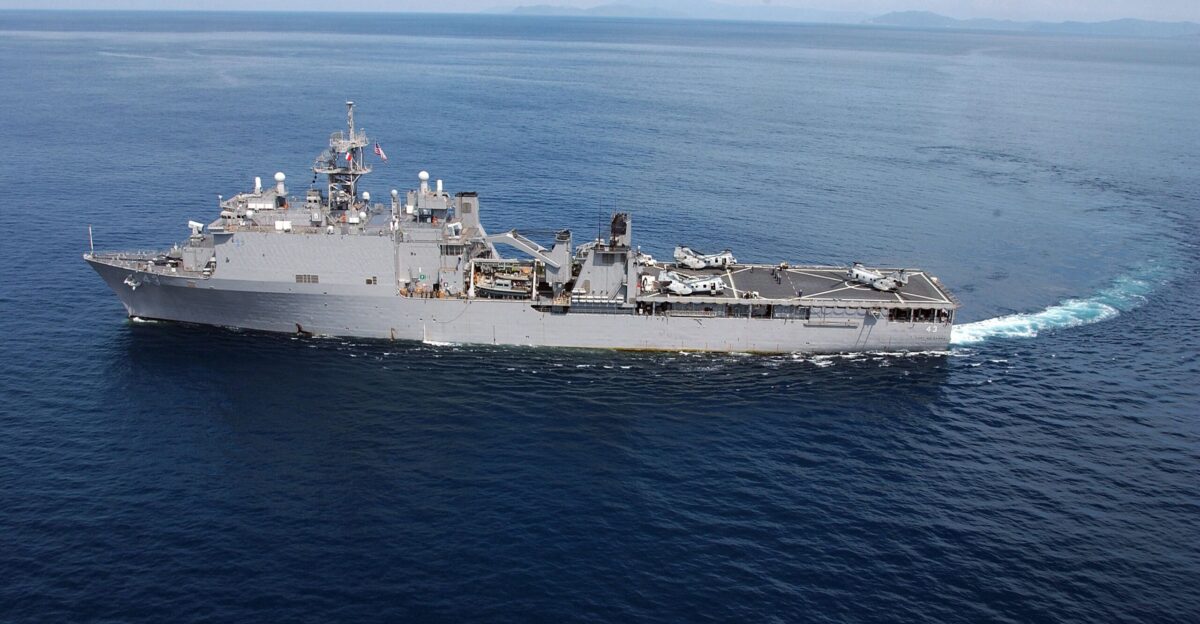
Eight ships achieve 22+ knots while specializing in hovercraft operations. Their large well decks can accommodate four Landing Craft Air Cushion simultaneously.
SOFREP reports ongoing midlife upgrades will ensure service through 2038, with improved engines and systems replacing older steam components.
America-Class Amphibious Assault Ships (20+ knots)
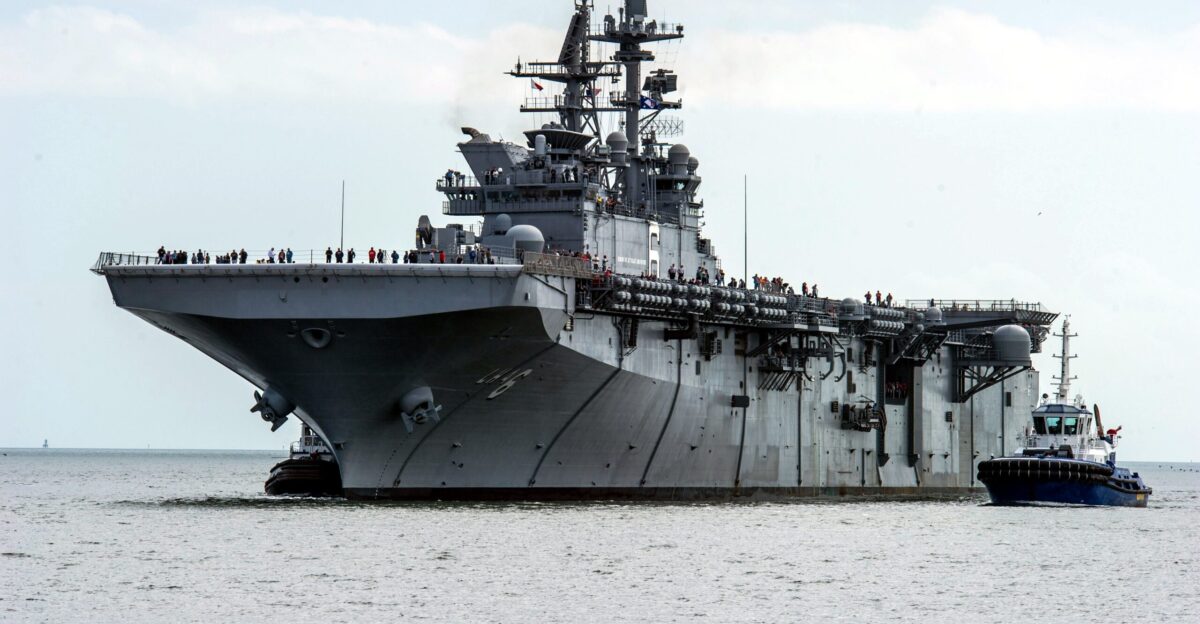
The Navy’s newest amphibious platforms reach 20+ knots while optimized for aviation operations. Initial ships lack well decks to maximize aircraft storage space.
Three are currently in service, featuring enhanced aviation capabilities compared to earlier amphibious ships while maintaining respectable speeds for their size.
Avenger-Class Mine Countermeasures Ships (14 knots)
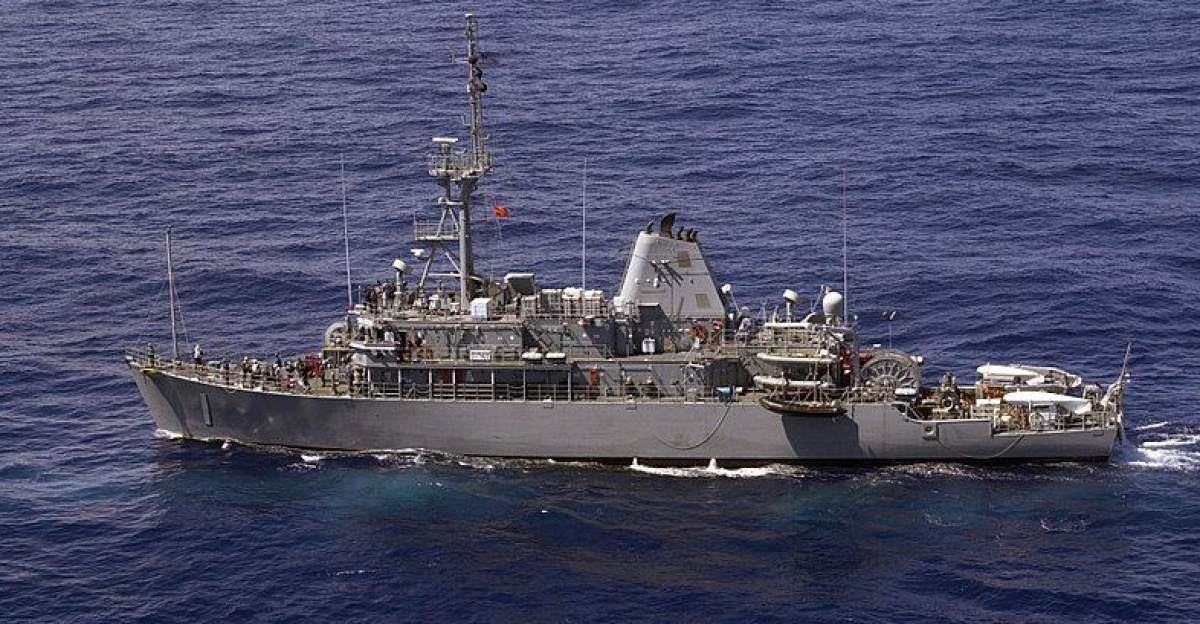
Though slowest at 14 knots, these specialized vessels provide critical mine warfare capabilities using wooden hulls and nonmagnetic materials for safety.
Their deliberate speed allows precise minesweeping operations in shallow waters and confined areas where larger, faster ships cannot operate safely.