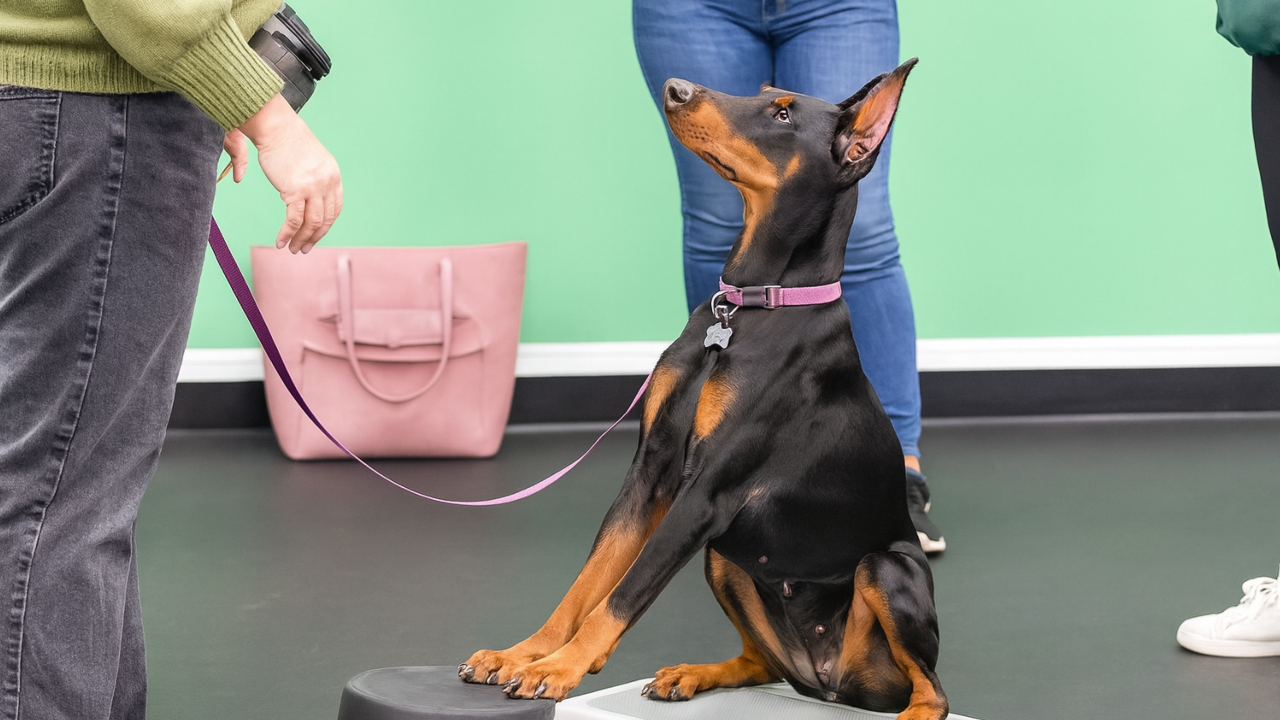
Traditional dog training methods often rely on yelling and punishment, but science is showing a more effective, kind approach: rewarding good behavior. By reinforcing moments of success, you can build trust and change behavior without fear.
This article provides 19 tips for training your dog using positive reinforcement. These techniques help create lasting behavioral change quickly and without the need for yelling, jerking the leash, or causing your dog to fear you. Here’s how you can train with kindness and patience.
1. Anticipate & Reward Before Misbehavior
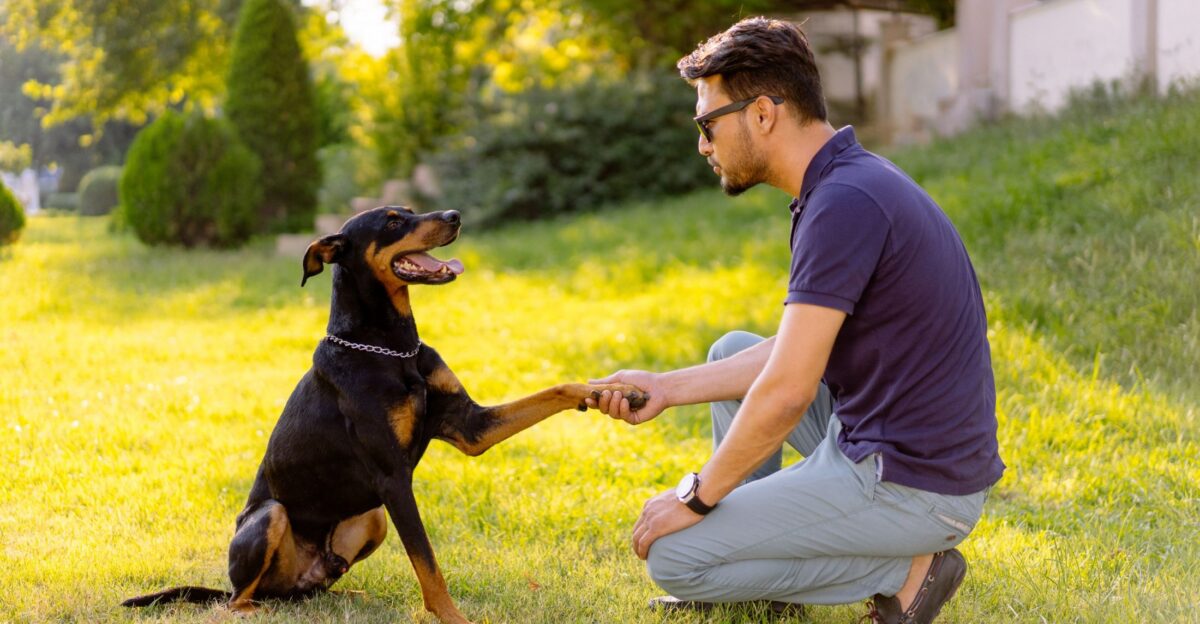
Instead of reacting after bad behavior occurs, be proactive. For example, if your dog jumps on guests when they arrive, start rewarding your dog for keeping all four paws on the ground the moment they hear the door open.
This helps your dog make the connection between calm behavior and positive rewards. By focusing on rewarding calm behavior before it turns into a problem, you’re setting your dog up for success and teaching them how to stay grounded.
2. Redirect Rather Than Punish
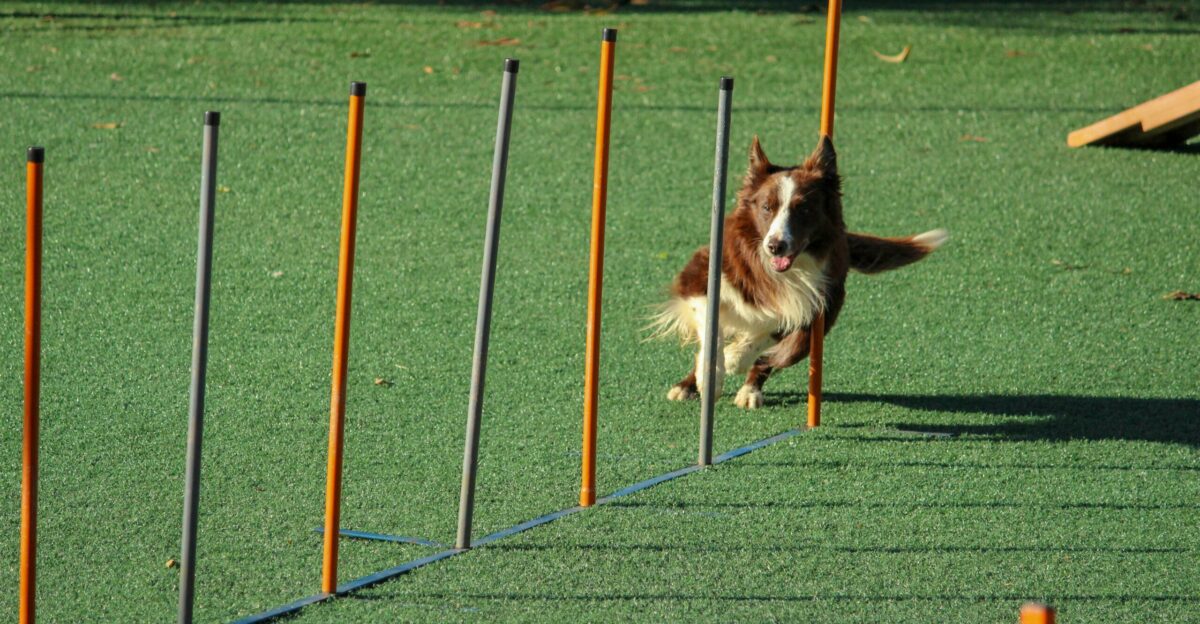
When your dog engages in undesirable behavior like chewing shoes, barking at the window, or grabbing socks, don’t shout or punish them. Instead, calmly redirect their focus by offering them a toy, scattering food on a mat, or sending them to their “place.”
Once they follow the new direction, immediately reward them for their good behavior. This helps them understand that good behavior leads to rewards, while bad behavior can be easily corrected without punishment, creating a positive learning environment.
3. Master the “Leave It” Command
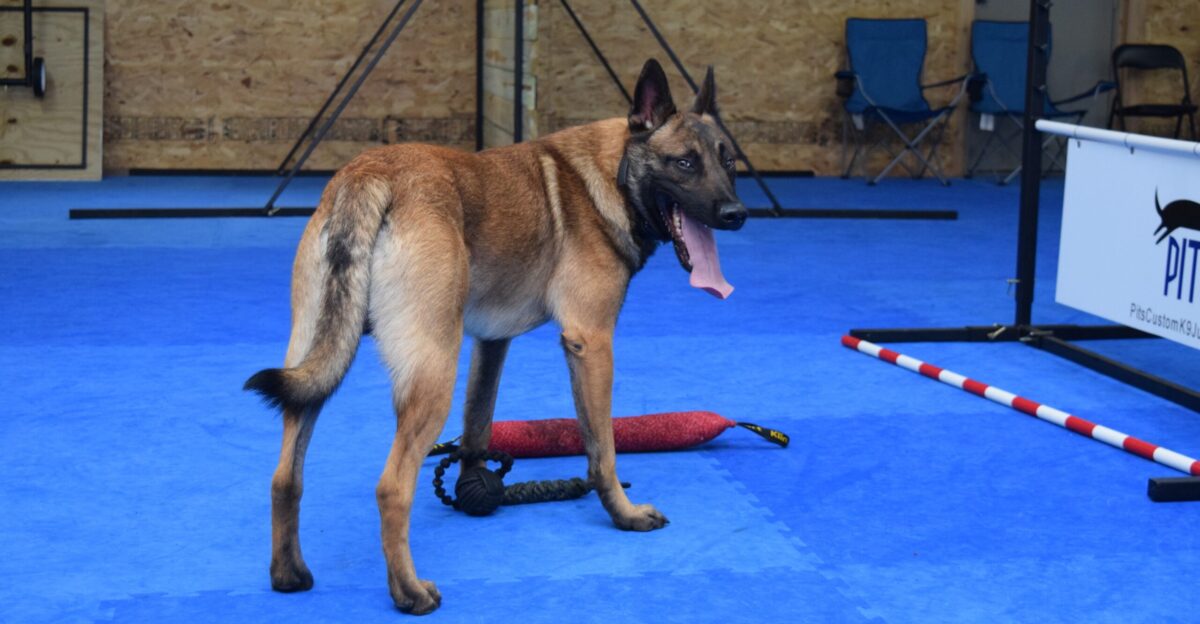
The “leave it” command can save your dog’s life, especially in dangerous situations like encountering harmful objects. Begin by holding a treat in your hand and rewarding your dog when they back away.
Gradually progress to using treats placed on the floor or real-world distractions like trash or food. With practice, your dog will learn that “leave it” means avoiding temptations, reinforcing their ability to resist harmful objects, and building your trust in their decision-making skills.
4. Use a Clicker or Marker Word for Precision
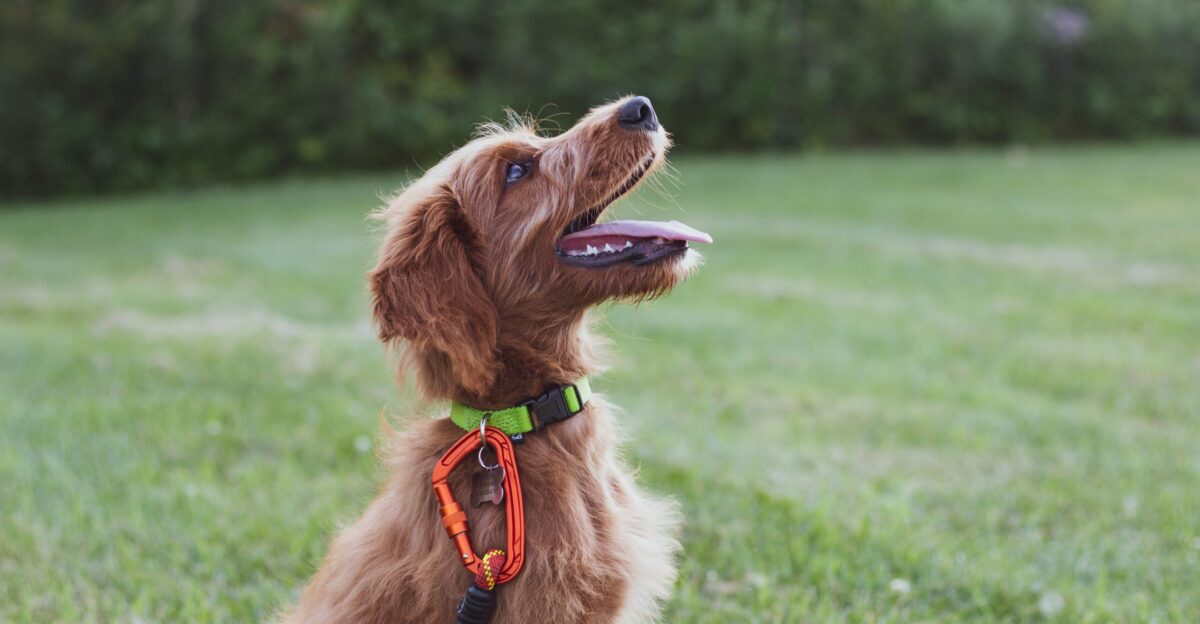
Timing is critical in dog training, and a clicker or a simple marker word like “Yes!” can capture the exact moment your dog does something right. Start by pairing the sound with treats to create an association.
Then, use the clicker or word to “mark” the behavior you want to reinforce, whether it’s sitting, making eye contact, or staying calm. This precise feedback removes confusion for your dog, speeds up the learning process, and helps anxious dogs feel more secure and understood.
5. Teach the “Place” Command for Calm

The “place” command isn’t just a cute trick—it’s a powerful tool for calming chaos. Choose a mat or bed as your dog’s “place” and reward them for stepping on it, lying down, and staying relaxed. Gradually increase distractions, such as visitors or loud noises, to teach your dog that they can find calm in any situation.
This is an effective way to redirect their focus during chaotic moments, making it easier to manage stress without resorting to yelling or scolding.
6. Reward Calm Moments for Relaxation
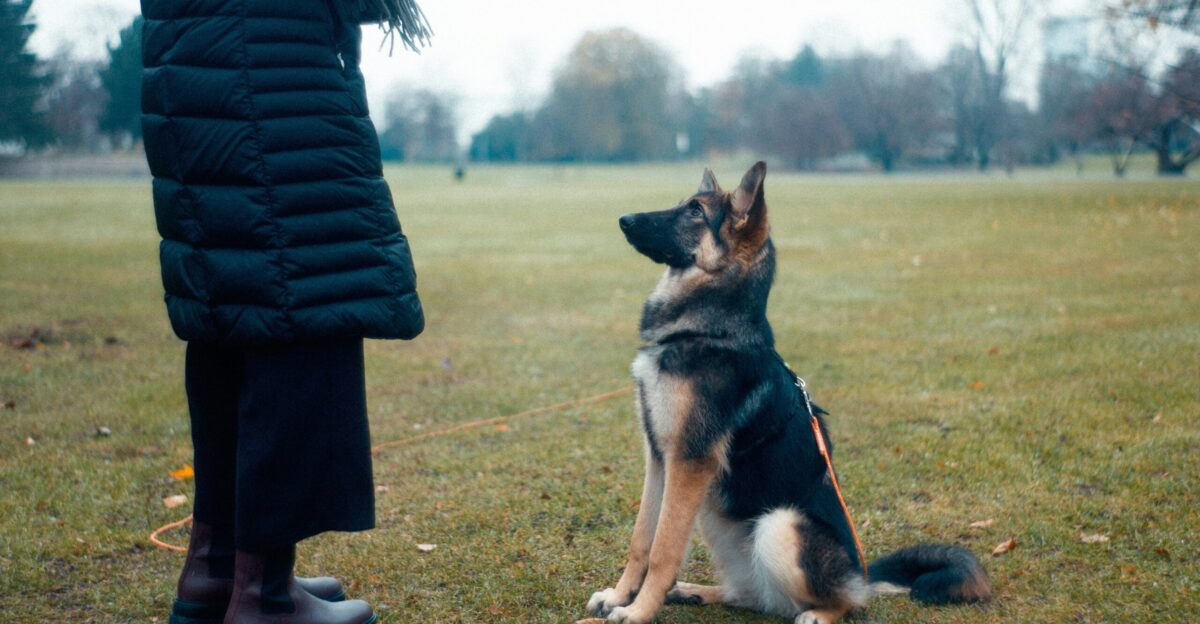
Often, dog owners only engage with their dogs when they’re misbehaving—barking, pestering, or stealing socks. Flip the script: quietly walk over when your dog is resting calmly, breathing slowly, or minding their own business, and drop a treat near their paws.
This reinforces the idea that being relaxed is rewarding, and it helps your dog learn that calm behavior is just as valuable as playful or active behavior. Over time, calmness becomes their default, reducing stress and unnecessary excitement.
7. Use Time-Outs as Calm Resets, Not Punishment

Time-outs are commonly misunderstood as punishment, but they should serve as neutral resets. If your dog is becoming overstimulated, mouthing, or jumping excessively, calmly escort them to a quiet, boring area for a brief time-out—usually 1 to 3 minutes. Avoid scolding during this time.
Once they return, reward them for behaving politely. This teaches them that unruly behavior results in a pause in fun, while calm behavior brings back the enjoyment, helping your dog understand the link between behavior and consequences.
8. Replace Bad Habits with Good Ones
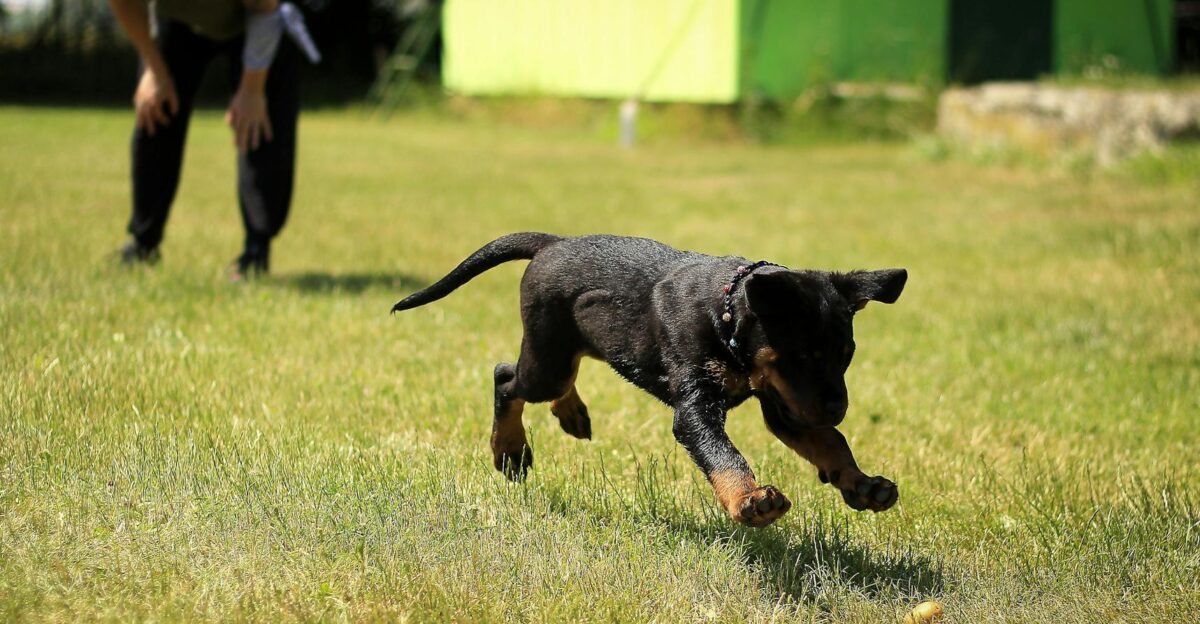
Bad habits can’t simply be deleted from your dog’s behavior; they need to be replaced with something better. Ask yourself: “What could my dog do instead that makes the bad behavior physically impossible?” For instance, if your dog is jumping up on people, teach them to sit instead.
If they’re barking at the window, train them to lie on a mat. By reinforcing these alternative behaviors and rewarding them heavily, you make good choices the easiest option, reducing the likelihood of misbehavior.
9. Play the Name Game for Quick Attention
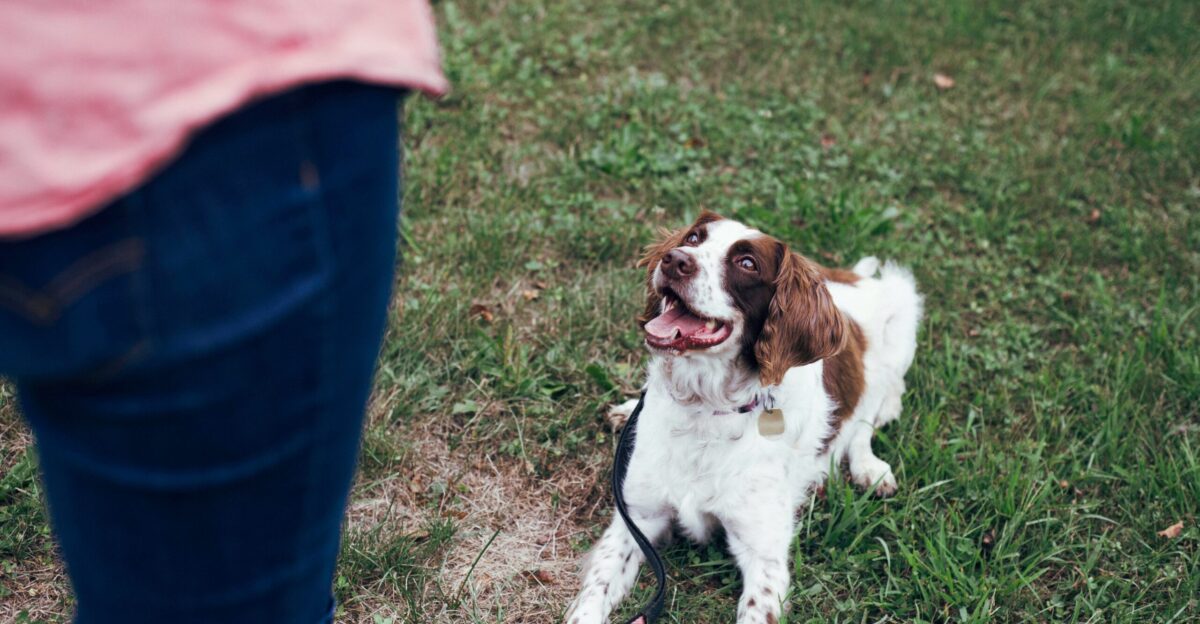
If your dog ignores their name or isn’t focused on you when you call them, it’s time to rebuild that association. Call their name once, and when they glance at you—even slightly—reward them immediately. You can incorporate this into playtime, walks, and mealtime.
By making their name synonymous with rewards, you encourage quick, eager attention. This lays the groundwork for better recall, leash manners, and helps your dog stay focused around distractions, which is crucial for more advanced training.
10. Consistency Is Key to Success
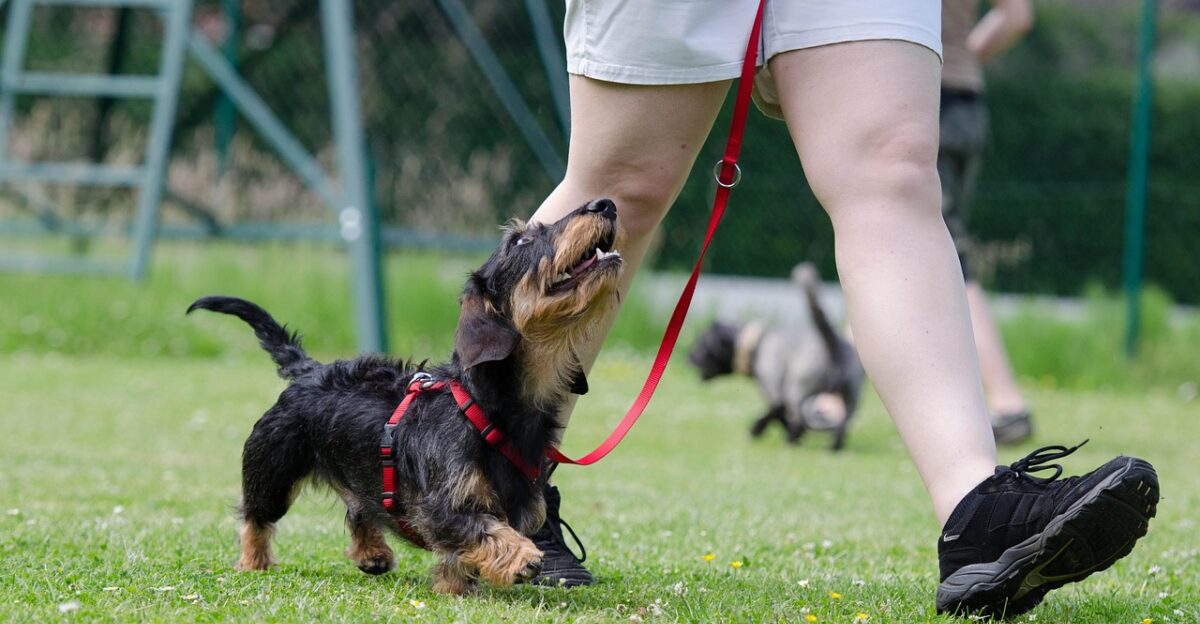
Dogs thrive on consistency. If different family members or situations change the meaning of your commands—like “off” meaning different things at different times—your dog will become confused. Use the same cues and wordings consistently, and make sure everyone in your household follows the same training rules.
Consistency makes the training process clearer for your dog, turning it into a reliable, understandable language that they can trust and respond to, helping to eliminate misunderstandings and promote quicker learning.
11. Reward Immediately for Clear Communication
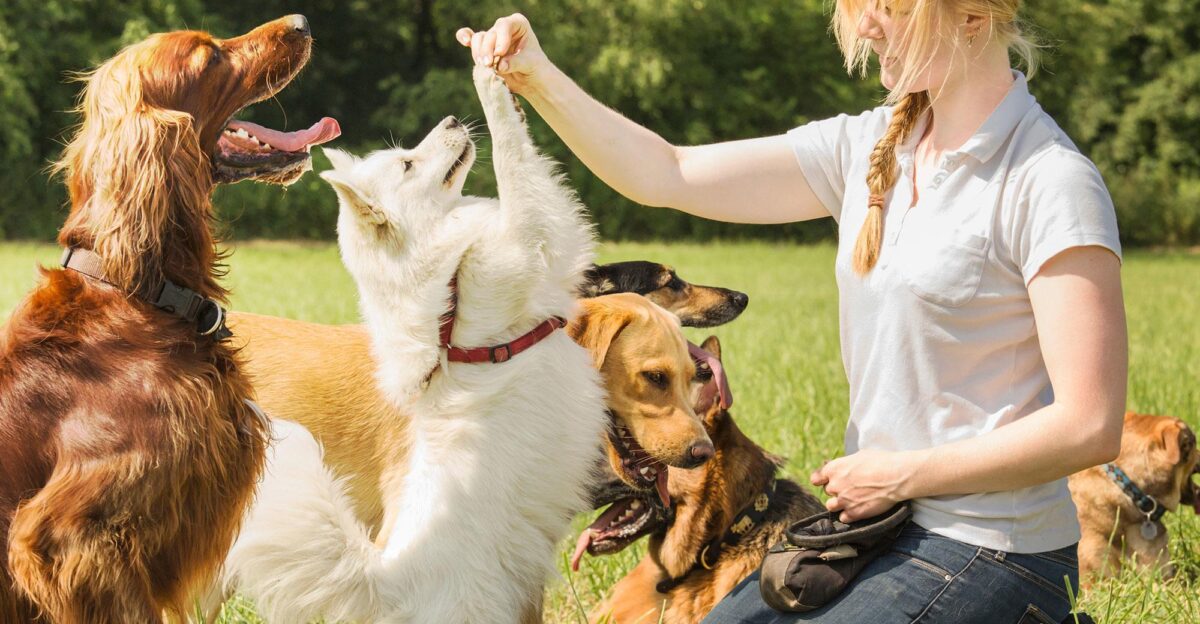
To your dog, timing is everything. If you wait too long to reward them after they do something right, they may not connect the behavior with the reward. Aim to praise or offer a treat within one second of the desired behavior.
This precise timing helps your dog clearly understand what action earned them the reward. The quicker you reward, the more effectively your dog will learn, ensuring that your communication remains clear and strengthens the bond between you and your pet.
12. Spot Stress Signals Early
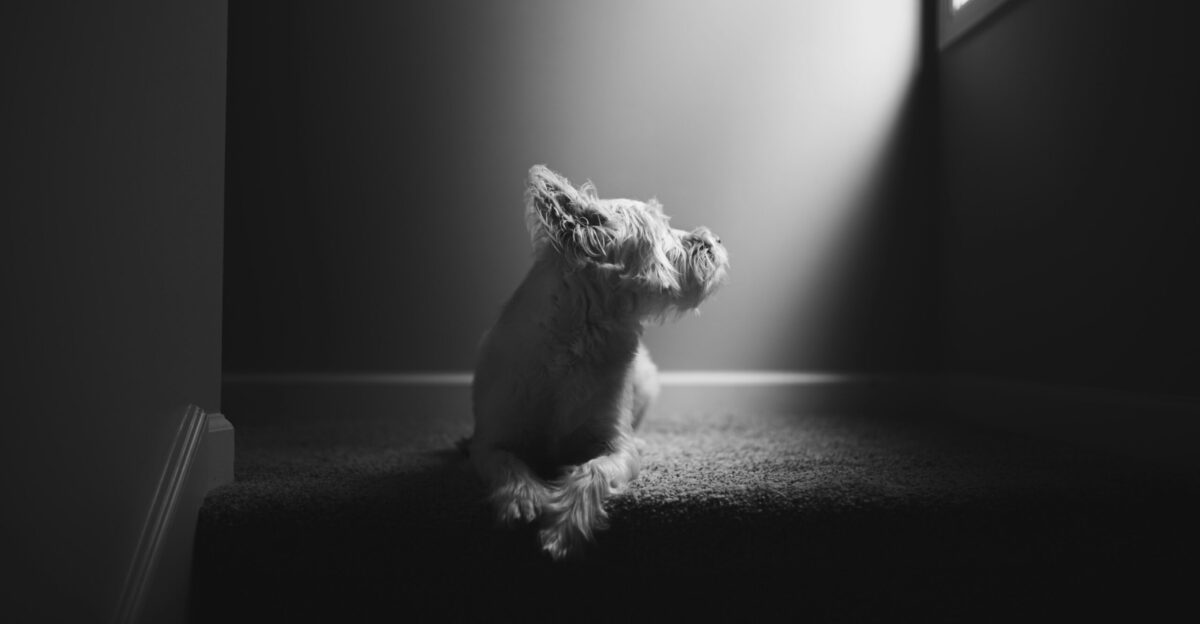
What we often perceive as “bad behavior” can actually be signs of stress. Look for subtle signals like lip licking, yawning when not tired, or avoiding eye contact. If your dog is showing these signs, they’re likely uncomfortable.
Instead of pushing them harder, soften your tone, reduce the pressure, and give them space to feel safe. By recognizing these stress cues early, you can adjust your approach and make training sessions more effective and comfortable for your dog, improving their focus and learning.
13. Tire the Mind, Not Just the Body
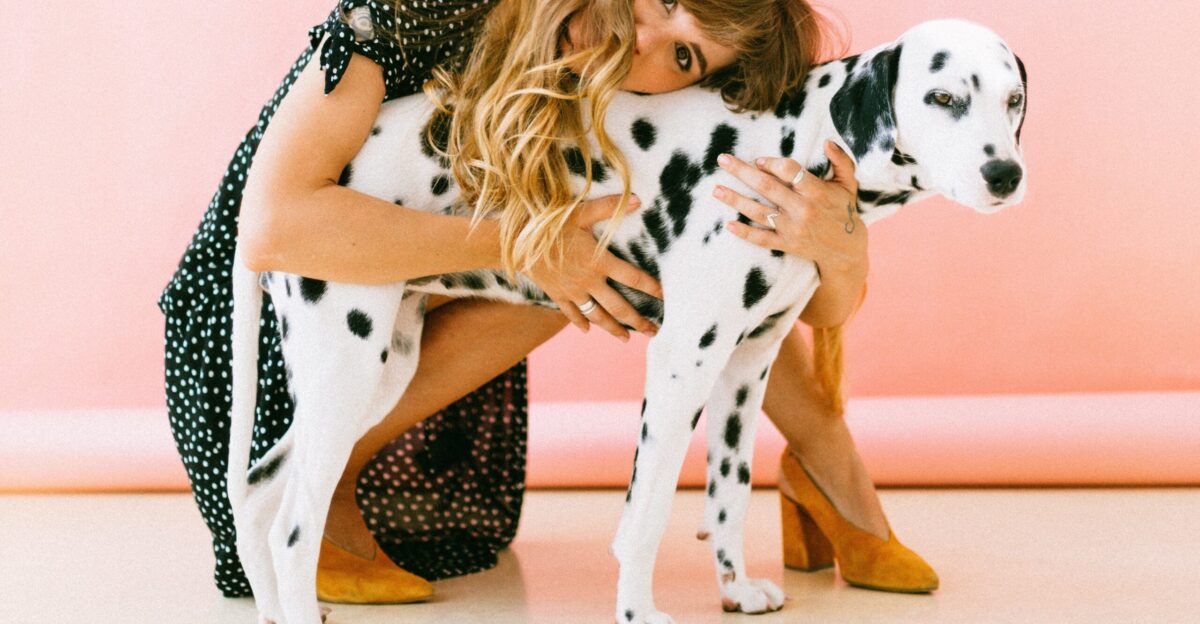
Physical exercise is important, but mental stimulation is just as crucial for a well-behaved dog. Add brain games like scent trails, puzzle toys, or trick sessions to your routine. Mental stimulation helps burn energy in a healthy way and satisfies your dog’s instincts, keeping them calmer throughout the day.
A mentally challenged dog is less likely to engage in destructive behavior because they are focused on tasks that keep them engaged and prevent them from becoming bored or anxious.
14. Keep Training Sessions Short & Engaging
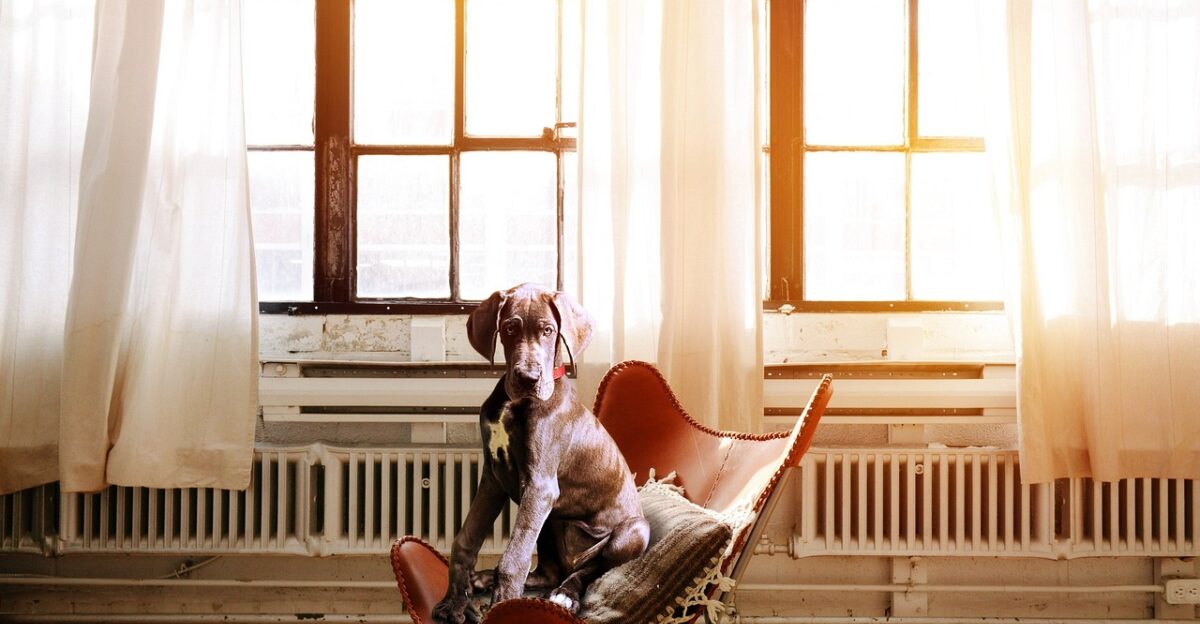
Long training sessions can lead to mental fatigue and disengagement. Instead of training for long periods, aim for multiple, shorter sessions spread throughout the day—each lasting 5 to 10 minutes.
By stopping while your dog is still interested, you prevent burnout and keep them excited for the next session. This approach fosters better learning because your dog remains focused, making the experience more enjoyable for both of you and speeding up the learning process.
15. Protect Your Dog’s Name from Negative Associations
Using your dog’s name in anger can create negative associations, causing them to hesitate or even run away when called. To prevent this, use their name only when calling them for positive attention. If you need to interrupt their behavior, use a neutral word or sound.
By associating their name with positive experiences, your dog will learn to respond eagerly when called, helping improve recall and strengthen your relationship with them without creating any fear of reprimand.
16. Build Impulse Control with Small Delays
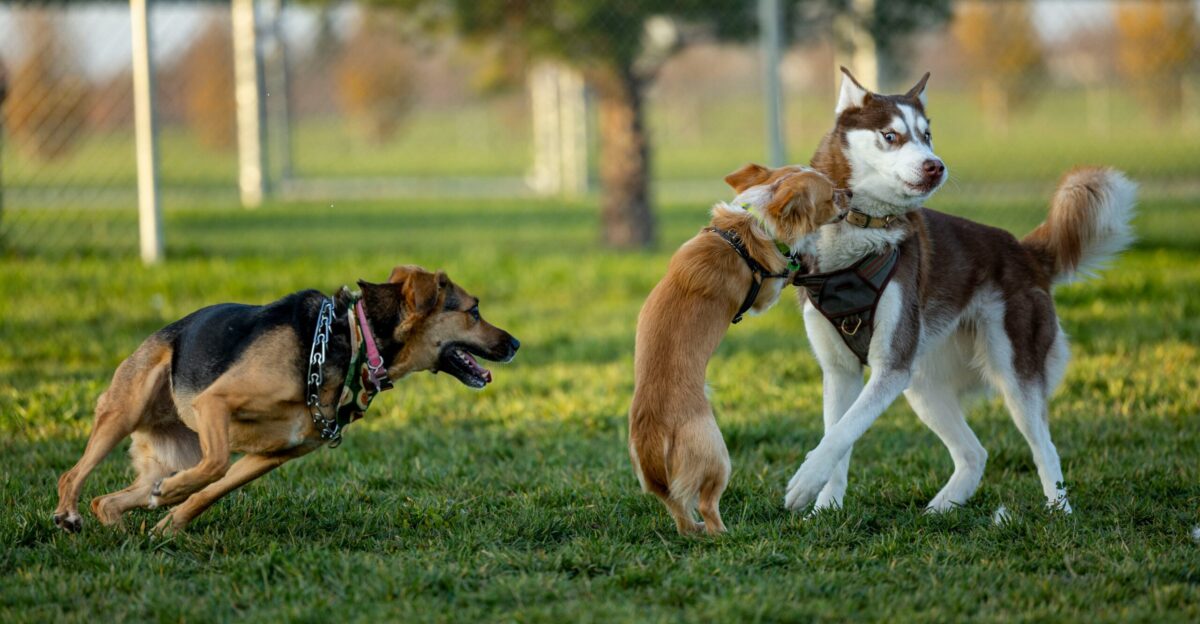
Building impulse control in dogs is a gradual process that requires practice. Start with simple delays, like asking for a sit before meals, door openings, or toy throws. Gradually increase the duration of the wait and the temptation level, rewarding your dog when they successfully control their impulses.
Over time, this training teaches them to pause before acting, resulting in better behavior in various situations. This builds self-control and reduces impulsive actions like jumping or lunging, leading to a calmer dog overall.
17. Avoid Repeating Commands—Teach, Don’t Nag
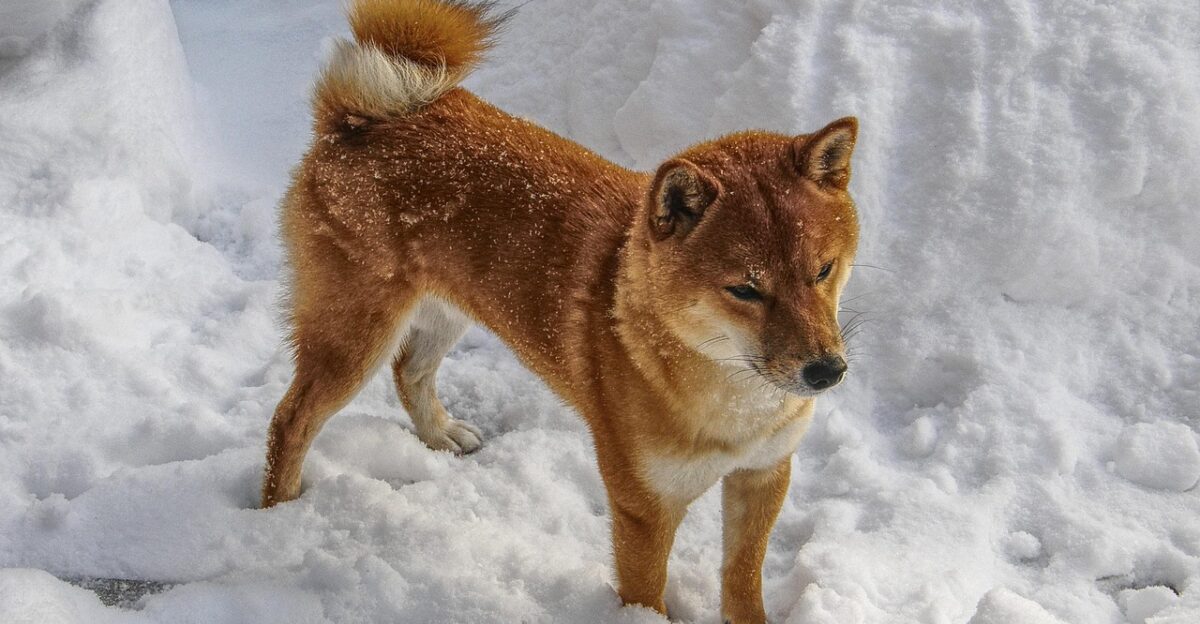
Repeated commands, like saying “sit sit sit!” confuse your dog and teach them that commands are optional. Instead, say the cue once and give your dog time to respond. If they don’t comply, assist them by guiding them into position or reducing distractions.
Reward them when they succeed. This approach teaches your dog that responding to a cue is important and that doing so promptly brings rewards, leading to more reliable behavior and better learning over time.
18. Turn Everyday Moments Into Training Opportunities

Training doesn’t have to happen in a formal setting—everyday moments are perfect opportunities to reinforce good behavior. Ask for a sit before leashing your dog, a down before mealtime, or eye contact before crossing the street.
These small requests add up to a continuous stream of reinforcement that helps your dog build better habits without the stress of formal training sessions. Consistently rewarding these small moments makes training feel natural and effortless for both you and your dog.
19. Celebrate Progress, Not Perfection
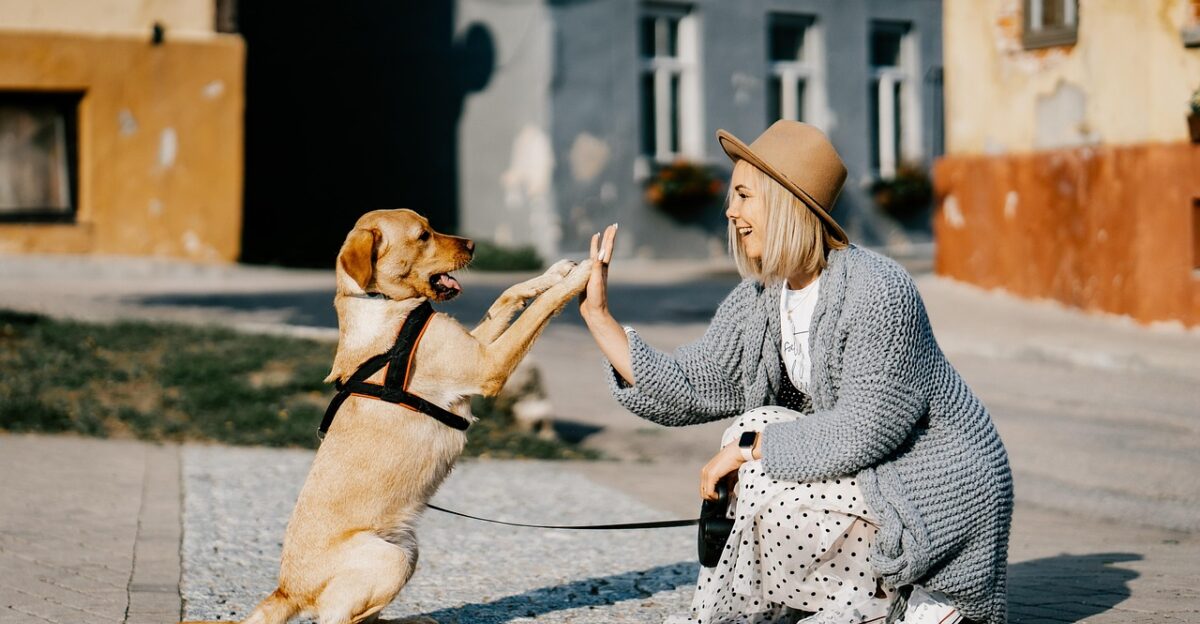
Perfection is not the goal of dog training—progress is. When you focus on small improvements, like a faster sit or a quieter greeting, you keep training positive and enjoyable. Celebrate each step forward, no matter how minor it may seem.
This encourages your dog to continue trying and reassures them that training is a fun, rewarding experience. By recognizing progress, not perfection, you create a safe, supportive environment where your dog feels motivated to improve without the fear of failure.