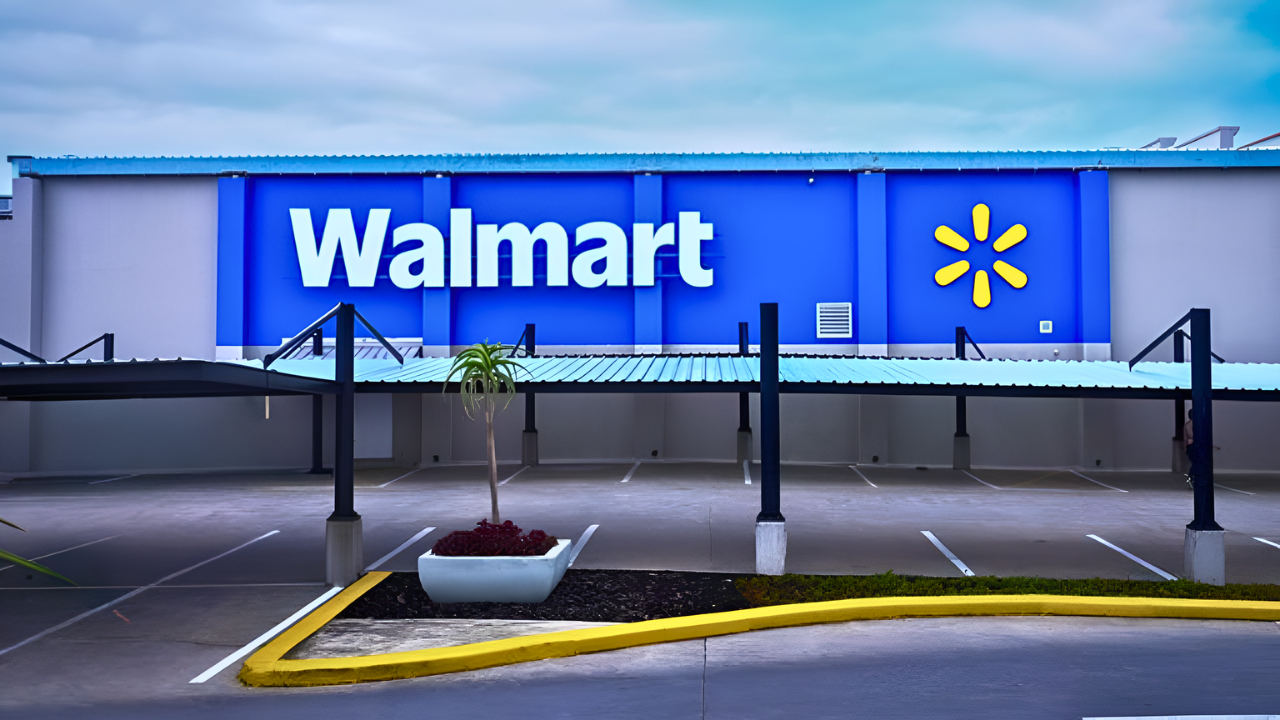
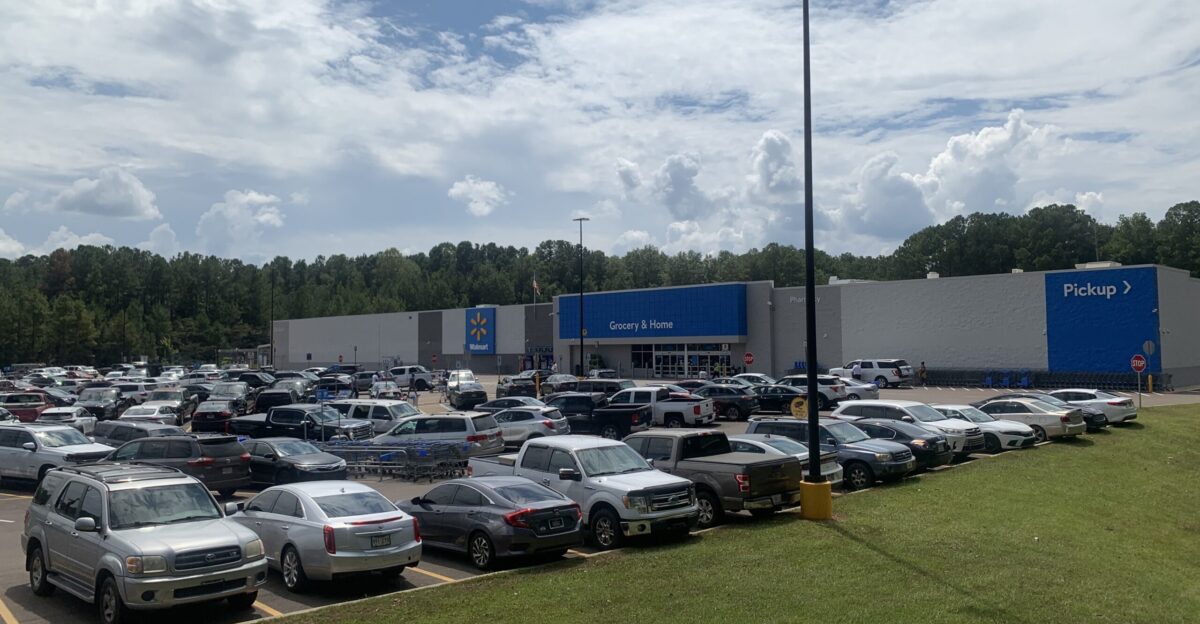
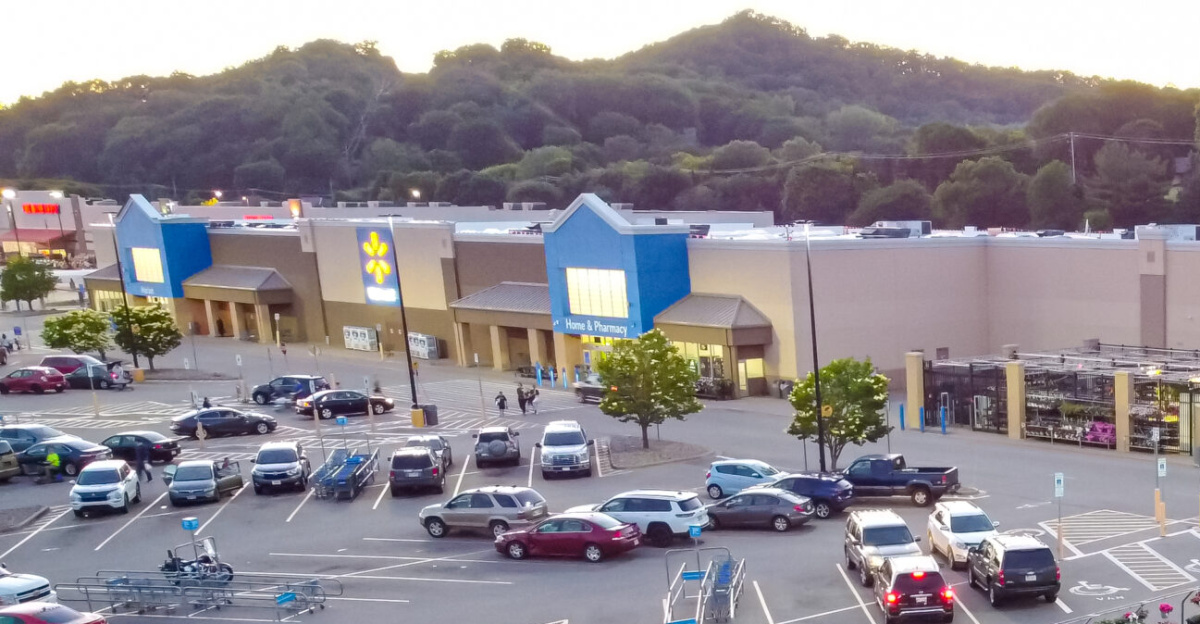
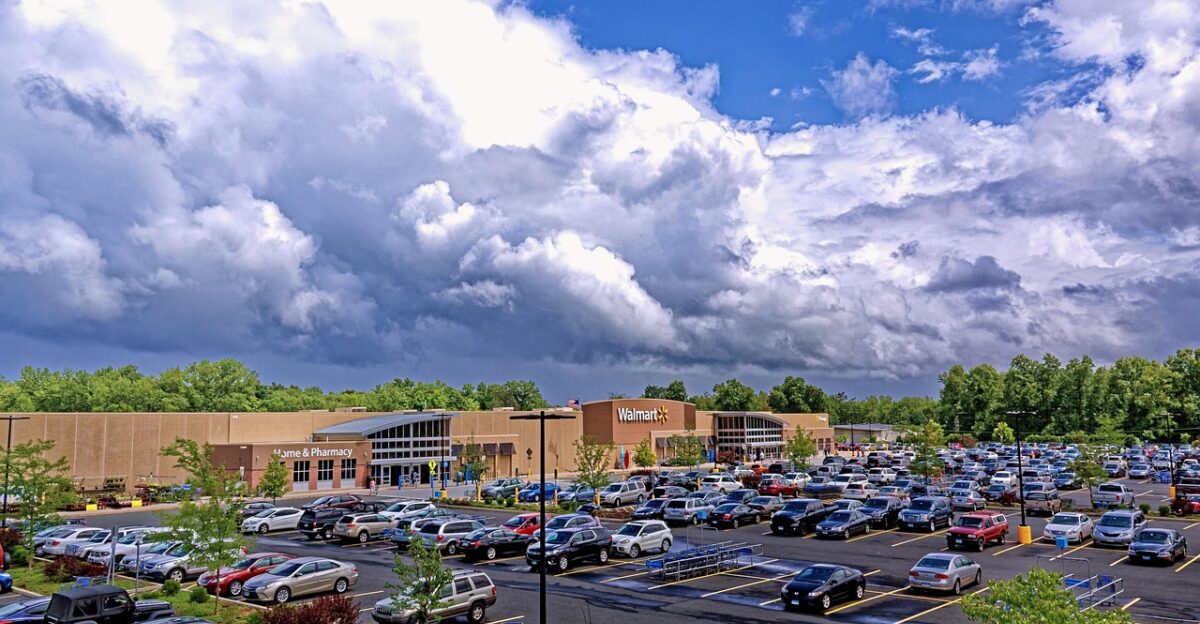
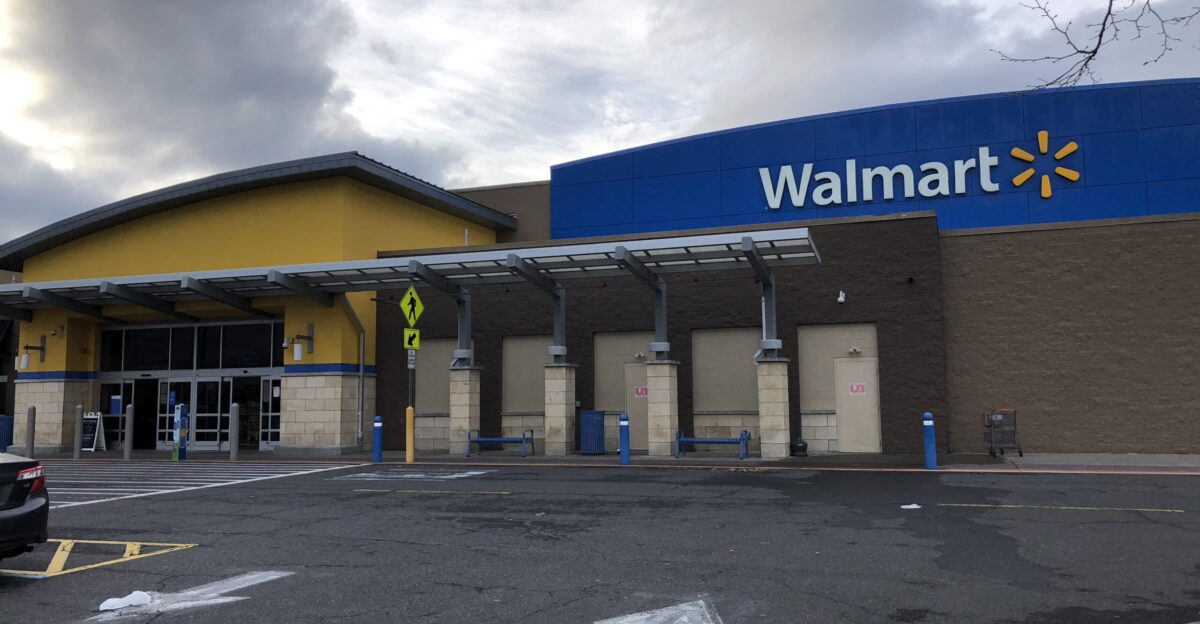
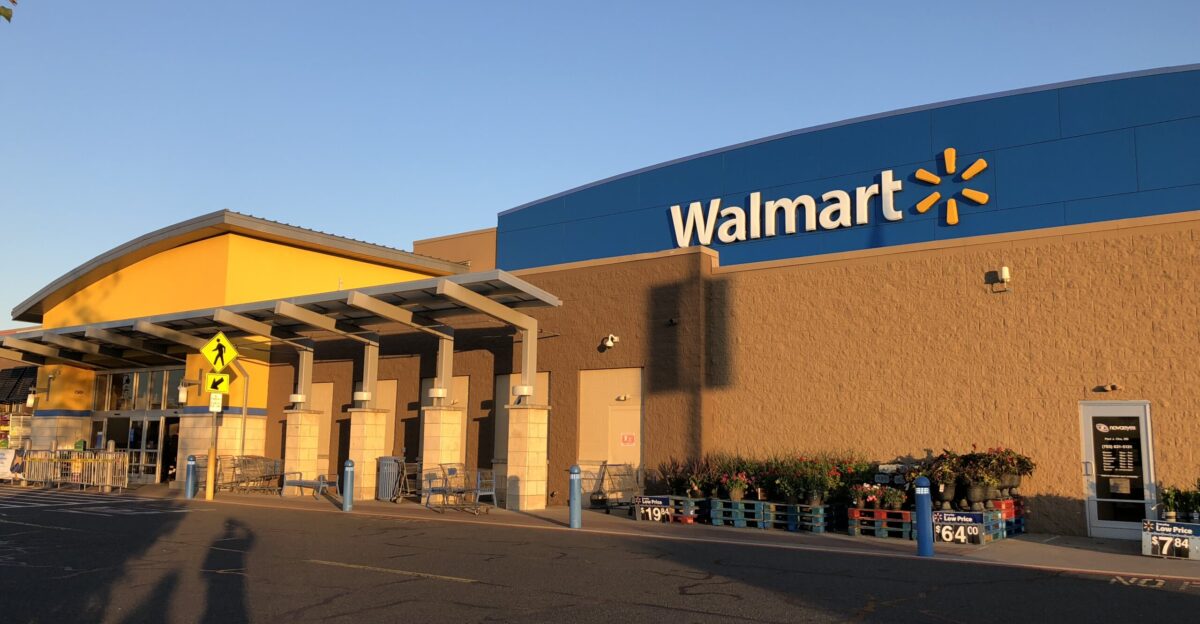
In April 2024, Walmart made a seemingly small change at its Shrewsbury, Missouri, Supercenter: it removed all self-checkout machines. The results were staggering. In just a few months, police calls to the store plummeted by 64%, and arrests dropped by 55%.
This dramatic shift shocked city officials and sparked a larger conversation about the impact of automation on crime, retail security, and community safety. What led to this transformation?
High Stakes
Retail theft in the U.S. has become a pressing issue, costing retailers an estimated $45 billion in 2024, up from previous years. Experts warn the damage is projected to continue climbing.
Walmart’s self-checkout experiment could significantly affect a multi-billion dollar industry. The Shrewsbury case could serve as a turning point for retailers grappling with theft and technology’s role in reducing losses.
The Self-Checkout Era
Walmart and other chains rolled out self-checkout kiosks across the U.S. to cut labor costs and improve efficiency. However, Walmart found that shrinkage (losses from theft, fraud, and error) was significantly higher at self-checkouts than at staffed lanes.
Despite efforts to tackle these losses with technology, concerns about the impact of automation continued to grow.
Mounting Pressures
By late 2022, Walmart CEO Doug McMillon acknowledged that “shrink is a major issue” and warned that theft could force higher prices or store closures. In some areas, police calls to Walmart stores were overwhelming public resources, frustrating local officials.
As theft-related losses soared, Walmart faced mounting pressure to find a solution to this growing problem.
Missouri Turnaround
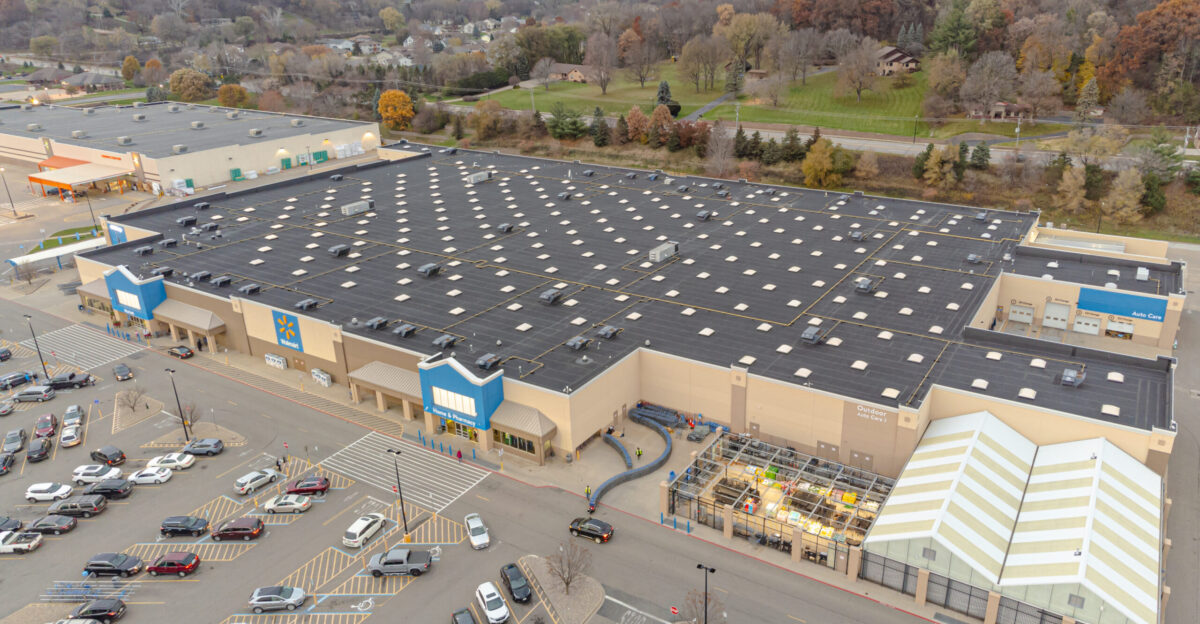
In a bold move in April 2024, Walmart reverted to fully staffed checkout lanes at the Shrewsbury location. Within months, the results were undeniable. Police calls linked to the store dropped by 64%, and arrests fell by 55%.
Shrewsbury Police Chief Lisa Vargas praised the change, calling it “huge” for the city and its residents.
Local Impact
Shrewsbury, a small city just southwest of St. Louis, saw a significant shift in its police call volume after Walmart removed its self-checkouts. Between January and May 2024, Walmart was responsible for about 25% of the city’s police calls.
By the same period in 2025, that number dropped to around 11%. Local officials saw the change as a victory in reducing crime and improving community safety.
A Win for the Community
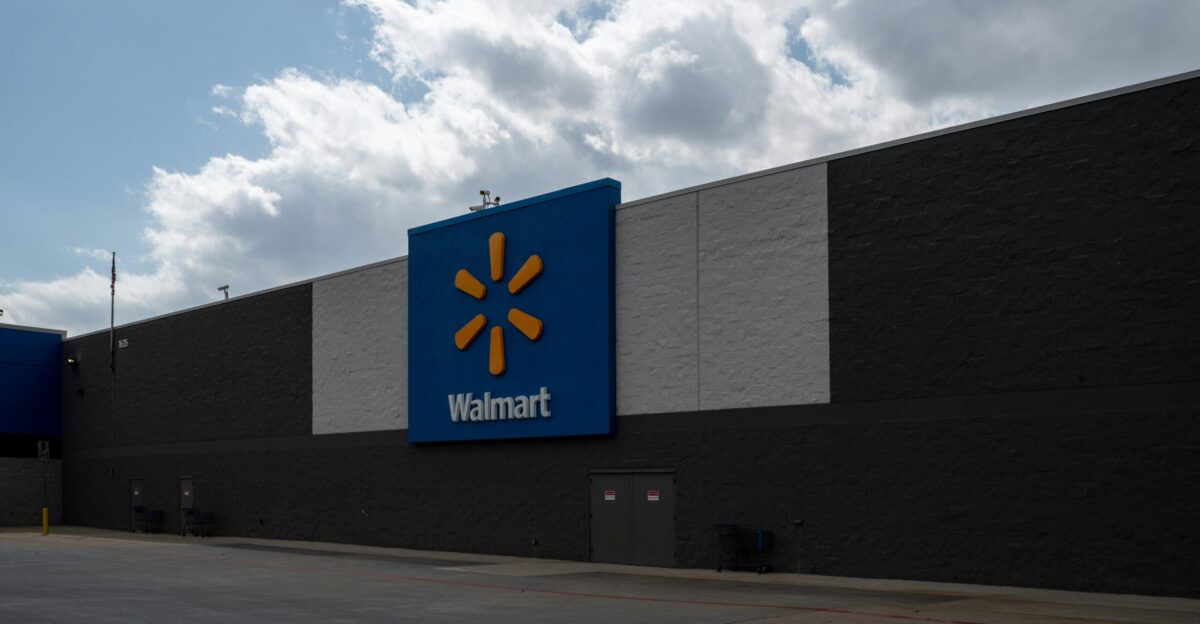
Shrewsbury Police Chief Lisa Vargas publicly thanked Walmart for removing self-checkouts, saying it allowed officers to focus on other community needs. Before the switch, police had spent hours responding to theft and disorderly behavior at the store, often neglecting other issues.
The shift back to human cashiers reduced that strain and helped officers manage their time more effectively.
Not Just One Store
Following Shrewsbury’s success, Walmart began removing self-checkout machines at other high-theft locations, including stores in Cleveland, New Mexico, and Los Angeles. Though these removals are still a small percentage of Walmart’s total stores, they signal a shift in strategy.
The decision to remove self-checkouts is often driven by local managers who see the impact firsthand.
Industry Crossroads
The Shrewsbury results come amid a larger reassessment of automation in the retail industry. Dollar General removed self-checkouts from 12,000 stores after rising theft losses and reported improved results. Meanwhile, Walmart’s Sam’s Club is expanding its “Scan & Go” system, which uses smartphones to streamline checkout without the same security risks.
Retailers are looking for a balance between automation and security.
Hidden Cost Shift
When retail theft increases, taxpayers often bear the burden. Studies in Florida found that Walmart stores generated thousands of police calls annually, diverting public resources to handle theft-related incidents. In one Tampa Bay analysis, 15 Walmarts triggered thousands of calls across four counties.
As self-checkout systems contribute to higher theft, taxpayers end up funding the enforcement.
Internal Tensions
Walmart’s promotion of self-checkout kiosks was intended to cut costs and improve efficiency. However, internal tension grew as the company weighed the savings against the rising costs of theft prevention. Technologies like AI surveillance and “Missed Scan Detection” were deployed to curb losses, but in certain stores, these efforts were not enough.
Managers are now reconsidering their reliance on self-checkout systems.
Strategy Shifts
Despite the setbacks, Walmart is not abandoning automation. In fact, the company continues to expand its advanced self-checkout systems and mobile scanning features. Walmart’s strategy now seems two-pronged: remove self-checkouts at high-theft locations like Shrewsbury while upgrading technology and increasing security measures at the remaining stores.
The company aims to find a sustainable path forward.
Security Overhaul
Along with removing self-checkouts, Walmart is strengthening security at locations where kiosks remain. New measures include AI surveillance to detect missed scans, RFID tags to confirm scanned items, and more associates dedicated to monitoring self-checkout zones.
Some high-risk stores now also employ off-duty police officers and private security to prevent theft.
Expert Skepticism
Experts, including criminologists at the University of Leicester, have pointed out that self-checkout systems can encourage theft. Studies show that around 20% of people admit to stealing via self-checkout at least once.
Even with sophisticated AI, these systems may not be enough to deter crime, suggesting that human interaction might be necessary to prevent theft more effectively.
What Happens Next?
Walmart has not announced any plans to remove self-checkout nationwide, and industry data shows that kiosk deployment is still on the rise. However, if more stores replicate Shrewsbury’s 64% drop in police calls and 55% drop in arrests, pressure could mount for Walmart to reassess its approach.
The key question remains whether the labor savings from automation are worth the added costs in theft and community impact.
Policy and Policing
Walmart’s decisions about self-checkout influence public policy, especially in cities like Florida, where local officials have criticized the retailer for burdening police with petty theft calls. Some cities have even threatened sanctions unless Walmart improves security.
These store-level decisions affect how police resources are allocated, potentially shifting focus from violent crimes to minor thefts.
International Dimension

Globally, Walmart continues to roll out self-checkout systems in markets such as Canada and Mexico. However, some international retailers have scaled back their use of kiosks due to similar concerns about theft.
The Shrewsbury case could become a talking point in debates about whether automation truly reduces costs or simply shifts the burden to law enforcement.
Legal Fallout
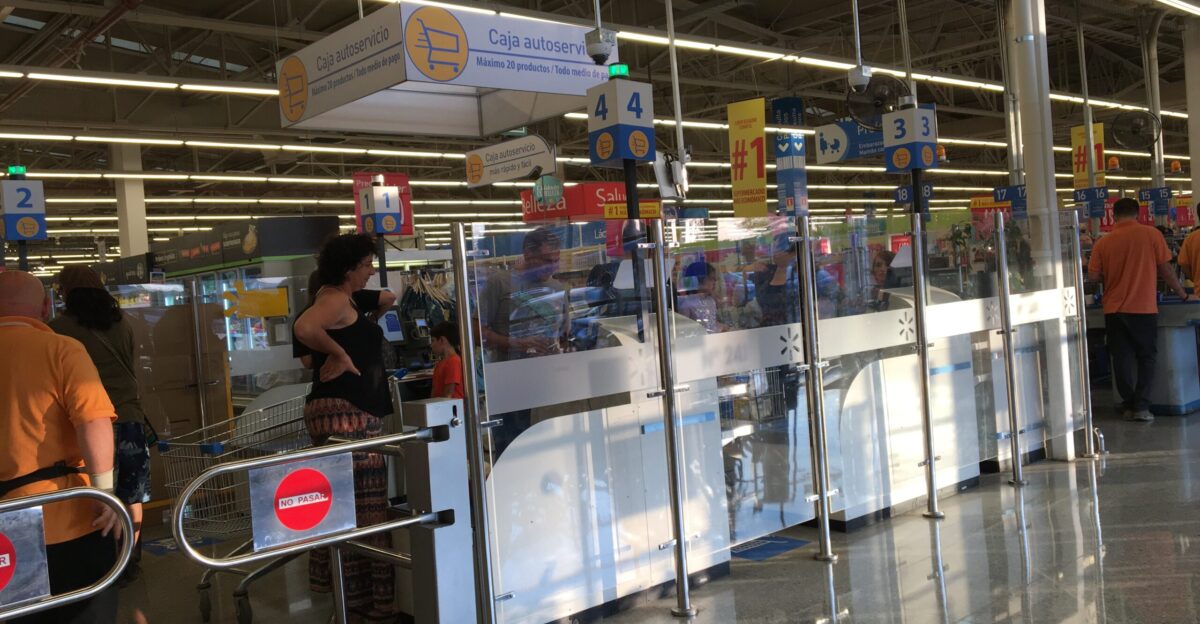
The enforcement of self-checkout policies can have legal consequences, particularly in states with strict theft laws.
In Florida, minor thefts at retailers like Walmart can lead to criminal charges and court fees. The design and policing of self-checkout lanes can therefore have significant implications for those caught in the justice system, especially in cases of under-scanning or accidental theft.
Culture Shift
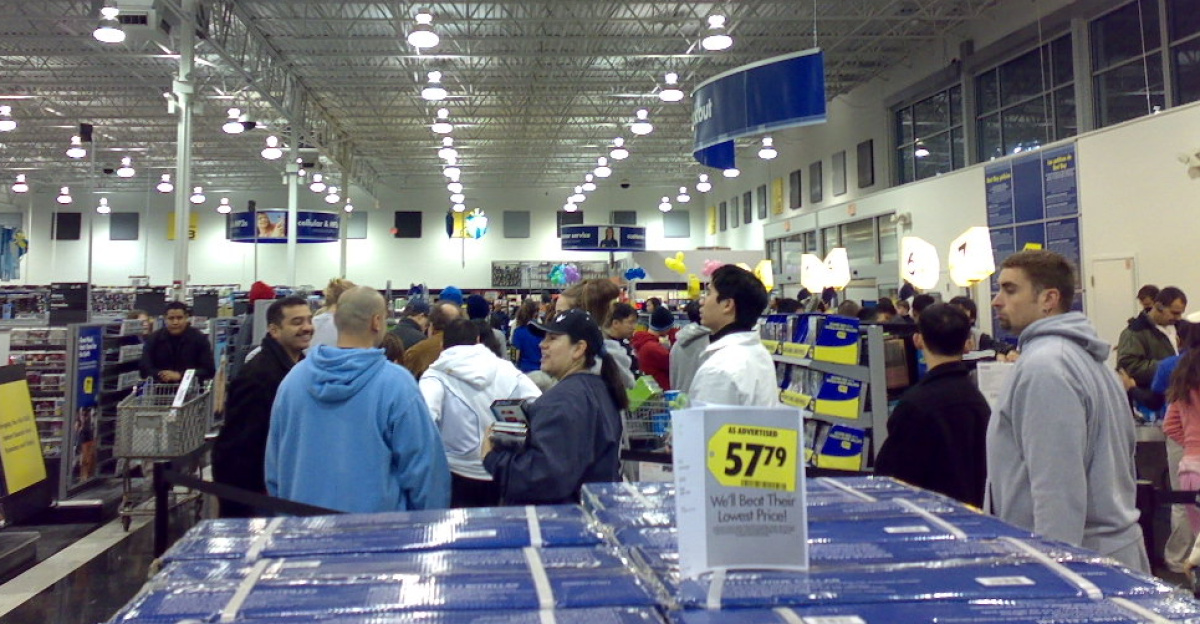
Self-checkout systems have blurred the line between routine shopping and potential theft. While some see kiosks as an impersonal, frustrating option, others view them as an opportunity to “steal” from a faceless machine.
Shrewsbury’s reversal suggests that human cashiers may have a unique ability to discourage theft, reinforcing social cues that technology alone cannot provide.
Bigger Meaning
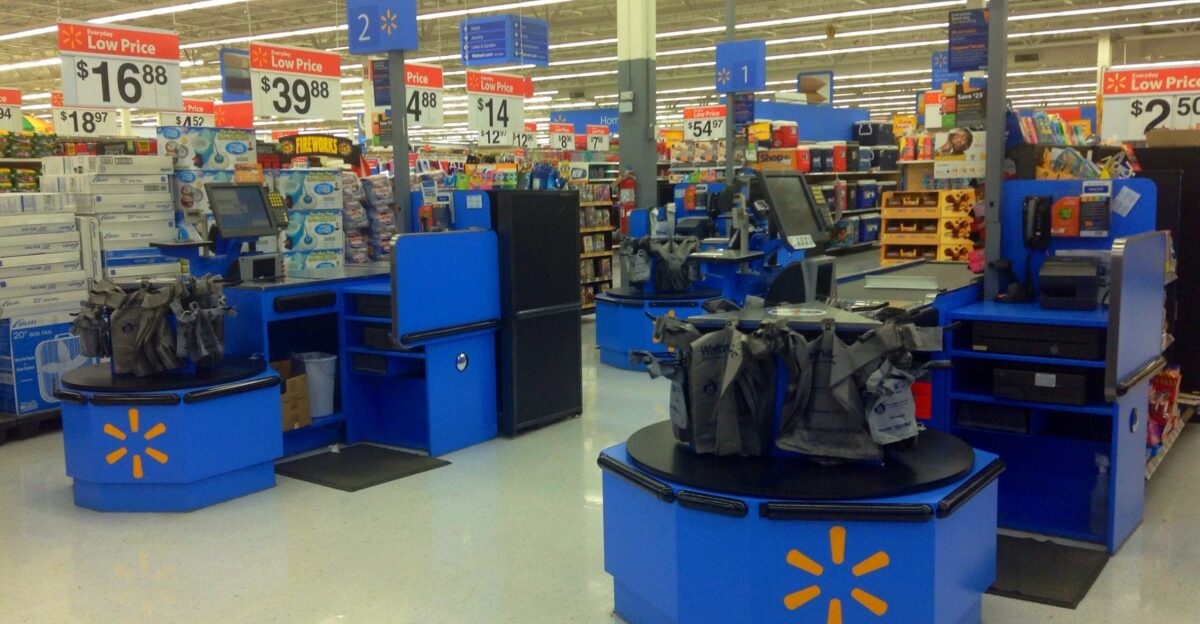
The Shrewsbury Walmart’s 64% reduction in crime following the removal of self-checkout illustrates a broader question about the future of retail. As theft losses rise and communities push back, retailers like Walmart may need to rethink what “efficiency” means.
It’s not just about speeding up checkout lines, but also about balancing technology, labor, security, and community impact.
Sources:
KSDK / 5 On Your Side (NBC St. Louis Affiliate)
CNBC Report: “Walmart CEO says shoplifting could lead to price jumps, store closures” (December 6, 2022)
The Tampa Bay Times Investigation: “Walmart’s Police State” (2016)
University of Leicester, Department of Criminology (Professor Adrian Beck)
LendingTree Consumer Survey: “Self-Checkout Users Think It Makes Stealing Easier” (November 2023)
Business Insider / CNN Business Reports on Dollar General (May/June 2024)