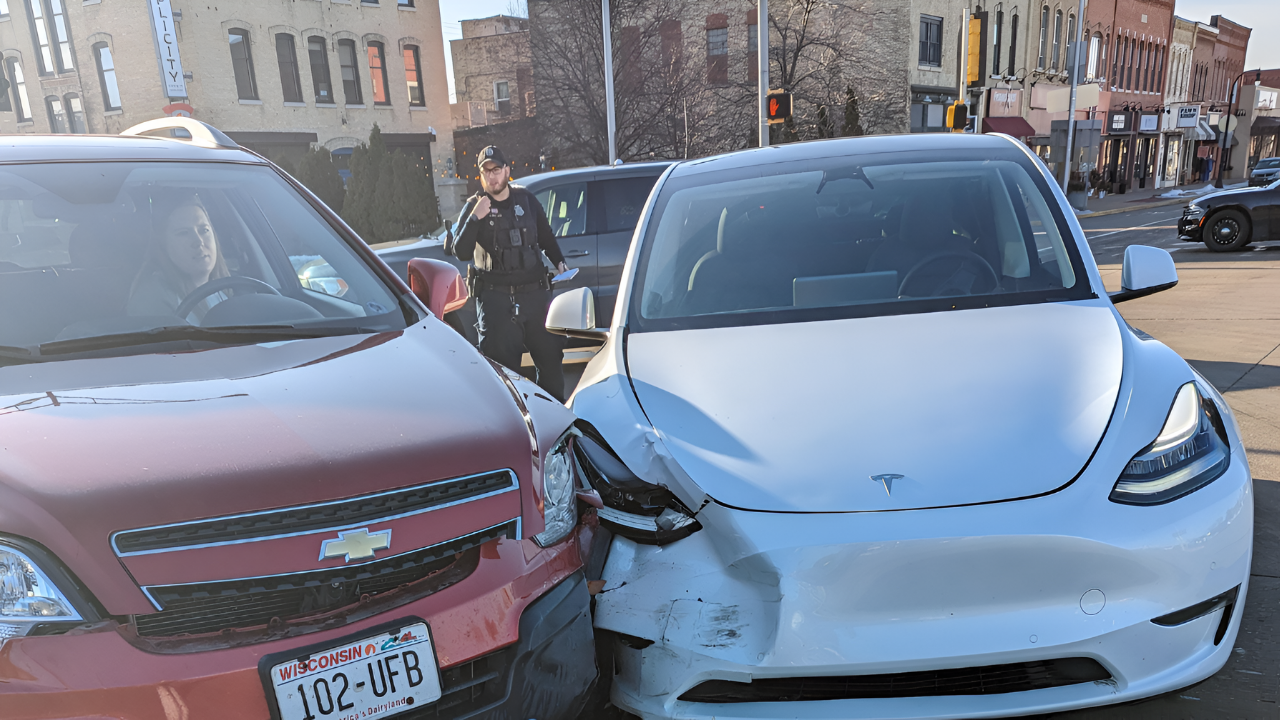
Your insurance company might already be making decisions that could leave you stranded at renewal. In 2025, major carriers like GEICO, State Farm, and Progressive have quietly blacklisted 6 vehicles—some because repairs top $50,000, others because theft or driver behavior makes them liabilities. From family SUVs to $250,000 supercars, the impact spans the spectrum.
We uncovered every blacklisted model, why insurers are terrified, and what it means if you own one.
The Insurance Crisis Nobody Saw Coming
Insurance companies quietly began limiting coverage on specific vehicles in 2025. This isn’t only about crash safety—repair costs, theft trends, and risky driver behavior are key concerns.
Some models are dropped entirely. Others face premiums that doubled or tripled. The common thread? Each costs insurers massive payouts when accidents occur. The next slide shows how social media made certain cars irresistible to thieves.
When One TikTok Challenge Broke an Entire Car Brand
The ‘Kia Boyz’ challenge started in Milwaukee in 2021, teaching teenagers how to steal certain Kia and Hyundai models with simple tools.
What began as a viral dare exploded into a nationwide theft problem. By 2025, insurability damage remains permanent, even after improved security. However, luxury and electric vehicles present an entirely different insurance nightmare.
The Stainless Steel Problem Nobody Expected
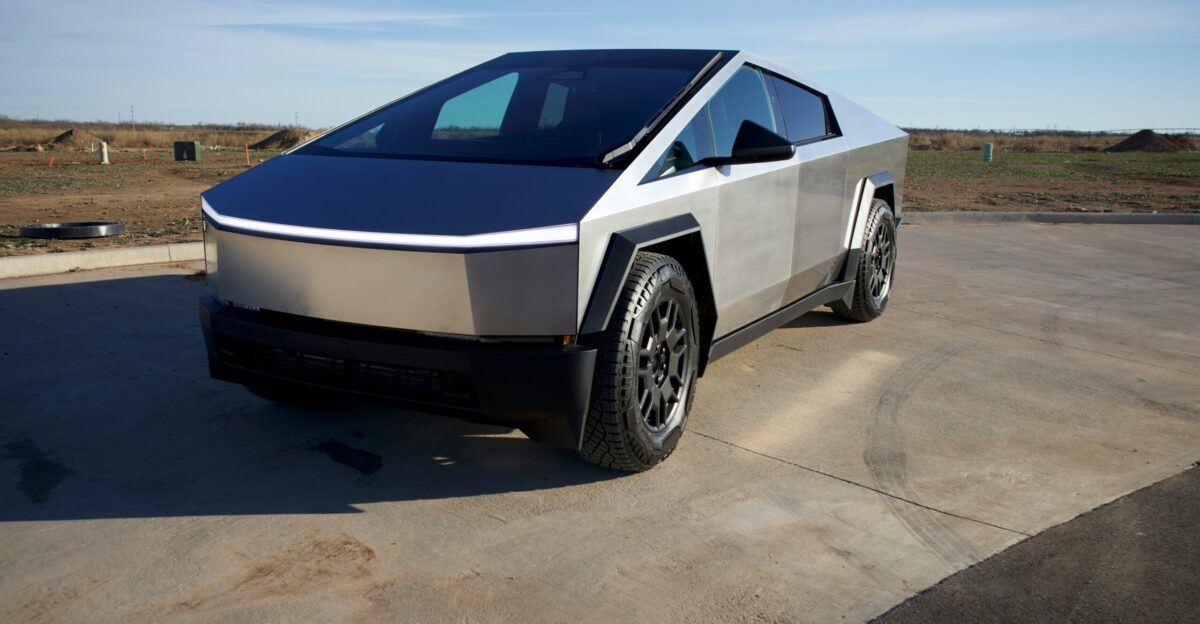
Tesla’s Cybertruck promised innovation but delivered insurance headaches. Its stainless steel exoskeleton requires Tesla’s proprietary repair equipment, turning minor fender benders into $50,000 claims.
GEICO dropped coverage in 2024. Other insurers are quietly following. With starting prices at $80,000, repair economics have become untenable. Yet new state insurance laws are making matters worse for all drivers.
California Just Changed the Game for All Drivers
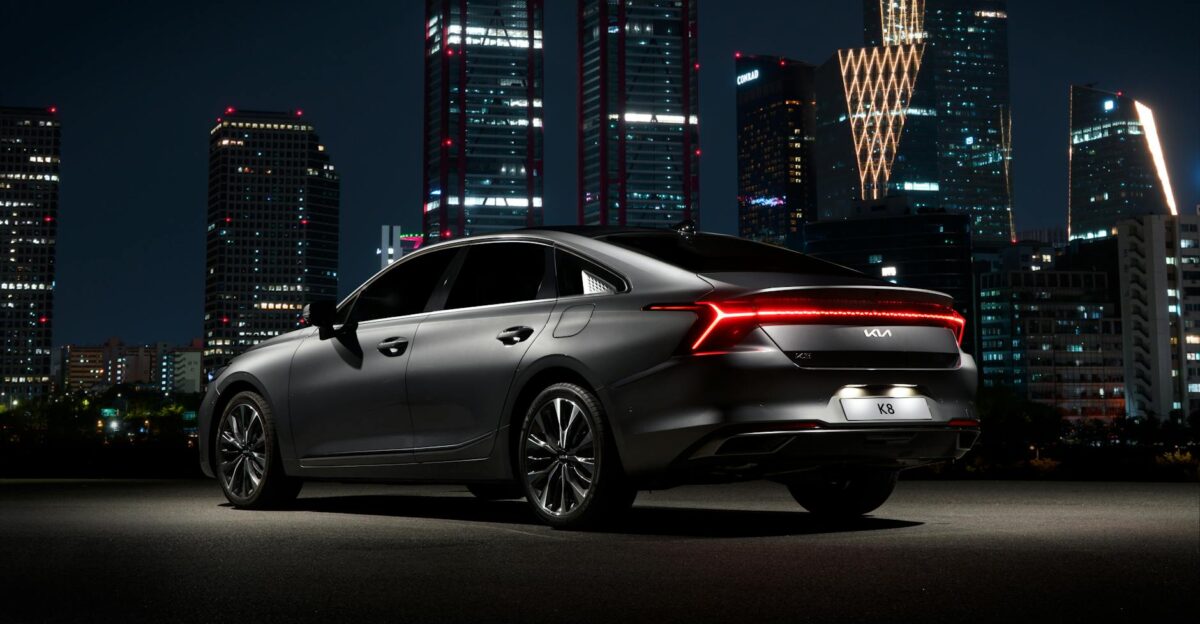
SB 1107, effective January 1, 2025, updated California’s minimum auto insurance for the first time in 50 years. Liability limits increased, forcing drivers to carry more coverage.
This compounds the crisis. Vehicles already facing restrictions now demand higher premiums, spreading ripples beyond California. With that in mind, six cars are now at the center of the storm.
Six Cars. Ten Models. One Growing Crisis
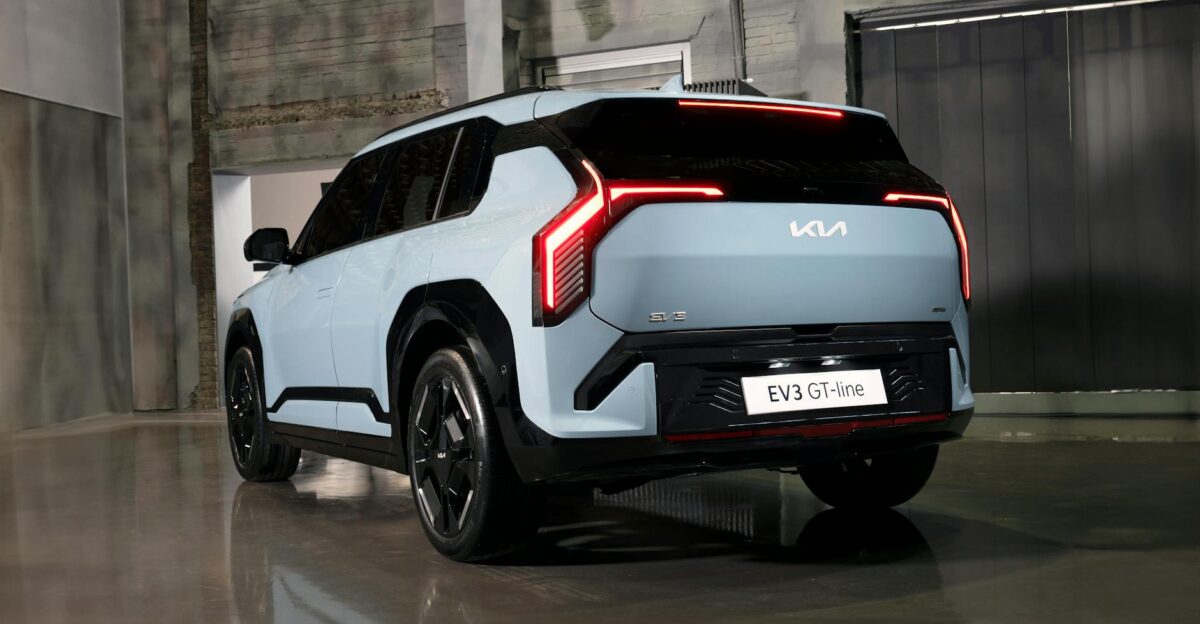
Insurers use terms like ‘difficult-to-insure,’ ‘high-risk,’ or ‘ineligible.’ Translation: coverage may be unavailable or cost three times more than last year.
The culprits fall into clear groups. Some are expensive to fix. Others attract risky drivers. A few are statistically too hazardous. Let’s examine the first of the six primary vehicles affected.
#1: Tesla Cybertruck
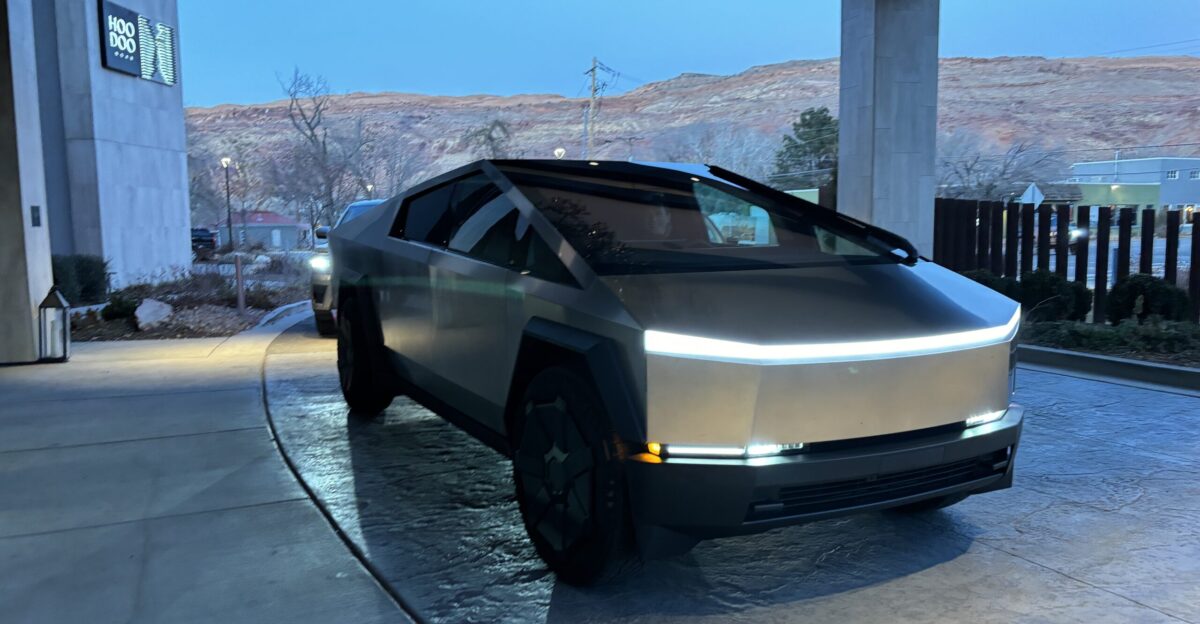
The Cybertruck’s stainless steel body is durable but insurance-unfriendly. Minor collisions cost $50,000+ because only Tesla can repair them. Regular shops cannot work on it.
GEICO dropped coverage. Progressive and State Farm are tightening restrictions. Owners face financial catastrophe after any accident. However, high-performance vehicles introduce another layer of risk for insurers.
#2: Dodge Charger Hellcat
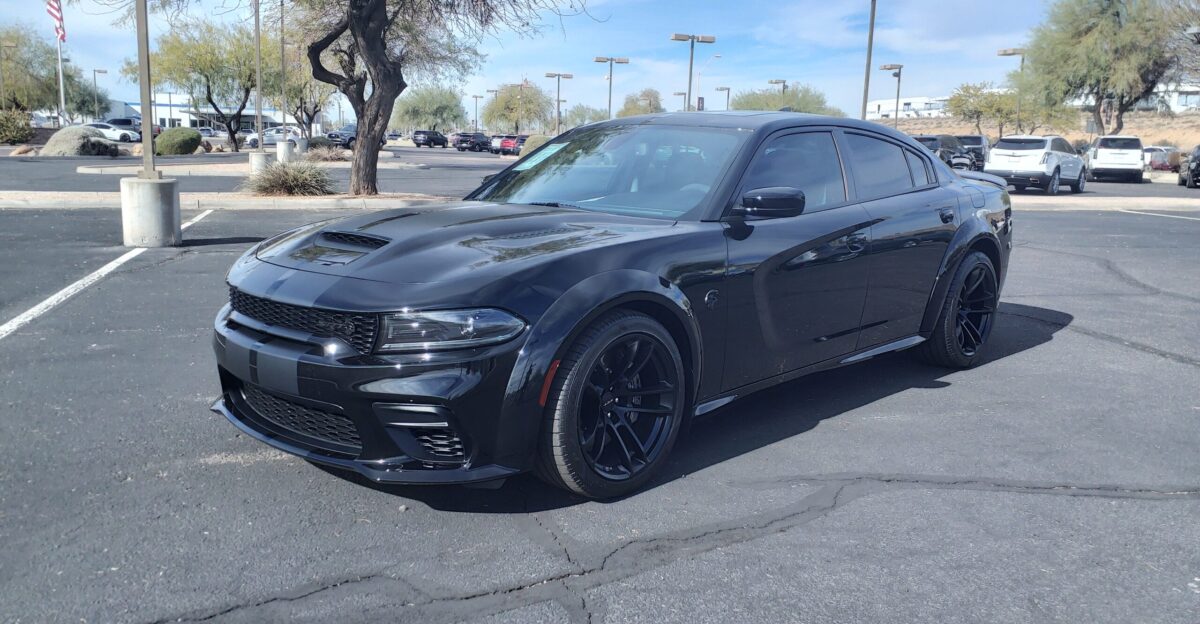
Zero to 60 in 3 seconds, 797 horsepower. The Charger Hellcat attracts young, aggressive drivers prone to accidents.
Crash rates are high. Some insurers have dropped coverage in multiple states. Premiums for others range $3,000–$5,000 annually. Next, viral theft challenges make certain SUVs equally dangerous to insure.
#3: Kia Sportage
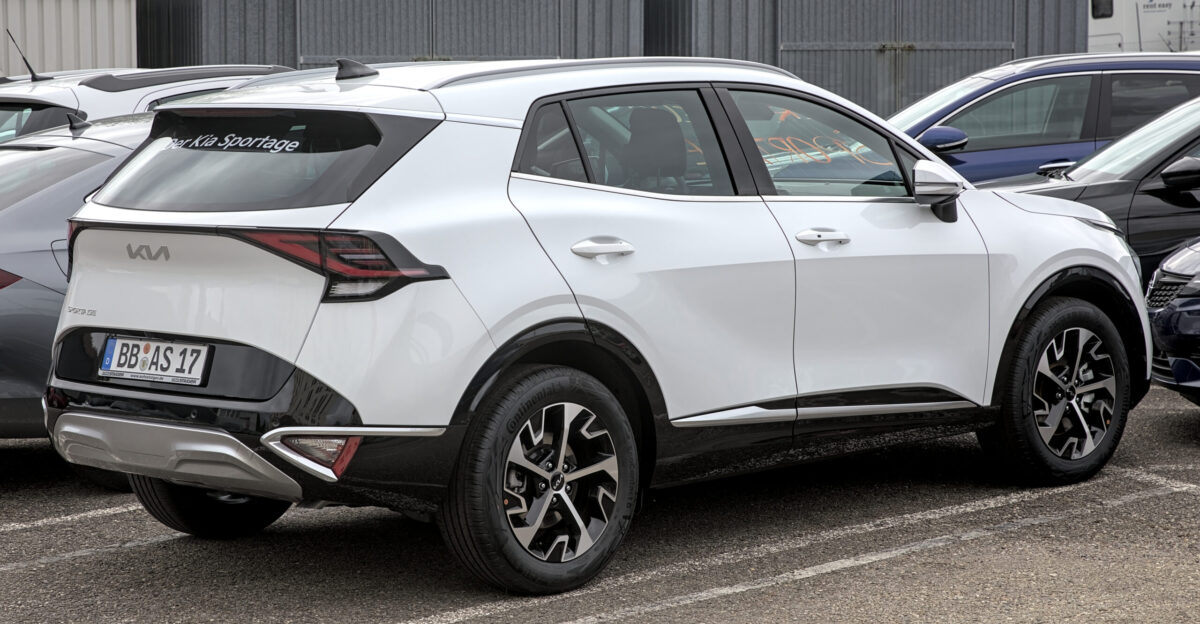
The Kia Boyz challenge made Sportages irresistible to thieves. Even with improved security, theft rates remain elevated.
State Farm dropped dozens of Kia and Hyundai models. Remaining policies carry steep premiums. Owners aren’t at fault, but social media’s impact lingers. Electric vehicles face entirely different financial risks.
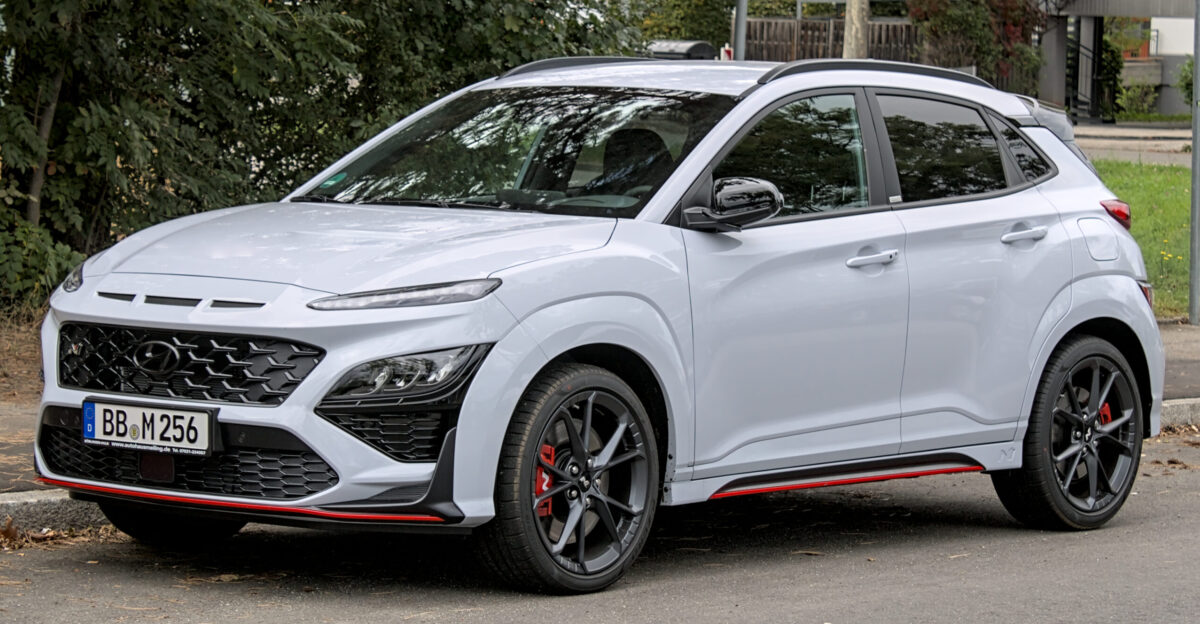
#4: Hyundai Kona Electric
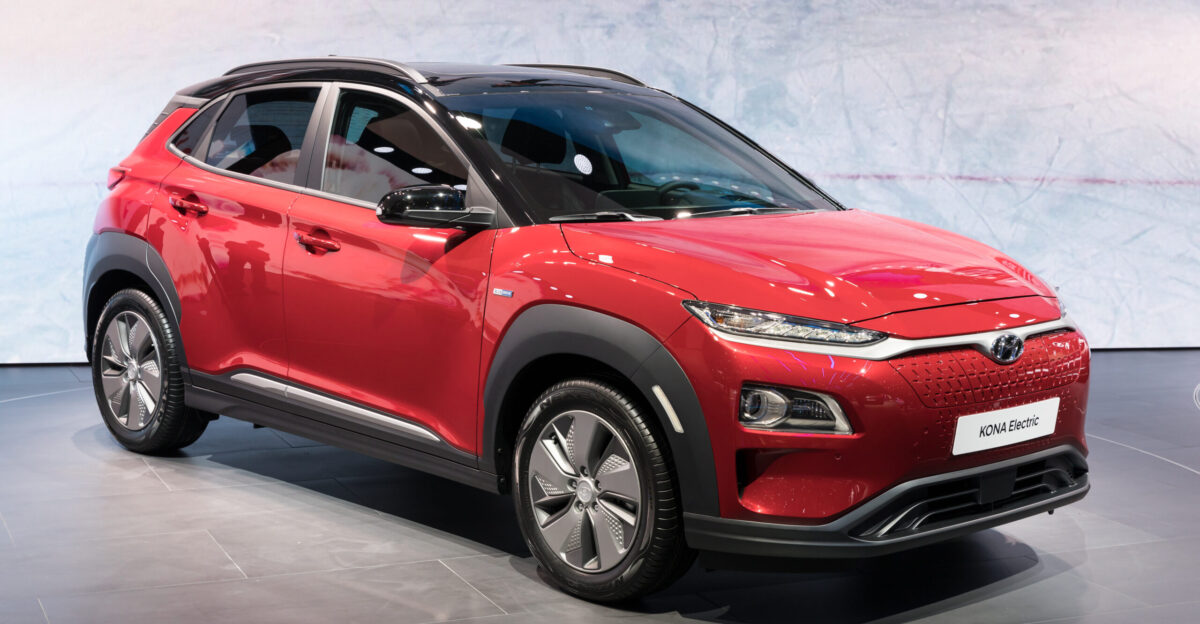
Kona Electric battery packs cost $15,000–$25,000 to replace after minor crashes, turning small accidents into total-loss claims.
Insurers avoid risk. Premiums reflect the high repair costs. What seems affordable for drivers becomes expensive when insurance enters the picture. Next, classic performance cars create another type of hazard.
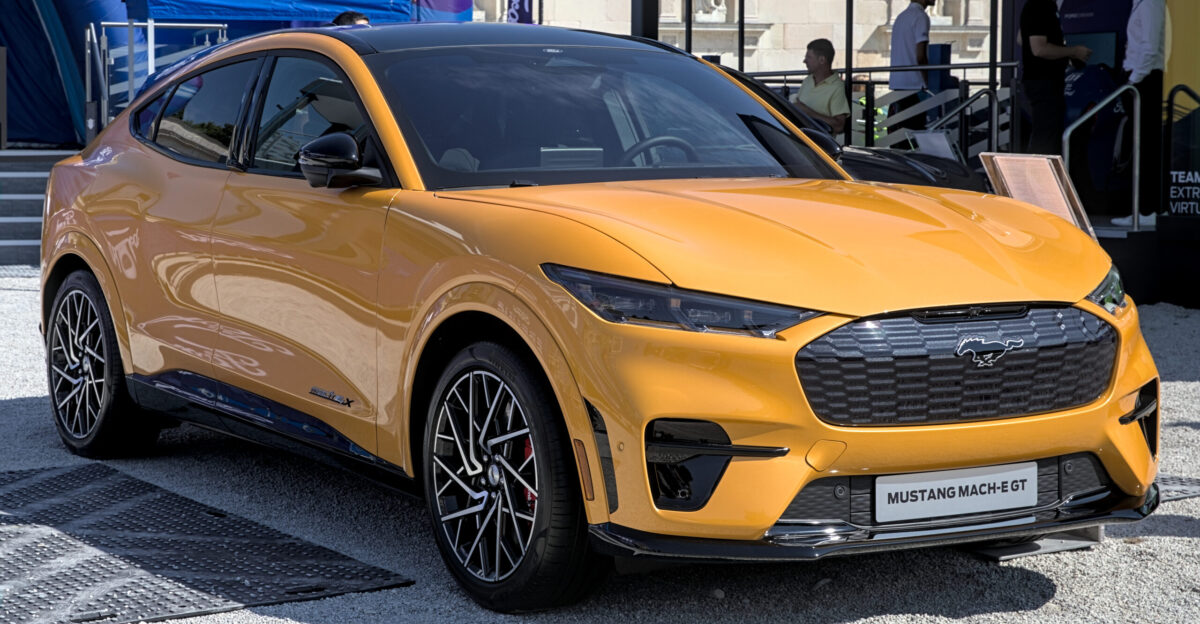
#5: Ford Mustang GT
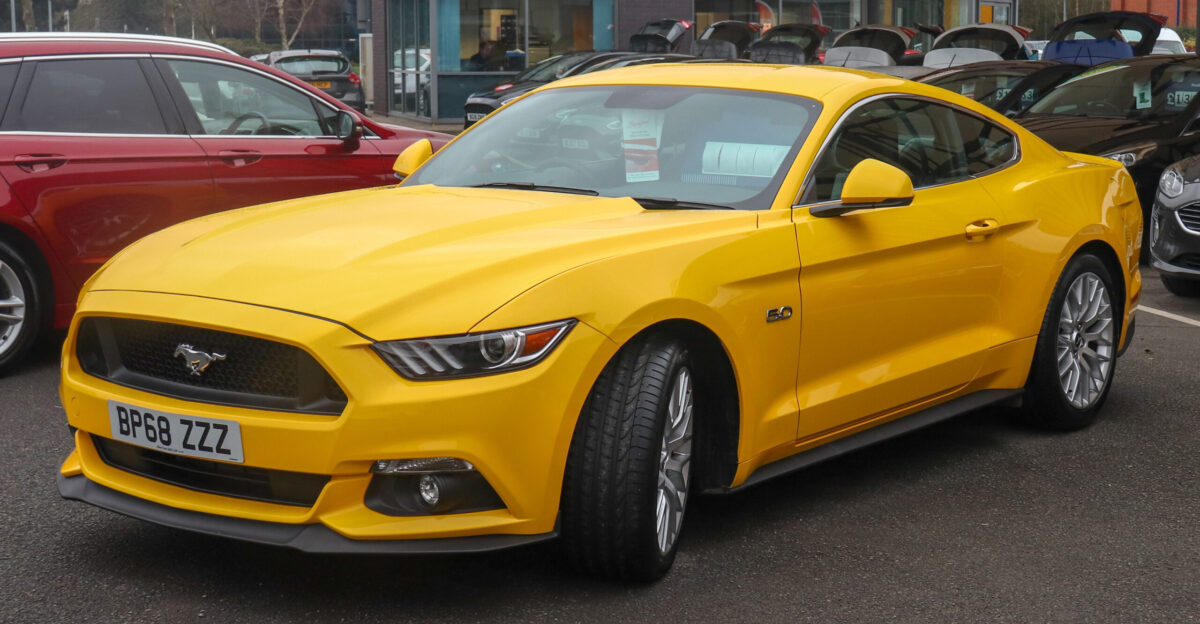
Mustang GT drivers repeatedly lose control in parking lots, hitting spectators. Memes reflect real-world incidents.
Rear-wheel power and aggressive driving lead to frequent claims. Insurance data confirms higher risk. Performance and behavior combined make Mustangs statistically challenging for insurers. Yet some sedans surprisingly generate more claims.
#6: Nissan Altima
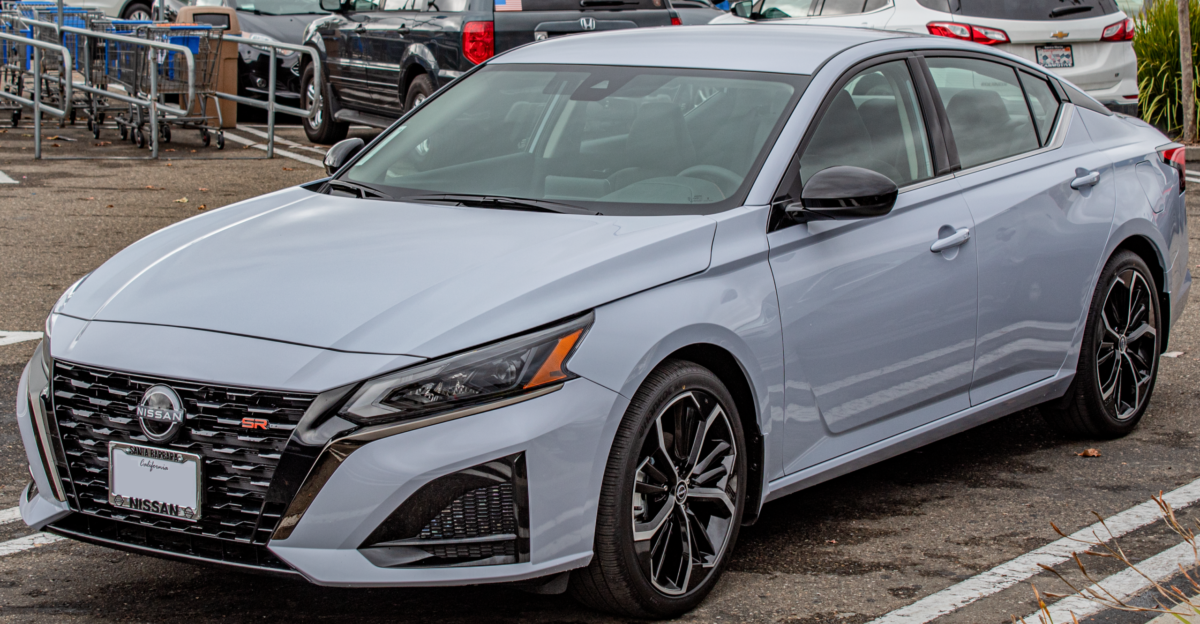
The humble Altima terrifies insurers due to data linking drivers to reckless behavior and high claim rates.
A $28,000 base price masks high insurance risk. Drivers file more claims and traffic violations. What seems low-risk can actually cost insurers millions. But supercars and luxury SUVs carry even larger financial stakes.
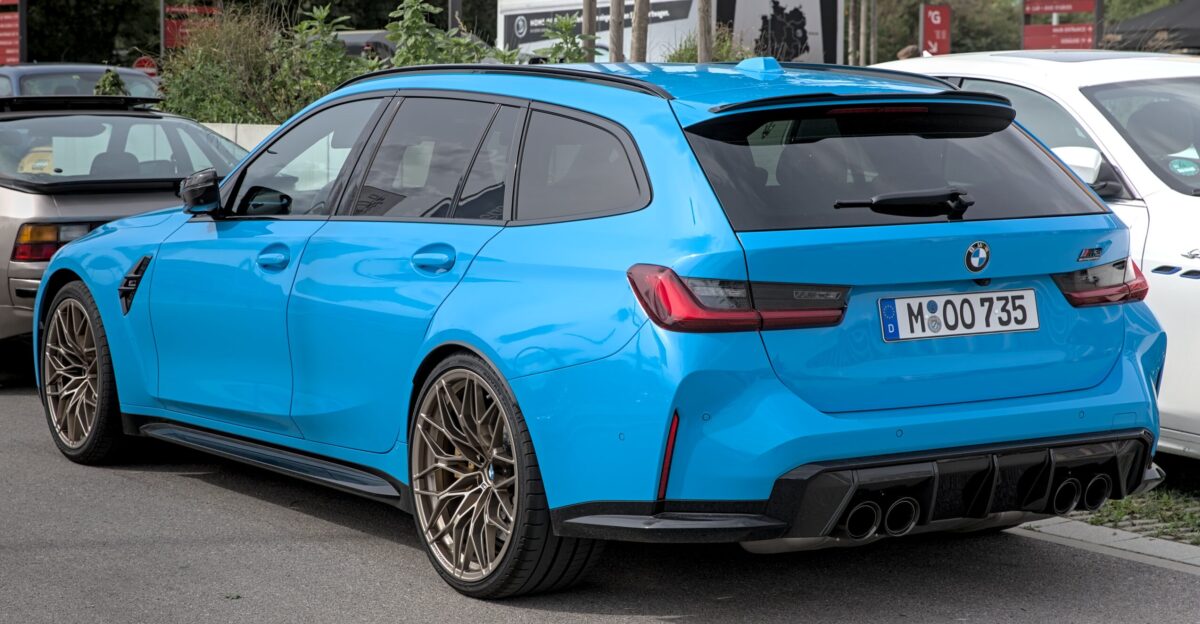
Also Blacklisted: BMW M3
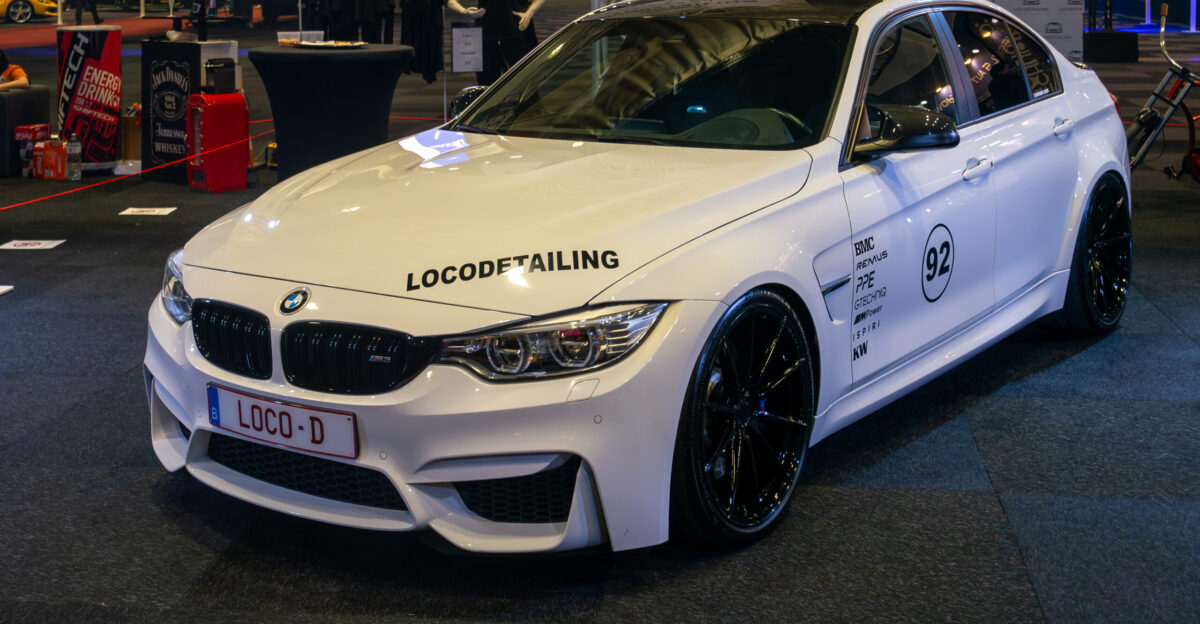
The BMW M3 delivers supercar power at $75,000. Young, inexperienced drivers often underestimate performance.
M-division parts cost more than standard BMWs. Accidents are expensive. Insurers now actively restrict M3 policies. Meanwhile, enthusiasts draw attention to other sporty vehicles that insurers dread.
Also Blacklisted: Subaru WRX
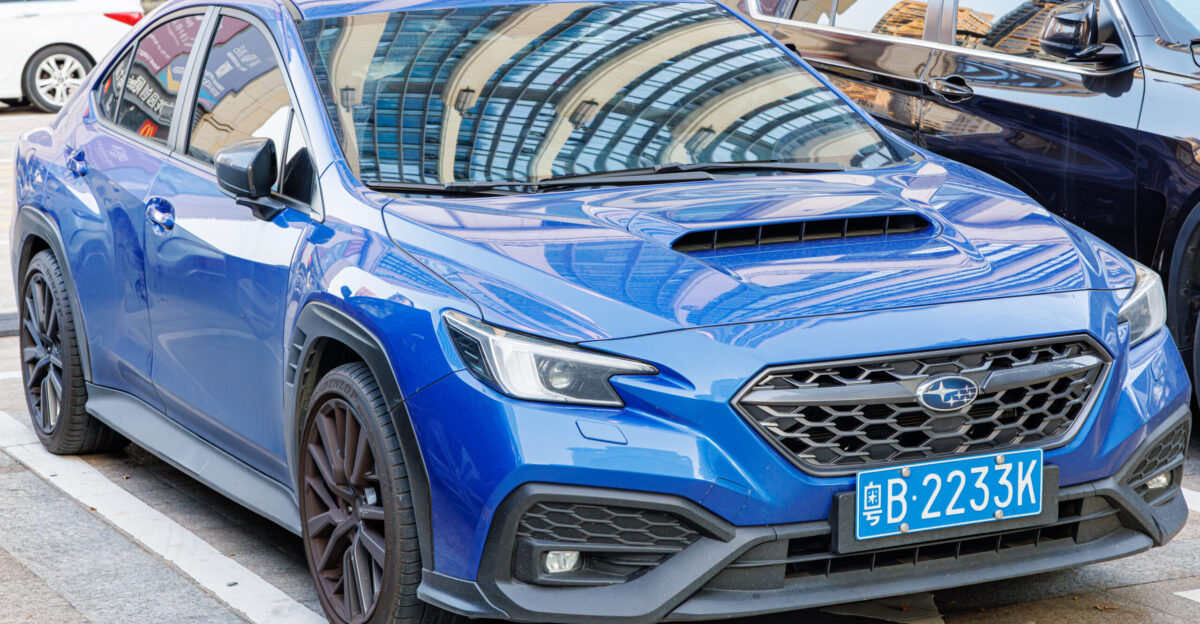
WRX owners frequently modify engines, suspension, and turbochargers. Insurers hate modified cars—they’re unpredictable and costly.
Rally-inspired performance encourages aggressive driving. Younger owners dominate this segment. The combination of modifications and behavior drives insurability concerns. Yet mid-engine performance cars may pose even greater danger.
Also Blacklisted: Chevrolet Corvette
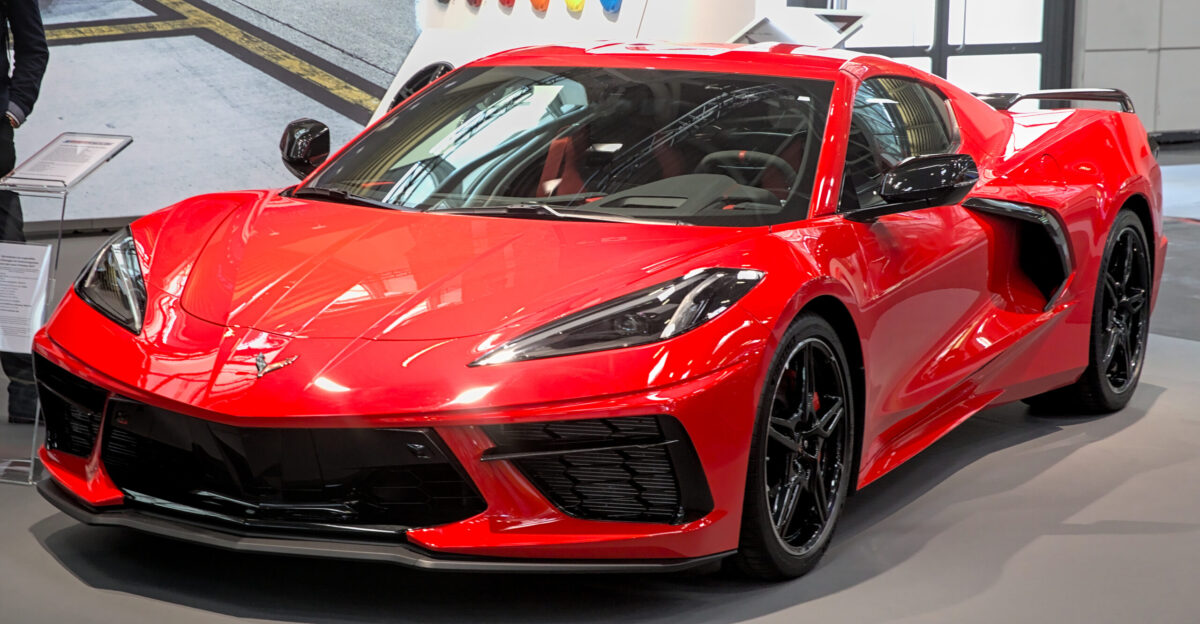
The Corvette delivers supercar handling at $70,000, tempting drivers expecting economy-car experience.
Inexperienced drivers struggle with mid-engine dynamics, causing accidents. Repair costs are high, and insurers increasingly restrict coverage. Exotic SUVs now face similar extreme underwriting scrutiny.
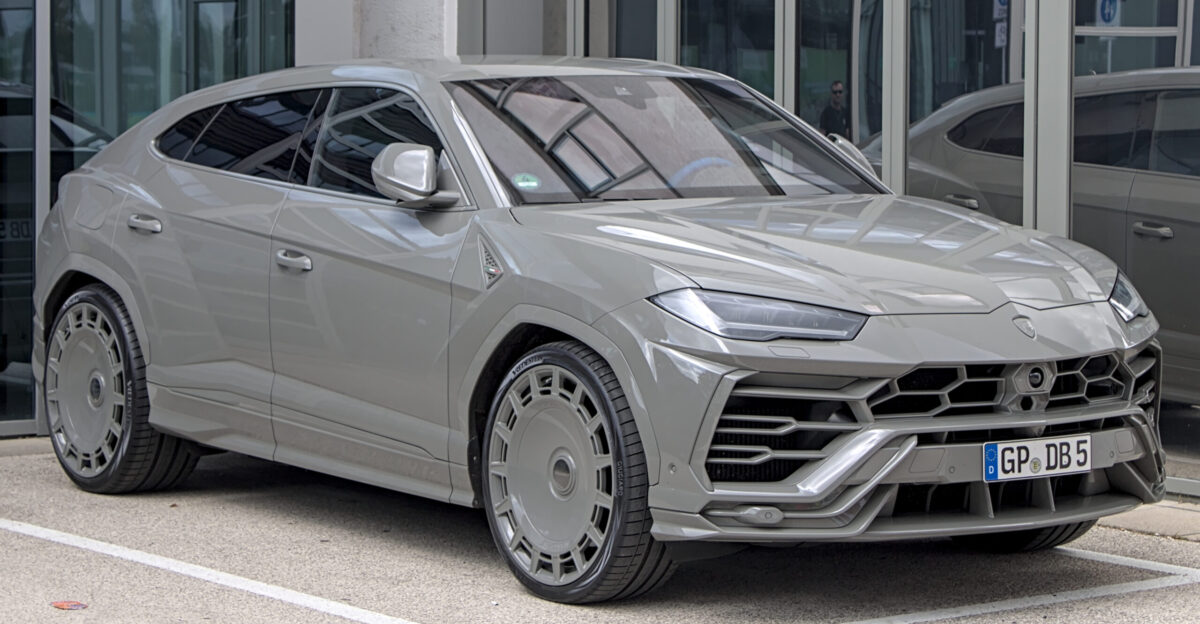
Also Blacklisted: Lamborghini Urus
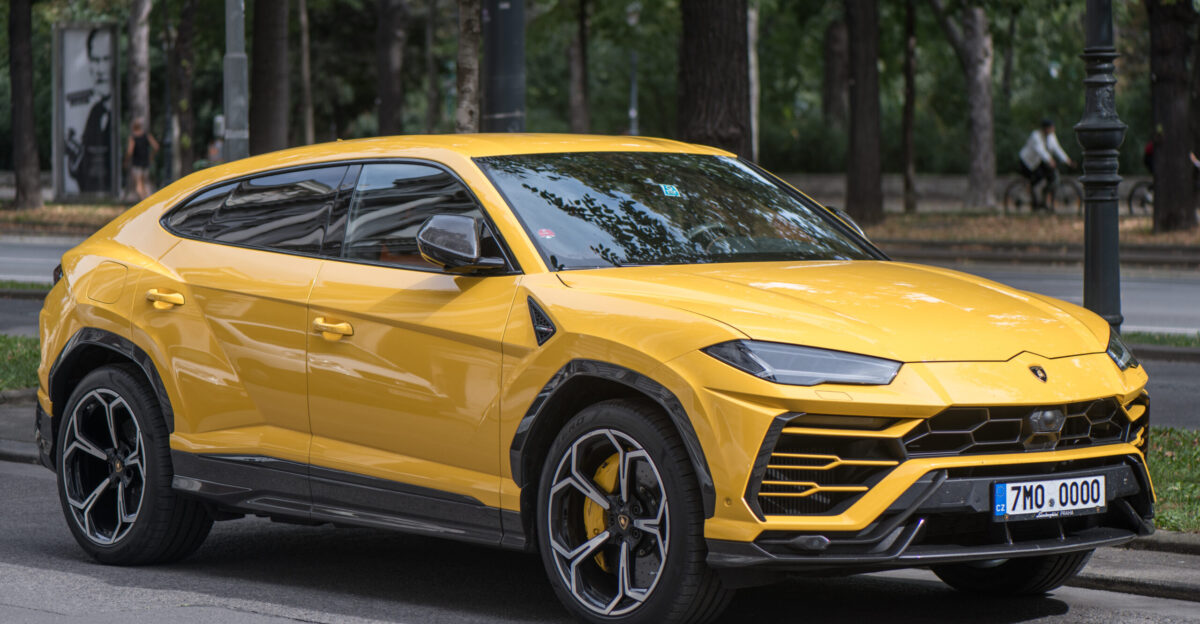
The Urus combines a twin-turbo V8, carbon fiber panels, and owner demographics that create insurance risk.
Repairs often reach six figures. Policies undergo extreme underwriting. Exclusive yet not rare, the Urus sits in an awkward insurance category. As coverage limits tighten, all owners must understand the financial consequences.
What This Means for Your Next Policy Renewal
Owners face sticker shock. Premiums rise, availability drops, and some insurers refuse new policies.
Shop early and compare quotes. Your vehicle’s reputation now directly affects coverage. Vehicles once routine to insure are becoming prohibitively expensive.
The Bigger Picture: Why 2025 Is the Inflection Point
Affordable EVs now sit alongside performance cars on restriction lists. Kia Boyz theft damage is permanent. Cybertruck production challenges force insurers to adapt.
California’s SB 1107 increased minimum coverage. Gradual trends accelerate into wide-reaching restrictions. Understanding the systemic shift helps drivers prepare for ongoing insurance challenges.
What’s Next? The Insurance Industry’s Quiet Reckoning
Insurers cautiously label cars ‘difficult-to-insure’ instead of blacklisting. Yet coverage is restricted and premiums spike.
Expect more vehicles to face restrictions. EV battery replacement costs will climb. Performance cars will attract scrutiny. The market is shifting from individual risk adjustments to category-wide underwriting decisions. The conclusion shows what every owner must do now.
The Bottom Line: Check Your Coverage Before It’s Too Late
Your car may be uninsurable next month. Insurers act quietly, leaving owners surprised at renewal.
The time to act is now: verify your vehicle’s status, shop coverage early, and talk to agents. This crisis is real, accelerating, and may already be affecting you.
Sources:
Edmunds Automotive Report: Tesla Cybertruck Repair Cost Analysis (May 2025)
State Farm/Progressive Insurance Coverage Updates (2023-2025)
National Insurance Crime Bureau (NICB) Kia/Hyundai Theft Statistics (2021-2025)
GEICO Coverage Restriction Announcements (2024-2025)
California Department of Insurance – SB 1107 Implementation (January 2025)
Insurance Institute for Highway Safety (IIHS) Vehicle Risk Assessment Data (2025)