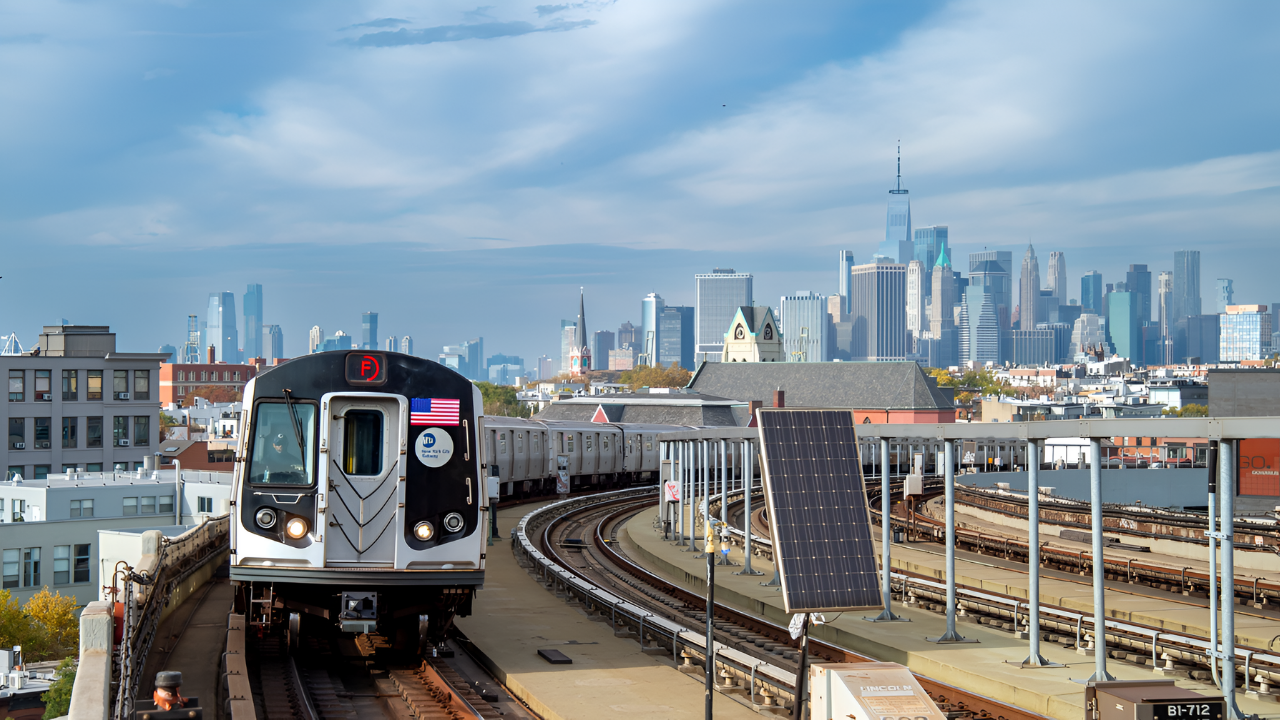
On January 4, 2026, the New York City subway will cross into uncharted territory: a $3 base fare. That’s a dime more than today, but it represents something bigger—roughly the 20th fare increase since the MTA began, and the second shock in just two years after the 2023 jump from $2.75.
For anyone making a round-trip commute five days a week, do the math: $52 extra a year, straight out of your pocket. The MTA Board approved this 11-0 on September 30, with two abstentions. What that vote really means: nobody thinks they can stop the tide anymore.
Editor’s Note: This article has been corrected. The original version incorrectly referred to the January 4, 2026 fare increase in past tense, when as of the publication date (December 10, 2025), this event has not yet occurred. The text has been updated to reflect that this is an upcoming change. Additionally, the MTA Board vote date has been corrected from September 29 to September 30, 2025.
5.5 Million Riders Wake Up to Sticker Shock
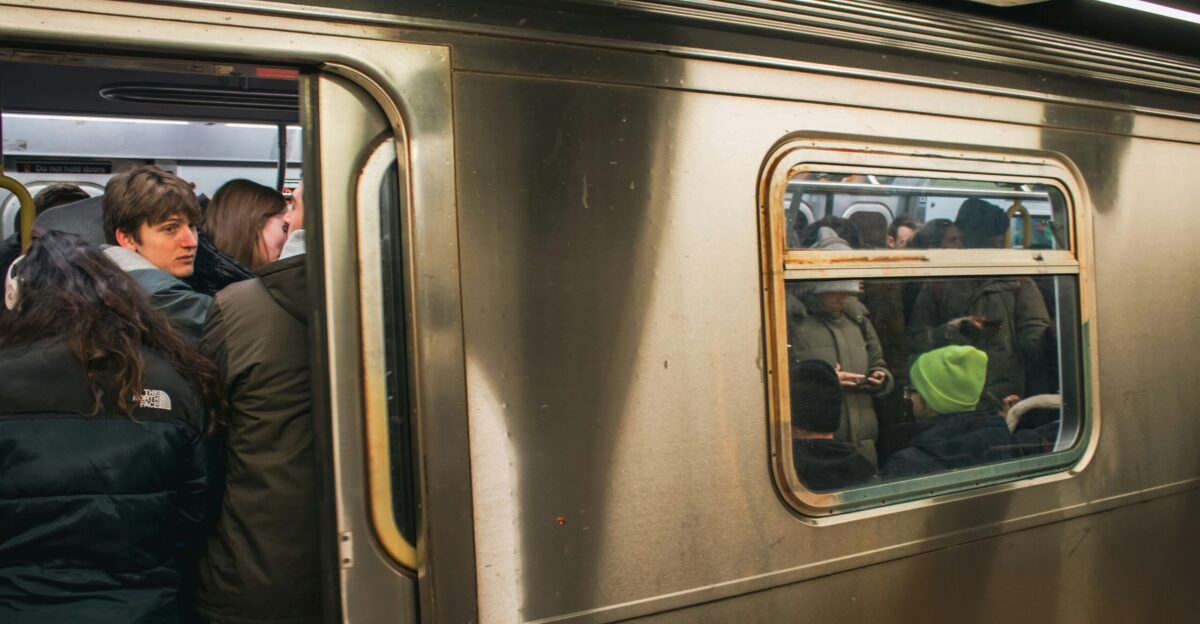
Picture this: 5.5 million New Yorkers tapping their cards today. Office workers. Students. Parents. Service employees. All of them just watched their daily commute get more expensive. Express buses jump 25 cents to $7.25. Single-ride tickets increase by 25 cents to $3.50. Even reduced fares—the lifeline for seniors and people with disabilities—climb from $1.45 to $1.50.
The psychological barrier that’s been broken? That $3 subway ride that seemed impossible five years ago. It’s here now. It’s your new reality. And yes, it stings.
The Silver Lining
Before you rage-quit reading, here’s the part that matters. Tap your card 12 times in seven days, and you’re done—ride free the rest of the week. Automatically. No pre-purchase, no surprises, no standing in line. The cap is $35 for the subway and local bus; reduced-fare riders have a cap of $17.50. Express bus riders? $67 weekly.
This is the MTA’s answer to affordability, and it’s actually smart: heavy commuters stop bleeding money. The OMNY tap-and-pay system does the math for you. Tap, and the system protects you.
Tolls Just Jumped 7.5%
Here’s where it gets messy. While subway riders face a 3.4% overall increase, drivers crossing MTA bridges and tunnels were hit with a 7.5% increase. That’s a sharp disparity, and it raises a sharp question: are drivers subsidizing the subway, or is the MTA double-dipping? The politics here matter.
The MTA’s nearly $20 billion annual operating budget is buckling under inflation and aging infrastructure—every revenue stream counts. The toll hike feels like another tax on people already paying congestion pricing just months ago.
Suburban Commuters Get Hammered
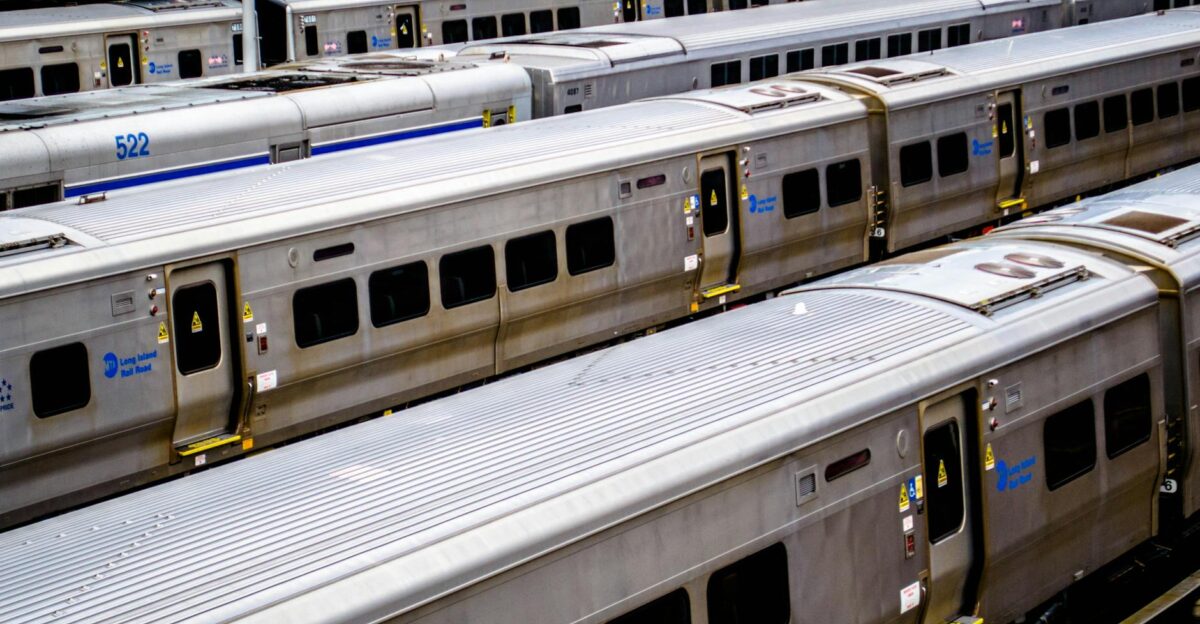
If you live on Long Island or in Westchester, January 4 hits different. LIRR and Metro-North passengers face steeper increases than subway riders. Monthly and weekly tickets climb 4.5%—technically still below pre-pandemic prices, the MTA notes carefully.
But other ticket types? They jumped 8%. Peak CityTickets rise from $7 to $7.25. Off-peak from $5 to $5.25. Suburban commuters, already stretched by housing costs, absorb another $50-$ 120 yearly. Then add a new $2 surcharge for buying tickets onboard or through the TrainTime app.
Welcome to the OMNY Era
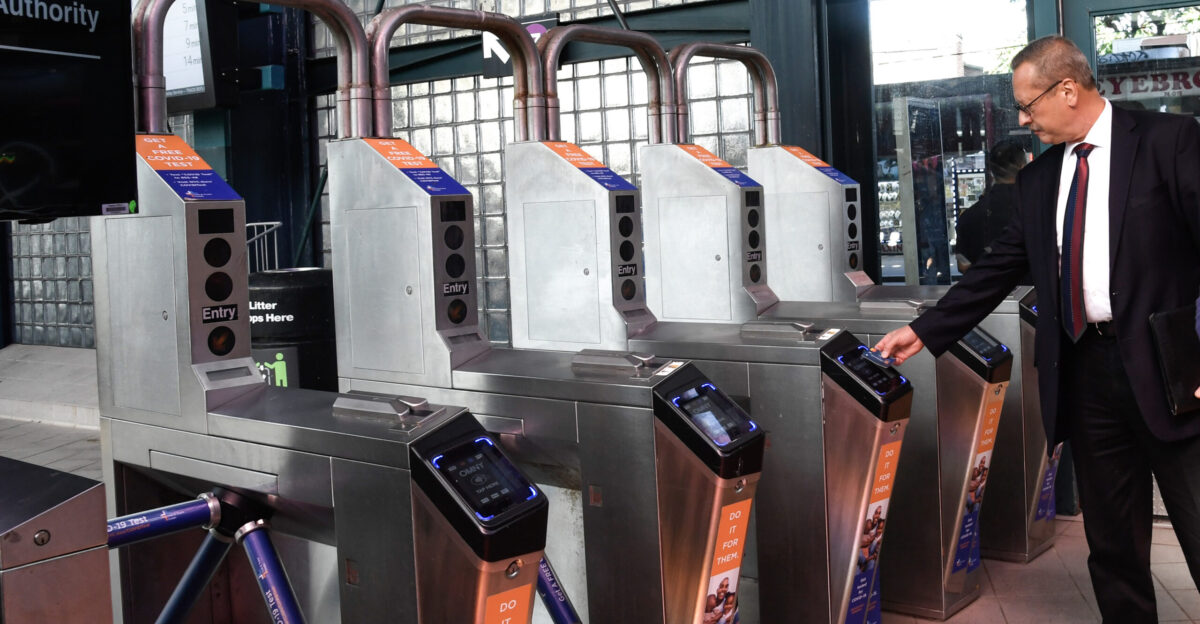
December 31, 2025. That’s the execution date. MetroCards vanish. OMNY tap-and-pay becomes mandatory across every subway, bus, and express bus in the system. Contactless credit cards, debit cards, mobile wallets—they all work instantly. The new standalone OMNY card costs $2, up from $1.
For tech-savvy riders, it’s seamless. For older New Yorkers without smartphones or bank accounts? It’s friction. Chaos.
Families with Kids Just Got a Genuine Break

Here’s the affordability win that actually feels like one. Children aged 5-17 now ride for $1 when traveling with a paying adult—even during peak hours. Parents juggling school runs, weekend trips, and activity shuttles—they finally caught a break.
The policy also extends to LIRR and Metro-North, and up to four children benefit per paying adult. It’s not enough to offset the hike, but it’s something.
These Increases Are Small and Predictable
“Fare and toll changes are small and occur at regular intervals to keep up with inflation and avoid surprising customers with unpredictable or double-digit increases,” was the official statement. MTA Chair Janno Lieber went further, arguing that the increases stay below inflation.
His evidence? Housing costs rose 68% since 2012, but transit costs rose only 16%. He positioned transit as “one of the few things that makes New York affordable.”
Two Hikes in Three Years After a Decade Freeze
Between about 2013 and 2023, fares remained essentially unchanged. A decade-long freeze. Then suddenly: back-to-back increases in 2023 and 2026. That signals a fundamental policy shift. The MTA frames it as inflation-matching and system stabilization.
This acceleration marks the fastest fare-increase cadence in recent history. A decade of stability transformed into biennial hikes. The question: Is this the new normal?
Mayor Adams Said “No”—The Board Said “Yes Anyway”
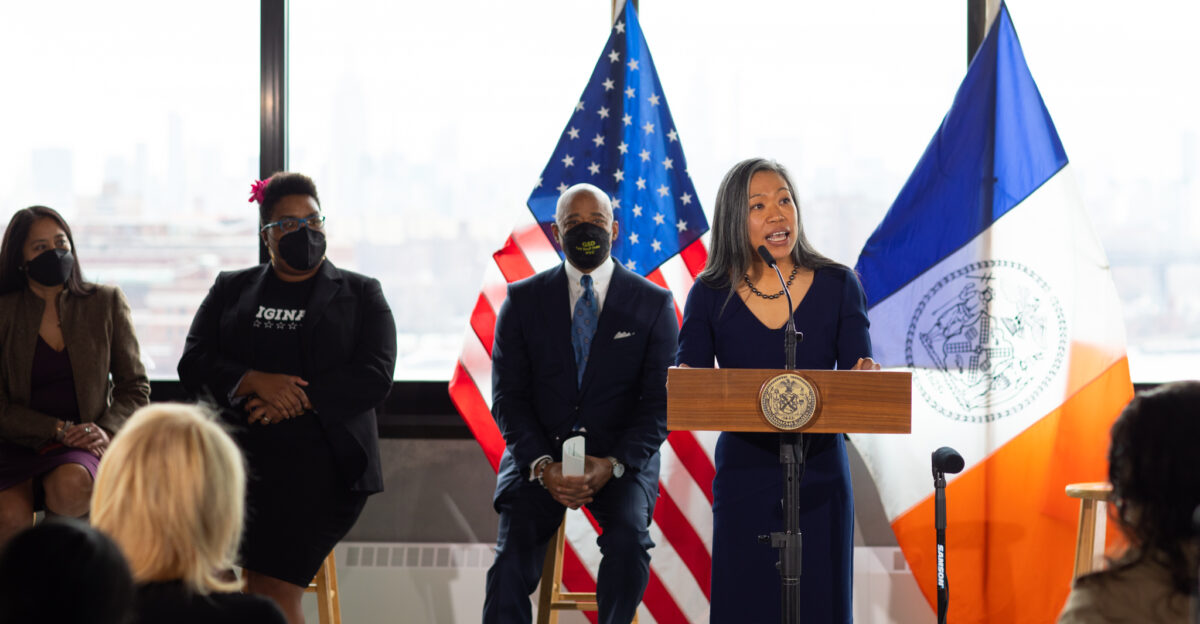
Mayor Eric Adams released a public statement calling the fare hike “offensive to hard-working New Yorkers.” He personally urged board appointees to vote no. The board ignored him entirely. Adams holds four of 23 board seats. Gov. Hochul controls six. The vote came in 11-0 with two abstentions—broad consensus that the increase was unavoidable.
Adams remains publicly committed to fighting for affordability. But this vote exposed his structural powerlessness over MTA fiscal decisions.
The MTA Expects $130-180 Million More Annually
Do the math with the MTA. Assume 3.6-4 million daily riders, 260 weekdays yearly, and that 10-cent base fare hike generates roughly $94-104 million annually. Layer in express bus, commuter rail, and toll increases, plus the $67 weekly express bus cap, and total new revenue could land between $130-180 million.
Sounds big. But the MTA’s $20 billion annual budget means this revenue covers roughly one percent of spending. Meaningful? Yes. Transformative? No. It signals the MTA’s finite tool for self-sufficiency and deepening reliance on state and federal grants.
Service Improvements Justify the Hike
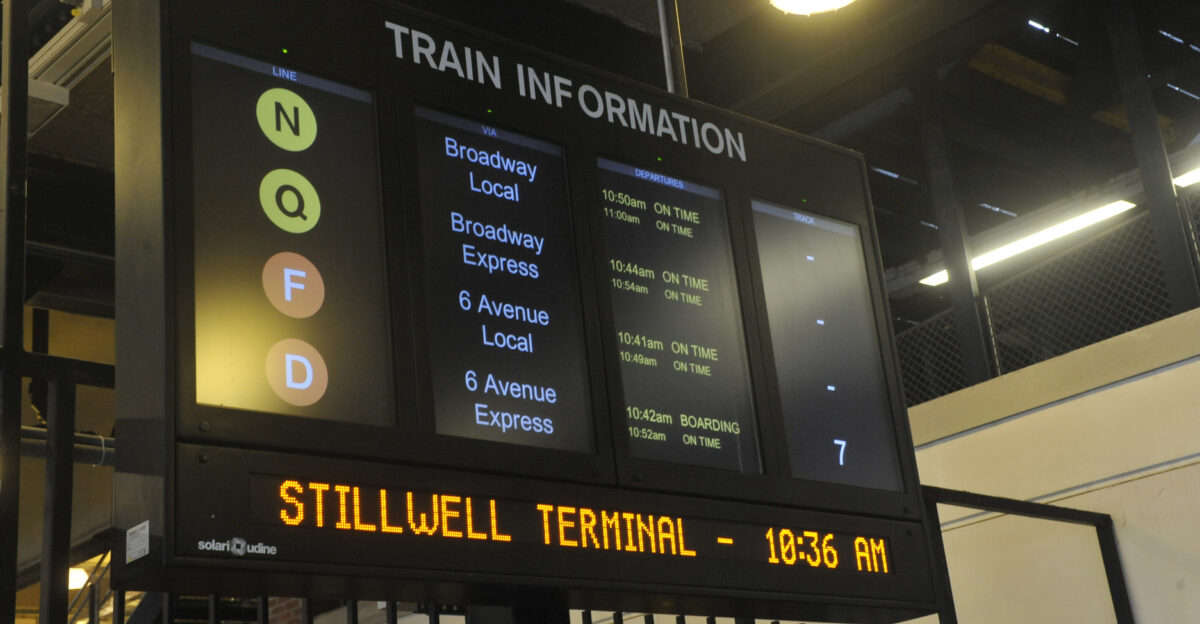
The MTA points to measurable service gains in 2025. Subway on-time performance hit 83.7% in the first half—the best non-pandemic year on record. Weekday delays dropped 11% compared to 2024. Service increased on 23 bus routes. Queens’ bus network is overhauled. Ridership surpassed 106 million rides in June, up 10% year-over-year.
These are real gains. The MTA argues they justify the fare increases. But here’s the tension: many riders still experience delays and crowding daily. The improvements exist in the data. Do they exist on the platform at 8:47 a.m. during rush hour?
Lifelines for Those With the Least
The Fair Fares initiative offers half-price rides to households earning at or below poverty line. It’s crucial for low-income New Yorkers, though advocates push to expand the threshold. Enrollment has grown steadily, reaching hundreds of thousands.
The 7-day fare cap design advantages frequent riders over occasional users, which is mathematically smart but leaves inconsistent riders paying more per ride. Fairness in transit is complicated.
January 4, 2026: The Reset Moment
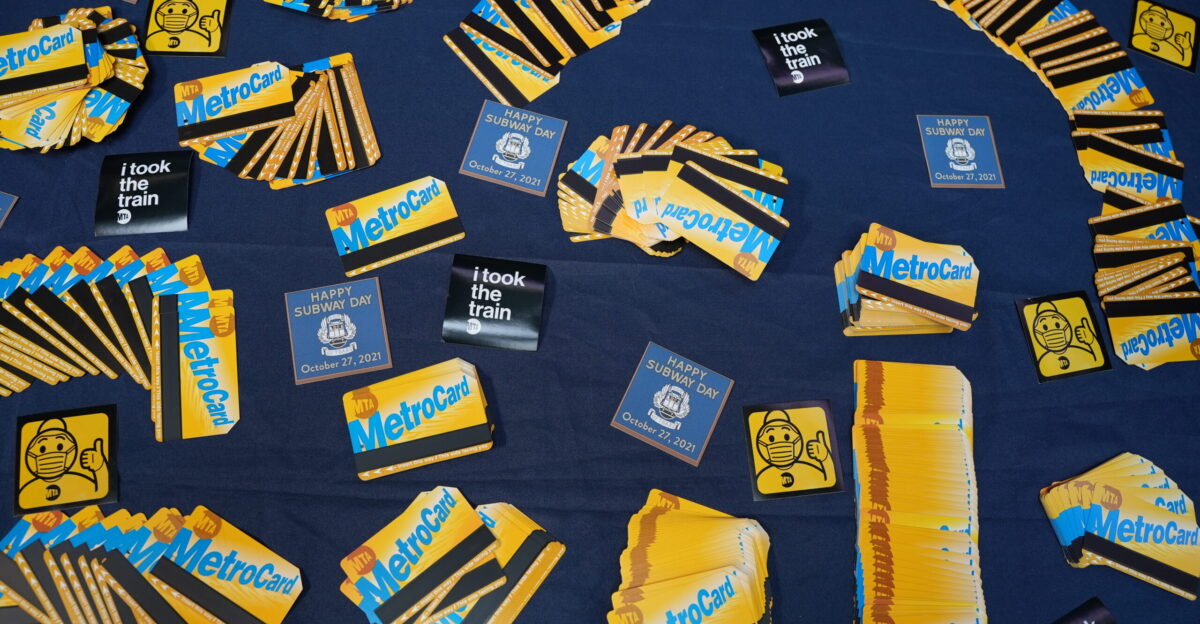
This is the date everything shifts. Historic $3 subway rides. Permanent 7-day fare cap era begins. MetroCard sales cease December 31. Commuter rail surcharges activate. Family fares and mobile discounts go live. The MTA is treating this as a reset moment—consolidating the OMNY rollout, simplifying fare products, rebranding affordability around weekly caps instead of monthly passes.
It’s ambitious. It’s also risky. Riders will closely monitor whether the system actually improves to match the new pricing structure. Trust is the currency here, and the MTA is spending it fast.
Biennial Hikes Are Here to Stay
New York’s transit calculus has shifted fundamentally. Fares are no longer cheap. Biennial hikes appear to be the new normal rather than exception. That $3 fare? Expect another hike in 2028. The question lingering over riders’ shoulders is whether service improvements and affordability programs justify the climb.
The MTA faces relentless pressure from aging infrastructure, labor agreements, and state funding constraints. The next five years will tell you whether this was necessary pain or preventable failure. One thing’s certain: the ride just got more expensive, and New York is watching.
Sources:
Metropolitan Transportation Authority (MTA) Board Meeting Minutes, September 30, 2025
MTA Official Press Release: “2026 Fare and Toll Changes,” December 2025
MTA Chair Janno Lieber Public Statements on Fare Justification, 2025
Mayor Eric Adams Public Statement on Fare Hike Opposition, December 2025
New York Times Regional Transit Coverage, July-December 2025