On December 2, 2025, San Francisco City Attorney David Chiu announced the most significant food industry lawsuit in American history. Ten major manufacturers—Coca-Cola, Nestlé, Kraft Heinz, PepsiCo, General Mills, Mondelez, Post Holdings, Kellanov, WK Kellogg, Mars, and ConAgra—now face a billion-dollar lawsuit.
The 64-page complaint alleges they deliberately engineered addictive ultra-processed foods while concealing health dangers from consumers.
When Big Food Met Big Tobacco Strategy
Evidence traces back to April 1999, when food industry executives gathered in Minnesota. Internal presentations revealed shocking insights: products had “gone too far” in engineering foods for maximum consumption, resulting in annual healthcare costs exceeding $100 billion.
Yet, despite this acknowledgment, companies continued to manufacture and aggressively market these products. This parallels Big Tobacco’s playbook of knowing harm while doubling down on profits.
The Products on Trial
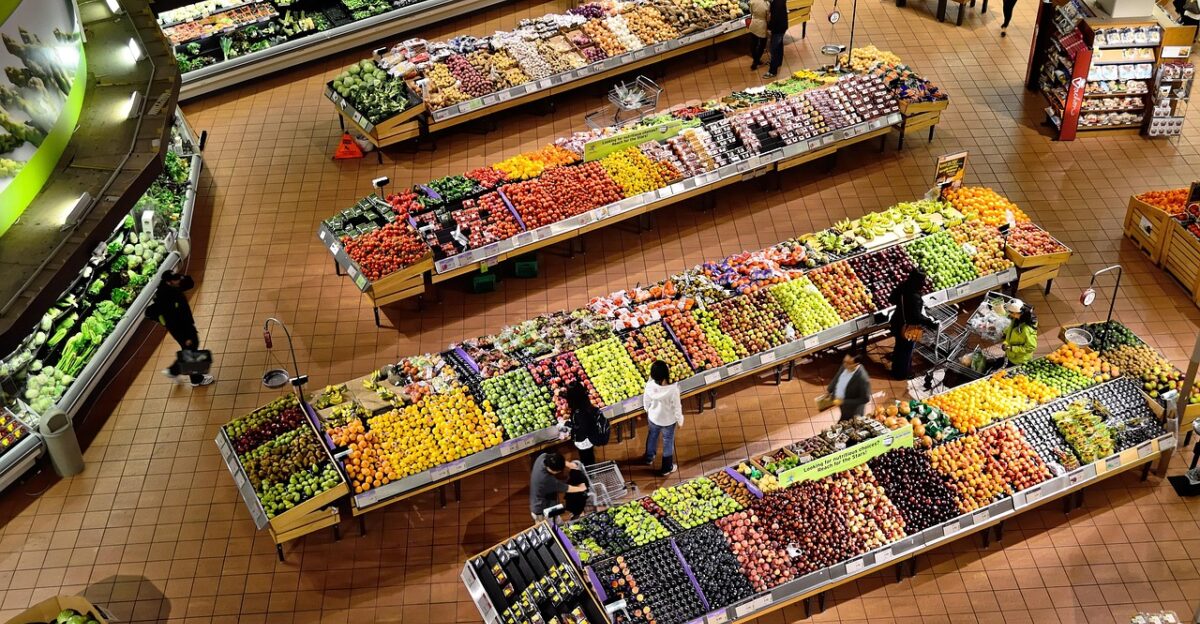
Walk any American grocery store aisle and encounter defendants’ bestselling products: Oreo cookies, Doritos, Cheetos, Lunchables, Hot Pockets, Kit Kat bars, Sour Patch Kids, and Cheerios.
These staples in millions of American households are particularly popular with children. San Francisco’s complaint details engineered ingredients specifically formulated to maximize consumption and create addictive eating patterns while obscuring health risks.
The Science That Can’t Be Ignored

A comprehensive British Medical Journal review analyzed nearly 10 million participants and identified 32 separate adverse health associations with ultra-processed foods.
Ultra-processed foods—defined by NOVA classification as industrial formulations with few whole foods, engineered with cheap ingredients and additives—comprise 70 percent of the American food supply. Over half of all American calories come from these products.
The Health Crisis Hidden in Plain Sight
Research shows ultra-processed food exposure correlates with 50 percent higher cardiovascular mortality risk. Studies link these foods to increased Type 2 diabetes, anxiety, depression, colorectal cancer, fatty liver disease, and poor sleep outcomes.
Dr. Kim Newell-Green, UC San Francisco Associate Clinical Professor, confirms “mounting research links these products to serious diseases including diabetes, heart disease, colorectal cancer, and depression at younger ages.”
The $100 Billion Question: How Much Has This Crisis Cost?

Healthcare costs for treating ultra-processed food-related conditions reach approximately $100 billion annually nationwide. San Francisco’s 2013 analysis estimated direct and indirect obesity and diabetes costs at $748 million, with $48-62 million attributed to sugar-sweetened beverages.
National diabetes treatment costs reached $412.9 billion in 2022, including $306.6 billion in direct medical expenses representing real family and taxpayer burden.
Targeting Vulnerability: The Disproportionate Impact on Communities of Color

Ultra-processed foods disproportionately harm Black and Latino communities, as well as low-income populations.
San Francisco’s complaint documents how companies deliberately targeted vulnerable groups through strategic marketing campaigns—advertising placements in specific neighborhoods, community event sponsorships, and product pricing making cheap, unhealthy options more accessible than fresh alternatives. This transforms the case into a civil rights issue.
What San Francisco Actually Wants

San Francisco isn’t seeking product bans. Instead, the city pursues injunctive relief restricting deceptive marketing, particularly targeting children in vulnerable communities.
The lawsuit demands mandatory corrective advertising educating consumers about health risks and limitations on child-targeted marketing. San Francisco also seeks unspecified restitution and civil penalties, which will help local governments offset healthcare costs resulting from the consumption of processed food.
The Industry Fights Back

The Consumer Brands Association argues “no agreed-upon scientific definition of ultra-processed foods currently exists.” Sarah Gallo, Senior Vice President of Product Policy, contends that “classifying foods as unhealthy solely based on processing, disregarding nutrient profiles, misleads consumers and exacerbates health inequalities.”
Industry representatives emphasize FDA compliance and the continuous introduction of products with increased protein, fiber, and reduced sodium content.
The Previous Lawsuit That Could Sink San Francisco’s Case

San Francisco faces significant legal hurdles from a dismissed case in August 2025. Morgan & Morgan previously filed a lawsuit on behalf of Philadelphia teenager Bryce Martinez, alleging that ultra-processed foods caused Type 2 diabetes and fatty liver disease.
U.S. District Judge Mia Perez dismissed the case, finding Martinez failed to establish causation between specific products and health conditions, setting a precedent challenging San Francisco’s approach.
Kennedy’s “Make America Healthy Again” and the Shifting Political Landscape

The lawsuit arrives amid unprecedented national momentum against ultra-processed foods, driven by HHS Secretary Robert F. Kennedy Jr.’s “Make America Healthy Again” (MAHA) initiative.
Kennedy’s Commission reported that nearly 70 percent of U.S. children’s calories derive from ultra-processed foods, fueling the obesity and diabetes epidemics. Six states received federal waivers, allowing them to prohibit the purchase of junk food through SNAP programs.
California Leads the Nation: School Food and Artificial Dye Bans
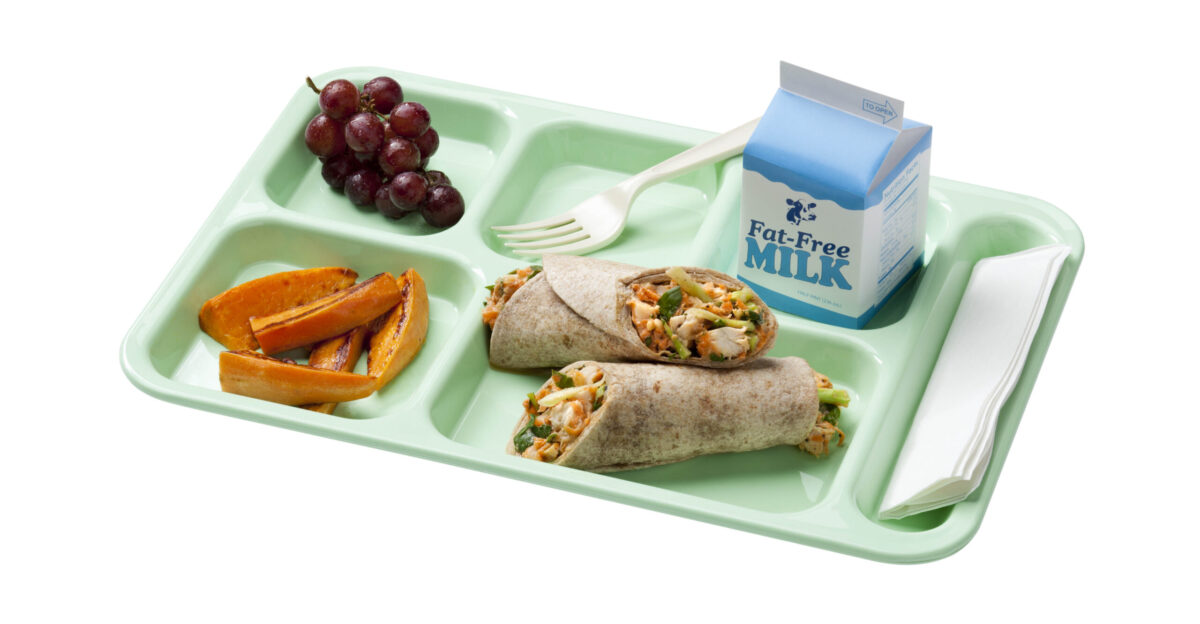
Governor Gavin Newsom signed the nation’s first law phasing out ultra-processed foods from school meals over the next decade. California also banned artificial food dyes, including Red 40, Yellow 5, Yellow 6, Blue 1, Blue 2, and Green 3, from schools, effective in 2027.
California’s dual approach combines litigation strategy with legislative action, pressuring the industry while protecting vulnerable populations.
Why This Case Matters Beyond California

Legal experts view San Francisco’s lawsuit as potentially opening floodgates for similar municipal actions nationwide. UC Berkeley food policy expert Professor Tom Grubbs noted: “This case determines whether courts view food manufacturers as purveyors of deliberately harmful products or legitimate businesses.”
A San Francisco victory would signal that corporations face financial responsibility for engineering addiction and concealing health risks.
The Road Ahead

San Francisco faces a multi-year legal battle with an uncertain outcome. Defendants will likely argue that courts lack standing to regulate food products, that FDA approval constitutes a valid defense, and that personal responsibility drives consumption patterns.
Discovery will prove crucial, as it reveals internal company documents and marketing strategies. Legal analysts estimate that the trial will take five to ten years, with appeals potentially extending the process beyond that.
The Bigger Picture: Food Litigation Parallels Tobacco’s Reckoning
This moment echoes the 1998 tobacco settlement, which transformed an entire industry through legal accountability.
That settlement resulted in $246 billion in payments and fundamental marketing changes. Food industry observers note stark parallels: internal knowledge of harm, aggressive vulnerable population targeting, engineered addictiveness, and decades of concealment. If San Francisco prevails, it could catalyze similar lawsuits reshaping how Americans eat.
Sources:
San Francisco City Attorney’s Office, December 2025 ultra-processed foods lawsuit announcement and complaint filing
Reuters legal coverage of San Francisco’s lawsuit against major food manufacturers over ultra-processed foods
The New York Times national reporting on San Francisco’s ultra-processed foods lawsuit and industry response
BBC News international coverage of San Francisco’s lawsuit against large food companies
British Medical Journal umbrella review on ultra-processed food exposure and adverse health outcomes