Ukrainian forces achieved a significant tactical victory when a U.S.-supplied HIMARS system destroyed one of Russia’s most sophisticated counter-battery radars near Yenakiieve in Donetsk.
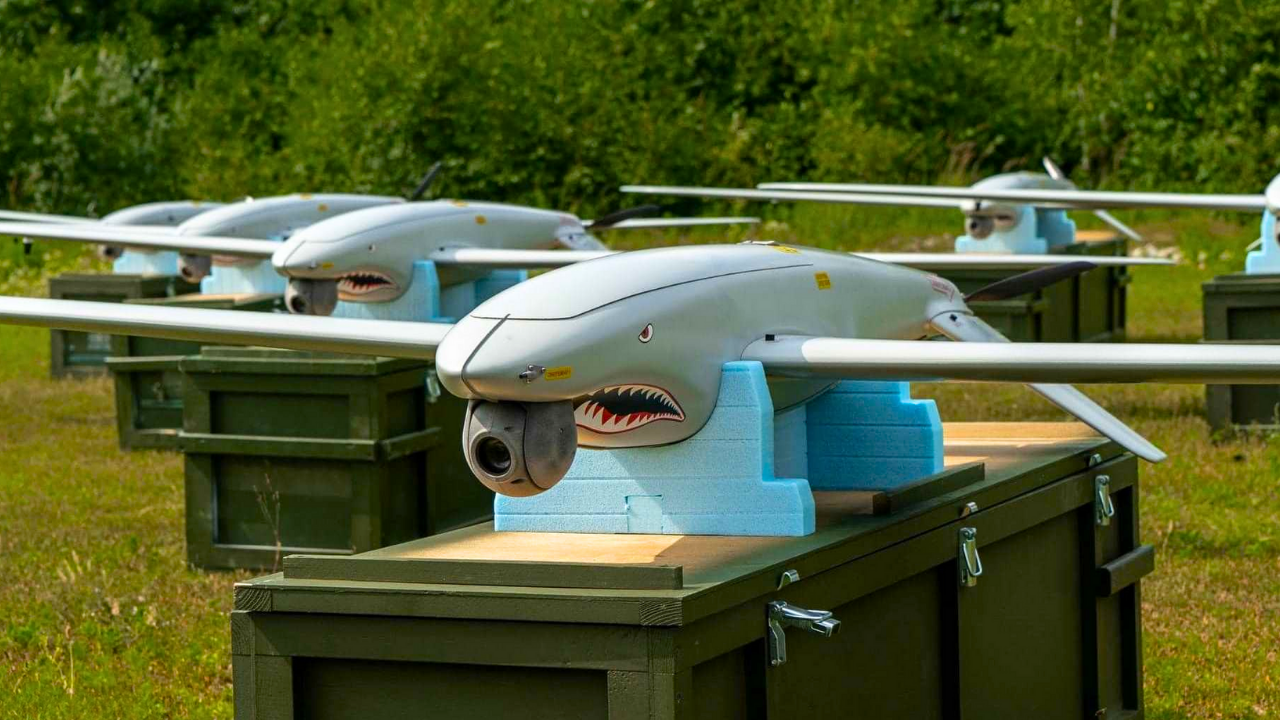
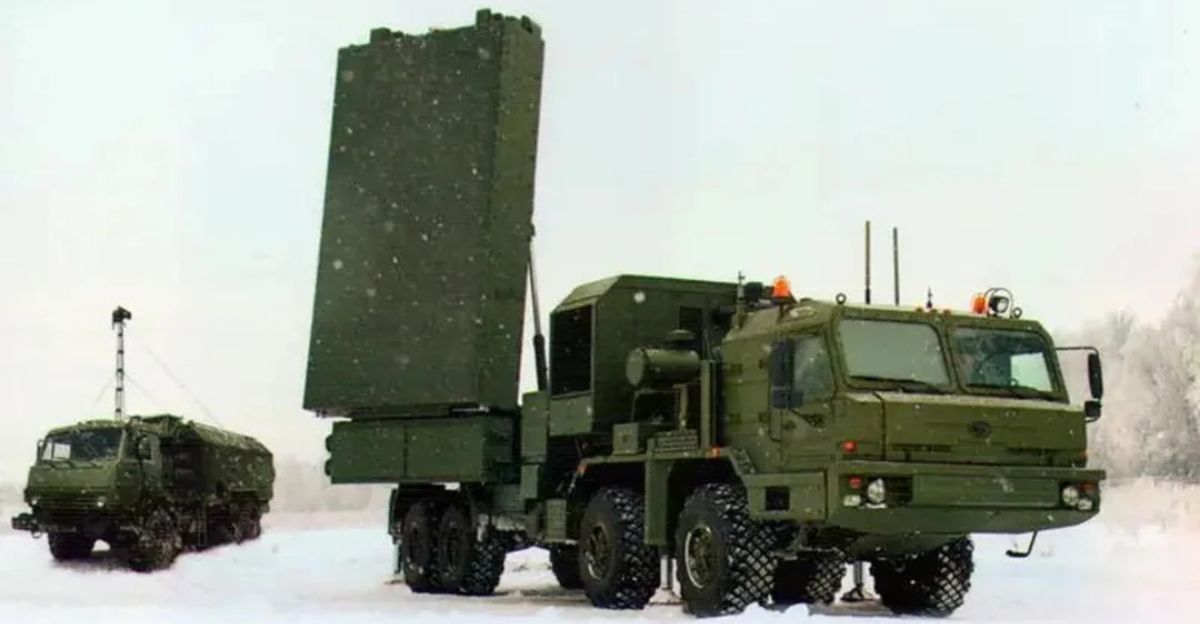
The strike, guided by a Ukrainian Shark reconnaissance drone, eliminated a Yastreb-AV radar valued at approximately $250 million—a loss that exposed critical vulnerabilities in Russia’s front-line artillery detection network and demonstrated how modern warfare increasingly depends on the integration of drone surveillance with precision-guided munitions.
The Yastreb-AV: Russia’s Radar Breakthrough
The 1K148 Yastreb-AV represents the culmination of Russia’s counter-battery radar development, completing testing in late 2021 or early 2022 before entering limited service the following year. Mounted on a four-axle BAZ-6910 chassis, the system employs an active phased-array radar capable of detecting artillery fire at distances up to 40 kilometers.
Its precision—pinpointing firing locations within roughly 5 to 10 meters—gave Russian gunners a powerful tool for rapid retaliation across contested sectors of eastern Ukraine. This capability made the system one of Moscow’s most valuable assets for maintaining artillery dominance.
Drone-Guided Precision Strike
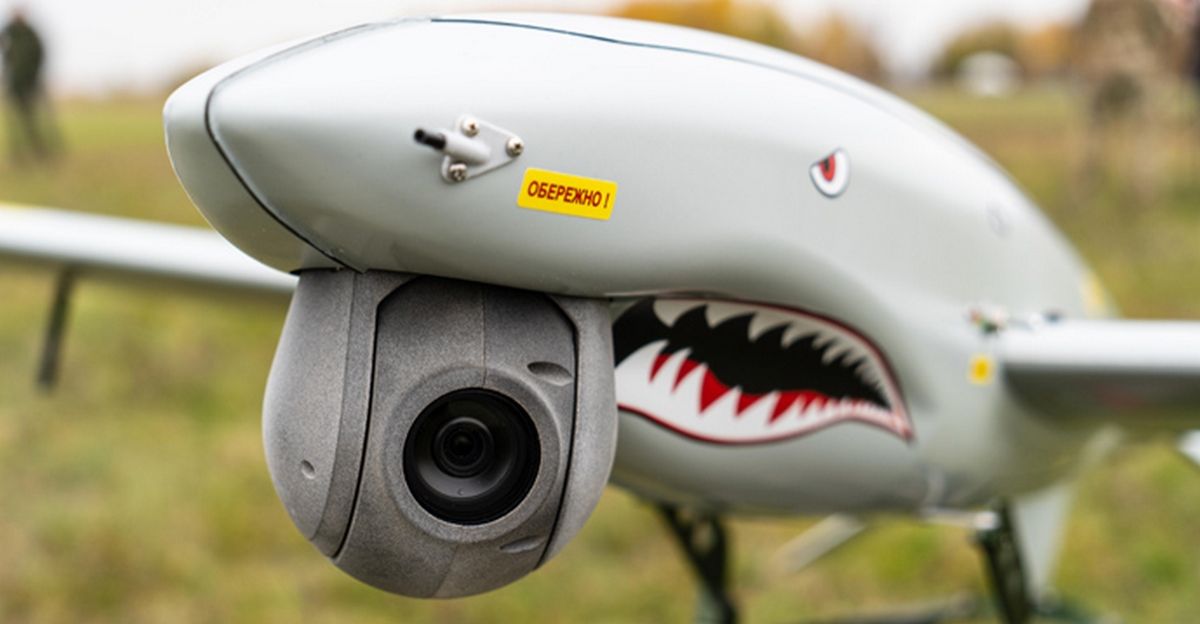
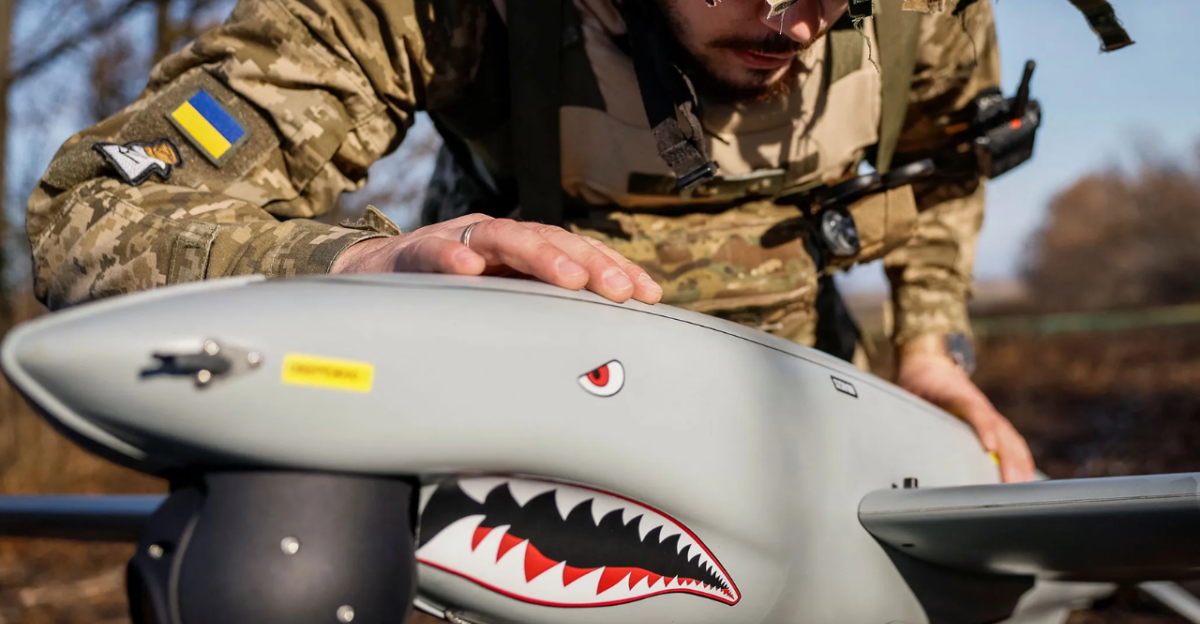
The destruction of the Yastreb-AV was made possible through Ukraine’s integration of aerial reconnaissance with long-range precision fires. A Shark drone, equipped with an operational range of approximately 80 kilometers and endurance of up to four hours, located and tracked the radar’s position.
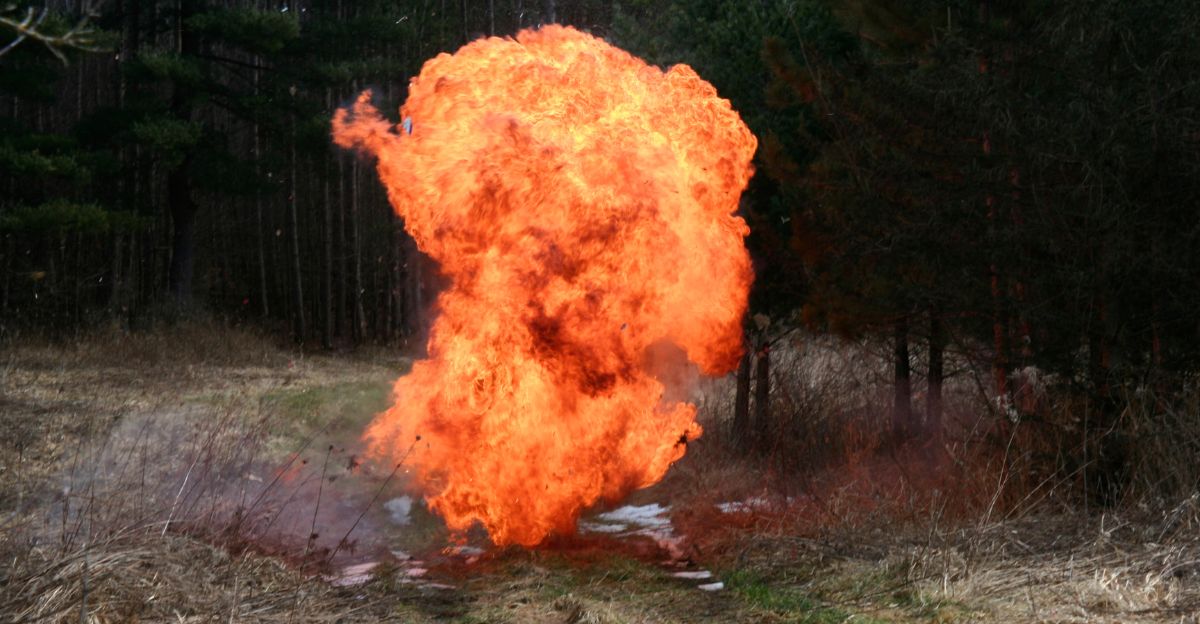
Once coordinates were confirmed, HIMARS launched precision-guided GMLRS rockets that struck the target with near-instant effect. The attack demonstrated how unmanned systems now function as indispensable force multipliers on the modern battlefield, enabling operators to identify targets that would otherwise remain hidden from conventional observation.
Mounting Losses and Industrial Strain
The first confirmed strike on a Yastreb-AV occurred in May 2023, shortly after the system’s public debut. By mid-2025, at least four such systems had been confirmed destroyed in combat. At an estimated $250 million per unit, Russia has lost roughly $1 billion in this radar category alone—losses that are difficult to replace under wartime production constraints.
Replacing these systems places enormous strain on Russia’s military-industrial base, as the Yastreb-AV represents a complex, expensive platform produced in limited quantities due to advanced electronics and specialized components. Western sanctions restricting access to key microelectronics and manufacturing equipment have further slowed rebuilding efforts, forcing Russian commanders to stretch remaining assets across wider front-line sectors.
Tactical Consequences and Operational Shift
With elite Yastreb-AV units destroyed or withdrawn, Russian forces increasingly depend on older counter-battery systems such as the Zoopark-1M. These radars typically detect 152–155 mm artillery at roughly 20–23 kilometers—substantially less reach than the Yastreb-AV—and with far lower tracking precision.
The loss of the advanced radar suddenly forced Russian artillery units in the Donetsk sector to rely on older systems, visual observers, and slower manual methods. This sharply reduced the speed and accuracy of Russian counter-battery response, giving Ukrainian artillery greater freedom of action and improving survivability for Ukrainian gun crews operating in the area.
Broader Implications for Modern Warfare
Ukraine’s successful integration of reconnaissance drones with long-range precision artillery has drawn sustained attention from NATO planners. Western militaries increasingly view drone-guided fires as essential to modern counter-battery warfare, prompting allied governments to expand funding for Ukraine’s unmanned aerial systems and precision munitions while accelerating similar capabilities in their own armed forces.
The Yastreb-AV strike has become a case study in how smaller, agile forces can dismantle expensive, centralized enemy capabilities with asymmetric efficiency. The loss of Russia’s most advanced counter-battery radar near Donetsk symbolizes a broader realignment in modern warfare driven by drones, data, and precision fires—a shift that will likely shape military doctrine and defense procurement strategies for years to come.
Sources:
- United24 Media – coverage of Ukrainian HIMARS destroying Yastreb-AV in Donetsk and Zoopark-related reporting
- Defence Blog – “Ukraine destroys two rare Russian Yastreb radars” analysis
- Business Insider – article on Ukraine blowing up a new Russian Yastreb-AV radar system
- NV (Novoe Vremya) English – piece on Ukrainian forces destroying a Russian Yastreb-AV radar in Donetsk Oblast
- Army Recognition – technical overview of Zoopark-1M (1L260) counter-battery radar
- Radartutorial.eu – technical data on Zoopark-1M radar
- Wikipedia – “Ukrspecsystems Shark” and “Zoopark-1” entries
- Army Technology – “Shark unmanned aerial system, Ukraine” technical profile
- Ukrspecsystems – official SHARK UAS specifications