In America, the animals that kill most people are usually those widespread and frequently near humans rather than the most ferocious predators. Understanding how ordinary creatures cause harm is crucial for practical safety in everyday life.
Learning to respect animals, modifying behavior in their presence, and seeking immediate medical attention after bites or stings prevent tragedies. The good news is that nearly all animal-related deaths are preventable through awareness, caution, and basic safety practices.
1. Deer
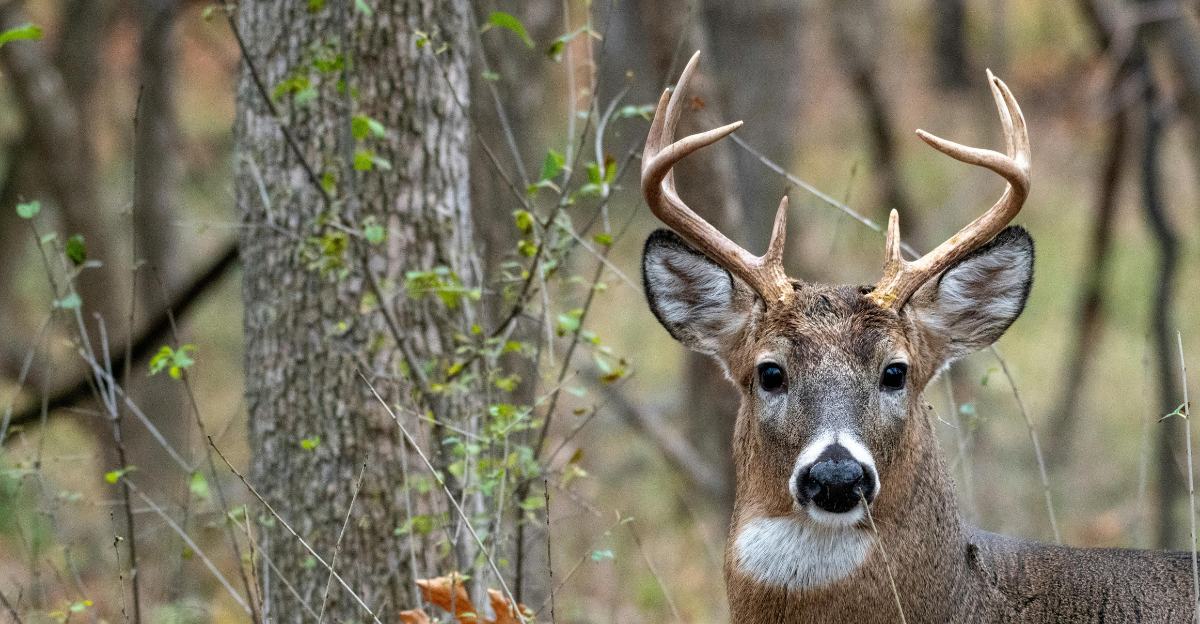
Deer cause more human deaths than any other wild animal in the United States, mostly through car crashes. Every year, about 2.1 million collisions happen between vehicles and deer, resulting in roughly 440 deaths and 59,000 injuries. Most accidents occur during fall and winter when deer are most active, especially during evening and early morning drives on rural highways.
These collisions happen so suddenly that drivers barely have time to react. According to highway safety experts, the average claim from a deer collision costs nearly $4,000, and total damages exceed $10 billion annually. The real danger isn’t from the deer itself, it’s the violent impact and loss of vehicle control that follows.
2. Hornets, Bees, and Wasps
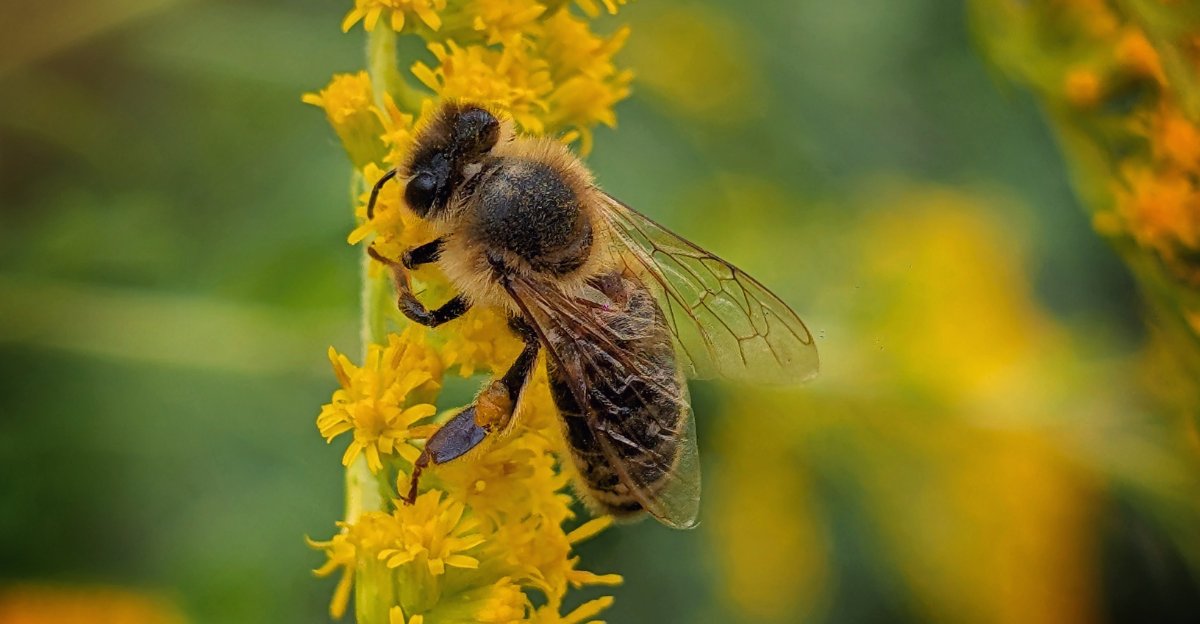
These buzzing insects kill more people than you might expect. Between 2011 and 2021, an average of 72 people died each year from stings by bees, hornets, and wasps in America. Most deaths happen because of severe allergic reactions called anaphylaxis, where even a single sting can trigger life-threatening shock.
People who are allergic can go into anaphylactic shock within minutes, causing breathing difficulties and heart problems. Interestingly, only about 0.4% of the population is truly allergic to insect stings, yet those individuals face extreme danger from what seems like a minor injury.
3. Domestic Dogs

Pet dogs cause far more injuries than many people realize, with dozens of fatal attacks recorded each year in the U.S. Between 2011 and 2021, about 468 people died from dog bites nationally. Fatal attacks often involve powerful dog breeds and happen when dogs are stressed, poorly trained, or left unsupervised around children.
Most dangerous situations develop when multiple dogs attack together or when a dog has a history of aggression. Pit bulls were involved in about 68% of fatal dog attacks during a recent study period, though any large dog can become dangerous if mistreated or inadequately trained. Children under ten and elderly people are particularly vulnerable to severe injuries.
4. Livestock
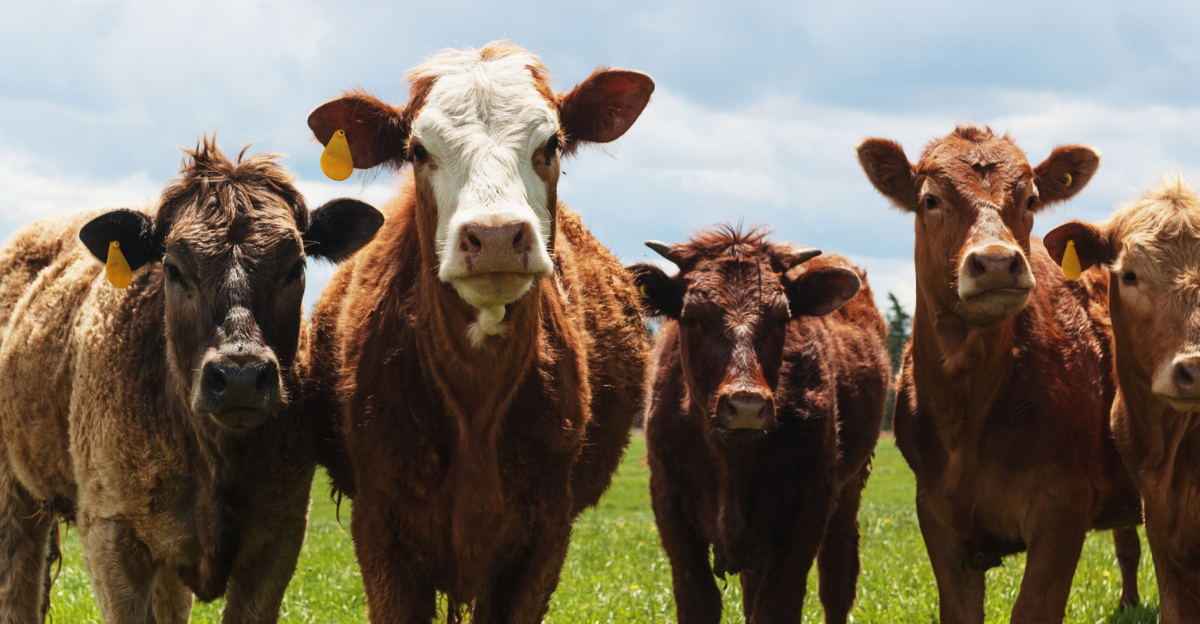
Large farm animals like cattle kill people through trampling, goring, or crushing during routine farm work. These accidents happen because livestock are unpredictable around handling facilities, gates, and feeding areas, especially when stressed or protecting calves.
A single cow can weigh over 1,000 pounds, and its strength combined with panic creates extreme danger for farmers and ranch workers. Farm employees often work alone or with minimal safety supervision, making injuries even more serious. Animals that seem calm can suddenly bolt or charge, leaving workers with little time to escape.
5. Dangerous Spiders
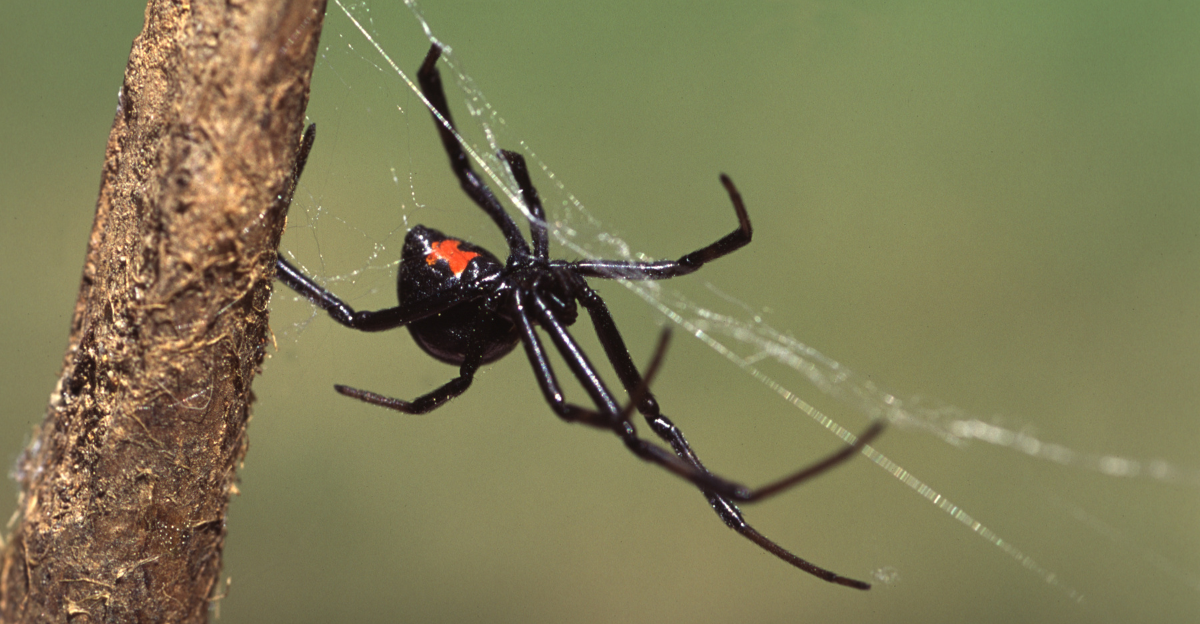
Certain spiders found in the U.S., especially black widows and brown recluses, deliver venom that can cause severe pain and systemic illness. While modern medical care has made deaths rare, these spiders remain medically important threats, particularly in warmer regions.
A widow spider bite can cause intense muscle pain, cramping, and tremors that last for hours or days. The brown recluse’s venom is unique because it destroys skin and tissue around the bite, potentially creating deep, scarring ulcers.
6. Venomous Snakes
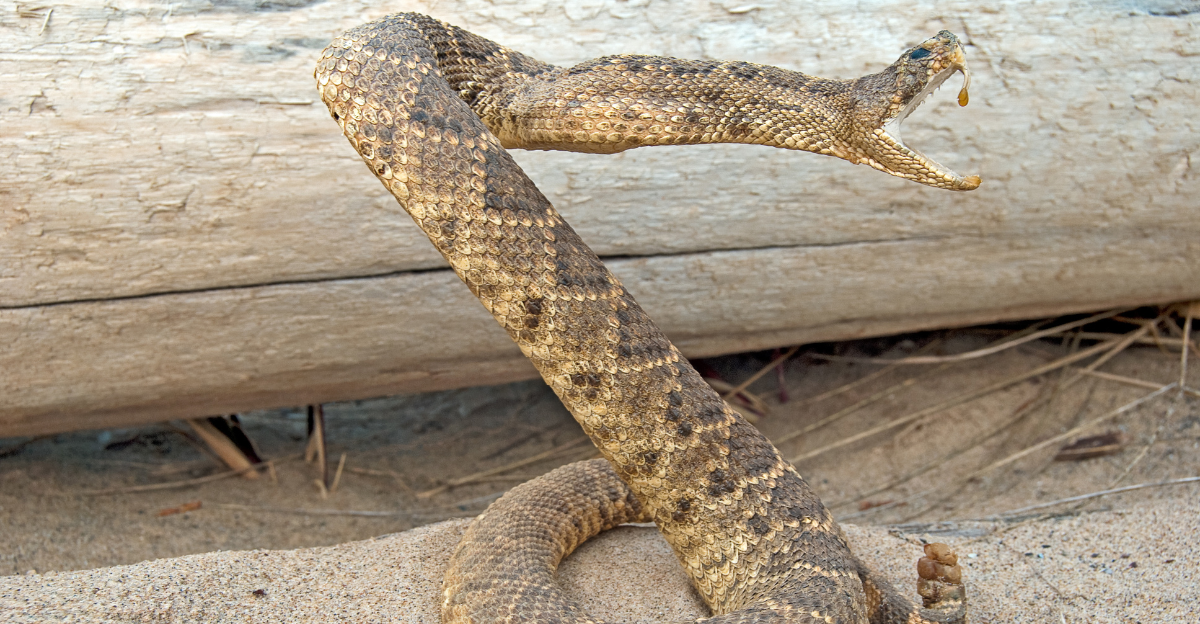
Venomous snakes like rattlesnakes, copperheads, cottonmouths, and coral snakes bite thousands of Americans yearly, but deaths are now uncommon thanks to modern antivenom and emergency care. Snake bites cause tremendous pain, swelling, and tissue damage that can require surgery and leave permanent scars.
Without treatment, venom can cause widespread tissue destruction, organ damage, and potentially death. Hikers, ranch workers, and people moving through rocky or brushy terrain are most likely to encounter these snakes and receive defensive bites.
7. Bears
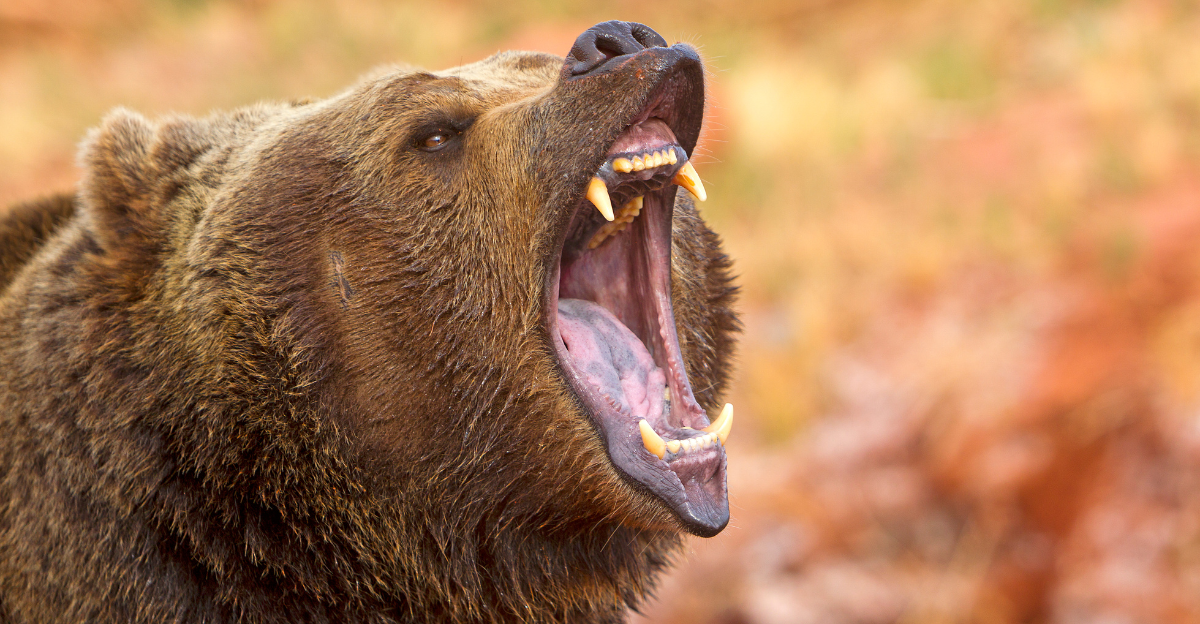
American bears, particularly brown and grizzly bears, are among the most powerful wild predators and can kill a human in a single encounter. Fortunately, total bear attack deaths remain relatively low because humans and bears typically avoid each other.
Most serious attacks happen when bears feel threatened, are surprised at close range, or are defending their cubs or food sources. A mother bear protecting cubs is exceptionally dangerous and will attack aggressively if she believes her offspring are threatened. Grizzly bears, found primarily in the northern Rockies and Alaska, present greater danger than black bears due to their larger size and more aggressive temperament.
8. Cougars (Mountain Lions)
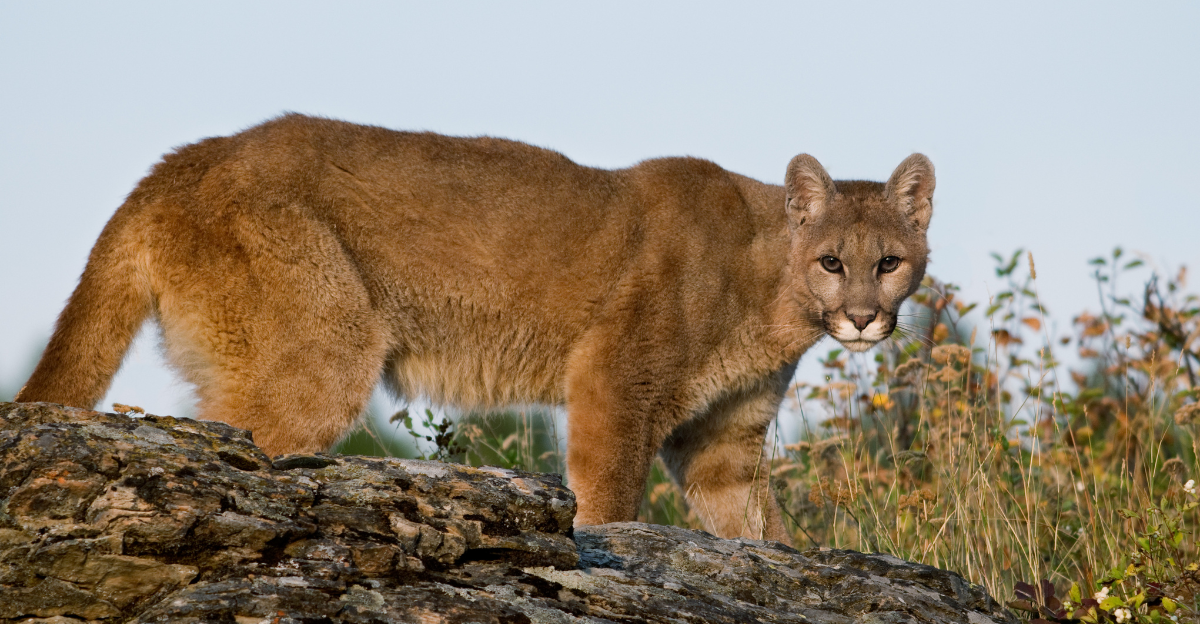
Cougars, also called mountain lions or pumas, rarely attack humans, but when they do, their strength, speed, and stealth make encounters extremely dangerous. These large cats prefer to hunt deer and other wildlife, and human attacks are uncommon.
However, when cougars become habituated to human spaces or mistake a person for prey, particularly children or small adults, attacks can be severe or fatal. Cougars stalk silently and can strike with overwhelming force, making escape difficult once an attack begins.
9. Alligators
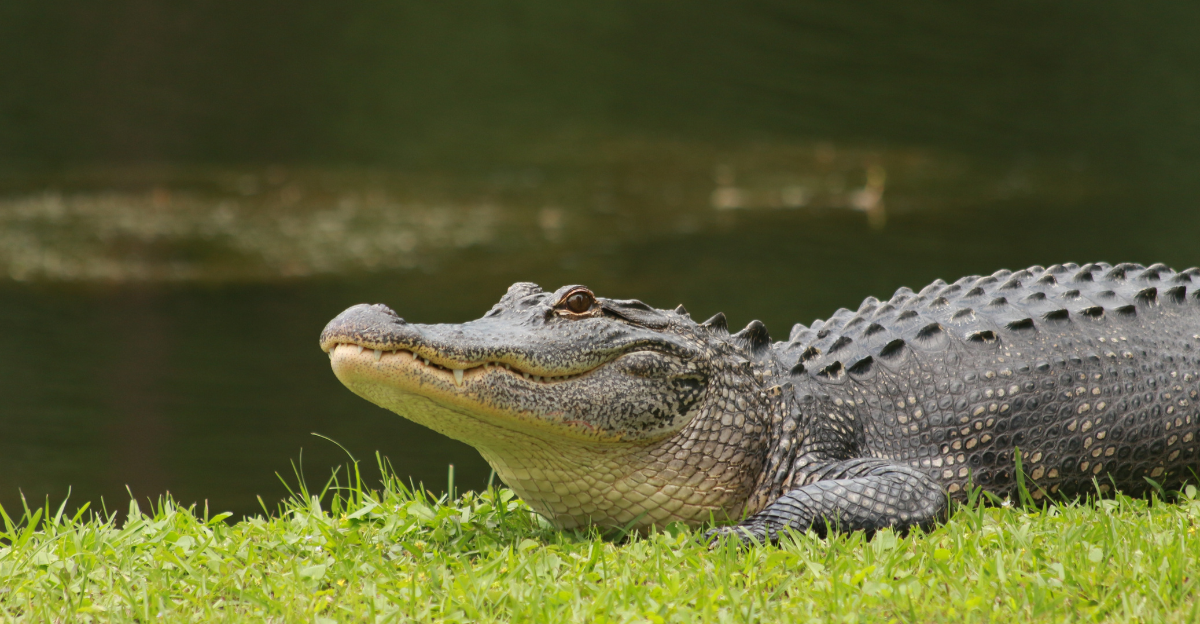
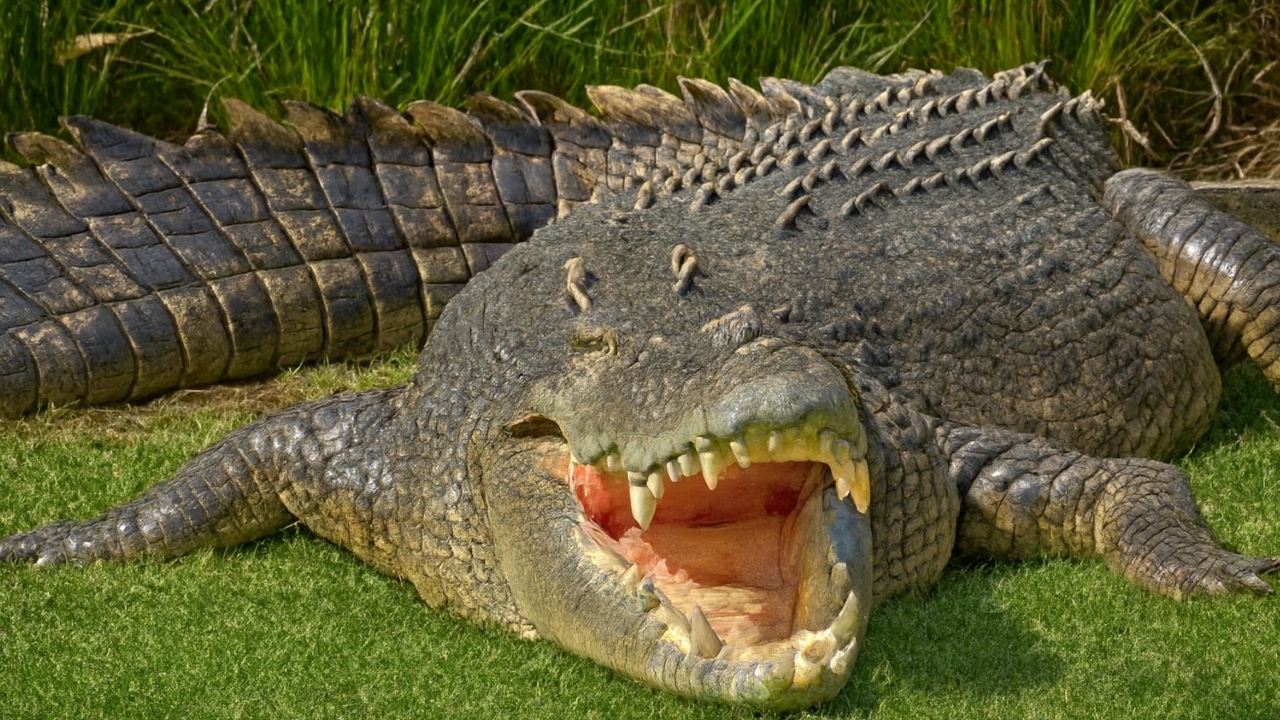
American alligators occasionally kill people, usually in or near water in the southeastern United States where populations are dense. These large reptiles are ambush predators that wait patiently at water’s edge for prey. Wading in murky water, swimming in alligator-infested lakes, or walking dogs near the water puts people at serious risk.
Alligators can move with surprising speed on land over short distances and will defend their nests aggressively during breeding season. Swimming in lakes and rivers with posted alligator warnings is extremely dangerous, especially at dawn and dusk when alligators hunt actively.
10. Sharks
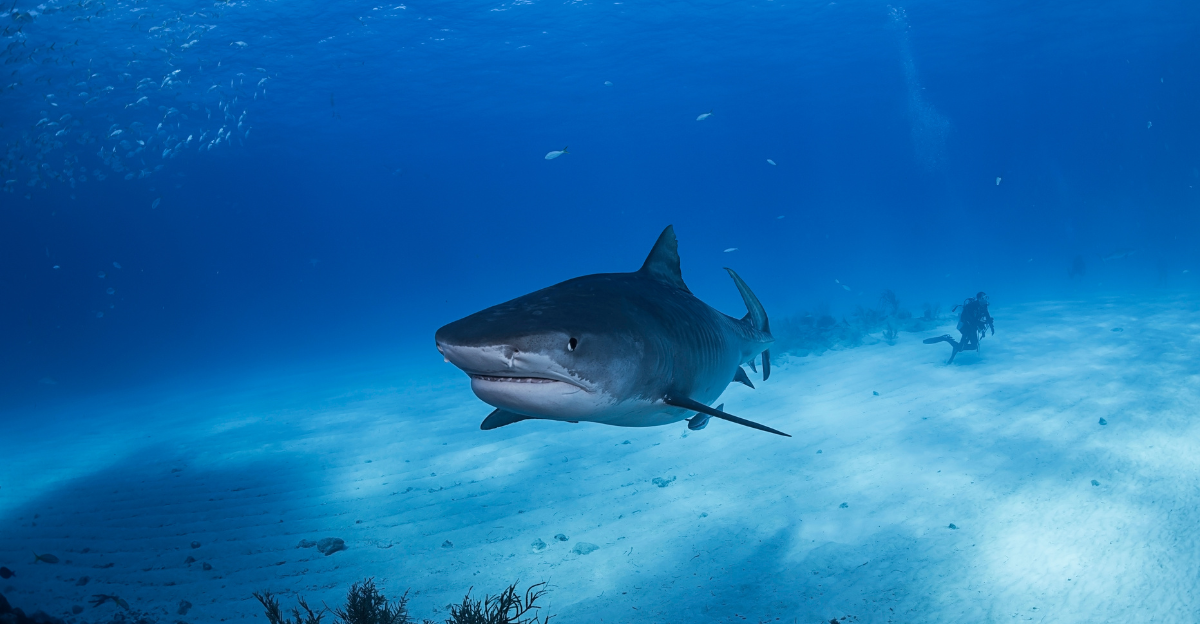
Sharks in U.S. coastal waters, such as bull sharks and other large species, sometimes bite humans, and while attacks remain statistically rare, deaths do occur. Risk increases where people swim, surf, or dive in areas with active feeding, murky water, or abundant fish and seal populations that attract sharks.
Bull sharks are particularly dangerous because they tolerate freshwater and hunt in shallow areas where swimmers wade. Most shark bites involve exploratory bites rather than predatory attacks, but their powerful jaws can still cause catastrophic injuries.
11. Scorpions
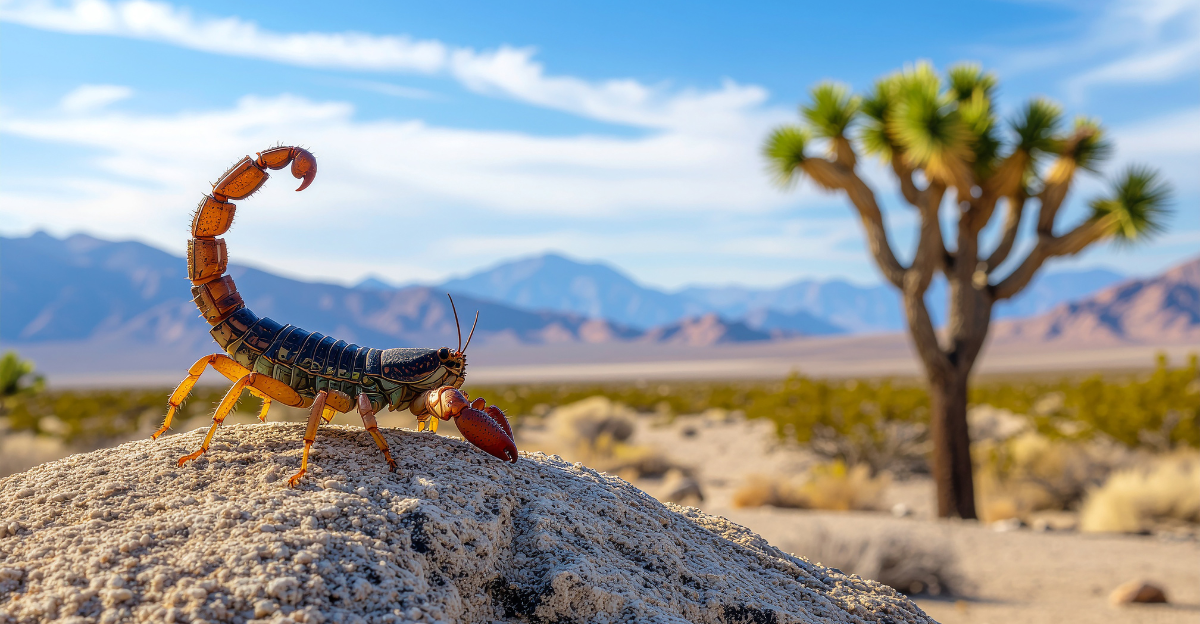
Most U.S. scorpions are not deadly, but a few species, particularly the Arizona bark scorpion, have venom that can become life-threatening without prompt medical care. Scorpion stings cause intense pain, numbness, and systemic symptoms like muscle spasms and difficulty breathing.
Children and older adults face the greatest risk of severe outcomes because their bodies are more sensitive to venom. Arizona bark scorpions hide in shoes, bedding, and clothing, leading to accidental stings. People working outdoors in desert regions or moving rocks and wood face higher exposure risk.
12. Wild Boar (Feral Hogs)
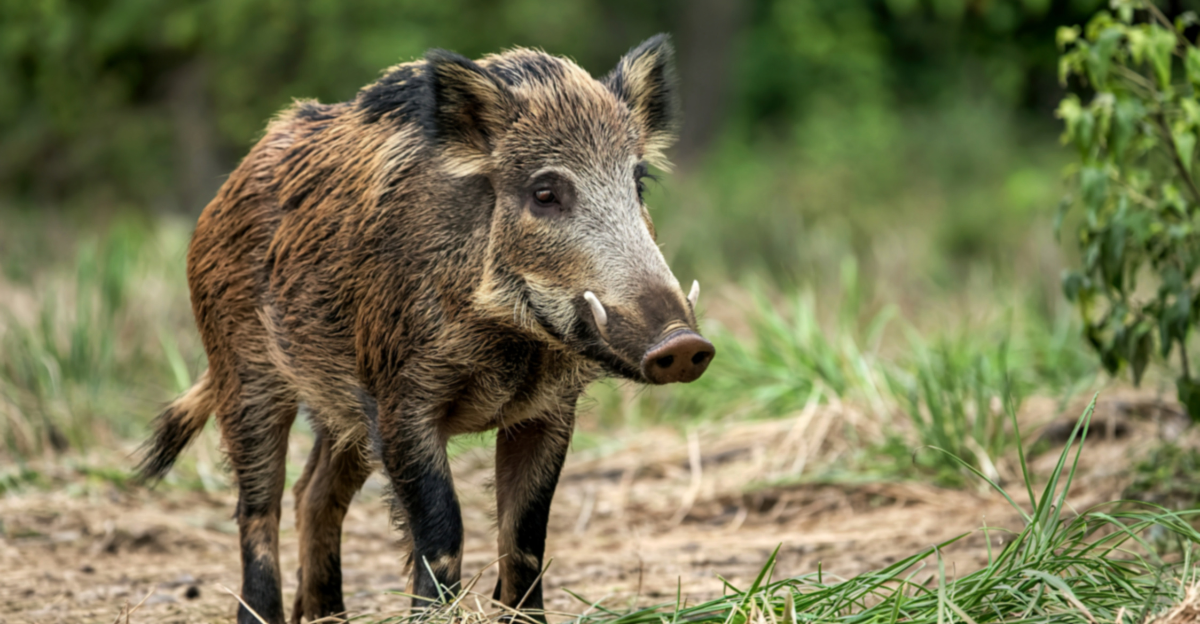
Feral hogs can be extremely aggressive, especially when cornered or defending their young, and their sharp tusks can inflict deep, dangerous wounds. These invasive animals now populate many U.S. states and cause billions in agricultural damage annually while spreading diseases.
A charging wild boar can move rapidly and gore attackers before they can react, making escape difficult. Boars also create indirect dangers by damaging crops, contaminating water sources, and causing vehicle collisions on rural roads. Hunting or trapping feral hogs requires extreme caution and specialized equipment.
13. Gila Monsters
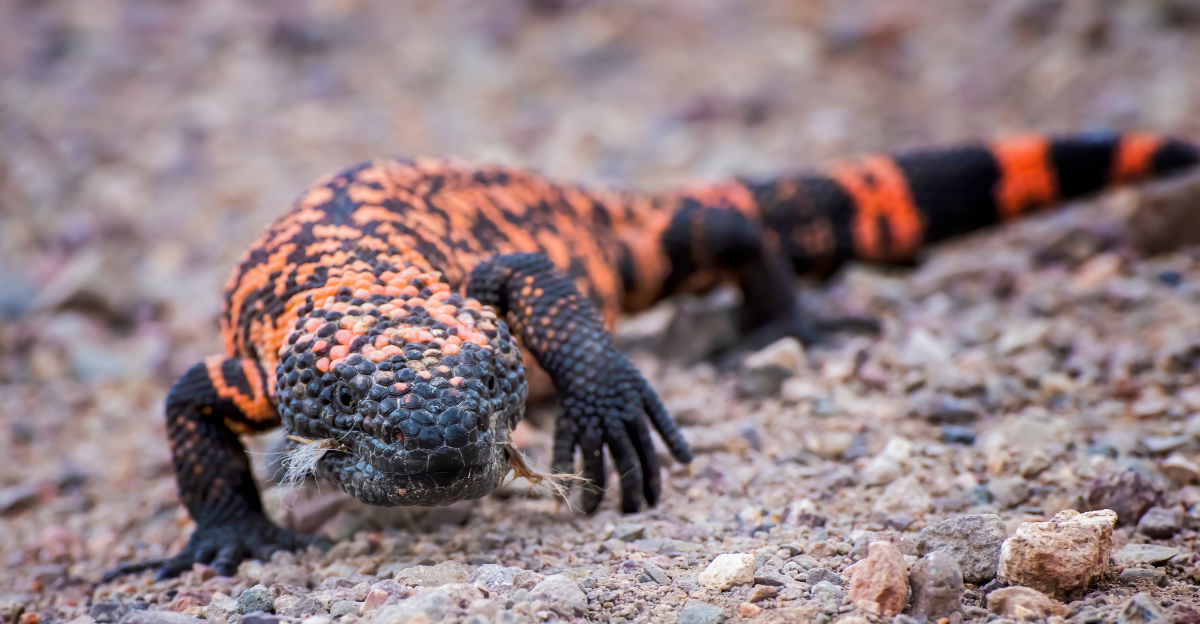
Gila monsters are one of the few venomous lizards in the United States and deliver a prolonged, painful bite that can cause significant local and systemic symptoms. Their venom causes intense pain at the bite site and can produce systemic effects like numbness, weakness, and difficulty breathing.
14. Wolves
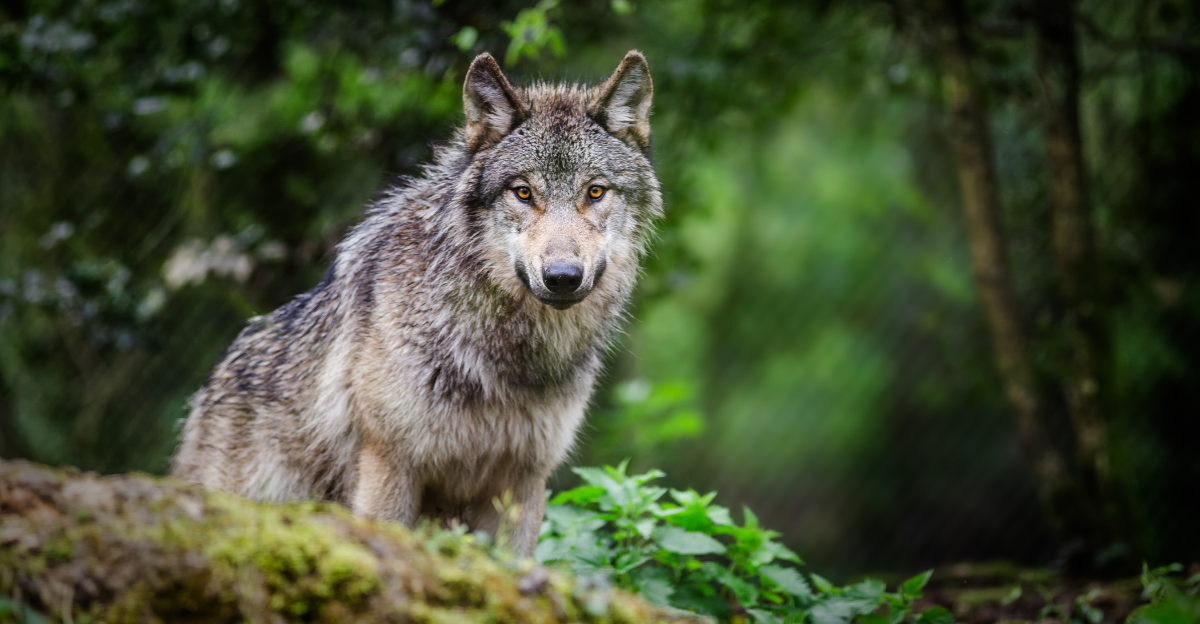
Wolves rarely attack people in North America, but when attacks do occur, particularly involving habituation to humans or rabies, they can be severe or fatal. Any predatory encounter with wolves carries extreme risk because they hunt cooperatively as packs and target large prey.
A wolf pack attacking a human represents a worst-case wilderness scenario due to their strength, coordination, and predatory focus. Most wolf attacks historically occurred when animals were habituated through feeding or when a rabid individual attacked. Modern wolf management and public education have reduced such incidents. The psychological fear of wolves often exceeds the statistical danger, but actual attacks, though rare, are indeed serious.
15. Moose
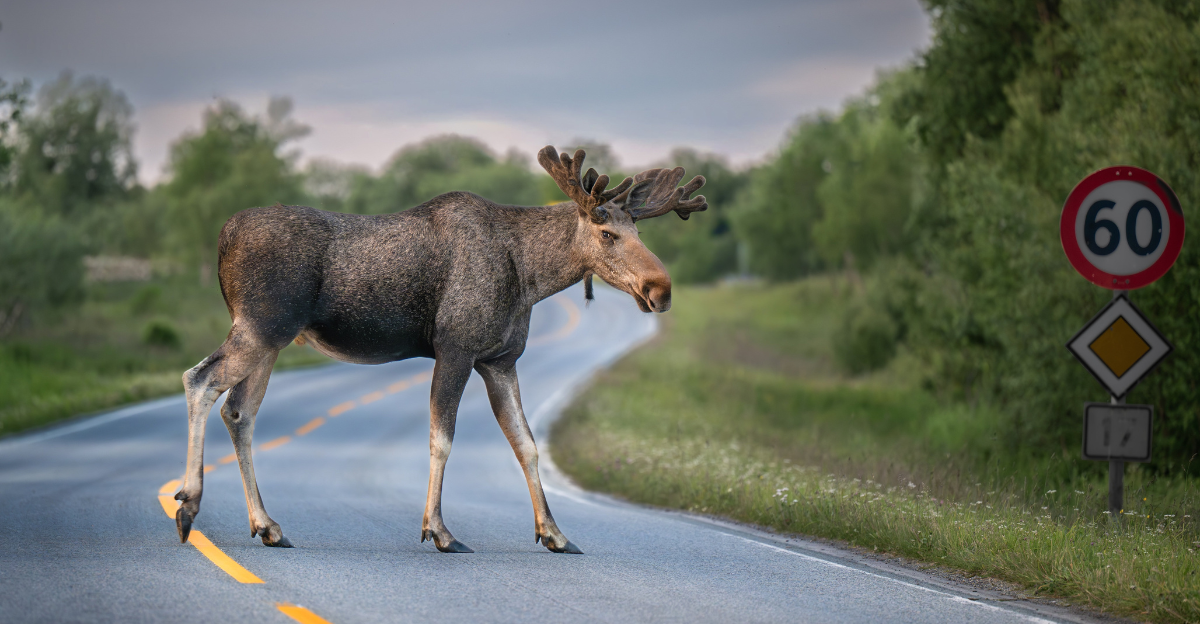
Moose, though herbivores, can be highly dangerous when provoked or during the fall rut (mating season), using their massive size and sharp hooves to charge and trample attackers. These are the largest members of the deer family, with males weighing over 1,000 pounds and standing ten feet tall.
A moose can deliver devastating kicks with hooves that move with surprising speed and force. Encounters on roadways are particularly hazardous because these animals can react suddenly when startled. Photographers and wildlife enthusiasts sometimes approach too closely to capture images, creating dangerous situations. Mother moose protecting calves are exceptionally aggressive. During rutting season, bulls become territorial and unpredictable.
16. Jellyfish and Marine Stingers
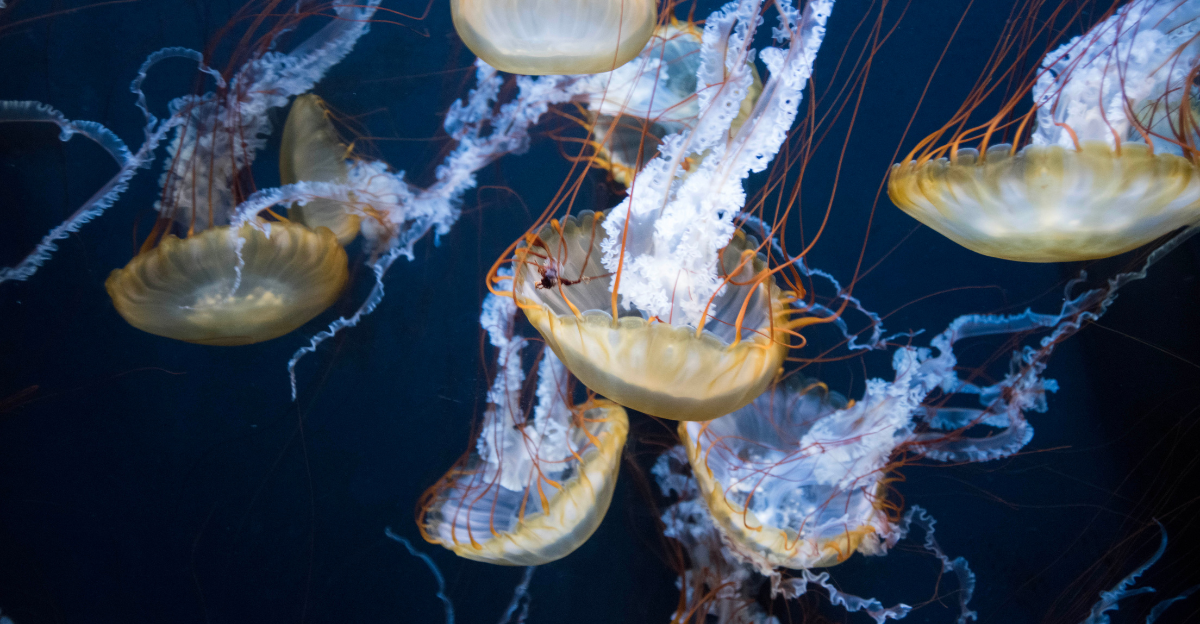
Certain jellyfish and related stinging marine animals in U.S. waters can cause intense pain, allergic reactions, and in rare cases, cardiac or respiratory problems. These creatures are often nearly transparent and difficult to see in the water, so swimmers may contact them without warning.
Some jellyfish deliver venom through thousands of microscopic stinging cells that fire when touched, causing pain that can range from mild to severe. Swimmers may not realize they’ve been stung until painful reactions develop on shore. Serious reactions can include anaphylaxis, heart rhythm disturbances, and even death, though these outcomes remain rare.
Sources:
Animal‑Related Fatalities in the United States – PMC
Animal‑Related Fatalities in the United States – Scientific Direct
The 10 Deadliest Animals Found in America – A‑Z Animals
10 Animals That Kill The Most Humans – World Atlas