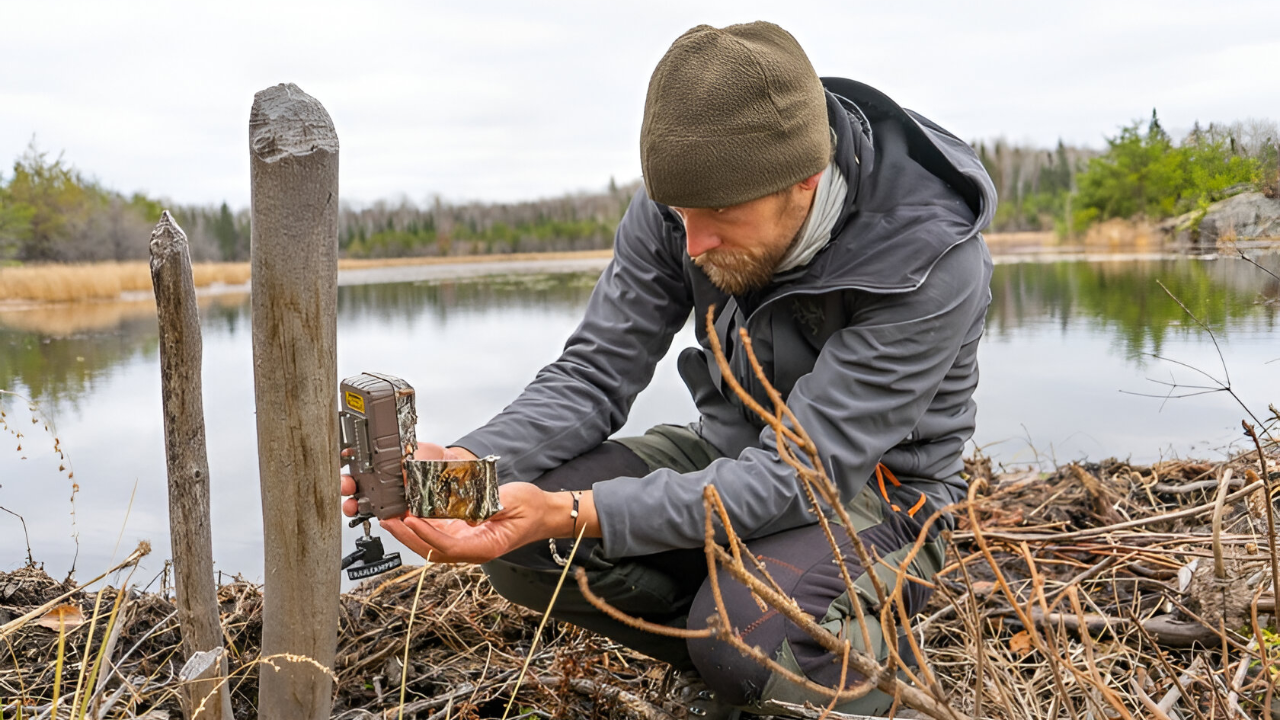
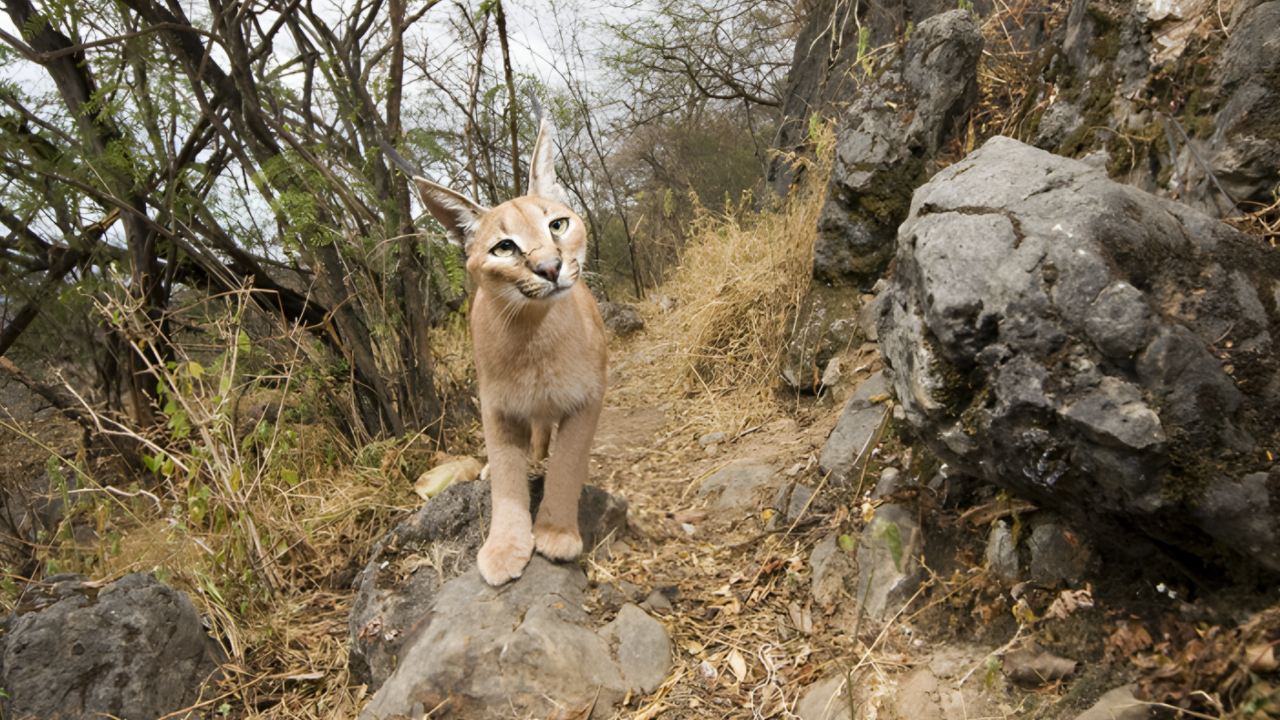
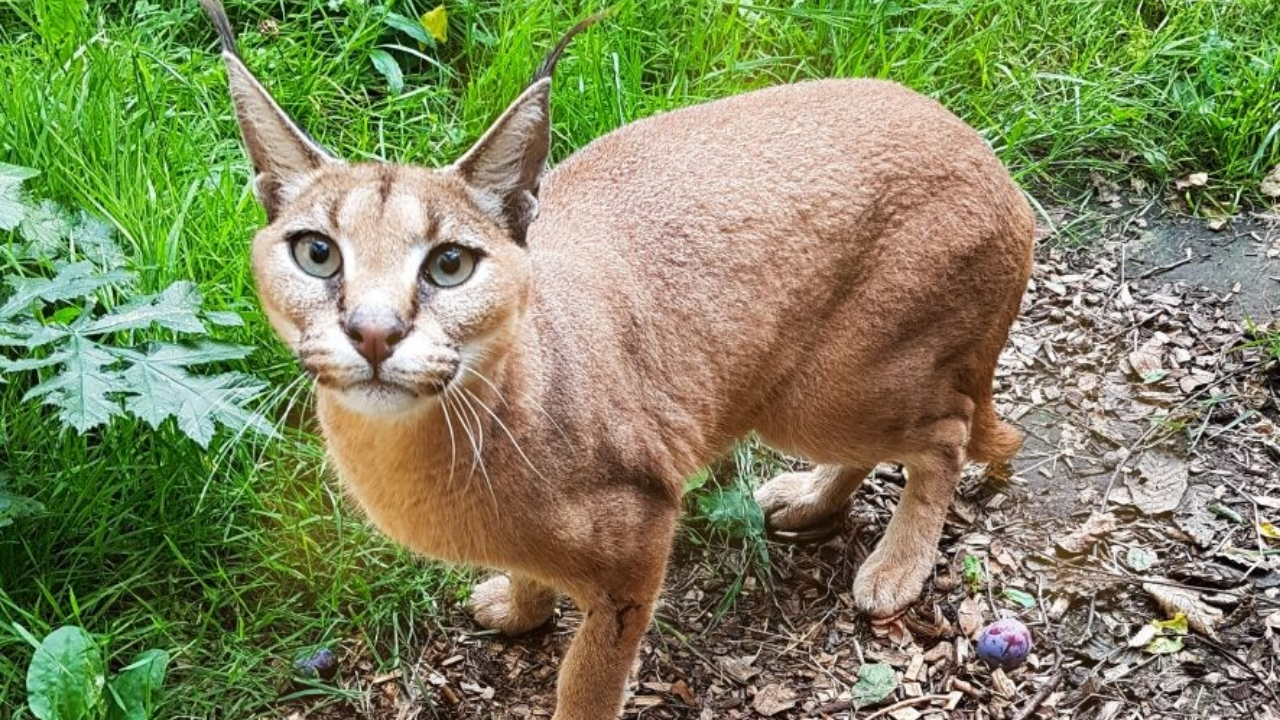
Searching for the Arabian caracal, referred to as “studying a ghost” by researchers, has become an arduous task. Measuring only 16 to 20 inches long, this elusive wild cat resides in the deserts and mountains of the Arabian Peninsula. Its sightings have dwindled to a mere handful over decades, raising fears of rapid population collapse.
Conservationists warn that these rare predators are disappearing faster than documentation efforts can keep pace. In October 2025, however, an unexpected breakthrough occurred in a protected area of the United Arab Emirates, leading to the capture of elusive evidence via advanced trail camera technology that has transformed our understanding of this secretive species.
A Countdown Without Witnesses
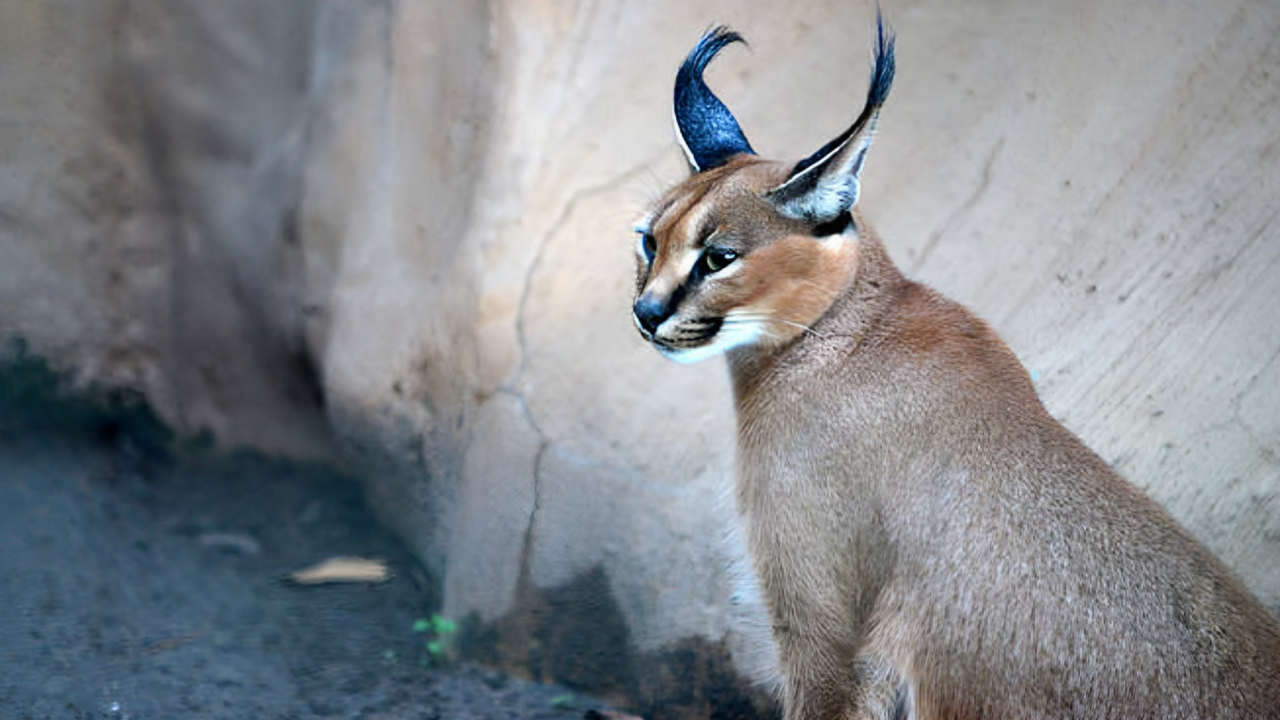
The situation for the Arabian caracal is dire: fewer than 250 remain in the wild, fewer than the number of days in a year. Current estimates indicate that the population of mature individuals has reached dangerously low levels. With conservation experts categorizing the species as “critically endangered,” the urgency for immediate intervention is palpable.
Past documented sightings were few and far between, creating significant scientific blind spots. Researchers lacked definitive proof, such as breeding success or habitat connectivity. Each passing year without new confirmations pushes the species closer to being presumed extinct. Time, experts agree, could be running out for this magnificent yet endangered feline.
The Subspecies in Shadows
The Arabian caracal, scientifically known as Caracal caracal schmitzi, is a geographically isolated subspecies adapted to the unique terrain of the Arabian Peninsula. Unlike their African relatives, these caracals inhabit the rocky foothills, mountain wadis, and sparse vegetation of Oman and the UAE. Historical accounts suggest that their numbers once soared into the thousands, but hunting, habitat fragmentation, and climate change have severely diminished their populations.
By the late 20th century, confirmed sightings had dwindled to rare anecdotal reports. Conservation records reveal a troubling shift from “common regional predator” to “possibly extinct locally,” reflecting a heartbreaking decline within living memory, and emphasizing the urgent need to conserve this elusive species.
Rediscovery Against the Odds
Hope seemed dim until a remarkable sighting in 2019, when a lone Arabian caracal was captured on camera in Jebel Hafeet, reviving scientists’ hopes. That confirmed sighting, the first in decades, hinted that fragments of the population might still exist in protected mountain areas.
A subsequent observation in Wadi Shees in 2023 fueled further intrigue but also raised critical questions: were these individuals isolated or part of a breeding population? Were protected areas functioning as true sanctuaries, or merely chance encounters with wandering survivors? The urgency to find answers intensified, leading conservation teams to employ innovative technologies to monitor the dwindling numbers more effectively.
Trail Cameras Break the Silence
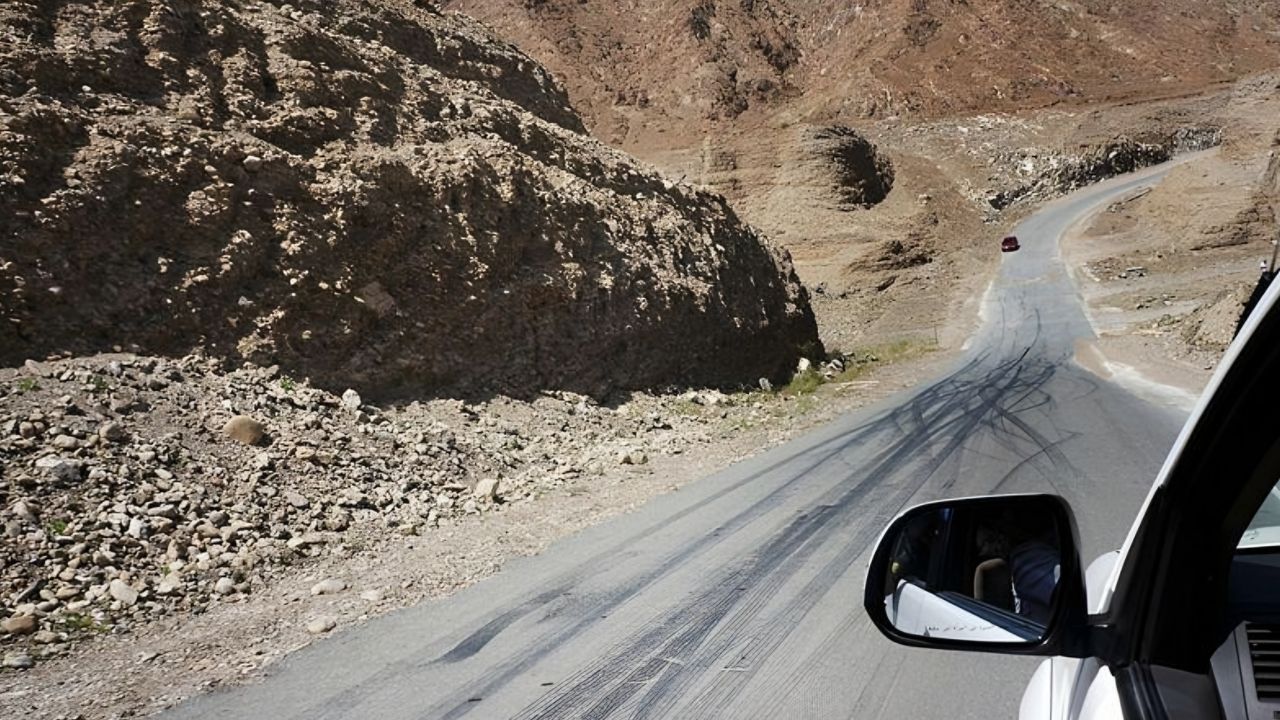
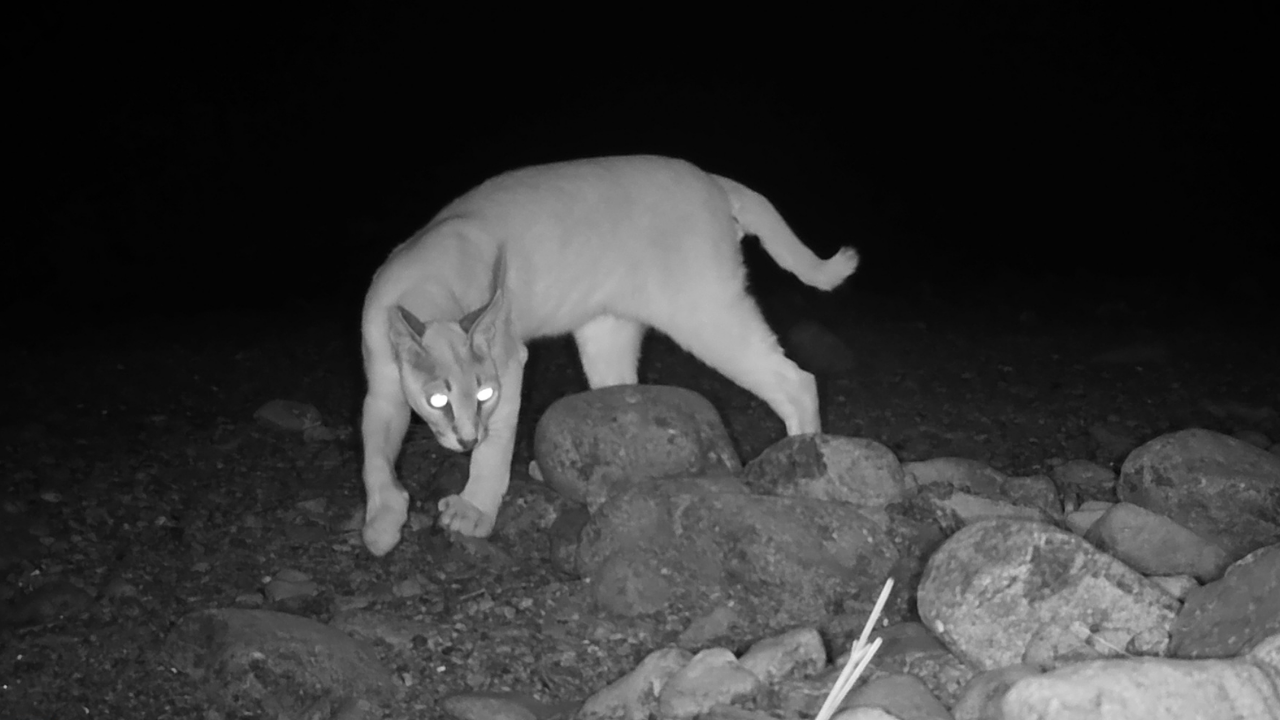
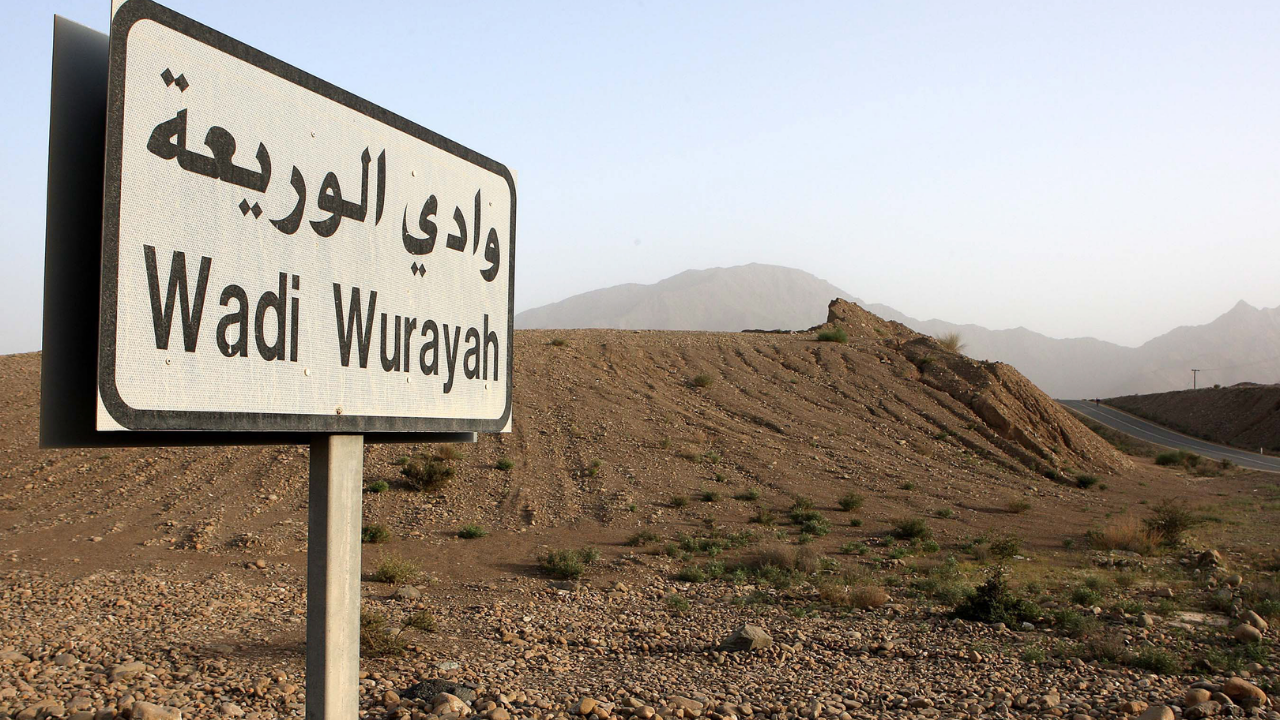
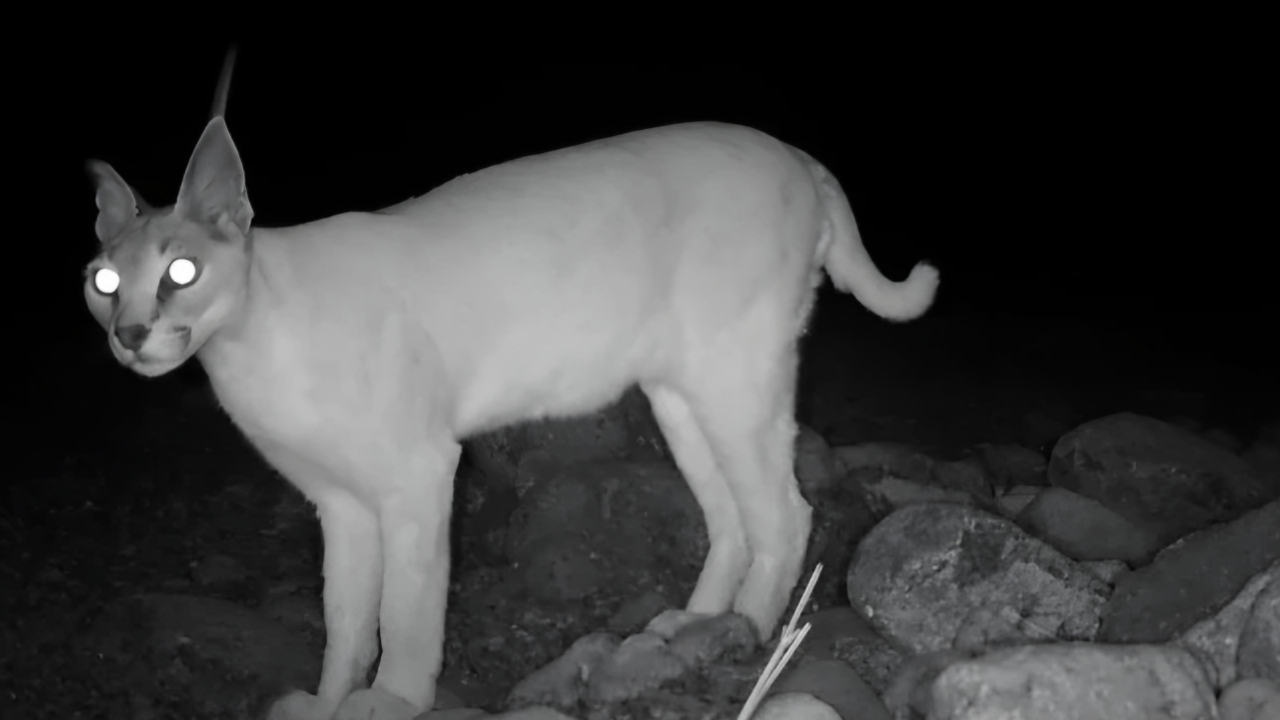
On October 7, 2025, a pivotal announcement was made by Emirates Nature and the World Wildlife Fund. Motion-activated trail cameras set up in Wadi Wurayah National Park captured definitive footage of an Arabian caracal in its natural habitat. This groundbreaking discovery marked the first time documentation of the subspecies in a protected reserve had been achieved.
Solar-powered cameras, equipped with passive infrared sensors and utilizing cloud data transmission, continuously monitored the area, uncovering nocturnal wildlife that traditional methods often overlooked. Citizen scientists, collaborating through the Notice Nature mapping initiative, reviewed the footage, confirming the caracal’s presence and ultimately validating the effectiveness of technology in conservation efforts.
A Mountain Sanctuary’s Secret
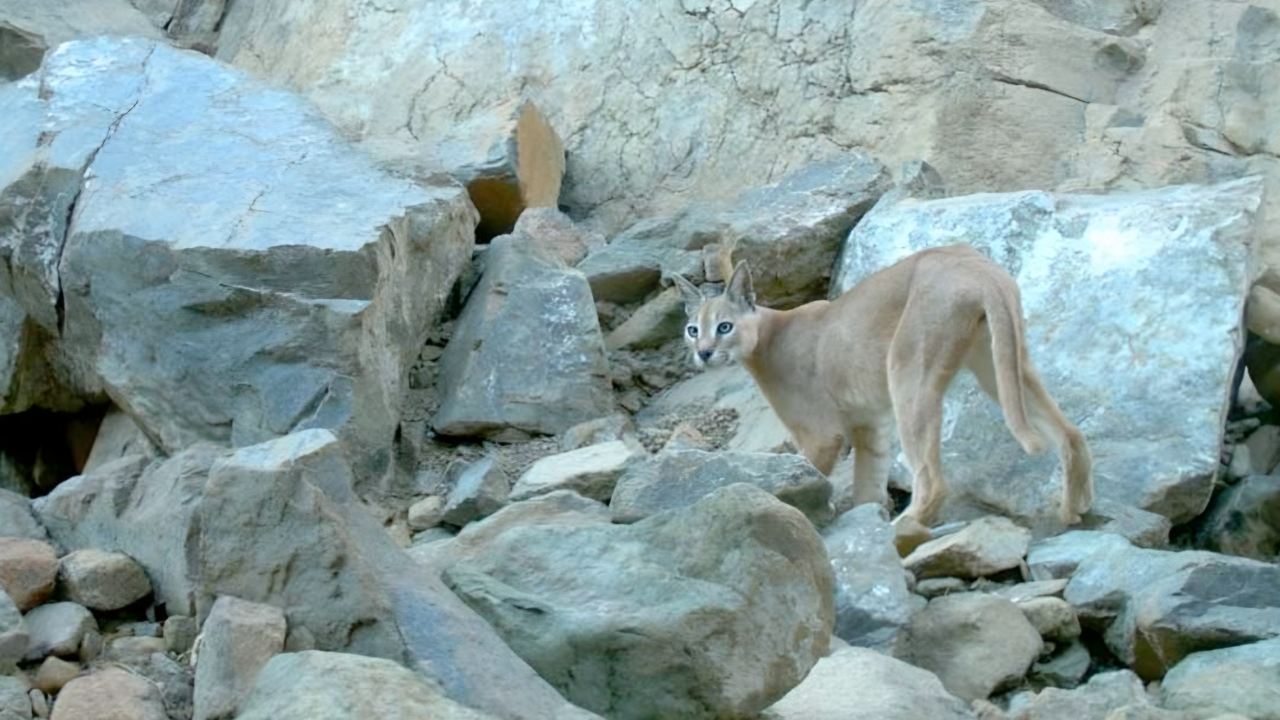
Wadi Wurayah National Park, nestled in the Fujairah emirate of the UAE, serves as a critical sanctuary for the Arabian caracal. This protected area is renowned for its rich biodiversity and is designed to provide a refuge for the region’s endangered wildlife. With cameras revealing the presence of the caracal, the park’s significance only amplifies.
The conservation strategy focuses on maintaining the park’s ecological integrity, with an emphasis on habitat protection and ensuring prey availability. As noted by Dr. Amina Alhammadi from Emirates Nature, “This discovery opens a new chapter in our understanding of the Arabian caracal, showcasing the vital role protected areas play in conservation.”
The Vital Role of Technology
The trail camera technology used in Wadi Wurayah is more than just an observation tool; it represents a transformative approach to wildlife conservation. By operating continuously and capturing images without human intervention, these cameras increase the chances of effectively monitoring elusive species. The system, which incorporates solar-powered and cloud-enabled surveillance, enables the collection of real-time data and minimizes human disruption in sensitive habitats.
As conservationist Sarah Khalil asserts, “These innovations empower us to reach species we previously thought lost, greatly enhancing our conservation strategies.” The collected data further enriches scientific understanding, promoting a healthier ecosystem through informed conservation actions.
Perspectives from the Ground
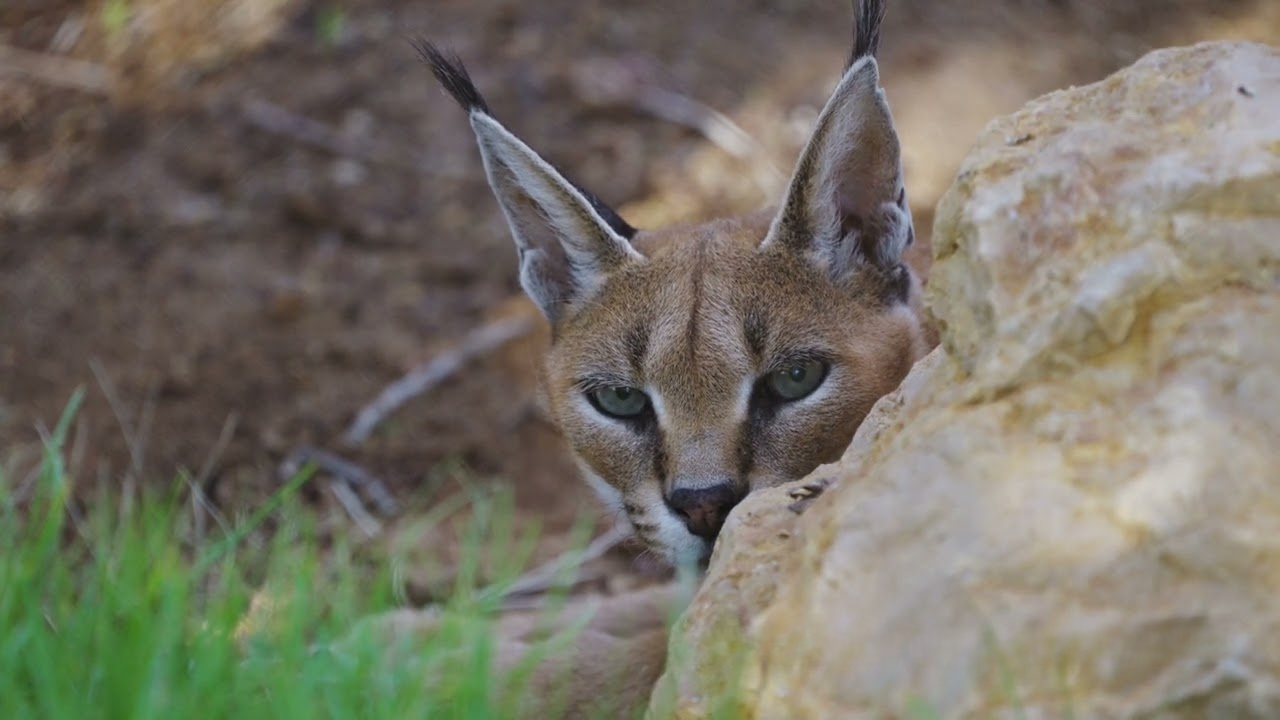
Local communities have long observed the signs of the Arabian caracal but often lacked tangible proof to advocate for its protection. Farmers and ranchers near Wadi Wurayah have reported sporadic sightings, usually filled with myth and folklore.
Ahmad Al-Farsi, a local farmer, shares, “Seeing this cat, even on camera, just reinforces our belief in the balance of nature.” Community involvement is crucial; locals now play an integral role in informing conservation strategies, displaying a blend of traditional knowledge and modern scientific understanding. As populations rally around the rediscovery, there is renewed hope and a collective responsibility to protect this remarkable feline.
Conservation Strategies Updated
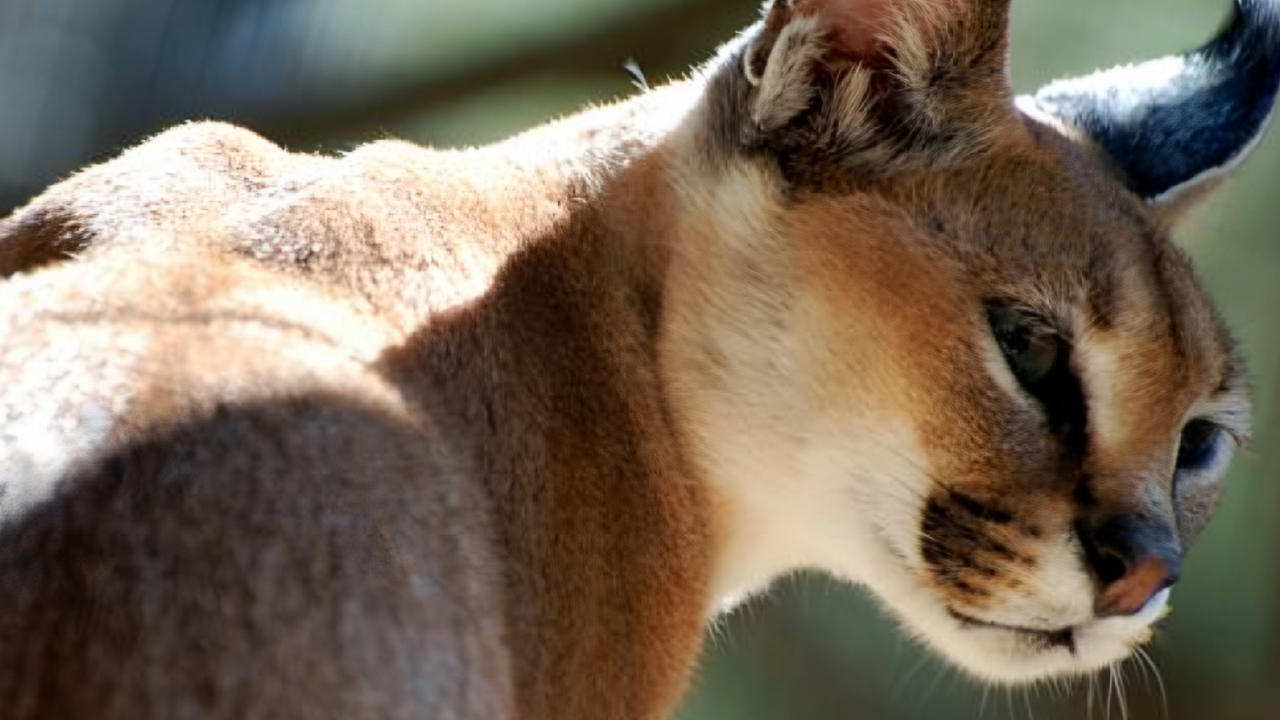
The incredible footage of the Arabian caracal has reignited discussions around conservation strategies for critically endangered species in the region. Experts are now emphasizing not only the importance of protected areas but also the significance of habitat restoration, ecological connectivity, and community involvement. Initiatives that promote coexistence between humans and wildlife are being prioritized, as highlighted by conservationist Omar Al-Shamsi.
“We must empower local communities to act as stewards of conservation efforts,” he notes, underlining the necessity for a cooperative approach. Engaging farmers, enhancing education, and developing ecotourism can contribute significantly to preserving the elusive Arabian caracal and its habitat.
The Ripple Effect of Awareness
The announcement of the Arabian caracal’s presence in Wadi Wurayah has sparked a wave of excitement among conservationists worldwide. News of this rediscovery has reinvigorated support for critical ecological projects aimed at protecting other endangered species. The incident reflects a broader trend in conservation awareness, emphasizing the human connection to nature and the pressing need for sustainable practices.
Conservationist Dr. Fatima Al-Hassan expresses her optimism: “This is a clarion call to the world about the fragile state of our ecosystems. By protecting one, we are protecting many.” The moment has become a beacon of hope within a larger narrative of successful conservation efforts.
Future Challenges Ahead
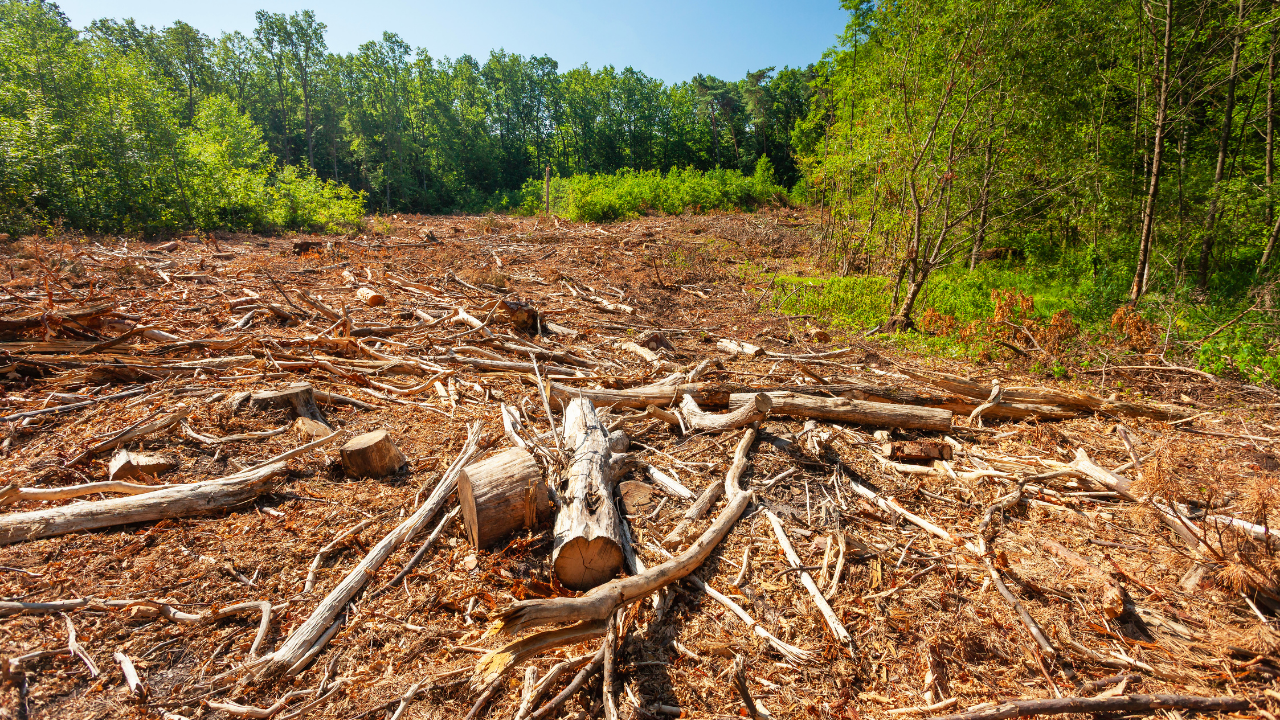
While the capture of the Arabian caracal on camera is a monumental step forward, challenges persist. Ongoing threats such as habitat loss, climate change, and human-wildlife conflict continue to loom large. Conservationists face the immense task of not only protecting the remaining individuals but also restoring their habitats.
Despite the excitement surrounding rediscovery, experts warn that immediate action is needed to prevent further decline. “Every day counts when it comes to restoration and protection efforts,” says Dr. Amina Alhammadi. Addressing these challenges requires collaboration from governments, NGOs, and local communities to ensure a viable future for this remarkable feline.
The Role of Education in Conservation

Education plays a pivotal role in the preservation of endangered species, such as the Arabian caracal. Awareness campaigns targeting local communities aim to instill a sense of stewardship over their natural environment. Educational programs that emphasize the ecological significance of native species foster community involvement in conservation efforts.
Through workshops, local schools, and media engagement, conservationists aim to bridge knowledge gaps and promote positive behavior changes. As emphasized by educator Layla Rashid, “Educating the young is planting the seeds for future conservation leaders and advocates.” Strengthening these connections enhances the chances of a successful recovery for the Arabian caracal and other endangered species.
A Hopeful Future
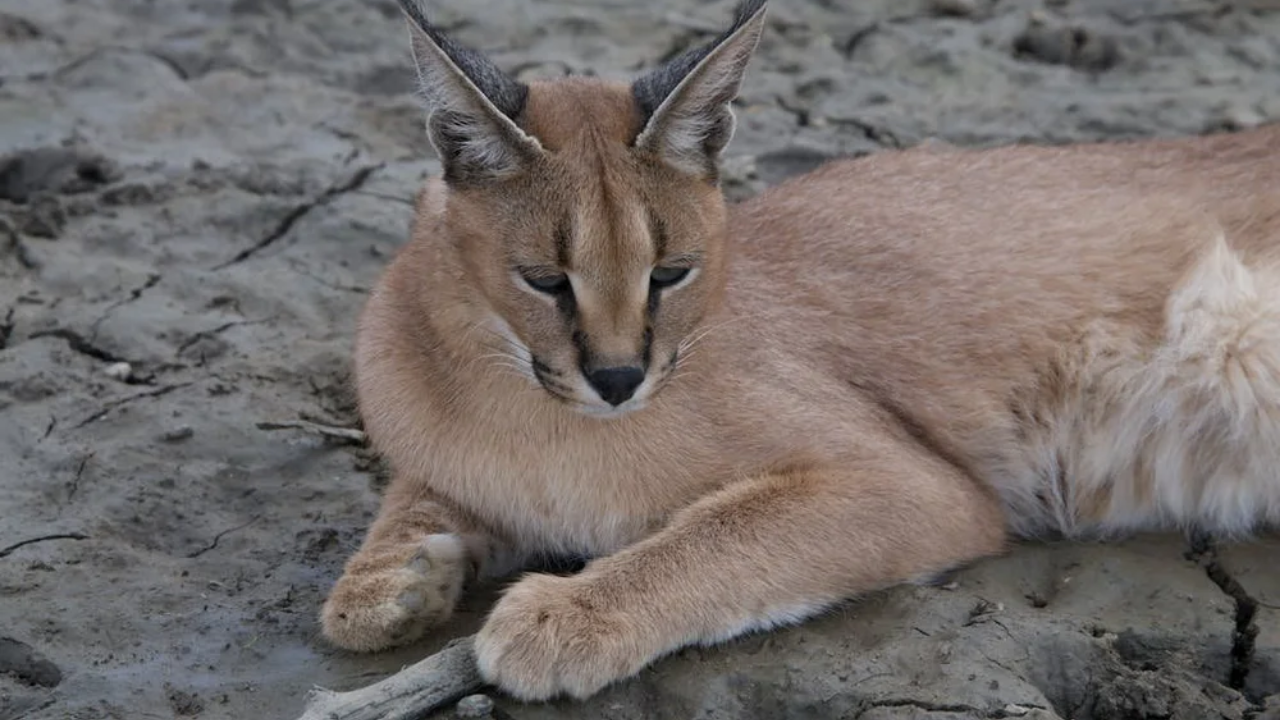
As conservation strategies evolve alongside promising technological advancements, there remains cause for optimism for the Arabian caracal. While the population remains critically endangered, the rediscovery represents a pivotal moment in wildlife conservation. Continuous monitoring efforts, fueled by emerging technologies, will provide invaluable insights into the behaviors and habitats of this secretive species.
Initiatives that foster community engagement will be essential to ensure sustainable efforts. With ongoing support from global conservation entities, local communities, and innovative technologies, the future for the Arabian caracal can shift towards stability and resurgence. “The revival of the Arabian caracal can serve as a model for broader conservation efforts,” notes wildlife biologist Ibrahim Nasr.
A Call to Action
The successful re-documentation of the Arabian caracal not only enhances regional biodiversity initiatives but calls for collective action. Local awareness and international solidarity are crucial for ensuring the survival of this iconic species in conservation efforts. Encouraging responsible tourism and supporting local conservation projects can have a profound impact.
Public engagement through social media platforms brings the plight of endangered species to a broader audience, calling for advocacy and support. As Dr. Fatima Al-Hassan puts it, “Let this discovery galvanize action; we can make a difference if we unite our efforts for the Arabian caracal.” The journey forward will require collective commitment and continued vigilance.
The Journey Continues
The rediscovery of the Arabian caracal is just the beginning of an ongoing journey of conservation and hope. The collaborative efforts between the scientific community and local populations have yielded profound insights, paving the way for a renewed focus on threatened species.
The success of utilizing innovative technology to gather crucial data can inspire future conservation efforts not only for the Arabian caracal but also for many other endangered species. The commitment to save these elusive creatures underscores the intertwined fate of biodiversity and humanity. As we move forward, continued vigilance, collaboration, and action will ensure the survival of the “phantom cat” for generations to come.
Sources
The Cool Down – Trail cameras capture rare, first-of-its-kind footage of Arabian caracal
Express UK – Wildlife experts put hidden camera on trail and spot ‘rare’ Arabian caracal
Indian Express – Critically endangered Arabian Caracal spotted in UAE’s Wadi Wurayah National Park
Khaleej Times – Look: Critically endangered wild cat spotted in UAE
The National News – Rare Arabian caracal spotted in Fujairah mountains in major boost to survival
Emirates Nature-WWF – Official Press Release (October 7, 2025)