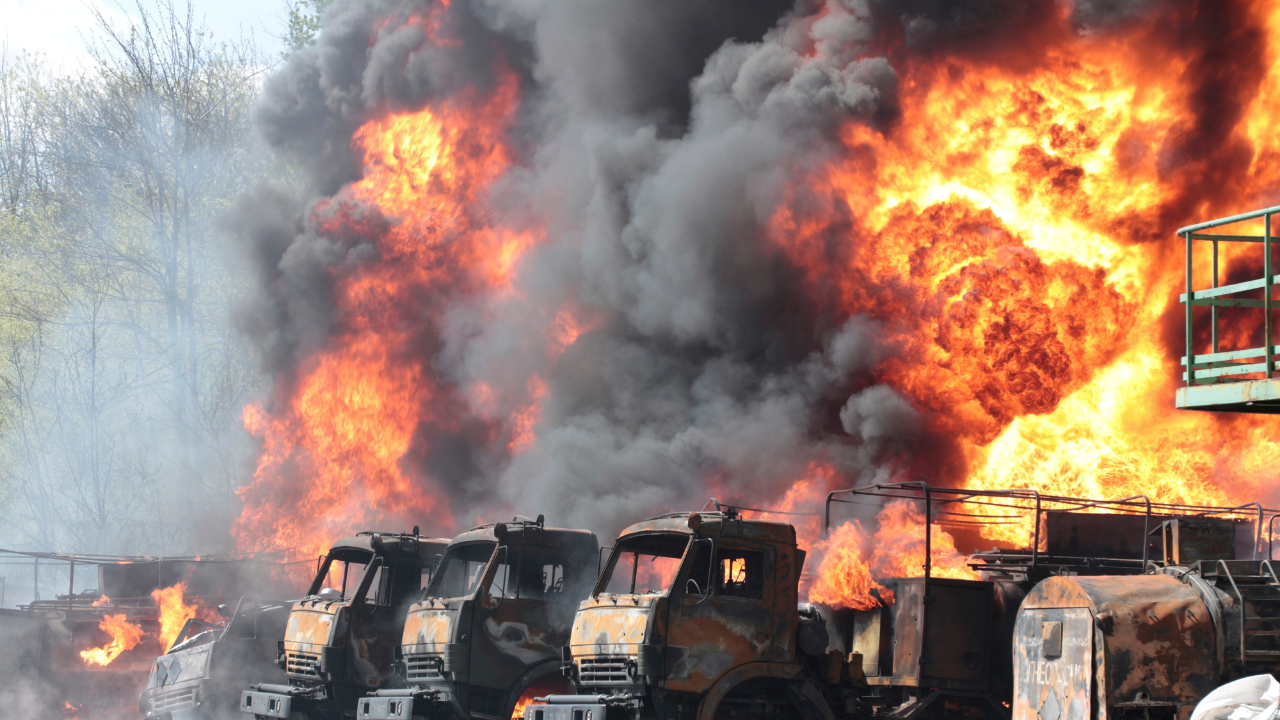
Just after 14:31 Moscow time, four U.S.-made ATACMS missiles arced across the sky toward Russia’s Voronezh region, leaving faint streaks above the landscape as air defenses powered up in response. Flashes from interceptor launches lit the horizon, and seconds later, debris rained down on buildings far from the front line.
Russian officials claimed every missile was destroyed mid-air. Yet photos of scorched fragments embedded in civilian structures raised a startling possibility: parts of the salvo reached deep into Russia itself, marking a historic shift in how far Ukraine can strike, and how vulnerable Moscow’s interior may now be.
Airspace Breached
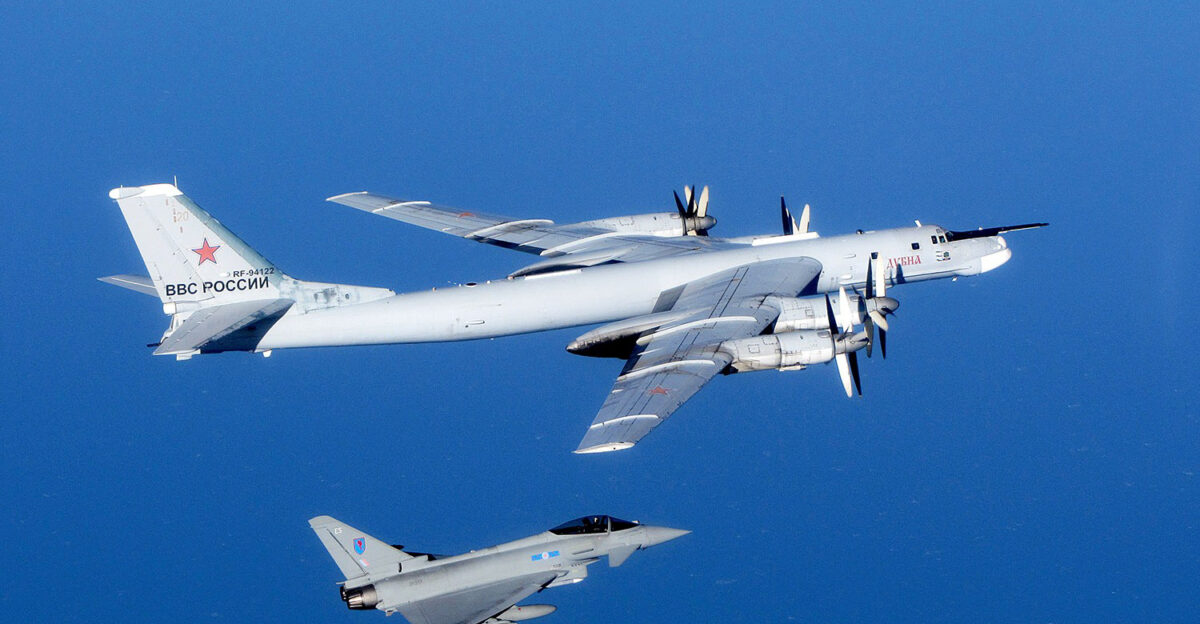
The missiles were not fired at frontline trenches but at the heavily defended Voronezh region, approximately 150 kilometers from Ukraine, where Russia positions key facilities. Moscow says its S-400 Triumf and Pantsir systems intercepted all four missiles and prevented casualties.
However, Russian authorities reported damage from falling debris to civilian buildings, including a gerontology center and an orphanage, confirming that impact fragments landed inside Russian territory. Analysts say the visible aftermath demonstrates a new reality: Russia’s interior is now within routine strike reach.
Weapons Shift
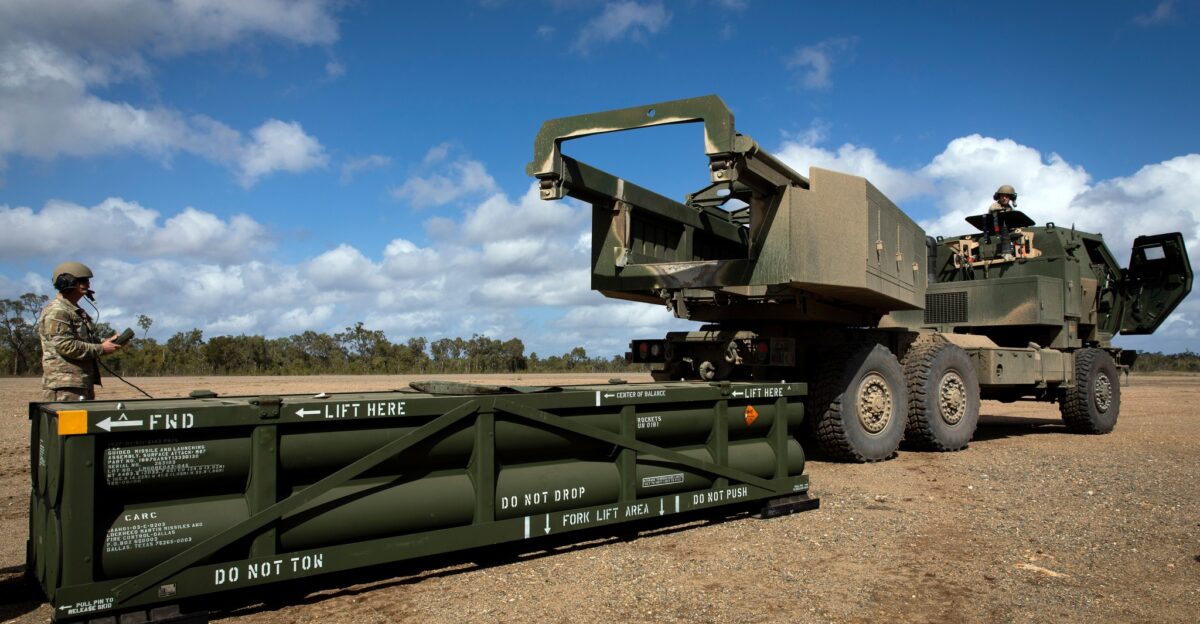
The operation used the ATACMS ballistic missile, a U.S.-manufactured weapon with a range of up to 300 kilometers. Washington supplied Ukraine with around 50 missiles in 2023 and early 2024, originally restricting their use to targets inside Ukrainian territory. Those limits reflected U.S. fears that strikes inside internationally recognized Russia could escalate the conflict.
Over time, as Russian attacks grew more frequent and deadly, that caution eroded. The Voronezh strike is the clearest example of how those boundaries have shifted.
Policy Reversal

In late 2024, the Pentagon quietly removed practical restrictions on Ukrainian use of U.S. long-range missiles against targets inside Russia. For months, American review procedures had blocked such operations, even when Ukraine argued that rear-area hubs enabled attacks on its cities.
By easing controls, Washington signaled greater willingness to let Kyiv hit military sites beyond occupied territory. The Trump administration has continued this permissive policy, framing it as part of a strategy to pressure Russia while avoiding direct conflict.
First Deep Strike Under Trump
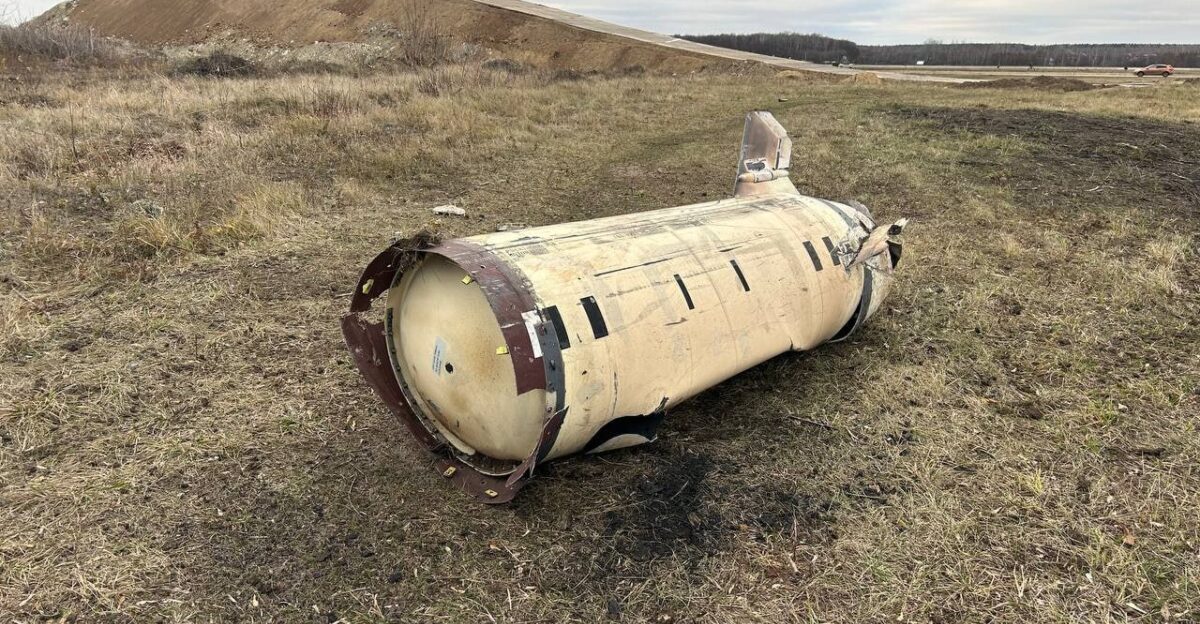
On 18 November 2025, Ukraine launched four ATACMS missiles from the Kharkiv region toward sites around Voronezh, in what analysts identify as the first confirmed deep-strike using ATACMS on Russian soil under the Trump administration. Both sides agree on the number and type of missiles fired.
Targets reportedly included the Pogonovo training ground, a facility linked to pre-invasion preparations in 2022. The salvo marked a significant expansion of Ukraine’s operational scope—moving the war into Russian interior geography.
S-400 Tested
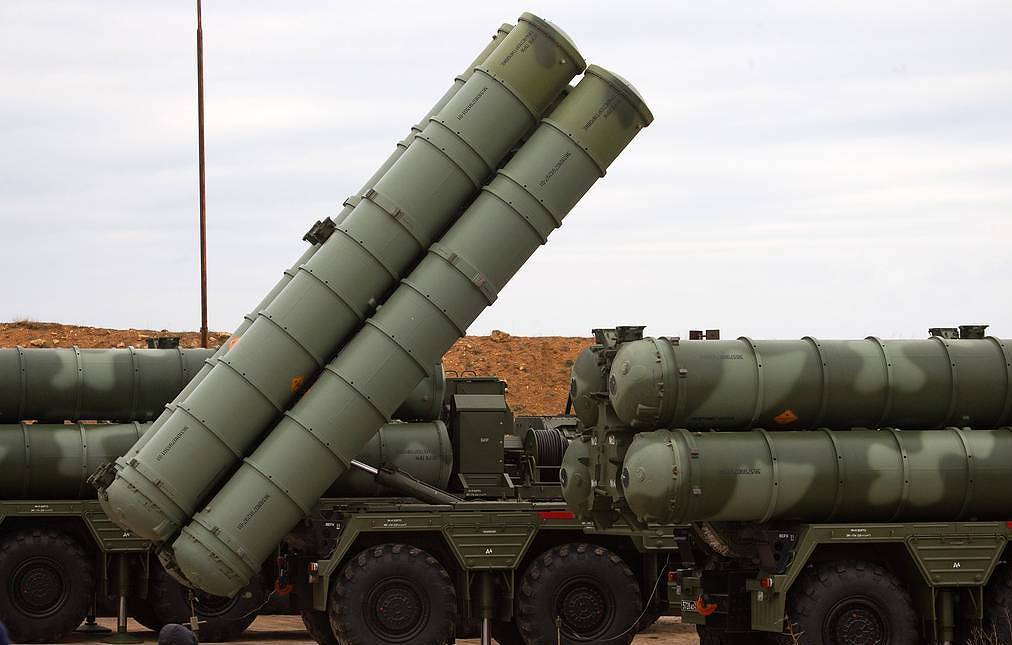
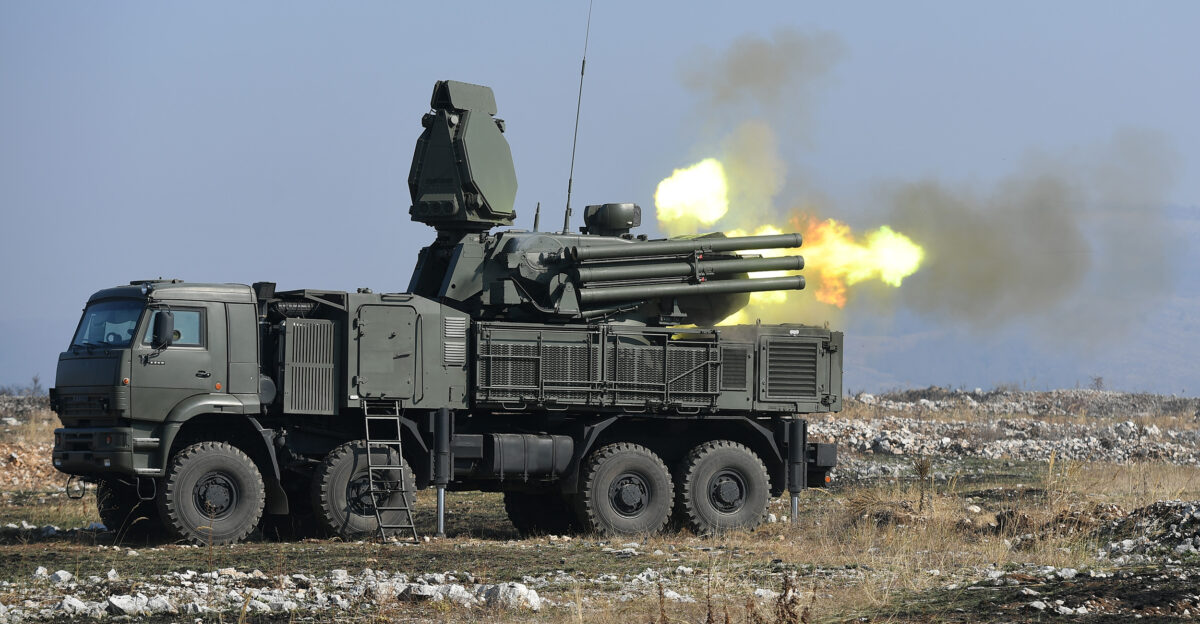
Russia promotes the S-400 as a premier air-defense system capable of destroying missiles before they breach strategic depths. In Voronezh, the system was forced to engage. Moscow released photos of scattered debris and called the interception a full success.
Ukrainian officials and independent analysts countered that the need to fire high-end interceptors deep in the rear shows the defensive envelope has already been penetrated. Even with successful interception, the incident dented the perception of S-400’s untouchable dominance.
Pogonovo Target
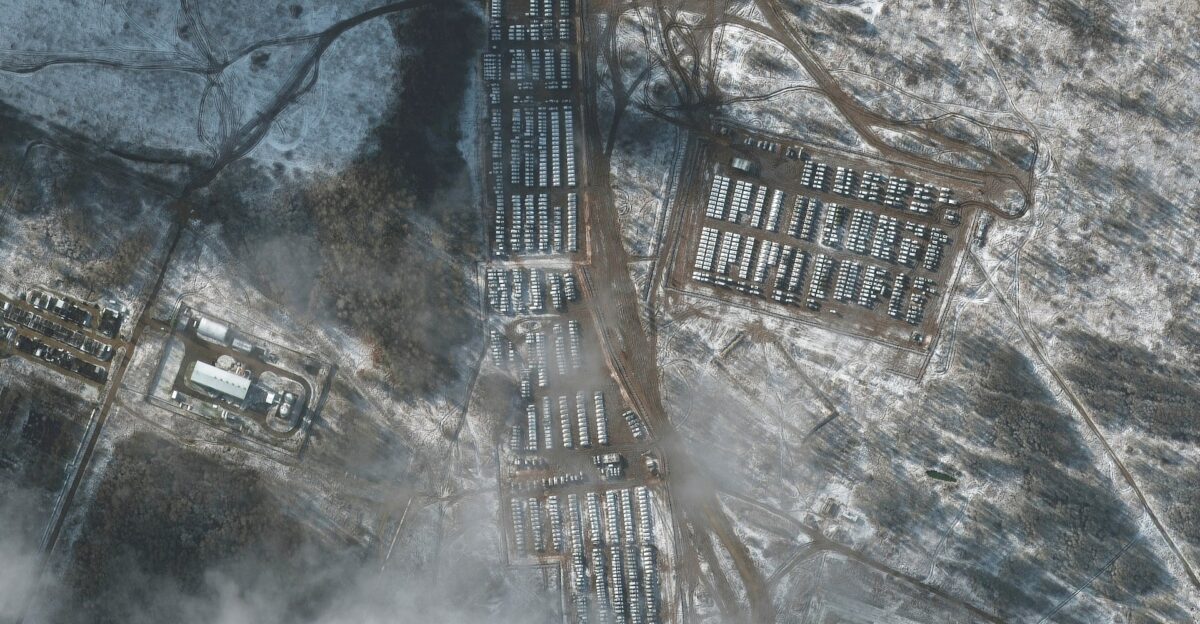
Military bloggers on both sides reported that the Pogonovo training ground—long tied to Russian mobilization—was among the key targets. The site holds symbolic and functional weight: Russian troops reportedly mustered there before crossing into Ukraine in February 2022.
Ukrainian sources claimed that personnel could have been present at the facility, though casualty figures and total numbers remain unverified. Russian officials said only vehicles and roofing were damaged by debris. Competing accounts underscore how sensitive strikes on “safe” rear facilities have become.
Rear Areas Exposed
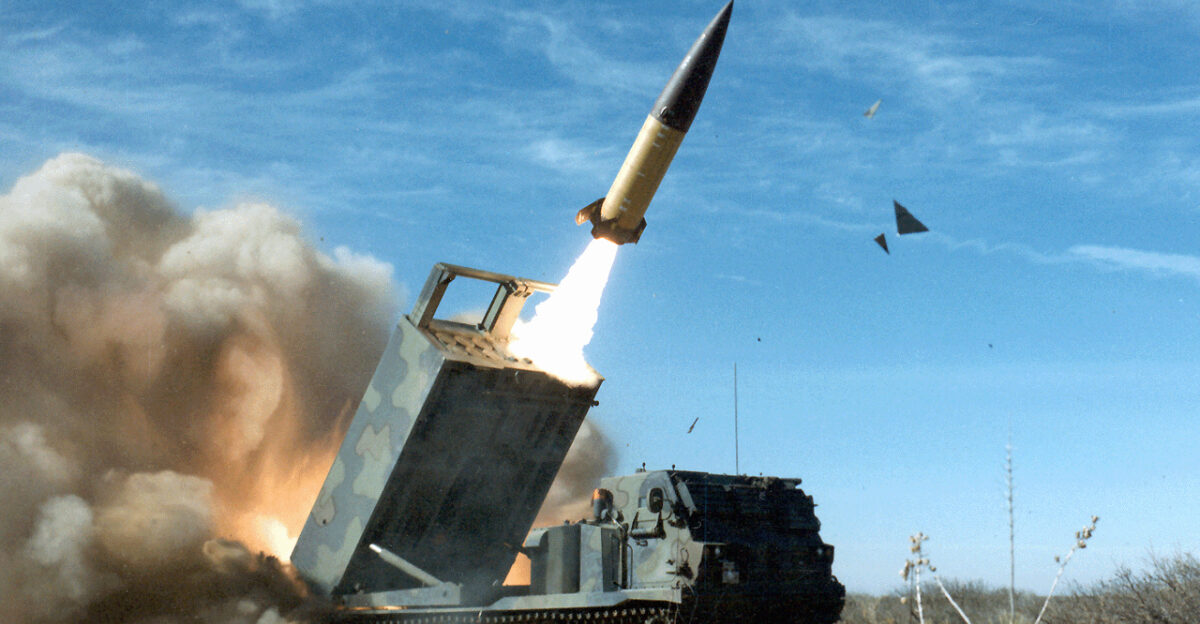
With a ~300-kilometer range, ATACMS brings a wide sweep of rear-area infrastructure—depots, airfields, and rail nodes—under threat. Analysts say many sites previously considered unreachable can now be hit from Ukrainian territory in a single launch.
Earlier ATACMS operations remained focused on occupied Ukraine, often at shorter distances. The Voronezh strike demonstrates full-range capability, forcing Moscow to rethink where it positions forces and how it protects assets throughout its internal logistics network.
Escalation Risks
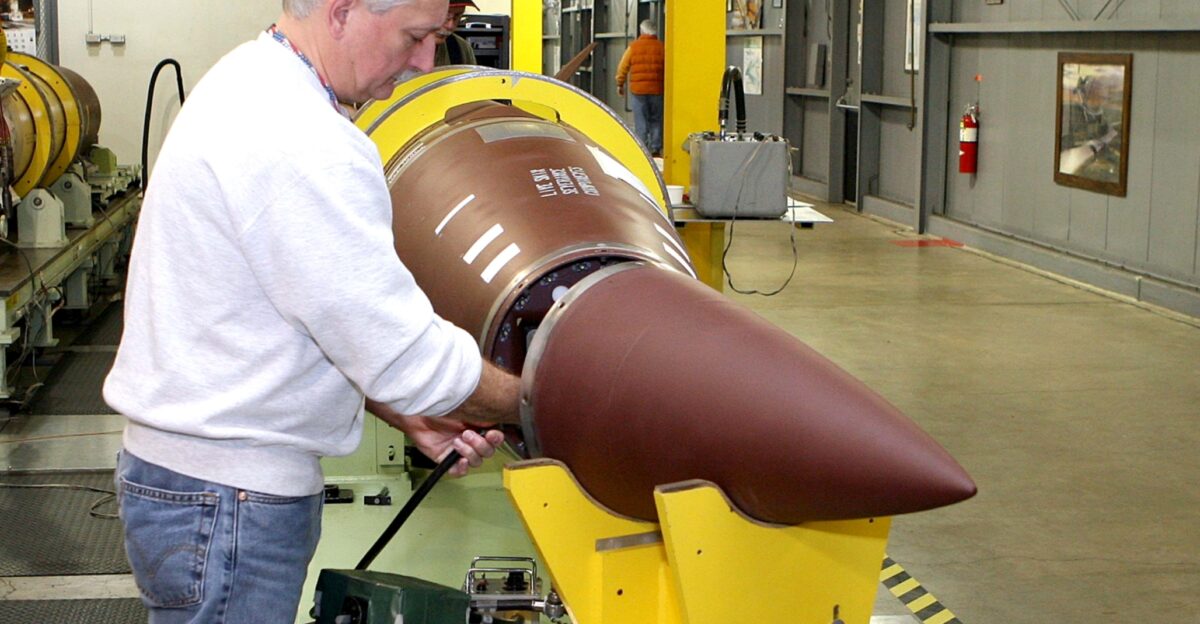
The Trump administration’s decision to allow strikes inside Russia followed years of debate under Biden about escalation risks. U.S. officials feared such operations could spark direct confrontation, but Russia has long launched deep strikes into Ukraine from secure territory.
Some analysts argue that enabling Ukraine to respond at similar depths strengthens deterrence. Others warn that it could provoke harsher Russian retaliation or trigger new red lines. The Voronezh operation will likely influence future policy decisions in Washington and Moscow.
Sanctuary Shattered
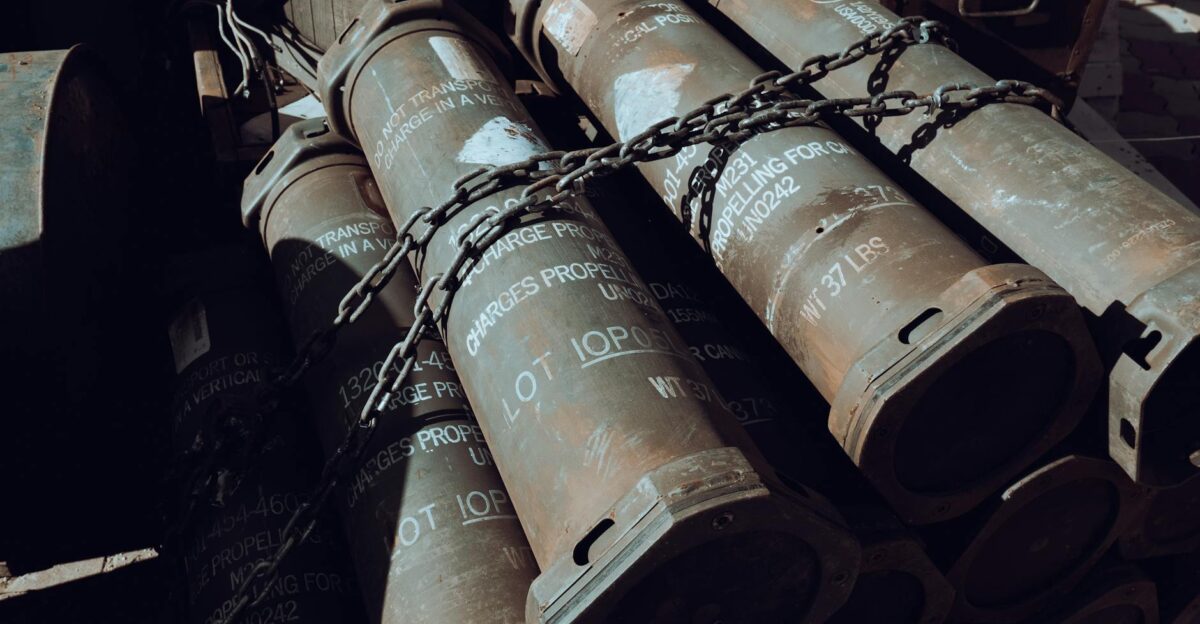
The deeper consequence is psychological: regions like Voronezh functioned as rear-area sanctuaries—safe enough to host training grounds, logistics nodes, and command infrastructure with lighter defenses. Analysts now say that assumption is broken.
High-value sites 200–300 kilometers behind the front must either be defended or dispersed, potentially stretching limited air-defense systems. Redistributing defenses toward the interior may force Russia into painful trade-offs between frontline protection and rear security.
Limited Stock
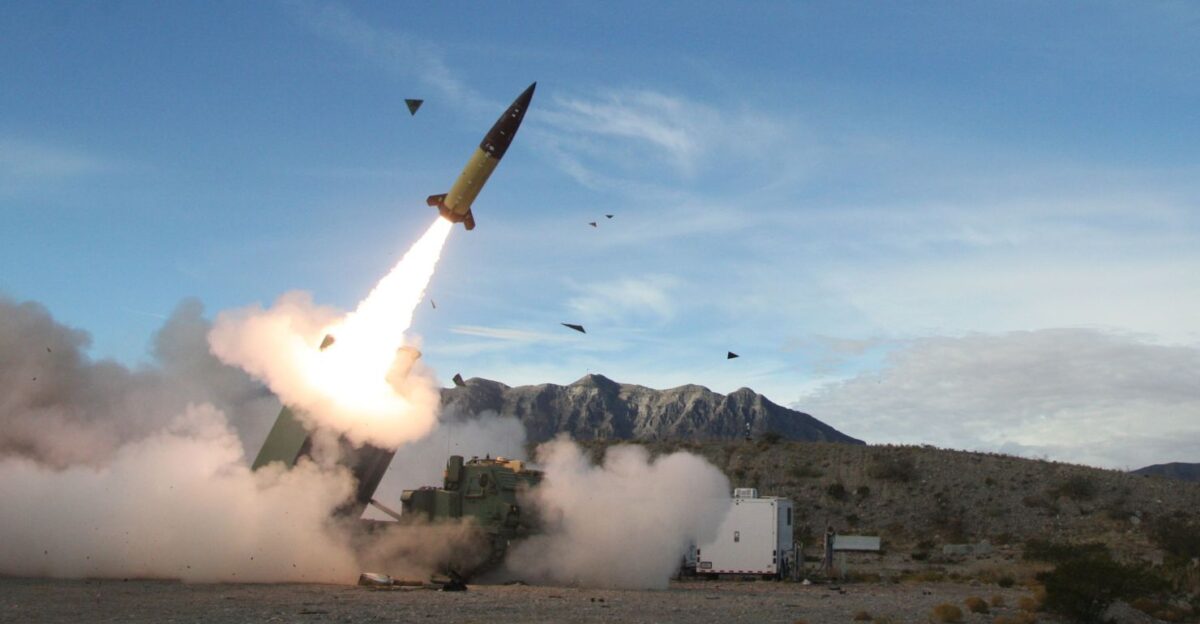
Despite its significance, the strike drew from a limited Ukrainian stockpile. Western reporting estimates that Ukraine received around 50 ATACMS total, and current inventories are likely severely constrained.
Because of scarcity and cost—roughly $1.5–2 million per missile—each launch is treated as a strategic investment, aimed at disrupting high-value sites whose loss could shape the broader war. Kyiv must balance deterrence signaling with the reality of finite munitions.
Russian Response
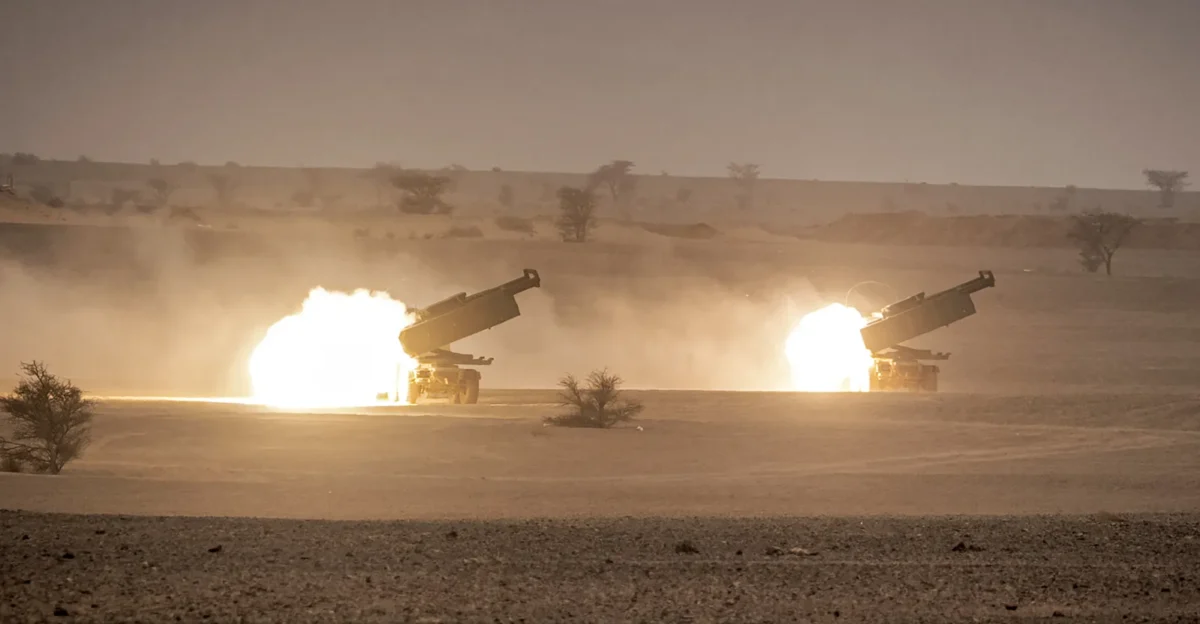
Moscow claims it quickly located the launch zone in Kharkiv region and retaliated with Iskander missiles, destroying two Ukrainian launchers and ammunition. Russian officials also highlighted air-defense success to reassure domestic audiences.
Yet analysts note that deploying S-400 interceptors against a four-missile volley reveals pressure on Russia’s high-end systems, particularly if Ukraine—or partners—scale up long-range strikes. The Kremlin must deter further attacks without appearing exposed.
Air Defense Stretch
Experts predict Russia may redeploy S-400 and Pantsir batteries to shield a broader range of rear-area targets newly within ATACMS range. Such moves risk weakening coverage along the front, where Ukraine uses drones and rockets to identify gaps.
Russia’s network, while extensive, is not limitless. Every system shifted to protect deep interior sites is one less defending occupied territory or strategic cities. Analysts say this evolving “cat-and-mouse” redeployment may alter the air-defense balance over time.
Experts Divided
Analysts disagree on whether ATACMS will reshape the conflict. The U.S. outlet The War Zone argues that, because of limited numbers, ATACMS have not been a game-changer in reversing momentum, though they have achieved “significant and sustained effects.”
Others say that even a small arsenal can impose outsized costs by forcing Russia to fortify or relocate numerous facilities. The split reflects broader uncertainty: is this the start of a strategic evolution—or an expensive but temporary pressure tactic?
What Next?

On 20 November 2025, two days after the strike, U.S. Army Secretary Daniel Driscoll visited Kyiv, signaling that military support and diplomatic messaging are being coordinated. Analysts describe a two-track approach: pressure Moscow militarily while testing space for negotiation.
With ATACMS and future systems like Precision Strike Missile entering the conflict, a critical question emerges:
Will deep-strike capability push all sides toward settlement—or intensify the race to dominate the next escalation phase?
Sources:
Kyiv Independent – Ukraine confirms use of US-made ATACMS on Russia after months of Pentagon restrictions (November 19, 2025)
Anadolu Agency (AA) – Russia claims Ukraine hit Voronezh region with American missiles (November 18, 2025)
United24media – Ukraine Confirms ATACMS Strike on Military Targets in Russia (November 18, 2025)
Chosun Ilbo (English Edition) – Ukraine Strikes Russia with ATACMS Under Trump (November 19, 2025)
LucOrg / Euromaidan Press – Frontline report: ATACMS returns to battlefield as Ukraine destroys Russian training facility in Voronezh (November 23, 2025)