
On September 15th, 16,600 Ford workers walked out, demanding more than a raise—they were demanding dignity. Entry-level employees earning $17/hour were juggling multiple jobs, some working Amazon shifts before 7-hour Ford evenings, leaving barely enough time to sleep.
Forty-six days later, Ford agreed to historic wage increases, including a 150% boost for temporary workers. The strike didn’t just reset pay—it shook the foundations of American manufacturing. Here’s what unfolded on the factory floors.
What Happened On Factory Floors?
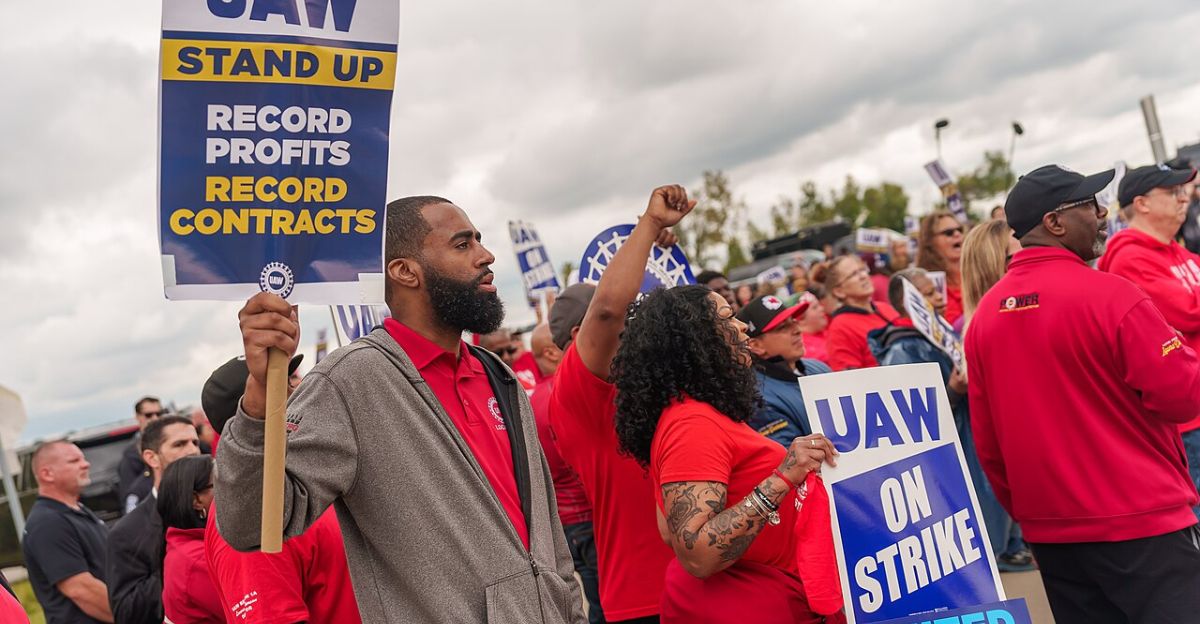
Two groups existed at Ford: full-time employees and temporary workers earning $16.67/hour, with no path to full-time status for eight years. On September 15th, UAW President Shawn Fain announced a “Stand Up Strike” targeting Ford, GM, and Stellantis—the first trilateral strike in UAW history—beginning at three select plants.
Fain’s phased strategy maximized pressure while remaining unpredictable. This approach stunned management with surgical precision, signaling a labor fight unlike any other.
The initial walkout seemed modest, but what happened next shocked even industry veterans.
Young Workers Were Breaking Under Pressure

CEO Jim Farley revealed the human crisis driving the strike. Entry-level workers said: “None of the young people want to work here. Jim, you pay $17 an hour, and they are so stressed,” according to Farley at the Aspen Ideas Festival in June 2025.
Some employees juggled three jobs, including 8-hour Amazon shifts, leaving only 3–4 hours for sleep. At Ford Pro Accelerate in September 2024, Farley confirmed that young workers were stretched to their limits.
The math on these wages tells an even darker story.
$17/Hour Couldn’t Cover Life in America

Full-time workers at $17/hour earned roughly $35,360 annually—$31,240 below the average U.S. salary of $66,600. Compared to the manufacturing average of $25/hour ($51,890/year), Ford pay lagged $16,530 behind. Workers had to find additional income or face poverty.
Ford’s 2023 adjusted earnings were $10.42 billion. Despite profitability, wages remained stagnant, highlighting the gap between corporate success and worker survival.
Industry observers expected Ford workers to accept these terms. They would be wrong.
The Strike Strategy Changed Everything
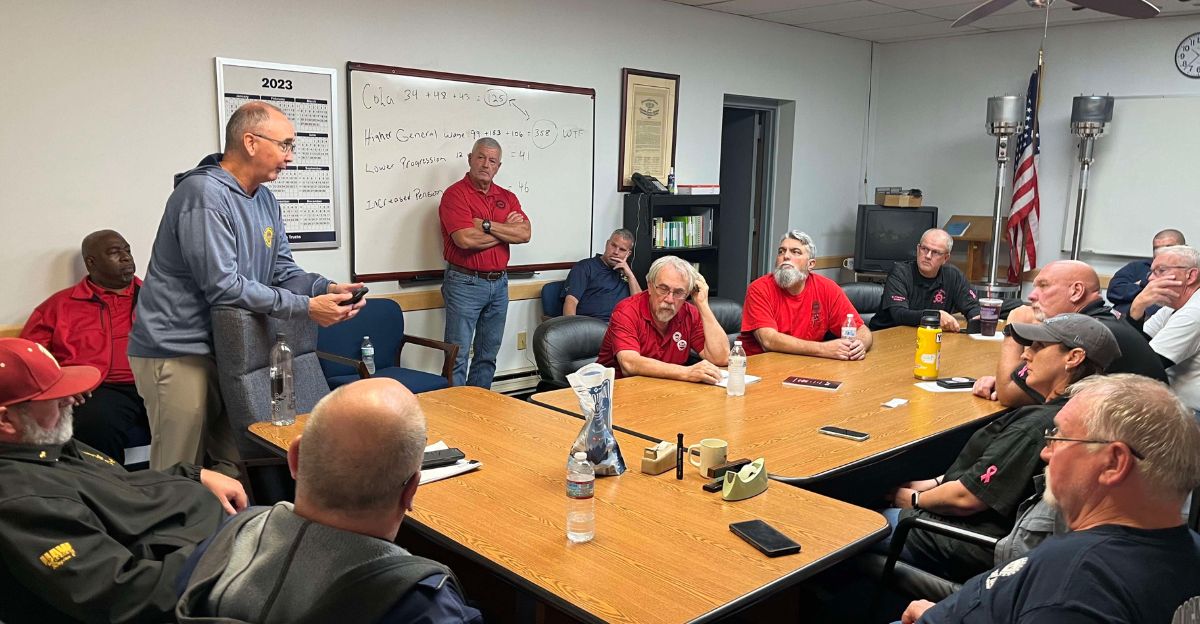
By September 29th, two weeks in, UAW expanded the strike beyond three plants. Chicago Assembly’s 4,600 workers joined. On October 11th, all 8,700 Kentucky Truck Plant employees walked out, halting roughly 30% of Detroit Three production, according to Supply Chain Dive analysis from October 18, 2023.
The strike disrupted the most profitable facility, cutting weekly production by 43,000 vehicles by mid-October and sending shockwaves across management.
But there’s a number hidden in that production loss that reveals Ford’s desperation.
Ford’s Initial Offer Was Clearly Insufficient
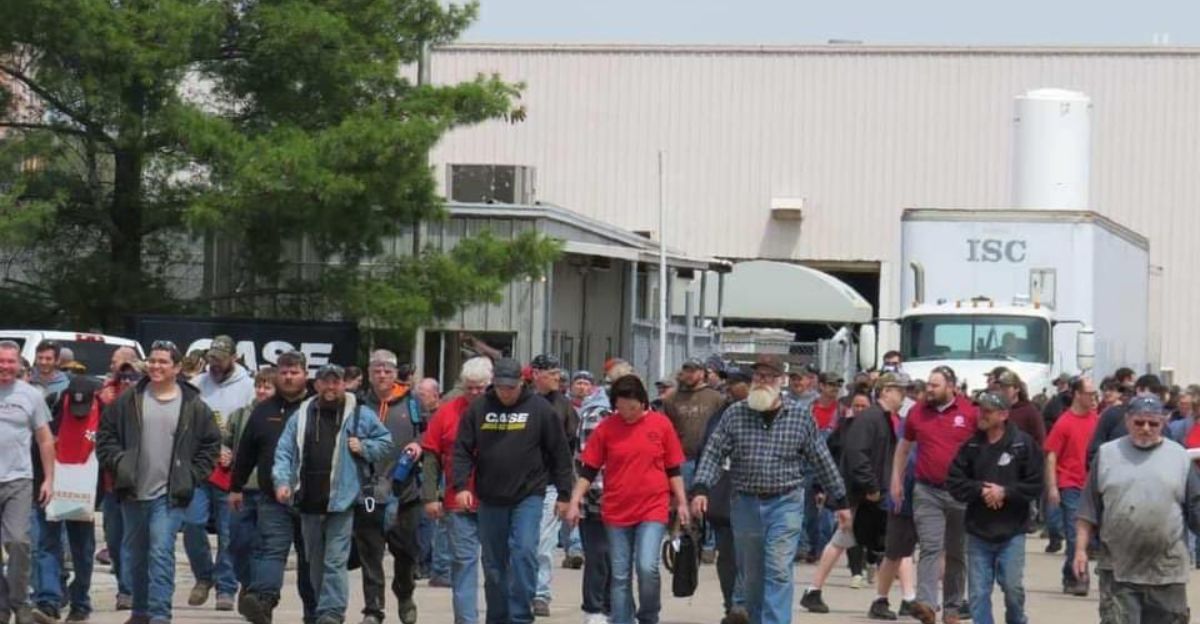
Ford offered roughly 20% general wage increases—less than half of UAW’s 40% demand. Fain called it “Coke Zero COLA.” The union also sought temporary-to-full-time conversion, wage progression, and restored inflation protection lost since 2009.
Management claimed demands were unsustainable due to EV transitions and global competition. Negotiations appeared stalemated, leaving workers poised to escalate pressure.
Then Ford blinked.
When Did Ford Surrender?
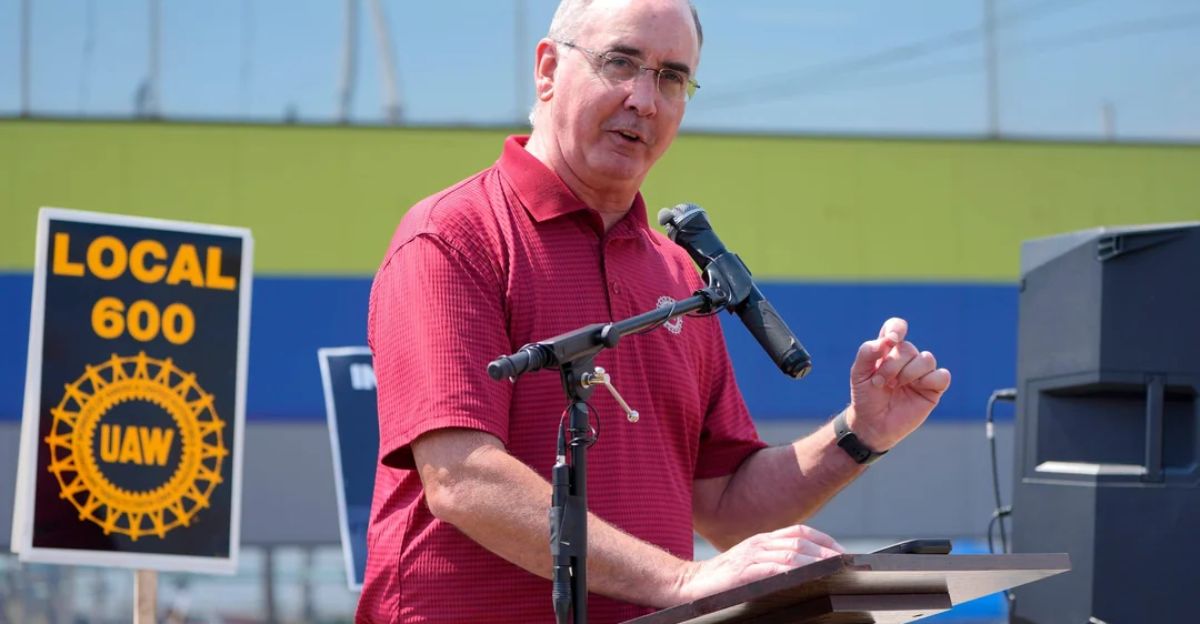
On October 25th, 46 days into the strike, Ford agreed to a tentative deal. UAW President Shawn Fain said: “For months we’ve said that record profits mean record contracts. And UAW family, our Stand Up Strike has delivered. Since the strike began, Ford put 50% more on the table than when we walked out,” UAW statement, October 25, 2023.
Strike pressure, especially at the profitable Kentucky Truck Plant, forced Ford’s hand and signaled the union’s leverage over modern manufacturing.
What was in that agreement shocked analysts and energized workers nationwide.
The Numbers Behind ‘Biggest Wage Reset’

The contract delivered 25% base wage increases through April 2028: 11% immediately, then 3%, 3%, 3%, and 5% in subsequent years. All workers received $5,000 ratification bonuses within two weeks. Temporary workers saw dramatic gains immediately.
Entry-level temps rose from $16.67/hour to $24.91/hour, a 49% jump upon full-time conversion, signaling a transformative wage trajectory.
The 3-year progression path would complete the 150% transformation.
How Temporary Workers’ Wages Transformed

Temporary workers’ top rate previously took eight years; now, they reached $35.58/hour in just three. COLA adjustments could bring wages to $40.82/hour by contract end—a 145–150% increase from starting wages.
Annual payroll for 3,000–5,000 converted workers would cost $200–280 million by contract midpoint. The change was immediate, structural, and financially significant for both employees and Ford.
This wage acceleration solved Ford’s recruitment crisis—or did it?
‘I’m Doing This So Workers Buy My Cars’
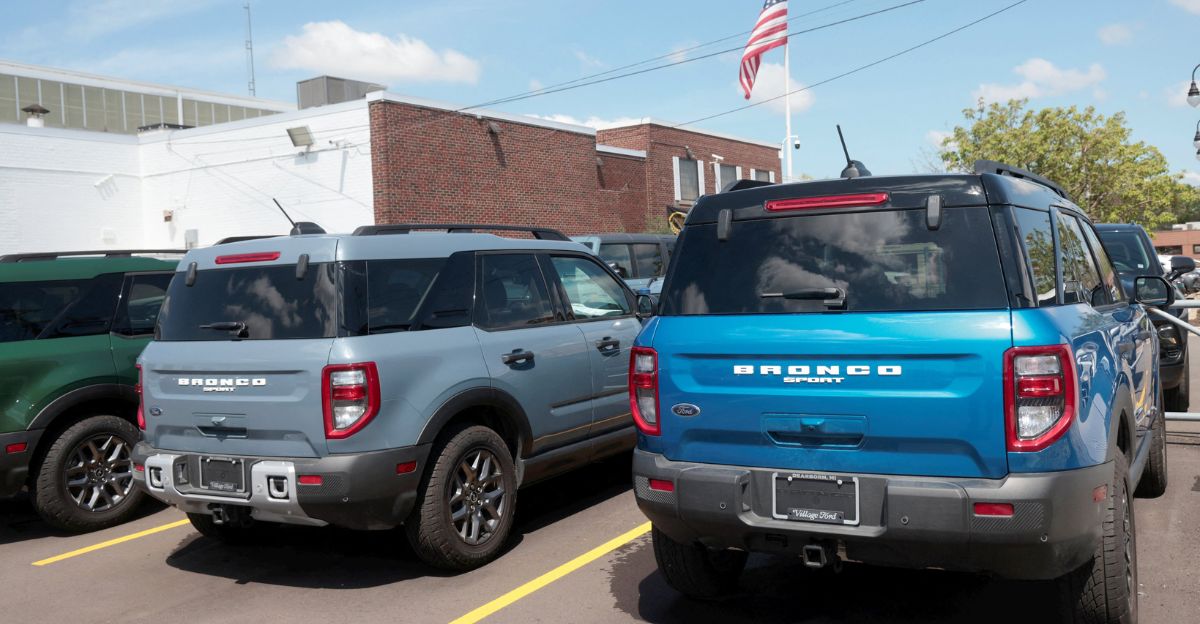
CEO Farley invoked Henry Ford’s 1914 philosophy at Aspen Ideas Festival, June 2025: “I’m doing this because I want my factory worker to buy my cars. If they make enough money, they’ll buy my own product.”
In 1914, Ford doubled wages and reduced hours. Model T sales soared from 308,000 vehicles to 501,000 in a single year, demonstrating the historic logic behind higher pay.
History suggested Farley’s gamble could work—but modern manufacturing faced very different challenges.
The 111-Year Echo: Ford vs. Ford
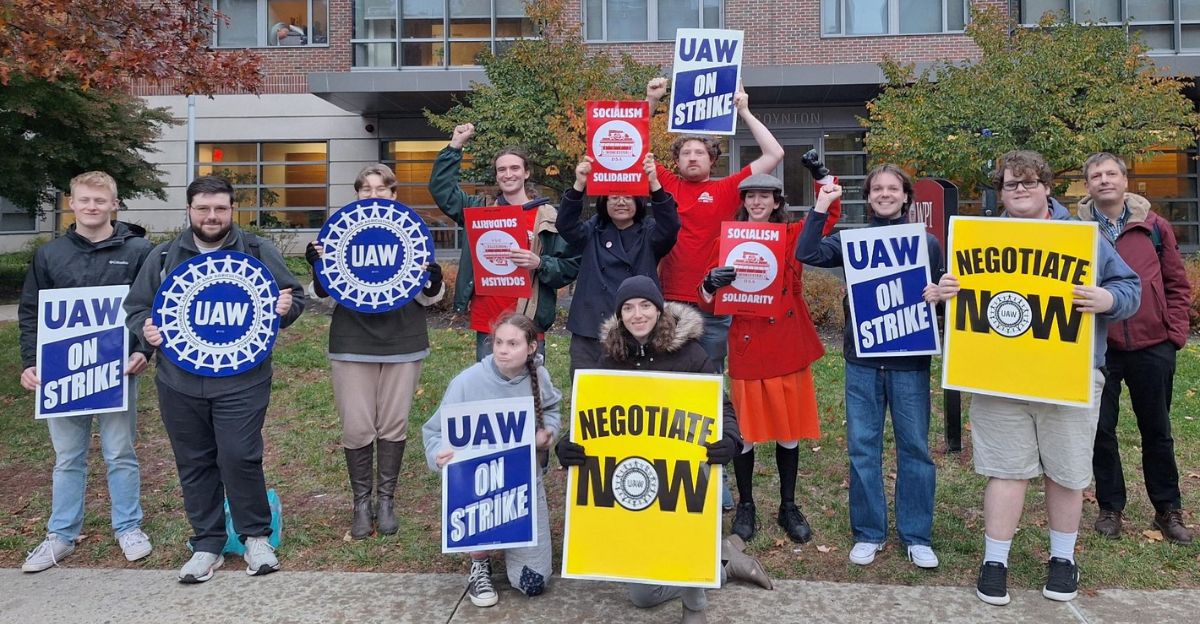
In 1914, $5/day equaled $157/day in 2024 dollars (~$19.63/hour). Today, Ford’s top rate is $42.60/hour (~$340.80/day). Wage growth scales differ: 100% increase in 1914 vs. 25% for general workers and 150% for temps in 2023.
Modern manufacturing faces a cultural challenge: Gen Z largely rejects factory work, limiting the impact of wage increases alone.
The real question became whether 150% wage increases could attract young workers at all.
Gen Z Rejected Factories Long Before Wages Rose
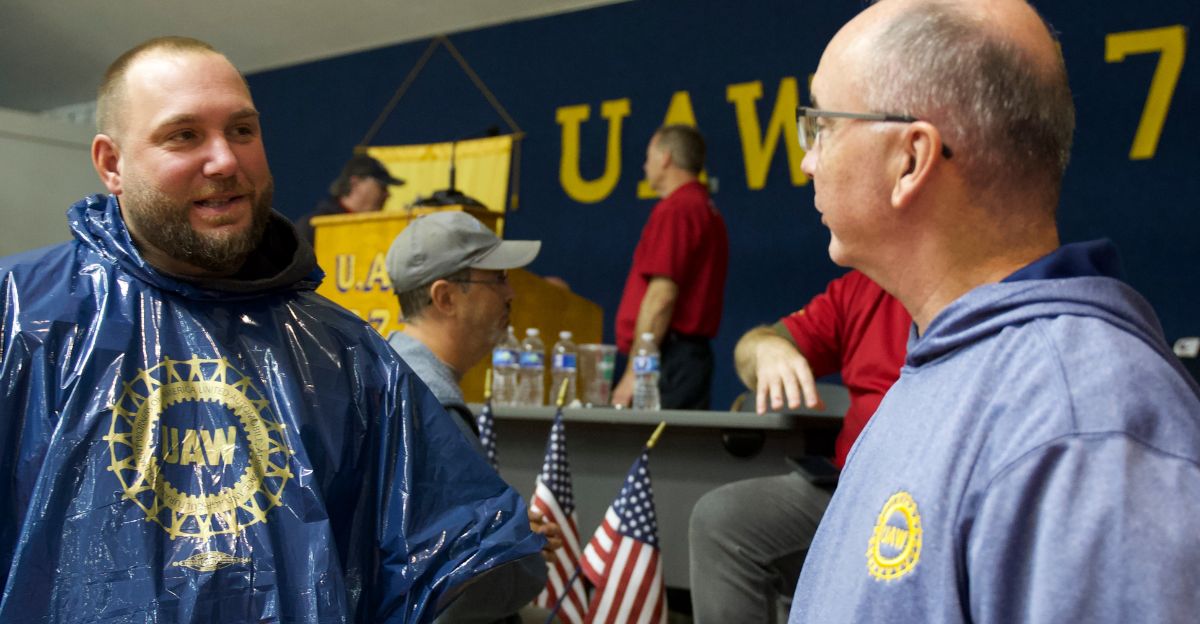
A 2023 Soter Analytics study found only 14% of Gen Z considered manufacturing viable. The Manufacturing Institute projected 3.8 million new jobs by 2033, half potentially unfilled due to skill gaps.
Ford alone had 5,000 open mechanic positions paying up to $120,000 annually. Compensation alone could not attract the next generation of skilled workers.
If $120,000 jobs sat empty, what would solve manufacturing’s generational crisis?
COLA Restoration: Protection Against Inflation
Lost during 2009, COLA returned under the 2023 contract, tied to CPI quarterly adjustments. Workers gained $1.78/hour on average—roughly $8,800 additional per worker over the contract term.
The restoration prevented unilateral cuts in economic downturns, giving permanent inflation protection and stabilizing purchasing power for years.
But wage restoration wasn’t the only shocking benefit buried in the contract.
Temporary Workers Finally Got Profit Sharing

For over 40 years, temporary workers were excluded from Ford Profit Sharing. The 2023 contract immediately included them retroactively to 2023, adding payouts in 2024. Ford Credit profits were also added.
Average profit-sharing payouts rose by $1,200 if calculated retroactively. Temporary employees finally shared directly in corporate success, correcting decades of exclusion.
These benefits mattered enormously—but the strike’s ripple effects extended far beyond Ford’s plants.
Supply Chain Felt the Strike’s Immediate Pain
Ford suppliers typically held two weeks’ inventory. During the 41-day strike, Tier 2 and 3 suppliers were immediately affected. Some laid off workers; others depleted stock, according to Supply Chain Dive, October 9, 2023.
Yet long-term, local economies gained. Workers earning $40+/hour increased spending, boosting communities by $78–104 million annually across the 16,600 striking employees.
The Federal Reserve would later quantify the strike’s broader economic impact in stunning detail.
Production Losses Reached Historic Proportions
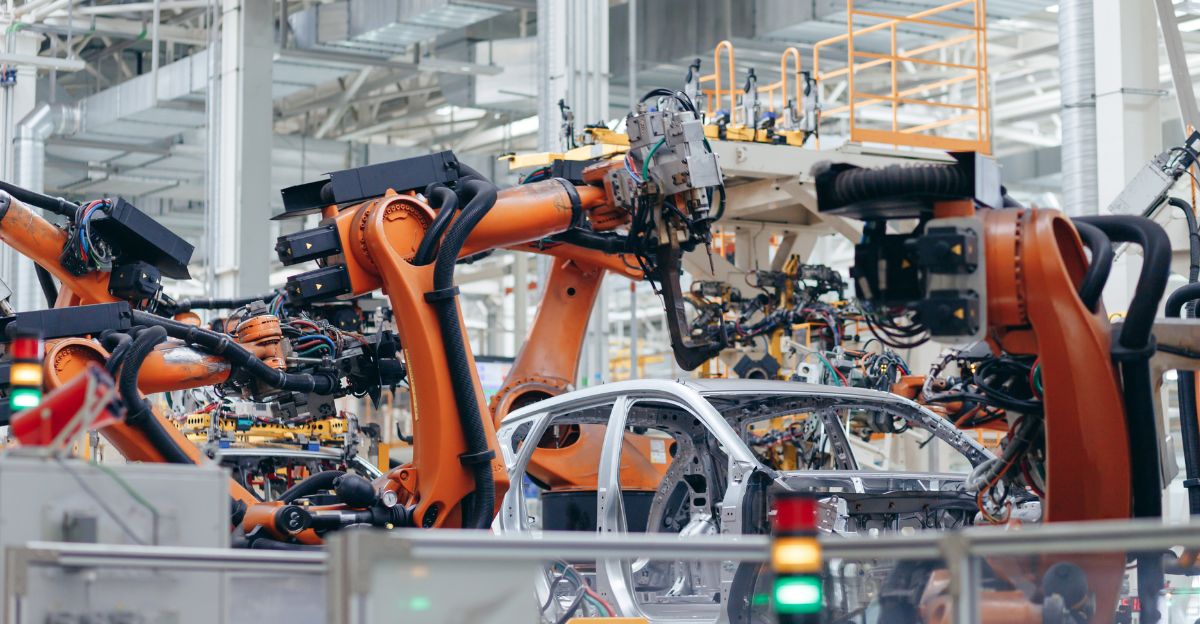
By October 18th, 34 days in, Detroit Three output fell 30%, losing 43,000 vehicles weekly out of 145,000. The Federal Reserve reported: “Strike subtracted 600,000 units from September and 1.8 million in October,” April 2024.
Over one-third of production vanished in a single month, showing how effectively UAW workers controlled domestic vehicle supply.
But here’s what surprised most economists about consumer response.
Did Higher Labor Costs Raise Car Prices?

Critics feared 25% wage increases would spike prices. S&P Global found that a 46% wage increase added only 2% to costs over four years, NPR, September 22, 2023.
Labor wasn’t the driver; car prices rose 30% over four years due to supply disruptions and a shift toward premium vehicles.
But CEO Farley warned that other pressures were building.
CEO Warns Of Price Pressures Ahead
In April 2025, CEO Farley noted that employee pricing couldn’t guarantee long-term stability, CNN, April 30. Tariffs on imported parts could raise costs $3,000–$5,000 per vehicle, though adjustments might reduce this to $900–$2,500.
Despite wage increases, Ford faced external profitability pressures, showing labor wasn’t the primary factor in vehicle pricing.
Despite wage increases, Ford still faced profitability pressure—just not from labor costs.
What About General Motors And Stellantis?

Targeting all Big Three was strategic. Stellantis tentatively agreed October 28th; GM followed October 30th. All matched Ford’s key terms: 25% wage increases, rapid temporary-to-full-time conversions.
This victory affected 145,000 UAW members and raised the labor floor across the U.S., pressuring competitors to comply or risk union action.
The victory proved that strikes still work in modern America—but questions remained about the future.
Can Wages Solve Manufacturing’s Gen Z Crisis?
Temporary workers rose from $16.67/hour to $40.82+/hour by 2028. Yet only 14% of Gen Z consider manufacturing viable, per 2023 Soter Analytics.
Farley told Aspen Ideas Festival, June 2025: “Governments have to get serious about investing in trade schools and skilled trades. In Germany, every factory worker has an apprentice starting in junior high school.”
The Ford wage victory was real and transformational—but it revealed a deeper truth about American manufacturing’s future.
The Wage Reset That Proved Strikes Still Win
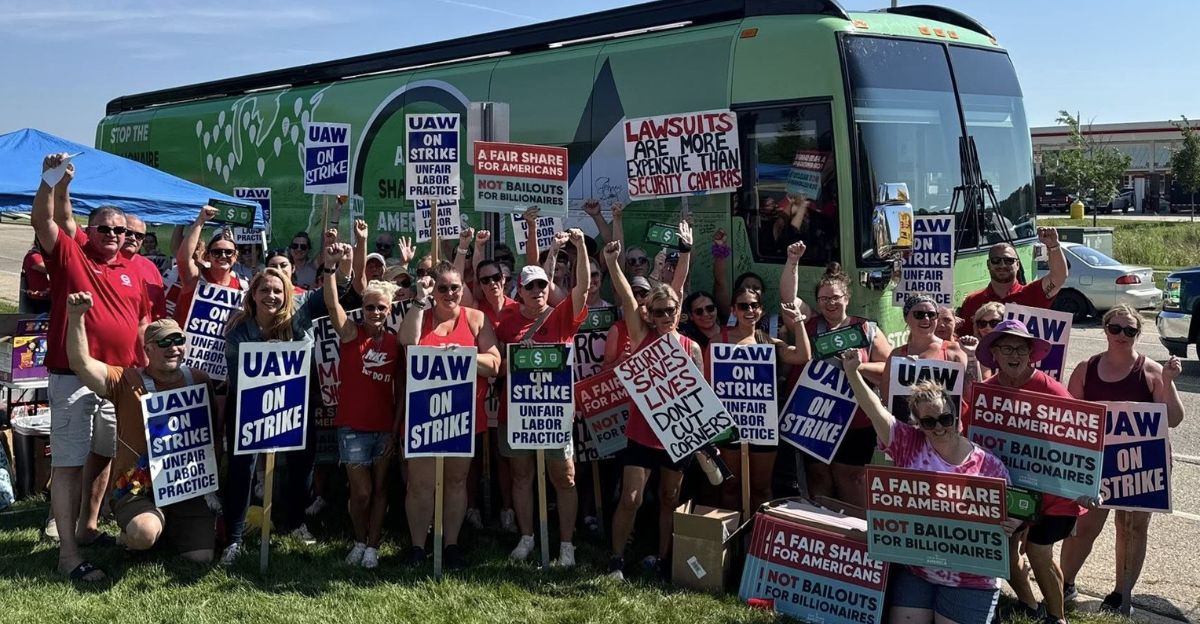
Ford’s 25% general wage increase and 150% gains for temporary workers mark the biggest modern manufacturing victory. Fain said: “Ford put 50% more on the table than when we walked out,” October 25, 2023.
Entry-level wages rising from $16.67/hour to $40.82/hour gave workers a real middle-class path. Collective action remains the key to equitable negotiation, beyond just compensation.
SOURCES
United Auto Workers (UAW) Official Statement – October 25, 2023
UAW Contract Highlights and Wage Progression Details – November 2023
Federal Reserve Economic Analysis: 2023 UAW Strike Impact – April 2024
Manufacturing Institute & Deloitte Report: 3.8 Million Manufacturing Jobs Projection – September 2021
S&P Global Market Intelligence: Labor Cost Impact on Vehicle Pricing – September 2023