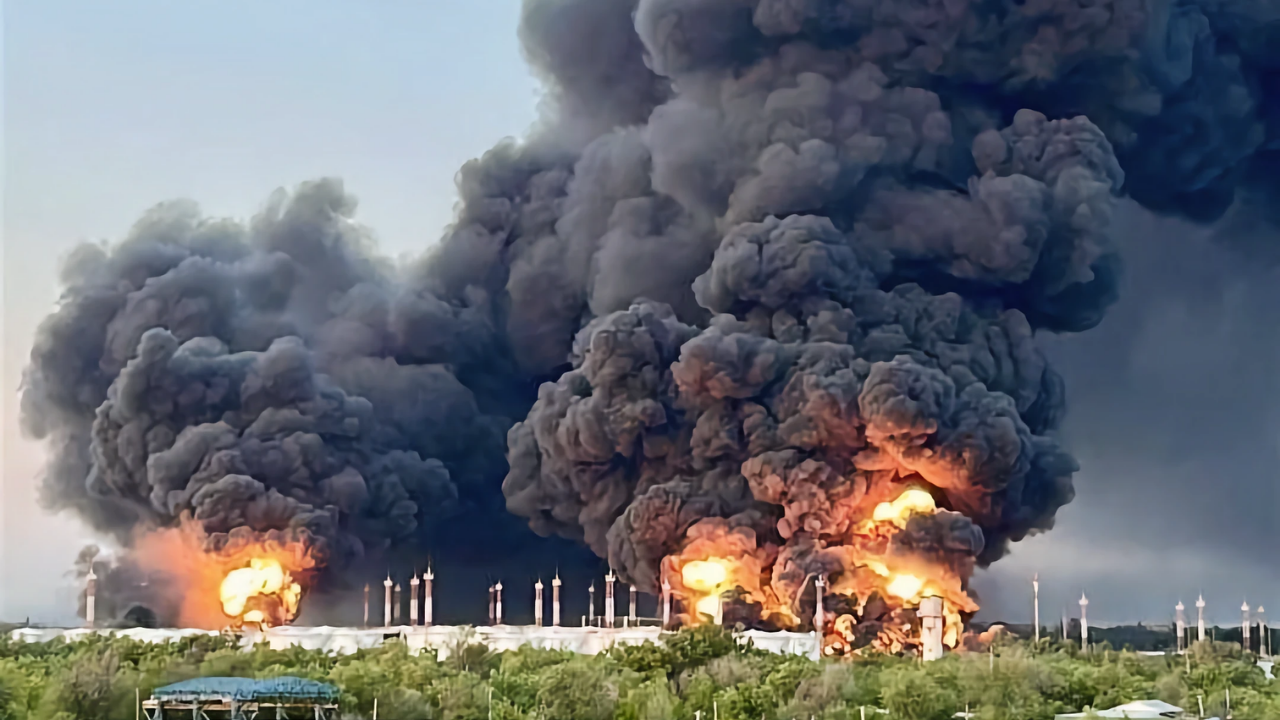
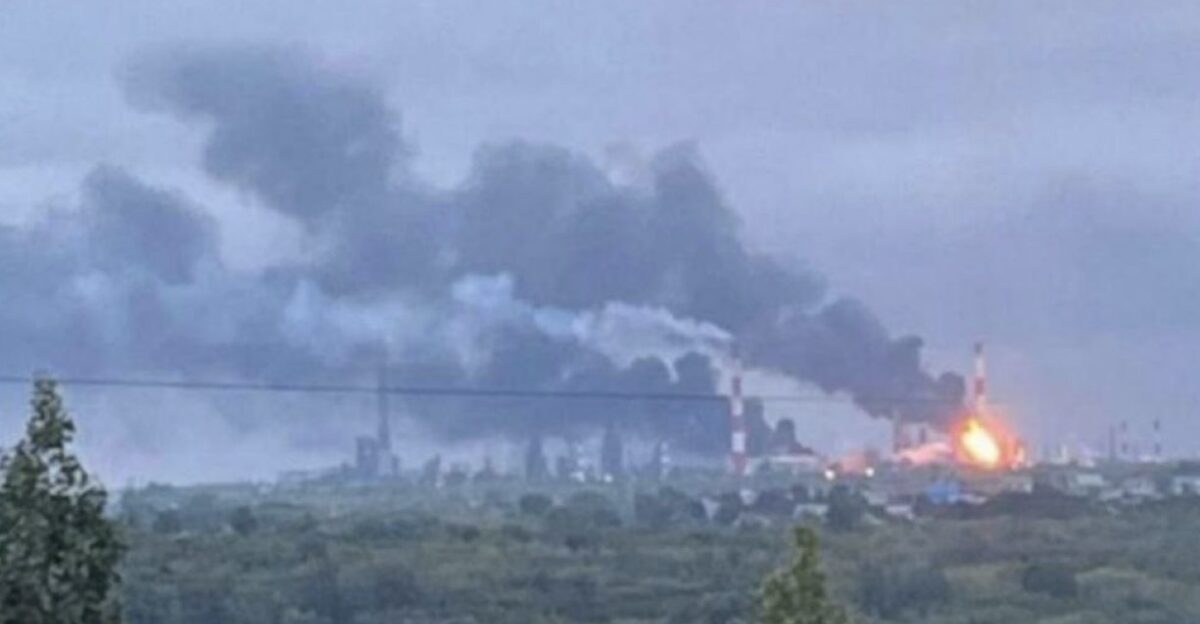
Flames tore through a production workshop at the Nevinnomyssk Azot chemical plant on the night of 3–4 December 2025, sending thick orange smoke drifting above the industrial complex. Emergency lights flashed across the yard as personnel moved between buildings beneath the glow of fire. The blast struck a facility capable of producing over a million tonnes of ammonia each year, along with massive volumes of ammonium nitrate.
But this was only the first sign of how deeply Ukraine’s strike may disrupt Russia’s war machine.
Why This Facility Matters So Much
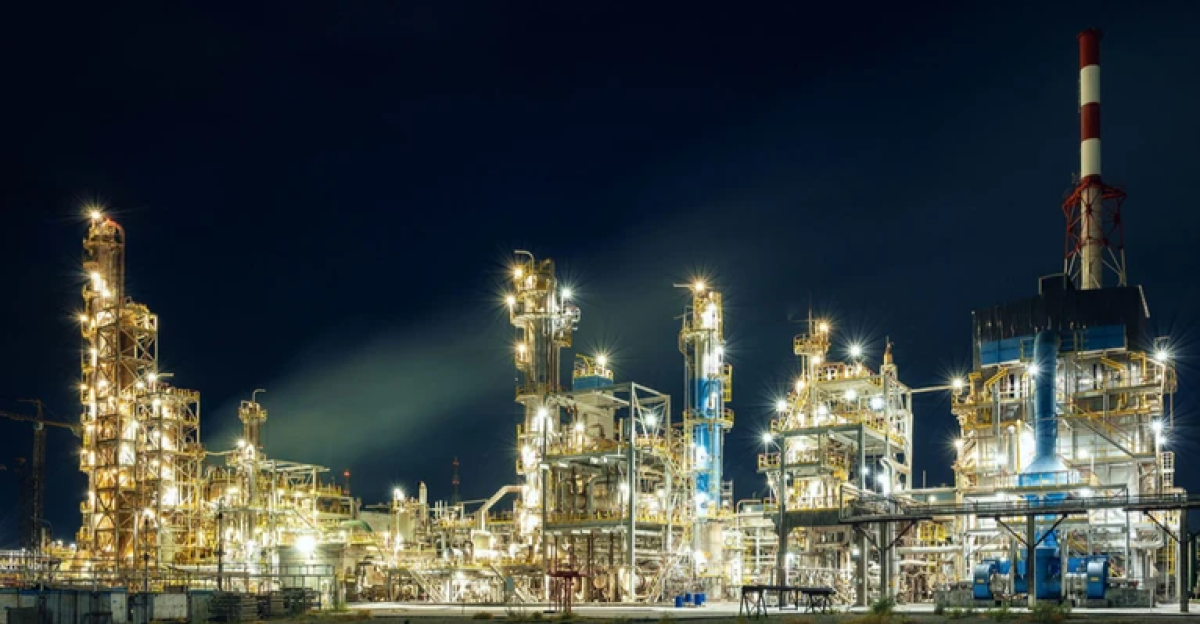
Nevinnomyssk Azot is described by Ukraine as a critically important element of Russia’s defence industrial base. With annual capacity exceeding 1 million tonnes of ammonia and up to 1.4 million tonnes of ammonium nitrate, the site manufactures essential precursors for explosives, propellants, and ammunition.
These inputs support multiple Russian defence companies, forming a backbone of the country’s military manufacturing ecosystem. Disabling it disrupts not just chemical production, but the industrial momentum behind Russia’s warfighting capability.
A Hub Feeding Russia’s War Machine
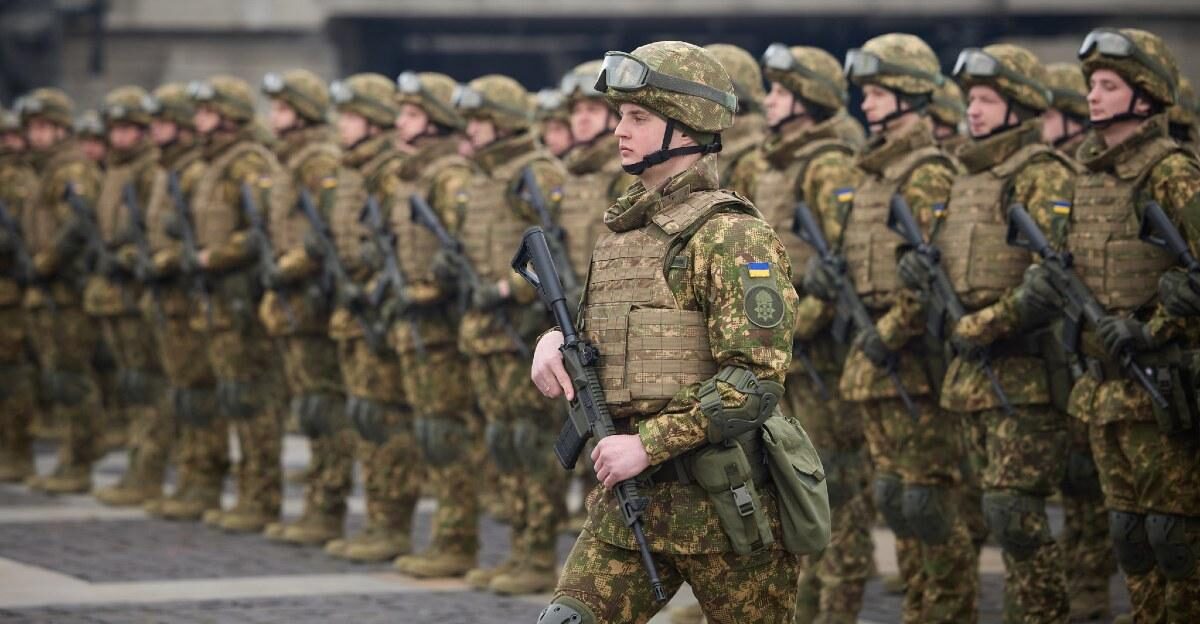
The plant functions as a central chemical hub that constantly supplies materials for the technical support of combat operations. Ukraine’s strike disrupted a facility that operates as a conveyor belt for explosive precursors heading to shell, missile, and bomb assembly lines.
Its importance stems not just from production volume, but from interconnectivity: disruption here reverberates across a web of ammunition plants that rely on steady flows of chemicals to maintain wartime production rates.
Immediate Military Disruption
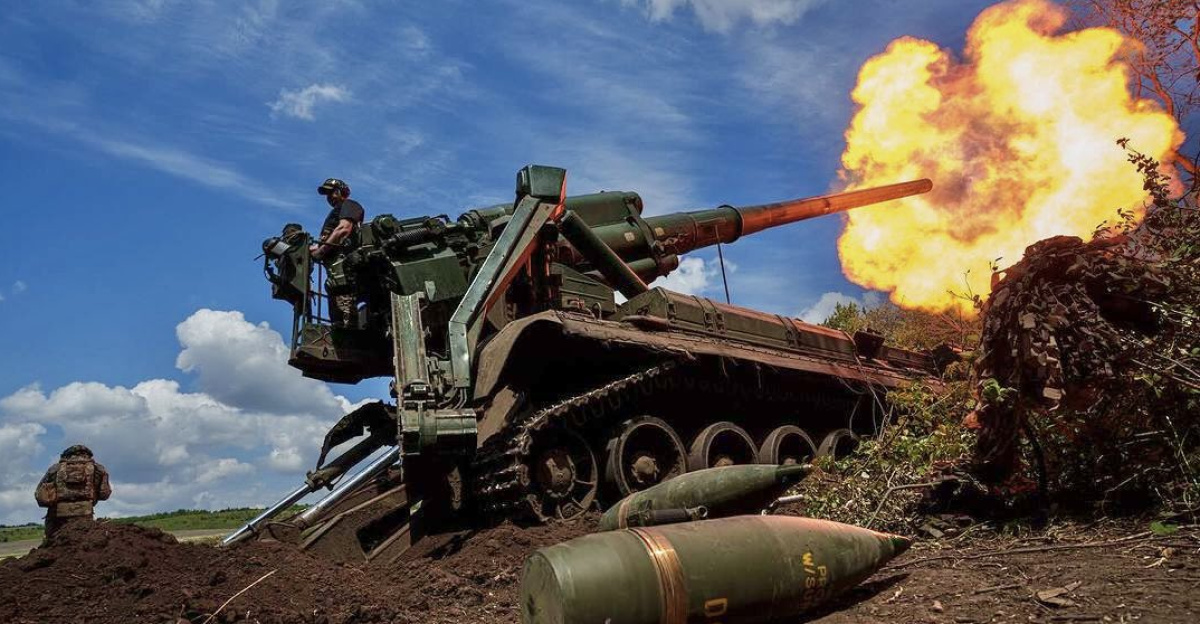
By destroying a production workshop, Ukraine likely halted the output of chemicals vital to sustaining Russia’s artillery fire. Even a partial outage at a facility with over 1 million tonnes of annual ammonia capacity and 1.4 million tonnes of ammonium nitrate capacity can degrade Russia’s ability to replenish ammunition stocks.
For a military reliant on massive daily shell expenditure, a sudden supply shock introduces volatility directly into battlefield performance and future offensive planning.
The Hidden Economic Stakes
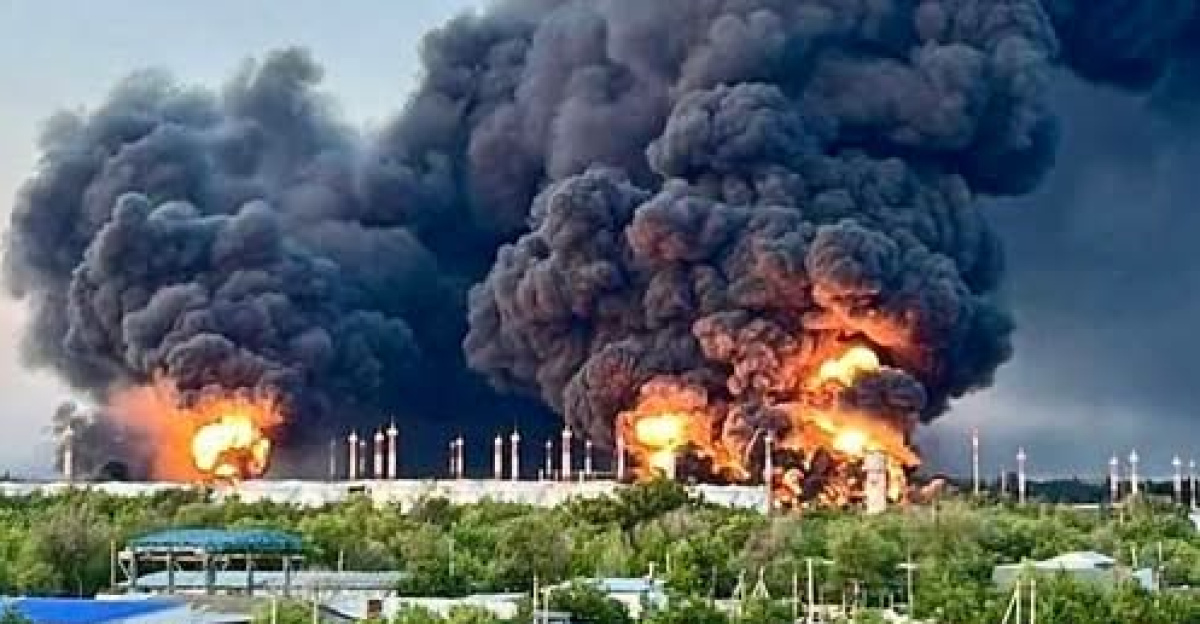
Based on global pricing for industrial ammonia and ammonium nitrate, production at could represent $150–300 million annually. A prolonged shutdown risks eliminating months of output, triggering costly workarounds and interruptions across military and commercial supply chains.
For Russia, the loss of a single workshop is not just structural damage—it is the choking of an economic artery that supports both industrial stability and wartime momentum.
Civilian Dimensions of the Crisis

Ammonia and ammonium nitrate also underpin global fertilizer markets, meaning disruptions here extend beyond military effects. If production remains offline, agricultural industries that rely on Russian nitrogen products could face supply tightness or price increases.
Large plants of this scale typically employ 500–1,000 workers, meaning shutdowns risk lost income, reduced tax revenue, and a strain on local economies heavily dependent on chemical manufacturing.
A Return Strike With Bigger Consequences
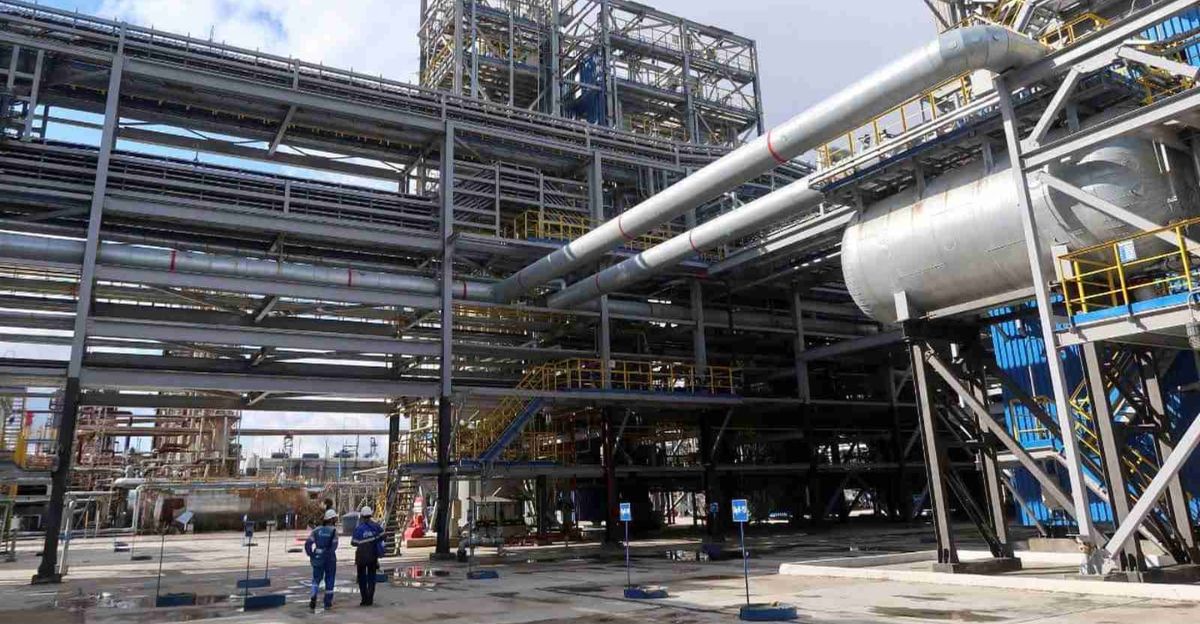
This is not the first time Ukraine has targeted Nevinnomyssk Azot. A strike in June 2025 caused ammonium nitrate prices to spike in Europe and China, illustrating the facility’s global importance.
The December attack compounds previous damage, signaling a strategy aimed not just at episodic disruption, but cumulative attrition. Repeated strikes suggest Ukraine views the plant as a high-leverage vulnerability that can be exploited to weaken Russia’s military capacity at scale.
Fertilizer and Food Prices Under Pressure

If the plant remains disrupted, nitrogen fertilizer markets could experience stress similar to the price movements that followed the June attack. Global agricultural producers rely on consistent volumes to plan planting seasons and manage margins.
Structural supply interruptions at a facility of this size could drive fertilizer volatility, pushing food production costs higher and sparking ripple effects in regions already grappling with climate impacts, cost shocks, and unstable supply chains.
Workers and Communities Face Uncertainty

Residents in Nevinnomyssk may feel both economic and environmental pressure in the coming months. Even without initial casualties, the economic fallout could affect hundreds of workers who depend on plant operations for wages, stability, and benefits.
Local authorities may also confront declining revenue, increased unemployment risk, and heightened anxiety over whether future strikes could trigger secondary explosions or toxic hazards that threaten daily life.
Russia’s Attempted Defensive Measures
Russian officials reported intercepting multiple Ukrainian drones over Stavropol Krai during the same night as the strike, but the confirmed hit on Nevinnomyssk Azot suggests that defensive systems failed to stop at least one platform.
The attack underscores a growing challenge for Russia: defending deep interior infrastructure against long-range, low-signature threats that bypass traditional air defense networks.
Ukraine Explains the Strategy

Ukrainian officials framed the attack as a lawful act of self-defense intended to degrade Russia’s ability to sustain its war effort. Ukrainian military leadership emphasized that undermining Russia’s military and economic potential is essential to forcing a withdrawal from occupied territory.
By targeting the industrial foundation of Russian weapon production, Ukraine hopes to accelerate strategic exhaustion and reduce Russia’s capacity to conduct large-scale offensive operations.
Second Strike: Russia Hit Again
Hours later, Ukraine struck a Russian training ground near Dokuchaievsk in temporarily occupied Donetsk Oblast, killing or wounding 60 Russian servicemen. The strike demonstrated Ukraine’s willingness to pair deep industrial attacks with battlefield attrition.
While the Nevinnomyssk strike targeted supply chains, the Dokuchaievsk attack inflicted immediate human losses, reinforcing the idea that nowhere—from factories to training camps—is immune from precision offensive action.
Escalation Into Russia’s Interior

Ukraine has now demonstrated the capability to strike more than 500 km inside Russia, hitting targets once assumed to be immune. Reaching Stavropol Krai suggests the use of long-range drones or missiles capable of penetrating deep interior airspace.
The psychological effect is profound: Russia’s military-industrial heartland is no longer insulated from conflict, and the credibility of national air defense is increasingly under scrutiny.
Global Economic Reverberations

Disruption at a chemical facility of this size reverberates through fertilizer markets, military supply chains, industrial pricing, and regional trade flows. If output remains constrained, commodity markets may experience pressure during a period already marked by volatility.
Food producers, especially in import-dependent regions, could face higher costs, tightening margins at a time when global production systems are strained by climate, energy, and logistics challenges.
Environmental Risk and Future Outlook
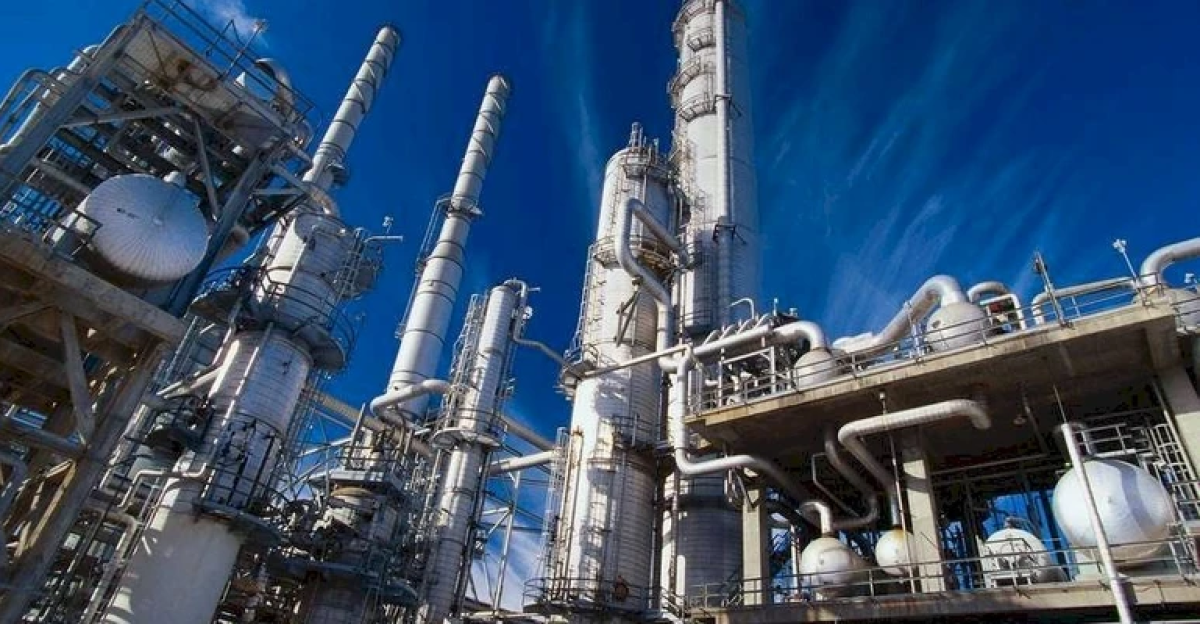
Strikes on chemical plants pose inherent environmental risk, including potential release of toxic gases, contaminated water runoff, and long-term health effects for nearby populations. As both sides escalate industrial targeting, the war is shifting into an economic and ecological domain with consequences that transcend military objectives.
Ukraine’s ability to repeatedly strike critical infrastructure may reshape the conflict’s trajectory, while global markets and governments brace for downstream impacts.
Sources:
AFU General Staff Telegram statement on Nevinnomyssk Azot strike; Interfax-Ukraine report, 4 December 2025
ChemAnalyst “Ammonium Nitrate Prices Spike in June 2025 Following Attack on Russian Plant” market analysis, July 2025
Al Jazeera Russia-Ukraine war key events summary (Nevinnomyssk Azot strike and role as explosives component producer), 5 December 2025
RBC-Ukraine/General Staff coverage of Nevinnomyssk Azot as one of Russia’s largest chemical enterprises and key explosives precursor supplier, December 2025