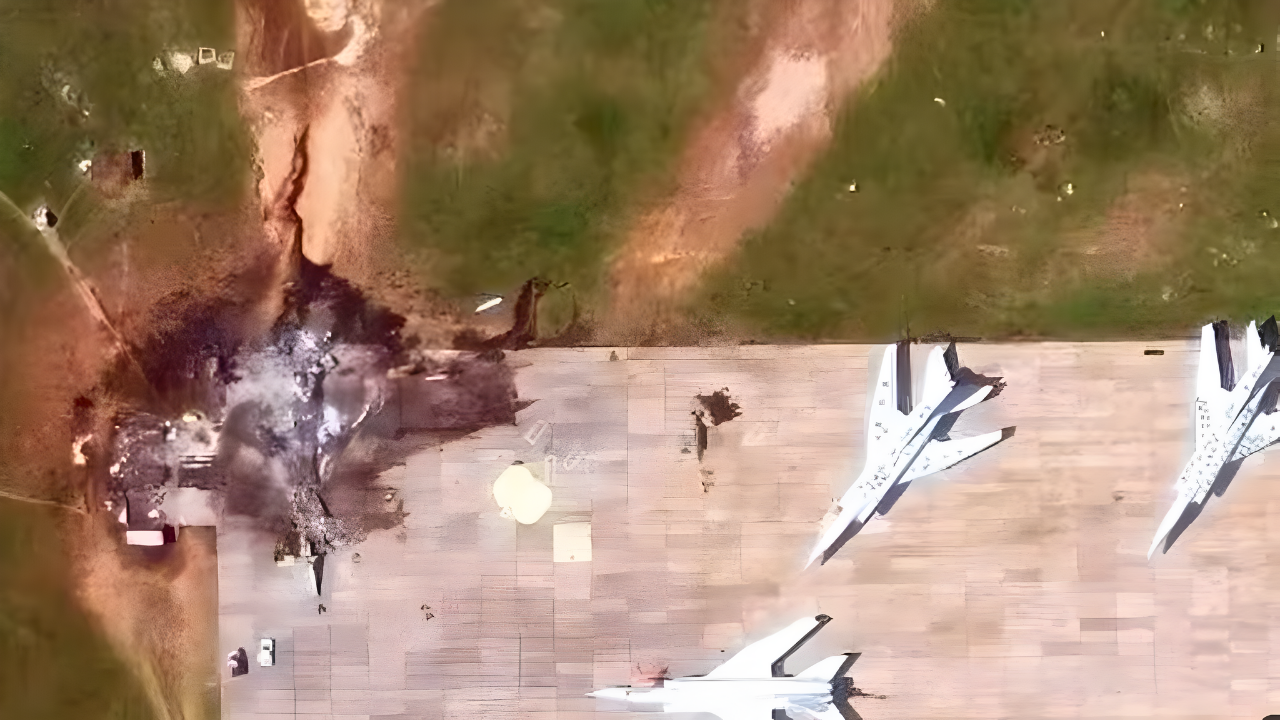
A fireball briefly lit the night sky over occupied Crimea as a Russian fighter jet erupted on the tarmac, followed by a distant flash where a radar tower once stood. The explosions were captured on grainy footage showing smoke pouring upward, floodlights flickering, and personnel scrambling near vehicles. Ukrainian officials later said both targets—a MiG-29 and an Irtysh radar—were destroyed within hours by a covert Defence Intelligence unit conducting a coordinated strike deep behind Russian lines.
According to Kyiv, this was not a random hit but a step in a campaign to dismantle Russia’s ability to control Crimean airspace.
High-Value Targets
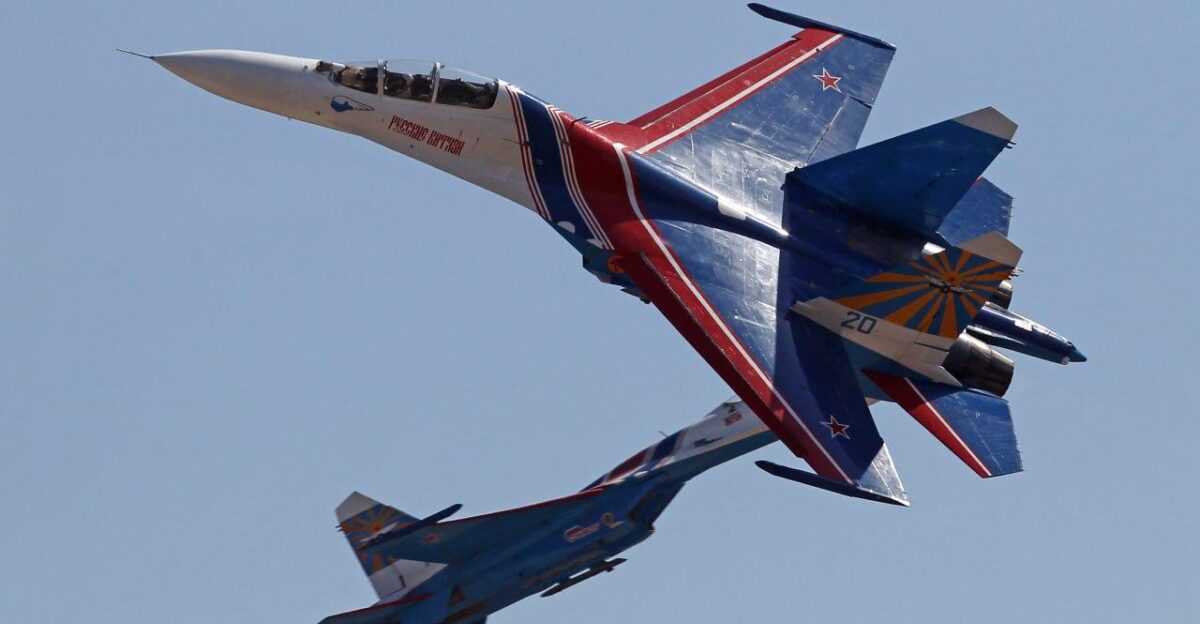
Russian air power and radar coverage are central to maintaining control over Crimea, enabling monitoring of low-altitude aircraft and defense against Ukrainian drones and missiles. The MiG-29 multirole fighter provides air cover, while ground-based radars cue surface-to-air systems.
Ukraine argues that destroying these “enablers” is strategically efficient, inflicting disproportionate cost and strain on Russia’s alliance of aircraft and sensors. Kyiv’s intelligence community says this logic shaped its latest strike package against assets too costly for Russia to easily replace.
Crimea’s Militarization
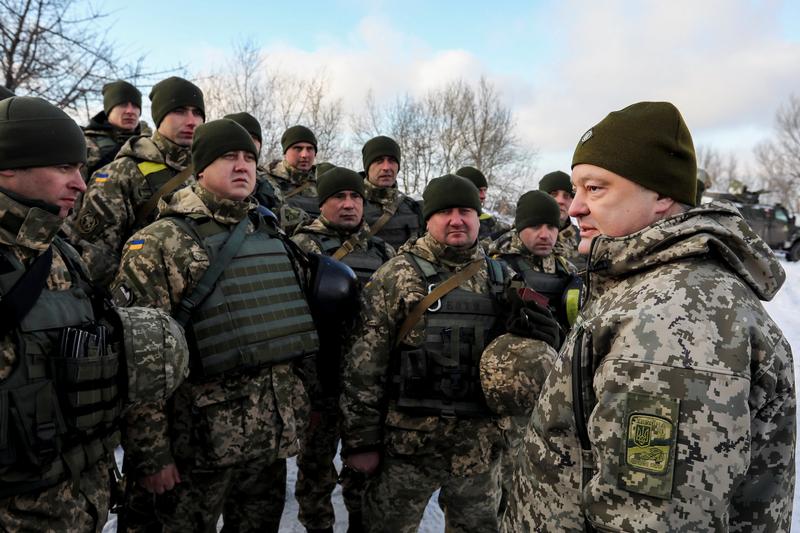
Since annexing Crimea in 2014, Russia has transformed the peninsula into a hardened military hub, hosting fighter jets, long-range air-defense systems, and coastal strike platforms. The area supports operations across southern Ukraine and exerts control over Black Sea shipping lanes.
Ukrainian officials view this build-up as a political and military threat, prompting a years-long focus on degrading infrastructure. As Ukrainian strike capabilities improved, Crimea increasingly shifted from fortified asset to vulnerable target set.
Pressure on Russian Defenses
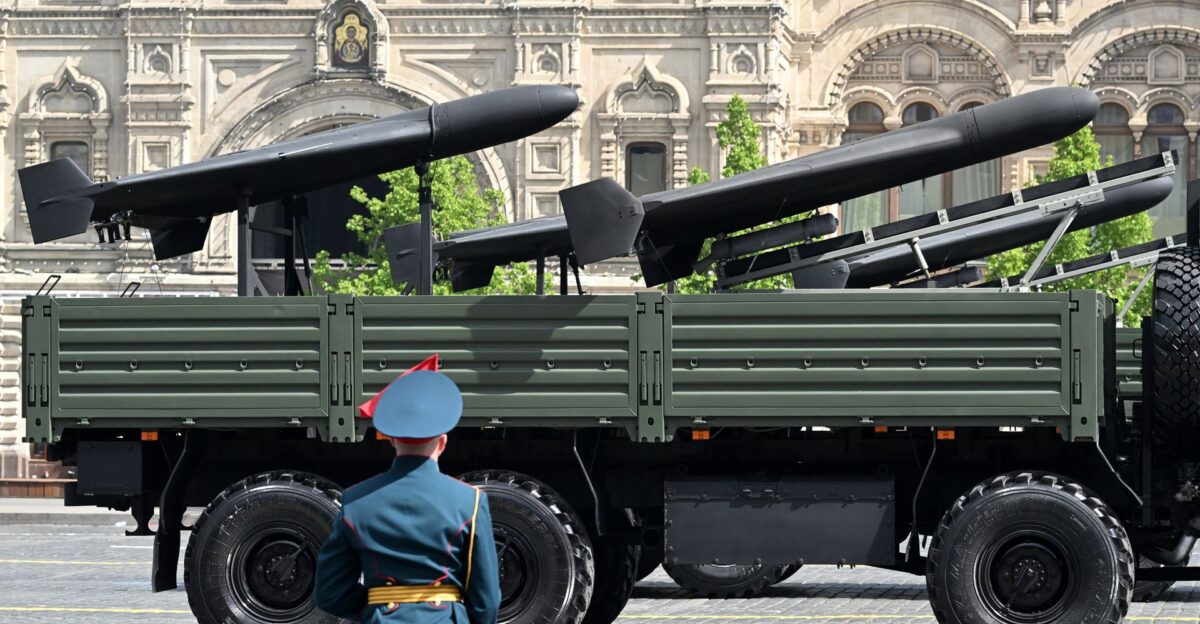
Ukraine has expanded its long-range drone and missile capabilities, repeatedly striking airfields, radars, command posts, and ammunition sites across Crimea. These attacks force Russia to disperse aircraft, move radars, reinforce facilities, and repair damaged assets under fire.
Kyiv claims the tempo is gradually eroding Moscow’s integrated air defense system, creating temporary gaps where aircraft and missiles can penetrate. Each destroyed jet or radar reportedly compounds Russia’s struggle to maintain a seamless defensive network on the peninsula.
Dual Strike Revealed

Ukraine’s Defence Intelligence (DIU) reports that its Prymary, or “Phantoms,” special unit carried out a dual strike on 4 December 2025. A MiG-29 fighter was allegedly destroyed at Kacha airfield, and an Irtysh radar system was struck near Simferopol.
DIU describes the operation as a coordinated mission aimed at degrading Russia’s ability to detect and respond to low-altitude threats. Both targets were central to Russia’s efforts to defend Crimean airspace against stand-off attacks.
Kacha Airfield Blinded
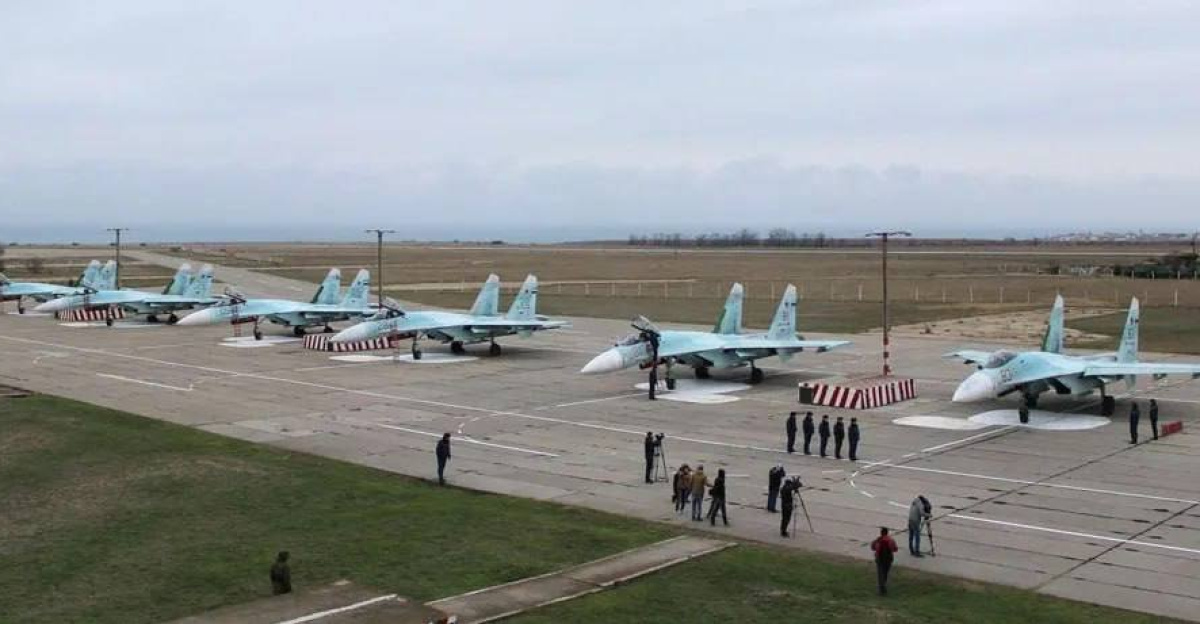
Kacha airfield, near Sevastopol, has been a repeat target for Ukrainian operations. In September, DIU said the same unit destroyed two Be-12 amphibious aircraft. The latest strike reportedly eliminated a MiG-29, reducing available combat aircraft at the facility.
By also disabling a supporting radar asset, Ukraine claims the base is now more vulnerable to low-flying drones and cruise missiles, particularly from directions previously secured by overlapping fields of radar coverage.
Radar Gap Near Simferopol
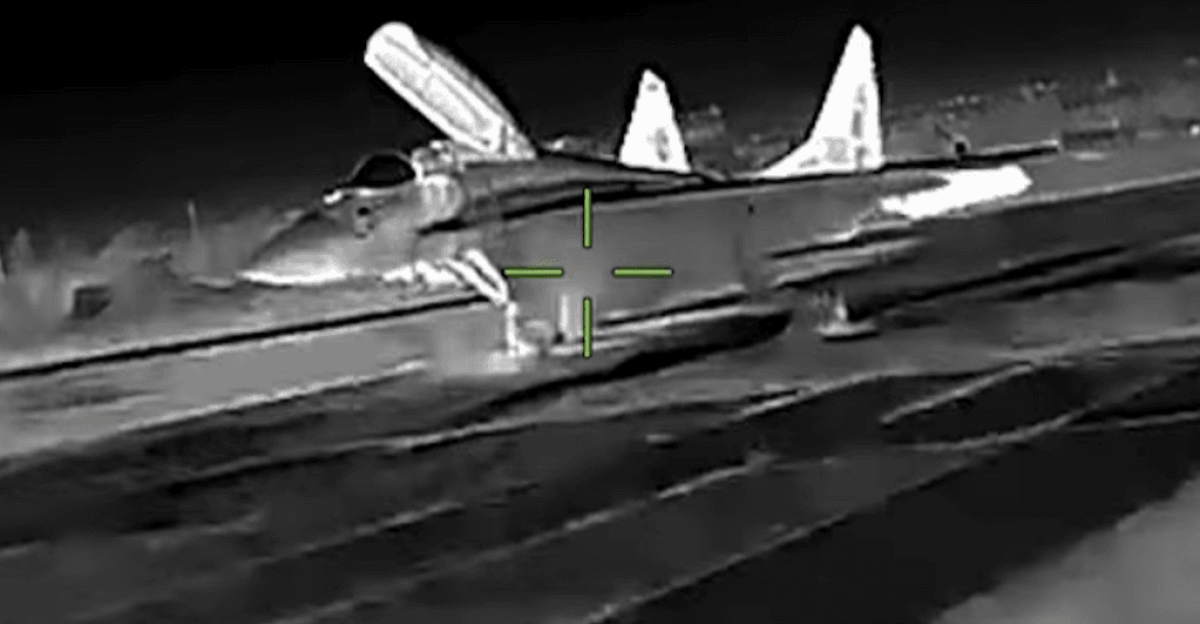
The Irtysh radar system near Simferopol was likely responsible for monitoring low and medium-altitude aircraft over a wide area. Its destruction would create a significant surveillance gap, complicating detection and interception.
Russian forces would need to retask other radars to cover the blind spot, often at suboptimal angles that reduce reaction time. Even temporary disruption can amplify risks when aircraft and drones already challenge defenses.
Special Unit “Phantoms”

The Prymary (“Phantoms”) special unit, part of Ukraine’s Defence Intelligence, specializes in long-range precision strikes deep into occupied territory. DIU characterizes the formation as adept at covert operations, often employing drones or other stand-off systems to avoid high-risk direct assaults.
In September 2025, Prymary reportedly destroyed two Be-12 aircraft in Crimea. The December strike expands its record to three aircraft destroyed in roughly 2.5 months, reflecting a shift toward high-value target elimination.
Counting the Cost
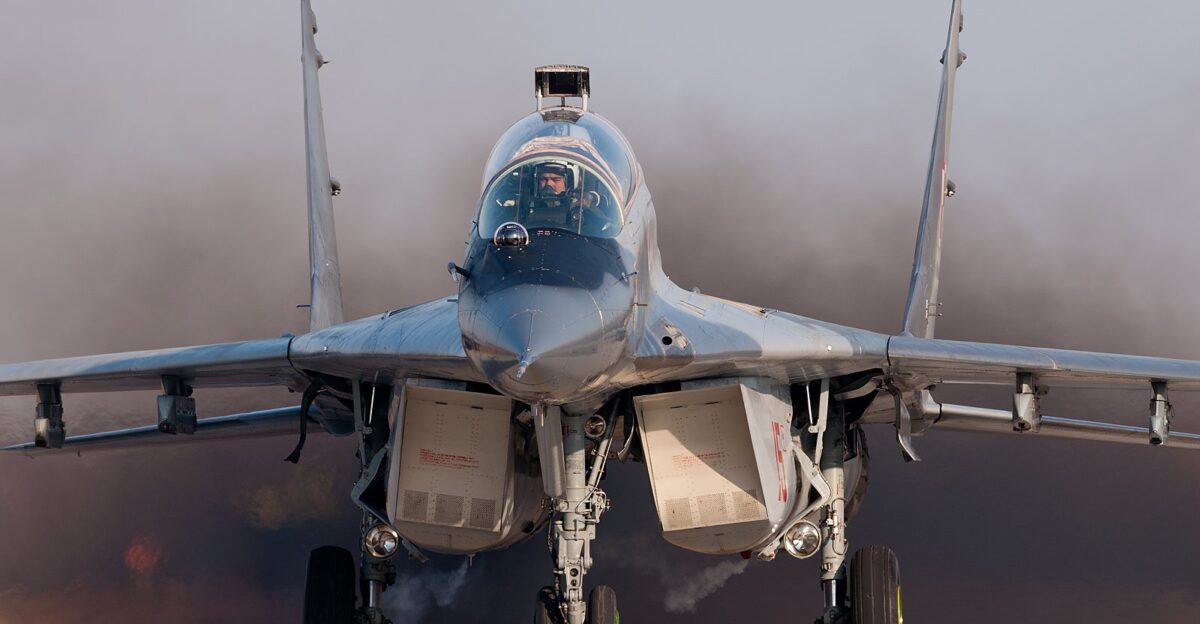
Open-source estimates suggest a modernized MiG-29 can cost US$20–35 million, depending on upgrades. While the exact value of the Irtysh system is unconfirmed, open-source reporting on comparable Russian radar systems places their value anywhere from $5 million to over $24 million.
These numbers place the combined material loss of the dual strike at approximately US$30–50 million, excluding training, maintenance, munitions, and operational downtime. Such losses accumulate rapidly when repeated across months of sustained strikes.
Air Defenses “On Life Support”?
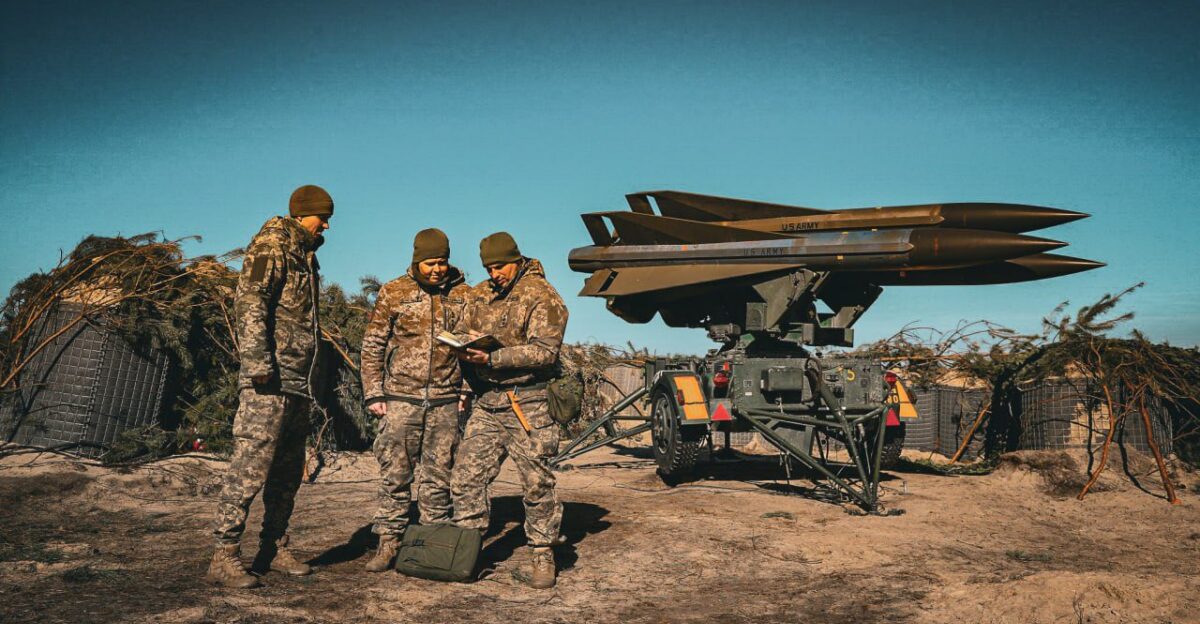
DIU claims that this strike is part of a broader effort to “systematically degrade” Russia’s Crimean air defenses, destroying radars, missile systems, and now fighter aircraft. Ukrainian officials argue that repeated losses are forcing Russia to operate with patchier radar coverage and fewer ready jets.
While Moscow rarely confirms damage, a visible pattern of disrupted sites suggests mounting pressure on Russia’s ability to maintain a fully functional defensive network over the peninsula.
Russian Military Response

Russia has not publicly confirmed the destruction of the MiG-29 or radar system, consistent with its information policy. However, Russian commentators have repeatedly warned that Ukrainian strikes are forcing costly relocations, hardening measures, and the reallocation of assets to defend high-value locations.
Every reinforcement sent to Crimea reduces available systems across other contested fronts, stretching both inventory and personnel. Sustained attacks may compel further trade-offs in deployment priorities.
Shifting Air War
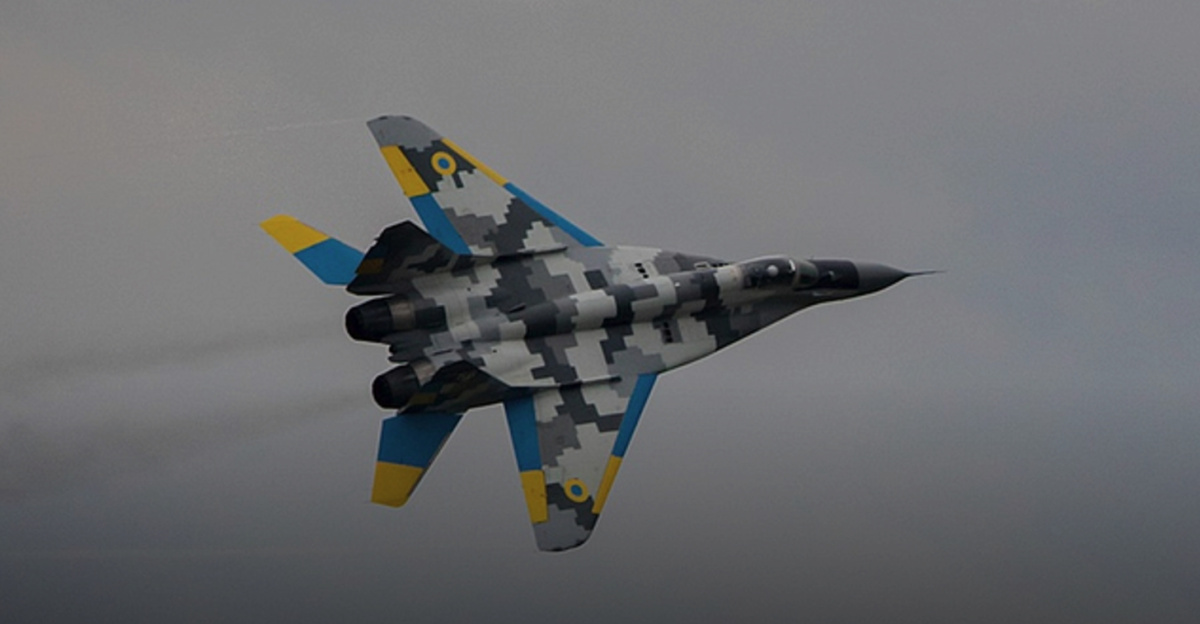
Ukraine’s focus on destroying aircraft and radars reflects a wider shift toward stand-off operations designed to avoid attrition in manned aircraft. Rather than trading missiles against layered defenses, Kyiv increasingly targets the systems that enable interception—fuel depots, radars, and command nodes.
The December strike exemplifies this approach, trading inexpensive, low-risk assets for expensive Russian hardware, while incrementally eroding situational awareness over the peninsula.
Long Campaign in Crimea
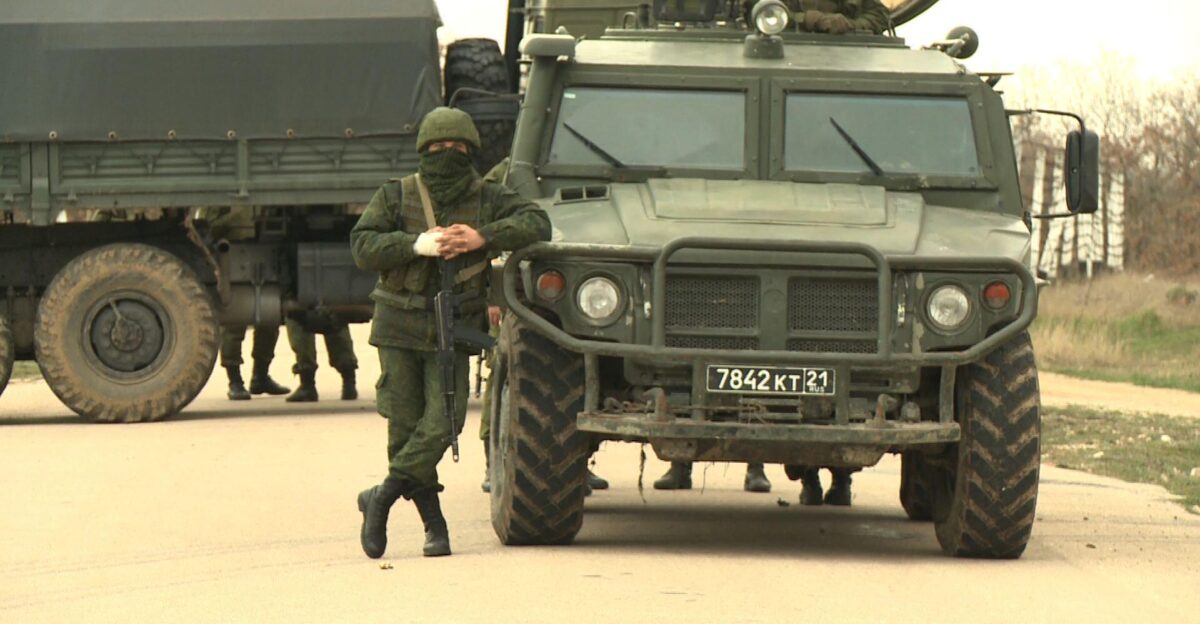
The dual strike continues a multi-year effort to disrupt Russian military operations in Crimea. Previous attacks have targeted naval assets, ammunition depots, and air bases, occasionally forcing Russia to reposition vessels and aircraft outside high-risk zones.
By striking aircraft and radar in a single night, DIU signaled an ability to coordinate complex operations across separate targets. Such actions suggest that future missions could involve simultaneous strikes against multiple high-value nodes.
Limits and Uncertainties
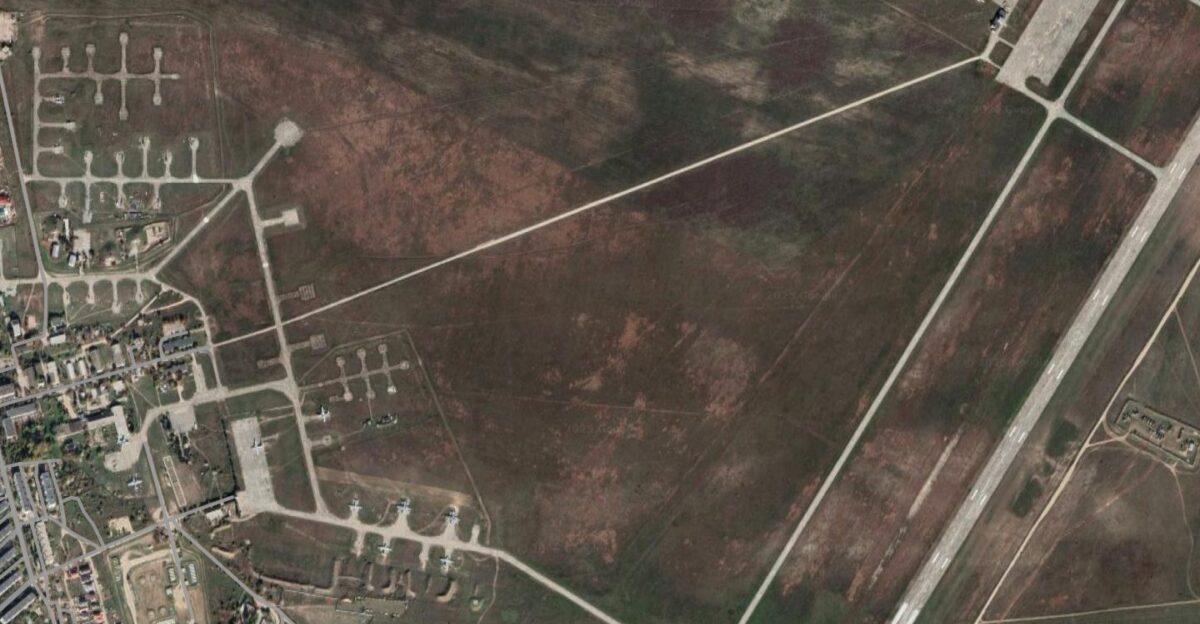
Independent verification of damage remains limited. Neither Russian authorities nor third-party observers have confirmed the extent of losses at Kacha airfield or the Simferopol radar site. Analysts note that Russia maintains redundancy through mobile radars and layered defenses.
However, multiple documented strikes across months demonstrate accumulating strain. Even localized disruptions can impose logistical and operational costs, especially when repeated against expensive, specialized assets.
What Comes Next?
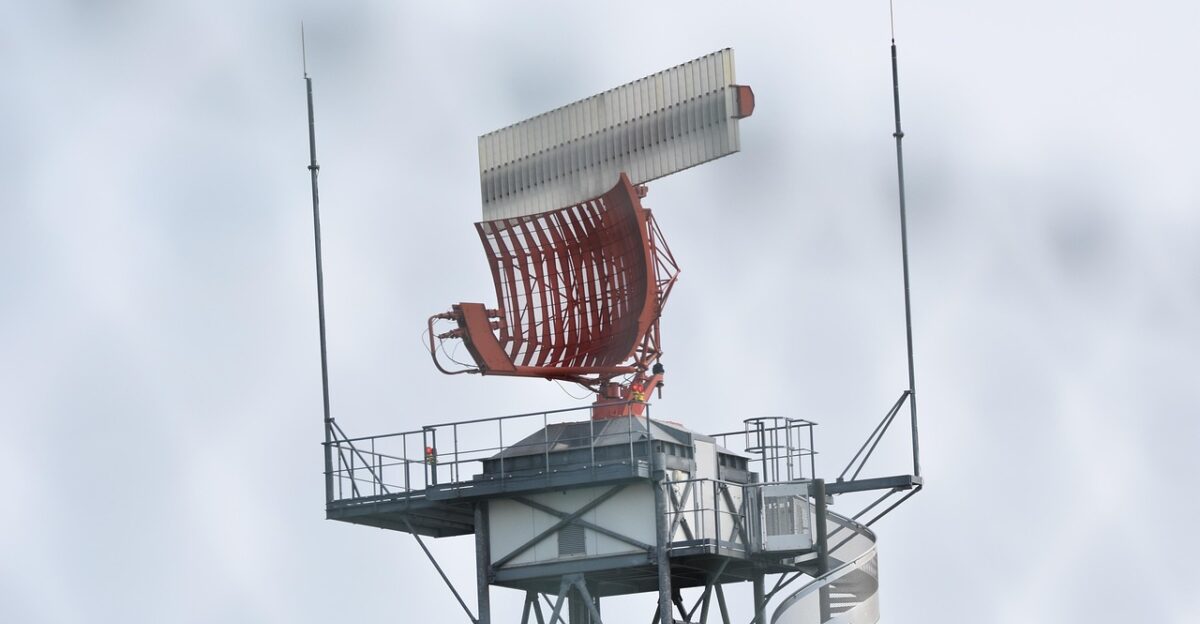
As Ukraine pushes deeper into Crimea, questions arise about Russia’s ability to sustain aircraft and radar operations under constant threat. More losses could force early redeployments, restricted flight patterns, or new defensive priorities.
For Ukraine, the strategic dilemma is whether continued pressure can meaningfully change the air war, or whether Russia can adapt through redundancy and attrition. Either outcome carries implications for future strikes, escalation, and the wider campaign.
Sources:
Defence Express – “Ukraine Takes Out Russian MiG-29 and Irtysh Radar in Dual Strike on Crimea” (December 4, 2025)
Ukrainska Pravda – “Ukraine strikes Russian aircraft in Crimea, destroying MiG-29” (December 3, 2025)
The War Zone (TWZ) – “First Russian MiG-29 Claimed Destroyed In Ukraine” (December 3, 2025)
Kyiv Independent – “Russia’s air defenses are wide open — there’s just one problem” (November 9, 2025)
East Reporter – “Golden Autumn in Crimea: Air Defense Systems Depleted” (October 28, 2025)
Radartutorial.eu – “Irtysh SKU Technical Specifications”