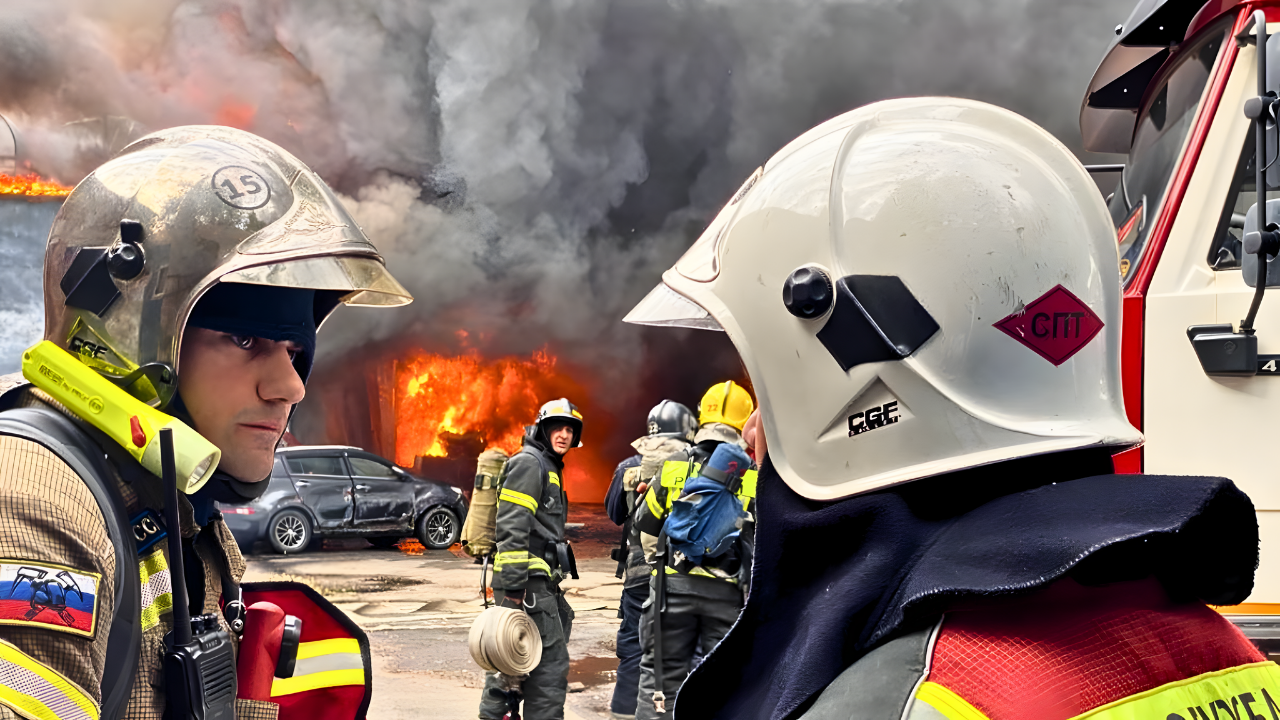
Ukraine’s General Staff reported that long-range drones struck the Nikiforovskaya oil depot in Dmitrievka, Tambov Oblast, overnight into December 3.
Multiple fuel tanks caught fire. Russian regional authorities confirmed that falling drone debris caused a blaze at the facility but reported no casualties. The depot lies hundreds of kilometers from the front line, making it one of the deepest confirmed Ukrainian strikes on Russian energy infrastructure to date.
Why Ukraine Is Targeting Russia’s Fuel Network
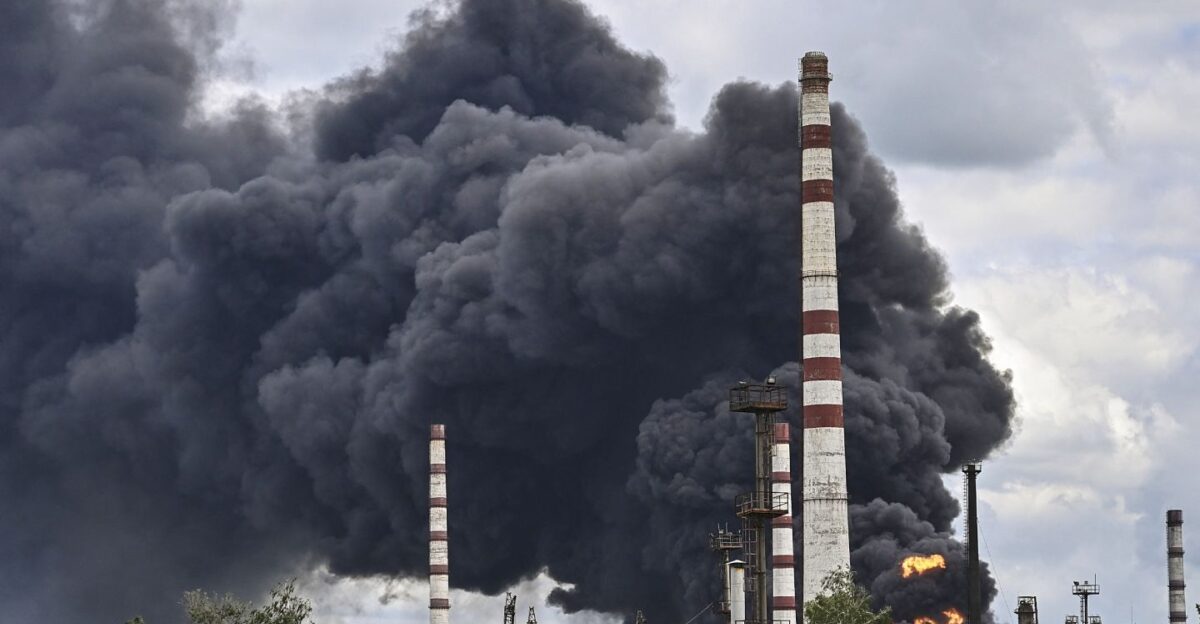
Kyiv increasingly frames oil depots and refineries as legitimate military targets because they supply Russia’s armed forces.
Fuel is essential for armor, artillery transport, aviation, and drone operations. By hitting storage facilities far from the battlefield, Ukraine seeks to complicate Russian logistics, increase transport distances, and reduce operational flexibility. The Tambov strike follows similar attacks on depots and refineries across central and southern Russia.
Strategic Importance of the Nikiforovskaya Depot
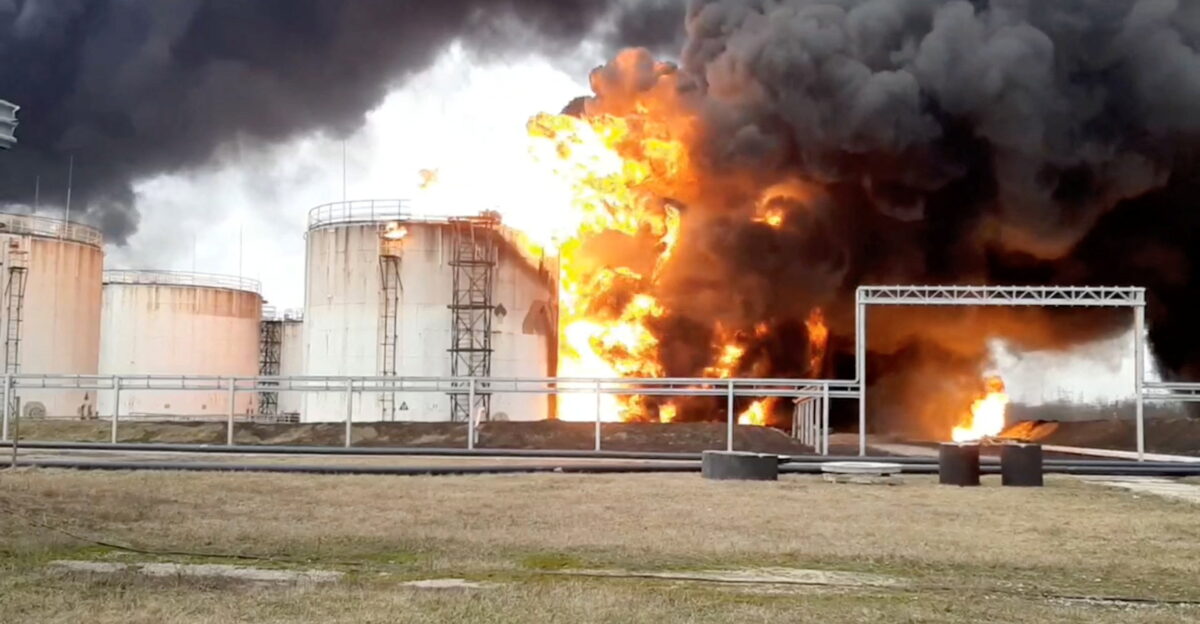
The Nikiforovskaya depot in Dmitrievka is part of Russia’s interior fuel distribution system. Monitoring data shows it contains 14 storage tanks with a total capacity of roughly 10,440 cubic meters of diesel fuel. Facilities of this scale typically supply both civilian and industrial consumers.
Ukrainian officials maintain that the depot also supports military logistics, placing it within Ukraine’s expanding rear-area strike campaign.
Civilian Fuel Supply Concerns After the Fire

While Russian authorities did not report immediate fuel shortages, any disruption at a regional depot can affect supply chains for drivers, agricultural producers, and freight operators.
Damage to even a portion of storage capacity may require fuel to be rerouted from neighboring regions, increasing delivery times and transport costs. Residents in Tambov Oblast closely monitor official updates amid uncertainty over restoration timelines.
Corporate Exposure for Rosneft and Regional Operators
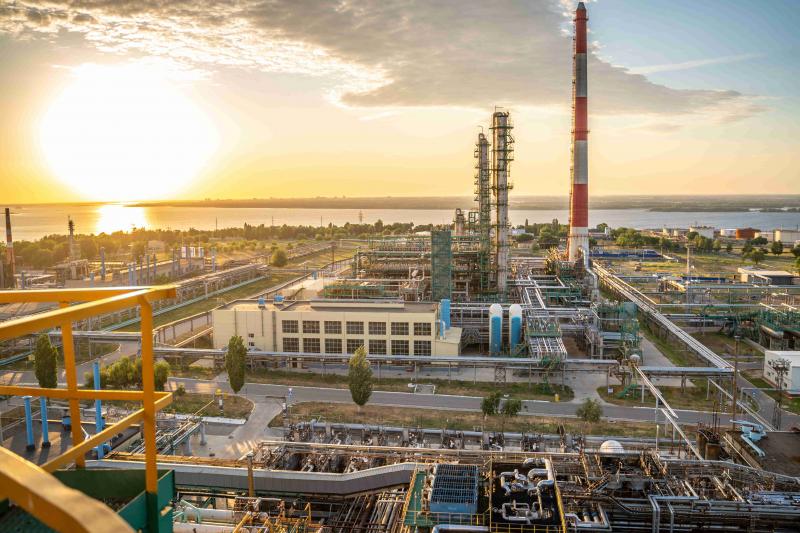
The Nikiforovskaya depot belongs to Tambovnefteprodukt, which was merged into Rosneft’s Voronezh subsidiary at the end of November.
Any structural damage will require technical inspections and repairs under wartime conditions. Repeated strikes on inland depots increase security costs for Rosneft and regional distributors, adding new financial and operational burdens to Russia’s largest state energy company.
Emergency Response and Local Safety Risks
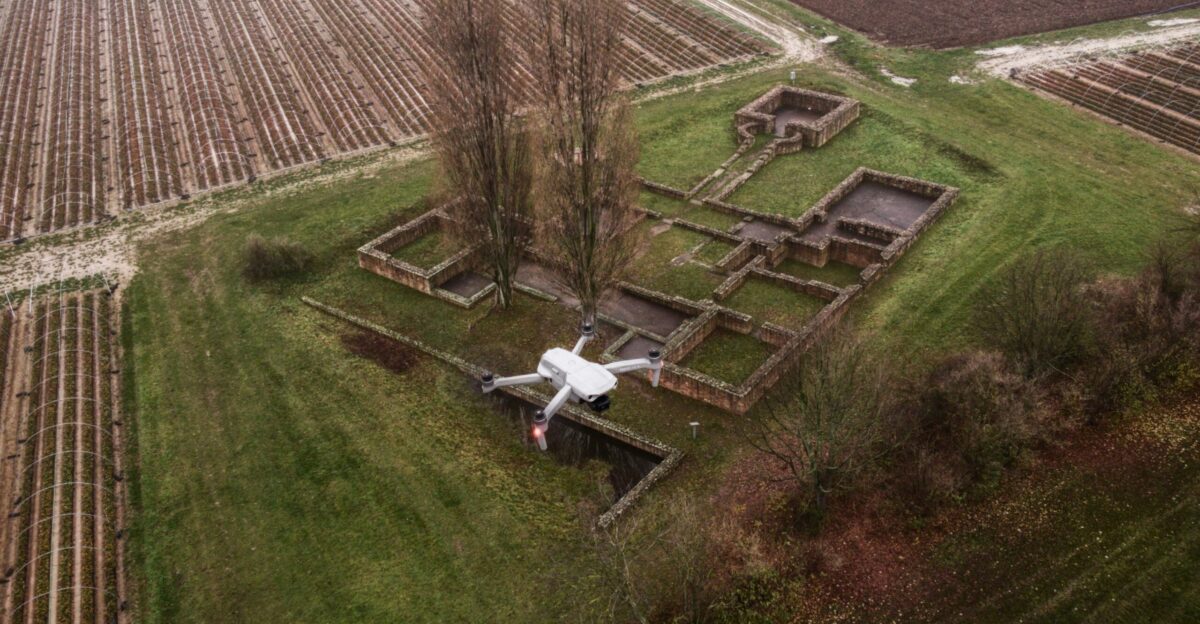
Tambov Oblast officials stated that falling drone debris sparked the fire. Firefighters, emergency services, and law-enforcement units were deployed overnight to contain the blaze. Residents filmed flames and explosions from nearby residential areas.
Although no casualties were reported, the incident highlights the growing danger faced by emergency crews and civilians living near strategic fuel infrastructure during deep-strike operations.
Moscow and Kyiv Push Competing Narratives

Russian regional officials characterized the incident as limited damage caused by intercepted drones and emphasized rapid containment. Ukraine’s General Staff stressed that the facility supplies Russian military needs.
These opposing narratives serve domestic and international audiences, with Moscow seeking to reassure civilians while Kyiv promotes the strike as part of a deliberate campaign against Russia’s war-supporting infrastructure.
Economic Ripples From Rear-Area Fuel Disruptions
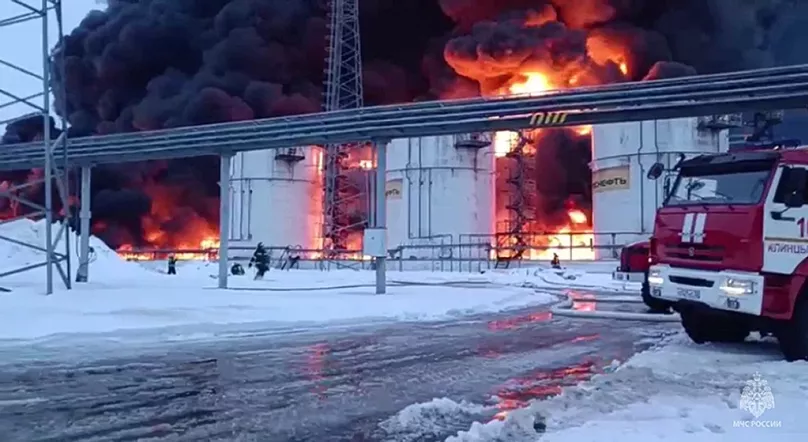
Even short-term depot disruptions can ripple through regional economies. Trucking fleets, farming operations, and industrial users depend on steady diesel deliveries. Rerouted fuel increases logistics costs and may contribute to localized price fluctuations.
While Russia’s national fuel system remains operational, cumulative rear-area strikes gradually strain distribution efficiency in regions that rely on single major depots.
Life Near Strategic Infrastructure Is Changing
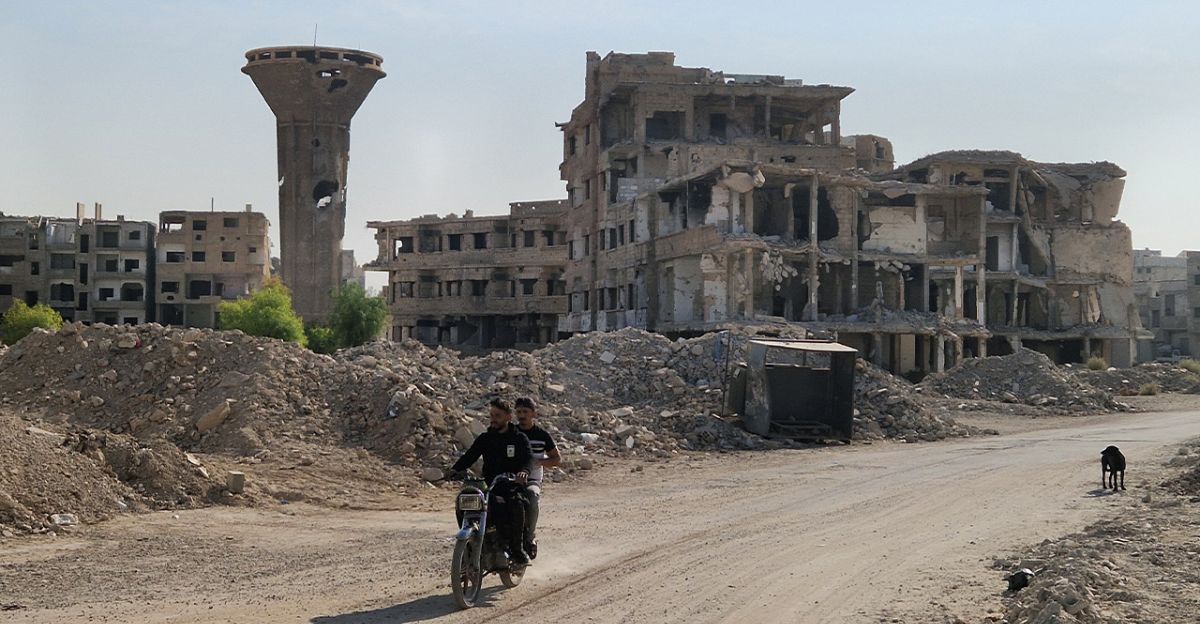
Communities in Tambov and nearby oblasts now experience air-raid alerts, emergency road closures, and nighttime explosions previously confined to frontline regions. Workers face new commuting restrictions, while residents grow accustomed to sirens and security checkpoints.
Villages that once viewed depots as purely civilian assets increasingly perceive them as military-linked targets with direct consequences for daily life.
Environmental and Fire Safety Concerns
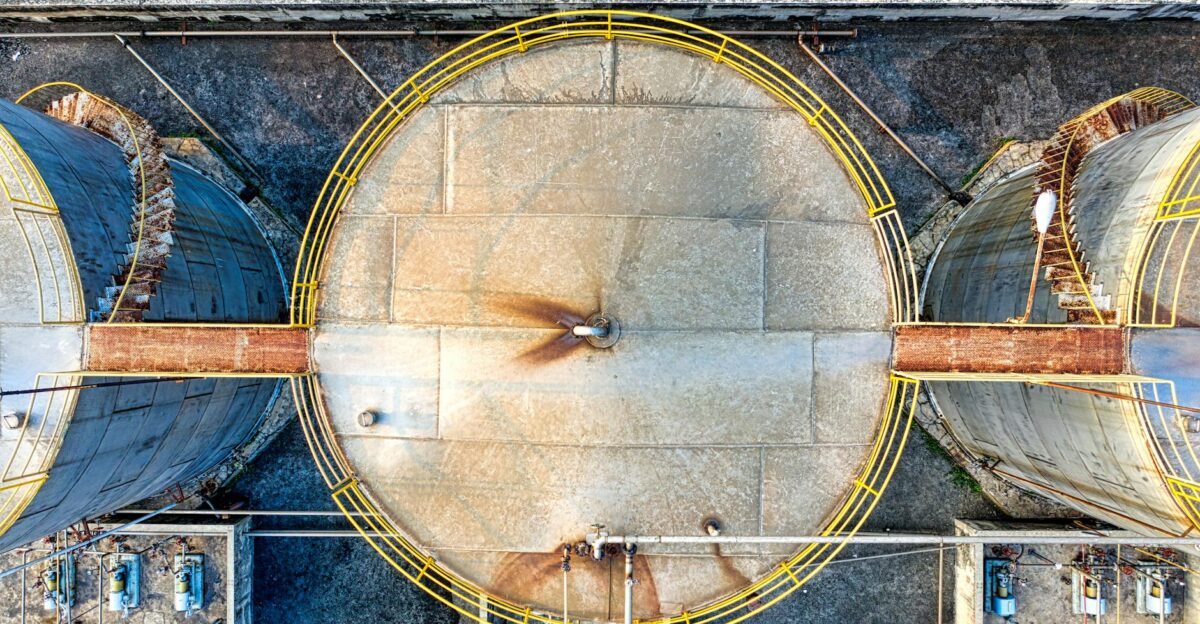
Fires at oil storage facilities release heavy smoke and combustion byproducts into surrounding areas. While officials stress that emergency teams act quickly, environmental concerns persist about soil and air contamination.
Repeated depot blazes across Russia raise long-term pollution risks for nearby farmland and water systems, adding environmental costs to the military and economic consequences of the strikes.
Related Strike on Livny Oil Depot in Oryol Oblast
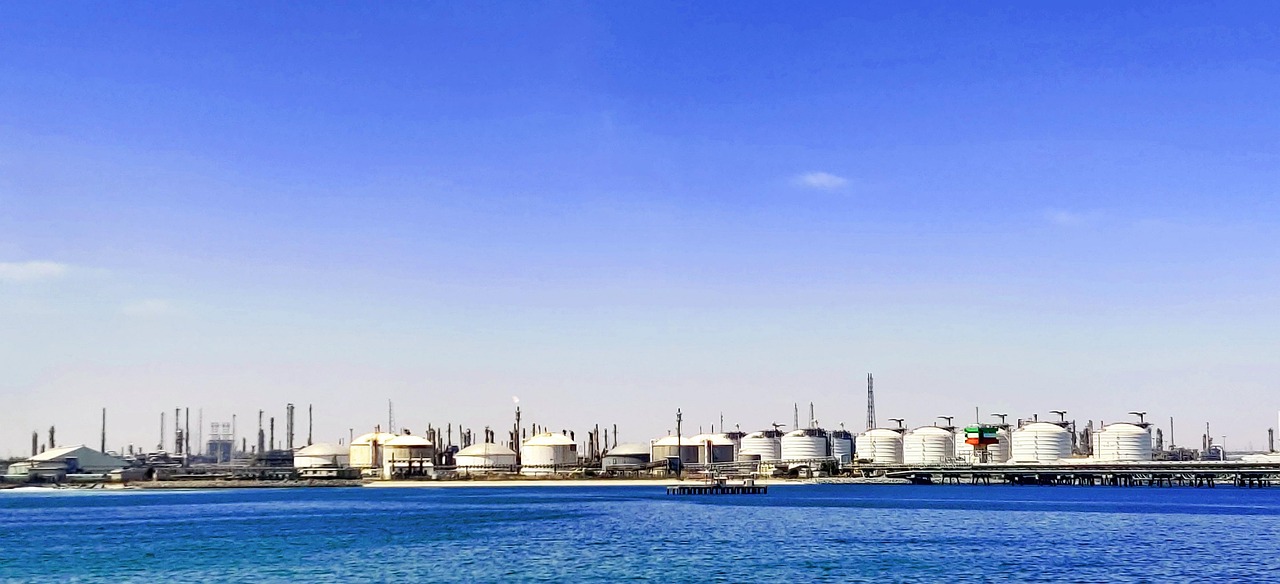
The Tambov incident followed a confirmed Ukrainian strike on the Livny oil depot in Oryol Oblast overnight into December 2.
Ukraine reported that two RV-5000 fuel tanks caught fire at that site. The Livny fire reinforced the pattern of targeting mid-scale regional storage hubs that feed both civilian and military fuel users across western and central Russia.
Saratov Refinery and Black Sea Energy Targets
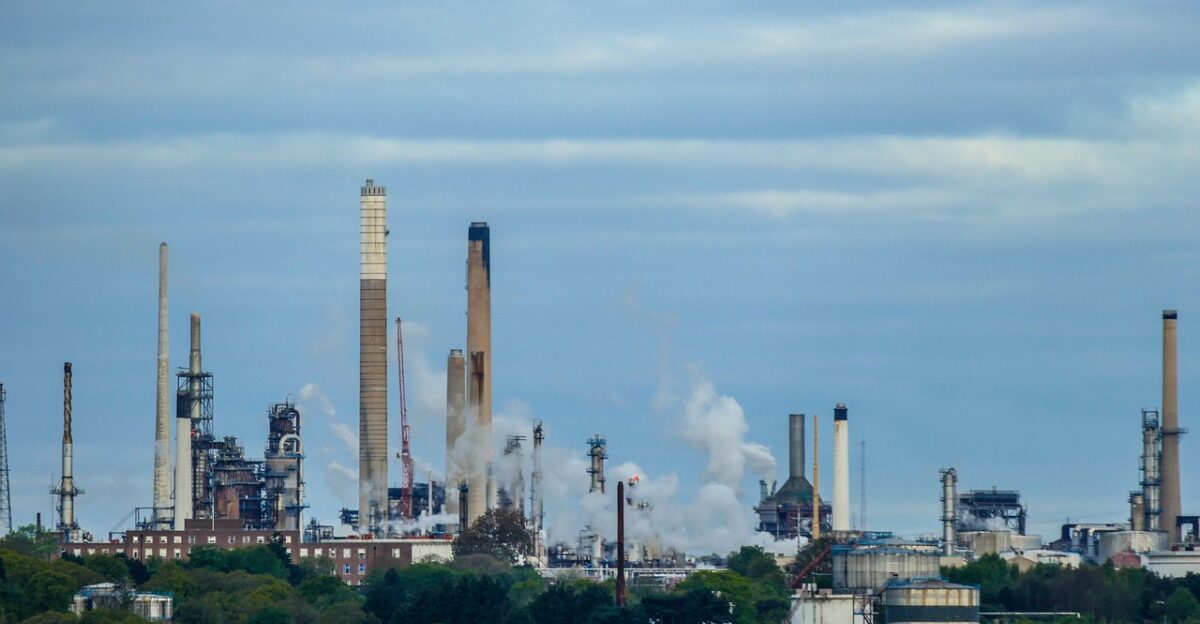
On November 28, Ukraine reported a strike on the Saratov oil refinery, expanding its energy-focused campaign to include refining capacity. Ukrainian forces also targeted offshore infrastructure in the Black Sea, including the MSP-4 stationary platform and surveillance equipment on the Sivash rig.
These operations show a widening scope that links energy production, storage, and surveillance systems.
Destruction of Russian Orion Drones at Saky Airfield
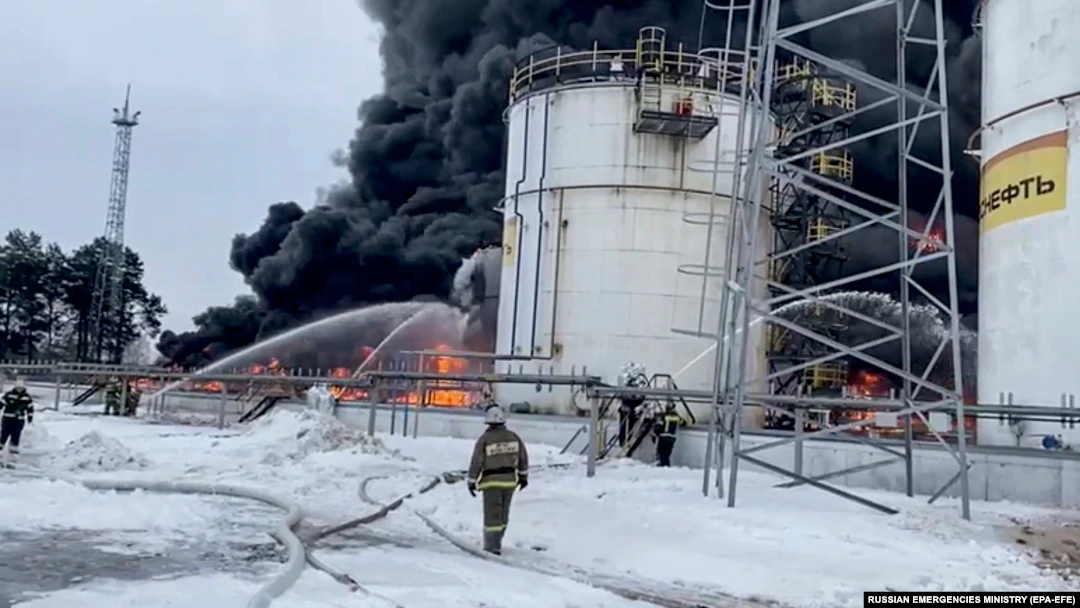
On November 27, Ukraine’s General Staff reported that three Russian Orion reconnaissance-strike drones were destroyed at Saky airfield in occupied Crimea. Orion drones are used for surveillance and precision strikes.
Ukrainian officials estimate each drone at roughly $5 million in value. The loss reduced Russian aerial reconnaissance capacity in southern Ukraine and the Black Sea region.
Deep Strikes Reshape Russia’s Rear-Area Defense
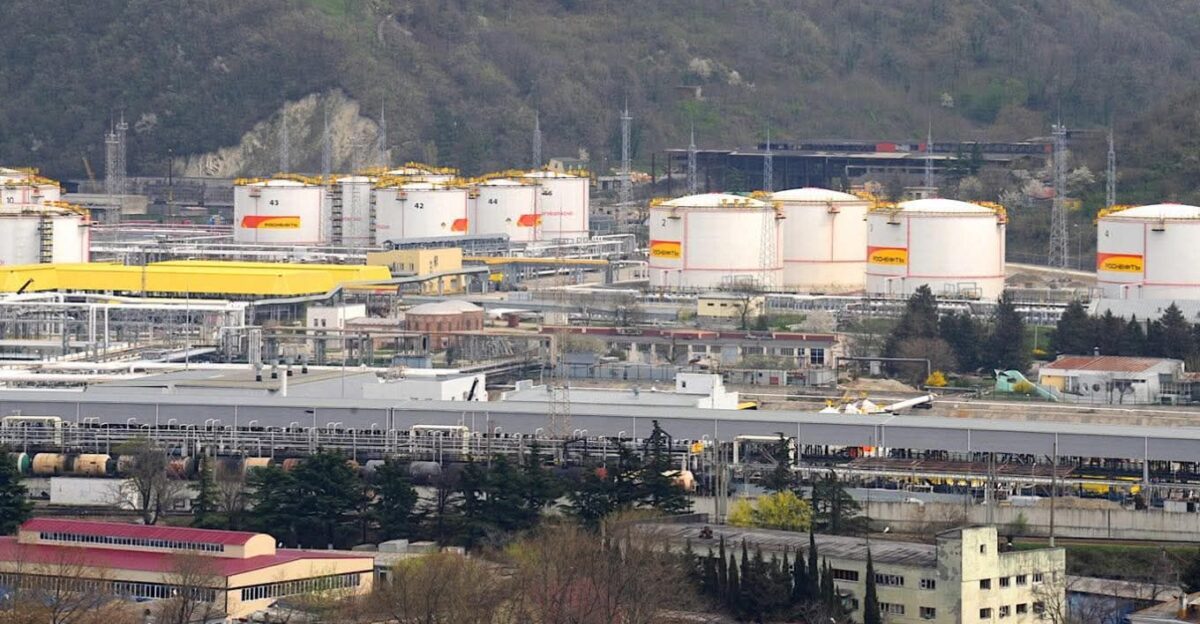
Tambov and Oryol oblasts lie far from active combat zones, forcing Russia to expand air-defense coverage deep into its interior. Each successful strike increases demand for interceptors, radar coverage, and manpower away from the front.
Ukraine’s long-range drone campaign thus imposes defensive and resource costs that extend far beyond the physical damage of individual strikes.
What the Tambov Strike Signals About the War’s Direction
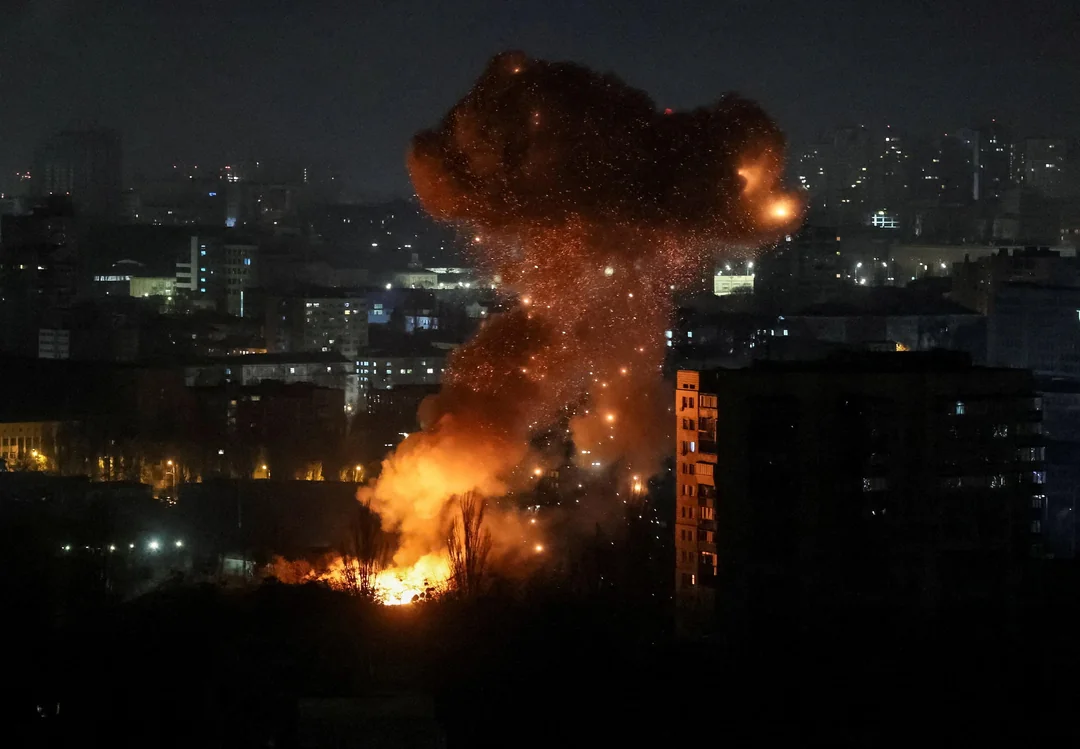
The Tambov depot fire underscores Ukraine’s sustained focus on Russia’s logistics backbone rather than only frontline targets.
Fuel depots, refineries, airfields, and offshore platforms are becoming central to battlefield strategy. As both sides adapt, future phases of the war are likely to place growing emphasis on protecting or disrupting the infrastructure that keeps modern mechanized warfare functioning.
Source:
- “3 diesel tanks burned down as a result of attack on oil depot of JSC Tambovnefteprodukt,” Astra, 3 Dec 2025
- “Ukraine struck a second Rosneft oil depot in two days,” The Odessa Journal, 3 Dec 2025
- “Russia reports attack by over 100 drones, fuel depots hit in Tambov, Voronezh regions,” Ukrinform, 3 Dec 2025
- “Ukraine’s General Staff confirms strike on oil depot in Russia’s Tambov Oblast” (and related coverage of Livny, Saratov refinery, Saky airfield, MSP-4 platform), MSN aggregation of Ukrainian General Staff and regional reporting, late Nov–3 Dec 2025