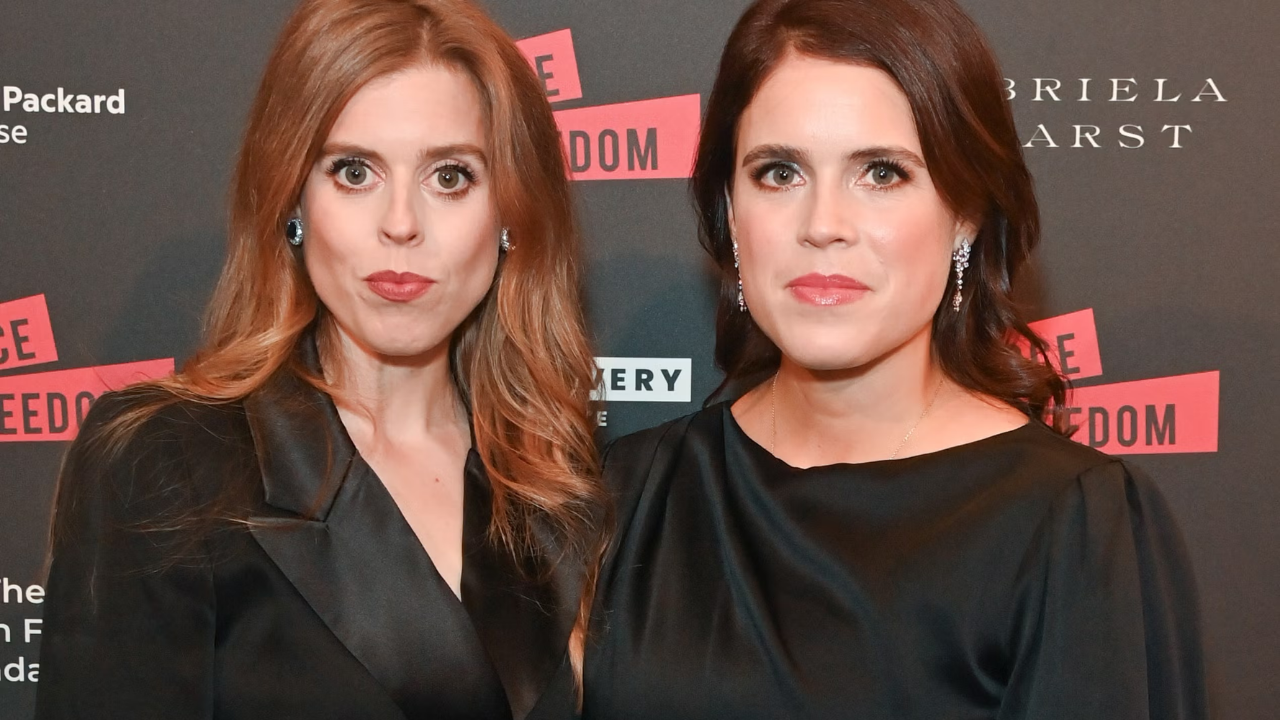
Catherine, Princess of Wales, hosted the fifth annual “Royal Carols: Together at Christmas” service at Westminster Abbey in December 2024. The event has become one of the most prominent fixtures in the royal calendar during the holiday season.
Attendance at the service is closely watched because it signals who currently occupies the monarchy’s visible public core. The presence or absence of Princesses Beatrice and Eugenie again drew quiet attention.
Why Kate’s Growing Influence Now Matters

Since becoming Princess of Wales after King Charles III’s accession in 2022, Catherine’s role within the monarchy has expanded significantly. She now leads several high-profile initiatives focused on early childhood, mental health, and community wellbeing.
Her public engagements draw sustained media attention and institutional support. As a result, projects under her leadership—such as the annual carol service—now carry meaningful symbolic weight inside the royal ecosystem.
How the Carol Service Shapes Royal Perception

First held in 2021, “Together at Christmas” has evolved into a nationally broadcast royal tradition from Westminster Abbey. Each year, it brings together senior working royals, charity leaders, and public figures.
Because it is televised and widely covered, the guest list is often interpreted as an informal measure of who currently represents the monarchy’s active public face, especially during periods of institutional transition and consolidation.
Beatrice and Eugenie’s Official Status Today

Princess Beatrice and Princess Eugenie remain full members of the Royal Family and retain their royal titles. However, they are not classified as working royals and do not carry out full-time official duties on behalf of the Crown.
Both sisters pursue professional careers—Beatrice in business and investment, and Eugenie in the art world—while supporting charitable causes in a private capacity.
The Lasting Impact of Prince Andrew’s Removal

Prince Andrew was stripped of his military titles and royal patronages in January 2022 following his legal settlement in the United States connected to Jeffrey Epstein. He subsequently withdrew from public royal life.
Although Beatrice and Eugenie were not involved in the scandal, the fallout has continued to shape media narratives surrounding them, particularly when they attend high-profile royal events.
Charles and the Slimmed-Down Monarchy

King Charles III has long supported a streamlined monarchy built around a smaller group of working royals. Since his accession, this approach has become increasingly visible in official appearances and engagement rosters.
The working core now centers on Charles, Queen Camilla, William, Catherine, and a limited number of others. This model leaves fewer formal opportunities for non-working relatives.
The Power of Invitations at Major Royal Events

Kate’s carol service is organized through her office, and invitations are issued under her authority as Princess of Wales. Because the event is so prominent, attendance carries symbolic meaning beyond simple family gathering.
Royal commentators widely view inclusion as a visible marker of current standing within the monarchy’s public-facing structure, while absence naturally provokes questions about shifting internal priorities.
The Sisters’ Attendance Dilemma

For Beatrice and Eugenie, high-visibility royal events present a delicate calculation. Attending reinforces family unity and public loyalty to the institution.
At the same time, their appearances reliably revive public discussion of their father’s scandal, even years after its peak. Skipping major events avoids this association but can be interpreted by observers as distance from the monarchy’s central public life.
2024 Invitations and the Event’s Theme

Both Princess Beatrice and Princess Eugenie were reportedly invited to attend the 2024 carol service. The service’s theme centered on “love in all its forms” and “the power of togetherness,” reflecting the monarchy’s emphasis on collective support during a challenging year.
The sisters had attended the service on multiple occasions in previous years, confirming they have not been formally excluded.
Balancing Royal Identity With Private Careers
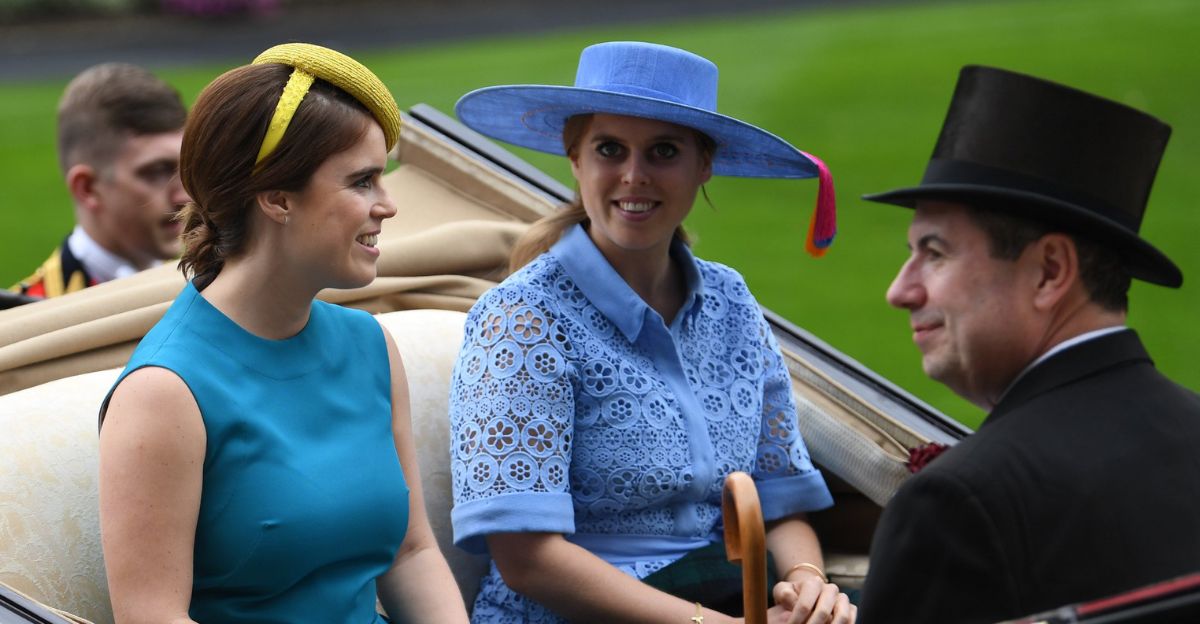
Both York sisters have built independent professional lives alongside their royal status. Beatrice works in private investment and innovation sectors, while Eugenie holds a senior role within the international art world.
Each is also raising a young family. Their private careers limit the time available for expanded royal duties and reinforce their positioning outside the current structure of full-time working royals.
Media Scrutiny in the Post-Epstein Era
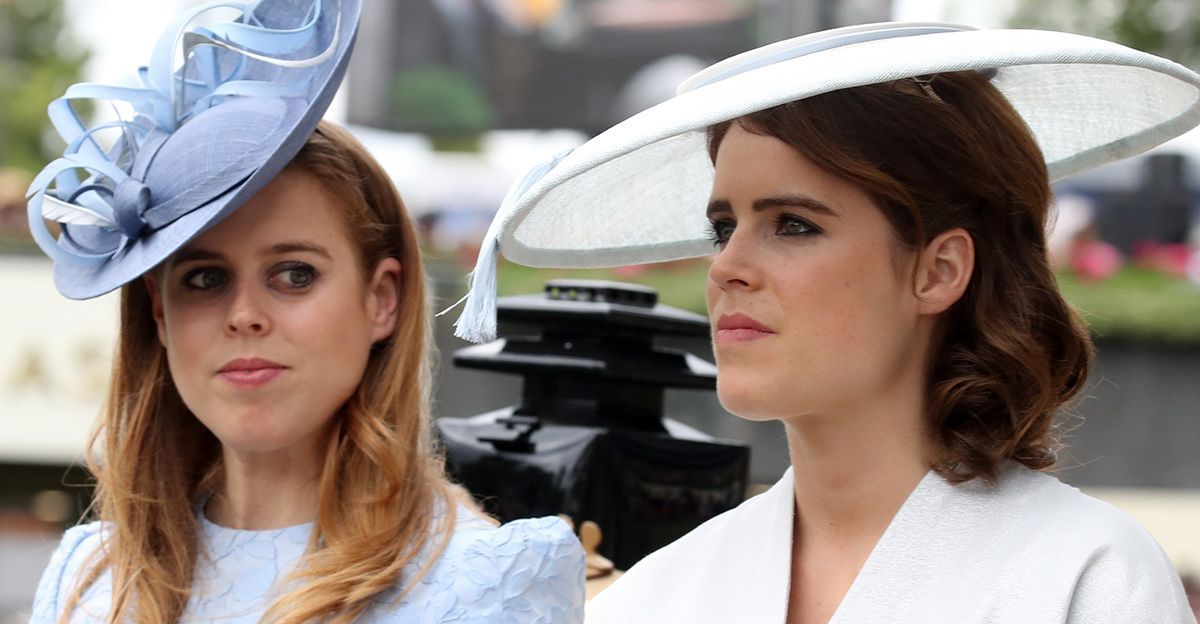
Since 2022, public coverage of Beatrice and Eugenie has remained closely tied to ongoing discussion of Prince Andrew, regardless of context. Even when attending unrelated charity or family events, their presence often triggers renewed focus on his past conduct.
This persistent scrutiny creates an ongoing reputational challenge that the monarchy must account for when determining high-visibility appearances.
Titles Secure, Roles Undefined

Despite Prince Andrew’s downfall, Beatrice and Eugenie have retained their royal titles and official status as princesses.
There has been no formal indication from King Charles that their titles are under review. However, their lack of working-royal status means their long-term public role remains undefined. Under the current institutional model, titles alone no longer guarantee regular participation in major royal programming.
Prince William’s Future Influence

As Prince of Wales and heir to the throne, Prince William will ultimately shape the monarchy’s next structural phase.
While no public policy has been announced regarding the York sisters, the continuation of a streamlined monarchy suggests that expanded public roles for non-working royals are unlikely in the near term. This places Beatrice and Eugenie in a holding pattern ahead of future institutional decisions.
Who Benefits From the Current Structure
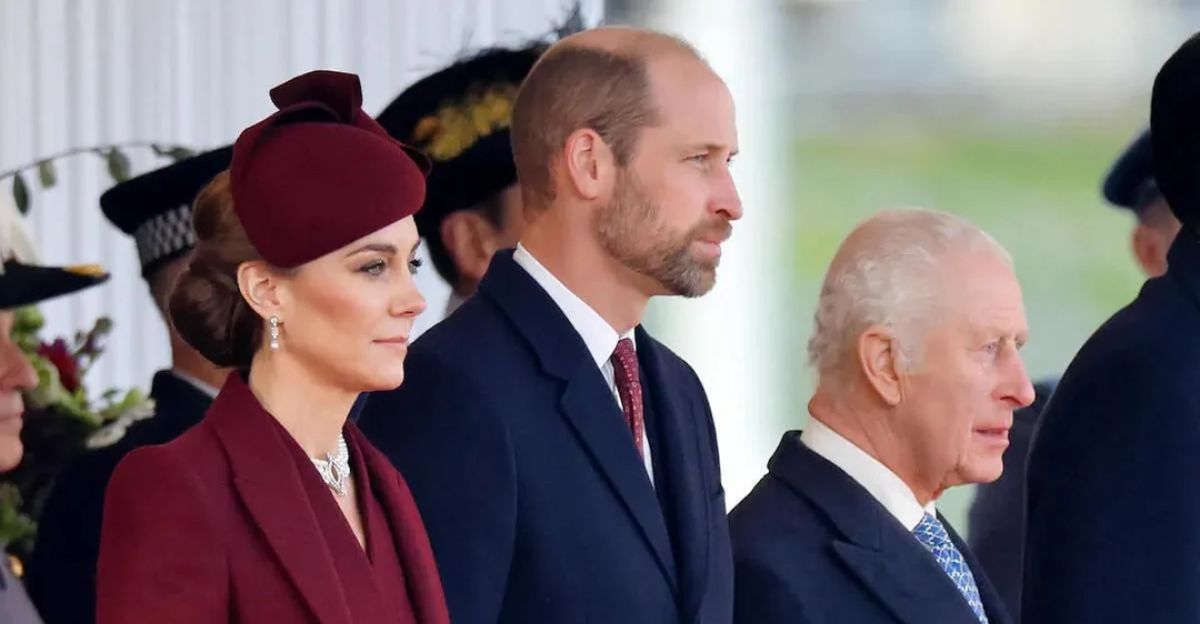
The present arrangement strongly consolidates public visibility around the monarchy’s core working figures. Charles, William, and Catherine now dominate its charitable, ceremonial, and diplomatic output.
This promotes clarity and message discipline but reduces the influence and exposure of extended family members. Beatrice and Eugenie continue private charitable work but remain peripheral to the institution’s primary public identity.
What the Carol Service Ultimately Signals
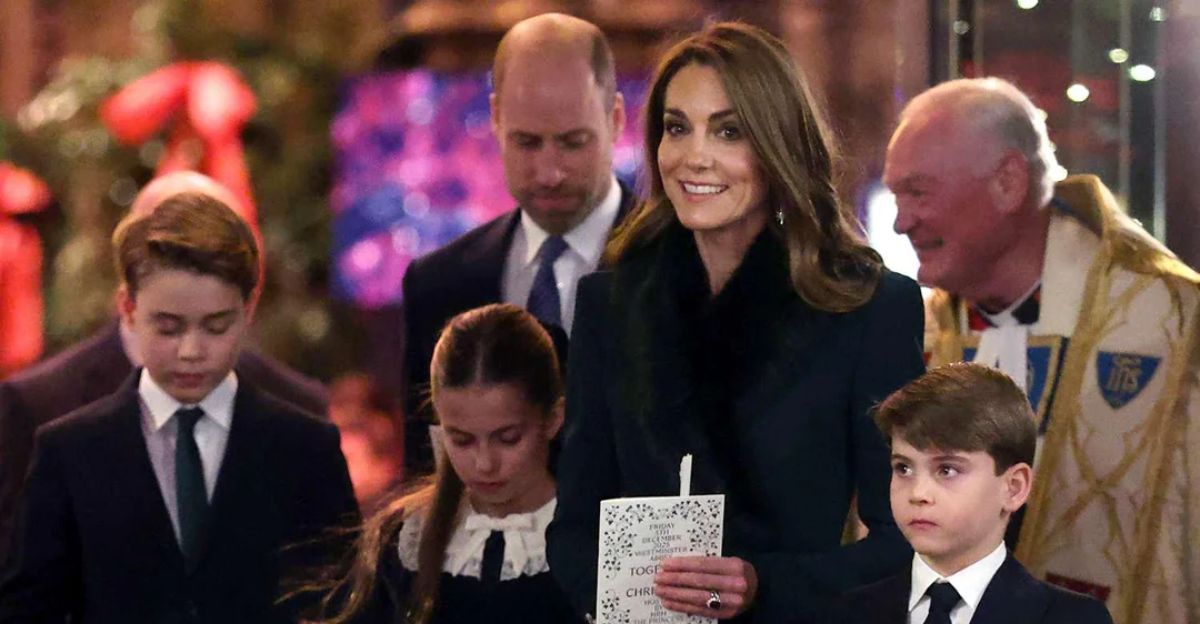
Kate’s annual carol service has become a quiet annual indicator of royal hierarchy in real time. Each guest list reflects evolving priorities inside the monarchy and how unity is publicly staged. For Beatrice and Eugenie, continued invitations show their connection to the family remains intact.
Yet their limited visibility confirms that, for now, they remain outside the monarchy’s operational inner circle.