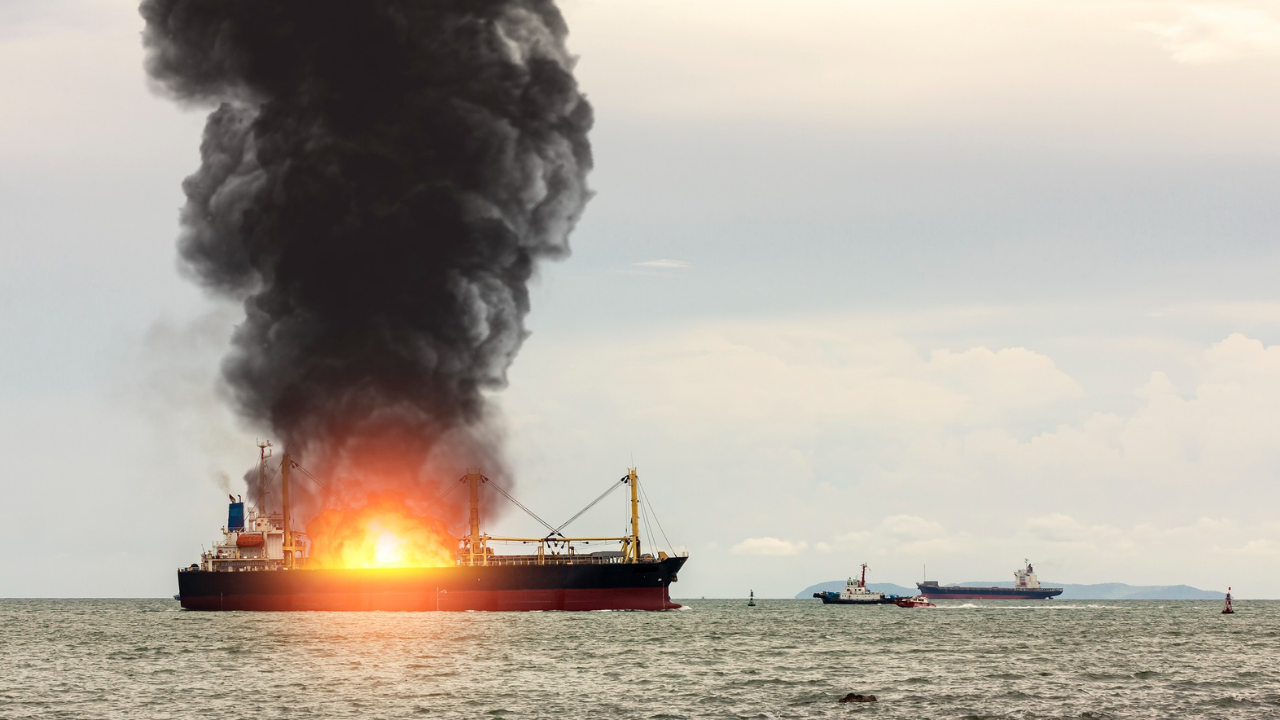
Late on November 28, Ukrainian Sea Baby naval drones struck two oil tankers—Kairos and Virat—in the Black Sea off Turkey’s coast. Ukrainian security officials confirmed both vessels were part of Russia’s sanctions-evading “shadow fleet.”
The attack shattered Moscow’s assumption that the southern Black Sea remained a relatively safe export corridor for covert oil shipments. It marked a dramatic southward extension of Ukraine’s maritime drone campaign.
Why Ukraine Targeted the Shadow Fleet
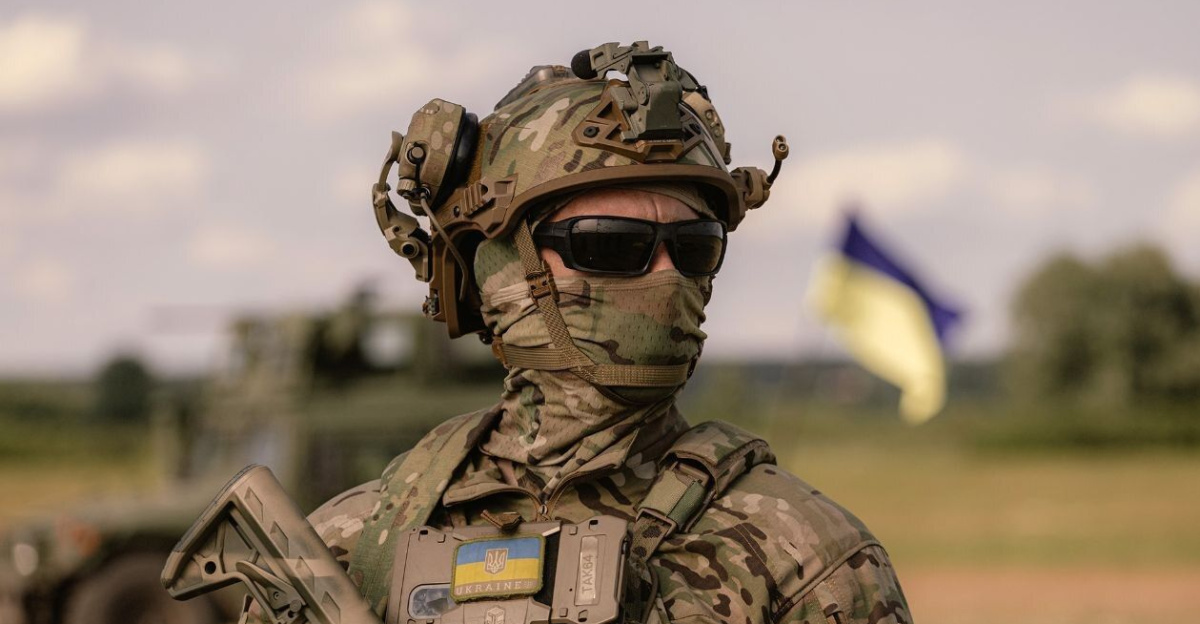
Ukraine’s Security Service (SBU) has increasingly focused on Russia’s energy export system to choke off revenue funding the war. Kairos and Virat were identified as shadow-fleet tankers moving Russian crude outside the G7 price-cap system.
After months of strikes on refineries and depots inside Russia, the Black Sea operation expanded Ukraine’s economic-warfare campaign directly onto maritime supply lines that sustain Russia’s oil income.
Human Drama off Turkey’s Coast
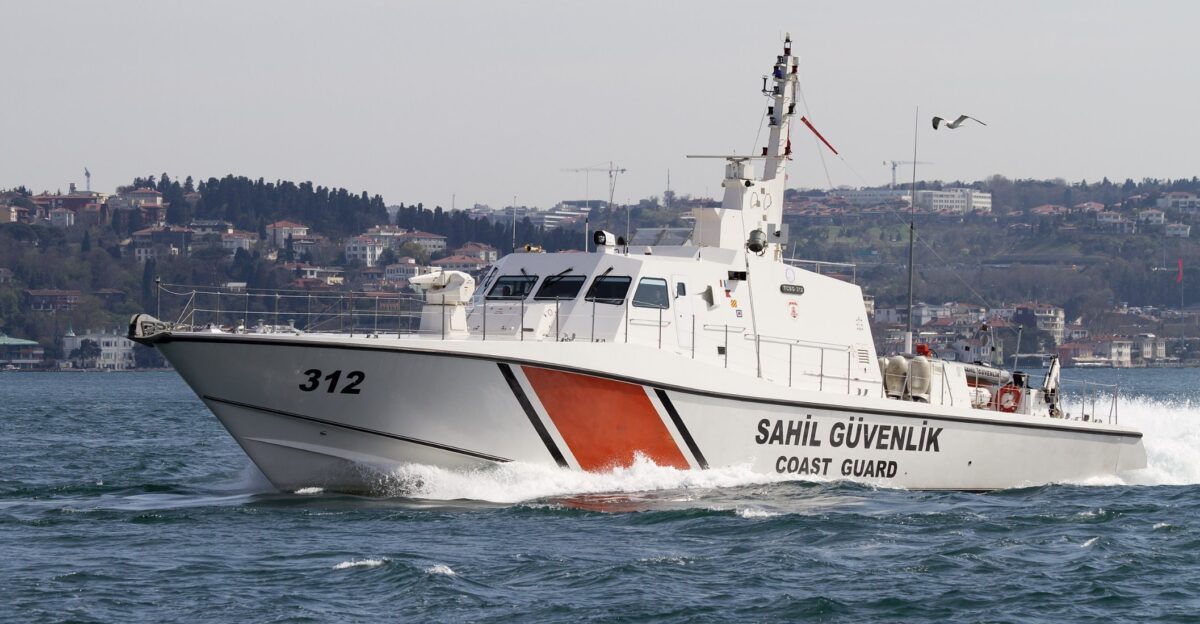
Turkey’s coast guard evacuated all 25 crew members from Kairos after a fire broke out about 28 nautical miles off Turkey’s coast. Virat, struck roughly 35 nautical miles offshore, sent a distress call reporting a drone attack but remained afloat.
Turkish authorities confirmed that all crew from both vessels were unharmed. Emergency teams coordinated firefighting and monitoring operations to prevent environmental damage in crowded shipping lanes.
How Sea Baby Drones Reached So Far South
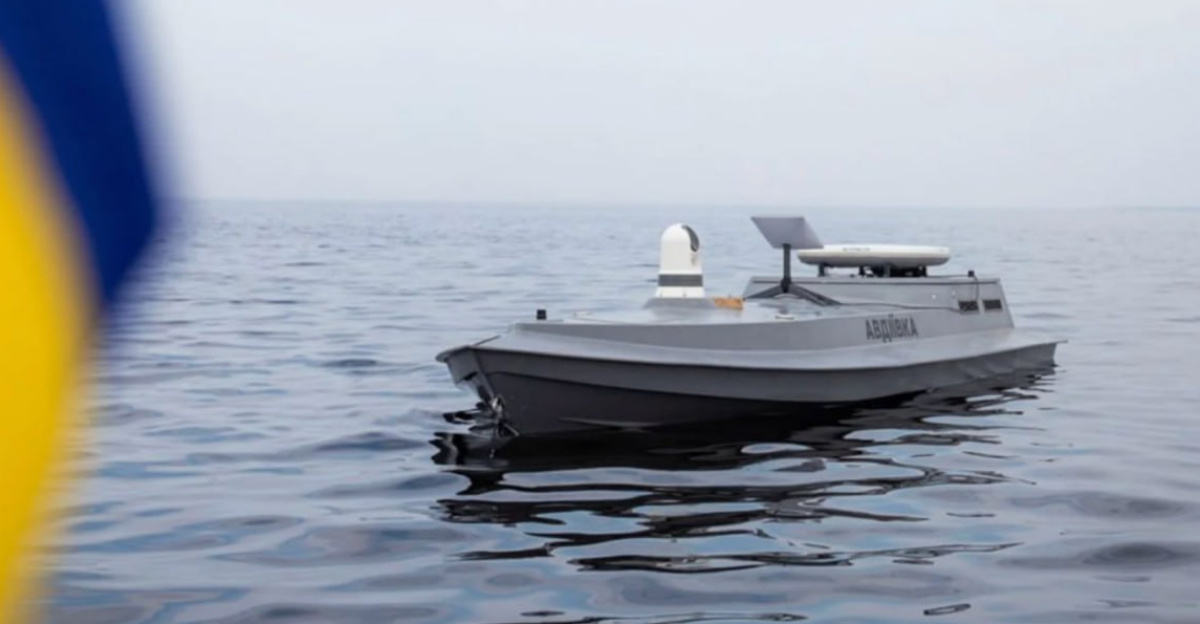
Ukraine’s Sea Baby naval drones have evolved into long-range unmanned surface vessels capable of deep-sea operations. Recent upgraded versions are believed capable of traveling up to 1,500 kilometers with heavy payloads.
This range enables Ukraine to strike maritime targets far from its coastline without risking piloted vessels. The attacks near Turkey demonstrated that Ukraine can now operate across most of the Black Sea basin.
Why Empty Tankers Still Move Markets
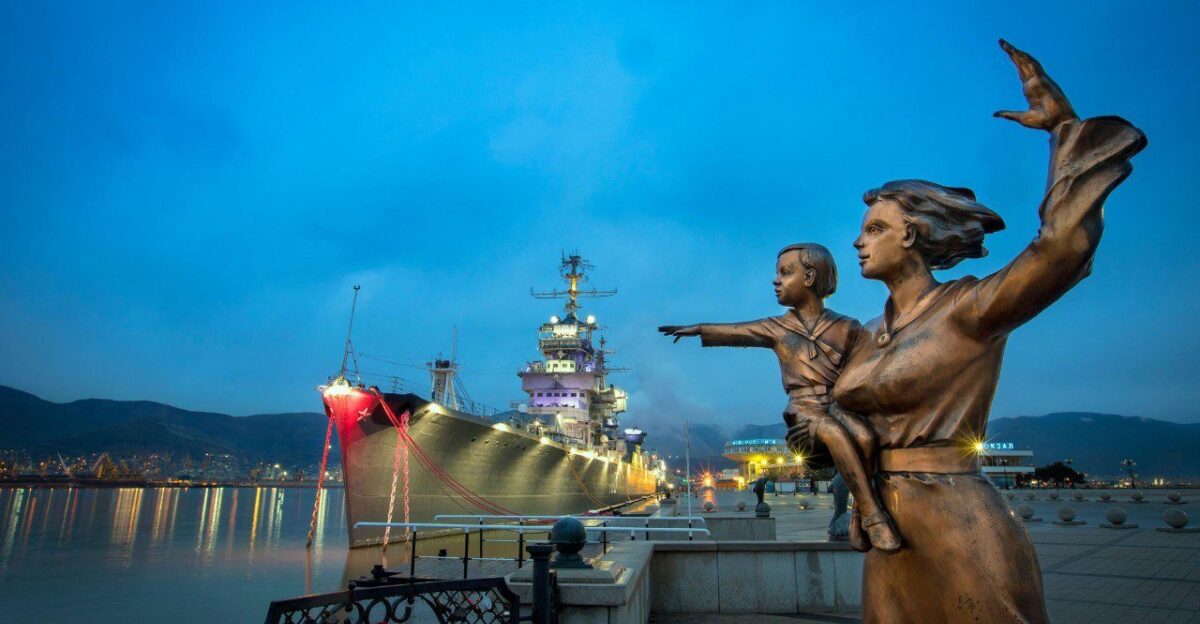
Although Kairos was sailing empty toward Russia’s Novorossiysk terminal, the strike still mattered to global energy markets. Traders react to risk, not just cargo.
Even disruptions to aging shadow-fleet vessels raise insurance costs and freight premiums across Black Sea routes. Any perceived threat to Russian oil logistics injects volatility into Brent crude prices, which directly influences global gasoline, diesel, and heating fuel costs.
Oil Traders, Insurers, and Shippers Recalculate Risk
The attacks underline the extreme vulnerability of shadow-fleet tankers that often operate without reliable insurance or transparent oversight. Analysts note that shipowners will likely demand higher risk premiums, while legitimate insurers distance themselves further.
Charterers may shift to alternative vessels or routes. The corridor off Turkey—long treated as relatively safe since 2022—no longer appears secure for covert Russian oil transport.
Alternative Routes and Tanker Market Pressure
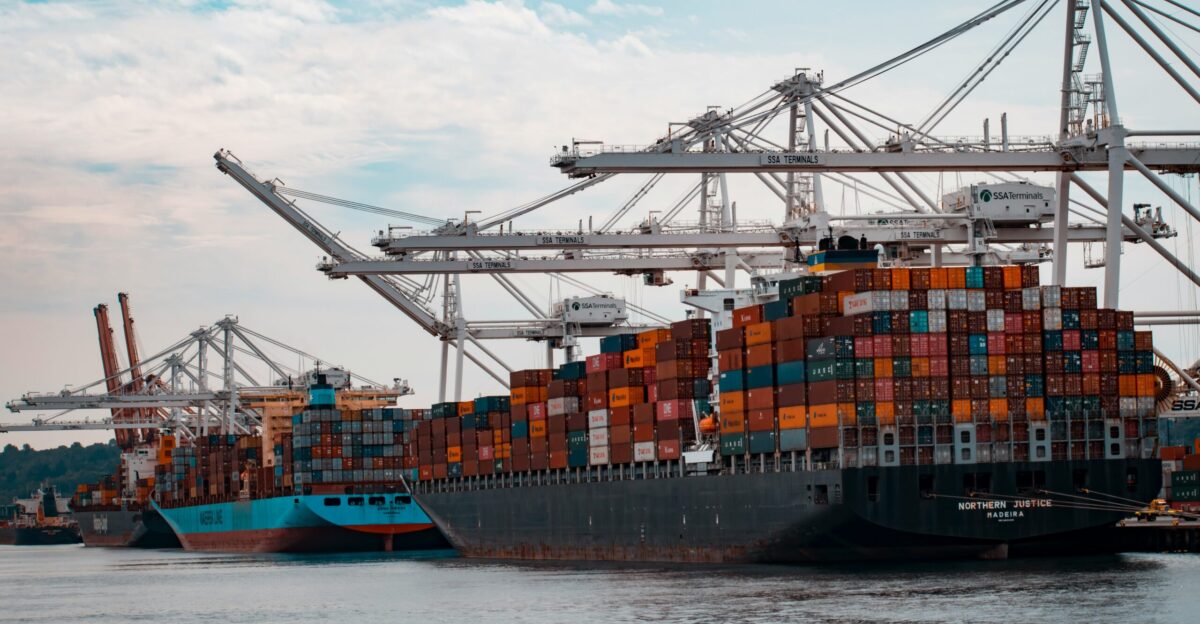
If Russia diverts more exports away from the southern Black Sea, shipments may concentrate through Baltic ports like Primorsk or Ust-Luga, or take longer routes around Europe.
That shift tightens tanker availability, especially among older Aframax and Suezmax vessels favored by the shadow fleet. Reduced ship supply pushes freight rates higher, affecting refiners, fuel distributors, and ultimately consumers across multiple regions.
Turkey Caught Between Security and Commerce
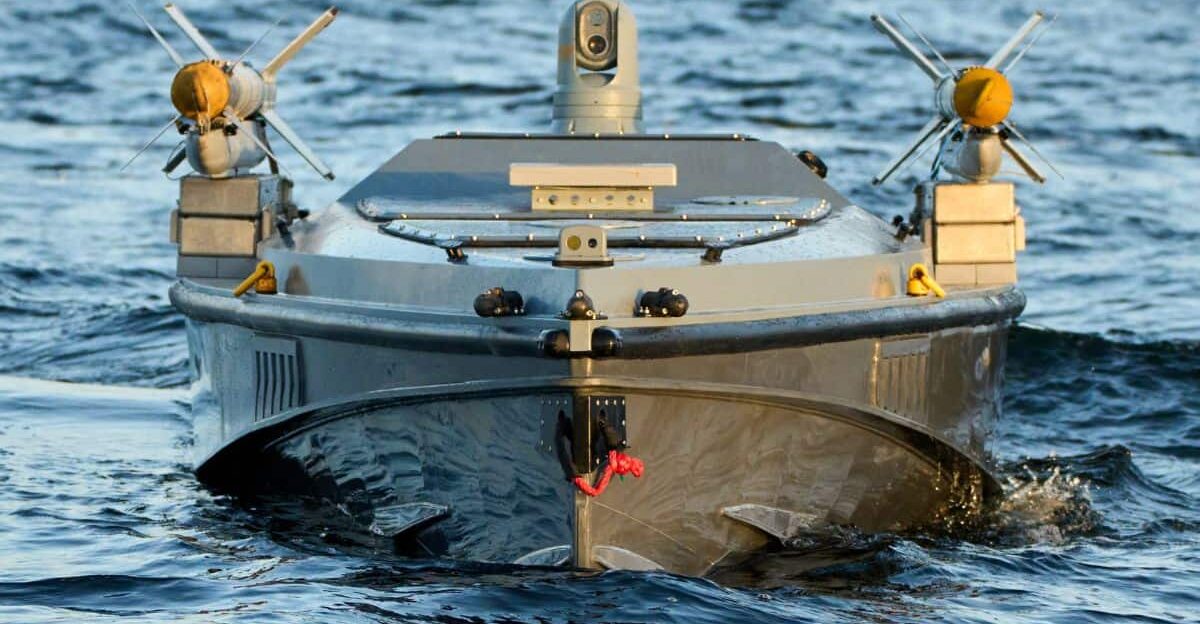
These were the first confirmed Ukrainian naval drone strikes inside Turkey’s exclusive economic zone during the war. Ankara coordinated emergency response efforts while safeguarding its busy commercial shipping lanes.
Turkish leadership described the incident as a troubling escalation that threatens navigation safety. The strikes place Turkey in a delicate position—simultaneously a NATO member, a key Black Sea trade hub, and now an immediate frontline maritime responder.
The People Behind the Shadow Fleet
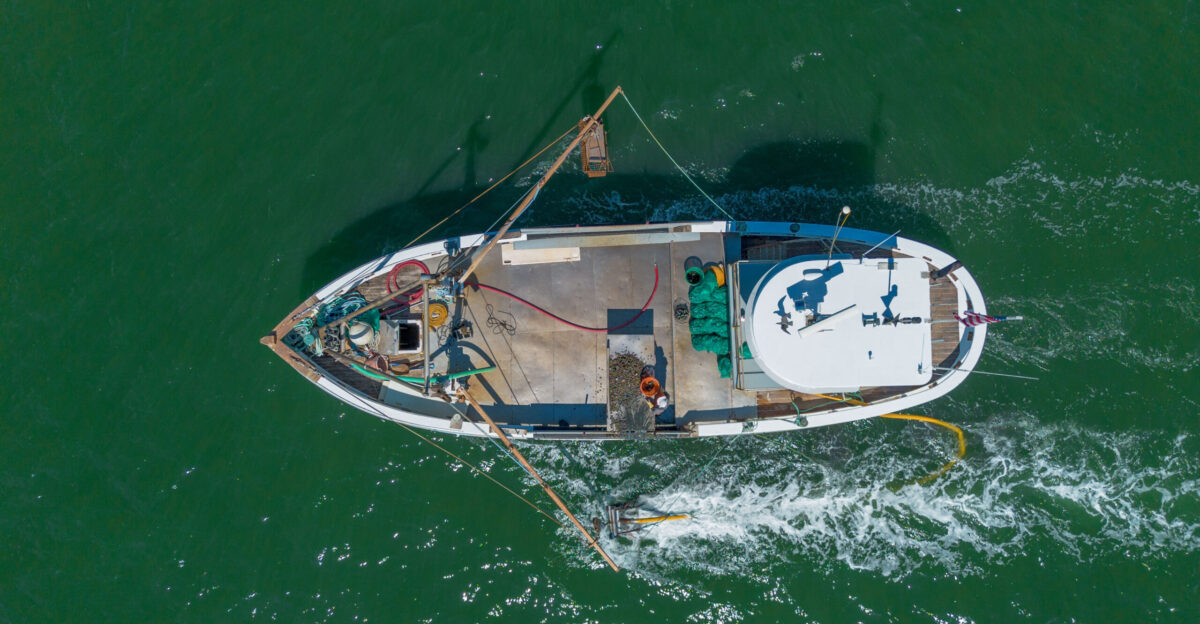
Shadow-fleet ships like Kairos and Virat typically operate under flags of convenience with complex, obscured ownership structures and multinational crews. Oversight is minimal, safety standards are inconsistent, and accountability is difficult to enforce.
Despite this, these vessels generate multibillion-dollar revenues for the Kremlin. For civilian seafarers, the strikes add a new layer of lethal risk to already hazardous working conditions.
Sanctions, Policy, and Legal Tensions

Virat was sanctioned by the United States in January 2024 for carrying Russian oil above the price cap, followed by EU, UK, Swiss, and Canadian measures. Kairos was sanctioned by the EU in July 2024, with additional Western restrictions later imposed.
These sanctions block Western insurance and financial services. Ukraine’s strike physically enforced the intent of those sanctions, raising new legal and escalation questions.
Inflation, Energy Security, and Central Banks
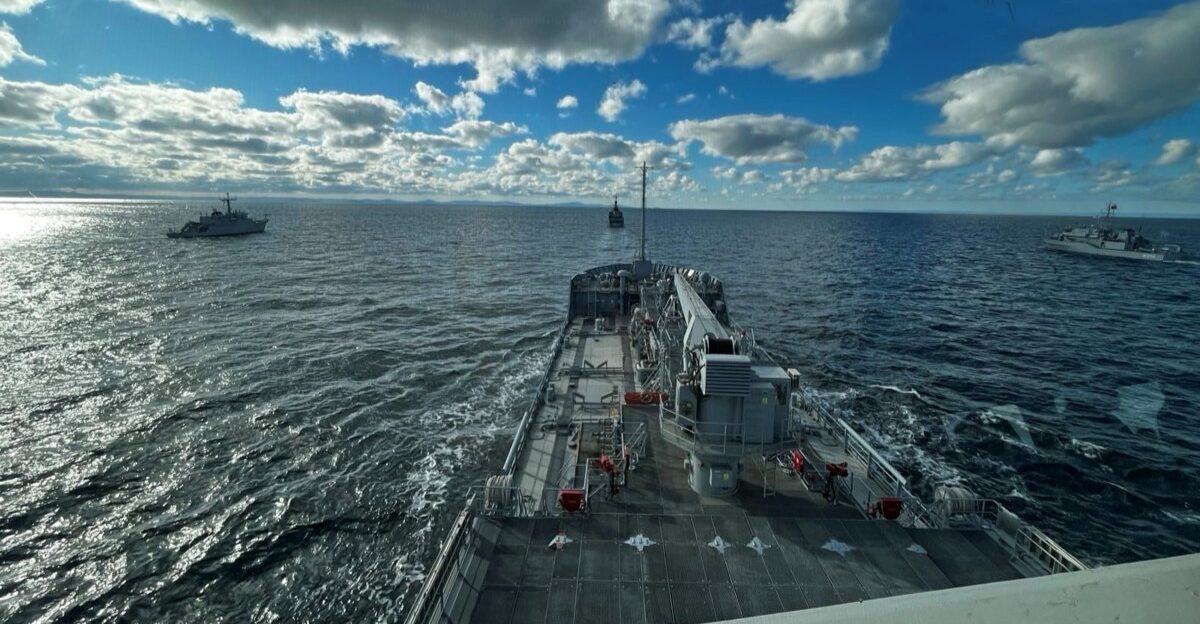
Russia remains one of the world’s largest oil exporters. Even limited risks to its export network ripple through financial markets.
Central banks already sensitive to energy-driven inflation spikes are watching closely. If Black Sea tensions materially restrict Russian flows, price pressures could strengthen. Even if volumes simply shift routes, higher transport and insurance costs still feed into consumer fuel and utility prices worldwide.
Environmental Fears in a Crowded Sea
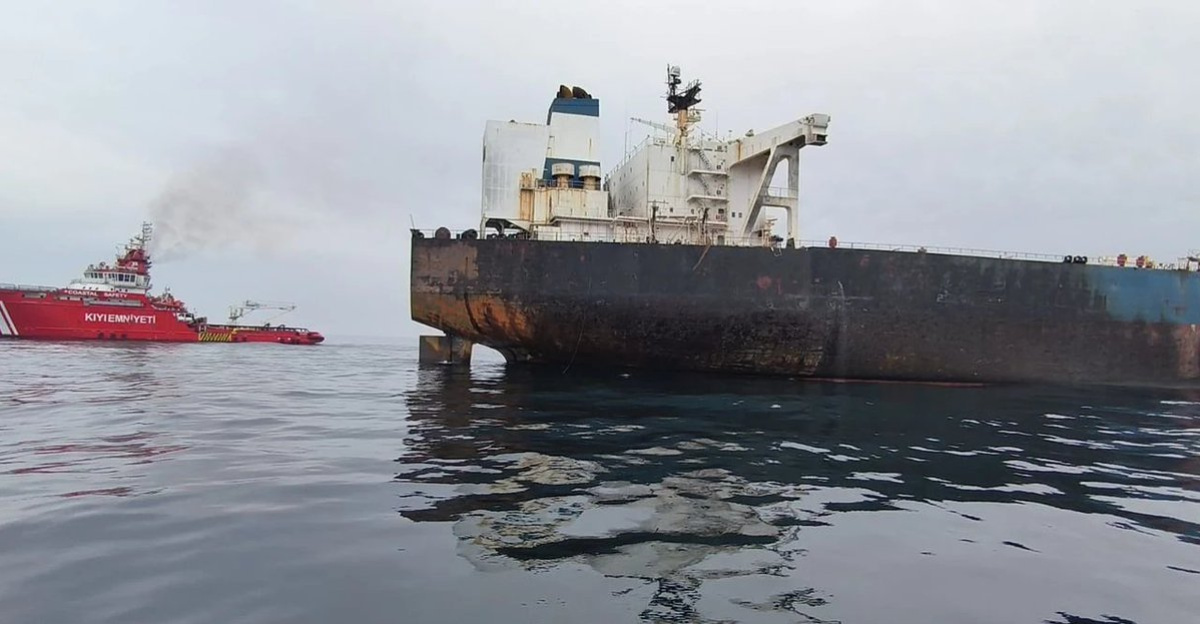
Shadow-fleet tankers are frequently older, lightly regulated, and poorly insured. A serious spill from a drone-damaged vessel could devastate the semi-enclosed Black Sea ecosystem, affecting Turkish, Ukrainian, Georgian, and Bulgarian coastlines.
Environmental watchdogs have long warned that these ships pose serious risks even in peacetime. Active warfare magnifies the danger, where a single strike could trigger long-lasting regional ecological damage.
Drone Warfare’s New Maritime Reality
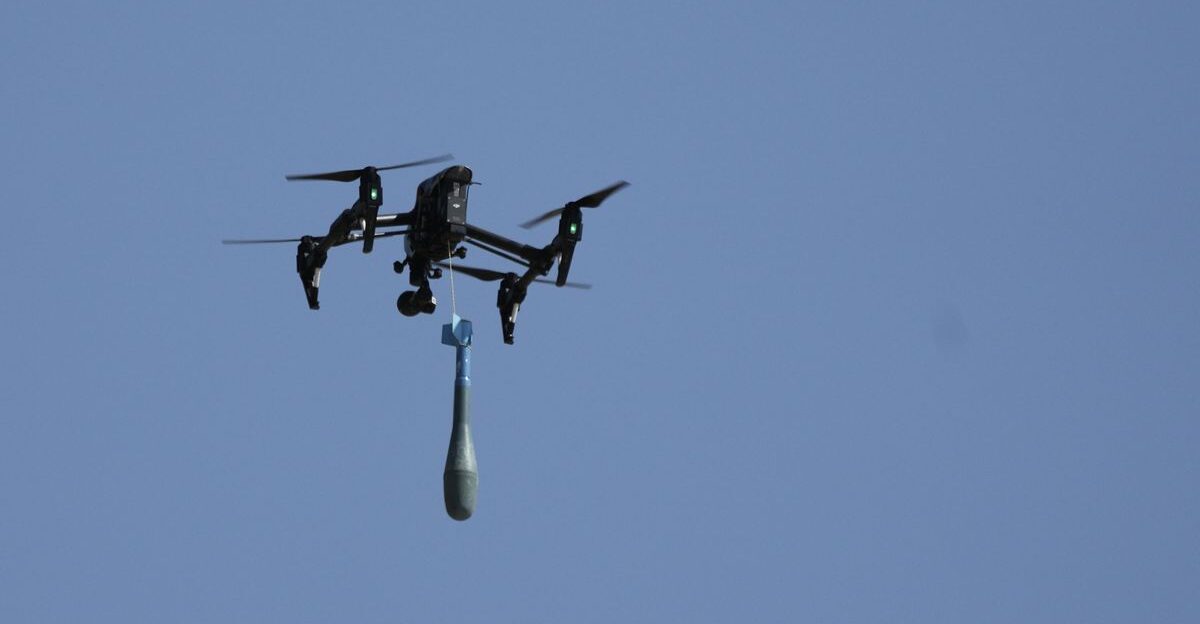
Video released by Ukrainian authorities showing the attacks reinforced how unmanned systems are reshaping naval warfare. What began as experimental platforms now strike commercial shipping hundreds of miles from front lines.
Defense planners across the world are studying Ukraine’s methods as a model of asymmetric power. At the same time, insurers and shipping companies now face a future where civilian trade routes are exposed to drone warfare.
Winners, Losers, and What Consumers Can Do
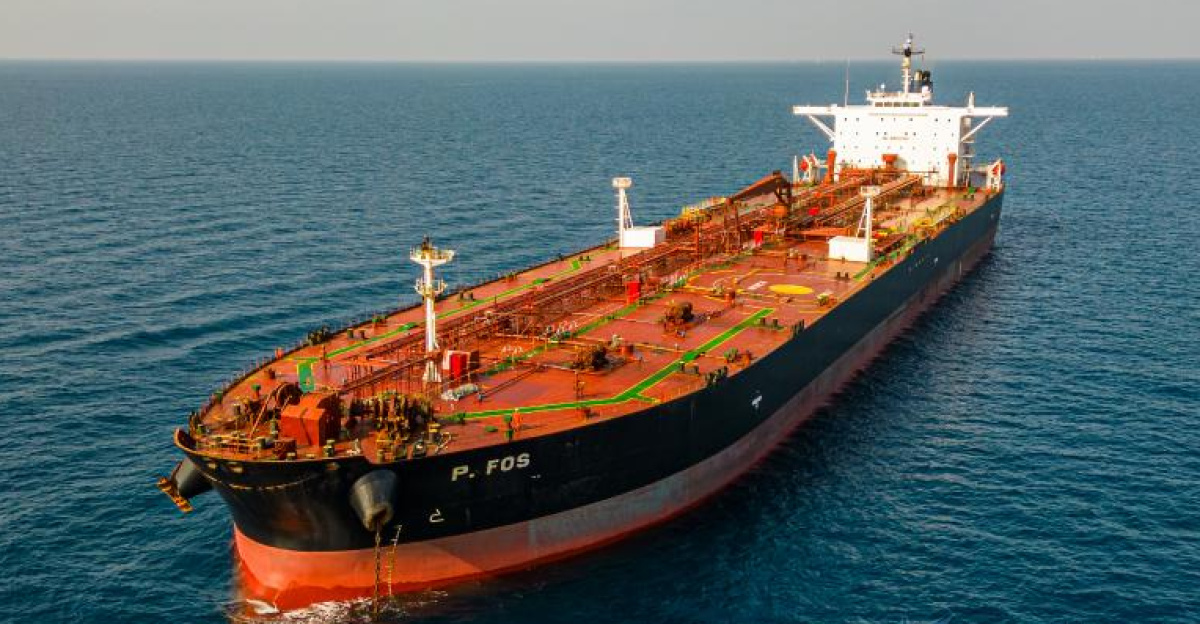
Compliant shipping firms and insurers that follow price-cap rules may benefit as charterers retreat from shadow-fleet operators.
Opaque tanker owners, by contrast, face rising financial and security risks. For consumers, geopolitical shocks cannot be controlled, but their impact can be softened through energy efficiency, careful utility-rate planning, and reduced exposure to fuel volatility. Economic warfare increasingly reaches directly into household budgets.
What the Black Sea Looks Like Now
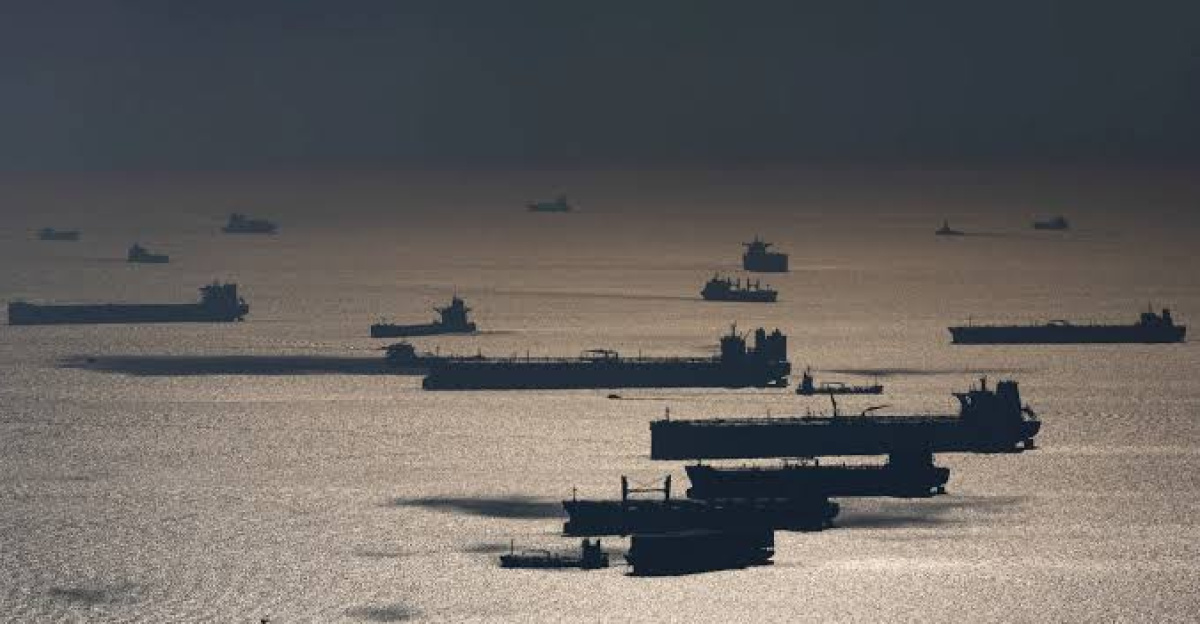
The strikes on Kairos and Virat prove that no part of the southern Black Sea is fully safe for Russian oil shipping. Ukraine’s Sea Baby drones have turned what was once a secure export corridor into contested water.
Analysts expect route changes, heavier maritime defenses, and continued tension between sanctions enforcement, energy security, and civilian navigation. The Black Sea has become a frontline of global economic warfare.
Sources:
- Reuters
- BBC News
- AP News
- The Guardian
- Euronews
- NBC News
- The War Zone
- Kyiv Independent / Kyiv Post
- U.S. Department of the Treasury
- EU Official Journal (EU Council sanctions listings)
- OpenSanctions database
- Turkish Coast Guard
- Turkish Ministry of Transport / Turkish maritime authorities
- Al Jazeera
- U.S. Naval Institute Proceedings