The notification appeared without warning at the top of a work phone’s screen: “Archival active.” Moments later, a newly sent message and its quick deletion were logged by an unseen system running in the background.
IT had already enabled the feature across company-managed devices, quietly turning routine conversations into permanent records. Employees had no way to stop it, and many didn’t realize it was happening. What triggered this shift — and how far does it reach?
Why This Exists
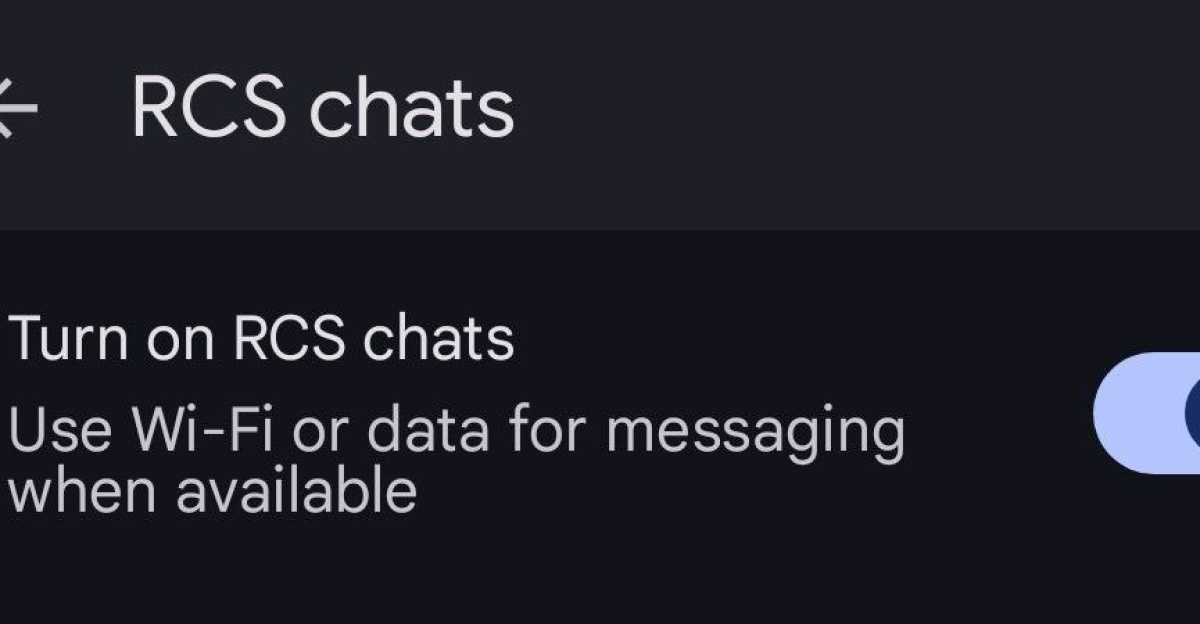
Google formally launched the integrated RCS Archival system in November 2025, framing it as a compliance tool for regulated industries. U.S. Securities and Exchange Commission rules require firms to archive all business communications, including text messages, for legal discovery.
Finance, healthcare, and government agencies face strict retention standards, along with Freedom of Information Act requirements. By activating the feature in late 2025, Google positioned Android as a compliant infrastructure for industries where regulatory pressure has intensified.
Encryption Becomes Meaningless
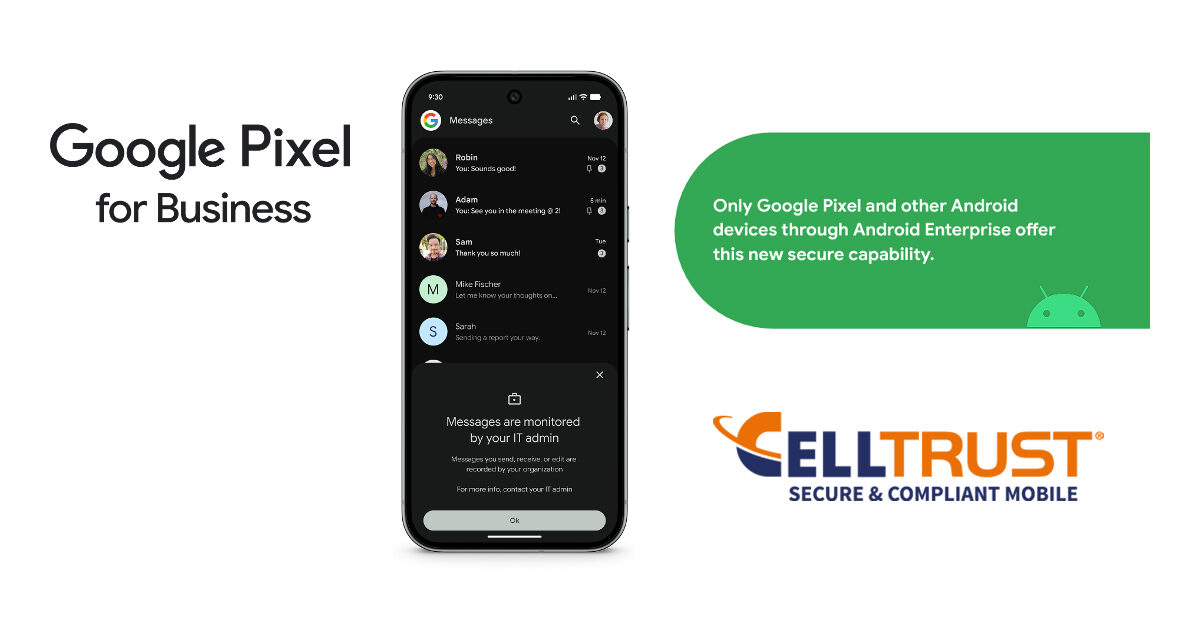
End-to-end encryption remains, but the new system archives messages after they are decrypted on the device. Google integrated with third-party partners—Celltrust, Smarsh, and 3rd Eye—to capture message content through system-level notifications.
These apps record every message event: sent, received, edited, or deleted. Because the capture happens before the user can erase anything, the deletion of a message no longer removes it. From a compliance perspective, RCS messages now function like emails: preserved indefinitely.
Regulated Industries Come Under Full Surveillance
Millions of workers in regulated sectors now operate under expanded mobile monitoring. The U.S. financial services industry employs 6.7 million people, most subject to SEC retention rules. Government employees responding to FOIA requests face similar documentation pressure.
Healthcare, legal, and corporate employees add millions more. As oversight spreads, text messaging becomes an auditable data stream rather than an informal communication channel, ending the gap between workplace email monitoring and messaging privacy.
Deleting a Text No Longer Works
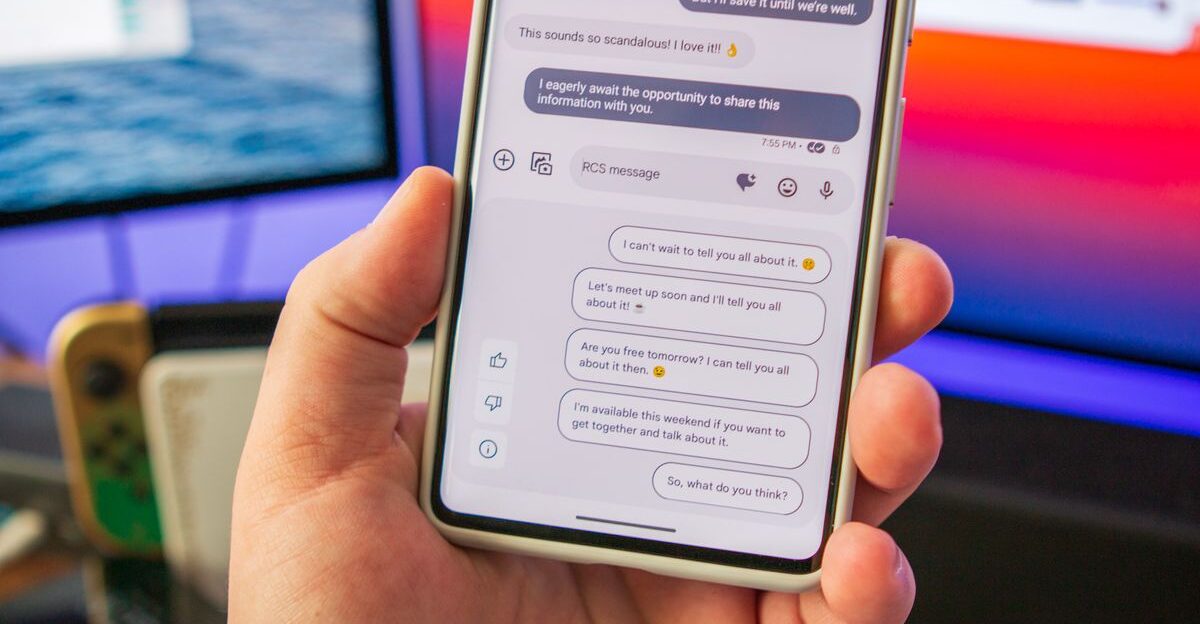
The archival system eliminates any practical value of the “delete” button on work phones. When a message arrives, archival partners are alerted instantly and capture its contents before users can modify or erase it.
Edits and deletions become permanent record events—documented alongside original content. Casual venting, private complaints, or after-hours conversations can now be preserved and potentially reviewed in performance evaluations, layoffs, legal disputes, or regulatory investigations.
Billions of Messages Now Archivable
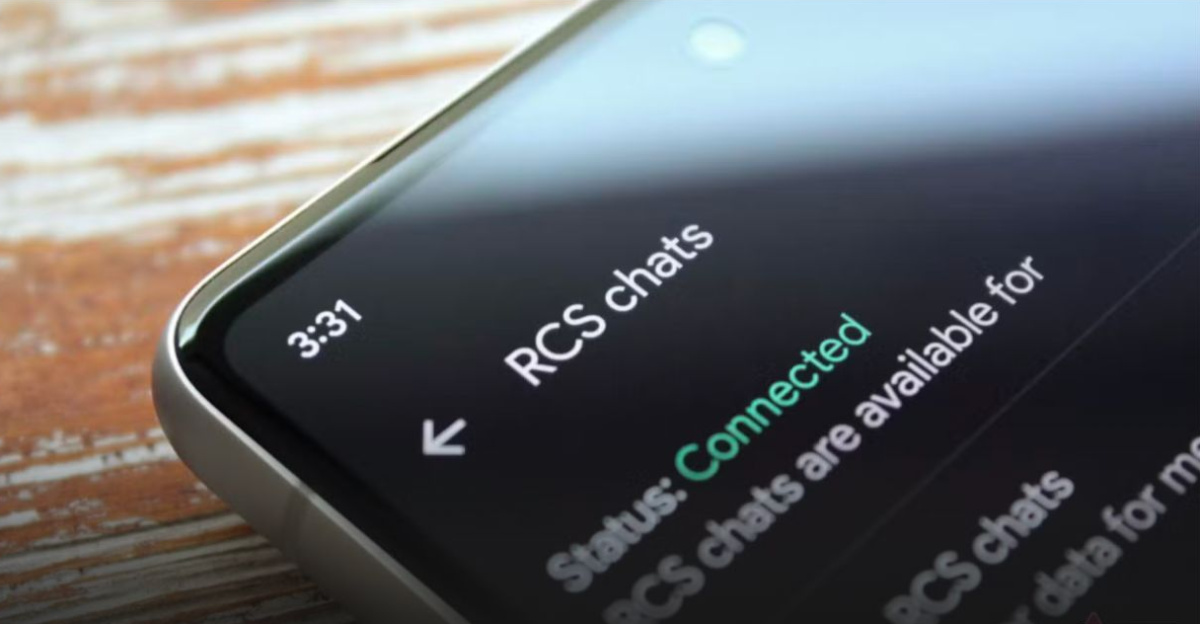
RCS has surged in adoption since Apple added support in 2024, driving over one billion daily messages in the U.S. alone. RCS exceeded one billion monthly active users on Android by November 2023, before Apple’s rollout.
With employer-level archival capabilities now enabled, the volume of preserved text data increases dramatically. This shift transforms mobile communication from transient messaging into a massive source of permanent corporate documentation on regulated devices.
Notifications Don’t Mean Consent
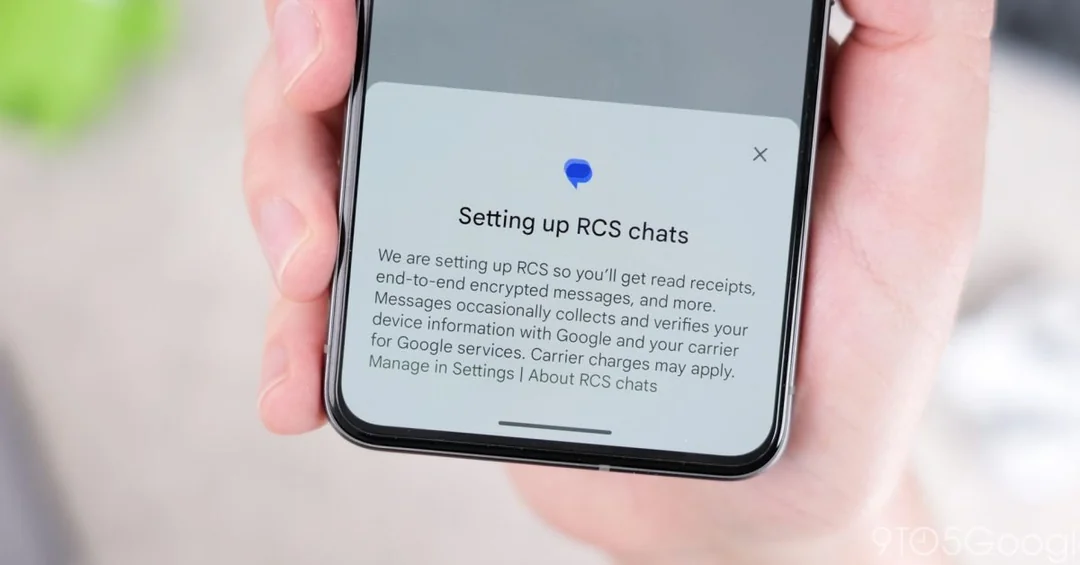
Google says employees receive “clear notification” when archival is active—but the notification is not a choice. On fully managed devices, IT departments control configuration, and employees cannot disable archiving. The message serves as disclosure, not permission.
With 71% of employees already digitally monitored and 73% of remote or hybrid workers subject to surveillance tools, the new system deepens the normalization of workplace monitoring without offering meaningful user control.
Inside the System
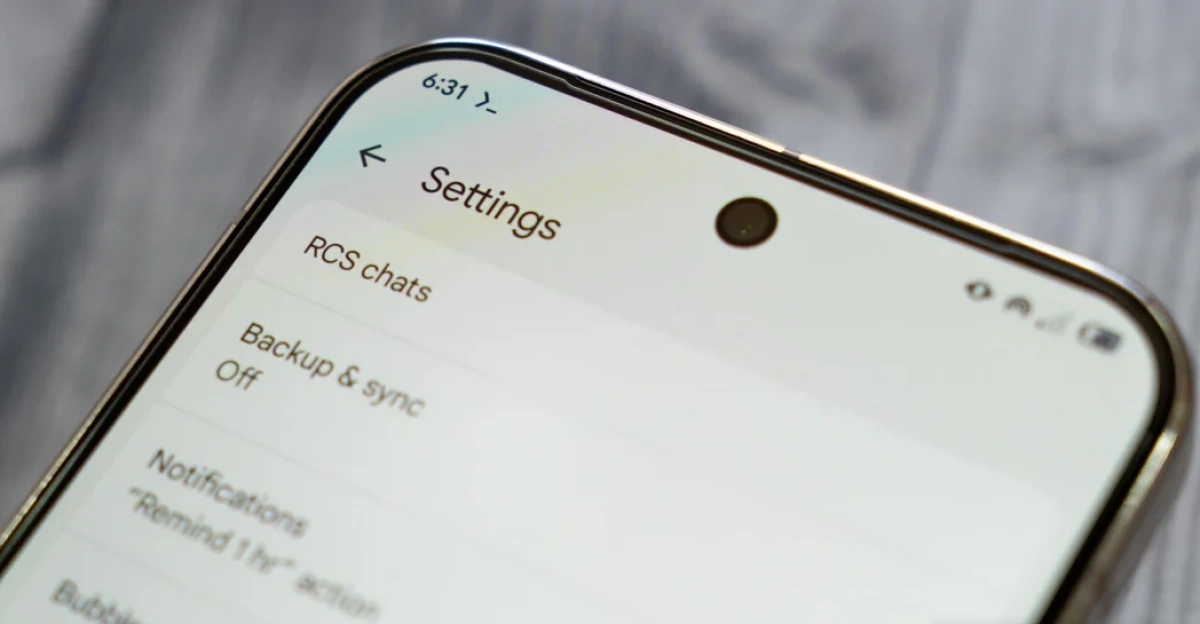
Older carrier-level systems could not archive encrypted RCS traffic because encryption blocked interception. Google’s solution works differently: it operates on the device, after decryption, and interacts directly with Google Messages.
Partners like Celltrust integrate at the system level, receive event notifications, extract message data, and archive it according to regulatory requirements. The system is backward-compatible, capturing SMS and MMS alongside RCS, creating unified archival across messaging formats.
Regulation Forced the Transition

SEC enforcement accelerated the adoption of comprehensive archival systems. Agencies have issued tens of millions in fines to firms that failed to preserve business communications, including text messages. SEC Rule 17a-4 requires tamper-proof records for three to six years; FINRA Rule 3110 adds supervision requirements.
Without compliant systems, companies face legal risk. Google’s RCS Archival feature provides the infrastructure firms need to avoid penalties tied to undocumented communications.
Work and Personal Time Converge

Company-issued phones now function as regulated communication repositories. Messages sent during late hours, weekends, or personal time are archived if the device is configured for compliance. With 15% of U.S. jobs fully remote—triple the pre-2020 level—workers rely on employer devices for daily communication, blurring personal and professional boundaries.
The new system institutionalizes that overlap by converting everyday texts into permanent business records, regardless of intent or context.
The Chilling Effect

Knowledge that every message is preserved may discourage open communication. Workers under surveillance often adapt behavior: half of remote employees fake activity to avoid scrutiny, while others use workarounds or anti-tracking tools.
With comprehensive archival now extending to texts, employees may avoid using official channels entirely, undermining productivity. Anxiety around monitoring fuels self-censorship, affecting morale, collaboration, and trust, especially in distributed work environments.
Who Is Actually Affected
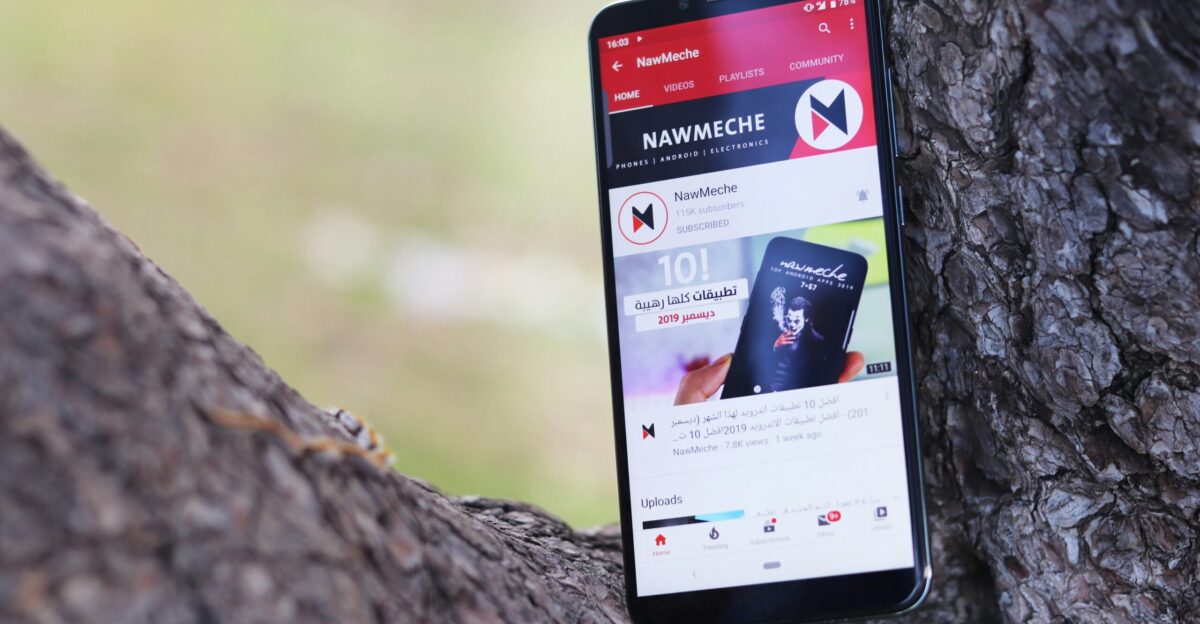
Google stresses that the feature applies only to company-managed devices. Personal Android phones remain unaffected, and work profiles on personal devices are excluded. However, millions of workers use company-issued smartphones as primary devices.
Those employees have no choice: if a device is fully managed, archiving is mandatory. The distinction between personal and work devices provides protection only for those who do not rely on employer hardware.
Encrypted Apps Retain Independence

WhatsApp and Signal are not subject to Google’s RCS Archival system because they operate independently from Android’s native messaging platform. There is no integration mechanism to capture their messages at the same system level.
However, messages remain vulnerable to physical access, unencrypted backups, or workplace policies. While independent encryption offers technical protection, employees may still risk exposure depending on device configuration and organizational security procedures.
Industry Trend: Microsoft Joins In
In early 2026, Microsoft Teams will begin automatically detecting users’ workplace location when connected to corporate Wi-Fi, identifying which building they are in. The system is opt-in by default, and employees can choose whether to share their location.
Combined with Google’s archival rollout, this development indicates accelerating adoption of workplace monitoring features. Enterprise software increasingly incorporates compliance, security, and location-based insights into everyday collaboration tools.
Five Beliefs Collapsing at Once
Recent technology updates dismantle five common assumptions: encrypted messaging is private on work phones; deleting a message eliminates it; work devices are personal during off-hours; only email is monitored; and corporate technology safeguards user privacy. In practice, compliance requirements override those assumptions.
Company-managed devices create permanent records, regardless of user expectations, reshaping how workers interpret privacy, risk, and communication norms.
Who Makes the Surveillance Work
Three companies—Celltrust, Smarsh, and 3rd Eye—launched as Google’s initial archival partners. Their platforms capture messages, enforce policy rules, and store records for regulatory compliance.
Celltrust’s SL2 Enterprise Capture integrates directly with Google Messages; Smarsh provides surveillance aligned with SEC and FINRA requirements. Additional partners are expected in 2026, expanding the system’s reach. These firms form the infrastructure layer powering workplace communication documentation.
Legal Exposure Expands

Every archived text becomes potential evidence in lawsuits, regulatory investigations, and FOIA requests. Casual conversations now have the same legal weight as formal correspondence if archived.
Conservative groups filed tens of thousands of FOIA requests for federal employees’ communications in recent years, demonstrating the scale of public-records interest. With full text archiving, workplace messaging enters the domain of legal risk, transforming employee communication into discoverable evidence.
What Workers Should Do
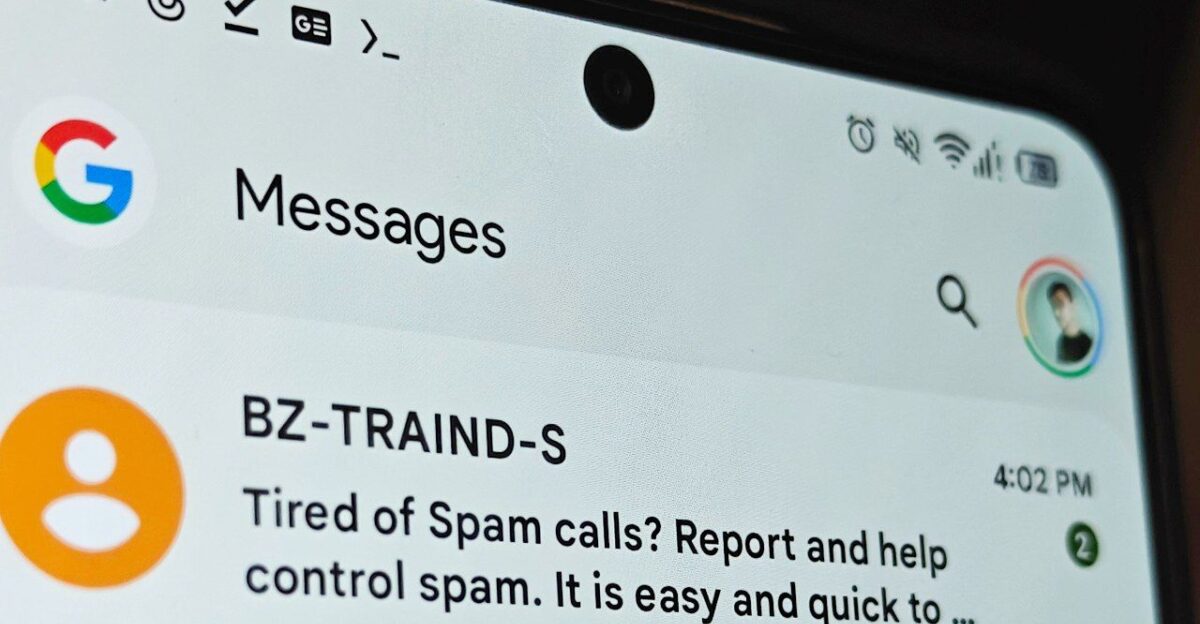
Employees with company-managed Android devices should recognize that texts may be archived automatically. Best practices include minimizing personal communication, reviewing organizational policies, and using personal devices with independent encrypted platforms for private conversations.
Workers should assume messages sent on managed phones are permanent business records. Understanding employer policies, compliance obligations, and device configuration helps mitigate unintended risk.
Where Monitoring Goes Next
By 2025, 70% of large enterprises used monitoring tools, with 71% of employees digitally tracked. As compliance, security, and analytics converge, companies are expected to expand monitoring further.
Future systems may analyze message content, track behavioral patterns, or integrate with emerging technologies. Regulatory and operational pressures, rather than worker expectations, will shape the evolution of workplace monitoring across devices and platforms.
Conclusion
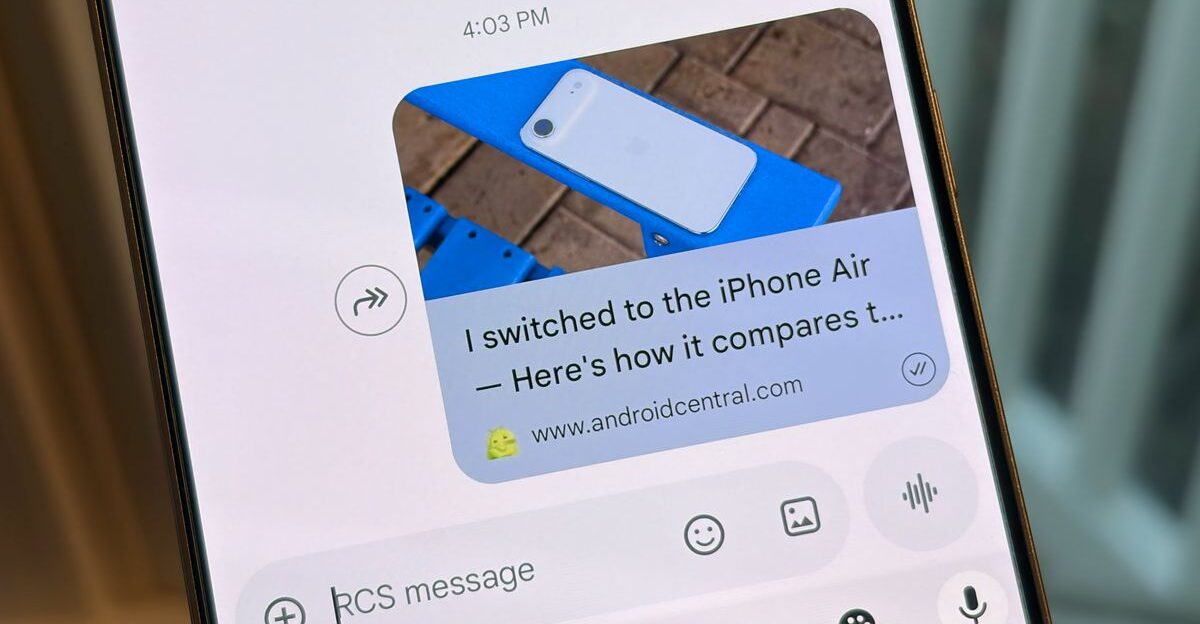
Google’s RCS Archival feature closes a major gap in workplace communications compliance by capturing encrypted messaging at scale. Launched in late 2025, it applies to millions of employees using company-managed devices.
With every message, edit, and deletion preserved, workplace privacy assumptions have shifted. As monitoring expands across platforms and industries, the boundary between professional compliance requirements and personal autonomy continues to erode—reshaping how modern workplaces function.
Sources:
Technical implementation and regulatory partnerships — Google’s official announcement with partner companies (Celltrust, Smarsh, 3rd Eye)
Regulatory framework — SEC Rule 17a-4 and FINRA Rule 3110 requirements that drive the feature
Scale and adoption metrics — RCS daily message volume and user base growth statistics
Industry context — Workplace monitoring prevalence