An infant daughter wakes in a car parked behind a strip mall. Her mother has been evicted. The shelter turned them away. There is no plan B, no family to call, no next move—only the endless cycle of applications, rejections, and nights in an unsafe vehicle. Then, the Community of Hope opened a door.
Lauren Sánchez Bezos stood in the hallway of that nonprofit and heard this story, which moved her to tears. That moment—a mother’s desperation meeting an organization’s grace—became the emotional core of a $102.5 million nationwide decision.
The Philanthropy Stage

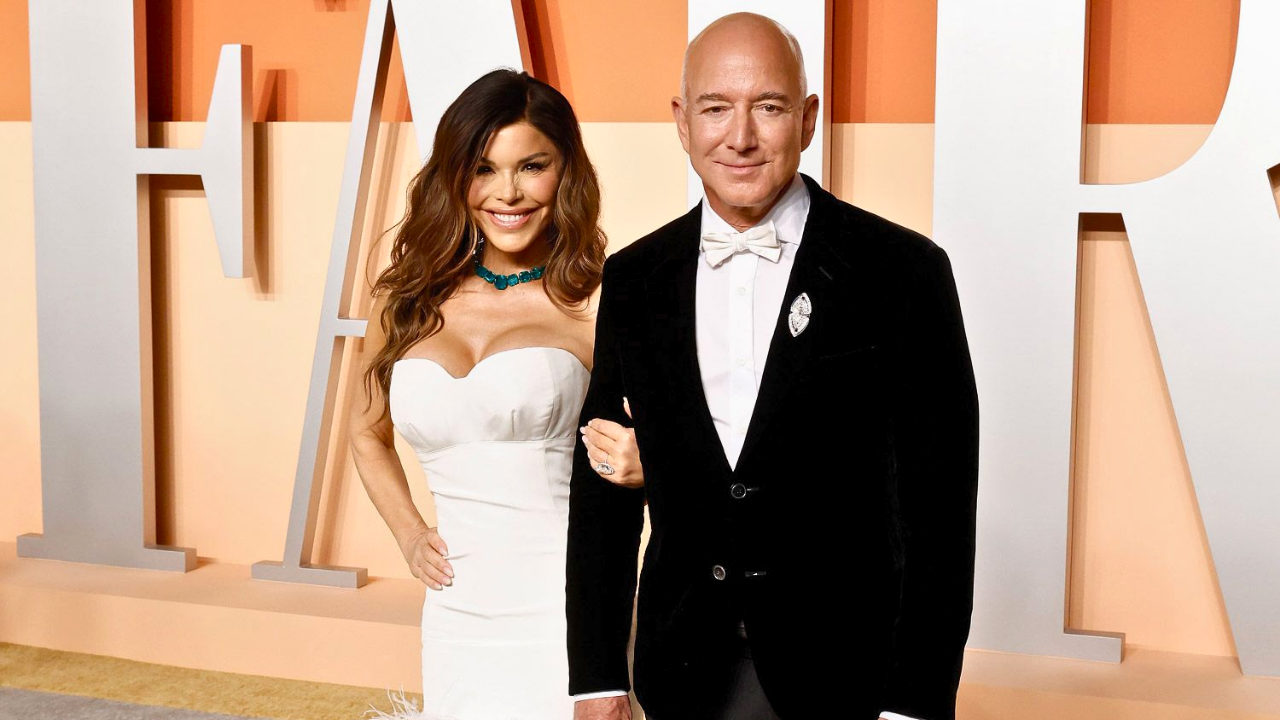
Five months after marrying Jeff Bezos in a lavish Venice wedding in June 2025, Lauren Sánchez Bezos is stepping fully into public view—not as a fiancée on a yacht, but as the face of a nationwide homelessness push.
On December 2, 2025, she announced $102.5 million in grants to 32 nonprofits, framing it as the start of a long-term commitment to families with nowhere stable to sleep.
$102.5 Million, 32 Nonprofits, One Message
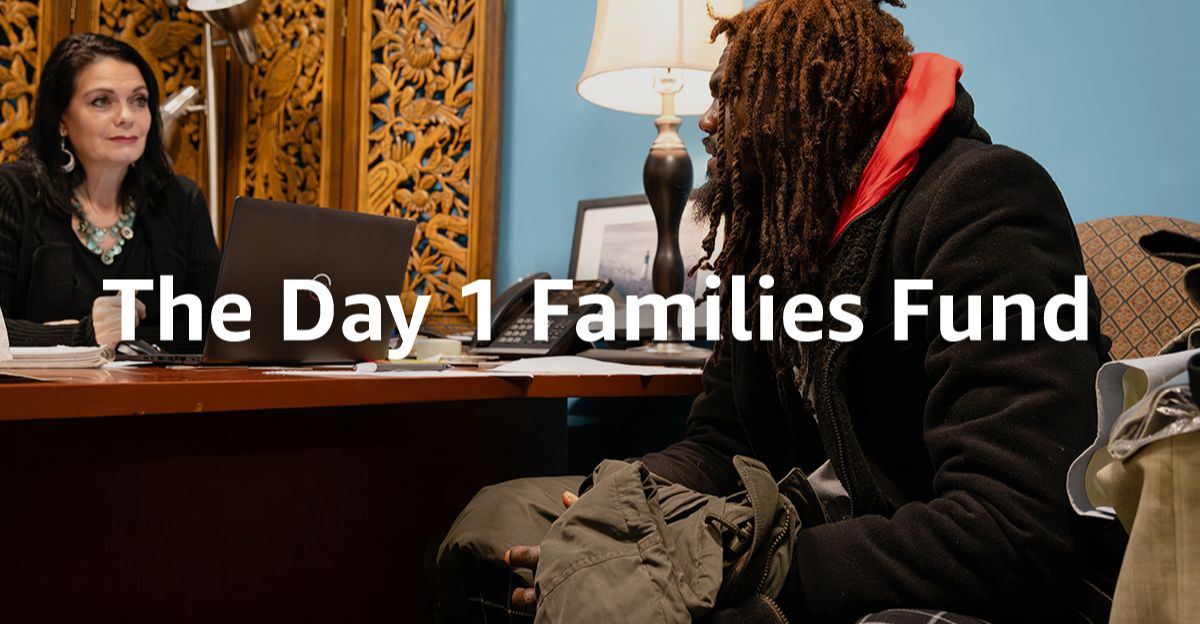
The Bezos Day 1 Families Fund’s 2025 grants will flow to 32 organizations in 20 states, the District of Columbia, and Guam. The money targets families experiencing homelessness—parents juggling rent, food, childcare, and the fear of one missed paycheck.
Sánchez Bezos described the grants as a way to give them “just a little cushion to keep their heads above water,” according to ABC News reporting.
Inside The Day 1 Families Fund Machine
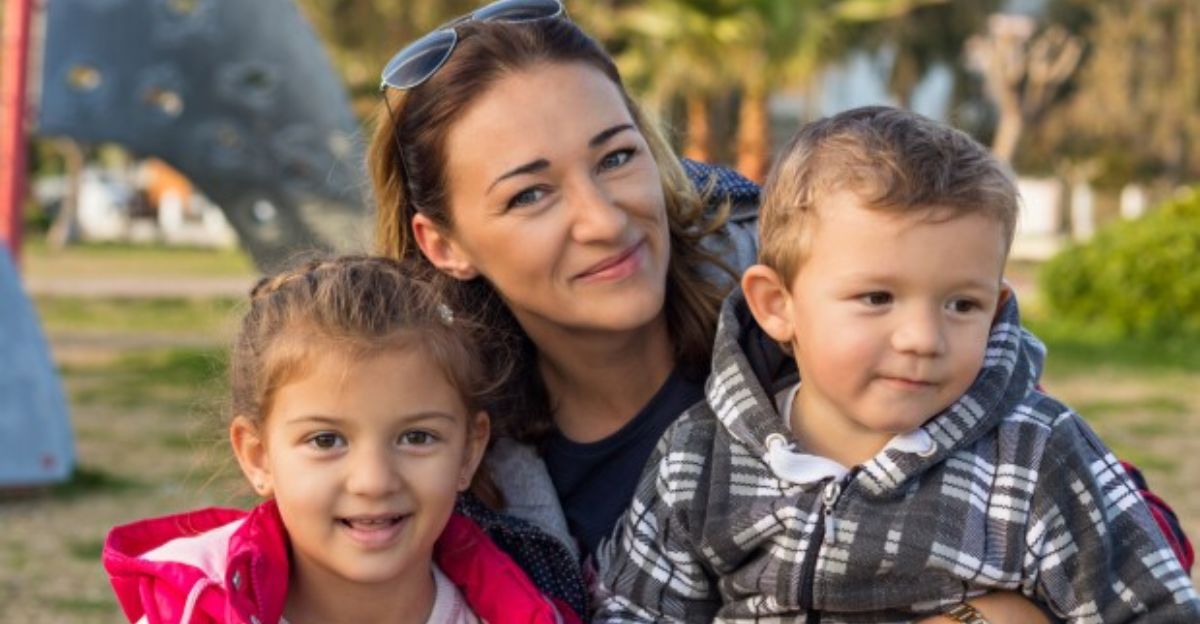
Jeff Bezos launched the Day 1 Families Fund in 2018 with a $2 billion promise: support homelessness nonprofits and build tuition-free preschools in under-resourced communities.
Since then, the fund has deployed more than $850 million across all 50 states, D.C., Puerto Rico, and Guam—roughly $121 million a year. Each grant round is positioned as part of that long arc, not a one-off gesture.
“This Is Just The Beginning”
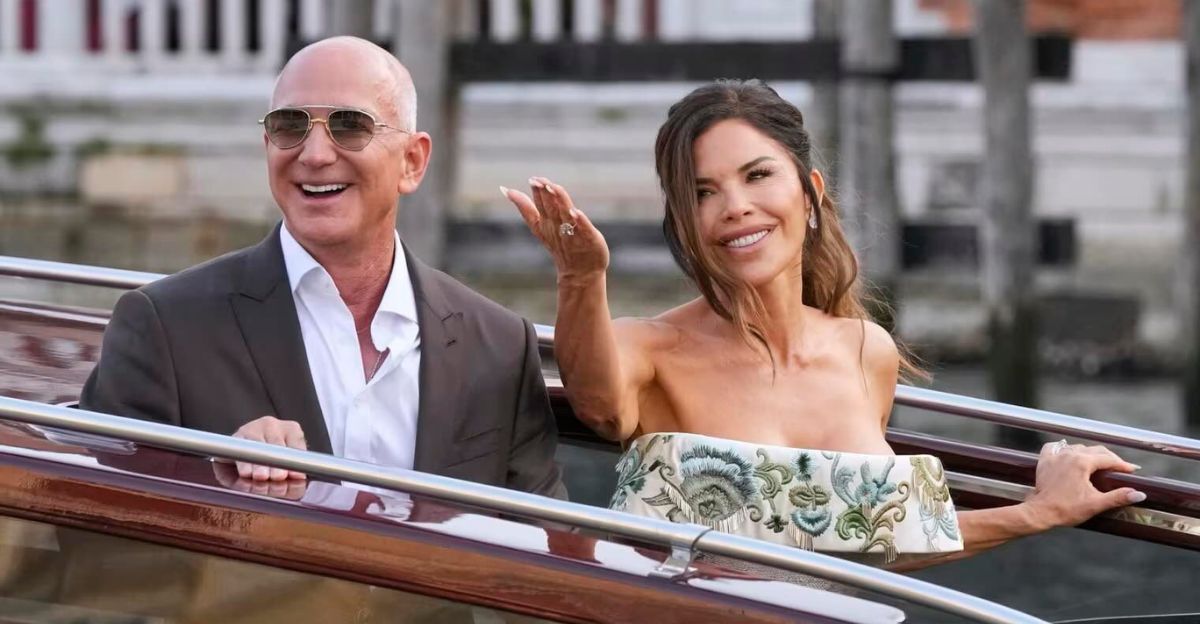
Standing beside those numbers, Sánchez Bezos offered a narrative of momentum rather than completion. “This is just the beginning. It’s a $2 billion commitment … and we’re going to continue doing it,” she said when the 2025 grants were unveiled.
The remark signals two things at once: an acknowledgment of the $1.15 billion still to be deployed and a promise that she intends to be the one helping steer it.
The Scale Of Crisis: 771,480 People Without A Home
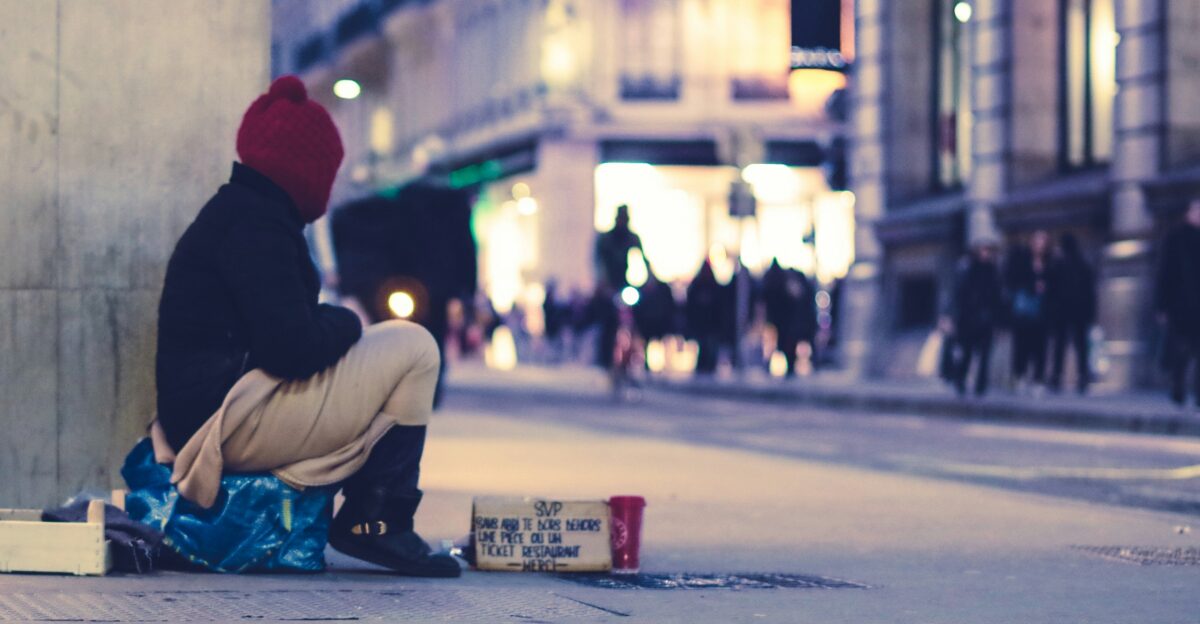
In January 2024, federal data recorded 771,480 people experiencing homelessness in the United States—the highest level since modern counts began in 2007. The National Alliance to End Homelessness notes that this marked an 18% jump from 2023.
Youth homelessness surged even faster, with a 33% increase for people under 25, including parenting teens.
What $850 Million Really Buys

Spread over seven years, $850 million in grants translates into tens of thousands of families accessing shelter, rental support, and case management—assuming annual per-family costs range from $5,000 to $15,000.
That money has helped keep parents and children out of cars, encampments, and dangerous motels.
A Mother, A Locked Door, And Sheets
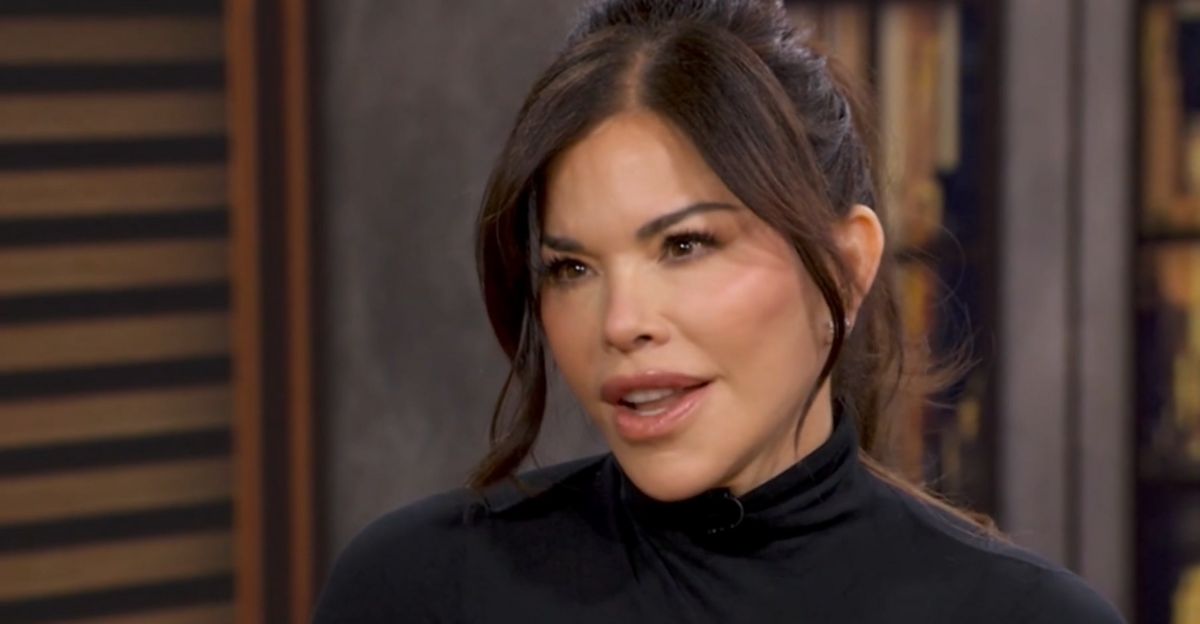
Sánchez Bezos’s most vivid story is not about spreadsheets or totals; it is about one night. She told ABC News that a mother with an infant had been “kicked out of her home” and turned away from shelters until Community of Hope—one of the fund’s grantees—took them in.
“They gave them a bed with sheets and a locked door,” Sánchez Bezos recalled, emphasizing how basic items can rebuild a sense of safety.
Community Of Hope
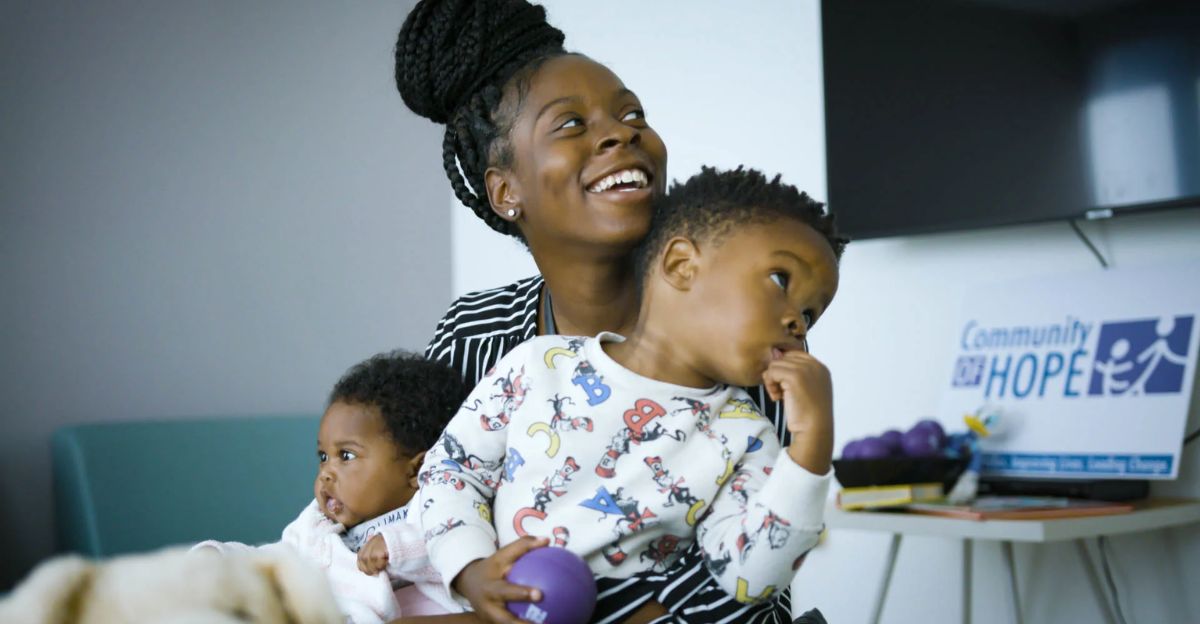
The Community of Hope in Washington, D.C., received $5 million from the Day 1 Families Fund in 2018 and an additional $3.75 million in 2023. The group supports about 1,600 households each year with services ranging from prenatal care to permanent supportive housing.
For families, that can mean the difference between shuttling kids between couches and finally having a key to their own front door.
Why “No Strings Attached” Matters
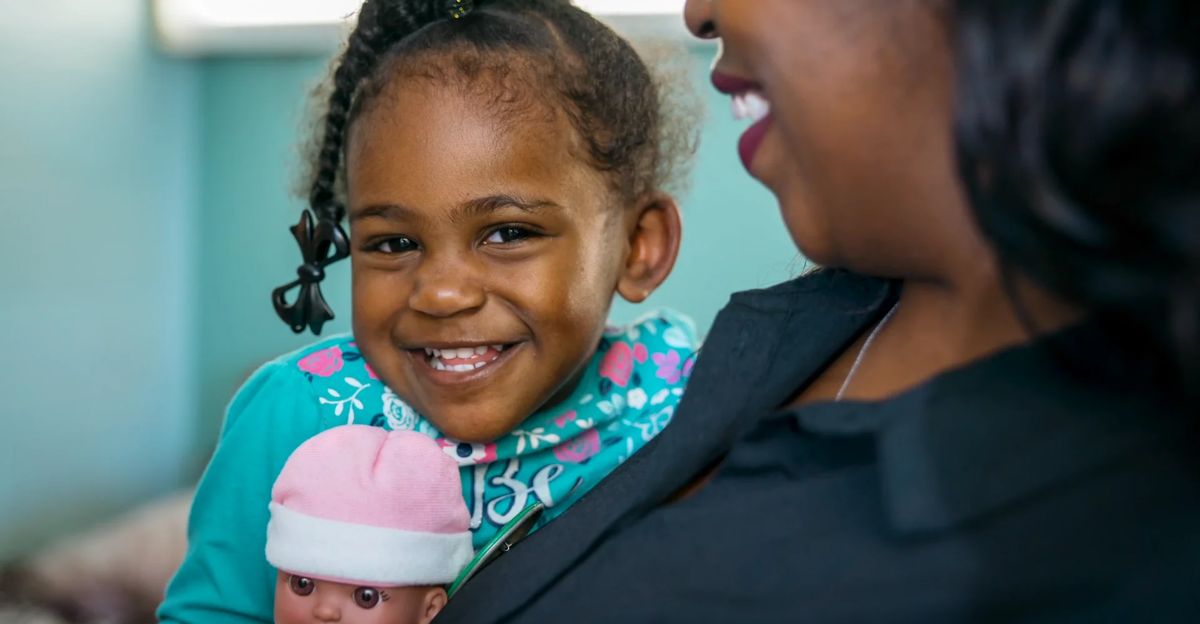
Unlike grants that micromanage every dollar, Day 1 Families Fund awards are essentially unrestricted. Nonprofits can decide whether funds cover rent arrears, new mattresses, winter coats, or toys.
Sánchez Bezos highlighted how organizations can “buy them sheets, buy the kids toys, buy them outfits to wear,” stressing that these everyday items—often dismissed as trivial—are essential for families trying to re-enter stability.
A $5 Million Lifeline In Illinois
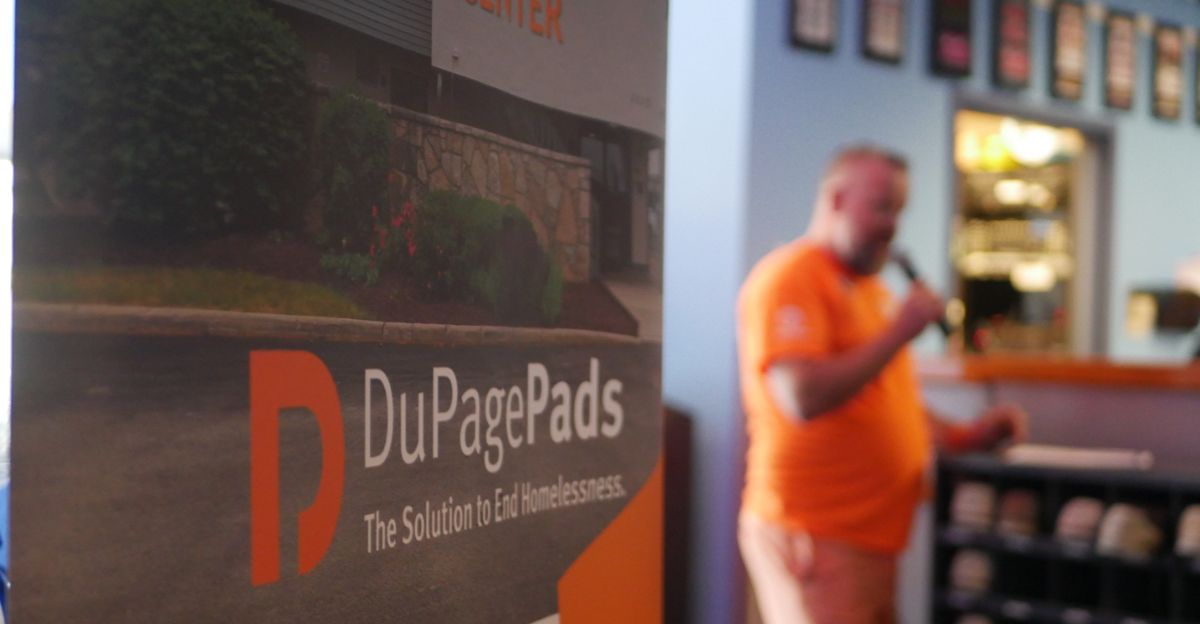
In suburban Chicago, DuPagePads received a $5 million grant this year, one of the largest in its history. The nonprofit plans to use the funds to expand emergency shelter and housing pathways, particularly for families living in cars or precarious motels.
Its leaders described the award as a “game-changer” that will accelerate the transition from emergency beds to permanent housing, according to local reporting.
Turning Checks Into New Starts

Friendship Place in Washington, D.C., was awarded $2.5 million by the fund to help more families exit homelessness. The organization will channel the money into rental assistance, deposits, and employment support—concrete expenses that often block families from securing housing.
Their model underscores the fund’s strategy: fund local experts who know how to convert big numbers into individual success stories.
Who Decides Where The Money Goes

Each year, the fund convenes advisors drawn from consulting groups, nonprofits, and the National Alliance to End Homelessness. That group reviews applications and recommends grantees.
“They know what these communities need,” Sánchez Bezos said, stressing that decisions are grounded in front-line experience rather than billionaire intuition.
The Billionaire Math Problem
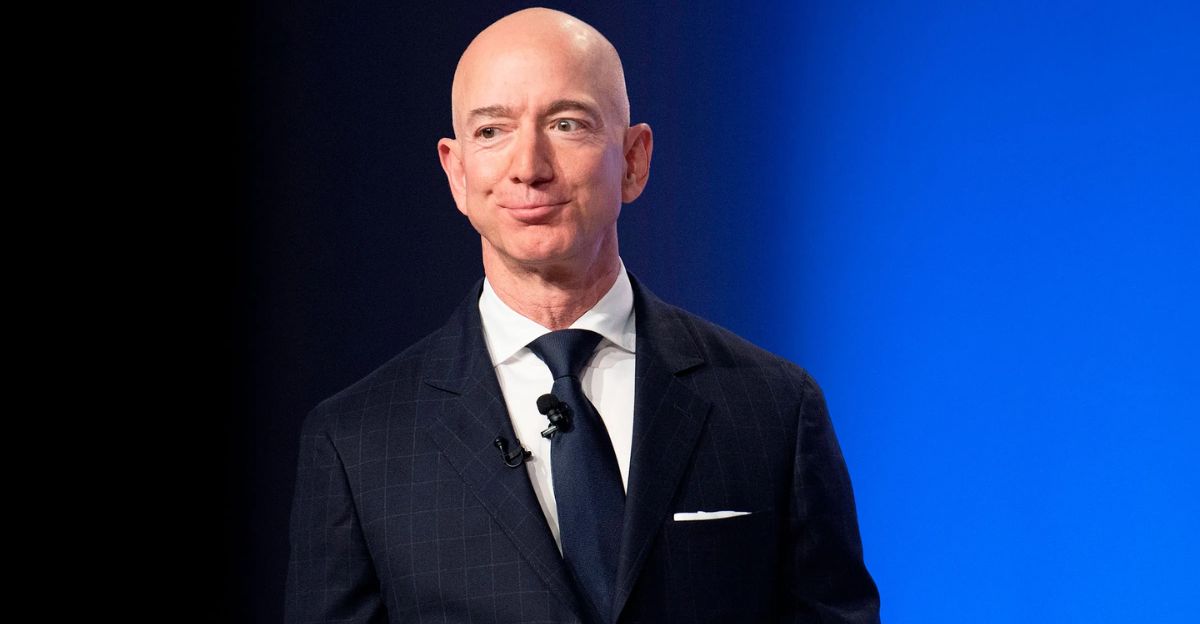
Even as checks are sent out, Jeff Bezos’s fortune continues to grow. Forbes estimates his net worth at approximately $256 billion as of late 2025, ranking him among the world’s three richest individuals.
When the couple gives $102.5 million, the donation represents a tiny fraction of that wealth—roughly equivalent to someone with $100,000 giving around $40. The human impact is real, but the proportional sacrifice is modest.
MacKenzie Scott’s Shadow
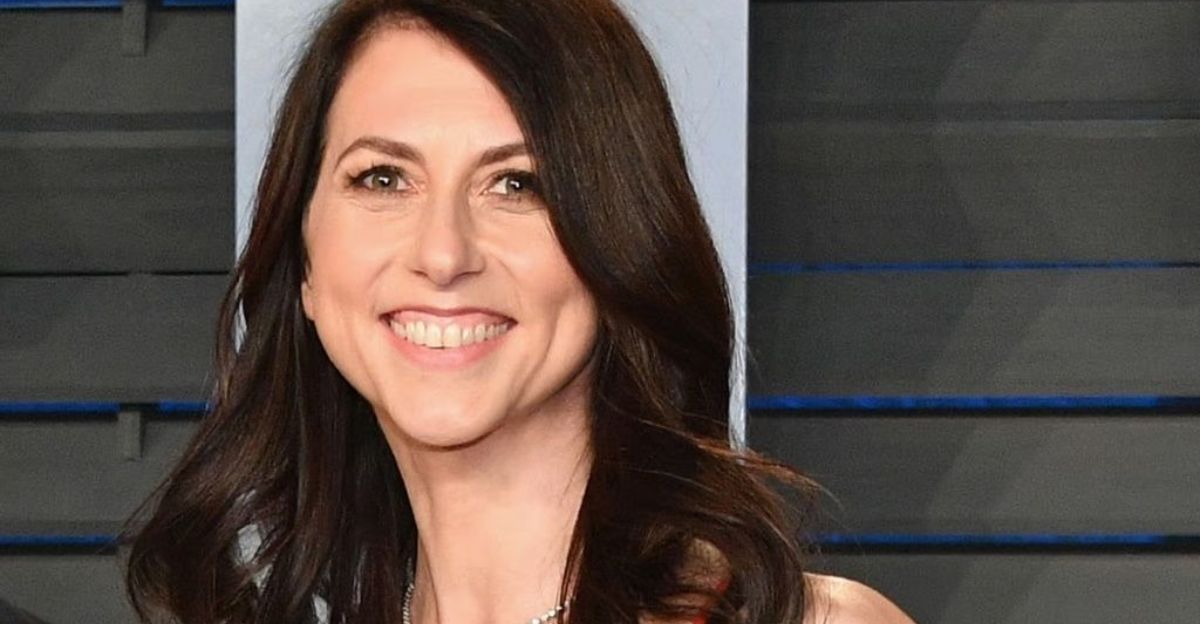
Any conversation about Bezos’ philanthropy now lives in the shadow of MacKenzie Scott. Since 2019, Scott has donated more than $20 billion, often in rapid, surprise waves that have transformed local colleges, YMCAs, and small nonprofits.
Her organization, Yield Giving, has distributed over $19.25 billion to more than 2,000 groups, according to the public tallies from her team. The contrast in speed and scale is hard to ignore.
Bezos’s 2022 Pledge To Give It All Away
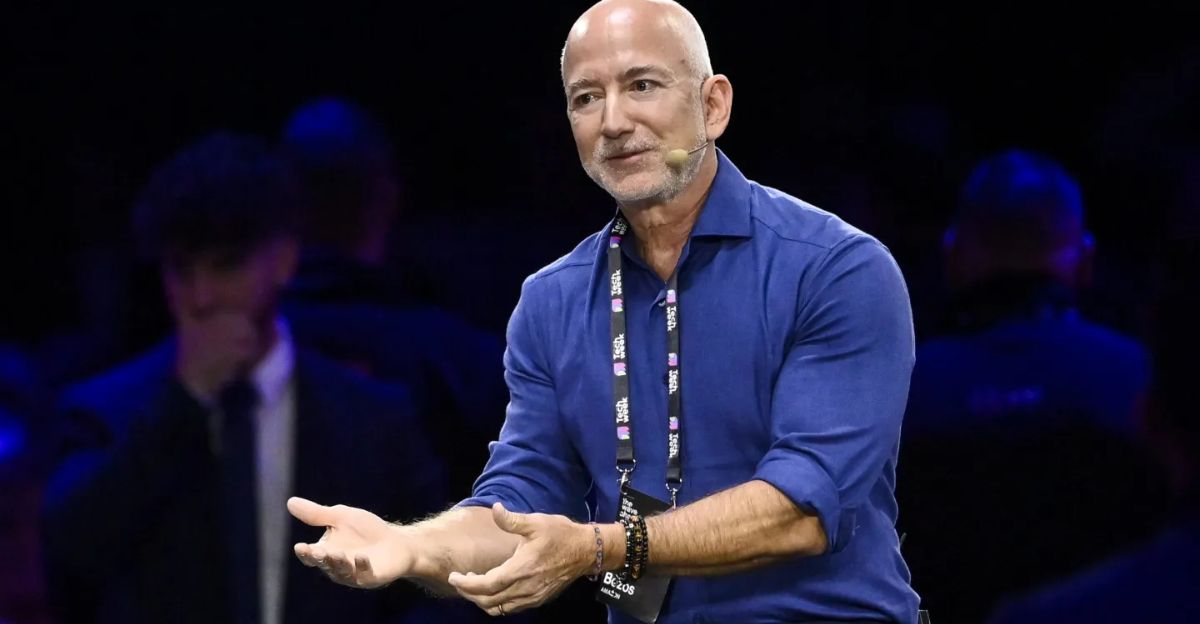
In a 2022 interview, Jeff Bezos said he intends to give away the majority of his wealth during his lifetime, acknowledging that large-scale giving is “not easy” and requires “levered” strategies. His Day 1 initiative and other climate and education efforts are part of that plan.
With less than 4% of his fortune currently deployed through the Families Fund, questions persist about whether the pace can ever match the rhetoric.
Two Philanthropies, Two Philosophies
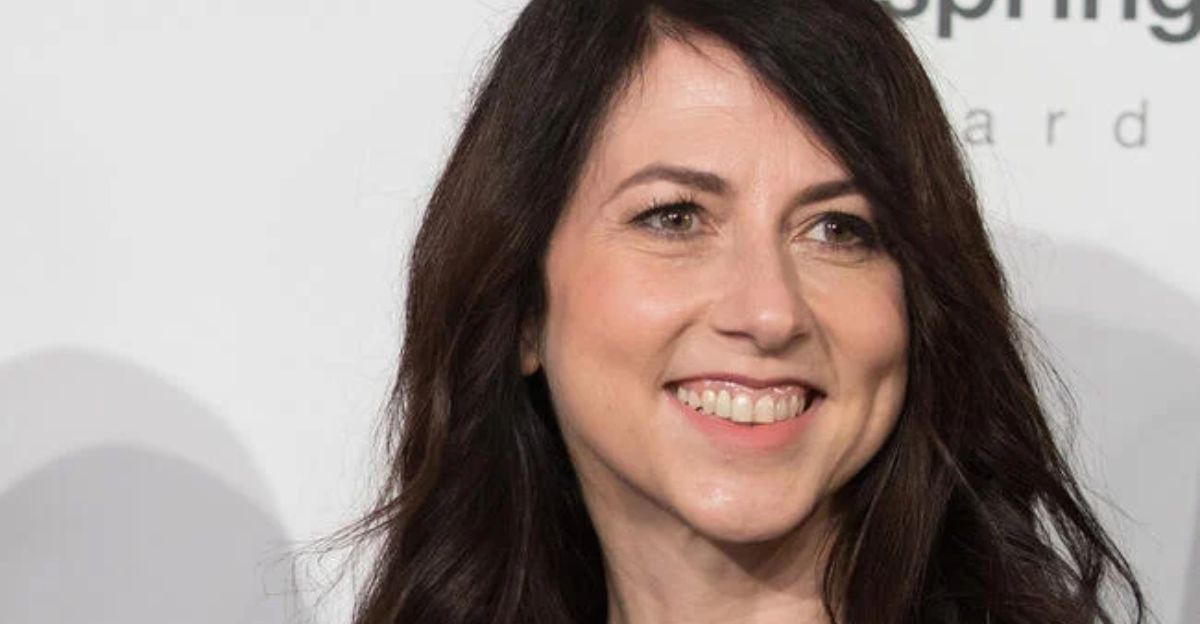
Scott’s approach—fast, trust-based, often quiet—has been praised as a model that “actually works,” as Fortune put it. The Day 1 Families Fund, by contrast, emphasizes curated grant rounds, advisory panels, and carefully staged announcements.
Both send large, flexible checks to nonprofits. But one is built for speed and surprise; the other leans into deliberation, branding, and a narrative of steady, annual giving.
Can $1.15 Billion Shift The Trajectory?
With more than $1.15 billion remaining from the original $2 billion pledge, the next decade of Day 1 Families Fund grants will test whether careful, annual philanthropy can keep up with a crisis that is accelerating.
If the current pace continues, the fund could take another nine years to deploy its commitment fully. In that time, housing costs, eviction rates, and homelessness numbers may continue to climb.
One Bed At A Time
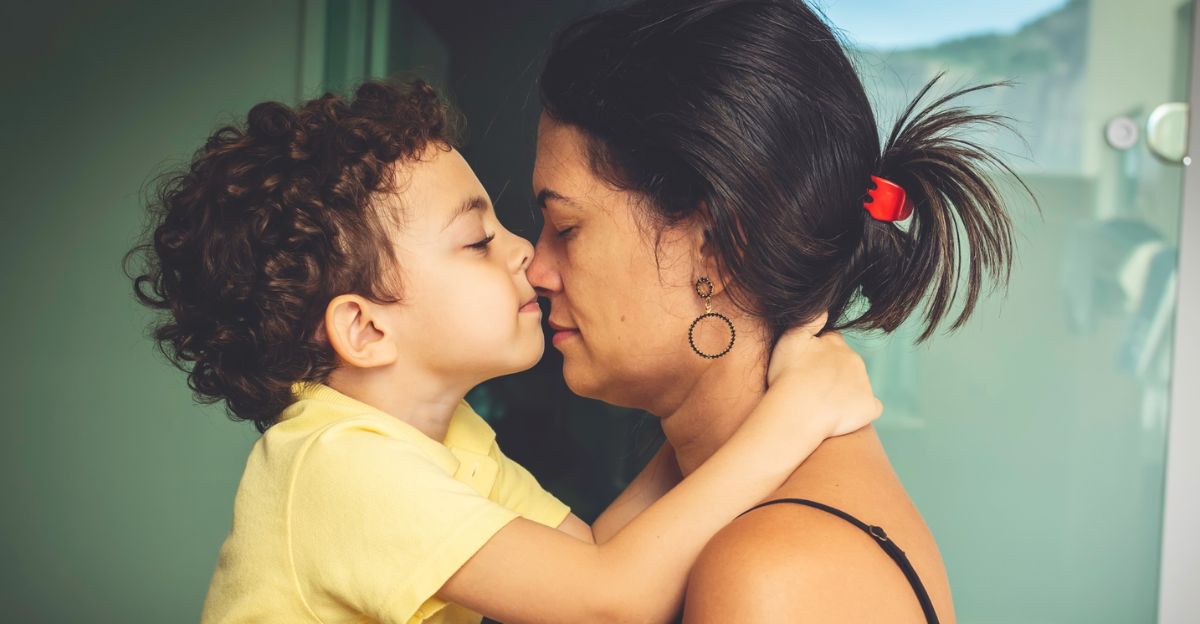
The irony of billionaire philanthropy is that its impact feels largest closest to the ground. For the mother who finally got a bed with sheets and a locked door, a grant from a distant fund is the difference between safety and fear.
For the 771,480 people experiencing homelessness nationwide, it is one intervention among many. The work is profound at the micro level and painfully partial at the macro one.
The Story Lauren Sánchez Bezos Wants To Tell Next
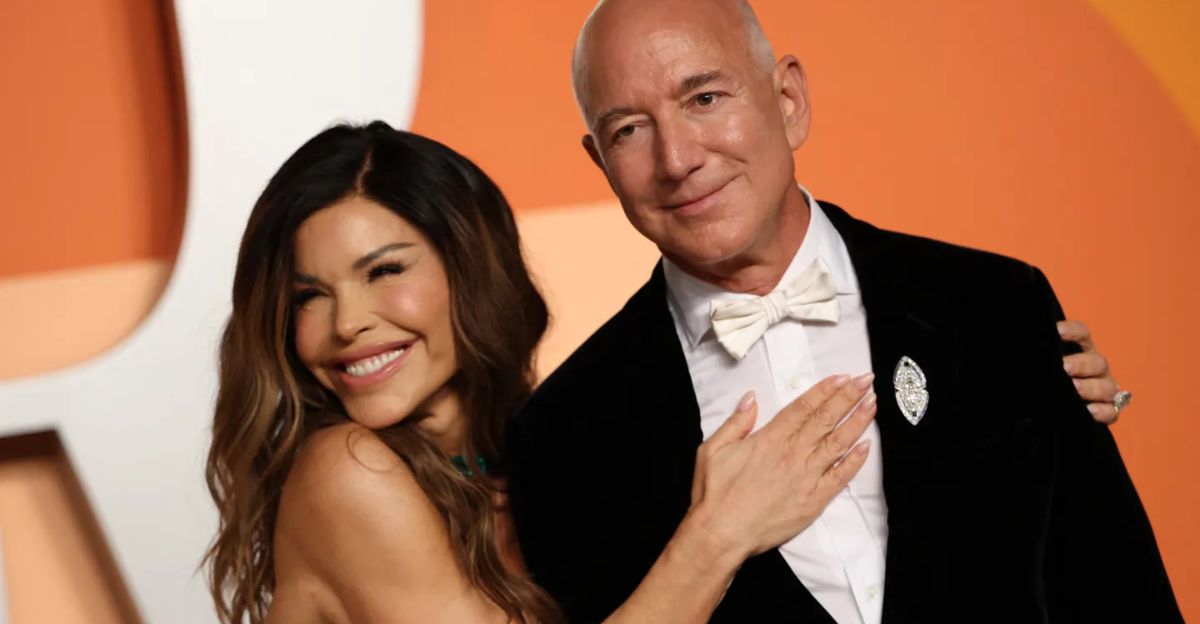
By putting her own voice and emotions at the center of this year’s announcement, Sánchez Bezos is inviting the public to judge her—and Jeff Bezos—on more than yacht photos and wedding headlines.
The question now is whether the following chapters will keep pace with the stories she tells: fewer families turned away, more beds with clean sheets, more locked doors that close softly behind children who finally get to sleep inside.
Sources:
Jeff Bezos and Lauren Sánchez Bezos commit $102.5 million to organizations combating homelessness across the U.S.” (December 1, 2025)
NCTV17, “$5 million from Bezos Day 1 Families Fund to support DuPagePads’ mission” (December 3, 2025)
Wikipedia, “Wedding of Jeff Bezos and Lauren Sánchez” (June 22, 2025)
Friendship Place official announcement, “Friendship Place Awarded $2.5 Million by Bezos Fund” (November 30, 2025)
Bezos Day One Fund official website, “Announcing the 2025 grantees”