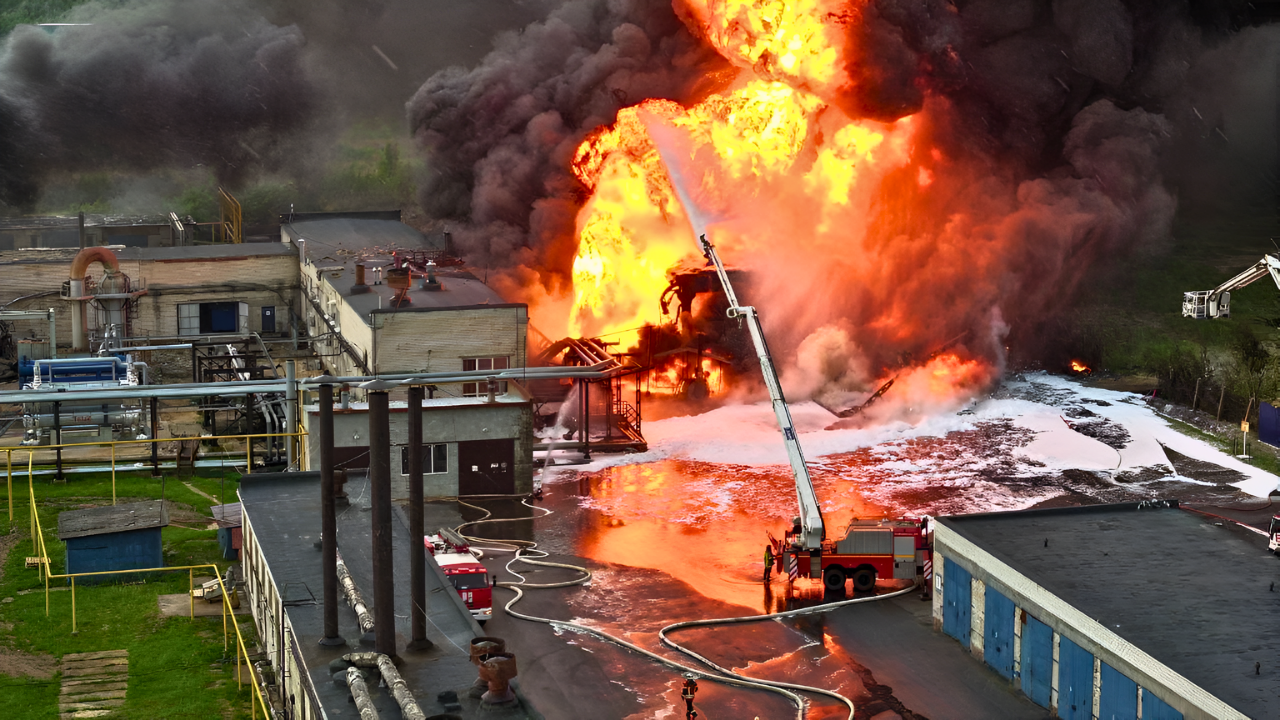
On December 1, Ukraine struck the Druzhba pipeline deep inside Russia, a move HUR intelligence vowed “will continue to explode and burn,” Kyiv Independent, December 3, 2025. This pipeline delivers 2 million barrels daily, sustaining Russia’s military budget while also feeding Hungary and Slovakia, Europe’s last Russian-oil-dependent nations.
The attack rippled across borders, threatening energy security, refinery operations, and regional diplomacy. Here’s what’s happening as Central Europe braces for the fallout.
The Strike That Shocked Europe

Ukrainian military intelligence deployed explosives near Kazinskie Vyselki in Russia’s Tambov Oblast, hitting the Taganrog-Lipetsk section of Druzhba 280 kilometers inside Russia. Hungarian MOL and Slovak Transpetrol reported flows resumed within 48 hours, revealing surprising resilience.
Yet this resilience masks a darker reality: repeated attacks edge closer to permanent damage.
This Wasn’t The First Time
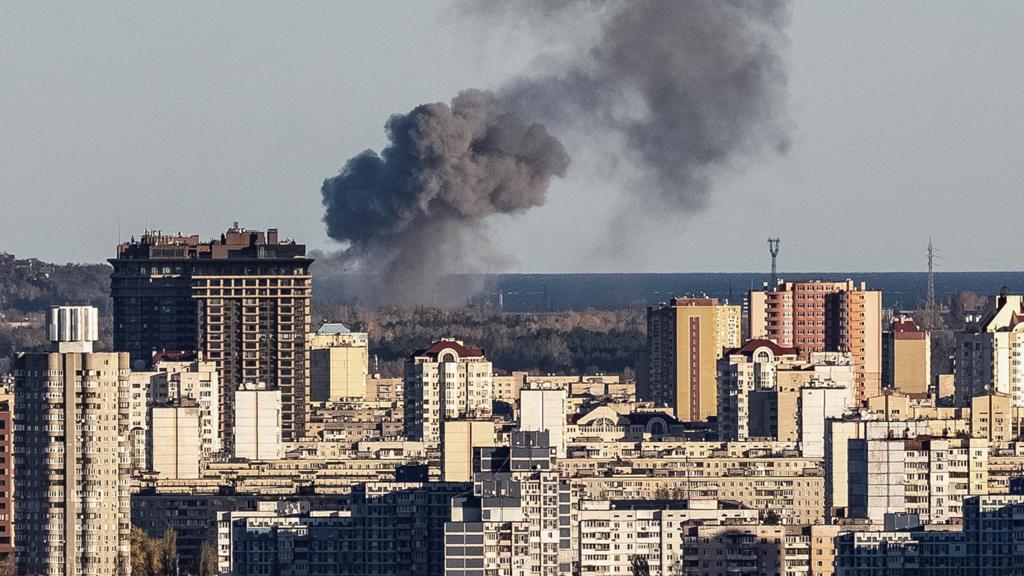
The December 1 attack is Ukraine’s fifth on Druzhba in 2025. Previous strikes hit Oryol, Unecha, and Bryansk regions, showing growing sophistication, according to the Moscow Times. This pattern is strategic, not random.
Something more ominous is emerging from these repeated strikes.
“It Will Continue To Explode And Burn”
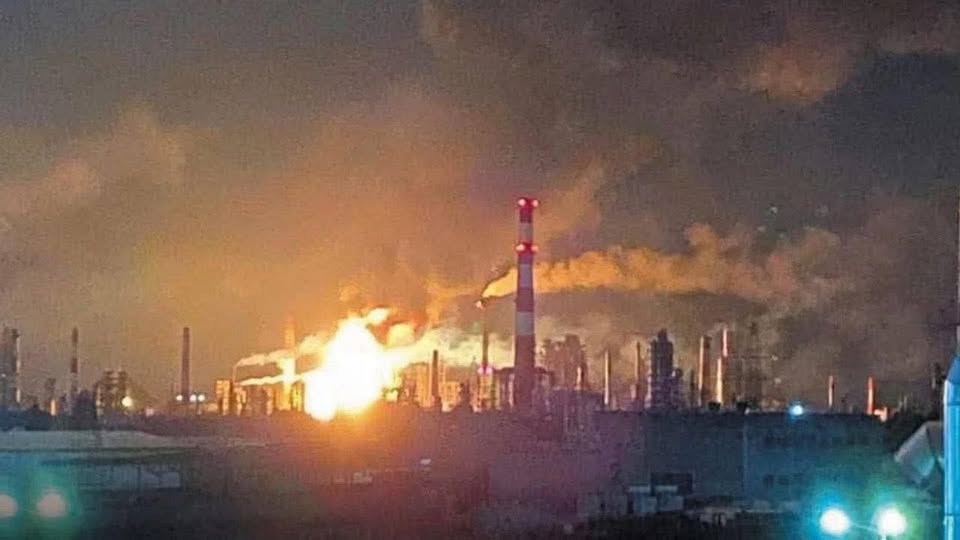
Ukraine’s HUR intelligence stated: “The Russian oil network, as the main source of income for the aggressor state and financing for the military-industrial complex, will continue to explode and burn until the enemy stops trying to attack Ukraine,” Kyiv Independent, December 3, 2025.
But this vow carries consequences far beyond Russia.
How A Pipeline Became A Geopolitical Weapon
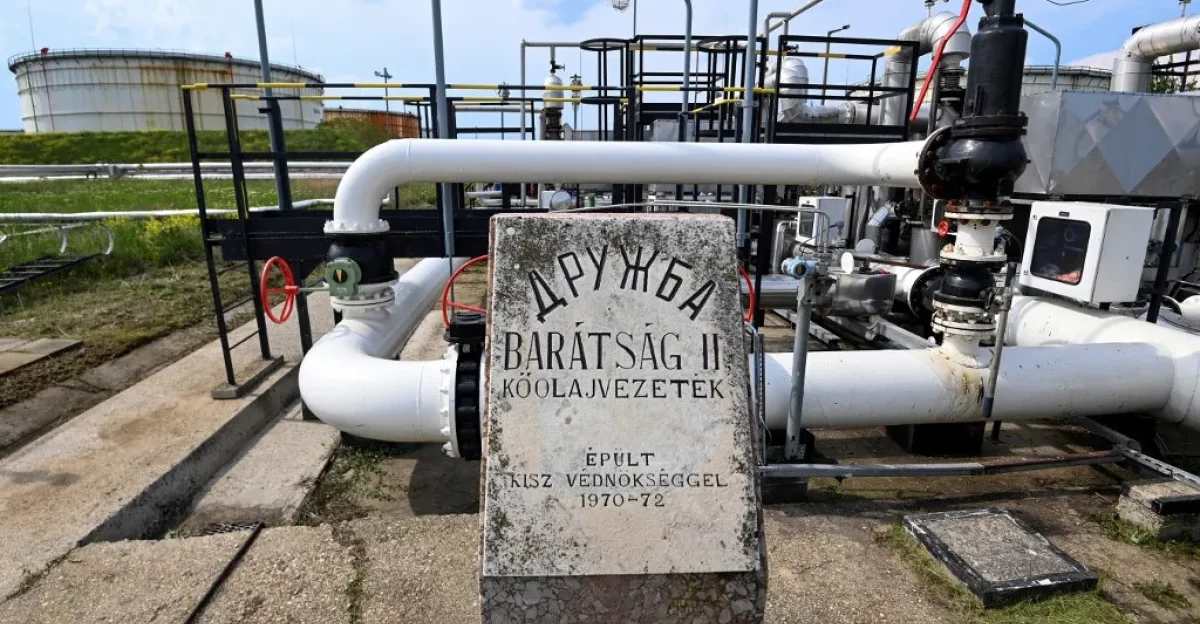
After Russia’s 2022 invasion, the EU phased out Russian oil except for Hungary and Slovakia. These nations rely entirely on Druzhba’s southern branch, receiving 10 million tonnes annually to Hungary and 6.5 million to Slovakia, according to Telex, October 15.
The exemption’s security suddenly looked fragile.
The Two Countries Caught In The Middle
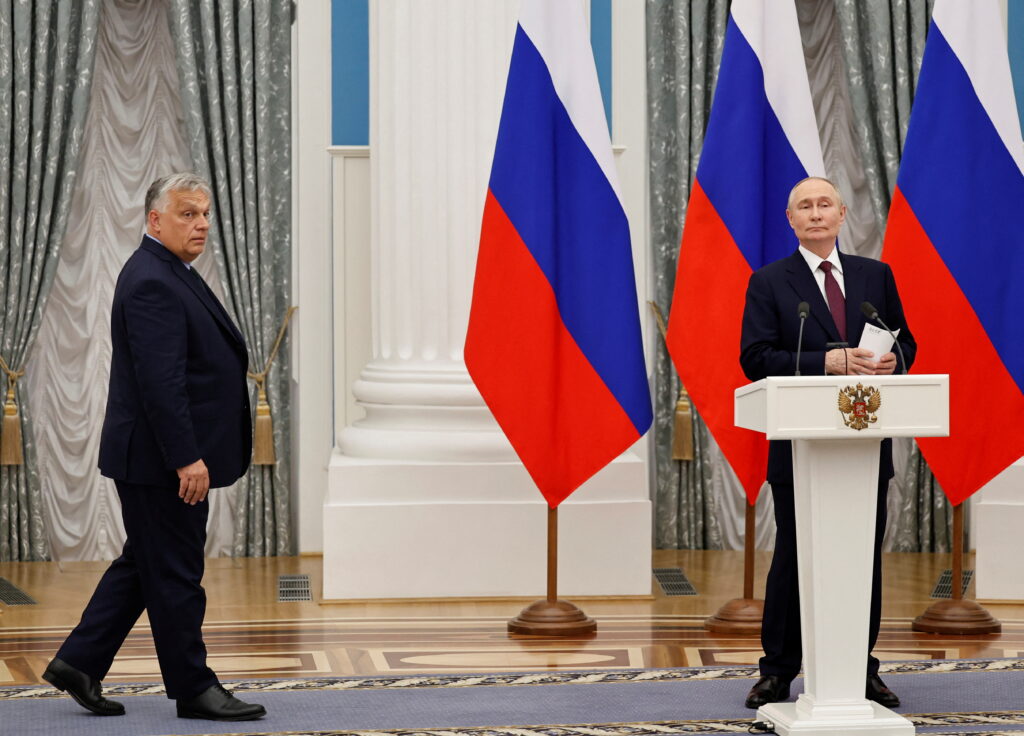
Hungary and Slovakia depend heavily on Druzhba. MOL operates the Danube Refinery in Hungary and Slovnaft in Bratislava, employing thousands, according to Trading Economics, December 4, 2025. Pipeline damage would take months to bypass, threatening fuel supply and employment.
Yet Hungary’s government now claims something remarkable about alternatives.
The Sovereignty Argument That Doesn’t Fully Hold
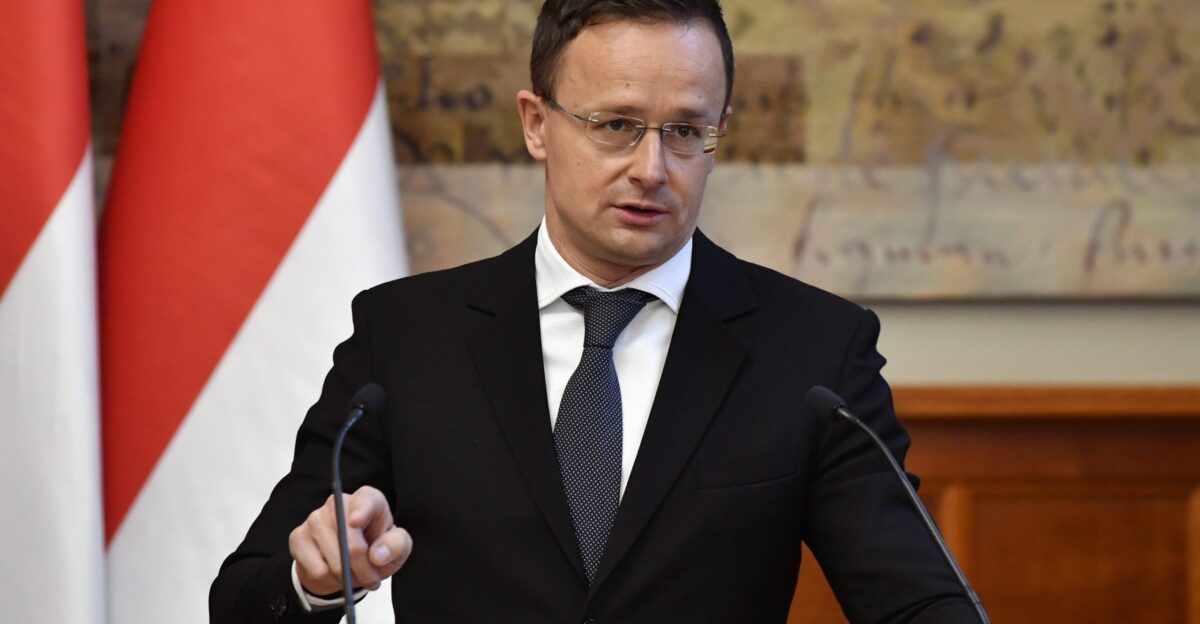
Hungarian Foreign Minister Peter Szijjarto said, “Hungary’s infrastructure deficiencies mean without Druzhba, the country would be physically unable to supply itself with fuel,” Telex, October 15, 2025. MOL reports, however, suggest up to 80% of crude could come from the Adriatic pipeline, according to Moscow Times, November 7, 2025.
The difference? Cost, complexity, and political will.
Why The Adriatic Doesn’t Solve Everything
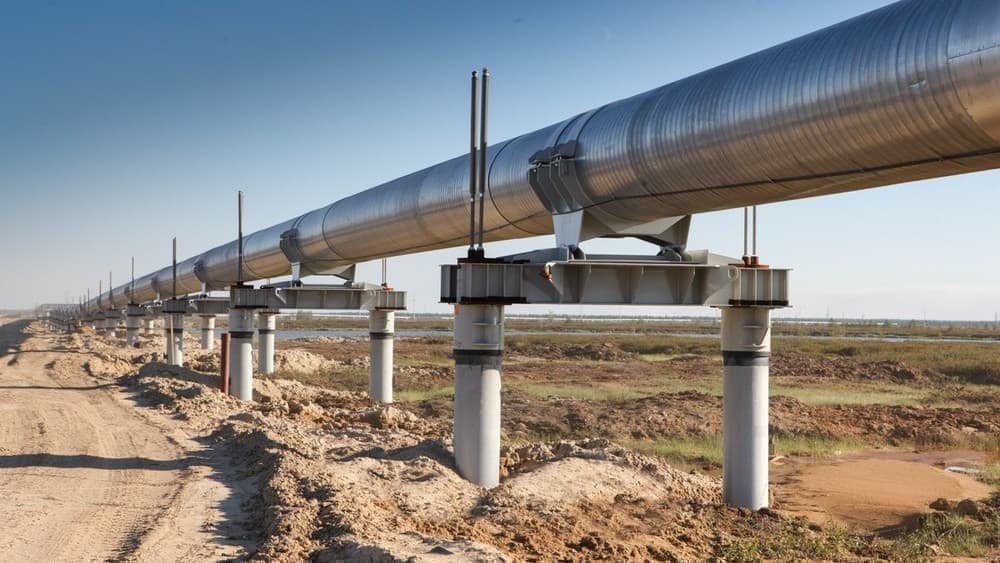
Shifting crude via Croatia’s JANAF pipeline incurs higher technical risks and logistics costs, per Moscow Times, November 7, 2025. Sea-based shipments cost more than direct pipelines. Sanctions further reduced supply by 90,000 tonnes in October, Reuters, October 28, 2025.
Suddenly, Hungary’s sovereignty complaints sound more about economics than Ukraine.
The Executive Who Saw The Crisis Coming

MOL’s Zsolt Hernadi warned in August that a delayed pipeline restart would force strategic reserve draws, halting diesel exports to Ukraine, S&P Global, August 26. Approximately 14% of Ukraine’s diesel imports rely on Slovakian operations.
This created a paradox: Ukraine attacks a pipeline supplying an ally that supports its logistics.
The Ripple Effect Across Central Europe
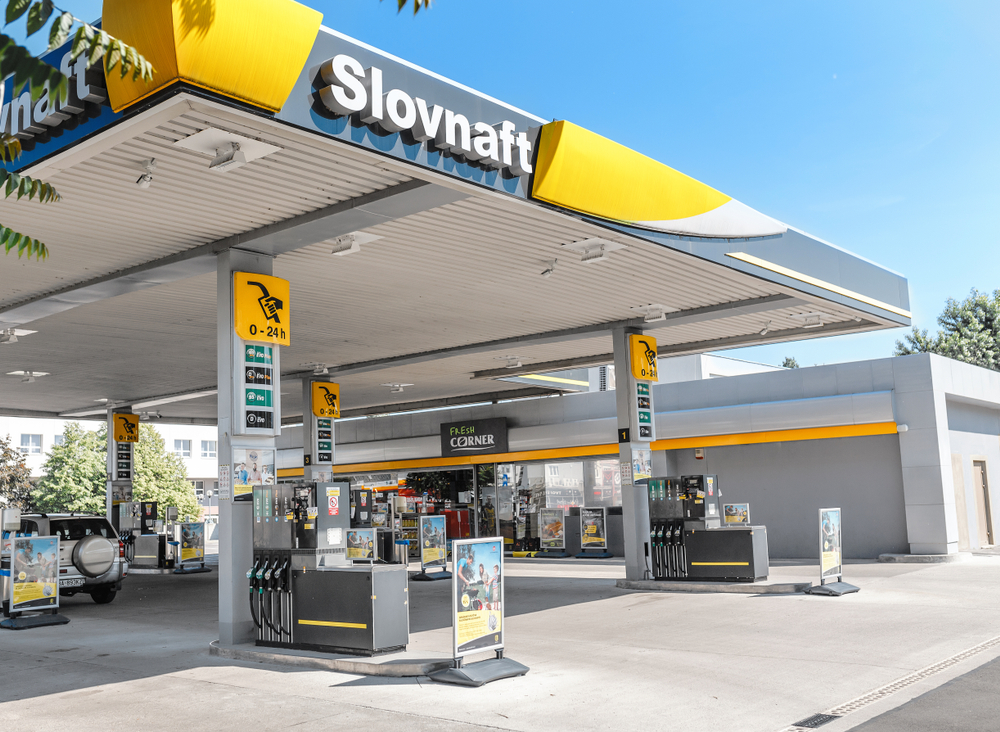
Slovnaft supplies 10% of Czech diesel, according to Reuters. Any disruption threatens Czech energy security and Ukrainian logistics. Hungarian and Slovak gasoline stations faced supply uncertainty, while small transport businesses braced for price spikes.
Yet the biggest pressure was building elsewhere—inside Russia itself.
Russia’s Domestic Fuel Crisis Deepens
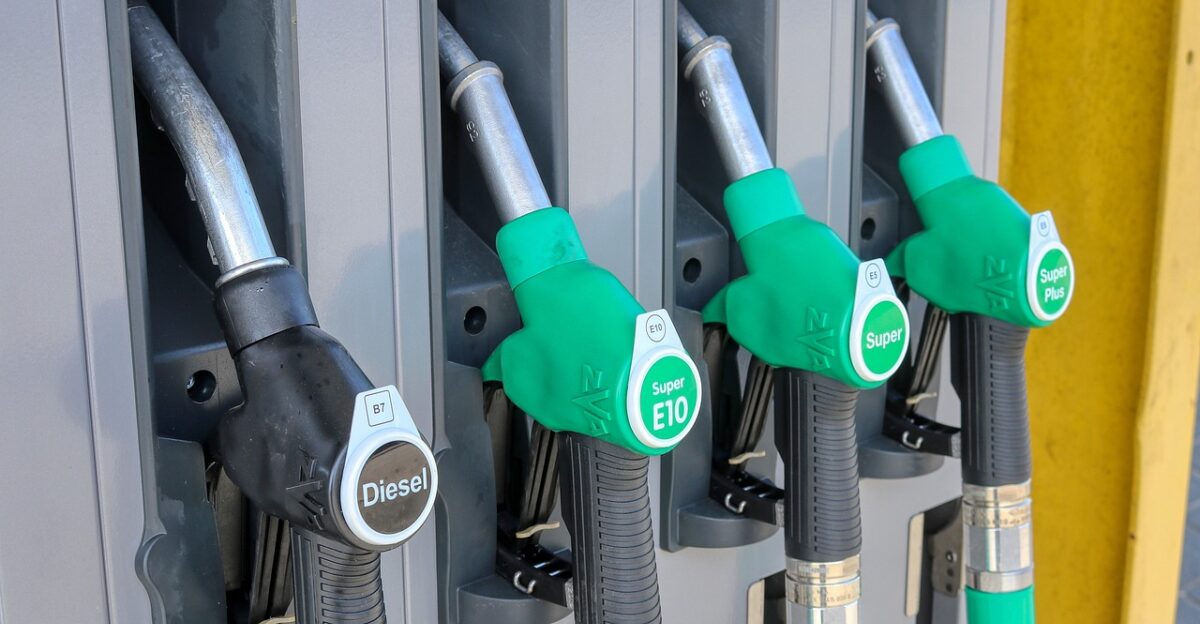
Ukraine’s strikes have caused Russia’s domestic gasoline prices to surge by over 50% since January, reaching 82,380 rubles per ton by September, according to The Moscow Times. By October, prices had risen another 10%, according to Chatham House, as of November 9, 2025. Citizens faced rationing risks, while the transport sector confronted rising operational costs.
Domestic pressures intensified as Ukraine’s strike range expanded.
Ukraine’s Expanded Capacity To Strike Deep

Last month, 14 drone strikes targeted Russian refineries, as reported by The Moscow Times on November 30, 2025. Western targeting support assisted Ukrainian drones, hitting over 50% of Russia’s 38 major refineries at least once, Chatham House, November 9, 2025.
Russia prioritized military fuel, but domestic shortages grew dangerously.
The Quote That Reveals Ukraine’s Strategy

President Zelensky stated, “Hits on Russian refineries are the most effective sanctions—the ones that work the fastest,” as reported by Oil Price on November 28, 2025. The strategy aims to constrain Moscow’s military procurement by degrading export revenues.
But Zelensky had also issued a more threatening statement months earlier.
The Leverage Threat That Shocked EU Partners

On August 24, Zelensky stated, “The existence of friendship depends on Hungary,” as reported by Hungarian Conservative on August 24, 2025. The pipeline’s survival was linked to Hungary’s EU vote, signaling that obstruction could endanger energy security.
This threat triggered an unprecedented diplomatic response.
Hungary Bans Ukrainian Commander From Schengen Area
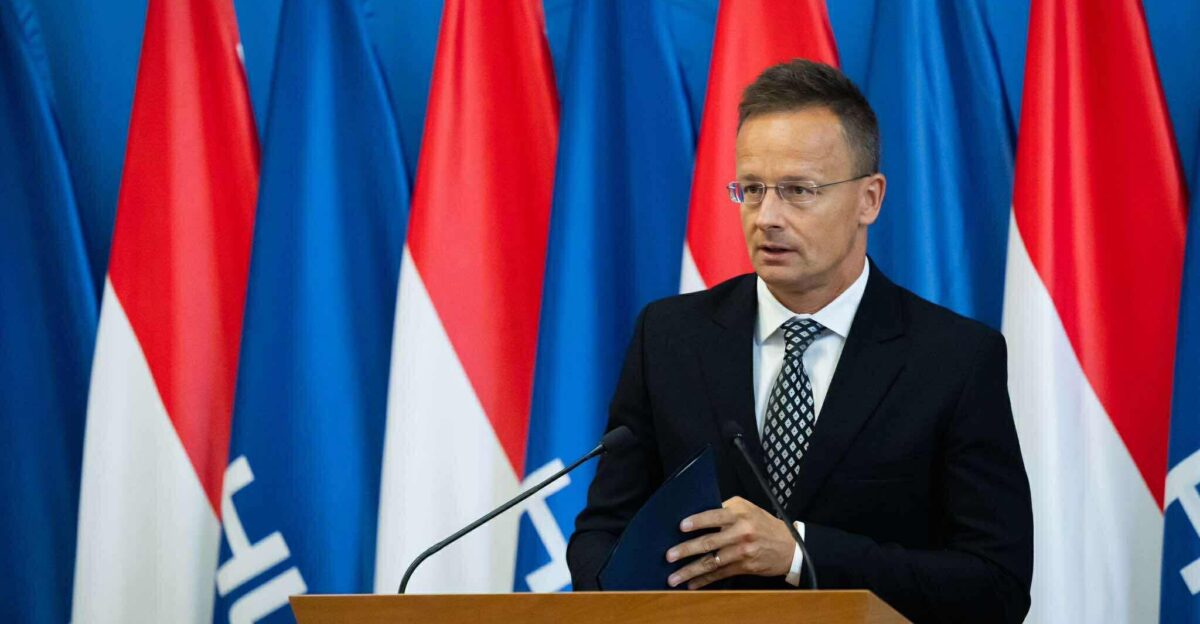
Following the August pipeline attacks, Hungary banned the Ukrainian military commander from entering the Schengen Area, as reported by The Moscow Times on August 28. Szijjarto repeatedly cited “violations of Hungarian sovereignty,” Telex, October 15. Appeals to the European Commission were filed for protection, Hungarian Conservative, August 24.
Meanwhile, the Trump administration was weighing its position.
Trump’s Shifting Stance On The Pipeline Crisis

Trump initially condemned Ukraine’s strikes but later granted Hungary and Slovakia a one-year grace period on EU oil phase-out requirements, as reported by Hungarian Conservative, August 24, 2025. This recognized Druzhba dependency while signaling restraint toward Zelensky.
Meanwhile, the European Commission offered a different assessment.
The EU’s Confidence In Emergency Reserves

Brussels stated that both countries had more than 90 days of emergency crude, as reported by the Hungarian Conservative on August 24. Energy security was “not in danger” if disruptions lasted under 90 days. Permanent damage, however, would overwhelm reserves and intensify supply challenges.
The calculation also overlooked a critical financial reality.
The Real Numbers Behind The Pipeline War
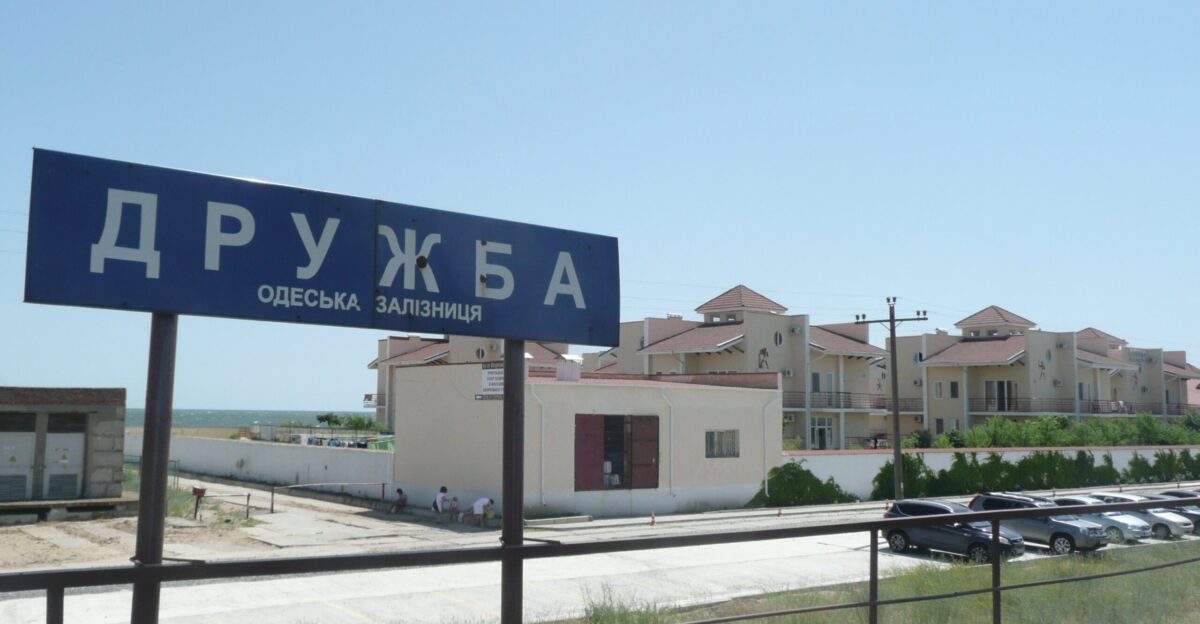
Druzhba carries 730 million barrels annually, valued at $43.8–$46.7 billion at $60–$ 64 per barrel, according to Trading Economics. It represents roughly 46% of Russia’s oil and gas export income, Oil Price, November 28, 2025. Year-over-year revenue declined 20% due to sanctions and price caps.
The pipeline’s value transcends revenue—it’s leverage.
What Happens If The Pipeline Breaks Permanently
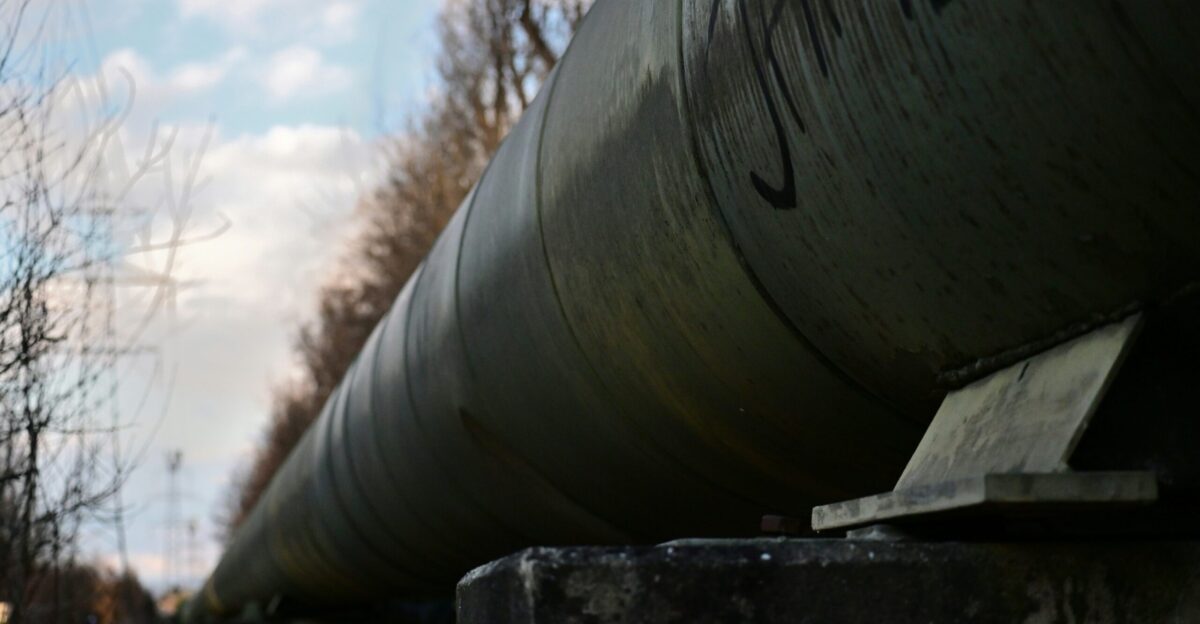
Photo by Niklas on Unsplash
Permanent damage would immediately disrupt Hungary and Slovakia, depleting 90+ day reserves by 40–50% if repairs took 4–6 weeks, according to the Moscow Times. Adriatic alternatives would ramp up slowly, accompanied by higher costs, while fuel prices across Central Europe would surge.
Yet a permanent break seems less likely than incremental escalation.
What Comes Next As Winter Approaches
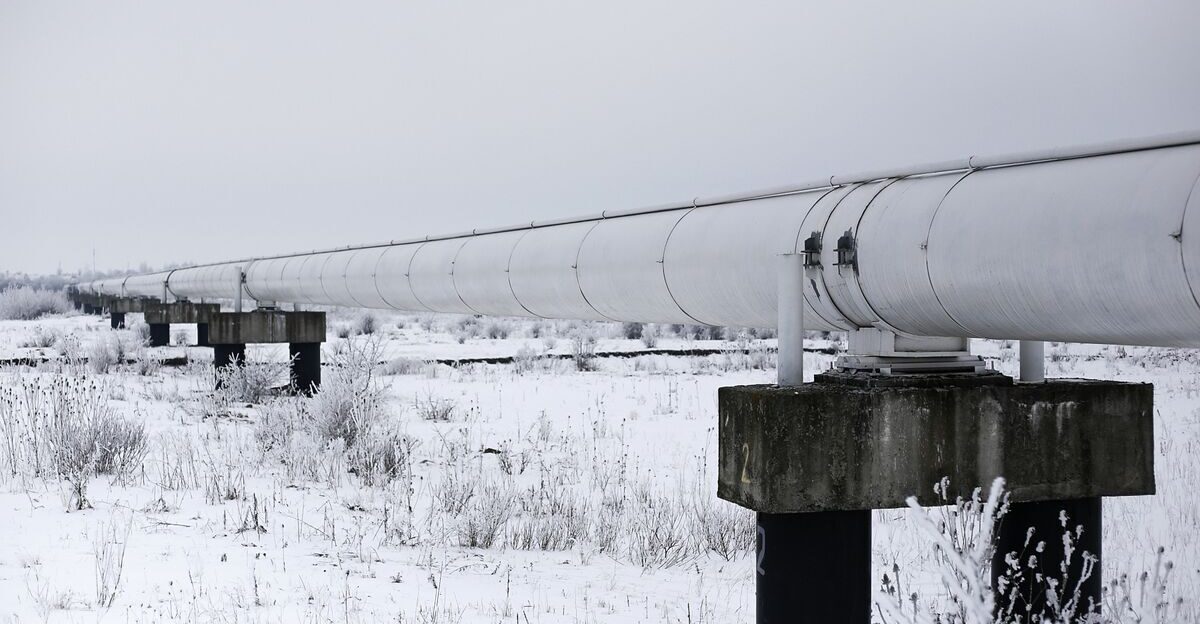
Winter heating demand increases pipeline vulnerability. Ukraine can strike repeatedly, Russia repairs quickly, and the EU reserves provide temporary relief. Trump signals pragmatism; Zelensky wields energy leverage. Disruptions could cascade through Central Europe, leading to higher fuel prices, refinery employment losses, increased EU diplomatic strain, and NATO reassessments.
The pipeline’s future will significantly impact regional energy security for years to come.
Sources:
Kyiv Independent, December 3, 2025
Reuters, October 28, 2025 & May 28, 2025
Moscow Times, December 3, 2025; November 30, 2025
Trading Economics, December 4, 2025
FRED (Federal Reserve Economic Data), December 3, 2025
S&P Global, August 26, 2025
Hungarian Conservative, August 24, 2025