
When drivers invest in a new vehicle, few expect it to fall short long before the odometer reaches 250,000 miles. Yet, a recent iSeeCars analysis finds that more than nine out of ten cars never reach that far, while a small group of mostly Japanese models routinely surpass the benchmark.
“With the average car having a 4.8% chance of reaching 250,000 miles, even the lowest-ranked model is still nearly twice as likely to see that odometer reading,” said Karl Brauer, executive analyst at iSeeCars, in October. In an era of rising prices and long-term financing, these high-mileage standouts are reshaping expectations of vehicle durability.
Longevity Odds: Beating the Industry Average

According to iSeeCars’ October 2025 study, just 8.6% of vehicles reach 250,000 miles, meaning 91.4% fail to hit that mark. The study analyzed 174 million cars and estimated the overall industry chance of reaching 250,000 miles at 4.8%, highlighting how unusual true long-distance durability remains.
Brauer notes that the gap between typical vehicles and top performers “has never been wider,” underscoring the remarkable advantage of a small group of models. The top 10 imported vehicles are at least three times more likely than the average car to reach 250,000 miles, and some exceed the industry rate by a factor of eight, setting new benchmarks for what long-term reliability can look like. These standout vehicles are changing how consumers view a car’s “lifetime” potential.
Japanese Brands Dominate Durability Rankings
Every imported model in the top 10 comes from a Japanese brand. Toyota alone accounts for 10 of the top 25 longest-lasting vehicles, while Honda contributes five. Lexus, the luxury division of Toyota, has a 12.8% overall likelihood of reaching 250,000 miles, and Honda-branded cars come in at 10.8%, both figures well above the industry average.
The dominance extends deeper: Japanese manufacturers, including Acura, largely sweep the top 25, while domestic and European brands appear far less frequently. Notably, “imported” refers to the brand’s origin, not the location of the factory.
Of the top 10 imported models, only four are built in Japan, with the others produced in U.S. and Mexican plants, including Toyota facilities in Texas, Kentucky, and Indiana, as well as Honda’s complex in Alabama. Japanese engineering standards, rather than location, appear to drive this performance.
Fifteen Years on the Road—and Hybrids Rising
Reaching 250,000 miles typically corresponds to 15 years of driving for owners who cover 15,000 to 17,000 miles annually. For many, that span is long enough for one vehicle to carry a family through school years, early careers, and multiple life stages without replacement.
Financially, this translates into significant savings, eliminating two or three replacement cycles over a lifetime and reducing the need for repeated shopping, financing, and learning curves.
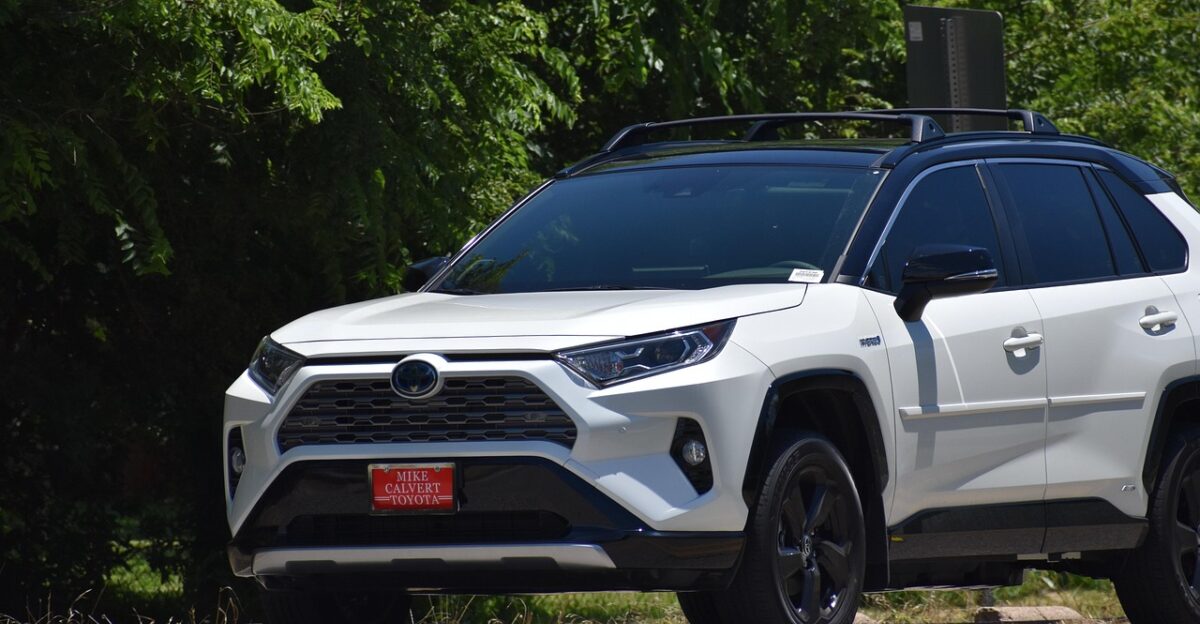
The study also highlights a shift toward long-lasting hybrids. In 2023, no hybrids were in the top 25; by 2024, three appeared. The 2025 ranking includes five hybrids, two in the top 10 imported models. Once perceived as fragile, hybrids are now demonstrating durability alongside fuel efficiency, reshaping the narrative around electrified vehicles and longevity.
The Top 10 Imported Long-Distance Performers
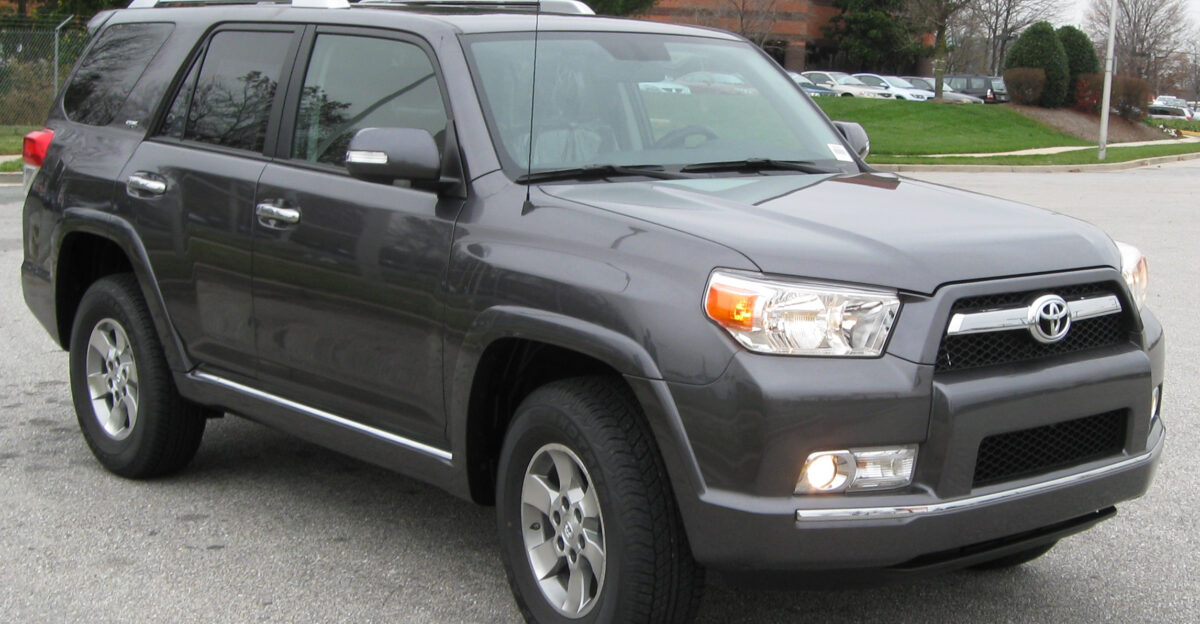
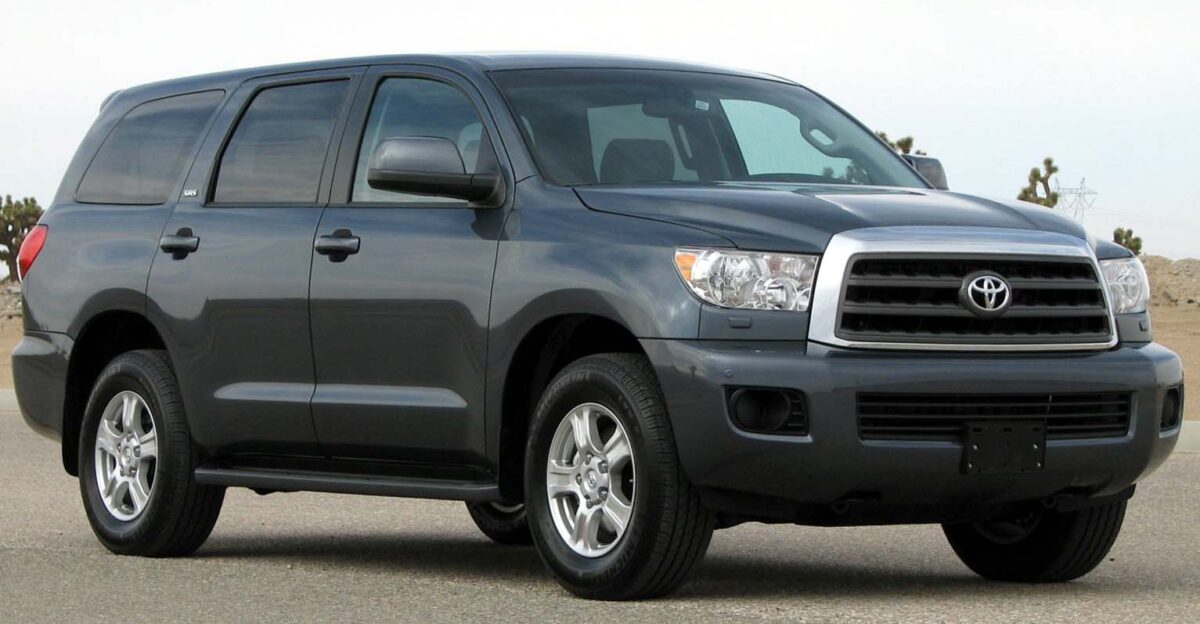
Leading the list is the Toyota Sequoia, a full-size SUV with a 39.1% chance of reaching 250,000 miles—about 8.1 times the industry average. The Toyota 4Runner follows at 32.9% (6.8 times the average), and the Toyota Highlander Hybrid ranks third at 31.0% (6.5 times the average), illustrating how hybrid technology now pairs with long-term durability.
Other top performers include the Toyota Tundra (30.0%), Lexus IS (27.5%), Toyota Tacoma (25.3%), Toyota Avalon (18.9%), Lexus GX (18.3%), Lexus RX Hybrid (17.0%), and Honda Ridgeline (14.7%). These vehicles combine practical design, off-road or towing capability, and hybrid efficiency while consistently surpassing the 250,000-mile benchmark. The ranking highlights the dominance of Japanese brands across various vehicle categories, including SUVs, pickups, sedans, and luxury hybrids.
A New Benchmark for Vehicle Life
iSeeCars’ findings suggest that what once counted as exceptional mileage is becoming attainable for specific models. In 1980, a 200,000-mile odometer reading was rare; by 2000, it was notable but achievable. Today, for select Japanese-designed models built worldwide, 250,000 miles is increasingly realistic.
As hybrids gain ground in durability rankings and long-lasting Japanese designs continue to dominate, buyers face clear trade-offs between short-term purchase price and long-term value. The choice of vehicle can shape not only the next few years but a decade and a half of daily driving, redefining what consumers expect from reliable transportation and long-term ownership.
Sources:
iSeeCars 2025 Longest-Lasting Cars, Trucks, and SUVs Study (October 2025) – Analyzed 174 million vehicles
Karl Brauer, Executive Analyst, iSeeCars – Direct quotes and analysis
Toyota Motor Manufacturing USA – Official facilities documentation
Honda Manufacturing of Alabama – Lincoln facility confirmation
Lexus Manufacturing – Tahara and Kyushu Plants (Japan) documentation