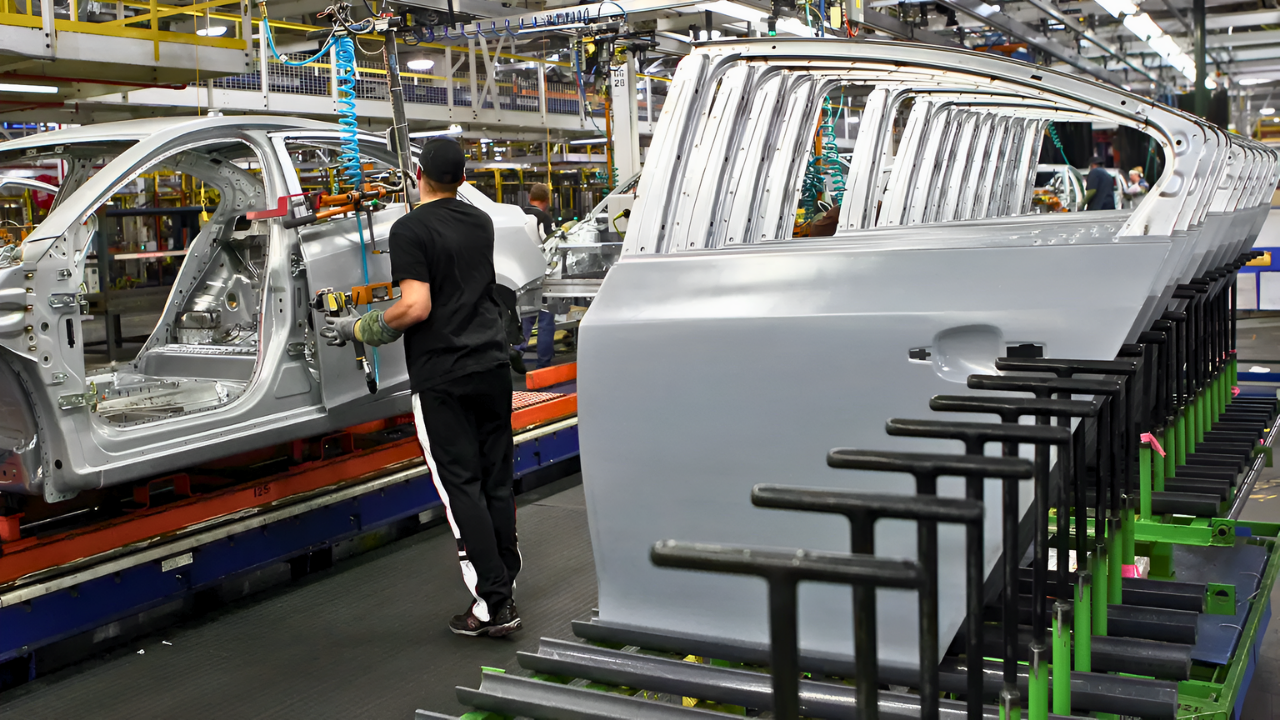
On the last day of September, a single policy shift sent shockwaves through America’s electric vehicle industry. When the federal government ended the $7,500 EV tax credit, the economics of electric cars flipped overnight.
General Motors responded with a $1.6 billion charge, 1,750 permanent layoffs, and an 18-month production freeze at its flagship battery plant. The collapse spread across Detroit, Ohio, and Tennessee, instantly affecting workers and suppliers.
Here is what happened next.
What Set the Collapse in Motion

General Motors shocked the industry on October 14, 2025, when it announced a $1.6 billion charge related to its electric vehicle restructuring. The company cited $1.2 billion in non-cash impairments and $400 million in contract cancellations as market conditions abruptly shifted.
GM warned that weaker EV demand followed regulatory changes that reshaped its forecasts. The announcement unleashed immediate job cuts across three states as automakers reassessed their plans. A deeper unraveling was already forming beneath the surface.
The Day the Incentive Vanished

On September 30, the $7,500 federal EV tax credit expired under the One Big Beautiful Bill Act. Overnight, every new electric vehicle effectively became $7,500 more expensive. For a $50,000 car, this created an instant 15% price increase and eliminated a primary driver of purchase.
GM CEO Mary Barra noted that the electric van market was developing more slowly than expected and that changes to regulatory frameworks made operations more challenging. The policy cliff triggered an immediate downturn in the industry, setting off a cascade of consequences.
A Sales Surge That Could Not Last

In the weeks before the incentive expired, buyers rushed to secure the credit. September 2025 saw electric vehicles reach a record 13 percent share of all new car sales. Third quarter EV share averaged 10.5 percent, far above the 7 percent mark recorded earlier in the year.
But this spike came from deadline-driven urgency rather than real market momentum. When October arrived without incentives, demand fell sharply. The industry realized the growth had been artificially inflated, creating a fragile foundation beneath rising production capacity.
When Detroit’s Flagship Plant Slowed

Factory Zero in Detroit had symbolized General Motors’ return to advanced manufacturing. The facility built Silverado EV, Sierra EV, Hummer EV, Lyriq, and Vistiq models. In late October, GM cut 1,200 permanent jobs effective January 5, 2026, and reduced operations to one shift.
Output fell by roughly half as the company recalibrated its entire electric lineup. A plant once hailed as the future of domestic manufacturing suddenly reflected shrinking demand. The blow signaled that Michigan’s workforce would not face this upheaval alone.
Ohio’s Battery Epicenter Faltered
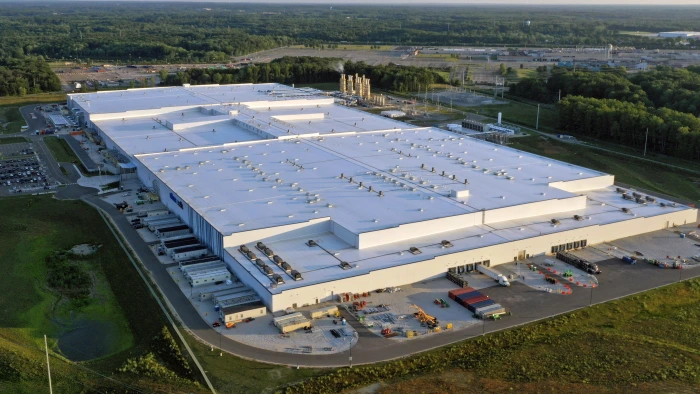
Ultium Cells in Warren, Ohio, a joint venture between GM and LG Energy Solutions, announced 550 permanent layoffs and 850 furloughs starting January 2026. The site had anchored hopes for a revived Youngstown region by supplying battery cells for GM’s expanding EV lineup.
An 18-month production pause through mid-2026 casts doubt on future operations. Local leaders feared the shutdown might extend indefinitely. If the facility remained idle, Ohio risked losing one of its most important footholds in next-generation automotive manufacturing.
Tennessee’s EV Workforce Stood Still
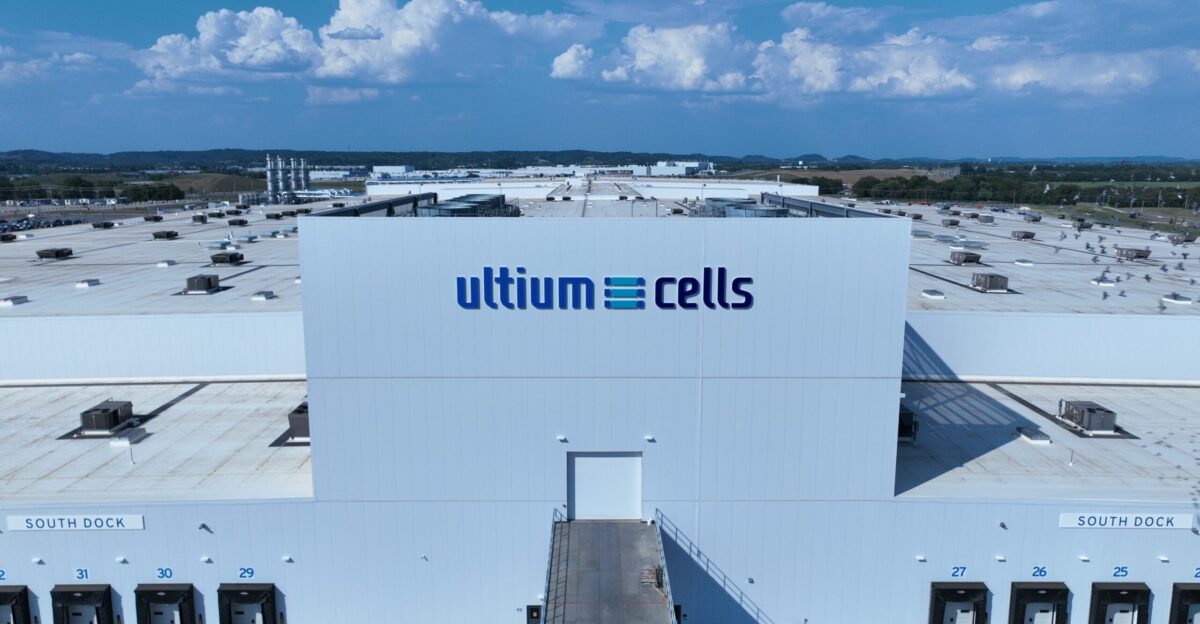
Ultium Cells in Spring Hill, Tennessee, placed 700 workers on furlough through mid-2026. Although labeled temporary, the extended production halt created uncertain pathways back to stable employment. Many workers would rely on Supplemental Unemployment Benefits that typically replace about 60 percent of prior wages.
Spring Hill also hosts GM’s Lyriq and Vistiq assembly lines, making the region heavily dependent on EV production. As operations slowed, families faced shrinking incomes and limited alternatives. Suppliers and service businesses braced for months of weaker demand across the region.
A Supplier’s Closure Sent a Warning

Dana Thermal Products closed its Auburn Hills, Michigan, plant on October 10, and laid off 200 employees. The WARN filing cited lower demand for electric vehicles as the driving factor. The company supplied critical thermal systems that regulate battery and powertrain temperatures in EVs.
Dana’s shutdown demonstrated how quickly upstream suppliers could unravel when major automakers reduced production. As orders dropped, companies built around expected EV volume growth faced shrinking opportunities. The closure showed that trouble in core manufacturing hubs was only the beginning.
An Industrywide Pullback Took Shape

General Motors was not alone in reversing course. Ford paused F-150 Lightning production indefinitely on October 23, 2025. Stellantis delayed Alfa Romeo electric models by one year. Rivian cut roughly 600 jobs and projected $100 million in lost revenue after the credit expired.
Three major automakers retreating simultaneously signaled a broad rethinking of electrification strategies. The combined actions revealed an industry under pressure to adapt rapidly. The scale of these coordinated reversals suggested that the market shift was far larger than one company’s miscalculation.
Counting the Jobs Lost Nationwide

Across Michigan, Ohio, and Tennessee, more than 3,300 workers lost paychecks through permanent layoffs or extended furloughs. These included 1,200 permanent cuts in Detroit, 1,400 combined job losses in Warren, and 700 furloughs in Spring Hill. Another 200 workers were affected in Auburn Hills.
Families across these states suddenly faced financial instability. The disruption extended well beyond factories and battery plants. Communities reliant on automotive wages braced for economic strain. The total number of people affected grew when spouses, children, and dependents were considered.
The Ripple Effect on Local Economies
The 1,750 permanent job losses removed an estimated $26 to $40 million in annual wages from regional economies. When spending reductions were factored in, communities faced $52.5 to $87.5 million in lost consumer activity. Small cities like Warren, Ohio, felt the impact immediately.
With approximately 40,000 residents, Warren lost around 3 to 4 percent of its working-age population to EV sector layoffs. Such sharp losses strained municipal budgets, local businesses, and service providers. Economic models signaled that full recovery could take years.
Executives Acknowledged the Shift

GM CEO Mary Barra stated during the October 21 earnings call that the commercial electric van market was developing more slowly than expected. She added that changes to regulatory frameworks and fleet incentives increased operational difficulty. Filings reinforced that EV adoption rates would decelerate following policy adjustments.
GM told investors it anticipated slower growth after the end of consumer tax incentives and the relaxation of emissions rules. These admissions showed that corporate leadership recognized a fundamental shift. The company prepared for a future with more cautious electric investment.
When Subsidies Create the Business Case

Large electric trucks like the Silverado EV and Hummer EV remain costly to build because battery packs and thermal systems carry high production expenses. Without incentives, these vehicles often sell at losses. The $7,500 federal credit helped offset financial gaps and supported early market adoption.
A Morningstar analyst noted that companies investing in hybrid technology were gaining competitive advantages. Manufacturers with diversified strategies adapted more easily to policy changes. For firms centered on full electrification, the withdrawal of support exposed underlying financial weaknesses.
An 18 Month Pause Reshaped Planning

Ultium Cells scheduled an 18 month production halt starting in January 2026. During the pause, 850 Ohio workers and 700 Tennessee workers would remain furloughed. GM said the downtime would allow upgrades that could improve flexibility and support future production goals once market conditions stabilized.
Industry observers worried that extended inactivity might become permanent if demand failed to recover. Battery supply chains depend on consistent output. A prolonged interruption risked weakening GM’s long term competitiveness. The uncertainty deepened as global rivals expanded their capabilities.
The Cost Behind Each Lost Job

Dividing GM’s $1.6 billion restructuring charge by the 1,750 permanent job losses yields approximately $914,000 in cost per position. This figure reflects years of investment built around demand forecasts that no longer matched reality. The losses represented more than efficiency adjustments.
The charge captured the financial consequences of overbuilding production capacity. Plants designed for high-volume EV output now operate far below their intended scale. The cost per worker revealed how deeply misaligned earlier projections had become. Executives faced difficult choices about future investments.
A Vision Outpaced by Market Conditions
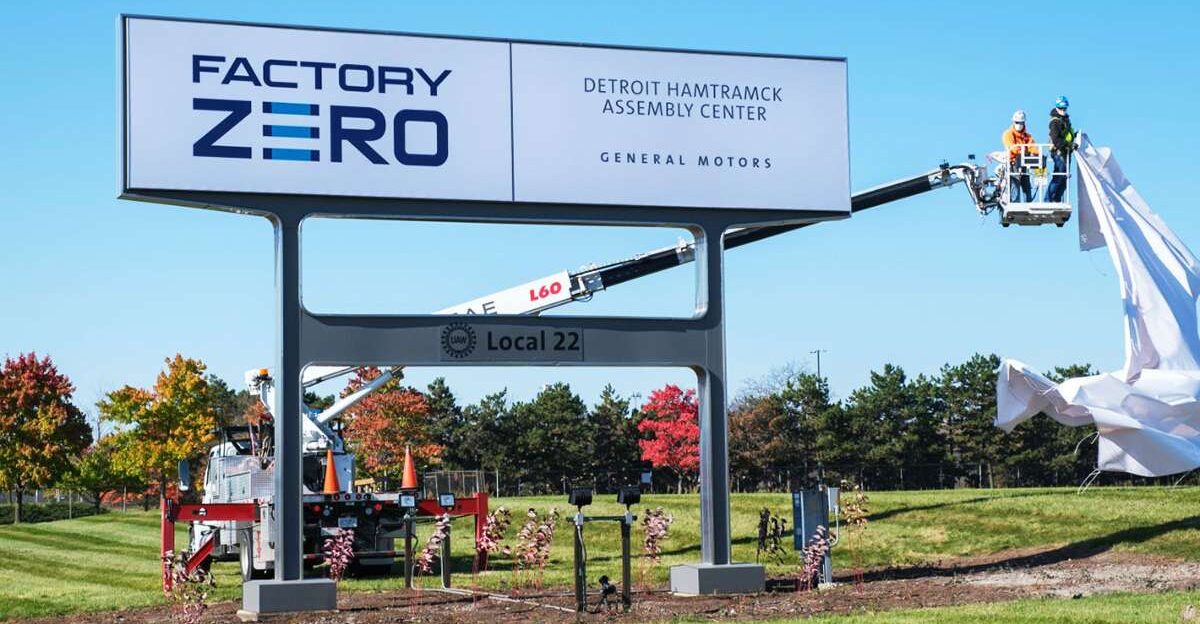
Factory Zero had been reimagined in October 2020 as a dedicated hub for GM’s electric future. The transformation relied on steady federal incentives and rising demand. When the credit expired and emissions rules were eased, the assumptions behind the plant’s capacity unraveled.
The facility is now operating at roughly 25 to 30 percent of its intended output. Without clear demand support, long-term planning became difficult. The plant’s struggle illustrated how quickly an ambitious vision could falter when underlying economic structures shifted away from early expectations.
A Strategic Divide Emerged

Toyota and Honda leaned on hybrid technologies while GM doubled down on full battery electrics. When subsidies vanished, hybrids held a stronger consumer appeal. Ford redirected workers from its Lightning line to gas-powered truck production. Stellantis delayed electric launches to prioritize profitable models.
Rivian, centered entirely on EVs, reported significant revenue loss following the tax credit’s expiration. The divergence showed that companies with balanced portfolios could better weather policy volatility. The industry’s strategic split highlighted the cost of putting too much emphasis on one technology path.
Global Rivals Strengthened Their Position

While American automakers pulled back, Chinese companies such as BYD, NIO, and Li Auto continued expanding under strong government support. BYD became the world’s largest EV producer and accounted for more than 60 percent of global electric vehicle sales, according to industry analysis.
As U.S. manufacturing slowed, China gained market share and technological momentum. The policy shift in Washington left domestic producers vulnerable during a critical transition phase. The global balance of power in electric vehicles shifted further toward Beijing at a pivotal moment.
Communities Faced an Uncertain Path

For the 1,750 workers who lost their jobs permanently, there was no guarantee of returning to automotive roles. Supplemental Unemployment Benefits offered partial income and severance packages that varied by tenure. Many individuals faced transitions into lower-wage service jobs with significant pay reductions.
The 1,550 furloughed workers confronted equally unstable prospects if production failed to restart by mid-2026. Families risked losing employer-sponsored health coverage during a period of heightened financial strain. Recovery would depend on retraining resources, regional job openings, and broader economic trends.
What the Collapse Reveals About the Future
The end of the federal EV tax credit triggered the largest wave of electric-related automotive job losses in recent U.S. history. The shift illustrated how dependent early-stage clean energy industries remain on stable policy frameworks. When incentives disappeared, the market contracted with remarkable speed.
Workers, suppliers, and communities paid the immediate price. As GM reduces its electric investments and global competitors scale up, the United States faces difficult questions about long-term manufacturing strategy. The $1.6 billion charge captures the financial toll. The human consequences will shape regions for years.
Sources:
General Motors Q3 2025 Regulatory Filing, October 14, 2025
Reuters – Automotive & Transportation Division, October 14 & October 29, 2025
CNBC – Financial News Coverage, October 14 & October 29, 2025
Associated Press (AP News), October 14, 2025
Bloomberg Finance, October 29, 2025
The New York Times – Business Section, October 29, 2025
Michigan Department of Labor & Economic Opportunity – WARN Act Filings, October 8, 2025