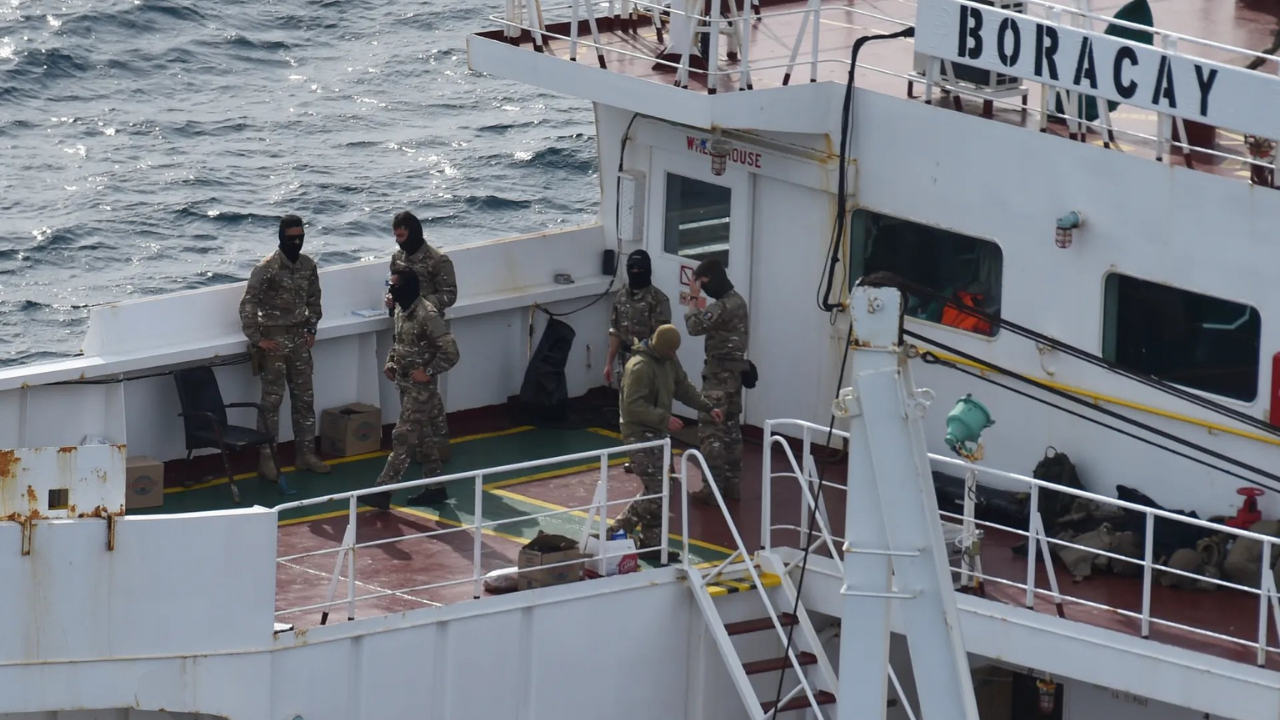
Russia’s covert oil shipping network has become a pillar of its wartime economy, moving millions of tonnes of crude outside formal oversight while shifting environmental, financial, and human risks onto other nations. Between January and September 2025, 113 Russian-linked vessels moved about 11 million tonnes of crude worth €4.7 billion, roughly 13% of Russia’s total oil exports, despite sanctions aimed at cutting those revenues.
Shadow Fleet on the Rise
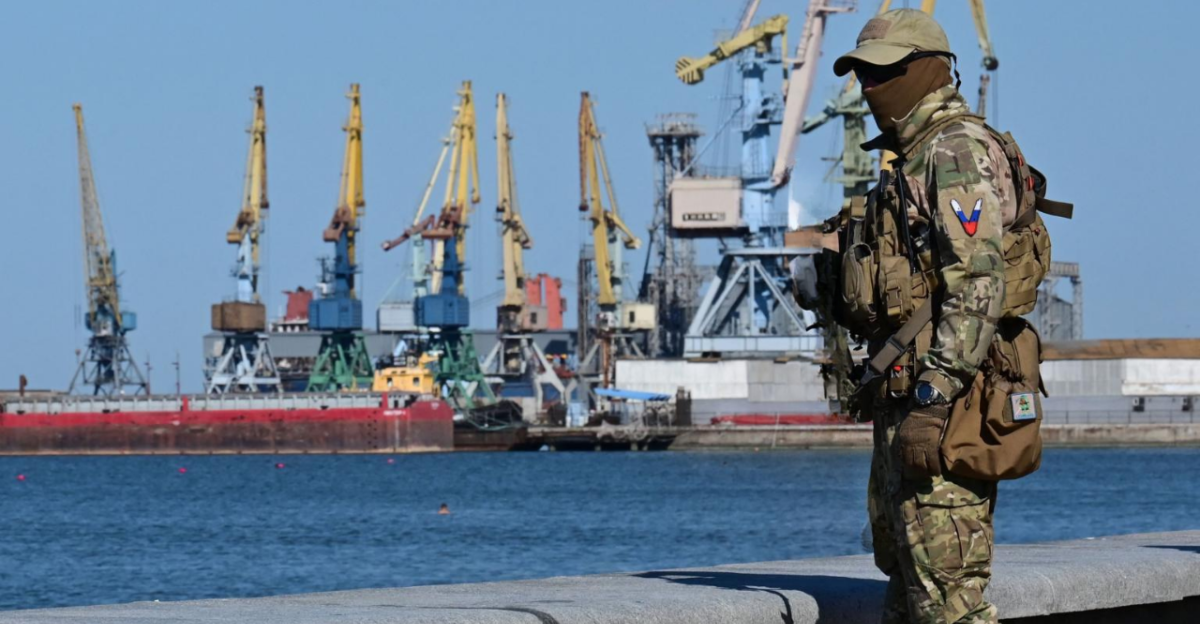
The so-called shadow fleet has expanded with striking speed. In late 2024, only about 15 tankers were sailing under misleading or fraudulent flags; by September 2025, that number had climbed to 90, a six-fold increase in nine months. Investigators at the Centre for Research on Energy and Clean Air (CREA) report that sanctioned vessels have used false flags to transport Russian oil, with many changing flags multiple times to stay ahead of regulators.
These practices rest on a pattern of falsified registrations, frequent flag switches, and deliberate disabling of ship tracking systems. CREA estimates that a significant portion of false-flagged vessels turned off their Automatic Identification System (AIS) to avoid detection, typically vanishing from tracking for extended periods. Those dark periods make it harder for authorities to monitor port calls, ship-to-ship transfers, and routes, undermining both safety and enforcement.
Maritime Chokepoints and India’s Growing Role
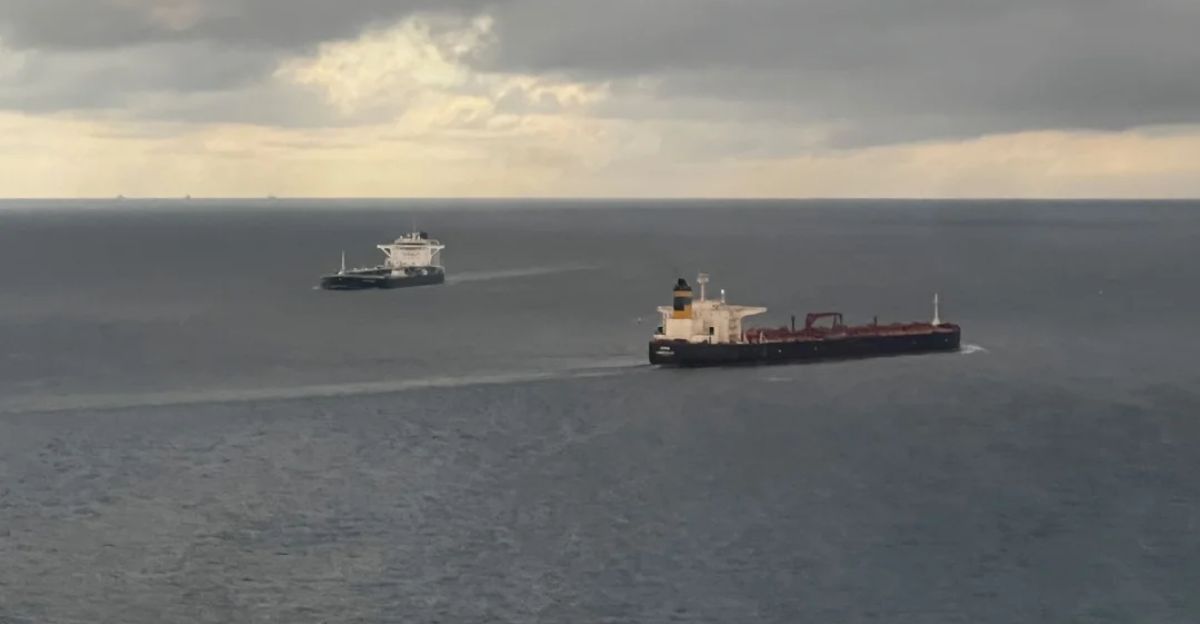
Critical sea lanes have become high-value corridors for sanctioned Russian crude. In September 2025 alone, about €1.4 billion in Russian oil passed through the Danish Straits on vessels using misleading flags. That month, CREA identified at least 18 such ships operating in European waters, moving roughly €525 million of crude with limited interference. Inspections in these narrow waters are sporadic and largely procedural, leaving most cargoes undisturbed.
India has emerged as one of the most important end-markets for these flows. From January to September 2025, false-flagged tankers delivered Russian crude to Indian buyers, with cargoes valued at approximately €2.1 billion. Russian oil has risen from under 1% of India’s imports in early 2022 to approximately 38% according to trading data through September 2025. That shift gives Moscow a dependable purchaser, while tying Indian refiners more closely to a supply chain exposed to sanctions changes and diplomatic pressure. Any abrupt tightening of enforcement could disrupt deliveries, refine margins, and domestic fuel pricing in a market now heavily reliant on discounted Russian barrels.
Flag States, Insurance Gaps, and Legal Loopholes
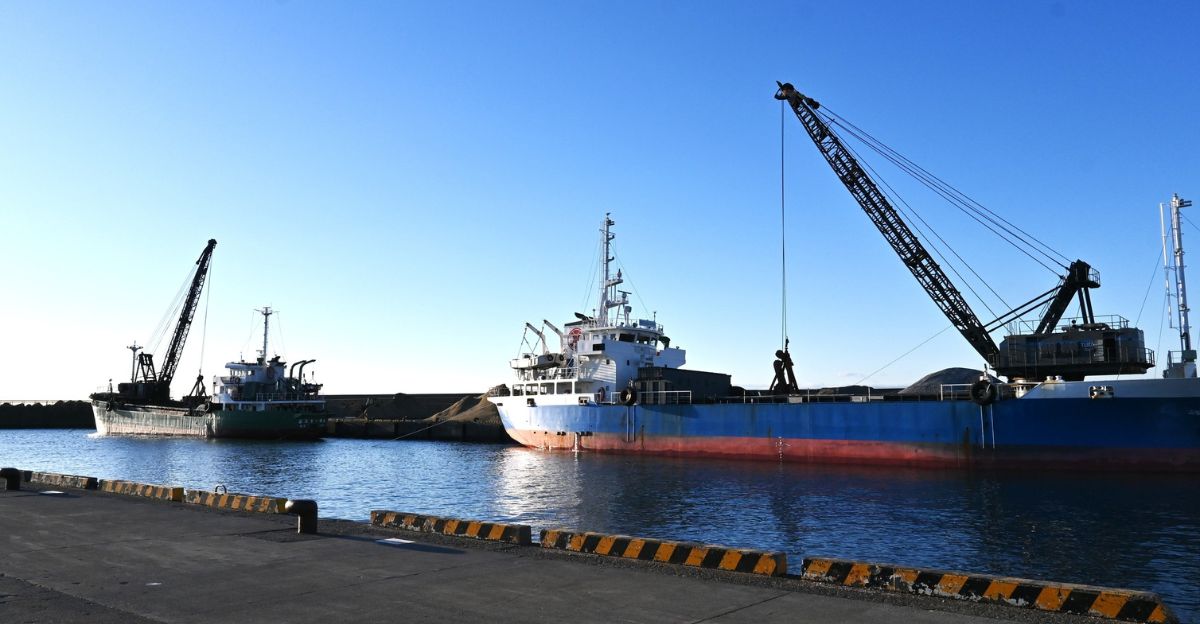
Russia’s shipping strategy depends heavily on what experts describe as jurisdictional arbitrage. Multiple ship registries have hosted Russian-linked tankers despite having few or none before the invasion of Ukraine. Many of these registries belong to small or financially stressed states that charge annual fees while providing limited monitoring of safety, sanctions compliance, or ownership transparency.
Cases such as Benin and Palau illustrate this pattern. Benin’s registry counted Russian shadow tankers by September 2025. Palau has generated revenue from ship registrations without robust systems to verify compliance with international restrictions. The United Nations Convention on the Law of the Sea requires vessels to sail under a recognized national flag, but enforcement is left to individual states. Where regulatory capacity is thin or political will is low, ships can operate with minimal scrutiny.
Insurance and liability form another weak point. Many of these tankers sail without cover from established Western protection-and-indemnity clubs. Instead, they rely on Russian providers such as AlfaStrakhovanie and Ingosstrakh, whose policies are often opaque and may not meet international standards for environmental liability. Analysts warn that many vessels in this network lack robust insurance; if a major spill occurs, the cleanup bill could amount to over €1 billion for coastal states and taxpayers rather than shipowners.
Hidden Transfers, Financial Shells, and Global Precedent
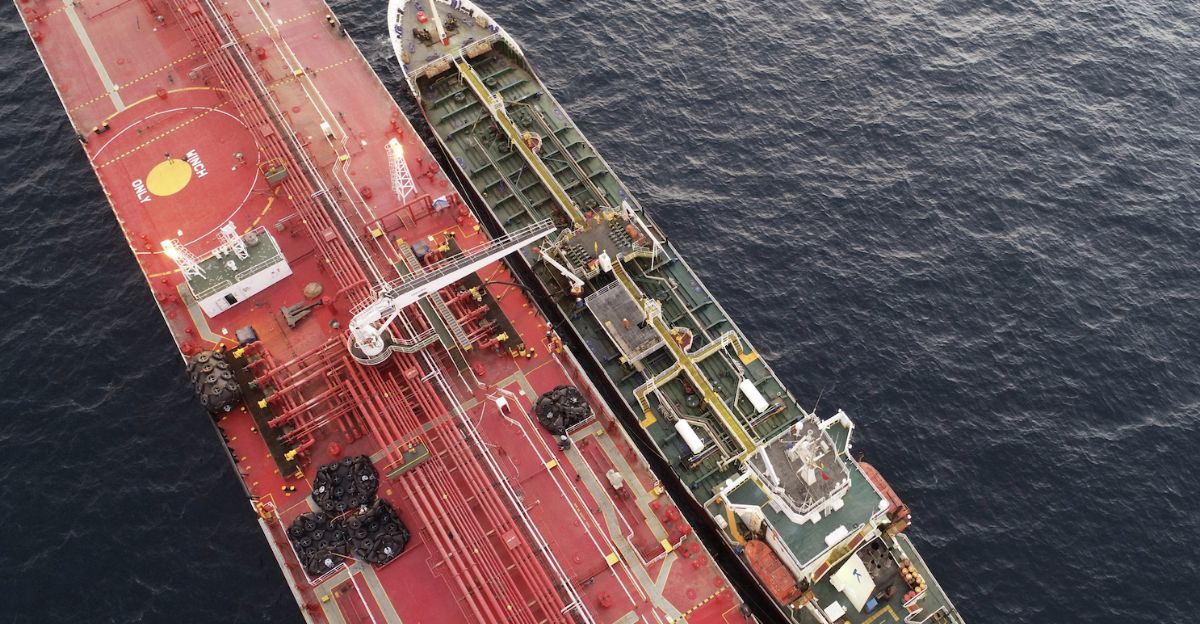
Operationally, ship-to-ship transfers are crucial to keeping Russian oil moving. In September 2025, ship-to-ship transfers of Russian oil in EU waters were estimated at significant daily volumes. These mid-sea transfers help blend or rebadge cargoes, complicate audit trails, and obscure who owns, insures, or ultimately receives the oil. Western-flagged vessels sometimes take part in these operations, which may technically comply with some rules while undermining the broader intent of sanctions.
Behind these movements sits a layered financial architecture. Many tankers in the network are owned or controlled through shell companies registered in hubs such as Dubai or Hong Kong, paired with Russian insurance and local intermediaries. These arrangements make it difficult to establish responsibility for accidents or sanctions breaches and allow operators to retire or replace ships quickly when authorities seize or detain a vessel. Only a small fraction of the fleet carries fully verifiable insurance, while profits are plowed back into acquiring older tankers and keeping the network replenished.
The human factor is another under-examined element. Much of the fleet consists of aging ships crewed by workers from Eastern Europe, South Asia, and Africa, often hired on lower salaries and working longer hours than on mainstream commercial liners. Limited oversight and uncertain insurance leave them vulnerable if accidents, injuries, or pollution incidents occur, with few avenues for compensation.
These practices collectively weaken the impact of sanctions. Western authorities have detained vessels involved in shadow fleet operations, but the fleet continues to grow and adapt. Each seizure tends to be offset by rapid purchases of older vessels, allowing exports to continue largely uninterrupted while logistics costs rise.
Strategic Stakes and Future Choices
Russia’s continued ability to export through shadow fleet channels poses wider geopolitical questions. It signals to other states under or facing sanctions, including major powers, that coordinated flag-hopping, opaque insurance, and tactical use of microstate registries can keep oil revenues flowing. China watches these developments closely, while India has integrated deeply into the reconfigured trade routes.
For Western governments, the situation tests the long-term credibility of embargoes as a foreign policy tool. Current tactics—seizing individual ships, lobbying flag states, and conducting occasional inspections—have not kept pace with a rapidly expanding and adaptive network. Analysts and regulators now debate more structural responses, including closer coordination among coastal states, expanded use of maritime tracking technology and trade data, and measures aimed at end buyers rather than individual tankers. Without such systemic changes, the shadow fleet model is likely to remain embedded in global oil trade, preserving a substantial revenue stream for Moscow while exporting environmental and human risks far beyond Russia’s borders.
Sources:
Economic Times, “30 false-flag tankers shipped EUR 2.1 bn,” Nov 27, 2025
New Indian Express, “EU think tank claims 30 false-flag tankers shipped €2.1 bn,” Nov 26, 2025
BIMCO/Riviera, “India’s seaborne Russian crude imports hit 40%,” Aug 13, 2024
Reuters, “India’s Russian oil imports rise,” Nov 3, 2025
KSE, “Oil Spill Insurance and the Shadow Fleet,” Feb 13, 2025
S&P Global, Quote/Interview Skuld CEO
IMO, “Registration of ships and fraudulent registration matters,” Dec 2024