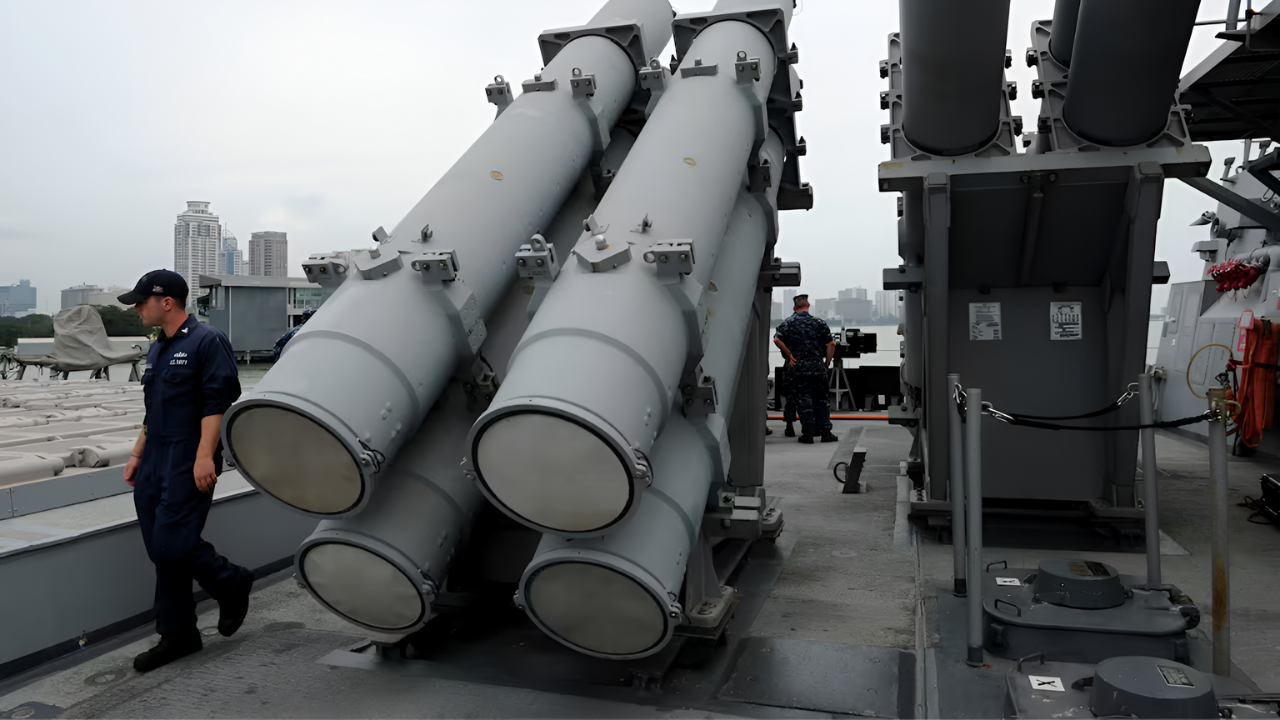
In April 2022, Russia’s Black Sea flagship Moskva sank in less than nine hours, turning months of strategy, technology, and symbolism into a single, dramatic event. Struck by two Ukrainian-made Neptune missiles on April 13, the $750 million cruiser became the largest Russian warship lost since World War II and a pivotal moment in the battle for the Black Sea.
The loss linked an early act of defiance on Snake Island to a major naval defeat, reshaping Russia’s regional posture and showing how carefully planned, domestically developed weapons can shift the balance of power at sea.
As Ukraine demonstrated the impact of precision strikes and adaptive strategy, the episode highlighted that even the most formidable fleets are vulnerable.
Defiance at Snake Island Becomes a National Symbol
The Moskva first drew global attention on February 24, 2022, when Ukrainian border guard Roman Hrybov refused the ship’s demand to surrender Snake Island. His blunt reply—“Russian warship, go f*** yourself”—spread worldwide, quickly becoming a concise symbol of resistance on protest signs and in media coverage.
Ukraine’s postal service turned the phrase into a national emblem. On March 1, 2022, Ukrposhta launched a design competition for a commemorative stamp. Artist Boris Groh’s image of a lone Ukrainian soldier raising a middle finger at the looming cruiser won a public vote on social media.
One million stamps were released on April 12, 2022, just one day before the Moskva was struck. By April 20, about 700,000 had been sold, intertwining battlefield events with cultural symbolism and reinforcing the narrative of Ukrainian defiance.
Planning the Strike and the Rise of Neptune
Responsibility for the attack lay with Ukraine’s Southern Command under Navy commander Rear Admiral Oleksiy Neizhpapa. From positions near Odesa, teams operating R-360 Neptune missiles tracked the Moskva roughly 60–65 nautical miles offshore. The operation demonstrated that coordinated shore-to-sea strikes could threaten even the most heavily armed surface combatants in confined waters like the Black Sea.
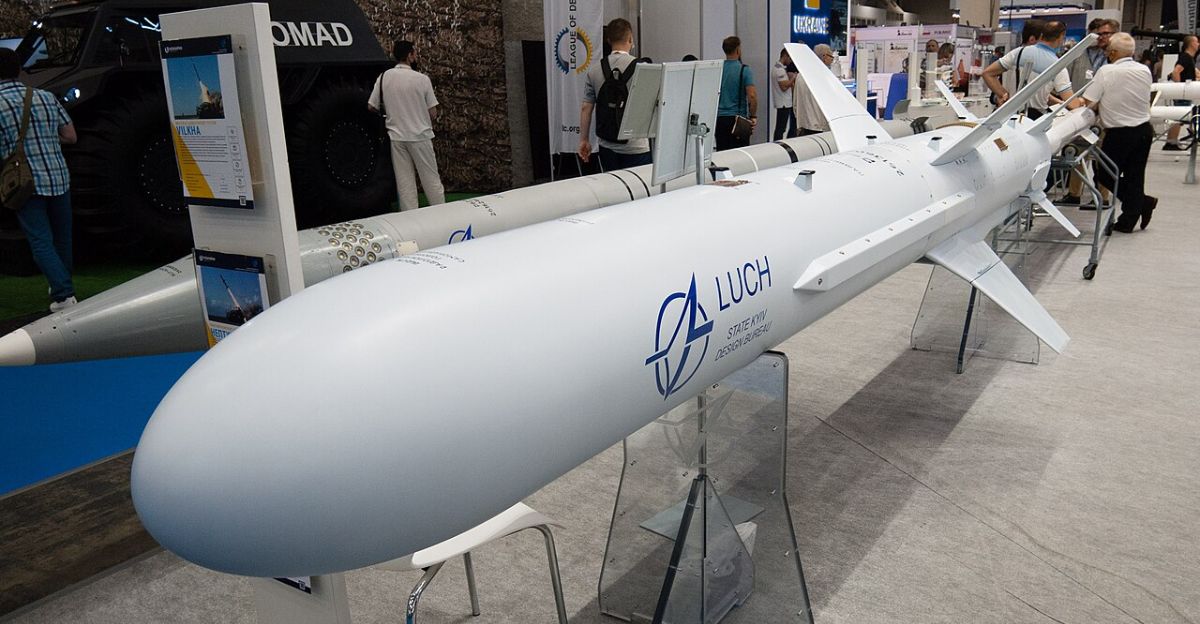
The Neptune missile, developed by the Luch Design Bureau in Kyiv, carries a 150-kilogram warhead and features upgraded guidance and electronics derived from the Soviet-era Kh-35. Entering service in March 2021, it saw combat for the first time on April 13, 2022. Its success signaled that Ukraine could deploy effective long-range anti-ship systems despite wartime constraints, a milestone in indigenous defense technology.
A Vulnerable Flagship and Failed Defenses
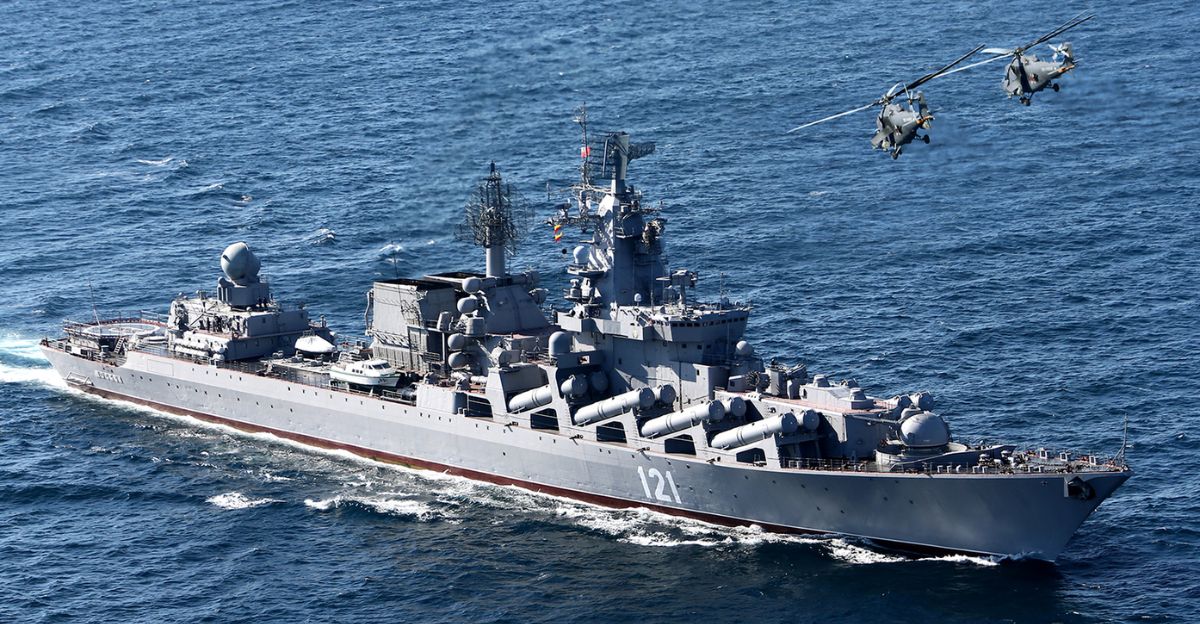
The Moskva, a Slava-class guided missile cruiser displacing approximately 12,500 tonnes and measuring 186 meters, was the flagship of Russia’s Black Sea Fleet. Equipped with 16 P-1000 Vulkan anti-ship missiles, over 100 surface-to-air missiles, close-in weapons, and torpedoes, it was the fleet’s only ship with long-range S-300F air defense. On paper, its layered defenses were formidable.
Yet on April 13, none engaged incoming missiles. Ukrainian commander Neizhpapa later said the strike occurred during “admiral’s hour,” when routine crew rest reduced vigilance. Human factors undermined even the most advanced systems.
Unconfirmed reports suggest Turkish Bayraktar TB2 drones may have assisted in reconnaissance, though the primary strike relied on Neptune missiles. The incident highlighted that technology alone cannot replace disciplined operational procedures.
Impact, Sinking, and Human Cost
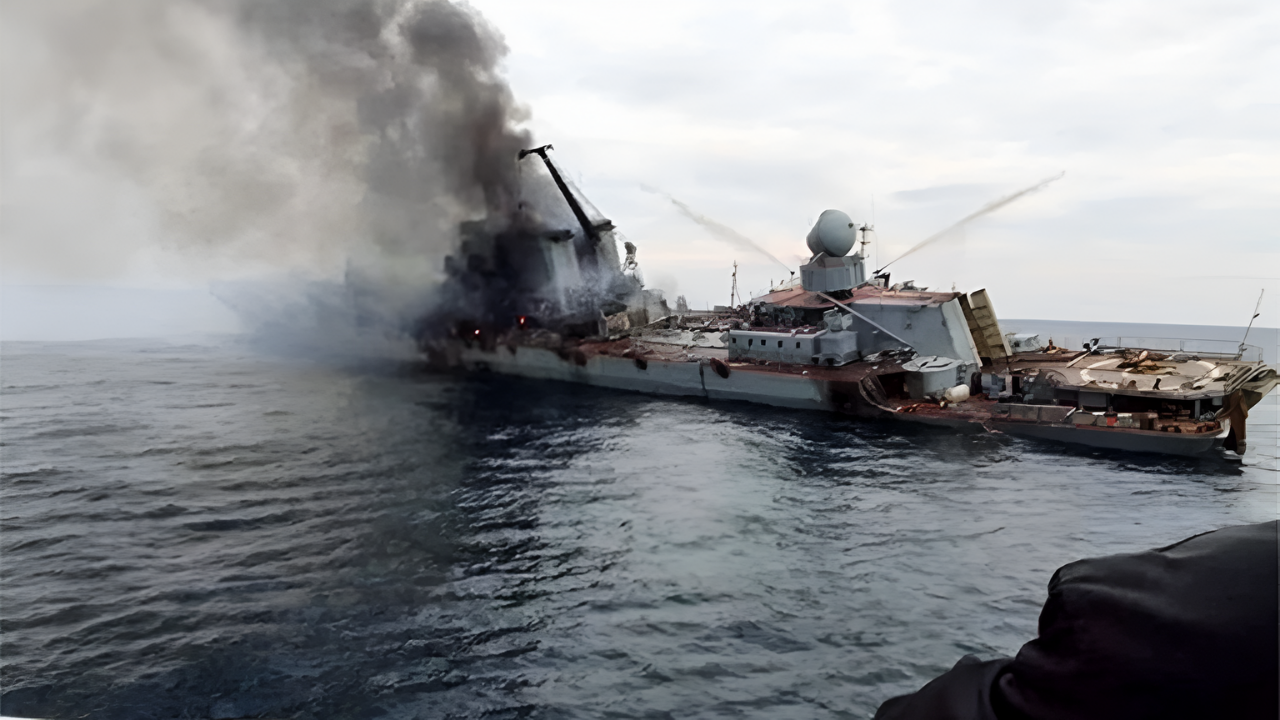
On April 13, 2022, Neptune missiles struck the Moskva at 20:42 local time. One missile hit near the mess and engine rooms, killing key personnel and crippling damage control. A second reportedly hit the stern, triggering secondary explosions and fires. Less than nine hours later, the ship sank around 03:00 on April 14.
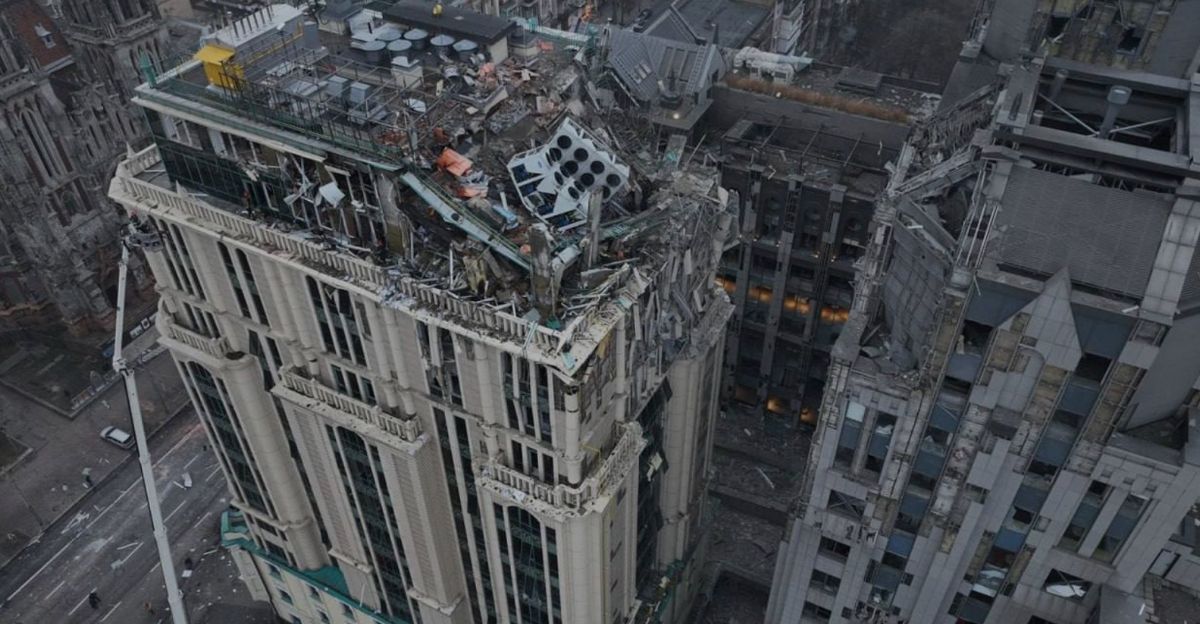
Casualty figures remain disputed. Russian sources reported one dead, 27 missing, and 396 rescued; independent analysts estimate 240–300 fatalities. Families of missing crew members compared the lack of transparency to the 2000 Kursk submarine disaster. The sinking underscored the vulnerability of even the most advanced warships and the human cost of maritime conflict, reinforcing the strategic and emotional weight of the loss.
Strategic Shock and Black Sea Balance Shift
The Moskva’s sinking removed Russia’s only long-range naval air defense in the Black Sea. S-300F capabilities were unique to the ship, forcing commanders to pull surface vessels roughly 80 nautical miles offshore. Analysts noted the fleet’s caution limited its ability to threaten Ukraine’s coastline or support amphibious operations near Odesa.
U.S. intelligence confirmed the successful Neptune strike, emphasizing Ukraine’s ability to challenge larger naval forces independently. The symbolic arc that began at Snake Island concluded when Russian forces withdrew on June 30, 2022, and Ukrainian troops raised their flag by July 4. The Moskva now rests in 45–50 meters of water, its $750 million replacement cost eclipsed by strategic implications for both sides.
A Watershed Moment for Naval Warfare
The Moskva’s destruction showcased the convergence of technology, strategy, and symbolism. Ukraine’s use of a domestically developed missile system highlighted that smaller navies, when combined with precise targeting and adaptive leadership, can challenge larger fleets. For Russia, the loss exposed vulnerabilities in personnel readiness and reliance on a single flagship for long-range air defense.
The incident reshaped control of the Black Sea, forcing tactical and strategic recalibrations. It reinforced the idea that morale, narrative, and operational ingenuity are as critical as hardware. Future engagements will be measured not just by ships or missiles, but by the ability to integrate technology, intelligence, and symbolic action into decisive outcomes on the water.
Sources:
Ukrposhta Stamp Release, April 2022
U.S. Pentagon and Intelligence Statements, 2022
Russian Defense Ministry Reports, April 2022
AP and Reuters Coverage of Moskva Sinking, 2022
Ukrainian Ministry of Defense Updates, 2022